






I’m pleased to present the second nomination for the 2025 MHF Defender Award!
You might be surprised at the historic relics lingering in state health policy.
Representative Jaime Churches explains how over-the-top education requirements for licensing impact her community. They hit the rest of Michigan, too.
Nominee points to lack of proportion
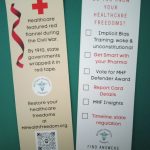
Barbers used to provide healthcare, and they’re still licensed that way in Michigan.
This nominee’s testimony raises a great question: who needs more education, barbers or EMTs? Considering the relative risk to health, we have it backwards.
Takeaway: the harder it is to start working, the more it costs all of us.
Nominees for the 2024 MHF Defender Award spoke up for healthcare freedoms like the right to work, truth in policy, conscience rights, and limited healthcare taxes.
This year’s first nominee addressed license exam barriers.
Licensing regime barriers
Typical state licensing requirements include:
- hours of classroom education
- hours of clinical
- accredited schools
- subjects to be taught
- license exams
- state license fee
- license renewal fee
- license renewal continuing education
- disciplinary board
As you can see, this list sprawls a bit, and it doesn’t stop here. Every professional license has its add-ons, usually driven by special interests from within that industry.
Like building blocks in the hands of a 5-year-old, today’s Michigan licensing system lacks proportion. Decades of added mandates leave us with excessive, dysfunctional licensing regimes.
Attempts to reduce barber education hours are bipartisan, and common sense.
So, who’s the hold-out? Barber schools, for one. They benefit from higher tuition and enrollment. For another: state regulators and legislators may like state revenue and control just the way they are.
Watch the whole Regulatory Reform Committee hearing here.