







People say, “You can bill insurance if you’re licensed!” – as though a jackpot is just waiting to be claimed. The truth is far otherwise.
I hope that understanding three facts about licensing and insurance will change your perspective on coverage versus cash.
New License Logic
In the beginning, patients usually just want someone who understands their problem, and can offer a reasonable solution.
The problem starts when someone suggests, “Insurance would cover this, if your clinician had a license.” It doesn’t matter how much they like their provider, just as they are. It doesn’t matter how affordable “this” may be, paying cash.
Once the suggestion is made, most patients don’t care: they just want “this” to be covered. And clinicians think the same way: it looks like easy income. Human nature being what it is, getting insurance to pay for something always sounds better than paying for it ourselves.
Yet no one is more surprised than these patients a few years later, when their clinician no longer has time to listen, and refuses to give unapproved treatment! (Unless it’s the clinician, struggling under impossibly complex billing.)
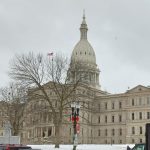
Of course, with the exorbitant prices we pay for insurance, it’s perfectly reasonable to want to get our money’s worth. But that shouldn’t blind us to the freedoms we lose when Lansing births a new healthcare license.
License/Insurance handcuffs
It sounds simple when insurance requires clinicians to be licensed to bill insurance for their services. But after that, things get murky.
1. License law sets fees and requires a board to create rules for the profession’s standards, education, and more. The standard may include the treatment you need, or it may ban it. Compliance is required to keep the license. It is illegal to use the title without a license.
2. Insurance disrupts the patient-clinician relationship in several ways. Protocols dictate services covered. Billing administration takes over 50% of a physician’s day, and has cut patient visit time from 15 minutes to less than 7.
3. Insurance and/or licensing rules most likely will require liability insurance, which may have its own restrictions on services.
All three – billing, compliance, and liability insurance – drive 30% higher healthcare prices. That’s why in truth, licensing and insurance make care more expensive, not more affordable.
Unfortunately, it impacts all patients, not just those with “coverage.” Zero-based licensing would help, but we also need to consider how we think about new licenses in the context of care.
The truth is in 60 years of patients seeking care
Patients have incredible power when they seek out care. The license-insurance takeover follows a decades-old pattern that reflects positive consumerism, as well as patients’ need for greater awareness.
Michigan licensed medical doctors first. When MDs became too standardized (bound to insurance protocols, less attentive, less creative) people sought out alternative care from osteopaths (D.O.s). Some years later, D.O.s pursued licensing, and the process repeated. Next, chiropractors became the go-to for healthy, natural, non-standard care. Then they too became licensed, in order to bill insurance.
To save their sanity and patient relationships, DPC physicians eliminate insurance billing altogether. Still, we haven’t learned.
Midwives sought licensing in 2015 and professional counselors in 2019 (again, to bill insurance).
Now, naturopathic physicians are in Lansing trying to get their own licensing bill passed.
Why do we always think it will be different this time?
Now that you know the rest of the story, please share it with a friend and talk to your legislators!