- Journalists Capsulize Weight Loss News and ACA Premium Pressures

- BJC executives: Key questions shaping value-based care strategy

- Michael Dowling: Time to hold social media platforms accountable for the youth mental health crisis
- California county breaks ground on $23.7M behavioral health center
- Rhode Island hospital birthing center to remain open amid funding push
- Rhode Island hospital birthing center to remain open amid funding push
- OHSU CEO out after 3 months
- Arkansas system names CEO
- Sanford Health CIO steps into new role
- What increased hygienist autonomy means for dentistry
- COVID vaccination rates rise among healthcare workers: CDC
- More medical schools swap lectures for active learning
- 43 recent hospital, health system executive moves
- NorthBay receives $14.9M for new behavioral health center
- Buffalo Bills, Kaleida Health extend naming rights partnership
- The specialty facing a million dollar gender pay gap
- 10+ new cardiology practice openings in Q1
- 27 hospitals closing departments or ending services
- WHO updates opioid treatment, overdose guidance
- Michigan dentist charged with racketeering, Medicaid fraud
- CommonSpirit, Cigna reach agreement for Tennessee, Georgia
- Vermont Dental Society, U of Detroit to open state’s largest dental clinic
- How 5 specialties’ pay has changed over 5 years
- The anesthesia staffing strategies that are actually working
- CMS Innovation Center spent $7.9B in 1 decade: 7 notes
- How Medicaid Contractors Stand To Gain From Trump’s Policy
- Ohio hospital to pay $1.7M to resolve Stark law allegations
- HonorHealth margin dropped to -0.2% in 2025
- Idaho to restore Medicaid mental health programs after cuts
- ADA wary of impact CMS’ antifraud program could have on dentistry
- What’s new with Tenet?
- Federal agencies to revise mental health parity rule
- Inside SALT Dental Partners’ growth spurt
- Centerstone receives $750K VA suicide prevention grant
- Utah physician indicted for selling unapproved drugs
- Breaking Barriers: How Innovation Can Expand Access to Dental Care

- Lee Health breaks ground on 60K-square-foot ASC, MOB
- 15 big dental technology, AI updates to know from Q1
- Gastro Health inks deal with Virginia practice
- Montana hospital launches ASC expansion project
- Centene subsidiary to invest $6M in California behavioral health campus
- Moody’s upgrades Wellstar’s credit rating
- 5 dental mergers, acquisitions in March
- 4 DSOs making headlines
- CMS pitches payment rules for 4 care settings: 12 notes
- Public prior authorization data short on insight: KFF
- USDA Warns of Lead Risk in Frozen Dino-Shaped Chicken Nuggets
- New Heart Diet Advice Counters U.S. Guidance on Meat and Dairy
- Peeled Garlic Recalled Over Risk of Deadly Botulism
- Some CDC Lab Testing Paused Amid Internal Review
- White House floats 12.5% budget cut for HHS in FY2027, reiterates reorganization plan
- Boston Scientific receives FDA clearance for the Asurys Fluid Management System
- Boston Scientific receives FDA clearance for the Asurys Fluid Management System
- Serenity Medical Receives FDA Humanitarian Device Exemption for IIH Venous Stent
- Serenity Medical Receives FDA Humanitarian Device Exemption for IIH Venous Stent
- Blue Shield of California’s virtual-first plan continues to show lower costs, increased access for members
- Merit Medical Acquires View Point Medical, Inc., expanding the Merit Therapeutic Oncology Portfolio
- Merit Medical Acquires View Point Medical, Inc., expanding the Merit Therapeutic Oncology Portfolio
- FDA Publishes New Set of Real-World Evidence Examples

- FDA Publishes New Set of Real-World Evidence Examples
- Industry Voices—Hospitals are fueling AI innovation, should they own a piece of it?
- Nerve Stimulation Therapy May Ease Fibromyalgia Pain, Fatigue
- Psychotherapists Often Poorly Trained in Treating Muscle-Linked Disorders in Males
- Missing From Most Doctor-Patient Talks: Sleep Issues
- Plastics Chemical Linked To Nearly 2 Million Preterm Births Each Year
- Most Americans Don't Realize Brain Donation Is Needed to Study Autism
- Weekend Binge Drinking Triples Risk of Permanent Liver Damage
- Tax Time Brings Surprises for Some Who Receive ACA Subsidies

- An update on the pharma industry’s reshoring effort
- Listen: What the Vaccine Schedule Whiplash Means for Your Kids

- Biopharma R&D pipeline shrinks for 1st time in 30 years: report
- Lovelace closes New Mexico clinic 1 year post-acquisition
- Health systems on average aren’t breaking even
- UConn Health to acquire children’s psychiatric facility
- What the Health? From KFF Health News: GOP Mulls More Health Cuts
- Fierce Pharma Asia—Trump’s 100% drug tariff; Takeda layoffs; Lilly, Insilico's AI deal
- CMS locks in MA star ratings overhaul, bumps proposed special enrollment window for provider terminations
- Oregon university launches dental therapy program
- Trump slaps 100% duties on imported drugs but leaves plenty of exceptions
- OSU Wexner Medical Center reports 25% drop in safety incidents: 5 notes
- Novo Nordisk launches discounted subscription program for Wegovy through telehealth providers
- How the Harris Center navigates 70 contracts to fund a continuum of care
- GAO audit outlining CMMI's limited model scale-ups draws more Republican scrutiny
- UK signs off on US pharma deal, ensuring tariff reprieve as Britain aims to reattract investments
- BioNTech telegraphs closure of Singapore vaccine facility amid efforts to 'align capacity'
- FDA Recalls Wawa Milk Over Possible Plastic Contamination
- Wegovy Maker Launches Lower-Cost Subscription Plans
- FDA Approves New Weight Loss Pill, Foundayo, in Record Time
- Corti releases agentic model for medical coding, says it outperforms OpenAI, Anthropic
- Rising Stars: The Trade Desk's Elizabeth Keenan finds the rhythm in music and media
- Lawsuit Over Viral David Protein Bars Dropped Without Explanation
- Despite better cash flow, providers missed out on more revenue in 2025 due to increased payer denials
- Lawmakers introduce bipartisan legislation to help struggling rural hospitals stay open
- Lilly's obesity pill Foundayo gains early blockbuster forecast as analysts float 5M+ prescriptions in 2026
- Trump eyes 100% tariff rate for companies that have not struck MFN deals: Bloomberg
- Poland, Romania must pay Pfizer $2.2B in fight over contested COVID vaccine doses: Belgian court
- New Rapid Urine Test Could Revolutionize Treatment of UTIs
- New Pill Could Change Plaque Psoriasis Treatment
- Researchers Explore When Crying Helps You
- Burnout Driving Family Doctors to Quit Medicine, Study Finds
- Siblings Crucial To Middle-Aged People Grieving The Loss Of A Parent, Study Says
- Pandemic Spurred Increase In Screen Time Among Children, Teens
- Another AstraZeneca Emerald glimmers as Imfinzi, Imjudo delay liver cancer progression
- Family building platform Sunfish launches AI-powered egg freezing program with cost guarantee
- US Scientists Sequence 1,000 Genomes From Measles, a Disease Long Eliminated With Vaccines

- State-Run Insurance Plans for Foster Kids Leave Some of Them Without Doctors

- German CDMO Adragos buys French sterile injectables plant from Sanofi
- Glenmark goes direct with new US Ryaltris marketing plan as it drops partner model
- Bayer rejigs marketing claims after recommendation from US advertising body
- Intuition Robotics secures Medicaid coverage for social AI robot ElliQ in Washington State
- Memorial Hermann Health System, Blue Cross Blue Shield of Texas fail to reach contract deal
- Johns Hopkins Medicine, American Telemedicine Association launch cross-state telehealth initiative
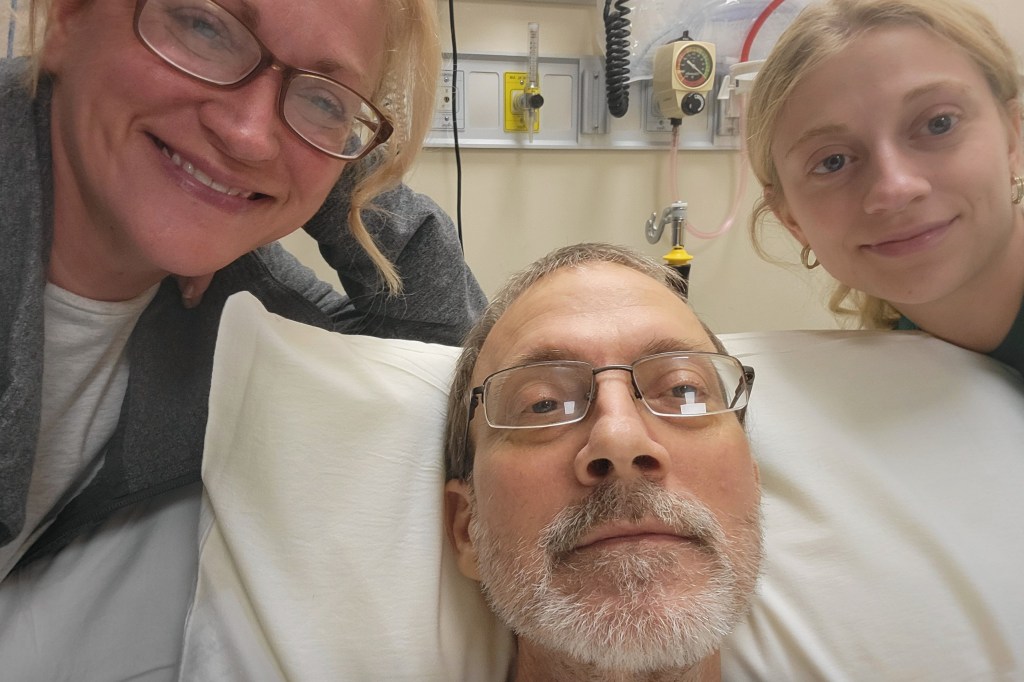
- After Man’s Death Following Insurance Denials, West Virginia Tackles Prior Authorization
- 131 hospitals sue HHS over 2023 rule on Disproportionate Share Hospital calculation
- 4 out of 10 family physicians report feelings of burnout, Weill Cornell Medicine study finds
- Hundreds of U.S. Hospitals at Risk of Shutting Down From Medicaid Cuts
- Honey Almond Cream Cheese, Sold at Einstein Bros. Bagels, Recalled Due To Undeclared Nuts
- Trump Supports Surgeon General Pick Despite Senate Concerns
- A look at AMA's Joy in Medicine program amid steady physician burnout rates
- Lilly answers Novo's GLP-1 pill with highly anticipated FDA nod for Foundayo
- Supreme Court Blocks Colorado Limits on Therapy for LGBTQ Minors
- Hospital groups call on Congress to refine long-term care hospital payments
- Study Shows BMI Often Gets Your Weight Category Wrong
- Antidepressant, Fluvoxamine, Might Help Long COVID Fatigue, Study Says
- Kinesio Taping’s Benefits in Doubt, Major Evidence Review Finds
- High Sodium Intake May Trigger New Heart Failure
- Home-Delivered Groceries Boost Heart Health In Food Deserts, Study Says
- Nicotine E-Cigarettes Help Smokers Quit, Review Concludes
- Clinicians are burnt out. Peer support can help
- Novo's Wegovy nets cardio nod from UK cost gatekeeper, adding 1M+ eligible patients
- Trump’s One Big Beautiful Bill Act Darkens Outlook for Government-Backed Clinics

- Readers Sound Off on Wage Garnishment, Work Requirements, and More

- CVS Health opens pharmacy-only locations as it rightsizes store footprint
- How Rural Health Systems Are Advancing Cardiac Imaging
- How Rural Health Systems Are Advancing Cardiac Imaging
- Beyond Reimbursement: Why Market Access is MedTech’s Strategic North Star

- Beyond Reimbursement: Why Market Access is MedTech’s Strategic North Star
- Evotec hires exec with AI experience to lead rebooted commercial team
- The Human Side of AI Medical Devices: Why Safety Depends on Design, Not Just Algorithms

- The Human Side of AI Medical Devices: Why Safety Depends on Design, Not Just Algorithms
- Whoop raises $575M series G, Abbott comes on board amid hiring spree
- ‘There isn't as much meat left to cut’: Biopharma layoffs maintain slowdown in Q1
- Bipartisan bill introduced to stabilize physicians' year-to-year pay changes
- UnitedHealthcare launches Avery, a generative AI companion for members
- FDA flags serious liver injury cases, 8 deaths with ‘reasonable’ link to Amgen's Tavneos
- Novo Nordisk cuts 400 roles at troubled Bloomington site
- Former U.S. Surgeon General Challenges Trump Nominee
- Iterum initiates wind-down after failure to offload antibiotic with sluggish sales
- Over 10.2 Million Grill Brushes Recalled Over Metal Bristle Risk
- Sex Enhancement Chocolates Recalled Over Hidden Drug Ingredients


Chris Pope of The Manhattan Institute believes that preventing states from creating new, extraneous programs and funding them with Medicaid dollars is the best way to cut Medicaid spending. A good idea, but unlikely to actually cut Medicaid spending. More likely to reduce the explosive growth of Medicaid spending which has occurred in this century. Federal Medicaid expenditures have increased from $ 118 billion in FY2000 to $ 557 billion in FY2024, a 472% increase:
https://www.city-journal.org/article/house-republicans-medicaid-spending-proposals
A Better Way to Cut Medicaid Spending
The House GOP’s current plans won’t significantly reduce the program. Republicans should instead seek to slow states’ expansions of it.
By Chris Pope - May 20, 2025Last week, House Republicans unveiled proposals to reform Medicaid, the fast-growing system of federal funding for states to deliver health care to low-income Americans. Their proposal creates the appearance of generating substantial savings by nudging states to restrict enrollment. But the approach is unlikely to slow the overall growth of Medicaid spending, because it does little to reduce states’ ability and incentive to claim ever more federal funding.
In reality, Republicans, who promised not to threaten care for those enrolled, have been unable to identify substantial savings by cutting funds that states rely on to deliver health care to Medicaid enrollees. They would do better to focus on the politically easier and fiscally more significant task of preventing states from further expanding the program’s commitments.
Liberals responded to the House’s modest proposals with predictable outrage. Matthew Yglesias has called it a “War on the poor,” arguing that “Medicaid cuts contained in the bill will cause 8.6 million people to lose their health insurance.” Massachusetts representative Lori Trahan has deemed it “federal overreach, plain and simple, with devastating consequences for the people we represent.”
Critics’ outrage is surely overdone. From 2003 to 2023, Medicaid’s annual cost to federal taxpayers surged from $161 billion to $616 billion. House Republicans’ proposals would merely slow the program’s further spending growth over the coming decade from 4.6 percent per year to 3.7 percent. Even that reduction in growth is likely to overestimate the savings that would occur.
To offset the cost of extending the 2017 tax cuts, the House GOP has attempted to maximize the Congressional Budget Office’s estimate of savings resulting from its proposed reforms to Medicaid. But CBO estimates don’t account for likely hurdles to implementation, such as states finding ways to evade intended cost controls.
When such hurdles are considered, the savings and coverage loss are both much less than they’re cracked up to be. This is by design—and it reflects the GOP’s tiny majorities in both houses of Congress, combined with political pressure from governors and health-care providers who stand to lose revenues.
Opponents of the bill point to major cuts in coverage, which the CBO suggests would generate reductions in spending. Loren Adler and Matthew Fiedler of the Brookings Institution, for example, argue that “House Republicans are cutting health coverage programs in two basic ways: (1) narrowing eligibility and making it harder to enroll and stay enrolled; and (2) shifting Medicaid costs from the federal government to the states.” But neither of these effects are likely to be that large.
Take the bill’s work requirements. Adler and Fielder concede that work requirements would not greatly narrow eligibility because the “overwhelming majority of affected enrollees are already working or otherwise complying.” But they suggest that the administrative burden of demonstrating compliance may lead many who are eligible to lose benefits.
That seems unlikely. The bill allows part-time “community engagement” activities to satisfy work requirements, and states have proven adept at using token employment arrangements to nullify similar mandates in the past. The bill would not even allow states to implement work requirements for several years.
States currently receive up to $9 in federal funds for every $1 they spend on Medicaid benefits for able-bodied adults—a return on investment that even most conservative states have found hard to resist. An important objective of work requirements appears to be giving the remaining holdouts political cover to claim their own portion of the federal bounty by expanding Medicaid. This would greatly increase, rather than reduce, federal spending and Medicaid enrollment—even if CBO does not account for such considerations.
Republicans argue that it’s absurd for the federal government to provide $9 in funding for every $1 states spend on Medicaid benefits for able-bodied adults, while only providing an average of $1.30 for every $1 spent on benefits for children, the disabled, and pregnant women. President Obama proposed replacing this arrangement with an intermediary rate for all beneficiaries, but Republicans plan simply to reduce the higher rate.
Democrats argue that the proposed reduction of funding for states would lead to major cuts in coverage. But the GOP bill would only trim the $9-to-$1 match to $8-to-$1 for blue states whose Medicaid providers also deliver care to illegal immigrants—leaving an enormously lucrative arrangement largely in place. The reduction is more an attempt to influence states’ policies on immigration than an effort to lessen substantially the burden on federal taxpayers.
The House GOP bill may nonetheless generate some modest genuine savings. It tightens enforcement of means tests and attempts to restrict states’ ability to inflate federal matching funds artificially by imposing state taxes on insurers, hospitals, and other medical providers. But similar restrictions on “provider taxes” have been enacted in the past and tend to proceed like a game of Whac-a-Mole: whenever Congress restricts one scheme to inflate Medicaid costs artificially, states construct another.
The only real way to stop states from driving up Medicaid costs is to limit the total amount of federal Medicaid funding each state may claim. This year’s House GOP proposal, unlike the 2017 version, doesn’t even try to do so. The GOP has previously stumbled in attempting to set precise dollar limits on Medicaid funding for states. (Set them too high, and they will do little to constrain the growth of expenditures; too low, and they will unduly disrupt existing care.)
A better approach would be to prohibit high-spending states from unilaterally expanding their Medicaid programs. States that claim more than $20,000 in federal Medicaid funds per poor resident should no longer be permitted to claim additional matching funds for further expansions of benefit packages or eligibility, or extraordinary increases in payments for services undertaken without express authorization by Congress.
The House GOP’s Medicaid reform proposals have failed to generate substantial genuine savings or improvements to the program. Their Republican Senate counterparts have an opportunity to do better.
Christopher Pope is a senior fellow at the Manhattan Institute. Previously, he was director of policy research at West Health, a nonprofit medical research organization; health-policy fellow at the U.S. House Committee on Energy and Commerce; and research manager at the American Enterprise Institute. Pope’s research focuses on healthcare payment policy, and he has recently published reports on hospital-market regulation, entitlement design, and insurance-market reform. His work has appeared in, among others, the Wall Street Journal, Health Affairs, US News and World Report, and Politico.
Pope holds a B.Sc. in government and economics from the London School of Economics and an M.A. and Ph.D. in political science from Washington University in St. Louis.
Get MHF Insights
News and tips for your healthcare freedom.
We never spam you. One-step unsubscribe.
Sponsors
Friends of MHF





Kirsten DeVries
Tom & Karen Nunheimer
Steve Ahonen
Ron & Faith Bosserman
Marlin & Kathy Klumpp
Sign Up for MHF Insights to keep up on the latest in Michigan Health Policy