- House hearing dissects healthcare’s cost problem: 8 takeaways

- House hearing dissects healthcare’s cost problem: 8 takeaways
- The more things change, the more hospital exec pay doesn’t
- Defunct hospital-at-home tech company sells assets
- Prime Healthcare’s 2 criteria for acquiring hospitals
- Prime Healthcare’s 2 criteria for acquiring hospitals
- Vanderbilt Health leans into sports, entertainment to reach patients
- How NYU Langone turned a struggling Brooklyn hospital into a quality leader
- AdventHealth taps CEO for newly formed region
- 5 recent health system chief marketing leadership moves
- Mass General Brigham Health Plan launches wellness hub
- Virginia OKs new hospitals, expansions for HCA, Bon Secours, VCU Health
- UConn Health bond sale to back acquired hospital, capital improvements
- UConn Health bond sale to back acquired hospital, capital improvements
- Pine Rest to open Michigan’s 1st pediatric psychiatric urgent care center
- Arizona advances bill to study adult Medicaid dental benefits
- Mirco-Tech Endoscopy acquires 3 GI product lines
- What comes next for Optum’s care delivery business, per its CEO
- Prodeon Medical FDA 510(k) approved for the Urocross Expander System, a Non-Permanent Retrievable Implant for Treating Benign Prostatic Hyperplasia
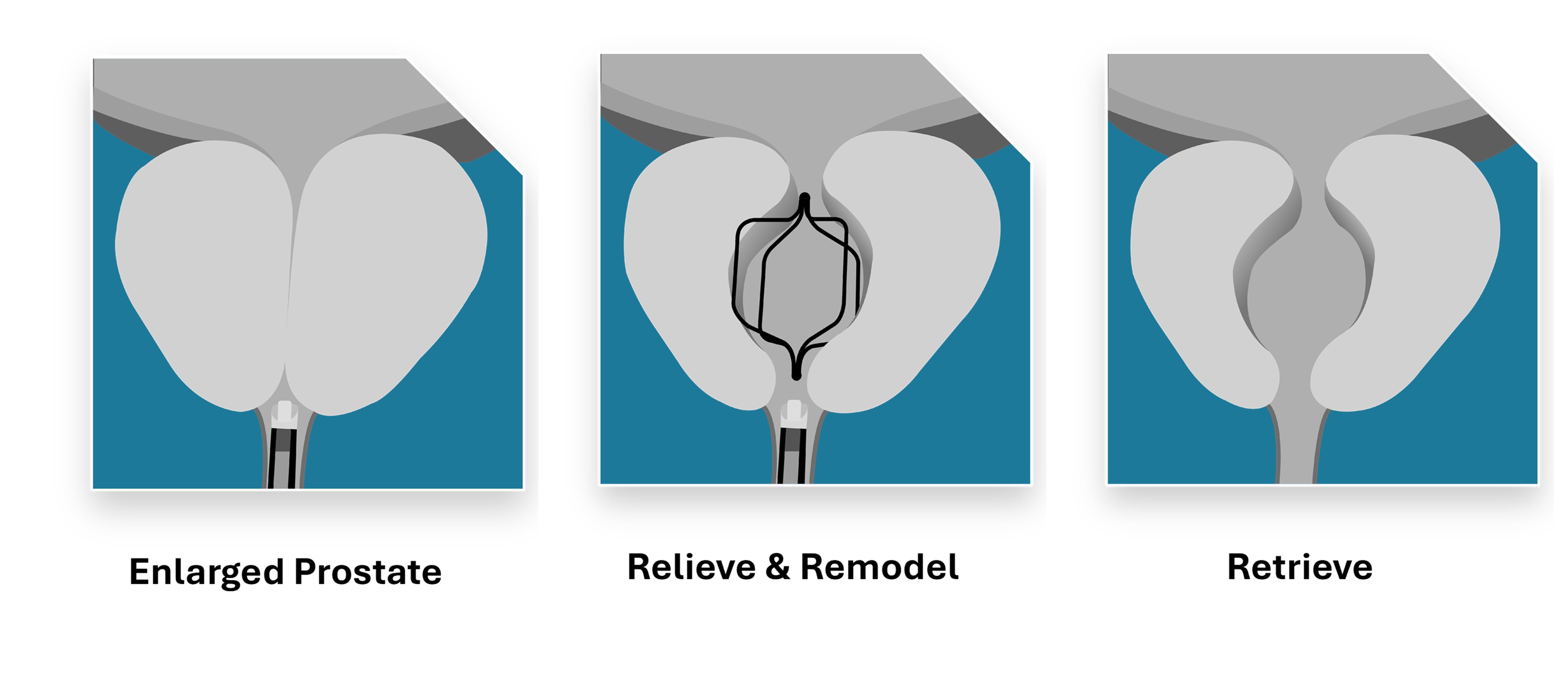
- Prodeon Medical FDA 510(k) approved for the Urocross Expander System, a Non-Permanent Retrievable Implant for Treating Benign Prostatic Hyperplasia
- USF Health launches psychiatry residency at Tampa General
- Mississippi passes interstate dental compact bill
- 6 CFO job openings with Tenet
- JenaValve Gets FDA Nod for Trilogy Transcatheter Heart Valve (THV) to Treat Aortic Regurgitation (ssAR)
- JenaValve Gets FDA Nod for Trilogy Transcatheter Heart Valve (THV) to Treat Aortic Regurgitation (ssAR)
- Governor asks PeaceHealth to hold on physician staffing switch for legal review
- Post Title
- Aria Care Partners acquires 1st dental provider in Arizona
- Rhode Island directs $8M in settlement funds to pediatric dental care
- EyeSouth Partners adds Pennsylvania affiliate
- Why DSO partnerships are no longer just transactional
- Heartland Dental founder makes Forbes billionaires list
- The missing ingredient in ASC profitability: The surgeon’s ‘owner’ mindset
- The best ophthalmology ASCs: US News
- North Carolina system to start going out of network with UnitedHealthcare in April
- 5 billionaires in dentistry
- Henry Ford Health operating margin falls as JV drives revenue growth
- 3 studies scaring anesthesiologists
- The $180K hiding in ASCs’ waste bins
- California to invest $1.18B in behavioral health facilities: 10 largest projects
- Who’s snapping up physician practices in 2026?
- What hospitals get wrong about ASCs
- To tackle healthcare costs, representatives weigh curbs on provider consolidation
- Cannabis use disorder in youth tied to higher psychiatric risk: Johns Hopkins study
- VA offers $112M suicide prevention grants for veterans
- 22 health systems with strong finances
- A look at Highmark's specialty pharmacy partnership with Free Market Health
- How SonderMind scaled referrals using agentic AI
- Health systems turn to virtual care to tackle behavioral health bottlenecks
- PDS Health adopts supply procurement platform
- With downgrade, HSBC casts doubt about Lilly's 'stairway to heaven' trajectory
- DSO veteran joins MAX Surgical Specialty Management as CFO
- TrumpRx's 'world's lowest' drug price claims fall short in global comparison: NYT
- 14 health systems seeking revenue cycle vice presidents
- Intermountain raises operating margin to 2.8% in 2025: 5 notes
- Study Finds Little Proof Cannabis Helps Most Mental Health Conditions
- Meningitis Outbreak Tied to Students Leaves 2 Dead and 11 Sick in England
- J&J, Protagonist's 'game-changer' once-daily psoriasis pill Icotyde nabs FDA approval
- Belly Fat Linked To Heart Failure Risk
- Women More Likely To Survive Cancer Than Men — At A Cost
- BMS brings ‘Emily in Paris’ star and cancer survivor Ashley Park aboard campaign honoring oncologists
- Sandoz expands biosim collab with Samsung Bioepis, sets sights on Takeda's Entyvio
- Ultra-Processed Foods Linked To Heart Attack, Stroke, Cardiac Arrest
- E. Coli Outbreak Tied To Raw Cheddar Cheese Sickens 7 People
- The Sunshine Vitamin and COVID: New Study Finds Mixed Results for Recovery
- Too Much Smartphone Use Linked to Disordered Eating in Teens
- Shingles Vaccine Protects Heart Failure Patients From Heart Attack, Stroke
- White House Chief of Staff Susie Wiles Diagnosed With Early Breast Cancer
- Gates-backed TerraPower Isotopes blueprints $450M plant to supply next wave of radiopharmaceuticals
- Evidence Shows ACA’s Mandated Benefits Alone Don’t Drive Up Costs. The Debate Continues.

- Maker of Device To Treat Addiction Withdrawal Seeks Counties’ Opioid Settlement Cash

- Inside the states with the most dental shortage areas
- GLP-1 receptor agonists tied to lower SUD risk: Study
- Regulation Crypto Assets: A Token Safe Harbor
- The Last Chapter in the Book of Howey
- Colorado system opens behavioral health clinic
- Payers, hospitals pan CMS' plan to bring non-network plans to ACA exchanges
- Optum Real and Suki build out collaboration to tackle payment challenges as R1 teams with AI scribe Heidi
- Indiana homes in on life sciences with $1B growth strategy, plan to create 100K jobs
- Moody's: Insurers' 2026 outlook is negative as cost pressures continue to batter industry
- GSK's management of Flovent allowed it to 'game the system': Hassan
- Allina Health to join Sutter Health in $26B proposed transaction
- GuardDog Telehealth, Epic reach agreement in ongoing fraud lawsuit over health records
- Psiquiatras podrían adoptar biomarcadores en el diagnóstico de la salud mental

- Norovirus Sickens Close to 200 People on Caribbean Cruise
- Federal Judge Pauses Kennedy's Changes to Childhood Vaccine Schedule
- Listen to the Latest ‘KFF Health News Minute’
- Fierce Madness: Get your picks in for the 1st round of the 2026 Drug Name Tournament
- Listening to Music for 24 Minutes May Ease Anxiety, Study Finds
- Cream Cheese Recall Upgraded Over Listeria Risk, FDA Says
- Bipartisan bill introduced to exempt healthcare workers from $100K H-1B visa fee
- Hologic finds women’s health stagnating over five years of global surveys
- Maven Clinic expands AI capabilities with genAI agent built on OpenAI, Google LLMs
- As Iran war squeezes Middle East drug shipments, experts warn of longer-term effects on US manufacturing, generics
- Rhythm's Imcivree loses tempo across 4 rare genetic obesities, delivering phase 3 flop
- Moderna CEO Stéphane Bancel’s 2025 pay hits $19.9M as cash bonus more than doubles
- VR Effective In Educating Patients About Upcoming Procedures
- Cholesterol Needs Lifelong Management, New Heart Guidelines Say
- Nplate Protects Against Chemo-Caused Bleeding, Trial Shows
- Prebiotic Eases Arthritis Pain, Trial Finds
- New Moms Need Weeks Of Monitoring To Catch Post-Pregnancy Complications, Study Argues
- Insurance Red Tape Delays Crucial Heart Failure Drug Prescriptions, Study Finds
- Psychiatrists’ Use of Biomarkers Could Open a New Window Into Mental Health Diagnoses
- Lost in Transmission: Changes in Organ Donor Status Can Fall Through Cracks in the System

- Stern Cardiovascular strikes partnership with PE-backed Atria Health to spur growth as an independent practice
- BioVie plans $20M IPO for spinout tasked with developing liver disease drug
- Birth Control Skepticism, Teen Fertility Education Center Stage at Trump’s Women’s Health Summit

- Traveling Back From the Road Wrongly Taken: Statement on the Proposed Amendments to Exchange Act Rule 15c2-11
- SXSW26: The role of Reddit and LLMs in patients' health journeys
- Inside the economics of emergency medicine
- Prime Healthcare, BCBSIL stare down June 1 deadline for new network contract
- Ante recortes estatales y federales, clínicas de la red de seguridad en Los Ángeles impulsan un nuevo impuesto

- Judge pumps brakes on RFK Jr.'s vaccine overhaul, targeting ACIP and CDC schedule revamp
- Judge pumps brakes on RFK Jr.'s vaccine overhaul, targeting ACIP and CDC schedule revamp
- UnitedHealthcare expands doula benefit to employers nationwide
- Hospitals increased oncology biosimilars use and secured greater margins along the way
- New Flu Strain Weakened This Year’s Vaccine Protection, CDC Says
- Officials Examine Deaths After Plasma Donations in Winnipeg
- Food Stamp Users Fight Restrictions on Soda and Sweets
- New EPA Rule Could Loosen Limits on Medical Device Sterilization Gas Emissions
- Chicken or the Egg: Should Device Interoperability or QMS Interoperability Come First?
- Chicken or the Egg: Should Device Interoperability or QMS Interoperability Come First?
- BioMarin pumps brakes on 3 Voxzogo studies as competition in drug's flagship achondroplasia indication mounts
- Meds from Amgen, GSK now offered through TrumpRx DTC platform
- Idorsia shares sink after CEO's abrupt departure
- Lilly eczema results set up potential expansion of Ebglyss to younger children
- J&J files trade secret lawsuit against former oncology employee linked to Summit Therapeutics
- Poor Hearing Makes It Harder For Blind Folks To Navigate
- Exercise Promotes Release Of Brain-Boosting Protein, Study Shows
- Medical Debt Forces Many to Skip Essential Health Care
- Loneliness, Social Isolation Impact Brain Health Among Women Entering Menopause
- Other People's Opinions Can Shape How You Feel About Pain, Mental Challenges
- One-Third Of U.S. Parents Worried Their Young Driver Could Cause A Car Crash
- Doctores alertan sobre una complicación mortal asociada a los brotes de sarampión

- Bayer heads to regulators with nondiabetic kidney disease trial win for Kerendia
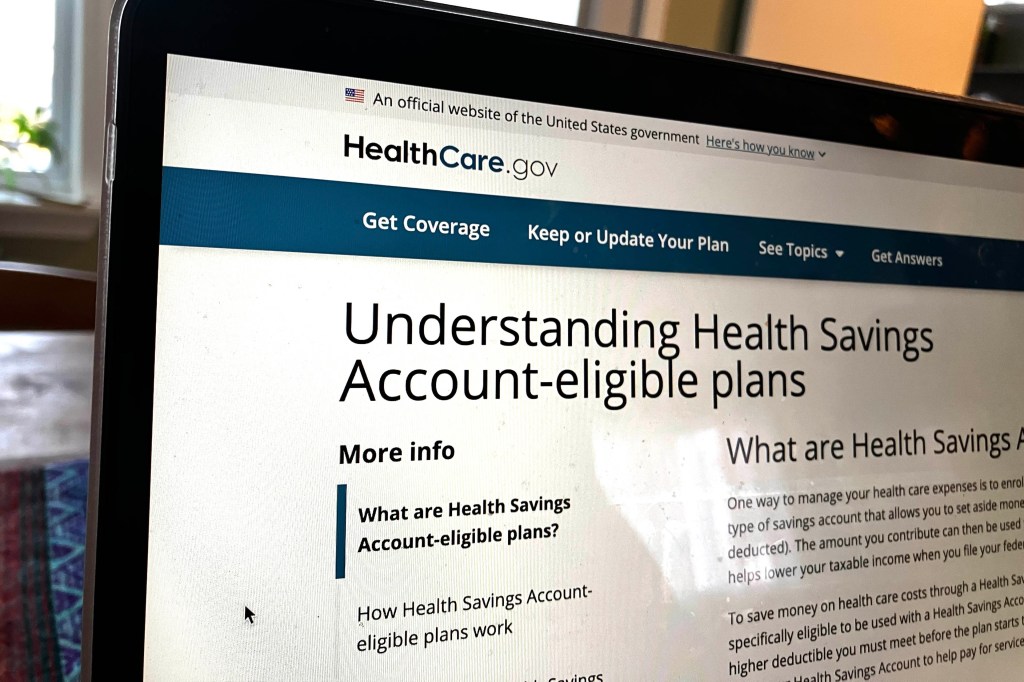
- Is It Worth Your Time and Money To Set Up an HSA?
- Why You And Your Pooch Share Similar Reactions to Life
- How to Gauge Your Personal Risk For a Hernia
- Healthcare's night shift workers 'systematically' feel less safe, supported than peers: Press Ganey
- Study Finds 'Forever Chemicals' on California Fruits and Vegetables
- Bad News for Multitaskers: Your Brain Can’t Really Do It
- About 3,000 Wayfair Dressers Recalled Over Child Tip-Over Risk
- Microsoft Unveils AI Health Tool That Can Read Your Medical Records
- FDA Town Hall: FDA’s Quality Management System Regulation (QMSR) – Medical Device Risk-Based Inspections
- FDA Town Hall: FDA’s Quality Management System Regulation (QMSR) – Medical Device Risk-Based Inspections
- FDA Launches New Adverse Event Look-Up Tool

- FDA Launches New Adverse Event Look-Up Tool
- FDA Issues Final Guidance on Medical Devices with Indications Associated with Weight Loss
- FDA Issues Final Guidance on Medical Devices with Indications Associated with Weight Loss
- The 510(k) Pathway in 2026: Navigating a Shifting Regulatory and Political Landscape for Medical Devices


The Department of Health and Human Services will use the Defense Production Act to increase investments in essential medicines and medical countermeasures:
https://www.reuters.com/world/us/biden-invoke-cold-war-era-law-boost-medical-supplies-2023-11-27/
Biden to invoke Cold War-era law to boost medical supplies
By Jason Lange and Jeff Mason - November 27, 2023WASHINGTON, Nov 27 (Reuters) - President Joe Biden will invoke a Cold War-era measure to boost investment in U.S. manufacturing of medicines and medical supplies that he has deemed important for national defense, the White House said.
The announcement is part of a series of measures the Biden administration is unveiling on Monday to help industrial supply chains and counter several years of historically high inflation.
Biden will authorize the Department of Health and Human Services to use powers under the Cold War-era Defense Production Act to enable investments in "essential medicines," the White House said in a statement.
The areas of investment also include "medical countermeasures," which include supplies that diagnose, prevent, or treat diseases related to chemical, biological, radiological, or nuclear attacks.
Biden, a Democrat who is running for re-election in 2024, is eager to show Americans that he is tackling inflation and addressing broad concerns about the state of the U.S. economy. He is holding his first meeting of a new White House Council on Supply Chain Resilience on Monday.
Lael Brainard, head of Biden's National Economic Council, told reporters on a conference call that supply chain stress had come down from record highs hit during the COVID-19 pandemic but more work was left to be done.
We are about to find out whether the shortages of medicines are contrived to increase the profits of pharmaceutical manufacturers.

I don't think they much care where the money comes from, as long as it's flowing in their direction.
What would happen if all Medicare did was cut people checks, like Social Security does?
Mackinac Center's Overton Window Podcast featured a guest with that remarkable idea for reform.
‘That is what makes health care so different from every other sector of the economy’
Brian Blase on putting the customer back in the health care system
November 3, 2023 |When will health care costs stop going up? Perhaps when people start putting normal market mechanisms on the services, says Brian Blase, president of the Paragon Health Institute. I speak with him about it for the Overton Window podcast.Blase says that people are generally satisfied when they have coverage through private insurance or through the government programs Medicare and Medicaid.
Part of the reason for this is third-party payments. Insurers pay medical providers on behalf of the people they cover. And taxpayers cover the costs for people enrolled in Medicare and Medicaid.
“We’ve done a pretty good job of suppressing who pays for all the health care spending. We’ve dispersed so much of the cost to taxpayers,” Blase says.
“Health insurance is not a typical insurance product. Think of typical insurance products: life insurance, homeowners insurance, your car insurance,” Blase says.
You are protecting yourself against financial ruin, right? It’s a very low-probability event. Obviously, that’s present in health care. You can get involved in an accident, you could develop a very expensive medical condition like cancer. That’s a relatively low probability but carries high financial cost. A large part of what health insurance also does is prepayment of medical services. It is the individual giving up negotiation and control to a third party, whether that third party is a government bureaucracy or a health insurance company or an employer.
Third-party payments also get in the way of efficient and effective provisions when the third party sets so many of the terms of service.
“One of the central features is that a federal bureaucracy in Washington, D.C., decides what gets reimbursed and what the reimbursement prices are,” Blase says. Medical decisions are determined by a political process rather than by a market process.
“And private insurers have tended to just go with Medicare’s reimbursement rates, which I think is a real problem,” Blase says.
This creates harms akin to those created by government price controls. “When it’s set too high or too low, you have problems,” Blase says. Shortages or surpluses develop, too much of one kind of services and not enough of others.
There are further complications stemming from the legal restrictions on the supply of medical care. Certificate of need laws hinder companies from building more hospitals, for instance. “And by the way, incumbent firms can sit on the boards of these certificate of need panels, which deny permission to competitors to come into the market,” Blase says.
Scope of practice rules also stop qualified nurse practitioners and physicians assistants from serving customers at lower costs, Blase says.
Subsidizing demand while restricting supply inflates prices and raises health care spending. “If I were to give you my main frustration with the American health care system, it’s that we have created a whole bunch of perverse incentives so that Americans who make decisions aren’t focusing on value,” Blase says.
Too many health care providers look to protect themselves from competition. When costs increase, they recommend spending more on subsidies. Lawmakers have taken their side, and this has kept costs on the rise.
Blase’s solution is to apply the processes that make markets work. Providers should earn profits when they find ways to deliver better services at lower costs. People should encourage competition by shopping around for quality services at good prices.
He’d like to see Medicare change from a centrally planned benefit to a plan “where the incentives are there for the enrollee to make the decisions that best work for them.”
Blase would also stop employers from determining the health insurance plans for their employees. “There’s not another major financial product that people purchase that the employer decides for the employees what the best product for all the employees are,” Blase says.
Instead, he’d let the money employers pay for employees’ insurance go to the employee to make insurance purchases. They’d get the same tax advantages that employers receive for insurance, too.
“Anything that we can do, on the margin, to move away from third-party payment to first-party payment improve the consumer’s ability to shop and get value,” Blase says.
There have been signs of progress. Congress has introduced Medicare premium support plans, where a portion of government payments could be directed by beneficiaries.
Medicare Advantage programs, which pay for health costs not covered by Medicare, have become more prevalent. Their continued growth can provide a more robust market for seniors than is available with Medicare. “Half of Medicare enrollees are in Medicare Advantage plans right now,” Blase says.
He notes that there are attempts to do better things around the third-party payments and price control problems in the market. California, for instance, manages a large health insurance program for retired government workers and offers reference prices to help beneficiaries control costs. People can pocket some savings if they can find medical providers who would perform the service for less than the reference price.
“When they had that incentive, consumers started shopping,” Blase says. “The most interesting part of this, though, is that high-priced hospitals in that area didn’t like the fact that they were losing customers. So they reduced prices significantly.”
Part of his work is to document the different models that people are trying, in order to to see if they can do this better. “We don’t want the government to regulate all of these alternatives out of existence,” Blase says.
“That’s why I do health care policy, right? We want people to have better health care access and get the best care available to them,” Blase says. “In order to improve health care access, we’ve got to reduce prices. We’ve got to undo all of these government programs and policies that have created such perverse incentives.”
Check out the conversation at the Overton Window podcast.
Get MHF Insights
News and tips for your healthcare freedom.
We never spam you. One-step unsubscribe.
Sponsors
Friends of MHF





Kirsten DeVries
Tom & Karen Nunheimer
Steve Ahonen
Ron & Faith Bosserman
Marlin & Kathy Klumpp
Sign Up for MHF Insights to keep up on the latest in Michigan Health Policy