- No more ‘old school’: How Duke Health is reimagining workforce development

- Why private practice dentistry needs a better model
- Chief nurses: Hospital finances improve with nursing investments
- Mississippi health system goes ‘all in’ on Epic with $115M investment
- CareQuest Innovation Partners, Kno2 collab on medical-dental data integration
- Ascension Wisconsin CEO to step down
- The hospitals, health systems cutting jobs in 2026
- The hospitals, health systems cutting jobs in 2026
- Nonprofit highlights rural opioid care strategies
- The 7 things on the table in the Mount Sinai-Anthem negotiations
- The 7 things on the table in the Mount Sinai-Anthem negotiations
- Wearables data predicts patient engagement: Mayo Clinic study
- Advocate plans largest US hospital drone delivery network
- Vitana Pediatric & Orthodontic Partners adds Florida practice
- Indiana system opens $21.7M outpatient center
- Trump administration targets medical school admissions: 4 notes
- EyeSouth Partners continues 2026 expansion with Louisiana practice
- RSV lingers in parts of US even as flu and COVID-19 recede
- Providence narrows operating loss to $486M in 2025
- A huge month for CMS policy
- What the Health? From KFF Health News: A Headless CDC
- GI is exploding with new tech—but how do patients feel about it?
- Maryland physician to pay $500K+ to settle false claims allegations
- Rhode Island oral surgeon launches Congressional campaign
- Premier Anesthesia, City of Hope Phoenix ink partnership
- 20 behavioral health leaders challenge industry assumptions
- What simulation training revealed about GI skills gaps
- Judge dismisses physician’s wrongful termination suit against staffing firm
- 3 California behavioral health centers to close amid funding shifts
- North Carolina practice to close after 40+ years
- St. Tammany opens outpatient cardiology center
- Indiana bars autism therapy provider from Medicaid billing: Wall Street Journal
- 6 dental practice openings to know
- UnitedHealth shareholder sues over proposal to include details on integration in annual proxy
- APRNs, PAs account for most antipsychotic prescriptions for Medicare Part D: Study
- Infosys to acquire Optimum Healthcare IT in $465M deal
- Oklahoma House passes bill expanding scope of dental assistants
- Dr. Nellie Kim-Weroha joins American Association of Orthodontists’ Board of Trustees
- California behavioral health agency to close 2 centers
- St. Luke’s CFO joins RCM company’s advisory board
- 52 DSOs to know: 2026
- 10 hospitals, health systems looking for CFOs
- DOJ alleges NewYork-Presbyterian forces payers into anticompetitive 'all-or-nothing' contracts
- 10 health system rating downgrades
- FDA Warns Biotech Firm Over Cancer Drug Anktiva Claims
- Bees and Hummingbirds May Be Consuming Small Amounts of Alcohol
- Two States Sue Cord Blood Company Over Misleading Claims
- North Star’s restructuring moves forward
- Illinois hospital pauses patient care amid payroll challenges
- What the Best-Performing Revenue Cycles Have in Common
- New WHO Guidance Aims To Speed Tuberculosis Testing
- As questions swirl around ATTR competition, Alnylam plots path to market leadership for Amvuttra
- Trump admin delays nomination for new CDC director past deadline
- Outspoken ACIP member steps down amid vaccine panel uncertainty: reports
- Egg-based drugmaker Neion Bio emerges from stealth to cook up multi-product biosimilar collab
- Genentech walks the walk in lupus as sponsor of annual awareness and fundraising event
- Study Reveals How Many Americans Consider Using a Gun
- Massive Study Finds Stress and Grief Don’t Cause Cancer
- Ultra-Processed Foods Harm Fertility In Both Men And Women, Studies Reveal
- Small Daily Habits Can Add Up To Better Heart Health
- Ritalin Might Protect ADHD Kids' Long-Term Mental Health, Study Finds
- Can You Drink Enough Fluids To Prevent Kidney Stones? Maybe Not, New Study Says
- Clasp, loan-linked hiring tool for employers, clinches $20M to expand amid federal loan caps
- Taking a GLP-1? Doctors Say Not To Forget About Movement and Mental Health

- OpenEvidence rolls out AI medical coding feature
- CDC’s Acting Chief Promises a Return to Stability in a Tumultuous Moment
- California peer-run behavioral health center to close amid funding shift
- Remarks at the Financial Stability Oversight Council Meeting
- ‘Integration only works if data lives in the same system’: How 5 systems are operationalizing behavioral health
- Medicaid work rules and enrollment losses: 6 notes
- Inside UHS’ playbook for responsible behavioral health growth
- Epic4 Specialty Partners adds Illinois practice
- The unsolved problems still plaguing dentistry
- American Dental Association adds mental health, GLP-1 prompts to patient forms
- RWJF: Between 5M and 10M people could lose Medicaid coverage in 2028 under work requirements
- How pharma marketers can capitalize on HCPs’ AI, social media and streaming habits
- Federal Officials Investigate States That Require Abortion Coverage
- Corcept's lead drug bounces back from FDA snub with different approval as Lifyorli in ovarian cancer
- Ionis slashes Tryngolza's price tag by 93% ahead of anticipated label expansion
- FDA approves Denali's Hunter syndrome drug, handing rare disease community a win
- Baby Walkers Sold on Amazon Recalled Over Fall Risk
- Want To Protect Your Brain? Science Says Exercise
- HelloFresh Pizza Recall Issued in 10 States Over Metal Risk
- Clinical Trials Have Too Much Data…That’s the Problem.

- Clinical Trials Have Too Much Data…That’s the Problem.
- CMS reveals new Medicaid model that supports coordination for children with complex needs
- Novartis sued by breast cancer patient over branded drug websites’ data-sharing practices
- Takeda targets $1.3B in cost savings in further restructuring
- Biogen pays $20M upfront to tap into Alteogen's subQ delivery tech
- 'Universal Donor' Blood Supplies Dangerously Low, Study Warns
- Why Stepping Outside May Help You Eat Better
- U.S. Medicine, Science Facing An Online Misinformation Siege, Poll Concludes
- Childhood Obesity Undercuts The American Dream For Some, Study Says
- Inclusive High Schools Benefit All Students, Not Just LGBTQ Teens
- Parental Loss Due to Drugs, Violence Raises Child Death Risk by 2,000%
- As Boehringer touts US launches, board chairman worries EU is 'falling further behind'
- The evolving state of exome and genome sequencing
- An Arm and a Leg: Steep Health Care Costs Steer Americans to Tough Decisions

- Demoralized CDC Workforce Reels From Year of Firings, Funding Cuts, and a Shooting
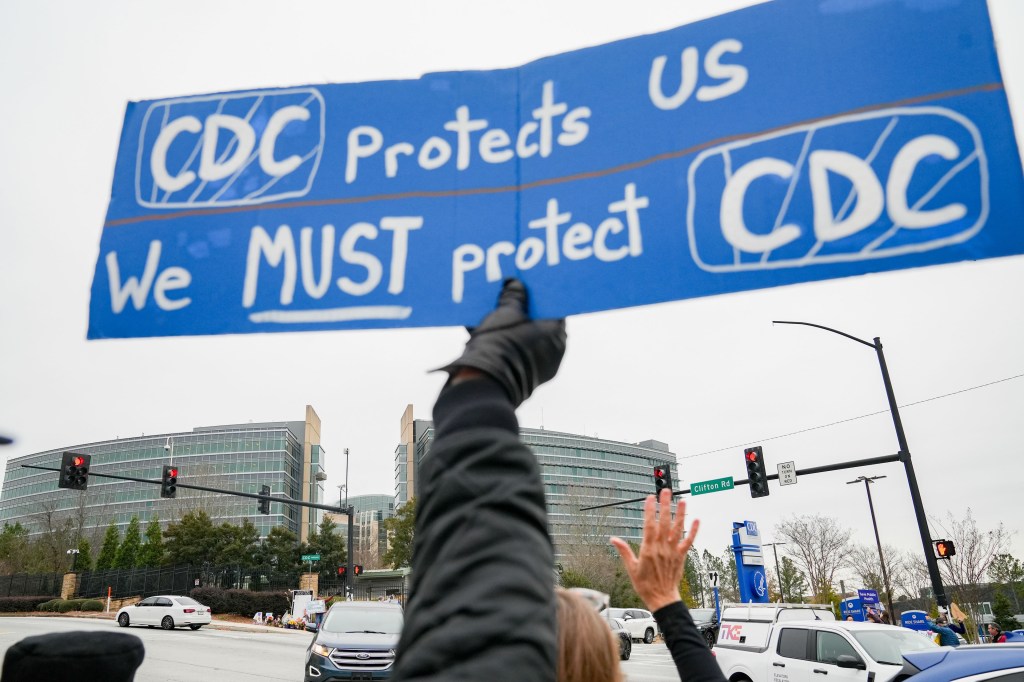
- Qualified Health locks in $125M in fresh funding to scale enterprise AI at health systems
- Misery Loves [Investment] Company?: Remarks at the 2026 Investment Company Institute Investment Management Conference
- Study: Nearly 1 in 5 pediatric hospital deaths involve sepsis
- As expansions come online, CDMO Hovione aims to meet industry's 'dual supply and sourcing' zeal: exec
- Opening Remarks at the Digital Asset Summit 2026
- CVS Caremark, FTC reach settlement in insulin pricing case
- UCB unveils plan to build $2B biologics plant near its US headquarters in Atlanta
- PeaceHealth sued over plans to tap out-of-state staffer ApolloMD for Oregon EDs
- New Lyme Disease Vaccine Shows Strong Results in Trial
- TrumpRx Adds Diabetes, COPD Drugs at Steep Discounts
- Highmark reports $175M net loss for 2025 as financial headwinds batter health plan
- Listen to the Latest ‘KFF Health News Minute’
- Abivax hires commercial chief from Takeda to infuse Entyvio expertise into IBD launch prep
- ImmunityBio hit with FDA warning letter over Anktiva promotions in TV ad, podcast episode
- Alcohol Prep Pads Recalled Over Bacteria Risk, Cardinal Health Says
- Fewer patients traveled for abortions in 2025 as telehealth care increased, report finds
- Cologuard campaign reunites ‘Full House’ stars to give ‘The Talk’ about colon cancer screening
- Lilly to remove certain insulin products from European markets by 2027
- Karyopharm, looking to jump-start Xpovio, reports mixed results in myelofibrosis
- Study Warns Fluoride Bans May Raise Tooth Decay in Children
- WuXi Bio's record number of new projects in 2025 leaned heavily on US clients
- “Me engañaron”: agentes encadenan a un padre que había ido al ICE a reunirse con sus hijos

- Gilead inks Manta pact to dive deeper into cancer patient support
- Cheap Children's Clothing Tainted With Lead, Study Says
- Insulin Prices Fell For Medicare Patients Under Biden-Era Caps, Study Finds
- New Fathers Face Mental Health Challenges, Study Finds
- Your Choice Of Booze Influences Your Risk Of Death, Study Says
- AI Gets a 'D' When Judging Scientific, Medical Claims
- New Online Tool Helps Parkinson's Patients Weigh Brain Implant Decision
- AI chatbot use for health information up 16% from 2024: Rock Health survey
- ‘They Tricked Me’: A Father Was Chained After He Went to ICE To Reunite With His Kids
- Wilmington PharmaTech commits $50M to US API expansion
- Strides recalls nearly 90K bottles of children's ibuprofen after contamination complaints
- Trump administration unveils national policy framework for AI as it moves to override state laws
- Breast Cancer Locator System Submitted for De Novo 510(k) by Cairn Surgical
- Breast Cancer Locator System Submitted for De Novo 510(k) by Cairn Surgical
- 17 spine surgery firsts in Q1

- 17 spine surgery firsts in Q1
- Cencora acquiring EyeSouth Partners' retina business for $1.1B
- Aunque tengas seguro dental, la factura puede ser muy alta

- A look at how Optum Rx is using AI to address pharmacy fraud, waste and abuse
- Nursing Homes Accused of False Diagnoses To Hide Drug Use
- FDA Approves Higher-Dose Wegovy To Help People Lose More Weight
- Teens Often Pressured To Send Sexual Photos by Someone They Know, Study Finds
- Match Day 2026: Growth in emergency medicine, psychiatry
- Nearly 90,000 Bottles of Children’s Ibuprofen Recalled Nationwide
- FTC launches multi-bureau Healthcare Task Force to spot 'new priority areas for enforcement'
- Algunos adultos de mediana edad deciden posponer la atención médica hasta tener Medicare

- Rural Residents Have Highest Cancer Death Rates, Researchers Say
- Your Bank Account Might Show How Well Your Brain Will Age, Researchers Say
- Insurance Lapses Play Havoc With Diabetes Management, Study Shows


This US Supreme Court decision is so significant, it rates two reports (at least).
First, from the left-leaning Morning Brew:
https://www.morningbrew.com/daily/stories/2024/06/29/scotus-just-gutted-regulators-power
SCOTUS just gutted regulators’ power
The EPA’s pollution limits, the FDA’s ability to fast-pass “breakthrough” drugs and medical devices, and the FTC’s April ban on noncompetes could all get nixed.
The Supreme Court took a sledgehammer to federal agencies’ powers yesterday in the most historic hobbling since Kathy Bates’s performance in the film Misery.
In a 6–3 decision down conservative/liberal lines, SCOTUS overturned one of the most-cited precedents in American law: the Chevron doctrine, a 40-year-old decision that gave broad power to interpret laws to the federal agencies tasked with regulating everything—from healthcare to net neutrality. Since 1984, it has enabled departments and commissions like the CDC and FCC to determine how vague laws should be implemented in their areas of expertise.
With the precedent gone:
- Courts are no longer required to defer to agencies’ interpretations of unclear laws, which is expected to make it more difficult for agencies—led by subject matter experts appointed by the president and confirmed by the Senate—to regulate the industries they oversee.
- The power to determine how a certain statute should be applied will instead return to judges, who are probably less familiar with the nuances of a subject like factory emissions, for example, than the EPA is.
Chief Justice Roberts stated in the majority opinion that the 17,000 lower court decisions and 70 Supreme Court rulings that have used the Chevron doctrine as precedent will still stand. But federal regulations that aren’t explicitly backed up by clear-cut laws will likely face new legal challenges.
Targets may include: Recent car- and power plant pollution limits set by the EPA, the FDA’s ability to fast-pass “breakthrough” drugs and medical devices, and the FTC’s April ban on noncompetes, according to Bloomberg. In her dissent, Justice Elena Kagan warned that yesterday’s decision could also spell trouble for long-standing agency rules that weren’t or couldn’t be challenged before.
This is a long-sought victory for legal conservatives, who have been aching to curtail the power Chevron gave to unelected bureaucrats (who tend to reflect the ideological beliefs of whoever is president at the time). If Trump returns to the White House, the ruling could also grease the wheels for a big edit-undo on Biden administration policies.—ML
Next, the right of center State Policy Network features a less entertaining but well-sourced title. Their experts summarize this decision's appeal to citizens across the political spectrum.
https://spn.org/articles/chevron-overruled/
Today, the US Supreme Court handed down a decision in Loper Bright Enterprises v. Raimondo that overrules Chevron, a precedent that has enabled federal agencies to craft regulations based on creative readings of Congressional statutes.
The Court rolled back Chevron, which means agencies will now have less power to make regulations without explicit Congressional authorization.
State Policy Network experts responded to this decision below, highlighting what this ruling means for states and communities across the country.
Tony Woodlief, executive vice president at State Policy Network and a senior fellow at the Center for Practical Federalism, noted:
“The Supreme Court’s decision should be welcomed by anyone, regardless of political party, who believes laws ought to be made by elected representatives, and not by secretive and ideologically motivated federal bureaucrats. Chevron has long been used to undermine representative government, so this is an important step towards restoring a government that is truly of, by, and for the people. Now state and local leaders who’ve been hamstrung by one-size-fits-all DC mandates will have authority to craft more suitable and beneficial policies, with greater accountability to voters for the outcomes.”
Steve Johnson, a fellow at the Center for Practical Federalism, added:
“Today’s Supreme Court ruling is a clear victory for those that believe unelected bureaucrats should not have the authority to make law.
More importantly, today’s ruling needs to be a wake-up call to Congress. For far too long, Congress has shirked their responsibilities and conveniently delegated the tough job of legislating to unaccountable DC bureaucrats. Loper Bright is certainly a step in the right direction, but the real question is whether Congress will now step up and fulfill their Constitutional duty.”
Ray Nothstine, a Future of Freedom Fellow and senior editor and writer for State Policy Network, noted:
“One of the main problems with the Chevron doctrine is it tipped the scales in a way that aggressively favors unelected bureaucrats at the expense of the people and their elected representatives. Furthermore, Congress and our courts have ceded way too much legislative and interpretive authority to agencies. Reversing this decision is merely one step in hopefully seeing more authority from Congress and state legislators over the faceless and unaccountable government agencies ruling over us.”
Jennifer Butler, a senior policy advisor at State Policy Network, added:
“The Chevron doctrine undermined democratic accountability by granting unelected bureaucrats significant power to potentially circumvent Congressional legislative intent. It also obscured transparency. Chevron made it difficult for a regular citizen or even state and local governments to challenge agency decisions.
As the media and political pundits consider the implications of this case, supporters of the Chevron doctrine will frame any limitation on deference as a ‘sky is falling’ scenario. But the truth is, one-size-fits-all governance by federal agencies harms individuals, businesses, and communities. Certain regulatory responsibilities that are currently held by the federal government can be effectively managed, and perhaps better managed, at the state level.”
Media interested in interviewing these experts should reach out to Camille Walsh, SPN’s Media Relations Manager, at walsh@spn.org.
Morning Brew published a longform article this week teasing out healthcare implications of Chevron's downfall.
Clipped for length. Bold highlights are mine.
https://www.healthcare-brew.com/stories/2024/07/29/chevron-ruling-healthcare-industry
<clip>
The reversal of the doctrine has already come into play in at least one healthcare-related case this month, too. A federal judge in Mississippi ruled that the US Department of Health and Human Services (HHS) can’t enforce a rule banning healthcare providers from discriminating against patients based on gender identity and sexual orientation, citing Chevron’s overturning in his decision.
<clip>
Over time, Nighan said she also expects there to be a “significant increase in litigation” around policymaking. Previously, there was hesitancy to legally contest a rule that an agency had issued because it was a hard fight to win under Chevron unless the agency’s interpretation was “completely arbitrary or irrational.”
“That’s not the case anymore,” she said. “If you believe that the agency’s rule or guidance is not keeping with the interpretation of the statute, then there’s an avenue to challenge that in court that is stronger.”
Ultimately, overturning Chevron could shake up how agencies typically do business, and that may cause issues. Agencies may be less inclined to issue regulations and instead focus on more informal rulemaking, like advisory opinions, that are less enforceable than official policies, Long said.
<clip>
The ruling could also slow down the policymaking process within agencies that may try to predict which laws could face more legal challenges, and therefore, take more time to nail down regulatory details. Nighan said that the Supreme Court was aware of the potential instability this could bring, but said it would rather have the “correct” interpretation of the law, according to the high court’s majority ruling.
What are some healthcare industry policies that could be challenged in the near future?
There are specific areas experts expect will be more at risk due to this overruling.
As part of the Inflation Reduction Act that Congress passed into law in 2022, Medicare can negotiate drug prices directly with pharmaceutical companies for a select number of drugs. A number of industry players have challenged this law in court, primarily pharmaceutical companies claiming the law is unconstitutional.
Long expects there could be more of that down the road.
Other potential legal battles, she added, could target Section 1557 of the Affordable Care Act, which prohibits certain healthcare programs from discriminating against patients on the basis of race, color, national origin, sex, age, or disability.
In April, HHS issued a rule under the provision to reinstate Obama-era protections that prohibited healthcare providers from discriminating against patients based on gender identity or sexual orientation. But in July, the US District Court for the Southern District of Mississippi ruled that HHS can’t enforce the rule, citing Chevron’s overruling in the court decision.
According to Nicholas Bagley, a law professor at the University of Michigan, the FDA and Centers for Medicare and Medicaid Services have passed a number of rules likely to face legal contestation, such as a proposed FDA rule looking to regulate diagnostic tests developed in hospital and health system laboratories. He said he could see more challenges to these rules post-Chevron.
But he added that he’s not overly concerned about Chevron’s overruling, as the doctrine hasn’t been cited in any Supreme Court cases for roughly a decade. Its overruling doesn’t “change everything,” but intensifies an existing trend of increasing judicial authority over federal agencies, Bagley said. “It will make it very hard for agencies to cut through the red tape and do their jobs. This decision contributes to that—there’s no question,” Bagley said. “But it is not by itself the sole reason for concern.”
Ultimately, though, the effects of Chevron’s overturning won’t be felt immediately in healthcare, Long noted.
“This isn’t going to be something that just happens tomorrow and then it’s going to be over,” she said. “It’s something that will be long, long into the future.”
Get MHF Insights
News and tips for your healthcare freedom.
We never spam you. One-step unsubscribe.
Sponsors
Friends of MHF





Kirsten DeVries
Tom & Karen Nunheimer
Steve Ahonen
Ron & Faith Bosserman
Marlin & Kathy Klumpp
Sign Up for MHF Insights to keep up on the latest in Michigan Health Policy