- PDS Health opens practices in California, Virginia

- OHSU opens $650M cancer pavilion
- Lakeland Regional Health plans 2 freestanding EDs
- Supreme Court backs challenge to Colorado conversion therapy ban
- Virginia behavioral health hospital names president
- After Man’s Death Following Insurance Denials, West Virginia Tackles Prior Authorization

- FTC: Evidence too strong to toss USAP antitrust case
- Average tuition for 12 best dental schools in the US
- Lifepoint Health to acquire 8 ScionHealth hospitals
- The Hospitals Winning on LOS Have Better Technology – and They Know How to Use It.
- New York medical society demands physician privileges be protected in Maimonides merger
- 4 hospital, health system layoffs in March
- Texas to lead ibogaine research after pharma proposals fall short
- Advocate plans largest drone delivery network and 2 more supply chain updates
- AI scribes linked to time savings at 5 health systems
- New Hampshire ASC 1st in US to earn new accreditation
- Amgen drug under FDA review in wake of 8 deaths
- Hennepin Healthcare warns of closure without legislative funding
- Hennepin Healthcare warns of closure without legislative funding
- Visa renewal delays sideline physicians at US hospitals
- BayCare residency program size doubles on Match Day gains
- Ohio GI practice acquired
- Health systems rethink innovation
- 8 revenue cycle headlines to know from March
- Prisma Health plans ASC in Tennessee
- Bill takes aim at ASC, HOPD payment gap
- Ensemble, Cohere building first RCM-native LLM
- Honey Almond Cream Cheese, Sold at Einstein Bros. Bagels, Recalled Due To Undeclared Nuts
- Trump Supports Surgeon General Pick Despite Senate Concerns
- Tennessee orthopedic practice closes abruptly
- 4 health systems back in the black in 2025
- ‘Our stockholders are the members of our community’: Inside Carilion Clinic’s mission-driven margin strategy
- Lilly answers Novo's GLP-1 pill with highly anticipated FDA nod for Foundayo
- Supreme Court Blocks Colorado Limits on Therapy for LGBTQ Minors
- Antidepressant Might Help Long COVID Fatigue, Study Says
- Home-Delivered Groceries Boost Heart Health In Food Deserts, Study Says
- Nicotine E-Cigarettes Help Smokers Quit, Review Concludes
- Kinesio Taping’s Benefits in Doubt, Major Evidence Review Finds
- High Sodium Intake May Trigger New Heart Failure
- Study Shows BMI Often Gets Your Weight Category Wrong
- Clinicians are burnt out. Peer support can help
- Novo's Wegovy nets cardio nod from UK cost gatekeeper, adding 1M+ eligible patients
- Trump’s One Big Beautiful Bill Act Darkens Outlook for Government-Backed Clinics

- Readers Sound Off on Wage Garnishment, Work Requirements, and More

- CVS Health opens pharmacy-only locations as it rightsizes store footprint
- How Rural Health Systems Are Advancing Cardiac Imaging
- How Rural Health Systems Are Advancing Cardiac Imaging
- Beyond Reimbursement: Why Market Access is MedTech’s Strategic North Star

- Beyond Reimbursement: Why Market Access is MedTech’s Strategic North Star
- Evotec hires exec with AI experience to lead rebooted commercial team
- The Human Side of AI Medical Devices: Why Safety Depends on Design, Not Just Algorithms

- The Human Side of AI Medical Devices: Why Safety Depends on Design, Not Just Algorithms
- Whoop raises $575M series G, Abbott comes on board amid hiring spree
- True ROI of health tech, according to finance leaders
- ‘There isn't as much meat left to cut’: Biopharma layoffs maintain slowdown in Q1
- Where 6 specialty DSOs stand in 2026
- 16 new ASCs in March
- Intermountain joins national trauma, grief network
- Practice closures, new dental schools, DLRs & more: 6 dental updates in New York
- Workforce, patient care, private equity & more: 5 statistics scaring dentists
- American Society of Addiction Medicine updates youth treatment standards
- The shifting oral surgery landscape
- Moody’s upgrades UK King’s Daughters’ credit rating
- Private equity in dentistry has gotten smarter
- 7 DSO leadership changes to know
- University Hospitals swings from loss to 2.6% margin in 2025
- Mark Cuban backs bill to break up vertically integrated insurers
- Lawmakers introduce child suicide prevention bill
- Bipartisan bill introduced to stabilize physicians' year-to-year pay changes
- Dental lab group receives private equity investment
- Dental Care Alliance appoints chief revenue officer
- UnitedHealthcare launches Avery, a generative AI companion for members
- 14 behavioral health executive moves to know
- Missouri agencies warn of rising nitazene threat
- Only 44% of SUD treatment facilities accept older patients on Medicare: HHS report
- 7 state behavioral health policy updates
- Republicans eye further healthcare cuts: Report
- Uninsured patients drive nearly 40% of healthcare collections: Cedar survey
- FDA flags serious liver injury cases, 8 deaths with ‘reasonable’ link to Amgen's Tavneos
- Novo Nordisk cuts 400 roles at troubled Bloomington site
- Former U.S. Surgeon General Challenges Trump Nominee
- Iterum initiates wind-down after failure to offload antibiotic with sluggish sales
- Listen to the Latest ‘KFF Health News Minute’
- Over 10.2 Million Grill Brushes Recalled Over Metal Bristle Risk
- Sex Enhancement Chocolates Recalled Over Hidden Drug Ingredients
- Short Bursts of Exercise Linked To Lower Risk of Major Diseases
- HHS urges hospitals to align patient menus with updated dietary guidance
- Hartford HealthCare, K Health launch PatientGPT, new AI tool to help patients find health information
- Ensemble partners with Cohere to build first RCM-native large language model
- API supplier BASF raises prices up to 20% in response to rising energy, raw material costs
- Biogen, eyeing swift commercial tailwind, ponies up $5.6B for Apellis and its 2 approved meds
- Cold Weather More Deadly For The Heart Than Heat, Study Finds
- Teens' Sleep Patterns Affect Their Diet, Exercise, Study Says
- 'Watch and Wait' Approach Safe For Women With Precancerous Breast Condition, Trial Finds
- Dental Care Can Help Cirrhosis Patients Avoid Liver Cancer, Hospitalization
- Folks With Clogged Arteries Benefit From Aggressively Lower Cholesterol Goal
- Intermittent Fasting Might Help Manage Female Hormone Imbalance, Trial Shows
- States Pay Deloitte, Others Millions To Comply With Trump Law To Cut Medicaid Rolls
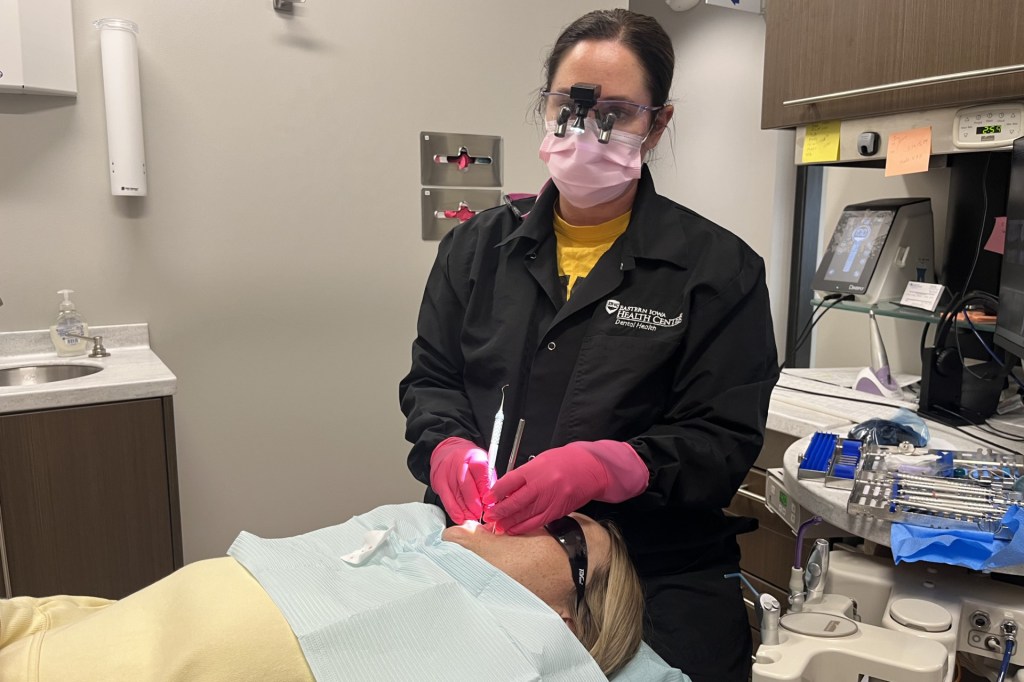
- Trump’s Hunt for Undocumented Medicaid Enrollees Yields Few Violators
- States pay Deloitte, others millions to comply with Trump law to cut Medicaid rolls
- Employer telehealth company eMed raises $200M at $2B valuation
- Insulet hires Stryker vet, reinstating commercial chief role as C-suite overhaul continues
- FDA extends review of Orca Bio’s novel cell therapy for blood cancers
- Nonprofit Electronic Frontier Foundation sues CMS over AI prior authorization demonstration
- CDRH Guidance: Patient Preference Information (PPI) in Medical Device Decision Making
- CDRH Guidance: Patient Preference Information (PPI) in Medical Device Decision Making
- BSCI’s LAAC CHAMPION-AF study for WATCHMAN FLX meets primary and secondary safety and efficacy endpoints
- BSCI’s LAAC CHAMPION-AF study for WATCHMAN FLX meets primary and secondary safety and efficacy endpoints
- Apple Store to ID Regulated Medical Device Apps
- Apple Store to ID Regulated Medical Device Apps
- CMS: This year's open enrollment brought fewer signups, higher premiums
- Medical Schools No Longer Required To Teach Health Inequities
- Lilly presses for UK deal that would see higher drug prices in exchange for resumed investments: FT
- United plots Tyvaso FDA filing after ph. 3 win elicits talk of 'new IPF standard' and blockbuster sales
- Fluoride Quietly Removed From Birmingham Water Years Ago, Officials Face Backlash
- FDA Weighs Expanding What Can Go Into Supplements
- 9 Now Sickened in Outbreak Tied To Raw Milk and Cheese
- BMS, Novartis, Gilead, Iovance dinged over biologics promos in rare spate of CBER untitled letters
- Nearly half of US hospital markets entirely controlled by 1 or 2 health systems: KFF
- Mental health provider platform Headway acquires team behind AI company Tezi
- Idorsia eyes pediatric insomnia use with midstage trial win for sleep med Quviviq
- Electronic Paperwork Increasing Burnout Risk Among Young Doctors
- Kratom Cases Surging In U.S.
- What Makes Play Fun For Children? Seven Factors Stand Out, Study Says
- Night Shifts Are Tough On People With Type 2 Diabetes, Study Says
- Women's Bone Loss Tied To Heart Health, Study Finds
- Want To Lose Weight? Eat A Boring, Repetitive Diet, Researchers Suggest
- Samsung Biologics union gathers votes to strike as tension over wage, governance mounts
- Takeda begins US layoffs as part of massive $1.3B restructuring
- Biogen looks to shake up SMA status quo with FDA nod for high-dose version of Spinraza
- She Owed Her Insurer a Nickel, So It Canceled Her Coverage

- Inside the High-Stakes Corporate Fight Over Feeding Preterm Babies
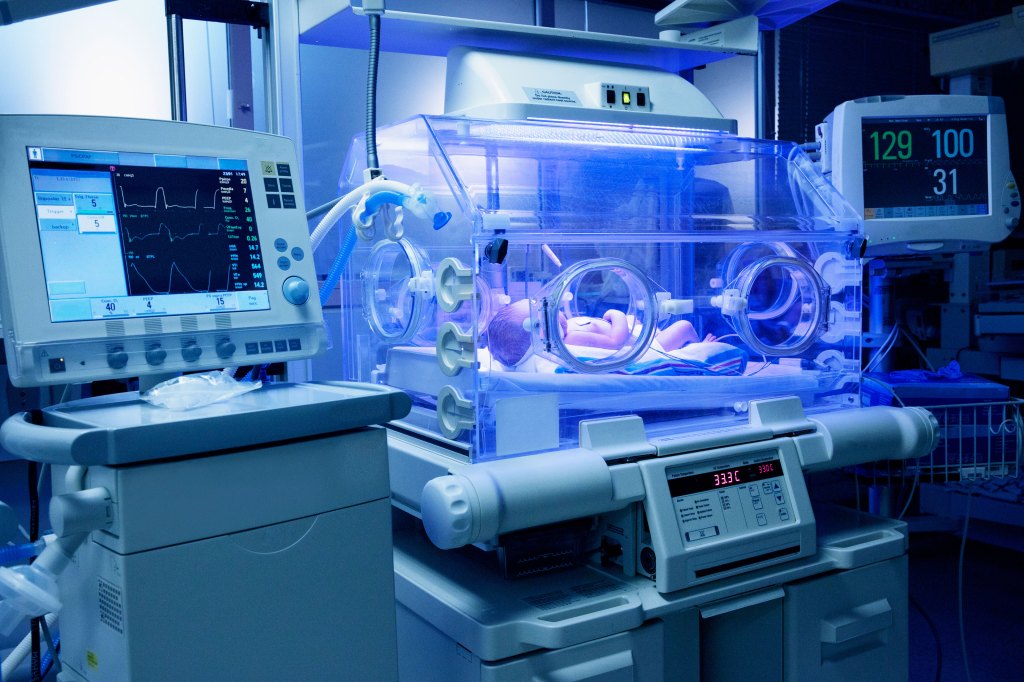
- Study Links High Antioxidant Intake To Changes in Offspring Development
- The Healthcare Burnout Backlash (pt 1): Burnout Reaches Well Beyond Clinicians

- The Healthcare Burnout Backlash (pt 1): Burnout Reaches Well Beyond Clinicians
- Even Mild Oxygen Loss in Preemies' First Hours Poses Lifelong Brain Risks: Study
- How the Trump Administration Uses Migrant Kids To Find and Detain Family Members
- Oral GLP-1s, COVID preventatives: 3 more drugs in the pipeline, Optum says payers should watch
- Providence trims 2025 operating loss to $132M, notches second consecutive quarter of gains
- $3M Verdict Links Social Media to Anxiety and Depression
- The White House Delays CDC Pick
- New COVID 'Cicada' Variant Is Spreading — What Experts Want You To Know
- Advocate Health to launch ‘nation’s largest’ hospital drone delivery program in Zipline partnership
- Op-ed: Empathy meets efficiency—how the responsible use of AI can transform Medicare
- Family Caregivers Provide $1 Trillion In Annual Labor, AARP Says
- ‘Health Doesn’t Need to Be Ludacris’: Bayer signs rapper-actor to multivitamin campaign
- Rocket plots measured trajectory for new gene therapy Kresladi after clearance to launch from FDA
- Healthy Lab Results May Mask Future Risks for Kids with Obesity
- At-Home Chemotherapy Is Safe, Feasible, Pilot Study Indicates
- What You Do While Sitting Could Predict Dementia Risk


Elon Musk now has two of his D.O.G.E. whiz kids poring over Centers for Medicare & Medicaid Services (CMS) health care accounts. His team is being deliberately impeded by U.S. District Judge Colleen Kollar-Kotelly who decided she was the true elected leader of the United States and blocked DOGE) from obtaining access to ‘sensitive‘ Treasury Department payment records. You might remember her sentencing Paula Paulette Harlow in May to 24 months incarceration for praying at an abortion clinic's entrance. The good judge hoped Harlow, who is medically disabled, would die in prison.
Despite the Judge's interference, Musk thinks the preliminary D.O.G.E. results show $ 100 billion in waste, fraud, and abuse:
https://x.com/elonmusk/status/1887700708201296188
Not a surprising estimate, but unusual for anyone to suggest rigorous enforcement at CMS. CMS's November Fiscal Year 2024 Improper Payments Fact Sheet lists $ 87 billion in improper payments which occurred in the health care programs they administer:
https://www.cms.gov/newsroom/fact-sheets/fiscal-year-2024-improper-payments-fact-sheet
Fiscal Year 2024 Improper Payments Fact Sheet
Here are the improper payment rates for CMS’ programs in fiscal year 2024:
- The Medicare Fee-for-Service (FFS) estimated improper payment rate was 7.66%, or $31.70 billion, marking the eighth consecutive year this figure has been below the 10% threshold for compliance established by improper payment statutory requirements.1The 2024 estimated rate is not statistically different from the 2023 Medicare FFS estimated improper payment rate of 7.38%.
- The Medicare Part C estimated improper payment rate was 5.61%, or $19.07 billion. In FY 2024, CMS implemented changes to more accurately represent the Medicare Advantage population within the sample. The FY 2024 estimated rate is not statistically different from the FY 2023 estimated improper payment rate of 6.01%.
- The Medicare Part D estimated improper payment rate was 3.70%, or $3.58 billion. In FY 2023, CMS implemented several methodology changes, and FY 2024 establishes a baseline.
- The Medicaid improper payment rate (comprised of reviews in 2022, 2023, and 2024) was 5.09%, or $31.10 billion, a decrease from the 2023 reported rate of 8.58%. Of the 2024 Medicaid improper payments, 79.11% were the result of insufficient documentation. These payments typically involve situations where a state or provider missed an administrative step and do not necessarily indicate fraud or abuse.
- The Children’s Health Insurance Program (CHIP) improper payment rate (comprised of reviews in 2022, 2023, and 2024) was 6.11%, or $1.07 billion, a substantial decrease from the 2023 rate of 12.81%. Of the 2024 CHIP improper payments, 61.56% resulted from insufficient documentation, which is generally not indicative of fraud or abuse.
- The improved performance in the national Medicaid and CHIP improper payment estimates reflect 1) reviews that accounted for certain flexibilities afforded to states related to the COVID-19 public health emergency, such as suspended eligibility determinations and reduced requirements around provider enrollment and revalidations; and 2) improved state compliance with other program requirements.
- The fiscal year (FY) 2024 improper payment rate for the Advance Payments of the Premium Tax Credit (APTC) program for the Federally-facilitated Exchange (FFE) for Benefit Year 2022 (January 1 to December 31, 2022) was 1.01% or $562.93 million. CMS found that the FFE properly paid an estimated 98.99 % of total outlays, or $55.14 billion, in Benefit Year 2022.
What You Need to Know:
- The Payment Integrity Information Act of 2019 defines significant improper payments as either:
- improper payments greater than $10 million and over 1.5% of all payments made under that program, or
- improper payments greater than $100 million.
- The 2024 HHS Agency Financial Report provides the improper payment rates for the Medicare Fee-for-Service (FFS), Medicare Part C, Medicare Part D, Medicaid, CHIP, and Affordable Care Act Health Insurance Exchange Advance Payments of the Premium Tax Credit (APTC) programs.
- The vast majority of improper payments occurred in situations where a reviewer could not determine if a payment was proper because of insufficient documentation from a state, provider, or the Medicare Advantage Organization (MAO). While fraud and abuse are one cause of improper payments, not all improper payments represent fraud or abuse. Improper payment estimates are not fraud rate estimates.
- Improper payments can result from a variety of circumstances, including:
- Items or services with no documentation.
- Items or services with insufficient documentation.
- Or, with respect to Medicaid, CHIP, and the FFE, no record of a required verification of an element of the individual’s eligibility, such as income.
- Proper payments occur when there is sufficient documentation to support payment in accordance with the program payment requirements. Two examples of proper payments include:
- Payments where CMS or the state appropriately maintained documentation of an eligibility verification requirement and appropriately determined eligibility based on program eligibility and payment requirements.
- Payments where sufficient documentation was provided to support medical necessity in accordance with program payment requirements.
Improper Payment Measurements:
Medicare Fee-for-Service
- CMS developed the Comprehensive Error Rate Testing (CERT) program to estimate the Medicare Fee-for-Service (FFS) program improper payment rate.
- The CERT program reviews a statistically valid stratified random sample of Medicare FFS claims to determine if they were paid properly under Medicare coverage, coding, and billing rules. If these criteria are not met, the claim is counted as an improper payment.
- The majority of Medicare FFS improper payments fall into two categories:
- Insufficient documentation
- The documentation provided for the items or services billed did not sufficiently demonstrate medical necessity.
Medicare Part C
- CMS estimates the Part C Medicare Advantage (MA) improper payments using the Part C Improper Payment Measure (IPM) methodology.
- CMS calculates an annual capitated payment for each person with Medicare enrolled in an MA Organization (MAO) based on diagnosis data submitted by MAOs to CMS. The diagnosis data are used to determine risk scores and calculate risk-adjusted payments to MAOs for their enrollees. Inaccurate or incomplete diagnosis data may result in improper payments made to MAOs.
- CMS conducts the annual Part C IPM activity to estimate the improper payments for the Medicare Part C program due to unsubstantiated risk adjustment data.
- Part C IPM reviews the medical record documentation for a statistically valid sample of Medicare Part C enrollees to ensure the diagnosis data used to determine payment to the MAO are present and in accordance with CMS rules and regulations.
- The majority of Part C improper payments fall into three categories:
- The MAO’s supporting medical record documentation fails to substantiate the individual diagnosis data submitted for payment.
- Missing medical record documentation.
- Invalid medical record documentation, such as illegible documentation.
Medicare Part D
- CMS estimates the Part D Prescription Drug Benefit improper payments using the Part D IPM methodology.
- The Medicare Part D IPM primarily focuses on analyzing Prescription Drug Events (PDEs) which includes details about prescription transaction, such as the drug prescribed, the quantity, and the associated costs. The PDE data are not the same as individual drug claim transactions but are summary extracts using CMS-defined standard fields.
- CMS conducts the annual Part D IPM activity to identify improper payments resulting from invalid and/or inaccurate drug claims. These errors could lead to adjustments in individuals’ benefit phases, reinsurance subsidy payments, and CMS payments. CMS evaluates sampled drug claims using prescription record data and supporting documentation provided by the Part D Plan Sponsors.
- The Part D IPM reviews a statistically valid stratified random sample of PDEs to ensure the supporting documentation validates payment attributes and processing was in accordance with CMS rules and regulations.
- Part D improper payments fall into these categories:
- Missing or invalid documentation, such as missing authorization.
- Drug pricing discrepancies.
- Drug discrepancies, such as the drug dispensed contains a different active ingredient than the drug prescribed.
Medicaid & Children’s Health Insurance Program (CHIP)
- CMS estimates Medicaid and CHIP improper payments using the Payment Error Rate Measurement (PERM) program.
- The PERM program uses a three-year, 17-state rotation, meaning each state is reviewed once every three years, and each cycle measurement includes one-third of all states. The most recent three cycles (for 2024, that is, 2024, 2023, and 2022) are combined to form each year’s overall national rate.
- PERM ensures a statistically valid random sample representative of all Medicaid and CHIP payments matched with federal funds.
- Medicaid and CHIP improper payment data released by CMS are based on reviews of whether states are implementing their Medicaid program and CHIP in accordance with federal and state payment and eligibility policies.
- The national Medicaid and CHIP improper payment rates are based on reviews of the FFS, managed care, and eligibility components of a state’s Medicaid and CHIP program in the year under review.
- In addition, the PERM program combines individual state component estimates to calculate the national component estimates. National component rates and the Medicaid and CHIP rates are weighted by state size, such that a state with a $10 billion program is weighted more in the national rate than a state with a $1 billion program.
- The majority of Medicaid and CHIP improper payment findings are the result of insufficient or missing documentation and do not necessarily indicate fraud or abuse.
ACA Exchange Advance Payments of the Premium Tax Credit
- CMS estimates Advance Payments of the Premium Tax Credit (APTC) improper payments using the Exchange Improper Payment Measurement (EIPM) program.
- The EIPM program currently measures improper payments for the Federally-facilitated Exchange (FFE). The improper payment measurement methodology for State-based Exchanges (SBEs) is under development. CMS will continue to update the HHS AFR with the SBE improper payment measurement program development status.
- The EIPM program measures improper payments based on a statistically valid random sample representative of all health insurance applications with APTC payments processed by the FFE.
- APTC improper payment estimates are based on reviews of the FFE compliance with requirements surrounding payment and eligibility determinations.
- The majority of APTC improper payments were Technically Improper Payments (TIPs). The OMB Circular A-123 defines TIPs as non-monetary loss payments because the payment was made to a qualified recipient for the right amount but failed to meet all regulatory and/or statutory requirements. For FY24, TIPs are related to automated eligibility verifications, where the FFE failed to conduct required periodic eligibility verifications, but the consumer maintained eligibility.
- CMS is reporting improper payment information for calendar year 2022 in the fiscal year 2024 HHS Agency Financial Report.
- The APTC program represents the first of two potential2 payment streams for the overall Premium Tax Credit program. The second payment stream relates to additional Premium Tax Credit amounts claimed by taxpayers at the time of their tax filings, referred to as “Net Premium Tax Credits” (hereafter, “Net PTC”). That is, total Premium Tax Credit outlays (or credits) are equal to APTC payments plus Net PTC claims. CMS is reporting that the FY 2024 improper payment rate for the APTC program for the Benefit Year 2022 (January 1 to December 31, 2022) was 1.01% or $562.93 million. The Internal Revenue Service (IRS) measures improper payments associated with Net PTC claims, and for Calendar Year 2022, reported3 Net PTC claims of $1.27 billion, improper payments of $362.73 million, and an improper payment rate of 28.54%. The combined APTC and Net PTC improper payment estimate is $925.66 million out of $56.98 billion total Premium Tax Credit outlays/claims, or 1.62%. Treasury and HHS are reporting this combined improper payment rate for the Premium Tax Credit program as a whole in both departments’ Agency Financial Reports.
Get MHF Insights
News and tips for your healthcare freedom.
We never spam you. One-step unsubscribe.
Sponsors
Friends of MHF





Kirsten DeVries
Tom & Karen Nunheimer
Steve Ahonen
Ron & Faith Bosserman
Marlin & Kathy Klumpp
Sign Up for MHF Insights to keep up on the latest in Michigan Health Policy