- Northwestern Medicine upgrades mobile stroke unit

- Arkansas hospital taps CFO
- Arkansas hospital taps CFO
- 6 maternity service closures in 2026
- UCLA Health creates leadership role for AI innovation
- The AI agent problem on the horizon for healthcare
- West Virginia hospital to end OB delivery services
- West Virginia hospital to end OB delivery services
- Dr. Kevin Liu named interim GI chief at the University of Arizona
- 6 DSOs making headlines
- 4 ways GLP-1s are changing care patterns, patient behavior
- 1st Jesuit medical school advances with $2M gift
- NYC Health + Hospitals rolls out AI tool to boost maternal safety
- California hospital’s finances improve, cash position remains ‘dire’
- California hospital’s finances improve, cash position remains ‘dire’
- An inpatient care monopoly in metropolitans: 7 notes
- Minnesota system faces uncertainty amid Medicare delays
- Ohio county approves behavioral health crisis center plan
- 4 health systems outsourcing RCM functions
- Mayo Clinic receives $75M gift for logistics hub project
- New COVID 'Cicada' Variant Is Spreading — What Experts Want You To Know
- EP ablation in the ASC: Opportunity meets operational reality
- Family Caregivers Provide $1 Trillion In Annual Labor, AARP Says
- Want A Bootlicking Yes Man? Ask An AI Chatbot For Advice, Study Warns
- Specially Coated Implants Better For Breast Cancer Patients, Study Finds
- At-Home Chemotherapy Is Safe, Feasible, Pilot Study Indicates
- ‘Health Doesn’t Need to Be Ludacris’: Bayer signs rapper-actor to multivitamin campaign
- Rocket charts measured trajectory for new gene therapy Kresladi after clearance to launch from FDA
- New Cholesterol Guidelines: What Patients and Caregivers Need to Know
- What You Do While Sitting Could Predict Dementia Risk
- Healthy Lab Results May Mask Future Risks for Kids with Obesity
- Trump Team Claims Successes Against ACA Fraud While Pushing for More Controls
- Give and Take: Federal Rural Health Funding Could Trigger Service Cuts

- Fierce Pharma Asia—Takeda’s $1.3B reorg; India’s GLP-1 floodgates; Gilead’s $2.2B buy of a China NewCo
- Where are you with EUDAMED?

- Where are you with EUDAMED?
- HL7 Launches Real‑Time Medical Device Interoperability Accelerator
- HL7 Launches Real‑Time Medical Device Interoperability Accelerator
- Two GA Tech ATDC Startups — Nephrodite and OrthoPreserve — Secure FDA Breakthrough Device Designation
- Two GA Tech ATDC Startups — Nephrodite and OrthoPreserve — Secure FDA Breakthrough Device Designation
- Artificial Intelligence: ROI, not Clinical Autonomy, Leads Operational Workflows
- Artificial Intelligence: ROI, not Clinical Autonomy, Leads Operational Workflows
- Medtronic and Merit Medical Systems distribution agreement for new, ViaVerte basivertebral nerve ablation system
- Medtronic and Merit Medical Systems distribution agreement for new, ViaVerte basivertebral nerve ablation system
- Breakthrough Device Designation for Noah Labs Vox Heart Failure Detection Device
- Breakthrough Device Designation for Noah Labs Vox Heart Failure Detection Device
- Why private practice dentistry needs a better model
- CareQuest Innovation Partners, Kno2 collab on medical-dental data integration
- The hospitals, health systems cutting jobs in 2026
- Nonprofit highlights rural opioid care strategies
- The 7 things on the table in the Mount Sinai-Anthem negotiations
- Vitana Pediatric & Orthodontic Partners adds Florida practice
- Indiana system opens $21.7M outpatient center
- EyeSouth Partners continues 2026 expansion with Louisiana practice
- Providence narrows operating loss to $486M in 2025
- A huge month for CMS policy
- What the Health? From KFF Health News: A Headless CDC
- GI is exploding with new tech—but how do patients feel about it?
- Maryland physician to pay $500K+ to settle false claims allegations
- Rhode Island oral surgeon launches Congressional campaign
- Premier Anesthesia, City of Hope Phoenix ink partnership
- 20 behavioral health leaders challenge industry assumptions
- What simulation training revealed about GI skills gaps
- Judge dismisses physician’s wrongful termination suit against staffing firm
- Recordati confirms it's weighing CVC Capital buyout offer of $12.6B
- 3 California behavioral health centers to close amid funding shifts
- Indiana bars autism therapy provider from Medicaid billing: Wall Street Journal
- 6 dental practice openings to know
- UnitedHealth shareholder sues over proposal to include details on integration in annual proxy
- APRNs, PAs account for most antipsychotic prescriptions for Medicare Part D: Study
- SCAN taps biopharma, CMS vet Aman Bhandari as its first chief AI officer
- Infosys to acquire Optimum Healthcare IT in $465M deal
- Oklahoma House passes bill expanding scope of dental assistants
- Dr. Nellie Kim-Weroha joins American Association of Orthodontists’ Board of Trustees
- California behavioral health agency to close 2 centers
- 52 DSOs to know: 2026
- DOJ alleges NewYork-Presbyterian forces payers into anticompetitive 'all-or-nothing' contracts
- FDA Warns Biotech Firm Over Cancer Drug Anktiva Claims
- Bees and Hummingbirds May Be Consuming Small Amounts of Alcohol
- Two States Sue Cord Blood Company Over Misleading Claims
- New WHO Guidance Aims To Speed Tuberculosis Testing
- As questions swirl around ATTR competition, Alnylam plots path to market leadership for Amvuttra
- Trump admin delays nomination for new CDC director past deadline
- Outspoken ACIP member steps down amid vaccine panel uncertainty: reports
- Egg-based drugmaker Neion Bio emerges from stealth to cook up multi-product biosimilar collab
- Genentech walks the walk in lupus as sponsor of annual awareness and fundraising event
- Study Reveals How Many Americans Consider Using a Gun
- Massive Study Finds Stress and Grief Don’t Cause Cancer
- Ultra-Processed Foods Harm Fertility In Both Men And Women, Studies Reveal
- Small Daily Habits Can Add Up To Better Heart Health
- Ritalin Might Protect ADHD Kids' Long-Term Mental Health, Study Finds
- Can You Drink Enough Fluids To Prevent Kidney Stones? Maybe Not, New Study Says
- Clasp, loan-linked hiring tool for employers, clinches $20M to expand amid federal loan caps
- Taking a GLP-1? Doctors Say Not To Forget About Movement and Mental Health

- OpenEvidence rolls out AI medical coding feature
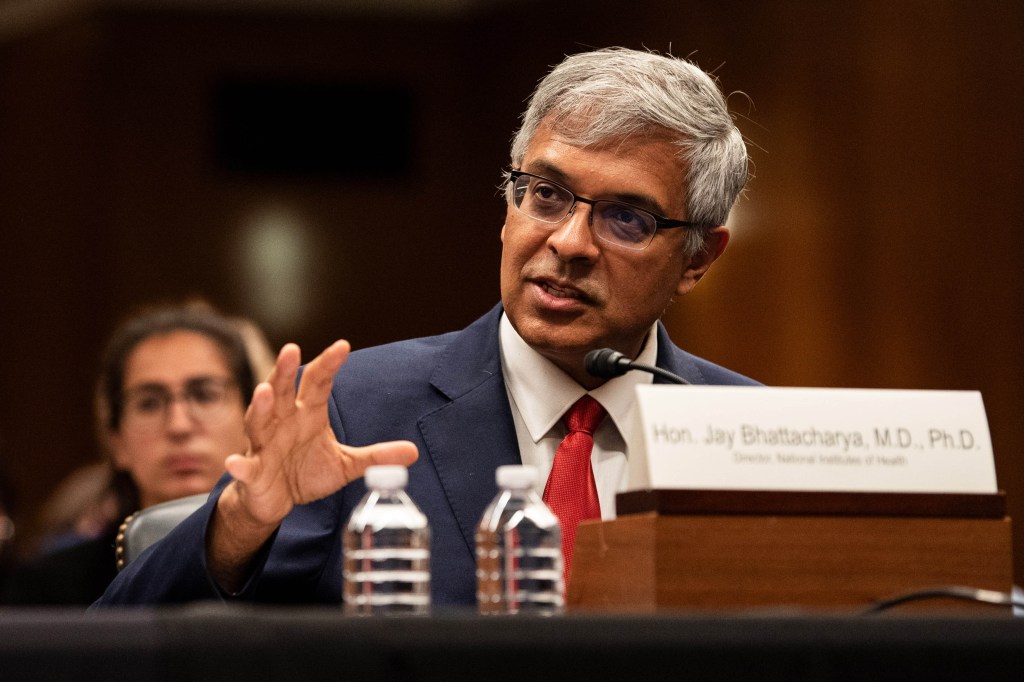
- CDC’s Acting Chief Promises a Return to Stability in a Tumultuous Moment
- California peer-run behavioral health center to close amid funding shift
- Remarks at the Financial Stability Oversight Council Meeting
- ‘Integration only works if data lives in the same system’: How 5 systems are operationalizing behavioral health
- Inside UHS’ playbook for responsible behavioral health growth
- Epic4 Specialty Partners adds Illinois practice
- RWJF: Between 5M and 10M people could lose Medicaid coverage in 2028 under work requirements
- Pulse check on Lilly's GLP-1 fortunes
- Gen Z nurses prioritize schedule flexibility, need more manager interactions to avoid turnover
- How pharma marketers can capitalize on HCPs’ AI, social media and streaming habits
- Federal Officials Investigate States That Require Abortion Coverage
- Corcept's lead drug bounces back from FDA snub with different approval as Lifyorli in ovarian cancer
- Ionis slashes Tryngolza's price tag by 93% ahead of anticipated label expansion
- FDA approves Denali's Hunter syndrome drug, handing rare disease community a win
- Baby Walkers Sold on Amazon Recalled Over Fall Risk
- Want To Protect Your Brain? Science Says Exercise
- HelloFresh Pizza Recall Issued in 10 States Over Metal Risk
- Clinical Trials Have Too Much Data…That’s the Problem.

- Clinical Trials Have Too Much Data…That’s the Problem.
- CMS reveals new Medicaid model that supports coordination for children with complex needs
- Novartis sued by breast cancer patient over branded drug websites’ data-sharing practices
- Takeda targets $1.3B in cost savings in further restructuring
- Biogen pays $20M upfront to tap into Alteogen's subQ delivery tech
- 'Universal Donor' Blood Supplies Dangerously Low, Study Warns
- Why Stepping Outside May Help You Eat Better
- U.S. Medicine, Science Facing An Online Misinformation Siege, Poll Concludes
- Childhood Obesity Undercuts The American Dream For Some, Study Says
- Inclusive High Schools Benefit All Students, Not Just LGBTQ Teens
- Parental Loss Due to Drugs, Violence Raises Child Death Risk by 2,000%
- As Boehringer touts US launches, board chairman worries EU is 'falling further behind'
- The evolving state of exome and genome sequencing
- An Arm and a Leg: Steep Health Care Costs Steer Americans to Tough Decisions

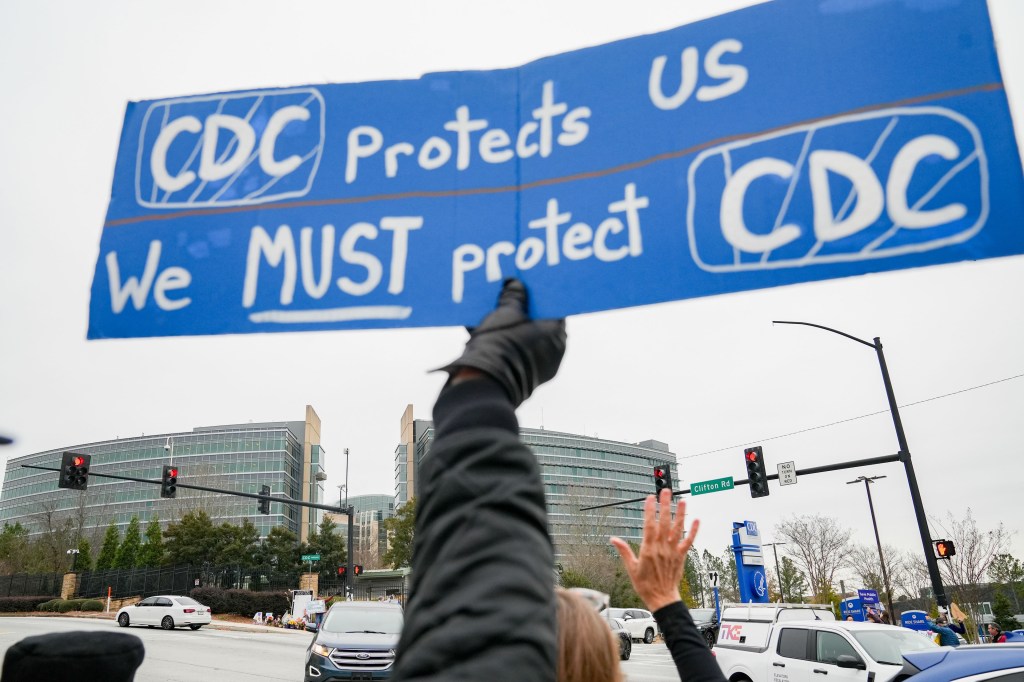
- Demoralized CDC Workforce Reels From Year of Firings, Funding Cuts, and a Shooting
- Qualified Health locks in $125M in fresh funding to scale enterprise AI at health systems
- Misery Loves [Investment] Company?: Remarks at the 2026 Investment Company Institute Investment Management Conference
- Study: Nearly 1 in 5 pediatric hospital deaths involve sepsis
- As expansions come online, CDMO Hovione aims to meet industry's 'dual supply and sourcing' zeal: exec
- Opening Remarks at the Digital Asset Summit 2026
- CVS Caremark, FTC reach settlement in insulin pricing case
- UCB unveils plan to build $2B biologics plant near its US headquarters in Atlanta
- PeaceHealth sued over plans to tap out-of-state staffer ApolloMD for Oregon EDs
- New Lyme Disease Vaccine Shows Strong Results in Trial
- TrumpRx Adds Diabetes, COPD Drugs at Steep Discounts
- Highmark reports $175M net loss for 2025 as financial headwinds batter health plan
- Listen to the Latest ‘KFF Health News Minute’
- Abivax hires commercial chief from Takeda to infuse Entyvio expertise into IBD launch prep
- ImmunityBio hit with FDA warning letter over Anktiva promotions in TV ad, podcast episode
- Alcohol Prep Pads Recalled Over Bacteria Risk, Cardinal Health Says
- Fewer patients traveled for abortions in 2025 as telehealth care increased, report finds
- Cologuard campaign reunites ‘Full House’ stars to give ‘The Talk’ about colon cancer screening
- Karyopharm, looking to jump-start Xpovio, reports mixed results in myelofibrosis
- Study Warns Fluoride Bans May Raise Tooth Decay in Children
- “Me engañaron”: agentes encadenan a un padre que había ido al ICE a reunirse con sus hijos

- Cheap Children's Clothing Tainted With Lead, Study Says
- Insulin Prices Fell For Medicare Patients Under Biden-Era Caps, Study Finds


Health insurance plans covering 10% of Michiganders are seeking Department of Insurance and Financial Services' approval for double-digit rate increases for 2026:
Michigan health insurers seek more double digit rate hikes for 2026
By JC Reindl - July 15, 2025* Proposed increases average 16.8% for individual plans and 11.1% for small group plans.
* Blue Cross Blue Shield of Michigan, the state's largest insurer, has requested increases of 18.2% for individual plans and 11.2% for small group plans.
* Big price hikes are coming again next year to health insurance premiums in Michigan for businesses and individuals.A new report from the Michigan Department of Insurance and Financial Services shows that health insurance plans covering nearly 950,000 Michiganders are seeking regulators' approval for double-digit rate increases for 2026.
The proposed premium increases would average 16.8% for individuals policies, including those sold on the Healthcare.gov website, which some call "Obamacare." That is a bigger request than last year's average 10.9% rate increase that was ultimately approved.
For small group policies — those for businesses and organizations with fewer than 51 employees — the average rate increase would be 11.1%, or slightly more than last year's 11.3% increase.
Blue Cross Blue Shield of Michigan is seeking average rate increases of 18.2% and 11.2%, respectively, for its individual market and small group market health insurance plans in 2026.
Blue Cross Blue Shield of Michigan, the state's largest insurer, is seeking average rate increases of 18.2% for its individual market plans and 16.3% for its individual market Blue Care Network HMO plans, together covering 153,427 enrollees
For small groups, The Blues is seeking an average increase of 11.2% and 12.4% for its small groups HMO plans, together covering 274,282 enrollees.
Those rate hikes would come even as The Blues, as of Jan. 1,. no longer covers the popular but expensive class of GLP-1 weight-loss drugs, including Mounjaro and Wegovy, for patients who only use them to lose weight. (Coverage for diabetes patients continues.)
Asked by the Free Press for an explanation for their proposed 2026 rate increases, Blue Cross said in a statement on Monday, July 14, that they are a result of higher utilization by patients of health care services and "skyrocketing" pharmacy costs.
The statement also pointed to The Blues reported $1.7 billion underwriting loss in 2024, which gave it its largest negative operating margin — 4.2% — in years.
"Blue Cross Blue Shield of Michigan is working diligently with partners across the health care ecosystem to manage rapidly rising health care costs," the statement said.
"Affordability of health insurance is a key component to maintaining access to care for our members and ensuring the health of our communities. We will be working with our customer groups to review the wide array of plans in our portfolio to find the option and price point that works best for them given the rising medical cost challenges."
Priority Health also seeking rate hikes
Priority Health is seeking an average 14.4% increase for its individual market plans and an average 9.7% rate hike for its small groups.
Priority Health said in a statement that their proposed rate hikes reflect the rising use and cost of "emerging" therapies and treatments; more utilization of health care services, including behavioral health; and higher costs for prescription drugs, including the GLP-1 drugs.
Priority Health, similar to Blue Cross, also doesn't cover GLP-1 drugs for just weight loss.
Expanded subsidies expire
The impact of rising premiums for individual market plans will be greater for some than others, due to the expiration at the end of this year of extra Healthcare.gov subsidies for low and middle-income earners.
Those extra subsidies, which began in 2021, expanded eligibility for the Affordable Care Act's tax credits to those earning over four times the federal poverty level, or $62,600 for an individual of $128,600 for a family of four, by capping premium payments for a silver "benchmark" health plan on the Healthcare.gov marketplace at 8.5% of their income.
The subsidies also made available a zero dollar silver plan for those with incomes around the poverty line, which is $15,650 this year for an individual. Prior to the extra subsidies, those individuals had to pay about 2% of their income for a silver plan, according to the Kaiser Family Foundation.
All told, the extended subsidies had reduced premiums by an average of $705 a year for those receiving them, the Kaiser Family Foundation reported.
In 2026, individuals with incomes over four times the poverty level will again need to pay the full freight of their health plan's premium.
However, there will still be Affordable Care Act subsidies available for those whose modified adjusted gross income is between 100% and 400% of the federal poverty line.
The expanded subsidies started with former President Joe Biden's American Rescue Plan of 2021 and were extended by the Inflation Reduction Act of 2022.
There was no extension included in President Donald Trump's recently signed One Big Beautiful Bill Act, so the Affordable Care Act subsidies are now set to expire at the end of the year.
The Michigan Department of Insurance and Financial Services is accepting comments on the proposed rate increases until July 31 via email at DIFS-healthratecomments@michigan.gov.
Meridian Health, which is seeking a 16.9% average increase next year for its individual market plans, didn't respond to a message seeking comment for this story.

Unbelievable!
Michigan policy-makers do have alternatives to complying with out of control self-interested industry wish lists, though.
The Hill's opinion piece offers a way out of stratospheric prices, and restores patient/clinician autonomy as well.
The bold font highlighting essential points is mine.
https://thehill.com/opinion/5083520-make-america-healthy-again-movement/
How making health insurance ‘insurance’ again will improve health care
01/14/25
The Make America Healthy Again movement challenges our nation to recognize that health insurance, health care, and health are fundamentally distinct.
Past health policy reforms, largely focused on health insurance, have neither improved health care nor made Americans healthier. To make America healthy again, we must restore health insurance to its original purpose.
Insurance exists to protect beneficiaries from unexpected financial risks. It is not intended to cover routine, predictable or elective events, as this would make premiums prohibitively expensive.
For example, were a car insurance policy to cover oil changes, or were a home insurance policy to cover faucet repairs, they would be priced out of the market.
But when it comes to health, regulations are forcing insurers to cover analogously uninsurable items. Many politicians aim to expand health coverage to all health care products and services — even air conditioning — while minimizing patients’ out-of-pocket costs.
This approach deprives patients of decision-making power and providers of autonomy. Consequently, competition and innovation have stagnated, prices and premiums have risen, and health outcomes have worsened.
Industries lobby aggressively because regulators, not patients, make decisions that affect industry profits. Even without intentional capture, regulations are typically regressive, favoring incumbents that can afford compliance costs. This leads to more regulations, greater consolidation, higher prices, fewer choices and worse access.
Health insurance should return to its original purpose: protection against major unpredictable financial risks, such as motor vehicle accidents, strokes and heart attacks. Primary care, generic drugs, routine care and elective surgeries — which make up the majority of health care spending — should be paid for in cash using pretax funds from health savings accounts or HSAs.
This reform would slash premiums while relieving patients of financial worry. All Americans should have access to HSAs, which allow individuals and private entities to contribute, with tax benefits. To protect low-income, high-risk individuals, taxpayers should fund reinsurance programs to stabilize their premiums and directly subsidize their HSAs.
When cash is the primary form of payment for care, and insurance is reserved for covering significant financial risks, transformative changes would follow.
First, patients controlling their health care dollars would no longer face insurance restrictions on provider options, gain equal access to care at non-discriminatory cash prices, and make informed, cost-conscious decisions that reflect their specific preferences. With more skin in the game, they would also be motivated to invest in preventive efforts to fundamentally improve their health.
Second, when paying for care becomes as straightforward as buying coffee, entry barriers would collapse, regulatory capture would diminish, price competition would intensify, and innovative care options would flourish to meet patients’ diverse and evolving needs. A dynamic, accessible, and personalized ecosystem for patient-centered care would emerge.
Third, providers would be freed from pre-authorizations, denials, appeals and other restrictions and burdens that have led to financial loss, burnout and missed opportunities to deliver optimal care. Physicians across specialties have increasingly opted out of certain insurance plans. This trend would reverse under the proposed system, expanding access to all patients regardless of their insurance status.
Finally, the labor market and economy would benefit. When workers control their health care dollars, purchase insurance locally, and pay for other health care needs through HSAs, employers are relieved of the burden of purchasing insurance. This shift would enhance worker mobility, simplify hiring and spur innovation and entrepreneurship.
Flat-rate direct primary care, concierge practices, cash-pay surgical care, telehealth and prescription drugs are already flourishing. These models adopt transparent and competitive pricing, attracting both uninsured patients and those who bypass their insurance. Top-down regulatory restrictions cannot suppress the bottom-up demand from patients and providers to transact directly, without intermediaries.
The Make America Healthy Again movement opens an opportunity window toward a dynamic, innovative, accessible U.S. health care ecosystem. We can either maintain the status quo — which constrains providers from competing fairly and freely for patients, insurers from offering plans patients want, and patients from accessing the care they want to be healthy — or unshackle all of them by restoring health insurance to its true nature: being insurance.
Josh Puthumana is a surgical resident at the Johns Hopkins School of Medicine. Ge Bai is a professor of accounting and health policy at Johns Hopkins University.
Rocketing health care premia are a national problem:
2026 Health Insurance Premiums Could See Largest Hike in 5 Years: Report
Finalized 2026 rate changes are expected to be published later this summer.
By Wesley Brown - July 23, 2025The nation’s health-care marketplace insurers are seeking the largest premium increases in more than five years, ahead of the upcoming Affordable Care Act (ACA) enrollment period in November, according to an analysis by the Peterson Center on Healthcare and health policy nonprofit KFF.
The July 18 report highlights several factors driving up insurance rates for 2026, as major health insurers submit rate filings to state regulators to justify premium changes for the upcoming calendar year.
“As in most years, rising healthcare costs—both the price of care and increased use—are a significant driver for increasing rates going into plan year 2026. The costs of healthcare services like hospitalizations and physician care, as well as prescription drug costs, tend to go up every year, and insurers often raise premiums to cover their increased costs,” the report states.
The Peterson–KFF analysis examined insurers in the District of Columbia and 19 states: Connecticut, Georgia, Hawaii, Idaho, Illinois, Indiana, Iowa, Maine, Maryland, Massachusetts, Michigan, Minnesota, New York, North Carolina, Oregon, Rhode Island, Texas, Vermont, and Washington.
Finalized 2026 rate changes are expected to be published in late summer, and individuals will be able to see how their plans’ premiums are changing just before open enrollment begins in November.
The report states that heading into 2026, insurers expect that some policy changes will drive up their costs, increasing premiums beyond what they would otherwise be. Among these changes are enhanced ACA premium tax credits, which make coverage more affordable and will expire at the end of 2025, resulting in an average increase of more than 75 percent in out-of-pocket premium payments. The impact will vary depending on income and family composition.
“This is expected to cause healthier enrollees to drop their coverage and create a sicker risk pool,” the report states.
An earlier Peterson–KFF analysis found that the expiration of enhanced premium tax credits increased proposed rates by an average of 4 percent. It also stated that there would be gross premium increases, as healthier people are expected to drop their coverage in larger numbers due to increases in their net premium payments.
“Unless the premium tax credits are extended, consumers can expect increases in both the net premium payments and gross premiums,” the June 3 report states.
The Congressional Budget Office projects that, on average, gross benchmark silver premiums will ultimately be 7.9 percent higher than they would otherwise be as the risk pool becomes sicker, on average, and that many enrollees will become uninsured.
Tariffs could also drive up the cost of certain drugs, medical equipment, and supplies, the July 18 report stated. It further notes that some insurers report that tariffs—and the uncertainty surrounding them—are causing rate increases.
A June 18 KFF report stated that Optimum Choice of Maryland, Independent Health Benefits Corporation of New York, and UnitedHealthcare of New York are increasing premiums by 2.4 percent, 2.9 percent, and 3.6 percent, respectively, due to the impact of tariffs on pharmaceuticals.
Many insurers submitted proposed rates before Congress passed the budget reconciliation legislation and the Centers for Medicare and Medicaid Services finalized its rule on marketplace integrity and affordability. The legislation and new Medicaid rule, which explain how the ACA marketplace operates and how individuals enroll, were only finalized recently, and it is still unclear how insurers might respond, the report states.
“Early indications are that individual market insurers will be increasing premiums in 2026 by more than they have since 2018, the last time policy uncertainty contributed to sharp premium increases,” the July 18 Peterson–KFF report states. It noted that premiums are increasing by a median of 15 percent across the 20 markets it analyzed.
Another factor creating uncertainty in the rate filing process is the implementation of the Trump administration’s ACA integrity rule. Based on what insurers have filed so far, this does not generally appear to be driving rate changes in either direction, according to the report.
“Insurers and state regulators are still finalizing rates for the upcoming plan year, so these filed premium increases may change,” it states.
Get MHF Insights
News and tips for your healthcare freedom.
We never spam you. One-step unsubscribe.
Sponsors
Friends of MHF





Kirsten DeVries
Tom & Karen Nunheimer
Steve Ahonen
Ron & Faith Bosserman
Marlin & Kathy Klumpp
Sign Up for MHF Insights to keep up on the latest in Michigan Health Policy