- Trump’s Hunt for Undocumented Medicaid Enrollees Yields Few Violators

- States Pay Deloitte, Others Millions To Comply With Trump Law To Cut Medicaid Rolls
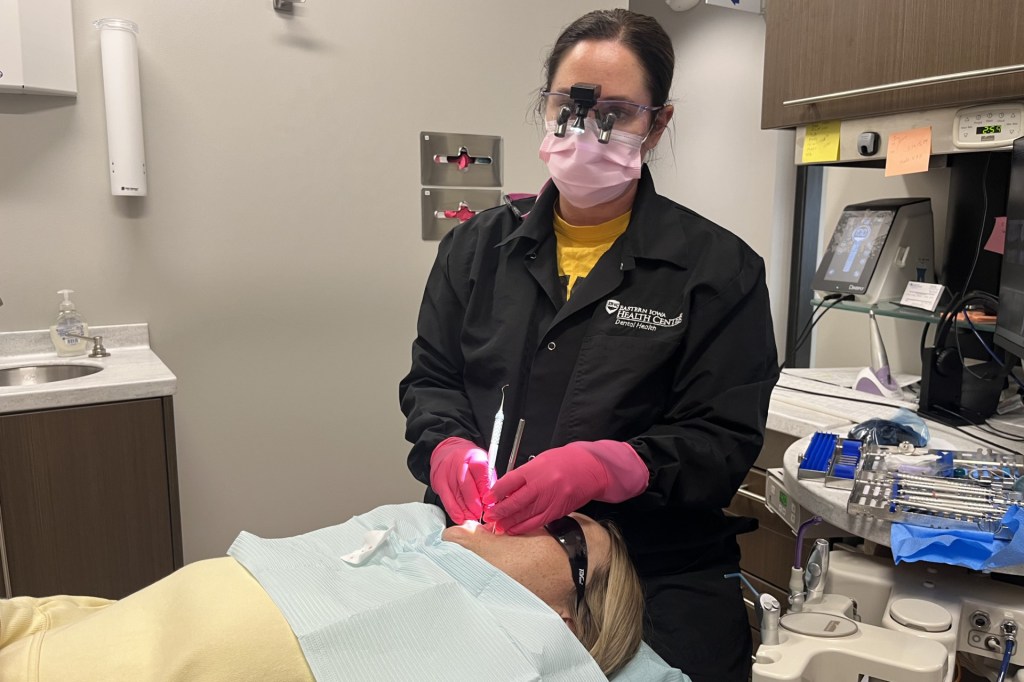
- AdventHealth CEO brings a cyclist’s mind to healthcare headwind navigation

- Baptist Health Arkansas hospital to end OB services
- Baptist Health Arkansas hospital to end OB services
- Texas behavioral health provider launches 6th Austin-area clinic
- The readiness gap facing new dental graduates
- Texas AG sues dental providers for Medicaid fraud
- Health systems embrace teledermatology
- New Jersey expands authority for advanced practice nurses
- Boone Health sues Missouri Heart Center for breached contracts, data misuse
- 42 North Dental appoints senior VP of operations
- Advocate Health taps Epic’s AI Agent Factory
- Why HealthPartners won’t get ‘caught up in the race’ on AI
- The groups among whom mammography rates are falling: Study
- Why these 2 roles are key to expanding behavioral access, per SAMHSA
- Why ASCs are watching NewYork-Presbyterian’s anticompetitive lawsuit
- CVS Health to open more stores than it closes in 2026
- CMS signals tougher expectations for hospital nutrition services: 5 notes
- Sun Life appoints dental business president
- Memorial Regional, Joe DiMaggio Children’s name CFO
- Dr. Yun Saksena appointed vice dean for academic, student affairs at University of Washington
- 12 Big Tech health system partnerships
- MB2 Dental’s 3-year growth recap: 17 moves
- Kaiser Permanente’s $9.3B net income draws scrutiny: 6 things to know
- New orthopedic CEO trims $2.5M in costs — 2 targeted areas
- How 2 orthopedic groups formed strong payer partnerships
- ACA enrollment at 23.1 million in 2026
- 6 states with the most DSO activity in Q1
- Illinois hospital to expand cardiovascular care with $29M project
- Intermountain Health outpatient building acquired by real estate firms
- 2026 gastroenterology fellowship match: A breakdown
- Maryland eye practice acquired
- Nonprofit Electronic Frontier Foundation sues CMS over AI prior authorization demonstration
- South Carolina system centralizes OB delivery services
- CDRH Guidance: Patient Preference Information (PPI) in Medical Device Decision Making
- CDRH Guidance: Patient Preference Information (PPI) in Medical Device Decision Making
- Unlocking Hidden Margin: How Health Systems Are Thinking About AI, Automation, and Revenue Risk
- BSCI’s LAAC CHAMPION-AF study for WATCHMAN FLX meets primary and secondary safety and efficacy endpoints
- BSCI’s LAAC CHAMPION-AF study for WATCHMAN FLX meets primary and secondary safety and efficacy endpoints
- Apple Store to ID Regulated Medical Device Apps
- Apple Store to ID Regulated Medical Device Apps
- 16 dentists making headlines
- California autism center to close 2 locations, lay off 62
- 70+ DSO affiliations in Q1: State-by-state breakdown
- Oceans Healthcare taps VP of corporate development
- PCDM acquires Ohio periodontics practice
- Pennsylvania expands law enforcement, SUD treatment collab
- Washington physician sentenced for selling recalled medical devices to patients as new
- How Orlando Health is reshaping bariatric care
- CMS: This year's open enrollment brought fewer signups, higher premiums
- White House denies plans for 20% NIH funding cut
- Medical Schools No Longer Required To Teach Health Inequities
- Connecticut behavioral health provider names president
- 10 providers seeking RCM talent
- Lilly presses for UK deal that would see higher drug prices in exchange for resumed investments: FT
- Closed Illinois hospital may receive lifeline
- United plots Tyvaso FDA filing after ph. 3 win elicits talk of 'new IPF standard' and blockbuster sales
- RCM firm names Quorum Health veteran VP of revenue cycle operations
- 7 health systems with boosted outlooks
- Fluoride Quietly Removed From Birmingham Water Years Ago, Officials Face Backlash
- FDA Weighs Expanding What Can Go Into Supplements
- 9 Now Sickened in Outbreak Tied To Raw Milk and Cheese
- BMS, Novartis, Gilead, Iovance dinged over biologics promos in rare spate of CBER untitled letters
- Nearly half of US hospital markets entirely controlled by 1 or 2 health systems: KFF
- Idorsia eyes pediatric insomnia use with midstage trial win for sleep med Quviviq
- Electronic Paperwork Increasing Burnout Risk Among Young Doctors
- Kratom Cases Surging In U.S.
- What Makes Play Fun For Children? Seven Factors Stand Out, Study Says
- Night Shifts Are Tough On People With Type 2 Diabetes, Study Says
- Women's Bone Loss Tied To Heart Health, Study Finds
- Want To Lose Weight? Eat A Boring, Repetitive Diet, Researchers Suggest
- Samsung Biologics union gathers votes to strike as tension over wage, governance mounts
- Takeda begins US layoffs as part of massive $1.3B restructuring
- Biogen looks to shake up SMA status quo with FDA nod for high-dose version of Spinraza
- She Owed Her Insurer a Nickel, So It Canceled Her Coverage
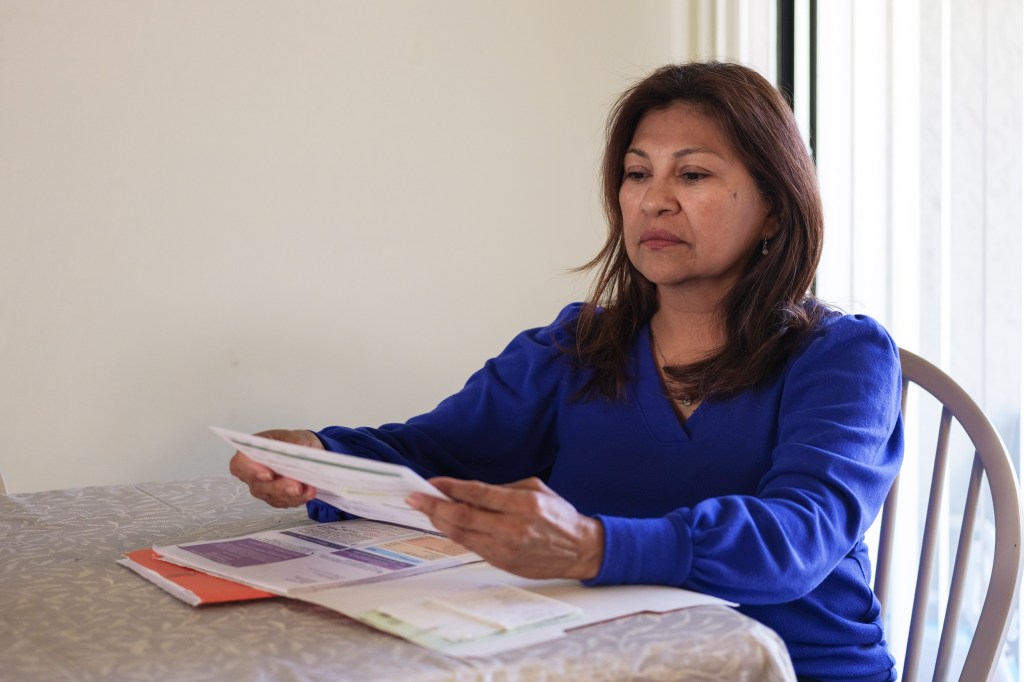
- Inside the High-Stakes Corporate Fight Over Feeding Preterm Babies
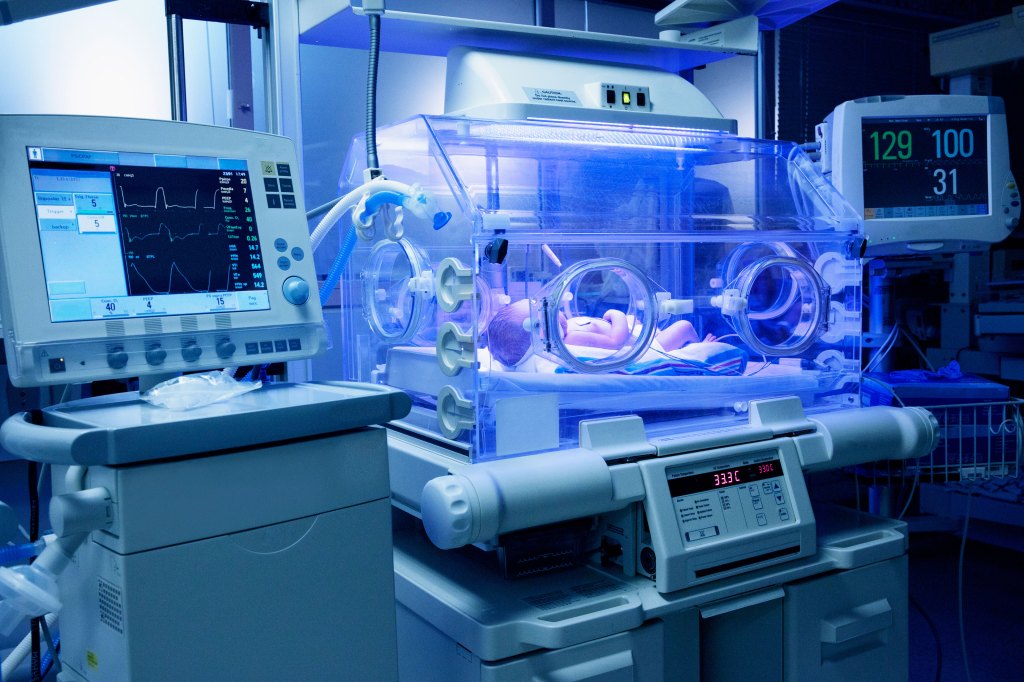
- Study Links High Antioxidant Intake To Changes in Offspring Development
- The Healthcare Burnout Backlash (pt 1): Burnout Reaches Well Beyond Clinicians
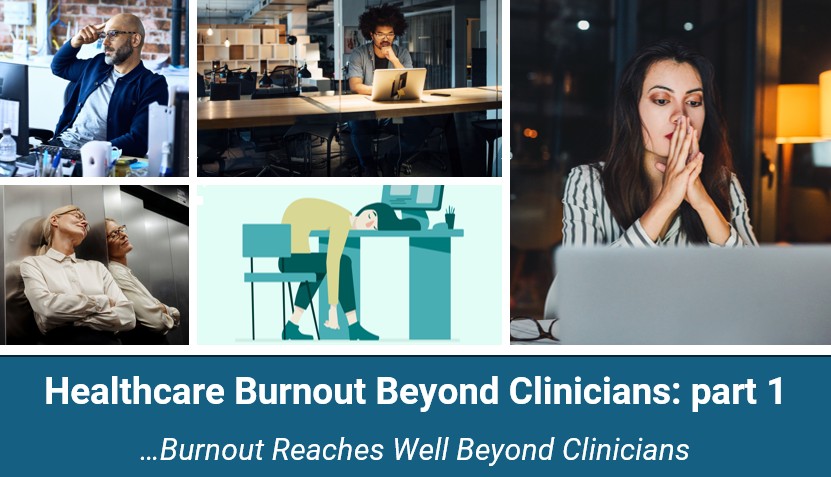
- The Healthcare Burnout Backlash (pt 1): Burnout Reaches Well Beyond Clinicians
- Even Mild Oxygen Loss in Preemies' First Hours Poses Lifelong Brain Risks: Study
- Oklahoma officials warn of new opioid
- Michigan finalizes Medicaid mental health assessment policy changes
- How the Trump Administration Uses Migrant Kids To Find and Detain Family Members

- Oral GLP-1s, COVID preventatives: 3 more drugs in the pipeline, Optum says payers should watch
- Providence trims 2025 operating loss to $132M, notches second consecutive quarter of gains
- Missouri system debuts mobile behavioral health unit
- $3M Verdict Links Social Media to Anxiety and Depression
- The White House Delays CDC Pick
- New COVID 'Cicada' Variant Is Spreading — What Experts Want You To Know
- Advocate Health to launch ‘nation’s largest’ hospital drone delivery program in Zipline partnership
- Op-ed: Empathy meets efficiency—how the responsible use of AI can transform Medicare
- Family Caregivers Provide $1 Trillion In Annual Labor, AARP Says
- ‘Health Doesn’t Need to Be Ludacris’: Bayer signs rapper-actor to multivitamin campaign
- Rocket plots measured trajectory for new gene therapy Kresladi after clearance to launch from FDA
- Healthy Lab Results May Mask Future Risks for Kids with Obesity
- At-Home Chemotherapy Is Safe, Feasible, Pilot Study Indicates
- What You Do While Sitting Could Predict Dementia Risk
- New Cholesterol Guidelines: What Patients and Caregivers Need to Know
- Want A Bootlicking Yes Man? Ask An AI Chatbot For Advice, Study Warns
- Specially Coated Implants Better For Breast Cancer Patients, Study Finds
- Trump Team Claims Successes Against ACA Fraud While Pushing for More Controls
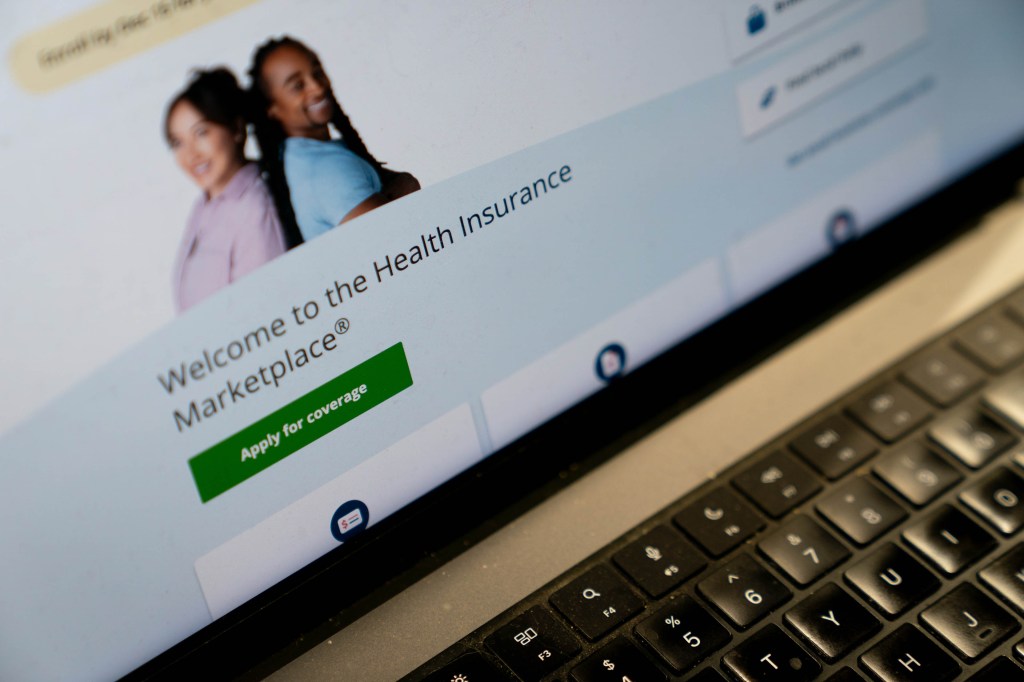
- Give and Take: Federal Rural Health Funding Could Trigger Service Cuts

- Fierce Pharma Asia—Takeda’s $1.3B reorg; India’s GLP-1 floodgates; Gilead’s $2.2B buy of a China NewCo
- Where are you with EUDAMED?

- Where are you with EUDAMED?
- HL7 Launches Real‑Time Medical Device Interoperability Accelerator
- HL7 Launches Real‑Time Medical Device Interoperability Accelerator
- Two GA Tech ATDC Startups — Nephrodite and OrthoPreserve — Secure FDA Breakthrough Device Designation
- Two GA Tech ATDC Startups — Nephrodite and OrthoPreserve — Secure FDA Breakthrough Device Designation
- Artificial Intelligence: ROI, not Clinical Autonomy, Leads Operational Workflows
- Artificial Intelligence: ROI, not Clinical Autonomy, Leads Operational Workflows
- Medtronic and Merit Medical Systems distribution agreement for new, ViaVerte basivertebral nerve ablation system
- Medtronic and Merit Medical Systems distribution agreement for new, ViaVerte basivertebral nerve ablation system
- Breakthrough Device Designation for Noah Labs Vox Heart Failure Detection Device
- Breakthrough Device Designation for Noah Labs Vox Heart Failure Detection Device
- What the Health? From KFF Health News: A Headless CDC
- Recordati confirms it's weighing CVC Capital buyout offer of $12.6B
- Nonprofit celebrates rescue, recapitalization of Prospect Medical Holdings' Rhode Island hospitals
- UnitedHealth shareholder sues over proposal to include details on integration in annual proxy
- SCAN taps biopharma, CMS vet Aman Bhandari as its first chief AI officer
- Infosys to acquire Optimum Healthcare IT in $465M deal
- Healthcare systems can create AI care pathways with new Viz.ai tool
- DOJ alleges NewYork-Presbyterian forces payers into anticompetitive 'all-or-nothing' contracts
- FDA Warns Biotech Firm Over Cancer Drug Anktiva Claims
- Bees and Hummingbirds May Be Consuming Small Amounts of Alcohol
- Two States Sue Cord Blood Company Over Misleading Claims
- New WHO Guidance Aims To Speed Tuberculosis Testing
- As questions swirl around ATTR competition, Alnylam plots path to market leadership for Amvuttra
- Trump admin delays nomination for new CDC director past deadline
- Outspoken ACIP member steps down amid vaccine panel uncertainty: reports
- Egg-based drugmaker Neion Bio emerges from stealth to cook up multi-product biosimilar collab
- Genentech walks the walk in lupus as sponsor of annual awareness and fundraising event
- Study Reveals How Many Americans Consider Using a Gun
- Massive Study Finds Stress and Grief Don’t Cause Cancer
- Ultra-Processed Foods Harm Fertility In Both Men And Women, Studies Reveal
- Small Daily Habits Can Add Up To Better Heart Health
- Ritalin Might Protect ADHD Kids' Long-Term Mental Health, Study Finds
- Can You Drink Enough Fluids To Prevent Kidney Stones? Maybe Not, New Study Says
- Clasp, loan-linked hiring tool for employers, clinches $20M to expand amid federal loan caps
- Taking a GLP-1? Doctors Say Not To Forget About Movement and Mental Health
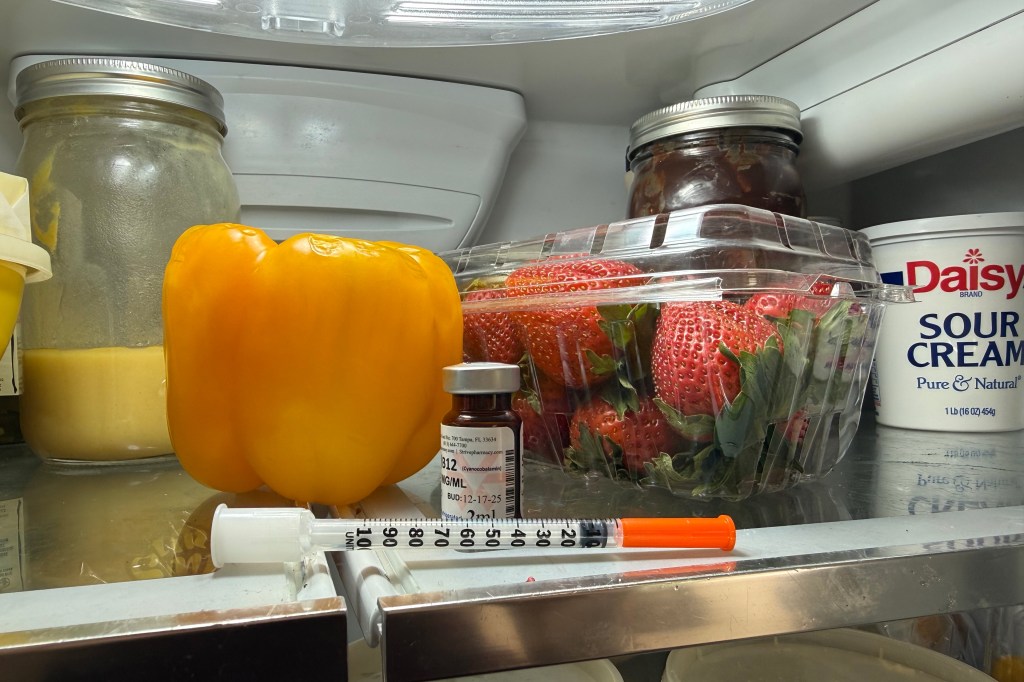
- OpenEvidence rolls out AI medical coding feature
- CDC’s Acting Chief Promises a Return to Stability in a Tumultuous Moment
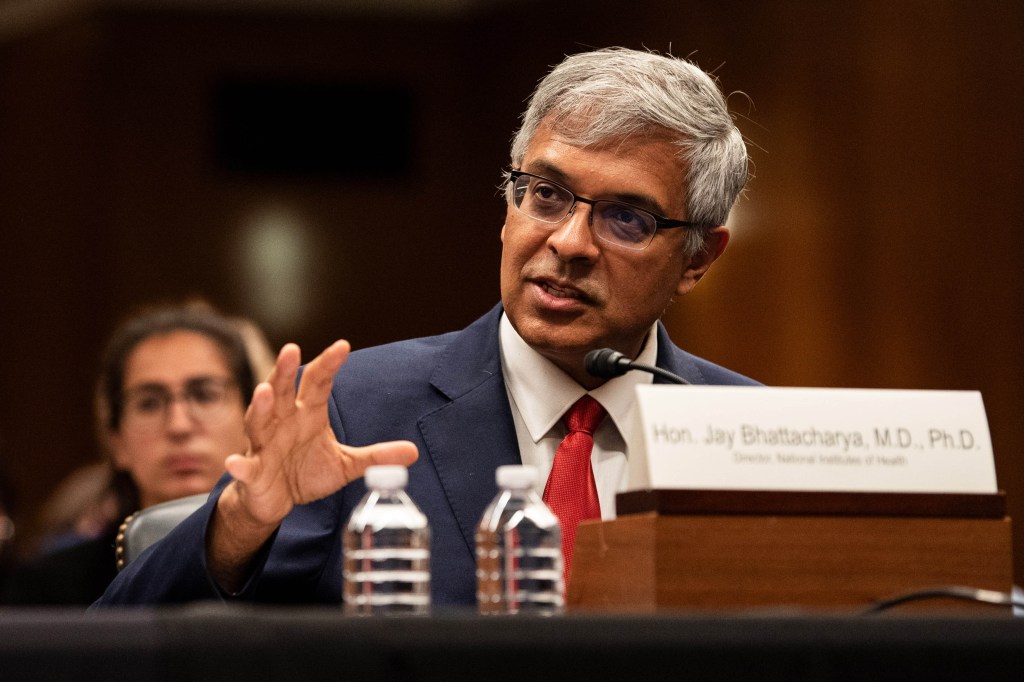
- Remarks at the Financial Stability Oversight Council Meeting
- RWJF: Between 5M and 10M people could lose Medicaid coverage in 2028 under work requirements
- New therapy animal program aims to support 100K patients, providers
- Pulse check on Lilly's GLP-1 fortunes
- Gen Z nurses prioritize schedule flexibility, need more manager interactions to avoid turnover
- How pharma marketers can capitalize on HCPs’ AI, social media and streaming habits
- Federal Officials Investigate States That Require Abortion Coverage


Increasing penalties for fentanyl, and classifying them as Schedule I. That class is defined as drugs with no current medical use with high potential for abuse and/or addiction."The ultimate impact of this bill is taking fentanyl permanently away from pain and surgery patients.
What could possibly go wrong?
by Joyce Frieden, Washington Editor, MedPage Today May 26, 2023
The House passed a bill Thursday that proponents say is designed to reduce the number of people who become addicted to fentanyl, but opponents say it won't solve the problem and will just increase the number of people incarcerated for drug-related crimes.
The Halt All Lethal Trafficking of Fentanyl (HALT Fentanyl) Act passed by a vote of 289-133, with 215 Republicans and 74 Democrats voting in favor. The measure would:
- Permanently put fentanyl-related substances into Schedule I of the Controlled Substances Act. Currently, fentanyl is on Schedule I through Dec. 31, 2024, thanks to a temporary scheduling order issued by the Drug Enforcement Administration (DEA).
- Establish a new, alternative registration process for Schedule I research that is funded by HHS or the Department of Veterans Affairs or that is conducted under an investigative new drug exemption from the FDA.
- Clarify that offenses involving fentanyl-related substances are triggered by the same quantity thresholds and subject to the same penalties as offenses involving fentanyl analogues. For example, offenses involving 100 g or more of a fentanyl-related substance will trigger a 10-year mandatory minimum prison term.
The bill also makes several other changes to registration requirements for conducting research with controlled substances, including permitting a single registration for related research sites in certain situations, and waiving the requirement for a new inspection in some cases.
"With today's bipartisan vote in the House to advance the HALT Fentanyl Act, we are one step closer to curbing the devastating fentanyl poisoning crisis and saving American lives," Rep. Bob Latta (R-Ohio) said in a statement. "Illicit fentanyl is now the leading cause of death for people in the United States aged 18 to 49 ... This permanent labeling change is significant and needed because it will help get fentanyl-related substances off our streets and out of our communities. I now urge the Senate to take up this bill and send it to the president's desk to be signed into law."
House Speaker Kevin McCarthy (R-Calif.) applauded the bill's law enforcement provisions. "Due to the Biden administration's incompetence at the border, fentanyl has flowed into American communities and destroyed lives," he said in a statement. "The HALT Fentanyl Act is one needed tool to help stop the flow of fentanyl and provides law enforcement agencies the authority they need to help them adequately address this crime."
The Biden administration also praised the bill, specifically the permanent scheduling provision and a provision to make fentanyl research easier. "These two provisions are critical components of the Biden-Harris Administration's 2021 recommendations to Congress to combat the supply of illicit FRS [fentanyl-related substances] and save lives," the White House said in a statement. "The administration calls on Congress to pass all of these critical measures to improve public safety."
But others were not so happy. Despite multiple extensions of the Schedule I designation, "overdoses have not gone down, and we have unfortunately [not] made a dent in the incidence of opioid use disorders," Rep. Frank Pallone, Jr. (D-N.J.), ranking member of the House Energy & Commerce Committee, said on the House floor.
"Fentanyl and synthetic opioids continue to flood into the country. In testimony before our committee, the DEA administrator noted that DEA seized more than 50 million fake pills and 10,000 pounds of fentanyl in 2022 ... The HALT Fentanyl Act is a partisan distraction from the hard, bipartisan work that actually has to be done to address a long standing, intractable problem that faces our communities," he said.
"We simply cannot incarcerate our way out of a public health crisis," Pallone said. "The HALT Fentanyl Act does not provide any resources for research, prevention, treatment, recovery, or harm reduction. It also does not provide law enforcement or public health agencies with any additional resources to detect and intercept illicit drugs entering the country."
Several advocacy groups agreed. "Passage of the HALT Fentanyl Act and the draconian expansion of mandatory minimum sentencing for fentanyl-related substances contained in it would be a reckless repetition of the costly mistakes of the war on drugs that disproportionately impacts Black and Brown communities and creates the conditions for even more harmful illicit substances to enter the drug supply," Drew Gibson, director of advocacy for AIDS United, said in a statement.
"Any hope that we have of ending the overdose, HIV, and viral hepatitis epidemics in the United States lies in an embrace of evidence-based best practices and a rejection of the punitive and racially inequitable policies that have destroyed millions of lives over the last half-century," Gibson added.
"In passing the HALT Fentanyl Act, the House seems intent on doubling down on the same failed strategies that got us here to begin with," Maritza Perez Medina, director of the Office of Federal Affairs at the Drug Policy Alliance, said in a statement. "Increasing criminal penalties and expanding the use of mandatory minimums, as this bill does, has never reduced the supply or demand of illicit drugs. Instead, it only exacerbates racial disparities in the criminal legal system and creates the conditions for an even more unknown, and more potent, drug supply to flourish."
AIDS United, the Drug Policy Alliance, and other organizations are supporting the Support, Treatment, and Overdoses Prevention of Fentanyl Overdoses (STOP Fentanyl Overdoses) Act sponsored by Rep. Annie Kuster (D-N.H.). That bill would expand testing for fentanyl and related substances; increase information-sharing by public health departments and law enforcement in order to identify public health threats and prevent overdoses; and improve access to overdose reversal medications and substance use disorder treatment.
On the other side of the Capitol, the Senate version of the HALT Fentanyl Act was introduced by Sen. Bill Cassidy (R-La.) on March 30. It has been referred to the Senate Judiciary Committee but no other action has been taken on it.
https://www.medpagetoday.com/washington-watch/washington-watch/104730
And not a word about the border.
Joyce Frieden oversees MedPage Today’s Washington coverage, including stories about Congress, the White House, the Supreme Court, healthcare trade associations, and federal agencies. She has 35 years of experience covering health policy.

Michigan testimony on border concerns did contribute to this bill.
The Detroit News in February highlighted Rebecca Kiessling. New Detroit Congressman Shri Thanadar gets a line at the end.
'You're not protecting our children': Rochester Hills mom testifies about 2 sons' fentanyl deaths
Feb. 28, 2023Washington― A Michigan mother tearfully told House lawmakers the story Tuesday of her two sons' deaths from an accidental overdose of the opioid fentanyl, saying the government isn't doing enough to combat the opioid crisis and halt illegal drugs at the border.
"My children were taken away from me," saidRebecca Kiessling, a family law attorney and conservative activist from Rochester Hills.
"This should not be politicized. It's not about race. Fentanyl doesn't care about race. You talk about welcoming those crossing our border seeking protection? You're welcoming drug dealers across our border. You're giving them protection. You're not protecting our children."
Kiessling said her two sons, Caleb, 20, and Kyler, 18, died July 29, 2020, from fentanyl poisoning, along with 17-year-old Sophia Harris, when they took what they thought were Percocet pills that turned out to contain the drug fentanyl, a potent synthetic opioid drug that can be lethal in tiny amounts.
She said her sons' "dealer" was saved by a dose of the overdose-reversing spray Narcan and is serving prison time. Lorenzo Brabo was sentenced in 2021 to eight to 15 years in prison for providing the fentanyl that led to the three overdose deaths, according to reports.
"I don't use the term 'drug overdose' because this was not an overdose. This was murder," she said. "This is a war. Act like it. Do something."
Kiessling testified Tuesday morning before the Republican-led U.S. House Committee on Homeland Security, urging Congress and the White House to take the flow of illegal drugs over the Southern border more seriously. Prior to her sons' deaths, Kiessling said she didn't know what fentanyl was.
"I had heard of the opioid epidemic. I thought, you know, people are getting prescription drugs and getting addicted and then getting it on the streets, and that it affects their ability to work. I didn't know that people were dying," she said.
"I didn't know that my boys were taking anything that could kill them. They didn't think that they were either. They thought that they were safe with pills. ... But the government knew. The government's known for years and years."
Opioid overdose trends
Michigan experienced a 23% increase in opioid-related deaths from 1,768 in 2019 to 2,171 in 2020, when Kiessling's two sons died, according to state Department of Health and Human Services' statistics. The number rose to 2,539 deaths in 2021, a 17% jump. U.S. opioid-related deaths rose from 68,630 in 2020 to 80,411 in 2021, according to theNational Institute on Drug Abuse.
Kiessling highlighted the tally of drug-related deaths the year that Caleb was born — 20,000 in 2000 — and the surge of 100,000 like deaths in 2020.
"If we had Chinese troops lining up along our Southern border with weapons aimed at our people, with weapons of mass destruction aimed at our cities, you damn well know you would do something about it," she said.
"We have a weather balloon from China going across the country. Nobody died, and everybody's freaking out about it. But 100,000 die every year, and nothing's being done. Not enough is being done."
Kiessling started crying as she read from a paper written by Kyler weeks before his death, advising to "stay away from drugs and alcohol."
"It's not worth it," he wrote.
Kyler, who had graduated from high school the day before his death, also wrote in a list that he wanted to start working more to stay focused, have a better relationship with his parents, to report to all drug tests and "find another method to cope that works for me," according to his mother.
Caleb, Kiessling said, had started speaking in schools to encourage kids not to try drugs. He wrote a testimony to share with them, saying that he'd "dabbled" in drugs but had stayed away from crack and heroine because he'd grown up "watching my birth mother ruin her life and watch all her friends pass away from heroin overdoses."
Kiessling said later in the hearing that the boys' birth mother died six months after they did.
Lawmakers respond
Committee Chairman Mark Green, R-Tennessee, blamed the Biden administration for border policies that he said have contributed to the "surge" in migrants at the border, "and the drug cartels have taken advantage of the situation."
Kiessling's sons died in 2020, when Donald Trump was president and was trying to extend a wall across the Southern border.
The Biden administration has touted itsoverdose epidemic strategy, which has included spending $1.5 billion on grants for aid to treatment programs and law enforcement. The U.S. Department of the Treasury is using sanctions to target the global fentanyl supply chain, especially in Mexico, administration officials have said.
The Biden administration in February also proposed a rule that migrants seeking to enter the United States will be assumed inadmissible if they "circumvent available, established pathways to lawful migration," including entering the country between ports of entry or arriving at a port of entry without a scheduled appointment.The proposal also rejects those who fail to seek protection in countries through which they pass while heading to the United States.
Green asked Kiessling how her community has been affected by the opioid crisis. She replied that some parents and siblings whom she knows from support groups had committed suicide.
"It's devastating families," she said. "It's been very difficult for my (three) daughters. One daughter, she went off to Michigan State and came home after a semester. It was just too painful."
One of Kyler's friends approached her at a restaurant last summer and said he'd stopped doing any kind of drugs in response to his death, Kiessling said.
"He said, 'I want you to know that your son's death started a movement in our hometown, so that when people show up with pills, they're ostracized, and they're condemned,' he said," Kiessling recounted. "But, you know, for how long? How many of the kids in the high schools now know about my son's deaths?"
Rep. Marjorie Taylor Greene, R-Georgia, also lamented the surge in fentanyl deaths, saying it's become a top cause of death for Americans ages 18 to 45 years old.
"This is unforgivable," said Greene, thanking Kiessling for sharing her story and saying her sons' deaths "should never have happened."
Kiessling responded in part by criticizing witness testimony from the Cato Institute's David Bier, who suggested that policymakers should focus on demand and not supply to reduce drug deaths.
"What I'm hearing him saying is, 'They asked for it.' Seriously, are you kidding me?" Kiessling said. "We need to protect our children. They didn't ask for that. This wasn't demand that they wanted the fentanyl. They thought they were getting Percocet, OK?"
Rep. Donald Payne Jr., D-New Jersey, said most illegal drugs are smuggled through ports of entry into the United States "unfortunately" by U.S. citizens, and usually hidden in vehicles, cargo, or on a person in the hopes "it won't be detected."
Payne suggested lawmakers should focus on what policy changes can be made to allow personnel at ports of entry to focus on the interdiction of drugs.
It was the first full committee hearing for freshman Rep. Shri Thanedar, D-Detroit, a former businessman and Indian immigrant who spoke of the importance of the Northern border.
"Unfortunately, a shortage of pathways for immigration has made our borders very difficult to manage. CBP has had to rely on temporary duty assignments to surge employees where they are most needed, which has often pulled resources away from the northern border," Thanedar said. "As an immigrant myself, I'm a proud example of how immigrants contribute to American society."
Melissa Nann Burke covers Washington for The Detroit News, including Michigan's congressional delegation, the White House and U.S. Supreme Court.
Get MHF Insights
News and tips for your healthcare freedom.
We never spam you. One-step unsubscribe.
Sponsors
Friends of MHF





Kirsten DeVries
Tom & Karen Nunheimer
Steve Ahonen
Ron & Faith Bosserman
Marlin & Kathy Klumpp
Sign Up for MHF Insights to keep up on the latest in Michigan Health Policy