- ARPA-H targets microplastics with $144M health initiative

- Lovelace closes New Mexico clinic 1 year post-acquisition
- Lovelace closes New Mexico clinic 1 year post-acquisition
- Kaiser breaks ground on Oregon’s first fully electric hospital
- CHS’ highest-earning executives in 2025
- Health systems on average aren’t breaking even
- Health systems on average aren’t breaking even
- CMS finalizes 2027 Medicare Advantage and Part D rule: 10 notes
- UConn Health to acquire Children’s psychiatric facility
- Americans 65+ receive 6x more in federal spending than younger groups: Analysis
- Americans 65+ receive 6x more in federal spending than younger groups: Analysis
- UConn Health to acquire children’s psychiatric facility
- How to find the AI fanatics at your health system
- The ‘grow your own’ mentality at LMH Health
- The ‘grow your own’ mentality at LMH Health
- 5 CFO job openings with HCA
- Compass Surgical’s 3 ASC joint venture non-negotiables
- Michigan system acquires 25-office medical group
- Georgia practice, physician owner to pay $14M to settle fraud allegations
- Novant Health opens 2 cardiology clinics in North Carolina
- 23 hospitals, health systems investing in ASCs in Q1
- What the Health? From KFF Health News: GOP Mulls More Health Cuts
- AI scribes underdeliver on cutting down after hours charting: Study
- New York system names medical director of ambulatory services
- Providence eyes divestitures to stabilize finances
- Lawmakers introduce bill to stabilize Medicare physician reimbursement
- Minnesota physician practice to close after 36 years
- Oregon university launches dental therapy program
- Trump slaps 100% duties on imported drugs but leaves plenty of exceptions
- A flurry of CON updates in Q1
- The shifting orthodontics landscape
- OSU Wexner Medical Center reports 25% drop in safety incidents: 5 notes
- Merrimack Health to consolidate maternity, neonatal services
- How the Harris Center navigates 70 contracts to fund a continuum of care
- Planet DDS launches AI-powered restorative charting capabilities
- Pearl partners with education platform to advance dental AI use
- GAO audit outlining CMMI's limited model scale-ups draws more Republican scrutiny
- Smile Doctors 3-year growth recap: 12 moves
- Indiana autism therapy provider to shut down after Medicaid ban
- Idaho college launches dental hygiene program to address workforce shortages
- Connecticut behavioral health providers plan merger
- New York dental practice relocates into expanded office
- UK signs off on US pharma deal, ensuring tariff reprieve as Britain aims to reattract investments
- Memorial Hermann goes out of network with BCBS Texas
- Georgia dental board suspends dentist’s license
- Aspen Dental closes Massachusetts location
- Fitch downgrades Connecticut Children’s credit rating
- ‘The work is far from over’: CommonSpirit, Ascension, Providence report mixed financial results
- BioNTech telegraphs closure of Singapore vaccine facility amid efforts to 'align capacity'
- 12 notable dental deals in Q1
- FDA Recalls Wawa Milk Over Possible Plastic Contamination
- Wegovy Maker Launches Lower-Cost Subscription Plans
- FDA Approves New Weight Loss Pill, Foundayo, in Record Time
- Corti's releases agentic model for medical coding, says it outperforms OpenAI, Anthropic
- Rising Stars: The Trade Desk's Elizabeth Keenan finds the rhythm in music and media
- Lawsuit Over Viral David Protein Bars Dropped Without Explanation
- Despite better cash flow, providers missed out on more revenue in 2025 due to increased payer denials
- Lawmakers introduce bipartisan legislation to help struggling rural hospitals stay open
- Lilly's obesity pill Foundayo gains early blockbuster forecast as analysts float 5M+ prescriptions in 2026
- Trump eyes 100% tariff rate for companies that have not struck MFN deals: Bloomberg
- Poland, Romania must pay Pfizer $2.2B in fight over contested COVID vaccine doses: Belgian court
- New Rapid Urine Test Could Revolutionize Treatment of UTIs
- New Pill Could Change Plaque Psoriasis Treatment
- Researchers Explore When Crying Helps You
- Burnout Driving Family Doctors to Quit Medicine, Study Finds
- Siblings Crucial To Middle-Aged People Grieving The Loss Of A Parent, Study Says
- Pandemic Spurred Increase In Screen Time Among Children, Teens
- Another AstraZeneca Emerald glimmers as Imfinzi, Imjudo delay liver cancer progression
- Family building platform Sunfish launches AI-powered egg freezing program with cost guarantee
- State-Run Insurance Plans for Foster Kids Leave Some of Them Without Doctors
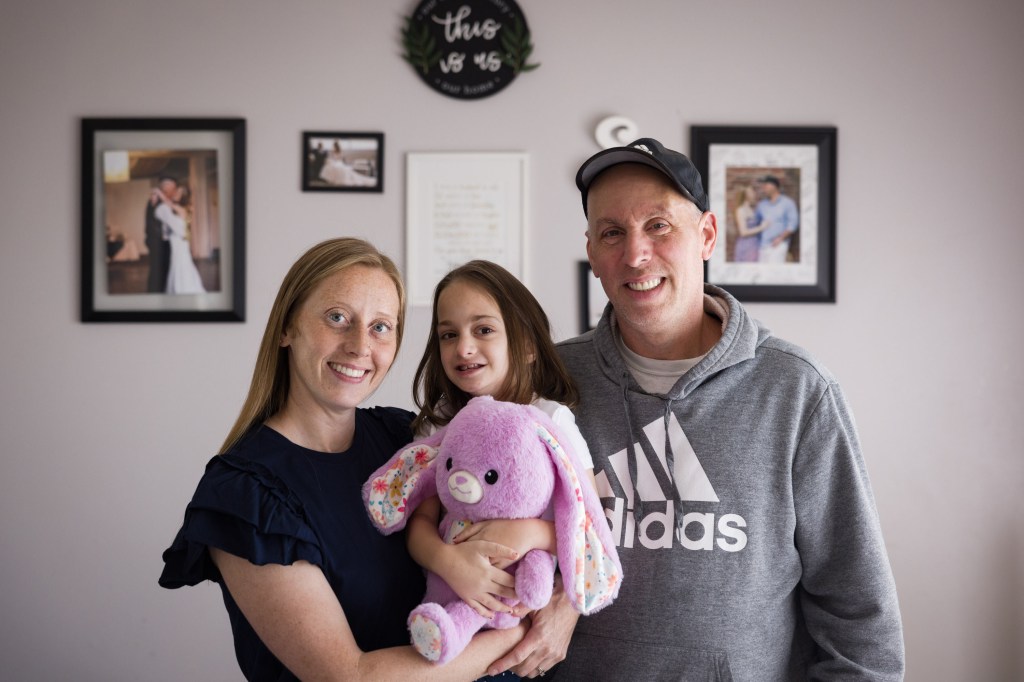
- US Scientists Sequence 1,000 Genomes From Measles, a Disease Long Eliminated With Vaccines

- German CDMO Adragos buys French sterile injectables plant from Sanofi
- Glenmark goes direct with new US Ryaltris marketing plan as it drops partner model
- Bayer rejigs marketing claims after recommendation from US advertising body
- Military suicides fall in 2024, but risks persist: 4 notes
- Why Magellan bets on clinical expertise, provider partnerships in autism care
- Intuition Robotics secures Medicaid coverage for social AI robot ElliQ in Washington State
- Memorial Hermann Health System, Blue Cross Blue Shield of Texas fail to reach contract deal
- Supreme Court backs challenge to Colorado conversion therapy ban
- Virginia behavioral health hospital names president
- Johns Hopkins Medicine, American Telemedicine Association launch cross-state telehealth initiative
- After Man’s Death Following Insurance Denials, West Virginia Tackles Prior Authorization
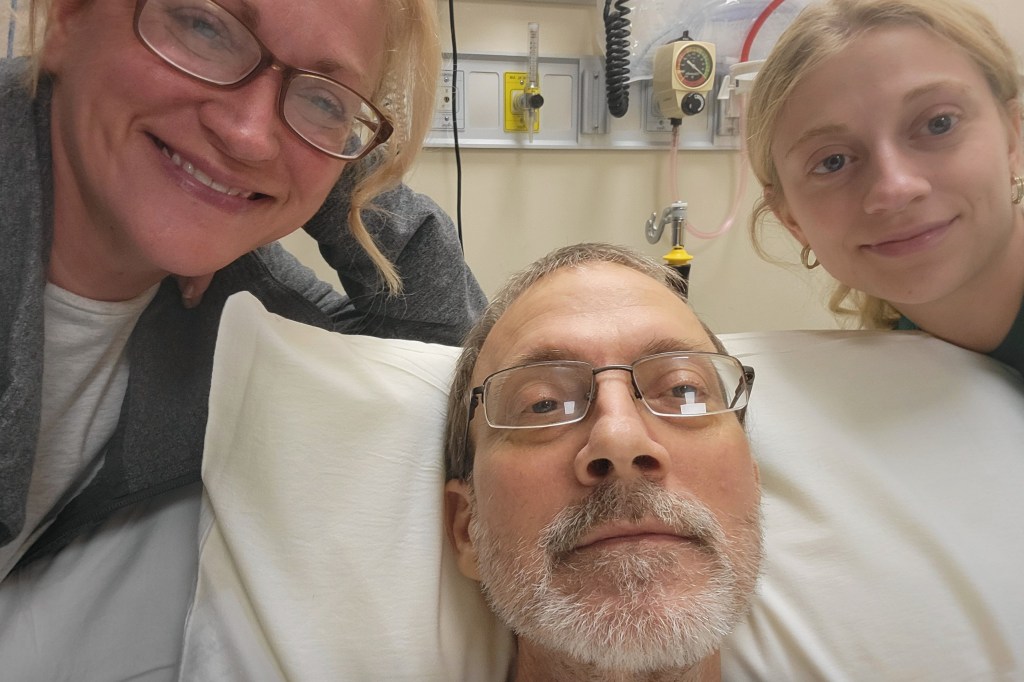
- 131 hospitals sue HHS over 2023 rule on Disproportionate Share Hospital calculation
- Texas to lead ibogaine research after pharma proposals fall short
- 4 out of 10 family physicians report feelings of burnout, Weill Cornell Medicine study finds
- Hundreds of U.S. Hospitals at Risk of Shutting Down From Medicaid Cuts
- Honey Almond Cream Cheese, Sold at Einstein Bros. Bagels, Recalled Due To Undeclared Nuts
- Trump Supports Surgeon General Pick Despite Senate Concerns
- A look at AMA's Joy in Medicine program amid steady physician burnout rates
- Lilly answers Novo's GLP-1 pill with highly anticipated FDA nod for Foundayo
- Supreme Court Blocks Colorado Limits on Therapy for LGBTQ Minors
- Hospital groups call on Congress to refine long-term care hospital payments
- Study Shows BMI Often Gets Your Weight Category Wrong
- Antidepressant, Fluvoxamine, Might Help Long COVID Fatigue, Study Says
- Kinesio Taping’s Benefits in Doubt, Major Evidence Review Finds
- High Sodium Intake May Trigger New Heart Failure
- Home-Delivered Groceries Boost Heart Health In Food Deserts, Study Says
- Nicotine E-Cigarettes Help Smokers Quit, Review Concludes
- Clinicians are burnt out. Peer support can help
- Novo's Wegovy nets cardio nod from UK cost gatekeeper, adding 1M+ eligible patients
- Trump’s One Big Beautiful Bill Act Darkens Outlook for Government-Backed Clinics

- Readers Sound Off on Wage Garnishment, Work Requirements, and More

- CVS Health opens pharmacy-only locations as it rightsizes store footprint
- How Rural Health Systems Are Advancing Cardiac Imaging
- How Rural Health Systems Are Advancing Cardiac Imaging
- Beyond Reimbursement: Why Market Access is MedTech’s Strategic North Star

- Beyond Reimbursement: Why Market Access is MedTech’s Strategic North Star
- Evotec hires exec with AI experience to lead rebooted commercial team
- The Human Side of AI Medical Devices: Why Safety Depends on Design, Not Just Algorithms

- The Human Side of AI Medical Devices: Why Safety Depends on Design, Not Just Algorithms
- Whoop raises $575M series G, Abbott comes on board amid hiring spree
- ‘There isn't as much meat left to cut’: Biopharma layoffs maintain slowdown in Q1
- Bipartisan bill introduced to stabilize physicians' year-to-year pay changes
- UnitedHealthcare launches Avery, a generative AI companion for members
- Uninsured patients drive nearly 40% of healthcare collections: Cedar survey
- FDA flags serious liver injury cases, 8 deaths with ‘reasonable’ link to Amgen's Tavneos
- Novo Nordisk cuts 400 roles at troubled Bloomington site
- Former U.S. Surgeon General Challenges Trump Nominee
- Iterum initiates wind-down after failure to offload antibiotic with sluggish sales
- Listen to the Latest ‘KFF Health News Minute’
- Over 10.2 Million Grill Brushes Recalled Over Metal Bristle Risk
- Sex Enhancement Chocolates Recalled Over Hidden Drug Ingredients
- Short Bursts of Exercise Linked To Lower Risk of Major Diseases
- HHS urges hospitals to align patient menus with updated dietary guidance
- Hartford HealthCare, K Health launch PatientGPT, new AI tool to help patients find health information
- Ensemble partners with Cohere to build first RCM-native large language model
- API supplier BASF raises prices up to 20% in response to rising energy, raw material costs
- Biogen, eyeing swift commercial tailwind, ponies up $5.6B for Apellis and its 2 approved meds
- Cold Weather More Deadly For The Heart Than Heat, Study Finds
- Teens' Sleep Patterns Affect Their Diet, Exercise, Study Says
- 'Watch and Wait' Approach Safe For Women With Precancerous Breast Condition, Trial Finds
- Dental Care Can Help Cirrhosis Patients Avoid Liver Cancer, Hospitalization
- Folks With Clogged Arteries Benefit From Aggressively Lower Cholesterol Goal
- Intermittent Fasting Might Help Manage Female Hormone Imbalance, Trial Shows
- Trump’s Hunt for Undocumented Medicaid Enrollees Yields Few Violators

- States Pay Deloitte, Others Millions To Comply With Trump Law To Cut Medicaid Rolls
- Insulet hires Stryker vet, reinstating commercial chief role as C-suite overhaul continues
- FDA extends review of Orca Bio’s novel cell therapy for blood cancers
- CDRH Guidance: Patient Preference Information (PPI) in Medical Device Decision Making
- CDRH Guidance: Patient Preference Information (PPI) in Medical Device Decision Making
- BSCI’s LAAC CHAMPION-AF study for WATCHMAN FLX meets primary and secondary safety and efficacy endpoints
- BSCI’s LAAC CHAMPION-AF study for WATCHMAN FLX meets primary and secondary safety and efficacy endpoints
- Apple Store to ID Regulated Medical Device Apps
- Apple Store to ID Regulated Medical Device Apps
- Medical Schools No Longer Required To Teach Health Inequities
- Fluoride Quietly Removed From Birmingham Water Years Ago, Officials Face Backlash
- FDA Weighs Expanding What Can Go Into Supplements
- 9 Now Sickened in Outbreak Tied To Raw Milk and Cheese
- BMS, Novartis, Gilead, Iovance dinged over biologics promos in rare spate of CBER untitled letters
- Electronic Paperwork Increasing Burnout Risk Among Young Doctors


Charlton Allen is an attorney, former chief executive officer, and chief judicial officer of the North Carolina Industrial Commission. He is the founder of the Madison Center for Law & Liberty, Inc., editor of The American Salient, and the host of the Modern Federalist podcast.
Mr Allen has penned a response to the many who claim that President Trump's 'Most Favored Nation' pharmaceutical pricing XO 14297 is anti free market:
The Free Market That Isn’t: Trump, Big Pharma, and the Price of Courage
By Charlton Allen - May 16, 2025President Trump’s bold move to rein in prescription drug prices is already drawing the expected cries of “price controls” from the usual suspects. They throw themselves between the industry and reform like lobbyists in pinstripes, warning of creeping socialism, invoking Ronald Reagan while defending the most cartelized, subsidized, and globally manipulated sector in the United States: pharmaceuticals.
Let’s get something straight. There is no free market in prescription drugs. None.
And Ronald Reagan was never faced with a Danish pharmaceutical company charging Americans $1,000 or more for a 30-day supply of critical medication, while selling it to Europeans for a fraction of that price. But if he had, he would’ve stopped it in its tracks.
The stone-cold reality is this: the American pharmaceutical sector is propped up by taxpayer-funded research, dominated by foreign-controlled conglomerates, guarded by regulatory capture, and protected by patent monopolies that delay competition and inflate prices.
Billions in public R&D, a Medicare system legally barred from negotiating prices, and international trade deals that underwrite foreign price controls have created a twisted global subsidy regime.
And guess who’s picking up the tab? You are.
Under the current system, American patients—especially seniors and those with chronic illnesses—routinely pay five to ten times more than their counterparts in Europe, Canada, Israel, and even China. A comprehensive RAND Corporation study confirms it: U.S. drug prices are, on average, 2.78 times higher than those in 33 other developed nations.
For brand-name drugs, the disparity is even worse—Americans pay more than triple what patients abroad are charged, even after accounting for rebates and negotiated discounts.
President Trump’s “Most Favored Nation” pricing order simply says: no more. If Germany pays $45 for a drug, we’re not paying $450.
That’s not creeping socialism. It’s the beginning of the end of one of the greatest wealth redistribution schemes in the modern American economy—one that funnels billions from U.S. taxpayers into the coffers of foreign governments and multinational drug firms.
The President’s executive action doesn’t impose price caps in any traditional sense. It simply insists that American taxpayers receive at least the same deal extended to foreign governments.
If that sounds radical, it only proves how far the establishment has drifted from common sense. As the President put it, “[i]n case after case, our citizens pay massively higher prices than other nations pay for the same exact pill, from the same factory, effectively subsidizing socialism [abroad] with skyrocketing prices at home.” Or, as one observer summarized, this “was a wrecking ball to Big Pharma.”
And make no mistake—the pharmaceutical industry will come out swinging, just as it always does when its profit margins are threatened. I’ve been in the trenches of this fight before.
As Commissioner and later as Chairman of the North Carolina Industrial Commission, I helped lead a reform effort to end price-gouging by ambulatory surgical centers and others in our state’s workers’ compensation system. We implemented a fair, Medicare-based fee schedule to replace the old “wild west” model, allowing some providers to charge whatever they pleased.
The data made it clear: without reform, medical costs would skyrocket—and with them, insurance premiums and taxpayer burdens.
The pushback was swift, loud, and coordinated. Lobbyists mobilized. Lawsuits were filed. And that was only the beginning.
But what I remember most vividly wasn’t the public opposition—it was the private pressure.
Political operatives warned me the donor class wouldn’t like it. Some offered vague legalistic objections, while others were more direct: These people write big checks.
The message couldn’t have been clearer: stand firm, and expect headaches, lawfare, and political blowback. Back down, and things get easier—at least for the lobbyists, donors, and political class. But not for the taxpayers and employers left holding the bag.
The people applying the pressure weren’t left-wing activists, mind you. Many were Republicans. Many called themselves conservatives. But when faced with the choice between standing firm or pleasing the funders, they flinched, because money makes their world go round.
I would have none of it. We saw the reform through. And we won. The North Carolina Court of Appeals upheld the Commission’s authority, the state Supreme Court declined review, and the savings were real.
Surgical reimbursements dropped nearly 40%, far exceeding actuarial projections. Premiums stabilized, even decreased substantially. The system became more accountable. And not a single patient was denied necessary care.
I took note. Not everyone who smiles in the strategy room is someone you want in the foxhole when the incoming rounds start. Not everyone who claims to support reform or calls themselves a conservative truly is.
What President Trump is doing today echoes that same battle, only now on a national scale. And once again, the same divide is appearing.
Some critics may be genuinely concerned about government involvement in pricing. I can respect that. But I also have to ask: What’s their solution? Because defending the status quo—a system that bankrupts American families while subsidizing foreign health care—is not a serious answer. It’s surrender dressed up as principle.
But many others are simply defending a rigged system that has made them rich. Consulting contracts, cocktail party invites, corporate board seats, and campaign donations are all part of the racket, and they’re desperate to preserve it.
And here’s the part that would be funny if it weren’t so predictable: the self-styled progressives will oppose this, too.
Despite all their rhetoric about corporate greed, health care justice, and “Big Pharma,” they will reflexively attack this executive order. Why? Because it wasn’t issued by one of their own, and because it doesn’t advance their ultimate goal: total state control.
You can already assume this action will be challenged in court. The “resistance” attorneys in the lawfare cartel have the playbook memorized. We’ve seen it before—and we’ll see it again—not because the policy is flawed but because it came from the wrong President.
And that reveals something more profound. For the progressive movement, reducing drug costs has never been the objective. Control is. Political power is. The moral posturing is just theater. They’ll tolerate any price if the system can be centralized under bureaucratic command, especially if the dollars keep flowing into their campaign coffers.
And it’s no accident that every significant health care “reform” embraced by the left of the last several generations has failed to contain costs. Costs have only spiraled higher and higher with each new piece of legislation. And if you liked your plan before, chances are it no longer exists. If you liked your doctor, you’re lucky if you’re still a patient.
But what if President Trump can bring costs down without expanding the state? That’s heresy to the left and its acolytes. And the denizens of the progressive left will do everything they can to kill it before it takes effect.
They’ll even embrace conservative critiques that call it a violation of market economics, while conveniently ignoring the reality that “market economics” in the pharmaceutical sector is a will-o’-the-wisp, a fantasy of wishcasting writ large.
There’s a reason Bernie Sanders, despite his anti–Big Pharma rhetoric, has quietly accepted hundreds of thousands in campaign cash from the very industry he denounces—just routed through its employees rather than its PACs.
Authentic conservative leadership isn’t about parroting slogans. It’s about standing up to entrenched power—even when it’s inconvenient or comes from “our side” or the donor class. And fundamentally, there is nothing conservative, nor remotely aligned with free-market principles, about letting foreign governments dictate U.S. drug prices while robbing us blind.
There is nothing Austrian School about taxpayer-funded monopolies redistributing American dollars overseas.
And there is nothing principled about forcing American seniors to subsidize state-run health care in Berlin or Brussels.
President Trump is doing what Republicans should have done a generation ago—not by creating yet another government program that gives Democrats part of what they want while saddling Americans with new mandates and edging the nation closer to insolvency.
Instead, he’s putting Americans first—patients, taxpayers, and families.
The swamp may not like it. But the country will.
Get MHF Insights
News and tips for your healthcare freedom.
We never spam you. One-step unsubscribe.
Sponsors
Friends of MHF




Kirsten DeVries
Tom & Karen Nunheimer
Steve Ahonen
Ron & Faith Bosserman
Marlin & Kathy Klumpp
Sign Up for MHF Insights to keep up on the latest in Michigan Health Policy