- 5 ASC, MOB deals in California

- Hidden OR capacity challenges: 8 perioperative leaders on what’s draining surgical time
- The Aspen Group’s 3-year growth recap: 40 moves
- Florida State University set to acquire Tallahassee hospital
- How Confusing Financial Journeys Undermine Revenue and Trust
- How Confusing Financial Journeys Undermine Revenue and Trust
- Misalignment, Not Malice: Rethinking Generational Conflict in Healthcare
- If AI ‘adds friction, it fails’: How Mayo Clinic scales technology
- As maternity units close, AdventHealth restores OB care in rural Kansas
- Oklahoma officials warn of new opioid
- The new metrics of healthcare technology ROI: What matters to healthcare leaders
- Hoag to launch transplant center in 2027
- MercyOne hospital to transition labor and delivery services
- MercyOne hospital to transition labor and delivery services
- Southeast metros lead US population growth as national gains slow
- 8 Medicare Advantage numbers to know in 2026
- 17 Senate Dems push back on 2027 ACA proposal
- Providence hospital closes inpatient pediatric unit
- Michigan finalizes Medicaid mental health assessment policy changes
- 10 financial notes on USPI’s growth over the past 3 years
- 15 new orthopedic practice, center openings in Q1
- The oral surgery technological revolution
- From Anxiety to Action: How Ambulatory Leaders Are Rebuilding Margins in 2026
- Where GI training may fall short
- What it took to become the world’s first ASC to offer Stryker’s robotic knee tech
- Medtronic’s win in spinal cord stimulator lawsuit upheld
- How the Trump Administration Uses Migrant Kids To Find and Detain Family Members
- Heartland Dental’s 3-year growth recap: 30+ moves
- Cencora’s $10B+ physician acquisition spree: A breakdown
- Tennessee physician practice acquired
- The FTC is coming for healthcare consolidation: 10 things physicians need to know
- Adventist Health sees momentum from insourcing revenue cycle operations
- Unlicensed dentistry cases, DSO deals, legislation & more: 10 dentistry updates in Virginia
- Missouri system debuts mobile behavioral health unit
- Yale researchers study GLP-1’s potential for SUD
- Texas dental school receives $6.5M to expand pediatric dental, medical programs
- North Carolina autism provider to expand therapy access
- $3M Verdict Links Social Media to Anxiety and Depression
- West Virginia hospital to end OB delivery services
- 6 DSOs making headlines
- California hospital’s finances improve, cash position remains ‘dire’
- 1 in 5 metro markets face inpatient monopoly: 7 notes
- Minnesota system faces uncertainty amid Medicare delays
- Ohio county approves behavioral health crisis center plan
- The White House Delays CDC Pick
- New COVID 'Cicada' Variant Is Spreading — What Experts Want You To Know
- Op-ed: Empathy meets efficiency—how the responsible use of AI can transform Medicare
- Family Caregivers Provide $1 Trillion In Annual Labor, AARP Says
- ‘Health Doesn’t Need to Be Ludacris’: Bayer signs rapper-actor to multivitamin campaign
- Rocket plots measured trajectory for new gene therapy Kresladi after clearance to launch from FDA
- Healthy Lab Results May Mask Future Risks for Kids with Obesity
- At-Home Chemotherapy Is Safe, Feasible, Pilot Study Indicates
- What You Do While Sitting Could Predict Dementia Risk
- New Cholesterol Guidelines: What Patients and Caregivers Need to Know
- Want A Bootlicking Yes Man? Ask An AI Chatbot For Advice, Study Warns
- Specially Coated Implants Better For Breast Cancer Patients, Study Finds
- Trump Team Claims Successes Against ACA Fraud While Pushing for More Controls
- Give and Take: Federal Rural Health Funding Could Trigger Service Cuts

- Fierce Pharma Asia—Takeda’s $1.3B reorg; India’s GLP-1 floodgates; Gilead’s $2.2B buy of a China NewCo
- Where are you with EUDAMED?

- Where are you with EUDAMED?
- HL7 Launches Real‑Time Medical Device Interoperability Accelerator
- HL7 Launches Real‑Time Medical Device Interoperability Accelerator
- Two GA Tech ATDC Startups — Nephrodite and OrthoPreserve — Secure FDA Breakthrough Device Designation
- Two GA Tech ATDC Startups — Nephrodite and OrthoPreserve — Secure FDA Breakthrough Device Designation
- Artificial Intelligence: ROI, not Clinical Autonomy, Leads Operational Workflows
- Artificial Intelligence: ROI, not Clinical Autonomy, Leads Operational Workflows
- Medtronic and Merit Medical Systems distribution agreement for new, ViaVerte basivertebral nerve ablation system
- Medtronic and Merit Medical Systems distribution agreement for new, ViaVerte basivertebral nerve ablation system
- Breakthrough Device Designation for Noah Labs Vox Heart Failure Detection Device
- Breakthrough Device Designation for Noah Labs Vox Heart Failure Detection Device
- Why private practice dentistry needs a better model
- CareQuest Innovation Partners, Kno2 collab on medical-dental data integration
- Nonprofit highlights rural opioid care strategies
- Vitana Pediatric & Orthodontic Partners adds Florida practice
- What the Health? From KFF Health News: A Headless CDC
- Rhode Island oral surgeon launches Congressional campaign
- 20 behavioral health leaders challenge industry assumptions
- Recordati confirms it's weighing CVC Capital buyout offer of $12.6B
- 3 California behavioral health centers to close amid funding shifts
- Indiana bars autism therapy provider from Medicaid billing: Wall Street Journal
- UnitedHealth shareholder sues over proposal to include details on integration in annual proxy
- SCAN taps biopharma, CMS vet Aman Bhandari as its first chief AI officer
- Infosys to acquire Optimum Healthcare IT in $465M deal
- DOJ alleges NewYork-Presbyterian forces payers into anticompetitive 'all-or-nothing' contracts
- FDA Warns Biotech Firm Over Cancer Drug Anktiva Claims
- Bees and Hummingbirds May Be Consuming Small Amounts of Alcohol
- Two States Sue Cord Blood Company Over Misleading Claims
- New WHO Guidance Aims To Speed Tuberculosis Testing
- As questions swirl around ATTR competition, Alnylam plots path to market leadership for Amvuttra
- Trump admin delays nomination for new CDC director past deadline
- Outspoken ACIP member steps down amid vaccine panel uncertainty: reports
- Egg-based drugmaker Neion Bio emerges from stealth to cook up multi-product biosimilar collab
- Genentech walks the walk in lupus as sponsor of annual awareness and fundraising event
- Study Reveals How Many Americans Consider Using a Gun
- Massive Study Finds Stress and Grief Don’t Cause Cancer
- Ultra-Processed Foods Harm Fertility In Both Men And Women, Studies Reveal
- Small Daily Habits Can Add Up To Better Heart Health
- Ritalin Might Protect ADHD Kids' Long-Term Mental Health, Study Finds
- Can You Drink Enough Fluids To Prevent Kidney Stones? Maybe Not, New Study Says
- Clasp, loan-linked hiring tool for employers, clinches $20M to expand amid federal loan caps
- Taking a GLP-1? Doctors Say Not To Forget About Movement and Mental Health

- OpenEvidence rolls out AI medical coding feature
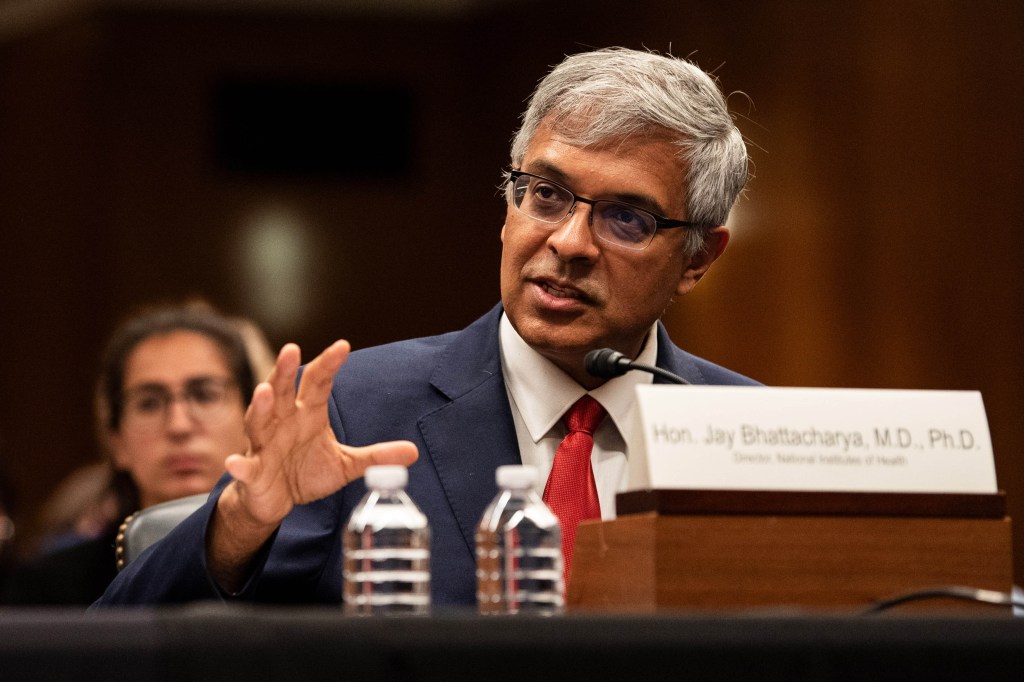
- CDC’s Acting Chief Promises a Return to Stability in a Tumultuous Moment
- Remarks at the Financial Stability Oversight Council Meeting
- RWJF: Between 5M and 10M people could lose Medicaid coverage in 2028 under work requirements
- New therapy animal program aims to support 100K patients, providers
- Pulse check on Lilly's GLP-1 fortunes
- Gen Z nurses prioritize schedule flexibility, need more manager interactions to avoid turnover
- How pharma marketers can capitalize on HCPs’ AI, social media and streaming habits
- Federal Officials Investigate States That Require Abortion Coverage
- Corcept's lead drug bounces back from FDA snub with different approval as Lifyorli in ovarian cancer
- Ionis slashes Tryngolza's price tag by 93% ahead of anticipated label expansion
- FDA approves Denali's Hunter syndrome drug, handing rare disease community a win
- Baby Walkers Sold on Amazon Recalled Over Fall Risk
- Want To Protect Your Brain? Science Says Exercise
- HelloFresh Pizza Recall Issued in 10 States Over Metal Risk
- Clinical Trials Have Too Much Data…That’s the Problem.

- Clinical Trials Have Too Much Data…That’s the Problem.
- CMS reveals new Medicaid model that supports coordination for children with complex needs
- Novartis sued by breast cancer patient over branded drug websites’ data-sharing practices
- Takeda targets $1.3B in cost savings in further restructuring
- Biogen pays $20M upfront to tap into Alteogen's subQ delivery tech
- 'Universal Donor' Blood Supplies Dangerously Low, Study Warns
- Why Stepping Outside May Help You Eat Better
- U.S. Medicine, Science Facing An Online Misinformation Siege, Poll Concludes
- Childhood Obesity Undercuts The American Dream For Some, Study Says
- Inclusive High Schools Benefit All Students, Not Just LGBTQ Teens
- Parental Loss Due to Drugs, Violence Raises Child Death Risk by 2,000%
- As Boehringer touts US launches, board chairman worries EU is 'falling further behind'
- The evolving state of exome and genome sequencing
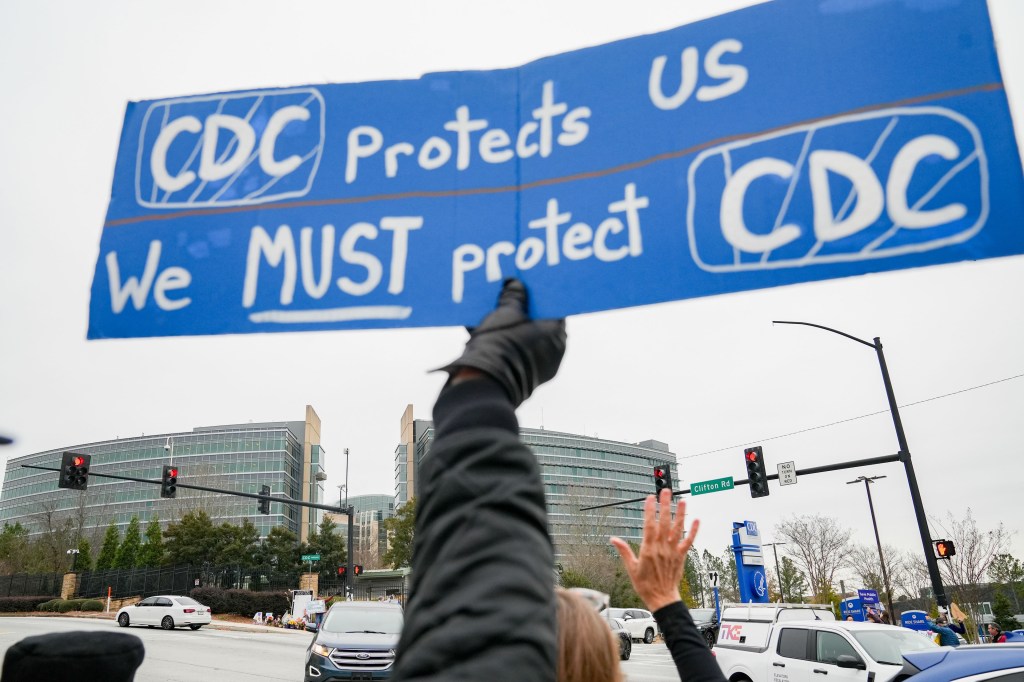
- Demoralized CDC Workforce Reels From Year of Firings, Funding Cuts, and a Shooting
- An Arm and a Leg: Steep Health Care Costs Steer Americans to Tough Decisions

- Qualified Health locks in $125M in fresh funding to scale enterprise AI at health systems
- Misery Loves [Investment] Company?: Remarks at the 2026 Investment Company Institute Investment Management Conference
- Study: Nearly 1 in 5 pediatric hospital deaths involve sepsis
- As expansions come online, CDMO Hovione aims to meet industry's 'dual supply and sourcing' zeal: exec
- Opening Remarks at the Digital Asset Summit 2026
- CVS Caremark, FTC reach settlement in insulin pricing case
- UCB unveils plan to build $2B biologics plant near its US headquarters in Atlanta
- PeaceHealth sued over plans to tap out-of-state staffer ApolloMD for Oregon EDs
- New Lyme Disease Vaccine Shows Strong Results in Trial
- TrumpRx Adds Diabetes, COPD Drugs at Steep Discounts
- Highmark reports $175M net loss for 2025 as financial headwinds batter health plan
- Listen to the Latest ‘KFF Health News Minute’
- Abivax hires commercial chief from Takeda to infuse Entyvio expertise into IBD launch prep
- ImmunityBio hit with FDA warning letter over Anktiva promotions in TV ad, podcast episode
- Alcohol Prep Pads Recalled Over Bacteria Risk, Cardinal Health Says
- Fewer patients traveled for abortions in 2025 as telehealth care increased, report finds
- Cologuard campaign reunites ‘Full House’ stars to give ‘The Talk’ about colon cancer screening


Two Henry Ford Health doctors are promoting a screening program they have optimistically dubbed 'Zero Suicide':
https://www.modeldmedia.com/features/mimind06152023.aspx
Michigan doctors challenge others to join them in a quest for "Zero Suicide"
Estelle Slootmaker | June 20, 2023Two Henry Ford Health doctors want to train health care providers to screen patients for risk of suicide — and connect them with resources to prevent suicide if the risk is high.
In a 2019 study, Henry Ford Health (HFH) doctors Brian K. Ahmedani, Cathrine Frank, and their co-authors found that almost all people who die by suicide have a health care visit not long before their death. Now, Ahmedani and Frank are leveraging that data to train health care providers to screen patients for risk of suicide — and connect them with resources to prevent suicide if the risk is high.
Ahmedani and Frank's study found that nearly 30% of individuals who die by suicide had a health care visit in the week before their death, more than 50% had a health care visit within a month before death, and more than 90% within a year. Their effort to turn those statistics around is called the Michigan Mental Innovation Network for Clinical Design (MI Mind), and it's a collaboration between HFH and Blue Cross Blue Shield of Michigan (BCBS). The program offers suicide risk screening, assessment, and treatment options to partnering health care organizations.
"For the first time, there are screening tools that we can actually use to help identify people who are at risk for suicide. Those tools are really good at identifying increased risk over a 90-day, one-year, or two-year period — out in the future," says Ahmedani, who is also director for the HFH Center for Health Policy and Health Services. "It doesn't guarantee that someone will have a suicide attempt, but very much like with a cholesterol score or Framingham score for risk for heart attack, this set of questions does the same for identifying increased risk for suicide attempt."
Currently wrapping up its first year, MI Mind is training more than 200 health care providers across Michigan to properly screen patients for suicide and provide them resources to help prevent suicide.
"Our goal in the next few years is to onboard all of the provider organizations in the state of Michigan. That includes primary care and mental or behavioral health," Ahmedani says. "Right now, we have onboarded seven organizations that represent not only a geographically diverse set of providers, but also providers that offer a large amount of care across the state."
MI Mind's screening tool can be used in the emergency room, by primary care doctors, or with outpatient medical specialties — anywhere in the health care system. The program adopts the Zero Suicide approach, which holds that all deaths by suicide are preventable for individuals under the care of health care systems. Ahmedani says HFH developed a Zero Suicide framework 20 years ago, which has led to a nearly 80% reduction in deaths by suicide among HFH's patient population.
"If there's a positive screen, then we do suicide risk assessment, which is a more in-depth understanding of the factors that may be contributing to suicidal ideation," he says.
Based on the result of the risk assessment, the health care provider helps the patient come up with a safety plan and then links them to care coordination that sets them up with additional behavioral health care services, such as psychotherapy-based treatments for suicide risk.
"You treat both the suicide risk and whatever other ongoing medical or mental health conditions that that person has, basically treating suicide risk as a separate diagnosis," Ahmedani says.
Screening saves lives
For health care providers, simply asking patients if they are feeling suicidal is not enough. That's where the MI Mind screening tool can mean the difference between life and death.
"We know that if somebody says yes, that's certainly something that puts them at risk. But if they say no, it doesn't mean they don't have risks," says Frank, who is also chair of the HFH Department of Psychiatry and Behavioral Health Services.
So, under HFH's and MI Mind's Zero Suicide model, providers also look for suicide risk factors in patients.
"We screen in our medical-surgical units. We screen in our emergency rooms," Frank says. "Screening is the key. And if the screening is positive, then we do a more thorough suicide risk assessment."
Frank shares that MI Mind takes a two-pronged approach to preventing suicide: teaching behavioral health professionals how to implement the program, and teaching primary care providers how to screen for suicide.
"Research indicates that about half of individuals who die by suicide and about 92% of those who attempt suicide have had a health care visit in the month leading up to their death," Frank says. "We want primary care docs to partner with us to identify those people at risk."
The other reason that primary care providers should be involved in suicide prevention is that only half of people who die by suicide have an identifiable mental illness.
"There can be all sorts of psychosocial stressors," Frank says. "Job loss, breakup with or loss of a loved one — a number of things can lead people to that moment when they feel overwhelmed and hopeless, which will lead ultimately to suicide."
The first of its kind
The Zero Suicide model has gotten a lot of attention nationally and internationally — and has been adopted by health systems across the country and in more than 20 countries around the world.
"What we're trying to do new with MI Mind is partner with a health plan [BCBS] to actually help incentivize or reimburse these services," Ahmedani says. "So health systems deliver the services and then the health plan incentivizes the delivery of those services to be provided at patient visits at each of these providers."
Kevin Fischer, executive director of the National Alliance on Mental Illness-Michigan, welcomes the idea of Michigan's health care providers screening for suicide risk. He believes providers need to learn how to be better listeners and provide follow-up treatment when a patient appears to be a danger to themselves or others.
"Unfortunately, a lot of emergency department personnel and regular doctors and nurses don't adequately screen, but most importantly, they don't follow up. A lot of them probably are unaware of what the resources are," Fischer says. "Many people are turned away in emergency departments if they don't present with physical illnesses or injuries. They're not taken seriously when they do present as a danger to themselves. They're simply released."
Fischer notes that people with physical illness, especially terminal illnesses or conditions that cause chronic pain, are at higher risk for suicide. In addition, many prescribed medications can increase the risk of suicide. It's even more crucial for health care providers to screen these folks for suicide risk.
"Many studies have looked at certain types of chronic severe illness that can increase suicide, particularly those with chronic severe pain," Frank says. "We also know that having a traumatic brain injury in the last year can be a risk. Bottom line, a number of illnesses put people at risk, and that's one of the reasons why primary care would be good partners."
While MI Mind provides the tools providers need to reduce suicide, Fischer also encourages loved ones and family members to be proactive.
"A lot of family members know that a loved one is in danger of taking their lives. But for a variety of reasons, the primary one being stigma, they simply won't act. They will just hope it gets better," Fischer says. "We have to act. We have to directly ask the question, 'Are you thinking of taking your life?' It's a hard question to ask, but we have to ask it directly because that tends to yield the most honest response."
If the response is yes, Fischer advises to never leave that person alone. Instead, offer to go with them to seek help and make sure that they do not have access to lethal means.
"We have to act — that's the biggest key," Fischer says. "And remind them, tell them, 'I love you. I'll miss you if you're gone.' And ask, 'How can I help you?'"
Get MHF Insights
News and tips for your healthcare freedom.
We never spam you. One-step unsubscribe.
Sponsors
Friends of MHF





Kirsten DeVries
Tom & Karen Nunheimer
Steve Ahonen
Ron & Faith Bosserman
Marlin & Kathy Klumpp
Sign Up for MHF Insights to keep up on the latest in Michigan Health Policy