- Urgent Care Clinics Move To Fill Abortion Care Gaps in Rural Areas

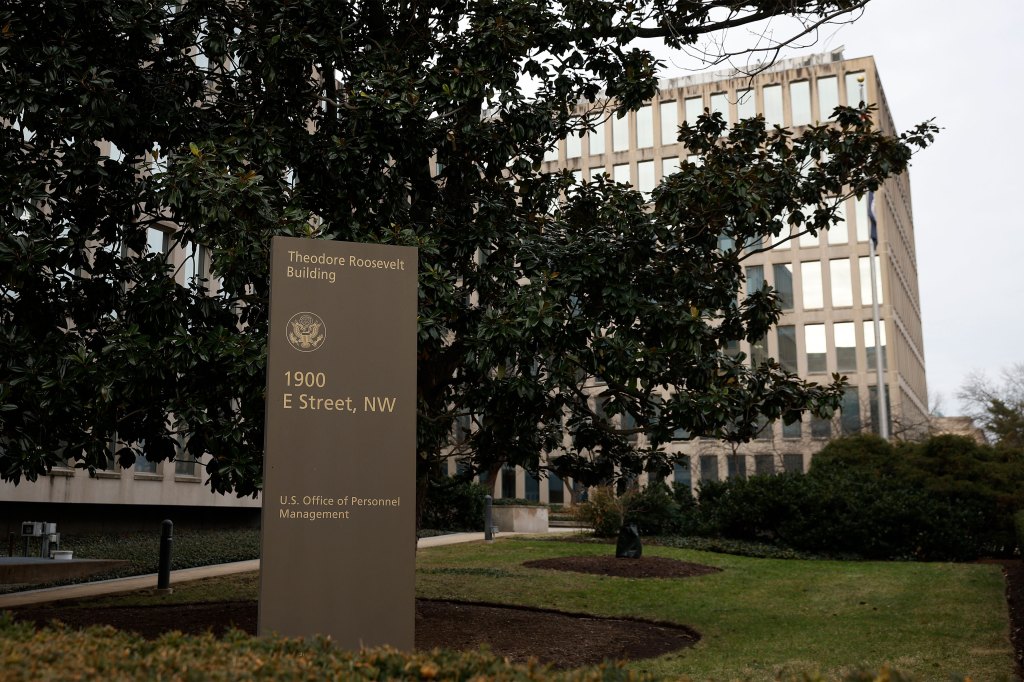
- Trump’s Personnel Agency Is Asking for Federal Workers’ Medical Records
- Medicaid expansion tied to higher opioid treatment rates: 3 study notes

- Hennepin taps former interim CEO to lead system
- Arkansas hospital to close after 3 years, transition to psych facility
- Arkansas hospital to close after 3 years, transition to psych facility
- Connecticut hospital workers vote to decertify union
- Signature Healthcare continues diverting ambulances amid cyber incident
- Healthcare affordability leads as Americans’ top concern: Gallup
- Healthcare affordability leads as Americans’ top concern: Gallup
- FDA Approves First Generic Farxiga (dapagliflozin) Tablets
- The Margin Pressure Solution: Why Automating Patient Refunds Is a Smart Place to Start
- The Margin Pressure Solution: Why Automating Patient Refunds Is a Smart Place to Start
- North Carolina dental board sends updated sedation guidelines
- HCA Kansas hospital COO exits for new role
- Virginia system consolidates physician management, closes observation unit
- Encompass taps regional president
- ‘Gaining the trust back’: The mission driving 1 Arkansas rural hospital
- Moody’s upgrades Kettering Health’s credit rating
- Dental AI company closes $20M seed funding round
- Insurers have cut prior auth requirements by 11%: AHIP-BCBS
- United Digestive to open Georgia ASC
- Ohio updates CRNA laws
- 25 ASC closures in 5 years
- The new world of ASC real estate
- Consumer dental spending continues to rise
- Connecticut bill would allow hygienists to treat patients at private residences: 5 notes
- Why dentists’ economic confidence is rising
- A federal policy that could worsen CRNA shortages
- Physicians call for safeguards for small practices amid CMS fraud crackdown
- NYC Health + Hospitals opens 104-bed therapeutic housing unit
- Google to donate $30M to expand mental health crisis support
- SSM Health to open $150M children’s hospital
- The specialist shortage quietly threatening ASCs
- ¿Puedo decirle a mi médico que no quiero que use la inteligencia artificial para tomar notas?

- AI adoption grows in mental healthcare amid clinical concerns
- Yale New Haven Health hospital's tele-ICU model highlighted in wrongful death lawsuit
- Jefferson Health hits Aetna with lawsuit over controversial 'downcoding' policy
- ForSight Robotics completes world’s 1st fully robot-assisted cataract surgery
- The 10 best, worst states for pediatric oral health in 2026
- New Hampshire system opens cardiovascular operating room
- ADA adds new guidelines on oral cancer detection
- Insurers have eliminated 11% of prior authorizations under reform pledge
- The fastest-growing dental companies in 2026
- West Virginia hospital inches closer to critical access status
- Mercy hospital to invest $60M in facility upgrades
- Revenue cycle functions health systems outsource most
- 13 hospitals, health systems shuttering services in 1 month
- Massachusetts provider names regional medical director
- 23 revenue cycle executive moves in 2026
- Sagent Behavioral Health taps CEO
- UC Davis expands pediatric care with mobile clinic
- Remarks at the Texas Stock Exchange Event: Welcome to the Boom Belt: A Return to First Principles in Public Markets
- Wawa Recalls Drinks Over Undeclared Milk Allergen
- Scientists Test New Ways To Regrow Joints Damaged by Arthritis
- Listen to the Latest ‘KFF Health News Minute’

- Personas mayores inmigrantes pierden la cobertura de Medicare a pesar de haber aportado por años

- U.S. Plans Tariffs up to 100% on Some Brand-Name Drugs
- This New Method May Make French Fries Lower in Fat
- Sonrava Health to add Overjet’s AI to its 450+ practices
- Judge vacates HRSA's restriction on 340B hospital 'replenishment models'
- Menopause care provider Alloy Health expands weight care program
- With Gardasil demand shortfall in China, Merck and Zhifei adjust their partnership
- Americans May Be Losing Trust for AI in Health Care: Survey
- Cheap Blood Test Might Spot Cancers, Other Diseases
- Danger at Home: Cleaning Products Are Harming Kids
- Could a High-Dose Flu Shot Lower Your Alzheimer's Risk?
- Portable Scanner Spots Vision Issues in Poorer Communities
- Having a Baby? You May Need to Travel Farther Than Before
- Vertex taps Halozyme and its recently acquired Elektrofi tech in $15M drug delivery deal
- FDA seeks legislative teeth to bite back against misleading DTC drug ads
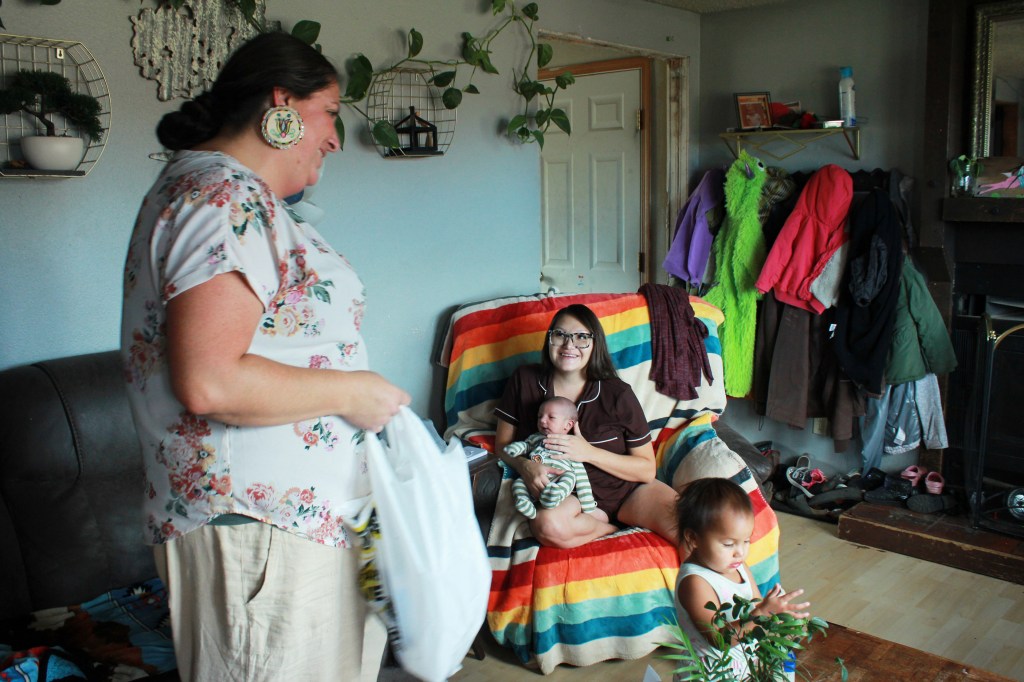
- This Northern Cheyenne Doula Was About To Start Getting Paid — Then Medicaid Cuts Hit
- Can I Opt Out of Having My Doctor Take Notes With AI?
- Waystar builds out AI solution to uncover lost provider revenue from payer 'take-backs'
- Education requirements for Arizona’s oral preventive assistant law gets pushback: 9 notes
- UAMS program targets youth behavioral health, workforce pipeline
- California universities to use $110M donation to expand behavioral health workforce
- 5 ways systems increase behavioral health sustainability
- CMS gives Medicare Advantage rates a 2.48% bump for 2027 plan year in final rule
- Ascendiun CEO Paul Markovich wants the industry to back a policy reform movement focused on affordability, tech innovation
- Counsel Health expands primary AI care model to include lifestyle, chronic conditions
- Allevion Medical Receives 510K Clearance for Vantage Spinal Decompression System
- Allevion Medical Receives 510K Clearance for Vantage Spinal Decompression System
- Patient cost sharing plays bigger role in rural hospital revenues, claims study shows
- Disputing Link, Raw Dairy Farm Recalls Raw Cheese After Outbreak
- La búsqueda de Trump de inscritos indocumentados en Medicaid arroja muy pocos infractores

- CMS unveils new Medicare pilot for hemp, CBD products
- New Plan Aims To Track Microplastics in U.S. Drinking Water, EPA Says
- Over 3 Million Eye Drops Recalled Amid Sterility Concerns
- New White House Budget Plan Would Reduce HHS Funding by Billions
- ImmunityBio responds to FDA scrutiny over Anktiva promotional claims with new protocols
- Healthcare Dealmakers—Sutter Health, Allina Health's $26B combination, UHS' $835M Talkspace purchase and more
- Ambience Healthcare launches Chart Chat, an EHR-integrated AI copilot for nurses
- Científicos de Estados Unidos secuencian 1.000 genomas del sarampión, eliminado durante años gracias a las vacunas
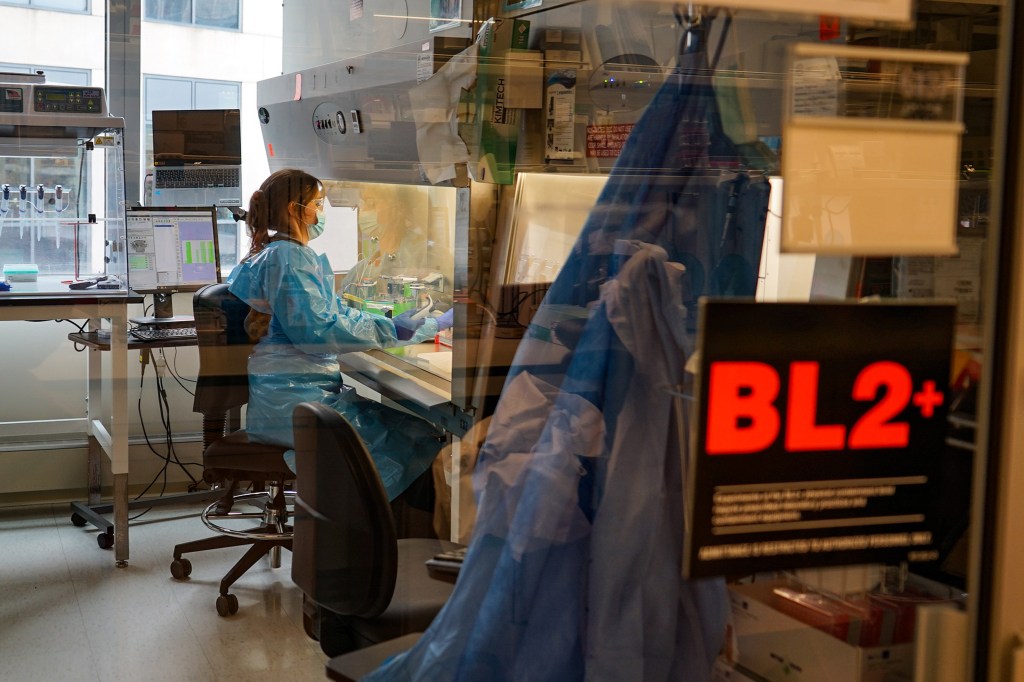
- Anthropic acquires stealth AI startup Coefficient Bio in $400M deal: reports
- Insulet's Omnipod takes Type 2 diabetes representation to the TV screen in 'Scrubs' revival
- Move Over, Cigarettes: Vapes Now the Leading Nicotine Danger for Kids
- DNA-Based Blood Test Could Help Guide Throat Cancer Treatment
- New Technologies Make Lung Cancer Diagnosis, Treatment Quicker and Safer
- Could Low Birth Weight Raise Odds for an Early Stroke?
- Getting a Scan? Time to Results Has Doubled Since 2014
- Autoimmune Diseases Like Lupus, Psoriasis May Raise Cancer Risk
- Neurocrine, eying ‘blockbuster in the making,’ strikes its largest-ever M&A deal with $2.9B Soleno buyout
- Amgen scores with trial of on-body injected version of Tepezza in thyroid eye disease
- Immigrant Seniors Lose Medicare Coverage Despite Paying for It
- Eli Lilly takes the court with 150th anniversary campaign to catch Final Four crowd
- VML Health urges marketers to shift from lifespan to ‘joyspan’ as patient goals evolve
- What Sea Creatures Reveal About How Fast People Age
- How to Tell if Spring Symptoms Owe to Allergy, Cold or Something More Serious
- 5 major insurers, vendor Zelis must face 'repricing' antitrust claims, judge rules
- Kaiser Permanente breaks ground on Oregon’s ‘first fully electric and sustainable’ hospital in Oregon, sets 2029 opening
- USDA Warns of Lead Risk in Frozen Dino-Shaped Chicken Nuggets
- New Heart Diet Advice Counters U.S. Guidance on Meat and Dairy
- Peeled Garlic Recalled Over Risk of Deadly Botulism
- Some CDC Lab Testing Paused Amid Internal Review
- White House floats 12.5% budget cut for HHS in FY2027, reiterates reorganization plan
- March M&A surge triggers high expectations for 2026
- The Healthcare Burnout Backlash (pt 2): Positioning AI pilots for success within EHR-integrated environments

- The Healthcare Burnout Backlash (pt 2): Positioning AI pilots for success within EHR-integrated environments
- With Sanofi and Pfizer deals, Novavax bets on ‘amplification strategy’ to drive vaccines engine
- Boston Scientific receives FDA clearance for the Asurys Fluid Management System
- Boston Scientific receives FDA clearance for the Asurys Fluid Management System
- Serenity Medical Receives FDA Humanitarian Device Exemption for IIH Venous Stent
- Serenity Medical Receives FDA Humanitarian Device Exemption for IIH Venous Stent
- Blue Shield of California’s virtual-first plan continues to show lower costs, increased access for members
- Merit Medical Acquires View Point Medical, Inc., expanding the Merit Therapeutic Oncology Portfolio
- Merit Medical Acquires View Point Medical, Inc., expanding the Merit Therapeutic Oncology Portfolio
- FDA Publishes New Set of Real-World Evidence Examples

- FDA Publishes New Set of Real-World Evidence Examples
- Industry Voices—Hospitals are fueling AI innovation, should they own a piece of it?
- Nerve Stimulation Therapy May Ease Fibromyalgia Pain, Fatigue
- Psychotherapists Often Poorly Trained in Treating Muscle-Linked Disorders in Males
- Missing From Most Doctor-Patient Talks: Sleep Issues
- Plastics Chemical Linked To Nearly 2 Million Preterm Births Each Year
- Most Americans Don't Realize Brain Donation Is Needed to Study Autism
- Weekend Binge Drinking Triples Risk of Permanent Liver Damage
- An update on the pharma industry’s reshoring effort
- Biopharma R&D pipeline shrinks for 1st time in 30 years: report
- Fierce Pharma Asia—Trump’s 100% drug tariff; Takeda layoffs; Lilly, Insilico's AI deal
- CMS locks in MA star ratings overhaul, bumps proposed special enrollment window for provider terminations
- Trump slaps 100% duties on imported drugs but leaves plenty of exceptions
- UK signs off on US pharma deal, ensuring tariff reprieve as Britain aims to reattract investments
- BioNTech telegraphs closure of Singapore vaccine facility amid efforts to 'align capacity'
- FDA Recalls Wawa Milk Over Possible Plastic Contamination
- Wegovy Maker Launches Lower-Cost Subscription Plans
- FDA Approves New Weight Loss Pill, Foundayo, in Record Time
- Rising Stars: The Trade Desk's Elizabeth Keenan finds the rhythm in music and media
- Lawsuit Over Viral David Protein Bars Dropped Without Explanation
- Lilly's obesity pill Foundayo gains early blockbuster forecast as analysts float 5M+ prescriptions in 2026
- Trump eyes 100% tariff rate for companies that have not struck MFN deals: Bloomberg


The Shawono Center in Grayling - Michigan’s only state-run residential facility for male juveniles - closed in February 2025. Vista Maria residential treatment program in Dearborn Heights - our state's largest residential program for female juveniles - closed in December. They could no longer secure workmans' compensation insurance due to the high employee injury rate from patient attacks. Lakeside Academy in Kalamazoo was closed during the Summer of 2020 due to the death of Cornelius Fredericks after he was restrained by staff for 10 minutes.
No one in Michigan wants to care for mentally ill children. Michigan is now having to place juvenile mental health cases in other states, as far away as Hawaii:
Michigan kids in mental health crisis sent out of state as facilities close
By Eli Newman and Jordyn Hermani - April 3, 2026
- Michigan has nearly doubled its out-of-state youth mental health placements over the past decade. Costs have similarly surged
- The pandemic accelerated a youth mental health crisis already worsened by social media, burning out staff at treatment facilities
- Amid state policy shifts and facility closures, in-state capacity has shrunk
HOLT — Eleanor Middlin was 15 when her family sent her to a Missouri boarding school, an 11-hour drive from her mid-Michigan home. It was the worst thing that ever happened to her. It also saved her life.
“I’m alive because of it, and I will never be able to forget it,” Middlin, now 20, told Bridge Michigan.
Her experience leaving Michigan for long-term care represents an emerging trend for the state’s youth in severe mental health crises.
In the years following the COVID-19 pandemic, a growing number of teens and children are being sent hundreds or thousands of miles from home, often because the state lacks the resources to treat them here.
The Middlins are among an unknown number of families in Michigan who pay their own way to get the help they need — their experience largely invisible in state data.
But for other children placed in facilities through court order or child welfare, state reports show out-of-state placements have surged in recent years as a series of Michigan facilities closed.
As of September, 152 youth in Michigan’s direct-placement program were living in out-of-state facilities — some as far away as Hawaii and Arizona, according to a recent report from the Department of Health and Human Services.
That was up from 122 children sent out of state in 2024 and more than double the 74 children in 2023.
Forcing a child to travel for care is like “throwing them to the wolves,” said Laura Marshall of Cedar Springs, whose son was sent to a Wyoming long-term treatment facility through court order. “We had no control over where he was going.”
Families say the extreme distance makes it challenging to plan visits and some facilities further limit contact. The isolation can be detrimental to their children’s recovery and traumatizing for parents to endure.
“Horror stories” about abuse and staff misconduct dominate conversations about youth treatment facilities, adding a layer of fear for parents that their loved ones may return in a worse condition.
“You’re shipping your kid, in some cases, across the country,” Marshall said. “There really isn’t any way as a parent to be able to vet what’s really going on.”
State officials believe the rise in out-of-state placements is largely limited to court-supervised youth in the juvenile justice system, not children they directly oversee. But counties that report placement data to the state are “not required” to share that information, a spokesperson said.
“The Michigan Department of Health and Human Services believes that placement decisions for youth in foster care and those involved with the juvenile justice system must be guided by safety, stability and the best interests of each individual child to ensure they receive the care and treatment they need to thrive,” spokesperson Erin Stover wrote in an email.
The confusion is a symptom of a larger problem, lawmakers contend: A massive department overseeing a sprawling landscape of juvenile facilities that could lead to kids falling through the cracks — or needing to seek care elsewhere because state offerings are not accessible at the time.
“The liability question is really huge, because who is responsible?” State Rep. John Roth, R-Interlochen, said. “If that kid gets seriously injured in an (out-of-state facility), is it the state that they went to’s problem now?”
‘Fighting it out’ for treatment
Eleanor Middlin was hospitalized for self-harm at 12 years old.
Throughout her adolescence, Eleanor had seen therapists and received medication. But her mental health issues compounded during the pandemic, a period marked by intense isolation and “complete access” to the internet. Snapchat, Instagram and Yubo became social media vehicles toward a “path of feeling horrible” about herself.
“It was the perfect environment for me to get worse,” she said.
She developed substance-use disorders — mainly “downers” like Xanax and opioids — and eating disorders. Many of her habits were unknown to her mother, Jennifer Middlin.
“It felt shameful … even though we tried everything that we could try,” Jennifer told Bridge. “It’s sort of this secret club that no one wants to be part of and no one admits to being part of.”
Short-term stays could stabilize her daughter, Jennifer said, but Eleanor needed something more than the behavioral health centers near Holt were offering.
“We didn’t think we could keep her monitored the way she needed to be monitored,” she said. “They didn’t have recommendations that we could really sink our teeth into, so we had to find it on our own.”
The cost of out-of-state care came out-of-pocket for the Middlins — Jennifer estimates her family spent $90,000 on her daughter’s treatment. Insurance didn’t cover her daughter’s frequent therapy sessions at the boarding school. The loans and the toll on her savings to make payments were “financially devastating.”
The state also carries a significant financial cost to send its youth out-of-state for treatment — it paid more than $13 million in related costs last fiscal year, with about half coming from the state. That was up from $9.7 million the prior year.
That amounted to $392 per day of care, up from $379.
Parents and mental health advocates describe a system that consistently fails children with complex psychological disorders, where the needed treatment “doesn’t exist anywhere” in Michigan.
They point to several intersecting factors — limited in-state capacity, insurance not offering enough support and publicly-funded community mental health services not meeting the needs of families.
Emergency calls to deal with youth in crises are frequent, setting the stage for many youth to have prolonged encounters with the criminal justice system to address their needs.
Insurance companies and the public mental health system are constantly “fighting it out” to cover care, said Rachel Cuschieri-Murray, a cofounder of a local parents group called Advocates for Mental Health of MI Youth. “So it’s not being done by anyone.”
Parents are being overwhelmed, she said, both by the specific needs of their children, and by navigating a system that does not provide a roadmap for care.
A ‘perfect storm’
There were 9,200 children in Michigan’s welfare system as of December 2024, according to recent state reporting. Of those, 468 lived in institutional centers that include youth residential treatment facilities.
Several of those facilities, which house children and teens with significant emotional, behavioral or mental health challenges, have closed since the onset of the pandemic, when about 1,200 beds for child caring institutions were operating. Today, there are fewer than 400 beds available.
Dan Gowdy, the president of the Association of Accredited Child and Family Agencies and the CEO of the Grand Rapids-based Wedgewood Christian Services, describes a “perfect storm” that enabled the current capacity crisis in Michigan.
Youth mental health had been deteriorating long before COVID-19 with the proliferation of social media, he explained. The pandemic made matters worse with “extended isolation” pushing the problems out of public view.
Mounting staff turnover at child caring institutions became the norm in the early-2020s, as facilities went on “full lockdown for months at a time,” Gowdy added. Amid the “great retirement” during COVID, programs could not safely staff their facilities amid “skyrocketing” assaults.
Kathy Regan, CEO of recently-closed Vista Maria residential treatment program in Dearborn Heights, said the agency’s insurance provider for workers’ compensation stopped coverage at the end of 2025 due to the severity of staff injuries, which included broken knees and dislocated shoulders.
“I can’t keep staff safe,” Regan said in an October 2025 interview. “They’re getting their asses handed to them.”
With fewer beds and trained staff available, providers say recent state regulations also pushed agencies to deny children with severe behavioral health issues.
After the death of 16-year-old Cornelius Fredrick, whose fatal restraint at Lakeside Academy in Kalamazoo was determined to be homicide, MDHHS adopted new rules in 2022 to reduce the use of “restraints and seclusions” at state child caring facilities.
Two former staffers charged with involuntary manslaughter in Fredrick’s death were sentenced to probation and Lakeside Academy was closed.
Stover, the MDHHS spokesperson, said that use of restraints “is permitted in emergency situations to ensure the safety of youth and staff,” adding that emergency restraints were utilized 362 times in February alone.
Shifting state policies and oversight have put pressure on youth residential treatment facilities to address growing wait lists, Gowdy said, even if that means taking on children and teens whose needs are not aligned with what facilities can offer.
“You had smaller available beds, high-acuity youth concentrated in more intense environments,” Gowdy told Bridge. “That’s just simply not sustainable.”
According to the state, there are 101 active child caring institutions in Michigan. Gowdy estimates about 16 youth treatment programs have shuttered since the onset of the pandemic.
The Shawono Center in Grayling, Michigan’s only state-run residential facility for male juveniles, closed in February 2025. Vista Maria, which had been the state’s largest treatment facility for girls, shut down in December.
Ahead of Vista Maria’s closure, Regan described “a systemic crash” happening for Michigan’s youth treatment programs, but said she didn’t have the answers as to why.
Michigan has worked in recent months to increase its in-state capacity to serve youth in psychiatric crisis. Still, many children and teens are traveling to states as far as Nebraska and Utah to get help.
The path forward
Some lawmakers say that no real, substantive changes are likely to occur within the state’s youth treatment facilities this year amid elections to replace term-limited Gov. Gretchen Whitmer and other officials.
With the Whitmer administration having “just months” left in office, “I just don’t see it as something that they’re going to be willing to tackle,” state Rep. Matt Bierlein, R-Vassar, said.
Instead, he argued, a voter-approved change to legislative term limits — allowing lawmakers to serve up to 12 years in a single chamber — has led to a strong bench of Republicans and Democrats who care about the topic and have the institutional knowledge to possibly enact change.
Providers and advocates hope the state can develop more sustainable practices for its facilities in the future, and bring about more specialized bed capacity for those who need it. That includes taking a trauma-informed approach to deliver services and implementing proper public investment to train clinicians and frontline staff to care for children and teens.
Families say finding community in those who have already charted the turbulent tides of the state’s mental health care system has been a critical resource.
“The more connected you are, the more success you’re going to have in navigating the system,” said parent advocate Cuschieri-Murray.
For Eleanor Middlin, the crisis stabilization services she got in Michigan were a “life preserver” to keep her head above water when she really needed a “lifeboat” of long-term care to take her safely to shore, which her family eventually found in Missouri.
Now adjusting to life back in Holt, she hopes telling her story will remove some of the stigma that surrounds mental health issues.
“I’m not looking for everyone to understand what I went through and how that affected me,” she said. “I’m more just hoping that maybe the one person who needs it … maybe they understand it. Maybe they feel a little bit less alone about that.”
Get MHF Insights
News and tips for your healthcare freedom.
We never spam you. One-step unsubscribe.
Sponsors
Friends of MHF





Kirsten DeVries
Tom & Karen Nunheimer
Steve Ahonen
Ron & Faith Bosserman
Marlin & Kathy Klumpp
Sign Up for MHF Insights to keep up on the latest in Michigan Health Policy