- Nevada cardiology group expands with imaging center

- The financial blind spots putting independent practices at risk
- Tentative agreement averts strike by U of California healthcare, service workers
- Spine surgeon’s ASC volume jumps in 2026. 2 reasons why
- 396 cleanest hospitals
- Epic up by 77 hospitals: 8 things to know
- Hantavirus News Roundup: From Céline Gounder of KFF Health News
- Trump Demands Medicaid Data for Deportation. Some States Go a Step Further.
- License To Deliver: Some Midwives Break the Law To Assist With Home Births

- FDA floats possible approach to repurpose approved drugs under new uses
- Sun recalls US chemotherapy batch, citing glass particle contamination concerns
- Bora snaps up MacroGenics’ manufacturing, CDMO operations for up to $127.5M
- 10 state behavioral health policy updates
- Mood disorders during menopause: A call to recognize and respond
- Iowa governor signs law to reform prior authorization, out-of-network penalties
- Why rural is the perfect setting for innovation: Mayo Clinic Health System CEO
- 3,000 Endeavor nurses seek unionization
- CoxHealth changes service lines, leadership structure
- Healthcare’s trillion-dollar private equity conundrum
- CMS taps 30 healthcare organizations for prior authorization initiative
- Hantavirus response spans 2 US biocontainment facilities: 6 updates
- Former Phoenix Children’s CEO publishes leadership book
- Dentistry’s biggest players
- Nurses feel left out of AI adoption: Survey
- Nebraska dentist to retire after 33 years of service
- 23 behavioral health executive moves to know
- The key to dental practices operating like a 5-star hotel
- 5 CMS updates shaping outpatient care in 2026
- 5 major GI groups to know
- MB2 Dental adds 5 new partners in 2 months
- Arizona spine practice opens ASC
- Oklahoma CRNA charged with misconduct
- Salesforce, Echo Health Ventures back Optura's $17.5M series A to track AI performance
- Kaiser Permanente plans 11K-square-foot MOB in Nevada
- Dentistry’s AI gold rush
- CMS to withhold $1.3B in Medicaid funds from California, puts state officials on notice about fraud
- 1 behavioral health leader’s playbook for staff retention and safety
- Behavioral health ED visits projected to rise by 1 million
- 5 dental AI updates in 1 month
- 3 lawsuit settlements in dentistry
- BeOne's Venclexta challenger Beqalzi nets FDA approval as first BCL-2 for mantle cell lymphoma
- Financial pressures shutter Iowa dental clinics: 4 notes
- Independent autism research committee adds 7 members
- FDA Commissioner Marty Makary Resigns After Trump Pressure
- 10 notes on the widening DSO performance gap
- New payer-backed ad campaign pushes for No Surprises Act IDR reform
- CDC-linked autism researcher arraigned on fraud charges
- Nearly 1 in 3 boys under 14 discussed suicide in crisis conversations: Report
- Viz.ai launches AI-powered pulmonary care platform
- Docs more burned out, skeptical of AI than nurses, survey report finds
- As Trump arrives in China, Big Pharma CEOs are notably absent
- Remarks at the MFA Legal & Compliance 2026 Conference
- CMS pauses hospice, home health Medicare enrollments in fraud crackdown
- GLP-1 Drugs May Improve Breast Cancer Outcomes
- NYU Langone Health says it received grand jury subpoena over gender-affirming care
- Merck KGaA looks to M&A to bolster its 'rather slim' pipeline
- Takeda, slimming down for 'new era,' plots 4,500 layoffs in latest restructuring drive
- BeOne Medicines’ Brukinsa TV ad 'Clarity' hit by FDA over 'misleading suggestions'
- Health systems are exploring AI-powered cardiac risk screening. New CMS reimbursement could unlock a business case for it
- Ted Turner's Brain Disease More Common Than Previously Thought, Review Finds
- Most mental health practitioners satisfied with work, financially stable, SimplePractice finds
- Novo, Lilly tout respective early response and weight loss maintenance data as GLP-1 rivalry intensifies
- Haleon tackles sports injuries with latest soccer play
- Perimenopausal Women Face Greater Heart Risk, Study Finds
- Ivermectin Prescriptions Doubled After Mel Gibson Cancer Cure Claim
- Eating Out Linked To Obesity Risk Worldwide
- Low Wages, Empty Plates, Heavy Toll: Rethinking Suicide Prevention
- RFK Jr. Swaps Vaccine Talk for Healthy Foods and Reading to Tots in Push To Woo Voters
- Trump and Kennedy Seek To Relax Safeguards for AI Healthcare Tools

- Valneva to lay off up to 15% of workforce in face of ‘adverse trend’ in travel vaccines
- California to award $111M for behavioral health supportive housing
- 6 new psychiatric residency programs to know
- USOSM adds New York practice
- Mayo Clinic CEO Gianrico Farrugia stepping down at year's end
- BioMarin consolidates staff at Amicus HQ after closing $4.8B deal for rare disease peer
- US Monitors For Hantavirus As WHO Expects More Cases But 'Not Another COVID'
- Nearly 80% of payers prefer vendor-built AI solutions, survey finds
- University of California, union near May 14 strike deadline with no deal in hand
- 1 in 5 marketplace enrollees dropped their coverage in 2026: media report
- Hims & Hers posts $92M loss in Q1 as it shifts to branded GLP-1 medications
- Listen to the Latest ‘KFF Health News Minute’
- FDA Commissioner Marty Makary to resign, capping turbulent tenure
- FDA Commissioner Marty Makary to resign, capping turbulent tenure
- Providence puts years of losses in rearview with its third consecutive quarter of operating gains
- Millions of Women Suffer in Silence From Treatable Pelvic Organ Prolapse
- Eli Lilly pauses Indian obesity awareness campaign after regulatory notices: report
- Optum Rx unveils new transparent PBM model
- Fitness wearable Whoop adds on-demand clinician access, EHR syncing
- Alkermes’ Lumryz hits phase 3 mark in another sleep disorder, fueling momentum from $2.4B Avadel acquisition
- ACA exchanges take spotlight in Q1
- Pfizer, Arvinas win $85M upfront in Rigel licensing pact for new breast cancer med Veppanu
- Bayer's Eylea declines by 24%, bearing the brunt of biosmilar competition
- As public vaccine criticism quiets, RFK Jr. keeps safety inquiries running in background: NYT
- As public vaccine criticism quiets, RFK Jr. keeps safety inquiries running in background: NYT
- What's Fueling The High U.S. Death Rate? It Might Not Be What You Think
- Telemedicine Not Breaking The Bank, Also Not Expanding Patient Access
- After-School Sports An Overall Boon To Children And Teens, Study Shows
- Trump Promised Cheaper Drugs. Some Prices Dropped. Many Others Shot Up
- Why Are Older Adults Taking Edibles? Survey Reveals Some Surprises
- Low Wages, Empty Plates, Heavy Toll: Rethinking Suicide Prevention
- EU advances scheme to bolster manufacturing autonomy, avert drug shortages
- Bicara Therapeutics hires Replimune, Sanofi alum as chief commercial officer
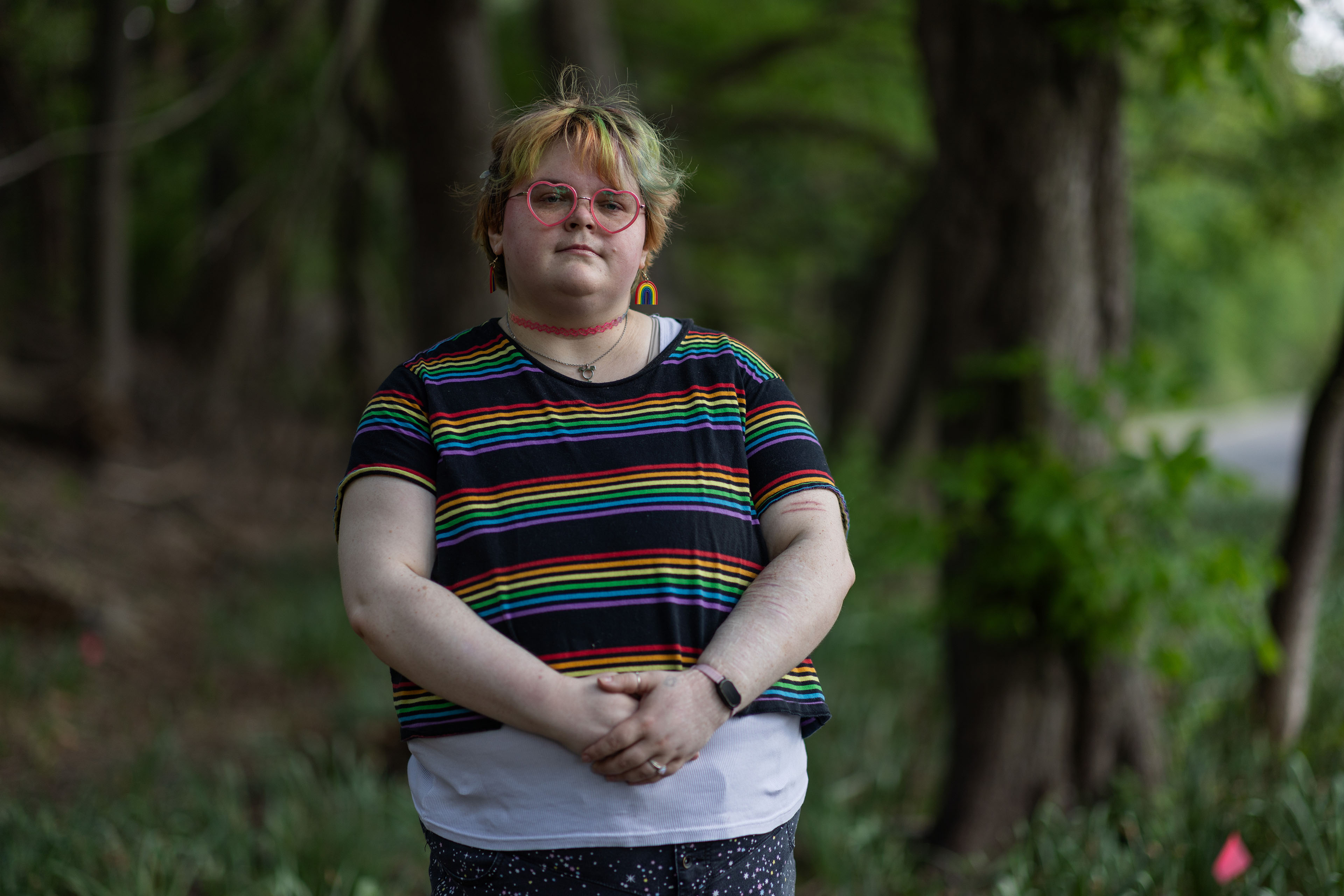
- The broken pipeline of mental healthcare for LGBTQ teenagers
- FDA Launches One-Day Inspectional Assessments to Strengthen and Expand Oversight
- FDA Launches One-Day Inspectional Assessments to Strengthen and Expand Oversight
- Is your hospital ready for a prolonged IT outage? Joint Commission, AHA's new resiliency program will let you know
- FDA Expands AI Capabilities: Launches ELSA and Completes HALO Data Platform Consolidation
- FDA Expands AI Capabilities: Launches ELSA and Completes HALO Data Platform Consolidation
- Roche acquires PathAI to transform AI-driven diagnostics
- Roche acquires PathAI to transform AI-driven diagnostics
- Trump Planning to Fire FDA Commissioner Marty Makary
- Trump Planning to Fire FDA Commissioner Marty Makary
- Included Health launches AI-powered solution to connect members to providers
- FDA Green Lights Bizengri Drug To Treat Rare, Aggressive Bile Duct Cancer
- The Hidden Design Flaw in Medical Device Service Technology
- The Hidden Design Flaw in Medical Device Service Technology
- An Endovascular Approach to Neurological Diseases Can Shift the Treatment Paradigm
- An Endovascular Approach to Neurological Diseases Can Shift the Treatment Paradigm
- 8,500 Steps A Day Could Be Sweet Spot For Preventing Weight Regain
- Why Gen AI is a Win for MedTech: And, How to Unlock its Potential with the Right Policies
- Why Gen AI is a Win for MedTech: And, How to Unlock its Potential with the Right Policies
- Survey: Employers seeking greater transparency from pharmacy benefits
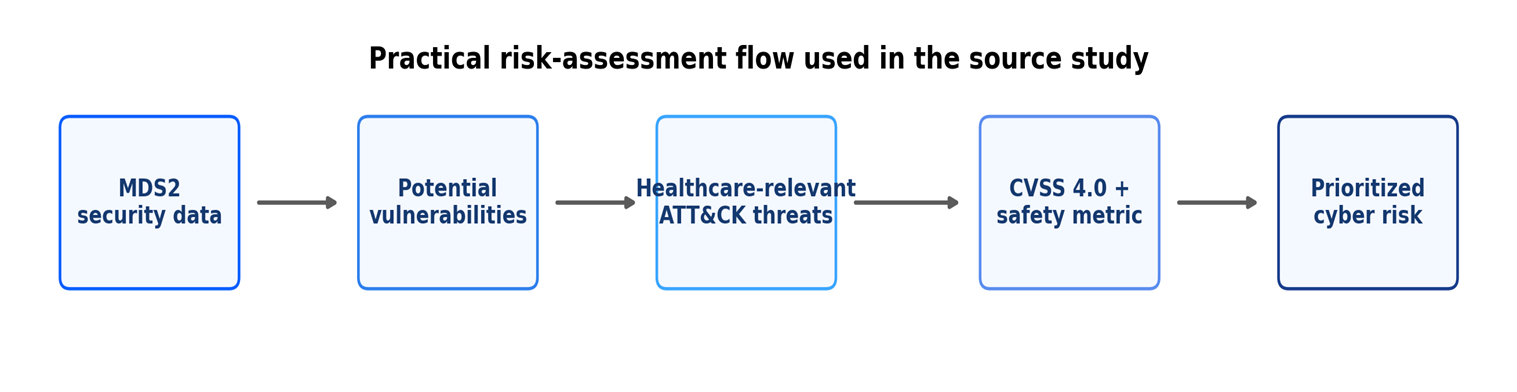
- The Medical Device Cybersecurity Gap Hiding in Plain Sight
- The Medical Device Cybersecurity Gap Hiding in Plain Sight
- CSL slashes revenue projection and takes $5B impairment as interim CEO flags R&D misses, market erosion
- Why Doctors Are Quitting At An Earlier Age
- Sharper Brains May Face Higher Depression Relapse Risk, Study Finds
- Older Adults Have Fewer Regrets, Study Says
- Partner's bispecific Bizengri nabs FDA national priority nod in rare bile duct cancer
- Daiichi Sankyo targets global top 5 oncology rank by 2035, $1.3B efficiency drive in new 5-year plan
- That Discount At The Pharmacy Counter May Pack Hidden Costs
- Nighttime Heat Waves Increase Asthma Risk
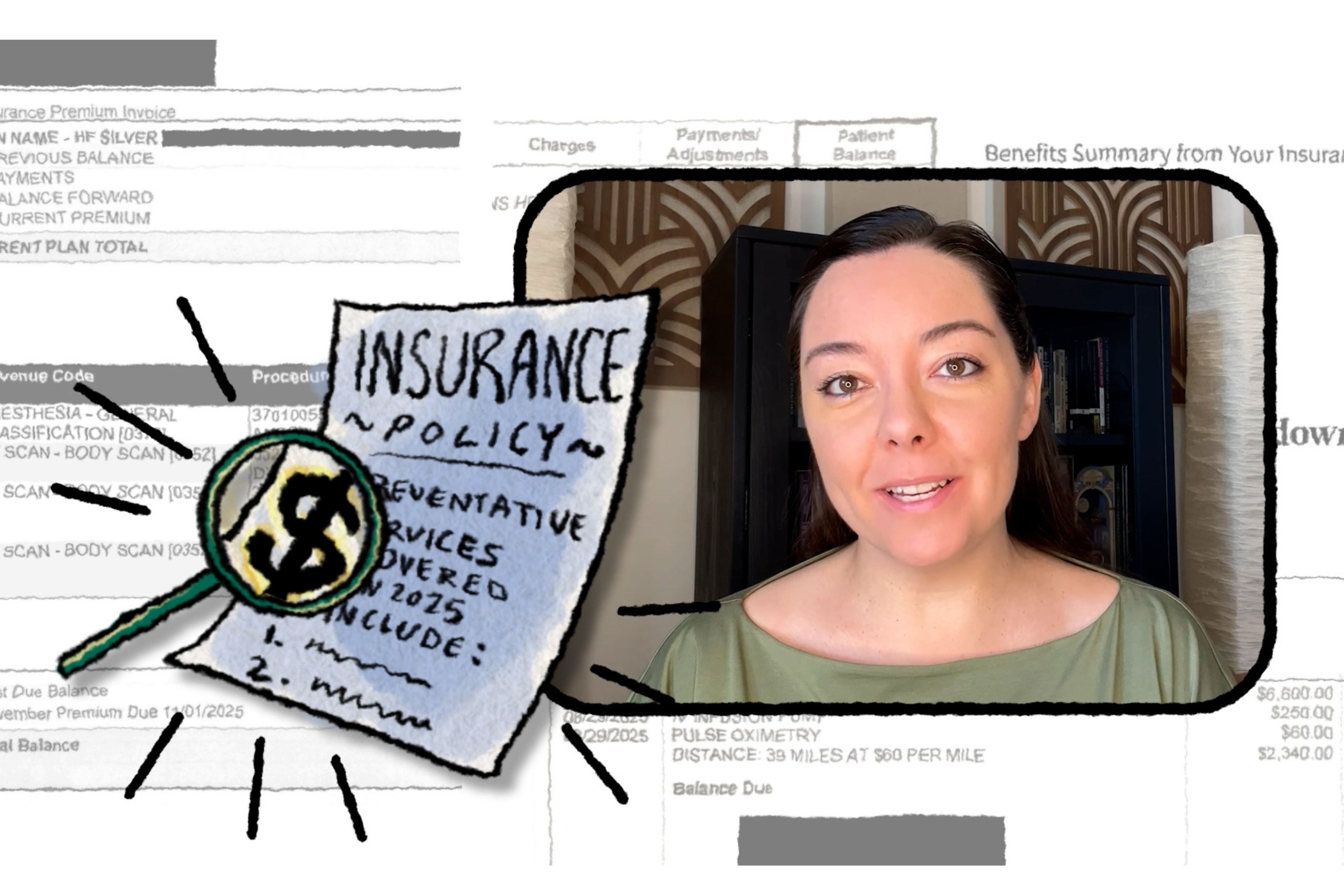
- Watch: 8 Health Insurance Terms You Should Know
- As Ranks of Uninsured Grow, Minnesota’s Hospitals Are Among Least Charitable in Nation
- OVID Health hires Edelman alum Davide Scalenghe to boost its international footprint
- Maintaining trust in medical AI: Monitoring and managing model lifecycle
- Maintaining trust in medical AI: Monitoring and managing model lifecycle
- Journalists Shed Light on Deadly Hantavirus Outbreak and a Crisis in the Nation’s ERs
- Remarks at the Conference on Financial Market Regulation
- Dad Jokes: Remarks at the 13th Annual Conference on Financial Markets Regulation
- RFK Jr. Launches Plan To Curb Antidepressant 'Overprescription'
- Skil-Care launches specialized healthcare product innovation program
- Remarks at the Special Competitive Studies Project AI+ Expo
- Plant-Based Foods May Help Lower Risk of High Blood Pressure
- Super Shoes Might Increase Risk Of Running Injuries, Study Says
- TV, Movies Offer Flawed Depictions Of Autism, Add To Delayed Diagnosis, Study Says
- Opioid OD Survivors Have Triple Rate Of Repeat Overdoses Than Previously Estimated
- A New Medicare Option For Weight Loss Drugs: What Older Americans Should Know
- Exposure Therapy Can Successfully Ease Peanut Allergies
- Cruise Ship Hantavirus Outbreak Kills 3 as WHO Says Risk Is Low


I apologize for the delay in getting this one up. It's important, and now urgent.
Privacy is essential for healthcare freedom.
Your property rights to low-as-possible taxes (and proper use thereof) are also essential.
So when the federal government proposes funding AI research and development, plus using AI to analyze your clinical data and reimbursement data - where do you draw the line?
Fierce Health outlines the proposal; Heartland describes fraud-detection benefits for the reimbursement side; the Federal Record lists HHS goals and FAQ.
First Fierce Health.
HHS' health tech arm wants input on how to accelerate adoption of AI in clinical care
Heather Landi | Dec 19, 2025 5:20pm
The Department of Health and Human Services' (HHS') health tech arm wants to hear from the healthcare industry about ways to speed up the adoption of artificial intelligence in medical treatment.
The Assistant Secretary for Technology Policy/Office of the National Coordinator for Health Information Technology (ASTP/ONC) released a request for information (PDF) seeking public feedback on the actions it can take to establish a "forward-leaning, industry-supportive, and secure approach to accelerate the adoption and use of as part of clinical care."
The RFI builds on the recently published HHS AI Strategy and the administration’s overall AI policy framework, Steve Posnack, principal deputy assistant secretary for technology policy and principal deputy national coordinator for health IT, wrote in a blog post this week.
The HHS AI Strategy focuses on the use of AI internally across HHS operations, while the RFI seeks input on the use of AI in clinical care.
"HHS is especially interested in comments from those building AI tools for clinical settings, those buying or implementing AI tools for clinical settings, and those who want to use AI in clinical care but face barriers. Your input will inform how HHS uses three major levers: regulation, reimbursement, and research and development," Posnack wrote.
Comments on the RFI will be due 60 days after publication in the Federal Register.
"In general, HHS seeks feedback on ways in which these approaches can be most effectively applied to support the rapid adoption and use of AI in clinical care, to foster public trust and confidence in modern technology solutions, to reduce uncertainty that impedes AI innovation and to align federal incentives so that AI is deployed in ways that enhance productivity, reduce burden, lower health care costs, and improve health outcomes for patients, caregivers, and communities," HHS officials wrote.
On the regulatory front, the ASTP/ONC said it wants to establish a regulatory posture on AI that is "well understood, predictable, and proportionate to any risks presented to enable rapid innovation while protecting patients and the confidentiality of their identifiable health information, and maintaining public trust," agency officials said.
The HHS wants to hear ideas on payment policy changes that give payers the incentive and ability to promote access to high-value AI clinical interventions, foster competition among clinical care AI tool builders and accelerate access to and affordability of AI tools for clinical care, the department said.
"Given the inherent flaws in legacy payment systems, we seek to ensure that the potential promises of AI innovations are not diminished through inertia and instead such payment systems are modernized to meet the needs of a changing healthcare system," the HHS said.
The HHS also wants input on how the agency can invest in research and development, including public-private partnerships and cooperative research and development agreements, to integrate AI in care delivery and create new, long-term market opportunities.
The department and its health tech agency also want to hear from the industry about major barriers to AI innovation and adoption, administrative hurdles at healthcare organizations that slow adoption and regulatory or payment policies that should be created or existing ones that should be changed to help incentivize adoption.
The HHS also acknowledged that the use of AI in clinical care raises novel legal and implementation issues that challenge existing governance and accountability structures, relating to liability, indemnification, privacy and security. The department wants to know what role it should play in addressing these issues.
The department also wants feedback on promising AI evaluation methods, pre- and post-deployment, for AI tools in clinical care that are nonmedical devices.
The HHS also wants public comment on private sector activities around accreditation, certification, industry-driven testing and credentialing for AI tools.
Healthcare industry experts and patients also are encouraged to share their thoughts on healthcare challenges that could be addressed by AI tools as well as their concerns about the use of AI in clinical care.
Heartland is a Chicago-land free market think tank with a strong healthcare arm.
Federal Agencies Are Using Data Analytics to Stop Health Care Fraud
By Kenneth Artz | November 7, 2025
Health care fraud enforcement remains a top priority of the Trump administration, warns a law firm specializing in False Claims Act and Whistleblower/Qui Tam Defense.
“All individuals and businesses working in any aspect of the health care field should pay close attention to the government’s planned use of data analytics to spot anomalous billing,” wrote Jonathan S. Ross on the website of law firm Maynard Nexsen on August 25.
The warning came after the Department of Justice, the U.S. Department of Health and Human Services Office of Inspector General (HHS-OIG), and other law enforcement agencies announced on June 30 criminal charges against 324 individuals who sought to bilk the U.S. health care system of $14.6 billion in total, discovered through a joint investigation.
The previous record for a “National Health Care Fraud Takedown” was $6 billion, HHS-OIG stated. “Takedowns” are government-wide enforcement actions that have been done annually in recent years, writes Ross.
HHS-OIG, DOJ, the FBI, and other federal agencies will be setting up a “Health Fraud Data Fusion Center” to expand the use of data analytics to detect fraud more quickly, DOJ said in its June 30 news release.
Patients Harmed
The indictments included 96 doctors, nurses, pharmacists, and other licensed professionals. The fraud cases spanned 50 federal districts and 12 state Attorneys General offices, making it the largest coordinated health-care fraud action in U.S. history.
“The Criminal Division is intensely committed to rooting out health care fraud schemes and prosecuting the criminals who perpetrate them because these schemes: (1) often result in physical patient harm through medically unnecessary treatments or failure to provide the correct treatments; (2) contribute to our nationwide opioid epidemic and exacerbate controlled substance addiction; and (3) do all of that while stealing money hardworking Americans contribute to pay for the care of their elders and other vulnerable citizens,” said Matthew R. Galeotti, head of the Justice Department’s Criminal Division, in the June 30 news release.
Authorities seized more than $245 million in cash, fancy cars, cryptocurrency, and other assets on June 30. The U.S. Centers for Medicare and Medicaid Services (CMS) said it blocked more than $4 billion in fraudulent claims before they were paid.
Transnational Crime Operation
One key scheme, known as “Operation Gold Rush,” involved a transnational criminal network that acquired U.S. medical-supply companies using foreign straw owners. Once in place, they used stolen identities and filed massive false claims for urinary catheters and other durable equipment.
Investigators used data analytics to detect billing anomalies.
Another scheme, in Arizona and Nevada, targeted elderly patients in hospice care. Medical companies applied “medically unnecessary” amniotic allografts to patients’ wounds.
Some operations involved opioids and illegal clinics. In one case, five defendants associated with a Texas drug store unlawfully distributed more than three million opioid pills, which were later sold by street-level drug dealers.
Investigators discovered fraudulent health claims for genetic testing and substance abuse treatment that were never given. In one scheme, a clinic with owners in Pakistan and the United Arab Emirates paid kickbacks to get patient referrals recruited from homeless populations and Native American reservations.
The indictments could also lead to seizure of property and civil lawsuits brought by individuals. Authorities have filed civil claims against some of the defendants, reaching $34.3 million in settlements so far.
‘Alien Thug-Parasites’
When more than a trillion dollars in federal taxpayer money props up health, disability, and welfare programs, it should not be any surprise that thieves view it as low-hanging fruit, says John Dale Dunn, M.D., a Texas physician, attorney, and policy advisor to The Heartland Institute.
“These alien thug-parasites are smart enough to know how to rip off America,” said Dunn. “They target housing, food, mental health, disability, and health care programs. Billions are billed as fake. The Department of Government Efficiency found it, and that’s invaluable work.”
Dunn recalls the infamous American bank robber Willie Sutton, who was asked why banks were his target: “Because that’s where the money is.”
Dunn says he blames bureaucratic indifference for the thefts.
“The bureaucracies of the health care/welfare state are populated by incompetent and lazy people,” said Dunn. “DOGE auditors found fraud by actually looking—auditing billing patterns, verifying identities, and matching claims to real services. Computers can do this easily.”
The indifference of huge bureaucracies invites cheating, Dunn says.
“Bureaucrats are careless with taxpayer money because it isn’t theirs, or they think it isn’t,” said Dunn. “That carelessness fuels the health care fraud crisis.”
Theft Invitation
U.S. crime families recognized years ago that Medicare and Medicaid were easy fraud targets, and it was only a matter of time before foreign cartels figured it out, says Merrill Matthews, Ph.D., a health care policy analyst and columnist for The Hill.
“Every administration claims it will crack down on Medicare and Medicaid fraud,” said Matthews, “but they barely scratch the surface. So, kudos to the Trump administration for going after the scammers. An aggressive, sustained effort could save taxpayers billions and eliminate one more reason for criminal gangs to infiltrate the country.”
Years ago, Medicare and Medicaid fraud schemes linked to the Mafia were a staple of investigations by CBS’s 60 Minutes news and commentary show, Matthews says.
“An HHS inspector general’s attorney told CBS at the time, ‘Building a Medicare fraud scam is far safer than dealing in crack or stolen cars, and it’s far more lucrative,’” said Matthews.
The public comment site is HERE, and mercifully much simpler than most.
I commented briefly. Feel free to copy/edit to make your own comment.
Deadline 11:59 PM EST today.
Thank you for this opportunity to comment.Both privacy and fraud protections are essential for securing our healthcare freedoms as Americans.As proposed, these are competing priorities. To resolve the conflict, I request the following AI policies be followed.1. Please use AI to detect fraudulent reimbursement attempts, while shielding personal health information from AI access.2. Please make clinical AI genuinely consumer-based by limiting access to records which have had specific patient opt-in only.3. Please provide ZERO government (taxpayer and program) funds for AI clinical research and development. Government agencies, insurance, and other industries inevitably use such funds and products to control Americans' healthcare decisions. Using forced funding for such ends is immoral and unconstitutional. Instead, secure our individual healthcare freedoms by keeping federal health agencies out of clinical R&D, and letting the private sector pursue private R&D funds.Sincerely,Abigail Nobel, BSN, RN, MAPresident, Michigan Healthcare Freedom
NPR advocating for personal, individualized care. Whoda thunk? 😊
Images and related links at the original post.
https://www.npr.org/2026/02/14/nx-s1-5704189/dr-oz-ai-avatars-replace-rural-health-workers
Dr. Oz pushes AI avatars as a fix for rural health care. Not so fast, critics say
Windsor Johnston | February 14, 2026
Dr. Mehmet Oz is pitching a controversial fix for America's rural health care crisis: artificial intelligence.
"There's no question about it — whether you want it or not — the best way to help some of these communities is gonna be AI-based avatars," Oz, the head of the Centers for Medicare and Medicaid Services, said recently at an event focused on addiction and mental health hosted by Action for Progress, a coalition aimed at improving behavioral health care. He said AI could multiply the reach of doctors fivefold — or more — without burning them out.
The AI proposal is part of the Trump administration's $50 billion plan to modernize health care in rural communities. That includes deploying tools such as digital avatars to conduct basic medical interviews, robotic systems for remote diagnostics, and drones to deliver medication where pharmacies don't exist.
Oz even suggested replacing in-person obstetric care with AI-guided devices.
"We can use robots to do ultrasounds on pregnant women," Oz said. "You take a wand, you don't even see the image—you just get digitized insights that tell you whether the child's OK. And frankly, I don't have to see the image. I just have to know if the image is good enough to tell me the child doesn't have a problem."
In a statement to NPR, the Centers for Medicare and Medicaid Services said Oz was emphasizing the need to "responsibly explore tools" that can extend the reach of licensed clinicians, not replace them altogether. It also said that CMS supports the use of AI-enabled tools when they are evidence-based, patient-centered and used appropriately under clinical oversight.
What rural America is already facing
Oz's comments came as rural hospitals have faced steep cuts under the One Big Beautiful Bill Act that President Trump signed last year, a reconciliation law that cuts federal Medicaid spending by about $1 trillion dollars over 10 years, heavily impacting rural hospitals.These hospitals already had been grappling with financial pressures. According to the nonpartisan research organization KFF, more than 190 rural hospitals have shut down between 2005 and early 2024 — about 10% of all rural hospitals in the country — because of budget shortfalls and related challenges. Some communities have lost their only hospital, leaving residents having to drive long distances for basic and emergency medical treatment — or skip it altogether.
Across the United States, people living in rural counties are more likely to die early from five leading causes — heart disease, cancer, chronic lower respiratory disease, stroke and unintentional injuries — than those in urban areas, according to a report published by the Centers for Disease Control and Prevention in 2024. Many of those deaths are preventable with timely, quality care, according to the report.
The CDC research pointed to several culprits: limited access to providers, longer travel times, fewer emergency services, higher poverty rates and lower insurance coverage.
A health care system with fewer people?
Carrie Henning-Smith, associate professor at the University of Minnesota and co-director of its Rural Health Research Center, says the use of AI avatars would strip away something essential: human connection."Health care has always been about humanity and relationship," she said. "If your first and only provider is an avatar, we're removing trust, comfort, and continuity."
Henning-Smith also raised concerns about testing unproven technology on already underserved populations.
"I don't like the idea of rural populations being treated as guinea pigs," she said. "If this is where we're testing AI in health care, there's a lot that could go wrong."
She also pointed to logistical concerns such as unreliable broadband, low health literacy and fragile transportation systems. If AI systems can't function without a stable digital backbone, she said, they could deepen existing gaps.
Supporters say AI could help expand access
But some health tech leaders argue that AI tools could help rural communities — not by replacing doctors, but by taking on administrative burdens that keep clinicians from seeing patients.Matt Faustman is the co-founder and CEO of Honey Health, a company that develops AI tools designed to automate tasks for providers — including managing fax inboxes, processing prior authorizations and retrieving patient records.
Many providers are overwhelmed by paperwork, Faustman said, and the burden is especially heavy in rural settings where clinics may not have large administrative teams.
"Thirty to forty percent of physician or provider time can really get absorbed with administrative work," he said.
Faustman said automating those tasks could free up clinicians to focus on patient care — and allow small hospitals and clinics to scale faster without hiring more back-office staffing.
He also said AI could play a role on the patient-facing side, especially in areas where the right provider is not immediately available.
"It can serve as an initial triage or even an early access opportunity for those patients to then get diverted to the right providers," he said.
Can AI really replicate a human clinician?
Henning-Smith argues that even if AI tools can handle basic tasks, they can't replicate the core of what health care requires."AI can't read facial expressions, tone of voice, or body language," she said. "And those things matter. That's where the relationship between a patient and provider is built — in the nuance."
Even when AI tools are accurate, she said, they can't offer the reassurance or cultural sensitivity that comes from a trusted clinician. And in communities where trust in the medical system is already fragile, that loss could be especially damaging.
Henning-Smith also raised concerns about the economic consequences of replacing local jobs with AI technology.
"When a nurse or doctor is employed in a rural town, their salary stays there," she said. "But when you replace that job with an AI tool built in Silicon Valley, that money leaves."
Public backlash
Online reaction to Oz's comments was swift."You think rural communities want AI doctors? They're still trying to get reliable internet," one user wrote on X.
Another added, "Dr. Oz: 'We replaced your nurse with a cartoon. You're welcome.'"
Still, a few voices defended the idea, noting that some care is better than no care at all.
"It's not ideal," one post read, "but it's better than nothing."
Oz has not offered a full implementation plan, and CMS has not confirmed whether AI avatars will become a formal part of the agency's rural health strategy.
But Henning-Smith hopes the conversation doesn't end with cost savings.
"I'd be curious if Dr. Oz would want an avatar treating his own family," she said. "This feels like a two-tiered system — one for those with resources, and another for those without. And I don't think we should be okay with that."
Get MHF Insights
News and tips for your healthcare freedom.
We never spam you. One-step unsubscribe.
Sponsors

J & DE Family Charitable Fund

Friends
of MHF

Kelly Grotendiek
Philip Harbach
Dale Johnson
Drs. Jeffrey and Joni Jones
Vickie Kahle
Tammy Kipen
Marlin & Kathy Klumpp
Melanie Kurdys
Ruth Nobel
Patrick Peterson
Stephanie Poortenga
Jeanne Smit
Ben and Hope Staal
John Tuinstra
Jacki VanHuis
Sandy Walker
Sign Up for MHF Insights to keep up on the latest in Michigan Health Policy