- Taking a GLP-1? Doctors Say Not To Forget About Movement and Mental Health
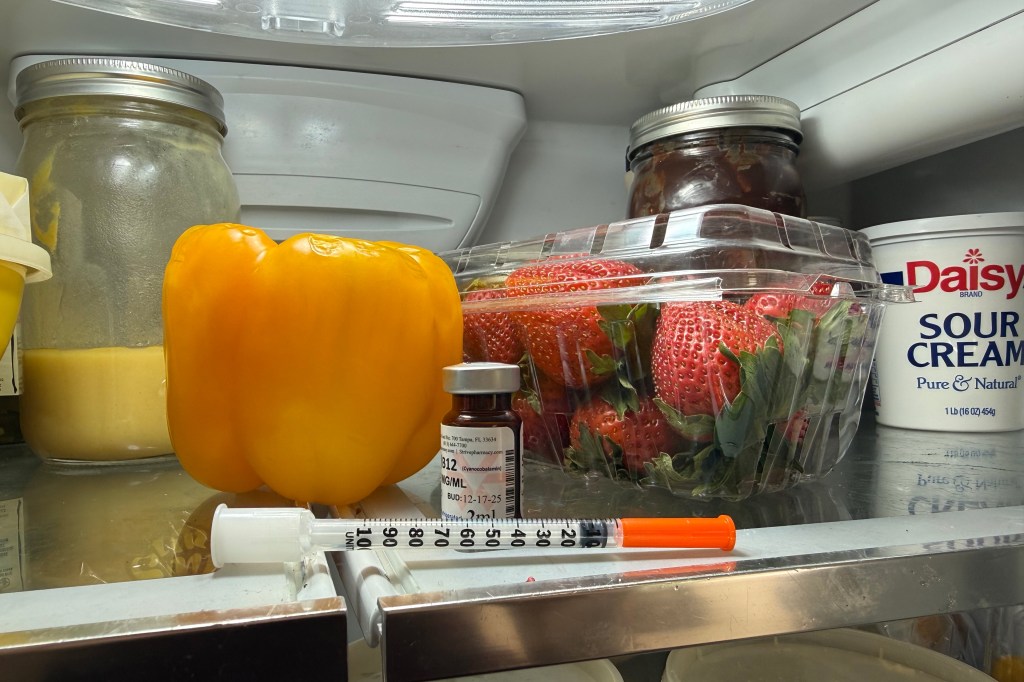
- Women, early-career scientists hardest hit by NIH grant terminations: Study

- CDC’s Acting Chief Promises a Return to Stability in a Tumultuous Moment
- California peer-run behavioral health center to close amid funding shift
- White House delays CDC director nomination
- Vandalia Health restructures, eliminates regional CEO roles
- ‘Integration only works if data lives in the same system’: How 5 systems are operationalizing behavioral health
- Medicaid work requirements could cut enrollment by up to 10 million per month
- Medicaid work requirements could cut enrollment by up to 10 million per month
- Inside UHS’ playbook for responsible behavioral health growth
- Adventist Health hospital names president
- Epic4 Specialty Partners adds Illinois practice
- Residents, fellows tap Mayo Clinic Platform data for insights
- NYC Health + Hospitals to end $4M Palantir contract
- Ascension drives quality, access wins with ‘digital nudges’
- Adventist Health cuts operating loss in 2025
- Adventist Health cuts operating loss in 2025
- 10 surgeons making headlines in 1 month
- Infosys to acquire Optimum Healthcare IT for $465M
- ‘Burning the candle from both ends’: New York hospital CFO on rising costs, revenue cuts
- ASCs are not hospitals — and 1 administrator says the industry is forgetting that
- The unsolved problems still plaguing dentistry
- American Dental Association adds mental health, GLP-1 prompts to patient forms
- 21 revenue cycle executive moves in 2026
- ASCA backs outpatient surgery access bill
- The outpatient explosion is here—can real estate keep up?
- North Carolina orthodontic practice opens 7th location
- The health systems with the top supply chain operations and 4 more updates
- Intuitive Surgical eyes ASCs as robotics’ next frontier
- Feds give first-ever green light to ASC estate planning ownership model
- Virginia hospital boosts workplace safety reporting 245% with 3 strategic shifts
- What’s next for Optum?
- The 47 rural emergency hospitals, by state
- Massachusetts payers, hospitals partner on care affordability, access
- Pennsylvania hospital to end inpatient, ED services in May
- ADA urges CMS to proceed with adult dental coverage expansion
- Where anesthesiology residents are headed: 2026 Match data by state
- California outpatient medical office building sold for $340M
- RWJF: Between 5M and 10M people could lose Medicaid coverage in 2028 under work requirements
- Imagen Dental Partners adds Washington practice
- Imagen Dental Partners appoints senior VP of M&A
- Arkansas man charged with making terroristic threats to dental office staff
- Smile Partners appoints DSO veteran as COO
- Financial challenges slam dental offices: 4 updates
- Dental innovation continues: 10 big updates to know
- How pharma marketers can capitalize on HCPs’ AI, social media and streaming habits
- Federal Officials Investigate States That Require Abortion Coverage
- Tennessee hospital files notice tied to vendor transition affecting 85 workers
- Corcept's lead drug bounces back from FDA snub with different approval as Lifyorli in ovarian cancer
- AI-driven RCM firm Adonis raises $40M
- Ionis slashes Tryngolza's price tag by 93% ahead of anticipated label expansion
- FDA approves Denali's Hunter syndrome drug, handing rare disease community a win
- Rush Health anticipates $5.9M in revenue from automated coding
- Baby Walkers Sold on Amazon Recalled Over Fall Risk
- Scaling patient access the right way: The Stella-Nanonets blueprint
- Want To Protect Your Brain? Science Says Exercise
- HelloFresh Pizza Recall Issued in 10 States Over Metal Risk
- Clinical Trials Have Too Much Data…That’s the Problem.

- Clinical Trials Have Too Much Data…That’s the Problem.
- CMS reveals new Medicaid model that supports coordination for children with complex needs
- Novartis sued by breast cancer patient over branded drug websites’ data-sharing practices
- Takeda targets $1.3B in cost savings in further restructuring
- Biogen pays $20M upfront to tap into Alteogen's subQ delivery tech
- 'Universal Donor' Blood Supplies Dangerously Low, Study Warns
- Why Stepping Outside May Help You Eat Better
- U.S. Medicine, Science Facing An Online Misinformation Siege, Poll Concludes
- Childhood Obesity Undercuts The American Dream For Some, Study Says
- Inclusive High Schools Benefit All Students, Not Just LGBTQ Teens
- Parental Loss Due to Drugs, Violence Raises Child Death Risk by 2,000%
- As Boehringer touts US launches, board chairman worries EU is 'falling further behind'
- The evolving state of exome and genome sequencing
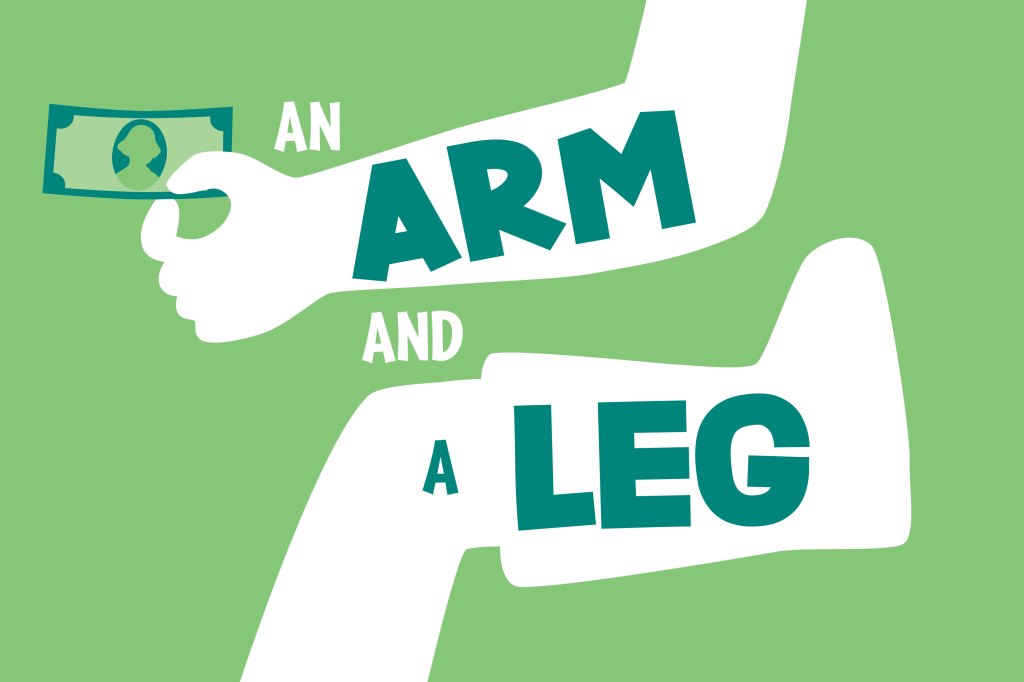
- An Arm and a Leg: Steep Health Care Costs Steer Americans to Tough Decisions
- Demoralized CDC Workforce Reels From Year of Firings, Funding Cuts, and a Shooting

- CMS unveils new pediatric care model
- Qualified Health locks in $125M in fresh funding to scale enterprise AI at health systems
- Two-thirds of pediatric mental health triage scores inaccurate: Study
- Misery Loves [Investment] Company?: Remarks at the 2026 Investment Company Institute Investment Management Conference
- Idaho lawmakers push to restore mental health programs
- Study: Nearly 1 in 5 pediatric hospital deaths involve sepsis
- New York launches mental health training for first responder clinicians
- Opening Remarks at the Digital Asset Summit 2026
- CVS Caremark, FTC reach settlement in insulin pricing case
- UCB unveils plan to build $2B biologics plant near its US headquarters in Atlanta
- PeaceHealth sued over plans to tap out-of-state staffer ApolloMD for Oregon EDs
- New Lyme Disease Vaccine Shows Strong Results in Trial
- TrumpRx Adds Diabetes, COPD Drugs at Steep Discounts
- Highmark reports $175M net loss for 2025 as financial headwinds batter health plan
- Listen to the Latest ‘KFF Health News Minute’

- Abivax hires commercial chief from Takeda to infuse Entyvio expertise into IBD launch prep
- ImmunityBio hit with FDA warning letter over Anktiva promotions in TV ad, podcast episode
- Alcohol Prep Pads Recalled Over Bacteria Risk, Cardinal Health Says
- Fewer patients traveled for abortions in 2025 as telehealth care increased, report finds
- Cologuard campaign reunites ‘Full House’ stars to give ‘The Talk’ about colon cancer screening
- Lilly to remove certain insulin products from European markets by 2027
- Karyopharm, looking to jump-start Xpovio, reports mixed results in myelofibrosis
- Study Warns Fluoride Bans May Raise Tooth Decay in Children
- WuXi Bio's record number of new projects in 2025 leaned heavily on US clients
- “Me engañaron”: agentes encadenan a un padre que había ido al ICE a reunirse con sus hijos

- Gilead inks Manta pact to dive deeper into cancer patient support
- Cheap Children's Clothing Tainted With Lead, Study Says
- Insulin Prices Fell For Medicare Patients Under Biden-Era Caps, Study Finds
- New Fathers Face Mental Health Challenges, Study Finds
- Your Choice Of Booze Influences Your Risk Of Death, Study Says
- AI Gets a 'D' When Judging Scientific, Medical Claims
- New Online Tool Helps Parkinson's Patients Weigh Brain Implant Decision
- AI chatbot use for health information up 16% from 2024: Rock Health survey
- ‘They Tricked Me’: A Father Was Chained After He Went to ICE To Reunite With His Kids
- Wilmington PharmaTech commits $50M to US API expansion
- Strides recalls nearly 90K bottles of children's ibuprofen after contamination complaints
- Trump administration unveils national policy framework for AI as it moves to override state laws
- Breast Cancer Locator System Submitted for De Novo 510(k) by Cairn Surgical
- Breast Cancer Locator System Submitted for De Novo 510(k) by Cairn Surgical
- 17 spine surgery firsts in Q1

- 17 spine surgery firsts in Q1
- Cencora acquiring EyeSouth Partners' retina business for $1.1B
- Aunque tengas seguro dental, la factura puede ser muy alta
- Massive class action seeking RICO penalties against Takeda, Lilly presses forward with SCOTUS order
- A look at how Optum Rx is using AI to address pharmacy fraud, waste and abuse
- AbbVie steps up to the plate as official pharma sponsor of MLB
- Gilead CEO Daniel O'Day nets $28.4M pay package as security and travel costs top $2M
- Nursing Homes Accused of False Diagnoses To Hide Drug Use
- FDA Approves Higher-Dose Wegovy To Help People Lose More Weight
- Teens Often Pressured To Send Sexual Photos by Someone They Know, Study Finds
- CommonSpirit, Humana reach 3-year national network agreement
- Match Day 2026: Growth in emergency medicine, psychiatry
- Nearly 90,000 Bottles of Children’s Ibuprofen Recalled Nationwide
- FTC launches multi-bureau Healthcare Task Force to spot 'new priority areas for enforcement'
- Algunos adultos de mediana edad deciden posponer la atención médica hasta tener Medicare

- ¿Qué tan bajo se puede llegar? Las cambiantes guías para el control de la presión arterial
- EyePoint lawsuit accuses Ocular of 'malicious' defamation campaign in retina drug race
- Rural hospitals could apply for temporary interest-free construction, renovation loans under new bipartisan bill
- Cost Center to Command Center: How Health Systems Are Systematizing Innovation in Support Services
- Rural Residents Have Highest Cancer Death Rates, Researchers Say
- Your Bank Account Might Show How Well Your Brain Will Age, Researchers Say
- Insurance Lapses Play Havoc With Diabetes Management, Study Shows
- Psychedelics Aren't Better Than Antidepressants In Treating Depression, Review Concludes
- A Nasal Swab for Alzheimer's? Duke Team Has One in Testing
- Heat Advisories Might Not Trigger Soon Enough For Some Seniors, Study Finds
- Health Tech Weekly Rundown: Perplexity rolls out AI-powered medical records search; Doximity survey examines how docs use AI
- Don't Forget This: Study Shows Cannabis Exacts a Toll on Your Memory
- Want To Stress Less? Start With These Everyday Habits
- Large pharma companies reduced headcounts by more than 22K in 2025 as $300B patent cliff looms
- Remarks at The SEC Speaks in 2026: From Kitchen Table to Cap Table—Making Capital Formation Work for Small Businesses
- Health system AI adoption surges in 2026 with execs reporting increased ROI: survey
- Heart Benefits From GLP-1 Drugs Fade After Stopping, Study Finds
- Survey Shows More People Struggling To Afford ACA Insurance
- Up to 155,000 COVID Deaths May Not Have Been Counted, Study Finds
- FDA Drops Plan To Ban Tanning Beds for Minors Nationwide
- Mindray North America Enters Ventilator Market
- Mindray North America Enters Ventilator Market


A lot of healthcare artificial intelligence (AI) applications are under development, but Europe's largest medical services company, Cera, is already using AI to screen applicants for carer positions:
https://www.bbc.com/news/articles/cdxg4e1dw12o
Can an AI recruiter really spot a good carer?
By Nikki Fox - March 4, 2026Mollie Cole-Wilkin was interviewed by an AI agent before a conversation with a human recruiter
Just half an hour after she applied for a care job, Mollie Cole-Wilkin's phone rang.Sitting at home, she answered it. But the voice on the line was not a human's.
She was speaking to "Ami", an AI‑powered telephone interviewer developed by homecare company Cera.
"It didn't sound like AI at all. My mum was in the other room. We thought it was just another person. We just couldn't believe it," she says.
The call lasted about five minutes, and at the end, Cole-Wilkin, of Long Stratton, Norfolk, was told she had passed the screening.
It then made her an appointment for a one-to-one interview, with a real person. After successfully passing this, she was told she had the job.
The system, which is audio-only, has already screened 14,600 applicants in total, recruiting 1,028 carers.
Cera, one of England's largest homecare providers, supports 2.5 million visits a month and says its AI system helps speed up hiring in a sector facing rising demand.
The adult social care system is likely to need almost 440,000 more care workers by 2035.
Ami conducts initial interviews using the same script every time, scoring applicants out of 100 based on their attitude and experience.
Cole-Wilkin, now working as a care assistant, says her conversation with the robot recruiter was rewarding
Cole-Wilkin, 23, had previously left a job in a GP's surgery after a difficult experience and moved into administration, but missed "being physically helpful for other people" and "making people smile".
When she tried applying for care roles again, the AI felt unexpectedly encouraging.
As someone who stammers occasionally, she found it less intimidating than a human.
"It was nice to know that I wasn't going to be judged... I get very anxious, especially face to face," she says.
"It did give responses like 'I'm happy you shared that with me' and it was quite a rewarding conversation."
Cera says Ami has halved the time from application to first interview and doubled job offers for the same recruitment spend since its launch in August 2025.
It says standardised questions reduce bias and give candidates like Mollie, who find traditional interviews stressful, a fairer chance.
The system is built to meet Care Quality Commission standards, it adds.
Janet Beacham, a consultant in the care industry, believes machines cannot replace humans in the recruitment process
Not everyone is won over, however. Critics say algorithms cannot read the subtle cues that matter in care.Janet Beacham, director of Swift Care Solutions in Colchester, is a former nurse with more than 45 years' experience in the healthcare sector and believes only a human can judge genuine empathy.
"If they haven't got care in their heart then they're not going to be a good carer... They've got to have the right personality and have the right skills," she says.
For Beacham, human intuition still matters.
"The first screening should be a review of the CV and then an initial telephone conversation, but actually a person‑to‑person one," she says.
She argues that care workers enter clients' homes as guests, and only a person can sense whether someone is genuinely suited to such a role.
Lucy Kruyer says AI technology has transformed the speed of recruitment and freed up staff
But Lucy Kruyer, branch manager at Cera's Colchester office, says the technology is now essential.
Speeding up recruitment, she argues, helps unblock hospital discharge delays.
"People don't want to be laying in a hospital waiting for care because they can't come home without the care," she says.
Human recruiters still run checks and lead in‑person training before anyone starts work.
Putting Ami to the test
BBC correspondent Nikki Fox is asked questions by a virtual recruiter used to employ care workers
So, what is a phone call with a robot recruiter like? I decided to put Ami to the test.The system uses a soft, calm female voice; a familiar choice in tech, though evidence that female voices build trust is limited.
She asks why I want the role and checks my experience, right to work and driving licence.
When I push her about car insurance costs, she says they vary but that some carers pay about £30 to £60 extra per year. Questions about training receive clear answers.
To see how she handled pushback, I tested her. When Ami asked about shifts, I said I couldn't work Saturdays because I'm essentially a taxi service for my child.
Nor could I work Friday nights, I told her, because I liked fish and chips on a Friday.
Ami stayed perfectly calm. Fish and chips, she said, sounded like an important family tradition, but stressed that carers did need to work at least one weekend day.
I offered Sundays instead. She checked: Sundays yes, Friday nights and Saturdays no. I confirmed – and I'd passed the screening.
Chief executive Dr Ben Maruthappu founded the company in 2016 after his mother fractured her back and he experienced a "revolving door of carers"
Large language models such as Ami work through patterns and associations. In this case, that is enough to move a candidate forward before a human picks up the process.
Cera receives 500,000 applications a year. Traditional recruitment, it says, leaves applicants waiting days or weeks – long enough for many to drop out or find other jobs.
Founder and chief executive Dr Ben Maruthappu argues he is expanding, not reducing, the workforce.
"We're using AI to recruit more people faster, not replace them… Recruitment and staffing remain major challenges for health and social care," he says.
Ami can call multiple candidates at once, he says, so cuts waiting times "from days to seconds", freeing staff to supervise carers and focus on training and safety.
Cera also uses a separate AI tool to arrange cover when carers call in sick. Kruyer says this used to involve hours of phoning around.
"I've got 177 carers out on the floor today so for me the phones are constantly ringing," she says.
"We can't be answering phones and trying to get cover at the same time... We know it's working in the background, giving us a green light when we've got a carer that's saying yes."
Carers then confirm details with staff. Preventative AI is also used in the Cera app to help workers log clients' symptoms and pick up issues such as urinary infections, and it has also helped the government roll out a predictive falls tool.
Maruthappu believes the bigger risk is standing still.
"The real question shouldn't be whether we use AI – it should be how we use it to widen opportunity," he says.
Cera is now licensing its recruitment agent to companies in other sectors, including dentistry.
In March 2025, the government announced it would take a "test and learn" approach to funding AI in the public sector, to "push innovation" but has yet to develop a legal framework for its use in care.
What do others think of the use of AI in recruiting care workers?
Gavin Edwards, head of social care at trade union Unison, says technology can play a valuable role in freeing up staff time, allowing for better care.
"With major workforce shortages across the social care sector, help in increasing capacity and easing workload pressures is welcome," he says.
"But AI can't wash or clean anyone, issue medication or carry out the many complex tasks care workers do.
"Nor would it be wise to use it to make decisions about the care needed by each individual. Those are tasks for trained, skilled professionals.
"There are also important considerations for recruitment. Any use of AI must be transparent, fair, and fully compliant with equality and employment laws."
A spokesperson for the Local Government Association says technology can help build capacity in care when used alongside human support but warns that care is "fundamentally person-centred".
It says AI must be co-designed with people who use care services and that "a human in the loop" should always oversee decisions, with strong safeguards in place.
The Department of Health and Social Care has been asked to comment.
Get MHF Insights
News and tips for your healthcare freedom.
We never spam you. One-step unsubscribe.
Sponsors
Friends of MHF





Kirsten DeVries
Tom & Karen Nunheimer
Steve Ahonen
Ron & Faith Bosserman
Marlin & Kathy Klumpp
Sign Up for MHF Insights to keep up on the latest in Michigan Health Policy