- Number of pediatric dentists in the best, worst states for children’s oral health

- USF Athletics forms jersey partnership with Tampa General
- AI psychotherapy tools raise automation, risk questions: Study
- Mount Sinai launches heart valve disease institute
- Michigan hospitals cut pediatric X-rays for respiratory illnesses by 40%
- ED strategy redesign aims to improve dementia patient outcomes
- Alabama cardiology group experiences cybersecurity incident
- New York physician countersued by ex-colleagues
- Opioids may ‘optional’ in select patients, minimally-invasive procedures: Study
- Acting attorney general forms National Fraud Enforcement Division
- High-dose Wegovy debuts at $399 for self-paying patients
- 13 health systems seeking revenue cycle vice presidents
- 13 health systems seeking revenue cycle vice presidents
- Pearl launches AI-powered clinical documentation platform
- Why more Americans are leaving the workforce
- 11 hospitals, health systems adding new C-suite roles in 2026
- Anesthesiologist assistant pay breakdown in 10 stats
- UNC Health, UNC-Chapel Hill debut platform for AI development
- California introduces conversion therapy bill as legal challenges loom
- Imaging delays surge as radiology workforce hits limits: Study
- Ohio system plans $40M hospital, outpatient expansion
- Indiana systems partner on cardiovascular care
- 4 hospital closures in 2026
- Aspen Dental to close Illinois office
- Universal Health Services nears deal with university, physician group
- Memorial Healthcare System relocates cardiac center into $15M facility
- The 5 most recent states updating CRNA laws
- 18 behavioral health executive moves to know
- 10 health systems with credit rating upgrades
- HRSA to dedicate $135M to rural health workforce, nutrition services
- What’s stressing out revenue cycle leaders?
- More Drugmakers Join TrumpRx
- Graco Recalls Infant Car Seats Over Structural Issue
- Oral Cancer Awareness Month: Why Early Detection Matters
- Orlando Health fleshes out Alabama footprint with another acquisition
- Pfizer walks away from 'underutilized' office space in South San Francisco, transitions employees to remote roles
- Biogen settles investor lawsuit over its messaging on failed Alzheimer's drug Aduhelm
- Preschoolers' Solitary Screen Time Could Mean Behavior Problems, Language Difficulties Later On
- Digital health startups raked in $4B during Q1 with 12 megadeals driving investment: Rock Health
- The Flu Vaccine Can Lower Your Risk Of Heart Attack And Stroke — Even If You Wind Up Infected
- Combo Heat Waves/Droughts Will Affect Billions A Year By 2100, Researchers Project
- Herbal Drug Kava Poses Increasing Health Threat In U.S., CDC Warns
- Long COVID Linked to Heart Health Risks
- New Cervix-On-A-Chip May Revolutionize STI Treatment
- Amgen CEO netted $24.7M pay package in ‘25 as company’s upward trajectory continued
- Shadow AI: Dos and don’ts for healthcare orgs
- J&J's Tremfya retakes TV drug ad spending crown from AbbVie
- Cognito Therapeutics moves to drop ‘dementia’ from its comms, scientific materials
- Urgent Care Clinics Move To Fill Abortion Care Gaps in Rural Areas

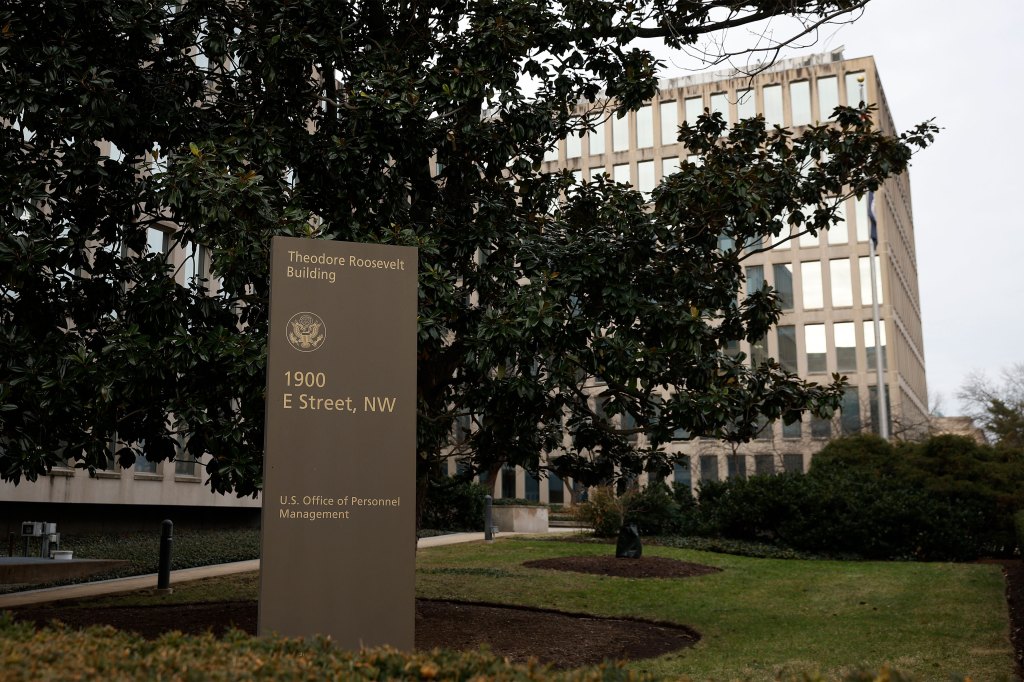
- Trump’s Personnel Agency Is Asking for Federal Workers’ Medical Records
- Insmed terminates development of Brinsupri in another indication after midstage HS flop
- Invivyd launches ‘Antibodies for Any Body’ campaign with Olympic skier Lindsey Vonn
- Medicaid expansion tied to higher opioid treatment rates: 3 study notes
- Arkansas hospital to close after 3 years, transition to psych facility
- Healthcare affordability leads as Americans’ top concern: Gallup
- FDA Approves First Generic Farxiga (dapagliflozin) Tablets
- The Margin Pressure Solution: Why Automating Patient Refunds Is a Smart Place to Start
- North Carolina dental board sends updated sedation guidelines
- Moody’s upgrades Kettering Health’s credit rating
- Dental AI company closes $20M seed funding round
- Insurers have cut prior auth requirements by 11%: AHIP-BCBS
- Consumer dental spending continues to rise
- Connecticut bill would allow hygienists to treat patients at private residences: 5 notes
- Why dentists’ economic confidence is rising
- NYC Health + Hospitals opens 104-bed therapeutic housing unit
- Google builds crisis support tools into Gemini AI
- ¿Puedo decirle a mi médico que no quiero que use la inteligencia artificial para tomar notas?

- AI adoption grows in mental healthcare amid clinical concerns
- Yale New Haven Health hospital's tele-ICU model highlighted in wrongful death lawsuit
- Jefferson Health hits Aetna with lawsuit over controversial 'downcoding' policy
- The 10 best, worst states for pediatric oral health in 2026
- Insurers have eliminated 11% of prior authorizations under reform pledge
- Massachusetts provider names regional medical director
- Sagent Behavioral Health taps CEO
- UC Davis expands pediatric care with mobile clinic
- Remarks at the Texas Stock Exchange Event: Welcome to the Boom Belt: A Return to First Principles in Public Markets
- Wawa Recalls Drinks Over Undeclared Milk Allergen
- Scientists Test New Ways To Regrow Joints Damaged by Arthritis
- Listen to the Latest ‘KFF Health News Minute’

- Personas mayores inmigrantes pierden la cobertura de Medicare a pesar de haber aportado por años

- This New Method May Make French Fries Lower in Fat
- U.S. Plans Tariffs up to 100% on Some Brand-Name Drugs
- Judge vacates HRSA's restriction on 340B hospital 'replenishment models'
- Menopause care provider Alloy Health expands weight care program
- With Gardasil demand shortfall in China, Merck and Zhifei adjust their partnership
- Americans May Be Losing Trust for AI in Health Care: Survey
- Cheap Blood Test Might Spot Cancers, Other Diseases
- Danger at Home: Cleaning Products Are Harming Kids
- Could a High-Dose Flu Shot Lower Your Alzheimer's Risk?
- Portable Scanner Spots Vision Issues in Poorer Communities
- Having a Baby? You May Need to Travel Farther Than Before
- Vertex taps Halozyme and its recently acquired Elektrofi tech in $15M drug delivery deal
- FDA seeks legislative teeth to bite back against misleading DTC drug ads
- Can I Opt Out of Having My Doctor Take Notes With AI?
- This Northern Cheyenne Doula Was About To Start Getting Paid — Then Medicaid Cuts Hit

- Waystar builds out AI solution to uncover lost provider revenue from payer 'take-backs'
- CMS gives Medicare Advantage rates a 2.48% bump for 2027 plan year in final rule
- Ascendiun CEO Paul Markovich wants the industry to back a policy reform movement focused on affordability, tech innovation
- Counsel Health expands primary AI care model to include lifestyle, chronic conditions
- Allevion Medical Receives 510K Clearance for Vantage Spinal Decompression System
- Allevion Medical Receives 510K Clearance for Vantage Spinal Decompression System
- Patient cost sharing plays bigger role in rural hospital revenues, claims study shows
- Disputing Link, Raw Dairy Farm Recalls Raw Cheese After Outbreak
- La búsqueda de Trump de inscritos indocumentados en Medicaid arroja muy pocos infractores

- CMS unveils new Medicare pilot for hemp, CBD products
- New Plan Aims To Track Microplastics in U.S. Drinking Water, EPA Says
- Over 3 Million Eye Drops Recalled Amid Sterility Concerns
- New White House Budget Plan Would Reduce HHS Funding by Billions
- ImmunityBio responds to FDA scrutiny over Anktiva promotional claims with new protocols
- Healthcare Dealmakers—Sutter Health, Allina Health's $26B combination, UHS' $835M Talkspace purchase and more
- Ambience Healthcare launches Chart Chat, an EHR-integrated AI copilot for nurses
- Científicos de Estados Unidos secuencian 1.000 genomas del sarampión, eliminado durante años gracias a las vacunas

- Anthropic acquires stealth AI startup Coefficient Bio in $400M deal: reports
- Insulet's Omnipod takes Type 2 diabetes representation to the TV screen in 'Scrubs' revival
- Move Over, Cigarettes: Vapes Now the Leading Nicotine Danger for Kids
- DNA-Based Blood Test Could Help Guide Throat Cancer Treatment
- Could Low Birth Weight Raise Odds for an Early Stroke?
- New Technologies Make Lung Cancer Diagnosis, Treatment Quicker and Safer
- Getting a Scan? Time to Results Has Doubled Since 2014
- Autoimmune Diseases Like Lupus, Psoriasis May Raise Cancer Risk
- Neurocrine, eying ‘blockbuster in the making,’ strikes its largest-ever M&A deal with $2.9B Soleno buyout
- Amgen scores with trial of on-body injected version of Tepezza in thyroid eye disease
- Immigrant Seniors Lose Medicare Coverage Despite Paying for It
- Eli Lilly takes the court with 150th anniversary campaign to catch Final Four crowd
- VML Health urges marketers to shift from lifespan to ‘joyspan’ as patient goals evolve
- What Sea Creatures Reveal About How Fast People Age
- How to Tell if Spring Symptoms Owe to Allergy, Cold or Something More Serious
- 5 major insurers, vendor Zelis must face 'repricing' antitrust claims, judge rules
- Kaiser Permanente breaks ground on Oregon’s ‘first fully electric and sustainable’ hospital in Oregon, sets 2029 opening
- USDA Warns of Lead Risk in Frozen Dino-Shaped Chicken Nuggets
- New Heart Diet Advice Counters U.S. Guidance on Meat and Dairy
- Peeled Garlic Recalled Over Risk of Deadly Botulism
- Some CDC Lab Testing Paused Amid Internal Review
- March M&A surge triggers high expectations for 2026
- White House floats 12.5% budget cut for HHS in FY2027, reiterates reorganization plan
- The Healthcare Burnout Backlash (pt 2): Positioning AI pilots for success within EHR-integrated environments
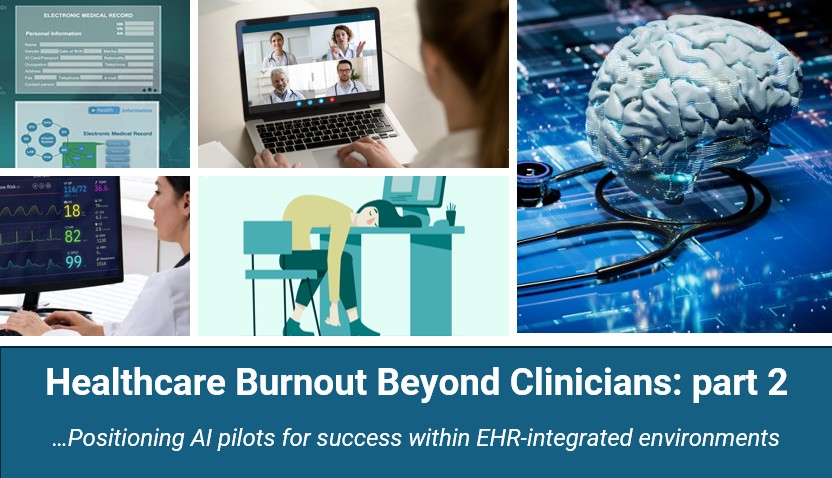
- The Healthcare Burnout Backlash (pt 2): Positioning AI pilots for success within EHR-integrated environments
- With Sanofi and Pfizer deals, Novavax bets on ‘amplification strategy’ to drive vaccines engine
- Boston Scientific receives FDA clearance for the Asurys Fluid Management System
- Boston Scientific receives FDA clearance for the Asurys Fluid Management System
- Serenity Medical Receives FDA Humanitarian Device Exemption for IIH Venous Stent
- Serenity Medical Receives FDA Humanitarian Device Exemption for IIH Venous Stent
- Merit Medical Acquires View Point Medical, Inc., expanding the Merit Therapeutic Oncology Portfolio
- Merit Medical Acquires View Point Medical, Inc., expanding the Merit Therapeutic Oncology Portfolio
- FDA Publishes New Set of Real-World Evidence Examples

- FDA Publishes New Set of Real-World Evidence Examples
- Nerve Stimulation Therapy May Ease Fibromyalgia Pain, Fatigue
- Psychotherapists Often Poorly Trained in Treating Muscle-Linked Disorders in Males
- Missing From Most Doctor-Patient Talks: Sleep Issues
- Plastics Chemical Linked To Nearly 2 Million Preterm Births Each Year


However ardently special interests press for interstate licensing compacts, they have to admit traditional reciprocity makes less complicated law and practice.
This universal version is downright elegant in its simplicity.
MARCH 7, 2024
NEBRASKA PASSES UNIVERSAL JOB LICENSING LAWIn a win for workers and their families, Nebraska Governor Jim Pillen signed legislation on March 5 that eases occupational licensing restrictions so Nebraskans can more easily get a job. The bill, LB16, requires licensing agencies to recognize job licenses from other states, which means someone who moves to Nebraska with a good standing occupational license no longer has to jump through unnecessary state-specific hoops just to work in the Cornhusker State.
Modeled by the Goldwater Institute in Arizona, this policy, also called “universal licensing recognition,” streamlines the licensing process so workers can get to work faster. Since Goldwater helped Arizona pass a similar law in 2019, more than 9,000 workers have already been safely licensed through universal recognition.
In addition to recognizing job licenses from other states, the law also makes it easier for people with a conviction record to find work after they have paid their debt to society. Before this law, licensing boards had leeway to prevent those with a record from obtaining a job license in a certain field. With LB16 now in place, exclusion from licensure now has to be directly related to or based on the past conviction.
The Platte Institute: At the Center of Licensing Reform in Nebraska
The Platte Institute, a nonprofit policy organization in Omaha, Nebraska, played a significant role in advancing this law. For years, the Platte Institute has highlighted the problems with Nebraska’s licensing system and the need for reform. Five years ago, Platte helped lawmakers introduce the first version of LB16. Since then, Platte has researched specific job licensing requirements, recruited testifiers, and highlighted stories of real Nebraskans who were hurt by the state’s onerous licensing requirements.One of those Nebraskans was veteran Mike Beyer, who was prevented from receiving a Nebraska license despite working as a construction electrician in the US Navy and completing an 8,000-hour apprenticeship in the military. Stories like these helped Platte demonstrate to lawmakers and the public the negative impact of Nebraska’s licensing policies on ordinary families.
Platte negotiated changes to the bill over the years, encouraged lawmakers to add the second chances provision, and garnered support from a bipartisan set of organizational sponsors, including the Institute for Justice, ACLU Nebraska, and RISE Academy.
Their efforts culminated with Governor Pillen signing LB16 into law on March 5.
New Law Will Help Thousands of Workers in Nebraska
With the passage of LB16, Nebraska became a more attractive place to live and work. People who move to Nebraska can easily transfer their job license to find work in their new home. In addition, those with a criminal record who are trying to turn their lives around can more easily find work. All too often, once people re-enter society after a conviction, they face significant barriers that prevent them from getting their life back on track. One of those barriers is the difficulty in finding work, which is exacerbated by burdensome licensing restrictions like those that existed in Nebraska before LB16. This law will help address those problems.Laura Ebke, a Senior Fellow at the Platte Institute, added: “This outstanding bill opens up new workforce opportunities for people who might want to come to Nebraska, return to Nebraska after military service, or recognize their past mistakes and want to turn their lives around.”
Congrats to the Platte Institute for helping thousands of workers more easily enter the workforce!
https://spn.org/articles/nebraska-eases-workforce-licensing-rules/
About State Policy Network
We believe the reason millions of people have come to America’s shores seeking better lives is not because of anything Washington, DC. has to offer. What makes America a blessing and a dream for so many is not the power of our government but the strength of our communities. Every day, Americans from coast to coast work to build businesses, take care of one another, and pursue fulfilling lives in peace. Unlike so many countries around the world that centralize power in the hands of elites, our system has enabled enormous prosperity and progress by keeping power in the hands of the people.
But more and more, barriers are emerging to the pursuit of a good life in America. Essentials like a safe place to live, reliable and meaningful work, affordable healthcare, quality education, and retirement security are beyond the reach of too many.
It’s not that we’ve forgotten how to govern ourselves, to solve problems together, and to build enterprises that generate good products and steady jobs. The American people are not the problem. The problem is that powerful elites are turning Washington, DC, into an imperial city. They seek to dictate how we educate our children, how we provide healthcare in our communities, how we police our neighborhoods, how we farm our land, how we express our political opinions, and even how we peacefully practice our religions.
We believe the solution to what ails so many American communities is not more power in the hands of Washington elites, but a restoration of the individual rights and local governance that for centuries has made America a beacon of hope for millions around the world.
Mackinac Center's white paper is hot off the presses. Clipped for length, but worth reading in full.
https://www.mackinac.org/s2025-01
<clip>
Michigan licenses about 180 occupations and imposes a variety of business licensing requirements.[4] These laws reduce market competition, which increases prices for consumers. Licensing also costs the state jobs because fewer people are qualified to work legally. The state spends more than $500 million annually to administer its licensing regime.
Licensing laws persist in part because they have built-in support. Educational institutions and training organizations, for instance, benefit financially from licensing requirements because people are required to enroll in their programs. Workers already licensed typically oppose lifting these requirements, viewing it as unfair if others are exempted from the hurdles they had to overcome. Licensed workers also benefit from the higher prices they can charge as a result of the suppressed competition.
Licensing laws are often justified on the grounds that they protect public health and safety by setting minimum standards for people doing these jobs. If these benefits outweighed the cost to consumers and the state’s economy, licensing laws would be worth it. Research on these laws consistently shows, however, that licensing laws generally do not improve public health or safety.[5]
Licensing laws are also arbitrarily established.[6] Similar occupations that present similar risks to public health often have different licensing requirements, with some occupations remaining unlicensed. The stringency of different licenses appears inconsistent, too. Some relatively safe jobs might require thousands of hours of training and years of education while other occupations that are seemingly riskier to public health can require significantly less training and education. This hodgepodge of licensing rules is inconsistently enforced.[7] Many licensing laws amount to little more than artificial and expensive barriers for people who want to work in Michigan.[8]
Some states regularly review and repeal occupational licensing laws that do not directly impact public health and safety. The Growing Michigan Together Council, established by Gov. Whitmer in 2023 via executive order, recommended Michigan follow these states’ lead. The council’s report asked that lawmakers “conduct a full review of professional licensing requirements to identify which can be maintained, improved, updated or eliminated.”[9]
<clip>
A Michigan case study
Even though Michigan has reciprocal licensing compacts with many other states, the regulations on the books can still be cumbersome and confusing, creating obstacles for people trying to move to Michigan to work.
Consider the case of Anne Davis. Anne is a psychotherapist with degrees from Central Michigan University and Colorado Christian University. She grew up in Michigan but moved to Colorado and worked for more than 20 years as a counselor for the homeless, mentally ill and others in a private practice.
She and her husband, also a counselor, moved back home to Michigan to be near family and to better care for their adult son with disabilities. Her husband’s license — a professional counselor license — took just two months to transfer from Colorado. Anne’s license, however, was different. The psychotherapist license she used to practice counseling in Colorado did not easily transfer to Michigan even though she had completed all the training and experience as a counselor.[35]
Anne spent 13 months trying to convince the state department that her master’s degree in counseling was adequate to meet the requirements of getting a Michigan license. Eventually, the state agreed and approved her license without requiring Anne to do anything extra. But she lost more than a year of potential income while she waited for the state to issue her license.
If Michigan had an automatic universal licensing reciprocity law, Anne would have been able to start work almost immediately. Instead, Michigan's rules resulted in the state having one fewer counselor during those 13 months, for no good reason. It’s hard to see how Michigan’s process accomplished anything other than unnecessarily delaying someone from earning an income and providing Michiganders with a needed service.
Conclusion
Michigan should join the bipartisan collection of states that have universal licensing reciprocity laws. Considering the state’s population trends, policymakers should be keen to make Michigan one of the easiest places in the country to move to and start working. The state should automatically grant a license to someone who was licensed in another state for a similar occupation. Michigan should recognize the work experience of those from other states and allow that to count toward automatically qualifying for a license here.
Michigan lawmakers and regulators should also be regularly reviewing the licenses on the books and reducing or removing the licensing requirements that do not clearly demonstrate that they improve public health and safety. This would make it easier for people in Michigan to work in hundreds of occupations and make it easier for people employed in other states to move here.[36]
Research shows that universal licensing reciprocity laws increase interstate migration — more people move to states with those laws than otherwise would. The law would increase economic growth and help alleviate worker shortages that plague certain occupations. The reduction in red tape would also lower the unemployment rate and reduce prices for consumers. These laws would expand access to services that would benefit all Michiganders, but especially those in sparsely populated or impoverished areas.
<clip>
Get MHF Insights
News and tips for your healthcare freedom.
We never spam you. One-step unsubscribe.
Sponsors
Friends of MHF



Kirsten DeVries
Tom & Karen Nunheimer
Steve Ahonen
Ron & Faith Bosserman
Marlin & Kathy Klumpp
Sign Up for MHF Insights to keep up on the latest in Michigan Health Policy