- FTC alleges anesthesia group celebrated price hikes

- Average tuition for 12 best dental schools in the US
- New York medical society demands physician privileges be protected in Maimonides merger
- 4 hospital, health system layoffs in March
- Texas to lead ibogaine research after pharma proposals fall short
- Advocate plans largest drone delivery network and 2 more supply chain updates
- AI scribes linked to time savings at 5 health systems
- New Hampshire ASC 1st in US to earn new accreditation
- Amgen drug under FDA review in wake of 8 deaths
- Hennepin Healthcare warns of closure without legislative funding
- Hennepin Healthcare warns of closure without legislative funding
- Visa renewal delays sideline physicians at US hospitals
- BayCare residency program size doubles on Match Day gains
- Ohio GI practice acquired
- Health systems rethink innovation
- 8 revenue cycle headlines to know from March
- 8 revenue cycle headlines to know from March
- Court upholds injunction on West Virginia 340B law
- Cyberattack hits Texas hospital
- Cleveland Clinic pilots EHR-integrated AI for inpatient nursing
- Prisma Health plans ASC in Tennessee
- Bill takes aim at ASC, HOPD payment gap
- Ensemble, Cohere building first RCM-native LLM
- Honey Almond Cream Cheese, Sold at Einstein Bros. Bagels, Recalled Due To Undeclared Nuts
- Trump Supports Surgeon General Pick Despite Senate Concerns
- Tennessee orthopedic practice closes abruptly
- 4 health systems back in the black in 2025
- ‘Our stockholders are the members of our community’: Inside Carilion Clinic’s mission-driven margin strategy
- Supreme Court Blocks Colorado Limits on Therapy for LGBTQ Minors
- Antidepressant Might Help Long COVID Fatigue, Study Says
- Home-Delivered Groceries Boost Heart Health In Food Deserts, Study Says
- Nicotine E-Cigarettes Help Smokers Quit, Review Concludes
- Kinesio Taping’s Benefits in Doubt, Major Evidence Review Finds
- High Sodium Intake May Trigger New Heart Failure
- Study Shows BMI Often Gets Your Weight Category Wrong
- Clinicians are burnt out. Peer support can help
- Novo's Wegovy nets cardio nod from UK cost gatekeeper, adding 1M+ eligible patients
- Trump’s One Big Beautiful Bill Act Darkens Outlook for Government-Backed Clinics
- Readers Sound Off on Wage Garnishment, Work Requirements, and More

- CVS Health opens pharmacy-only locations as it rightsizes store footprint
- How Rural Health Systems Are Advancing Cardiac Imaging
- How Rural Health Systems Are Advancing Cardiac Imaging
- Beyond Reimbursement: Why Market Access is MedTech’s Strategic North Star
- Beyond Reimbursement: Why Market Access is MedTech’s Strategic North Star
- Evotec hires exec with AI experience to lead rebooted commercial team
- The Human Side of AI Medical Devices: Why Safety Depends on Design, Not Just Algorithms
- The Human Side of AI Medical Devices: Why Safety Depends on Design, Not Just Algorithms
- Whoop raises $575M series G, Abbott comes on board amid hiring spree
- True ROI of health tech, according to finance leaders
- ‘There isn't as much meat left to cut’: Biopharma layoffs maintain slowdown in Q1
- Where 6 specialty DSOs stand in 2026
- 16 new ASCs in March
- Intermountain joins national trauma, grief network
- Practice closures, new dental schools, DLRs & more: 6 dental updates in New York
- Workforce, patient care, private equity & more: 5 statistics scaring dentists
- American Society of Addiction Medicine updates youth treatment standards
- The shifting oral surgery landscape
- Moody’s upgrades UK King’s Daughters’ credit rating
- Private equity in dentistry has gotten smarter
- 7 DSO leadership changes to know
- University Hospitals swings from loss to 2.6% margin in 2025
- Mark Cuban backs bill to break up vertically integrated insurers
- Lawmakers introduce child suicide prevention bill
- Dental lab group receives private equity investment
- Dental Care Alliance appoints chief revenue officer
- UnitedHealthcare launches Avery, a generative AI companion for members
- 14 behavioral health executive moves to know
- The top-ranked US dental schools in 2026
- Missouri agencies warn of rising nitazene threat
- Only 44% of SUD treatment facilities accept older patients on Medicare: HHS report
- 7 state behavioral health policy updates
- Republicans eye further healthcare cuts: Report
- Uninsured patients drive nearly 40% of healthcare collections: Cedar survey
- FDA flags serious liver injury cases, 8 deaths with ‘reasonable’ link to Amgen's Tavneos
- Novo Nordisk cuts 400 roles at troubled Bloomington site
- Former U.S. Surgeon General Challenges Trump Nominee
- Iterum initiates wind-down after failure to offload antibiotic with sluggish sales
- Listen to the Latest ‘KFF Health News Minute’
- Over 10.2 Million Grill Brushes Recalled Over Metal Bristle Risk
- Sex Enhancement Chocolates Recalled Over Hidden Drug Ingredients
- Short Bursts of Exercise Linked To Lower Risk of Major Diseases
- HHS urges hospitals to align patient menus with updated dietary guidance
- Hartford HealthCare, K Health launch PatientGPT, new AI tool to help patients find health information
- Ensemble partners with Cohere to build first RCM-native large language model
- API supplier BASF raises prices up to 20% in response to rising energy, raw material costs
- Biogen, eyeing swift commercial tailwind, ponies up $5.6B for Apellis and its 2 approved meds
- Cold Weather More Deadly For The Heart Than Heat, Study Finds
- Teens' Sleep Patterns Affect Their Diet, Exercise, Study Says
- 'Watch and Wait' Approach Safe For Women With Precancerous Breast Condition, Trial Finds
- Dental Care Can Help Cirrhosis Patients Avoid Liver Cancer, Hospitalization
- Folks With Clogged Arteries Benefit From Aggressively Lower Cholesterol Goal
- Intermittent Fasting Might Help Manage Female Hormone Imbalance, Trial Shows
- States Pay Deloitte, Others Millions To Comply With Trump Law To Cut Medicaid Rolls
- Trump’s Hunt for Undocumented Medicaid Enrollees Yields Few Violators
- States pay Deloitte, others millions to comply with Trump law to cut Medicaid rolls
- Employer telehealth company eMed raises $200M at $2B valuation
- Insulet hires Stryker vet, reinstating commercial chief role as C-suite overhaul continues
- Texas behavioral health provider launches 6th Austin-area clinic
- New Jersey expands authority for advanced practice nurses
- FDA extends review of Orca Bio’s novel cell therapy for blood cancers
- Nonprofit Electronic Frontier Foundation sues CMS over AI prior authorization demonstration
- CDRH Guidance: Patient Preference Information (PPI) in Medical Device Decision Making
- CDRH Guidance: Patient Preference Information (PPI) in Medical Device Decision Making
- BSCI’s LAAC CHAMPION-AF study for WATCHMAN FLX meets primary and secondary safety and efficacy endpoints
- BSCI’s LAAC CHAMPION-AF study for WATCHMAN FLX meets primary and secondary safety and efficacy endpoints
- Apple Store to ID Regulated Medical Device Apps
- Apple Store to ID Regulated Medical Device Apps
- CMS: This year's open enrollment brought fewer signups, higher premiums
- Medical Schools No Longer Required To Teach Health Inequities
- Lilly presses for UK deal that would see higher drug prices in exchange for resumed investments: FT
- United plots Tyvaso FDA filing after ph. 3 win elicits talk of 'new IPF standard' and blockbuster sales
- Fluoride Quietly Removed From Birmingham Water Years Ago, Officials Face Backlash
- FDA Weighs Expanding What Can Go Into Supplements
- 9 Now Sickened in Outbreak Tied To Raw Milk and Cheese
- BMS, Novartis, Gilead, Iovance dinged over biologics promos in rare spate of CBER untitled letters
- Nearly half of US hospital markets entirely controlled by 1 or 2 health systems: KFF
- Mental health provider platform Headway acquires team behind AI company Tezi
- Idorsia eyes pediatric insomnia use with midstage trial win for sleep med Quviviq
- Electronic Paperwork Increasing Burnout Risk Among Young Doctors
- Kratom Cases Surging In U.S.
- What Makes Play Fun For Children? Seven Factors Stand Out, Study Says
- Night Shifts Are Tough On People With Type 2 Diabetes, Study Says
- Women's Bone Loss Tied To Heart Health, Study Finds
- Want To Lose Weight? Eat A Boring, Repetitive Diet, Researchers Suggest
- Samsung Biologics union gathers votes to strike as tension over wage, governance mounts
- Takeda begins US layoffs as part of massive $1.3B restructuring
- Biogen looks to shake up SMA status quo with FDA nod for high-dose version of Spinraza
- She Owed Her Insurer a Nickel, So It Canceled Her Coverage
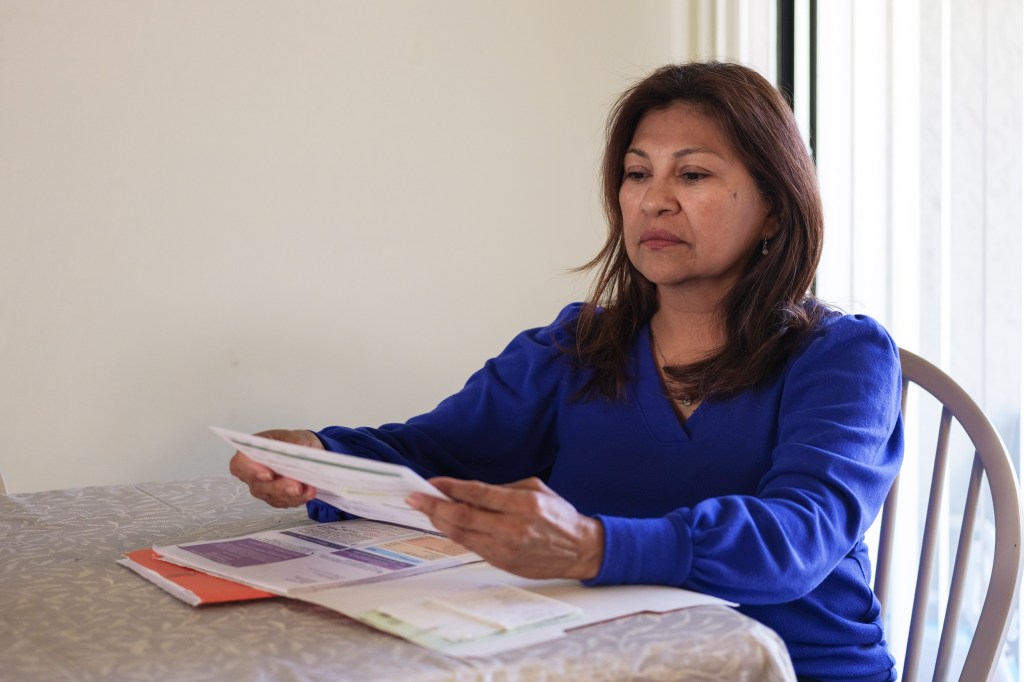
- Inside the High-Stakes Corporate Fight Over Feeding Preterm Babies
- Study Links High Antioxidant Intake To Changes in Offspring Development
- The Healthcare Burnout Backlash (pt 1): Burnout Reaches Well Beyond Clinicians
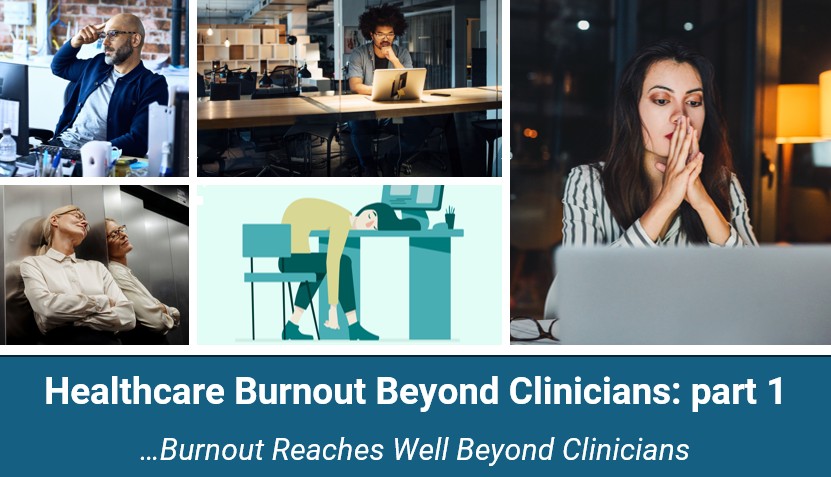
- The Healthcare Burnout Backlash (pt 1): Burnout Reaches Well Beyond Clinicians
- Even Mild Oxygen Loss in Preemies' First Hours Poses Lifelong Brain Risks: Study
- How the Trump Administration Uses Migrant Kids To Find and Detain Family Members
- Oral GLP-1s, COVID preventatives: 3 more drugs in the pipeline, Optum says payers should watch
- Providence trims 2025 operating loss to $132M, notches second consecutive quarter of gains
- $3M Verdict Links Social Media to Anxiety and Depression
- The White House Delays CDC Pick
- New COVID 'Cicada' Variant Is Spreading — What Experts Want You To Know
- Advocate Health to launch ‘nation’s largest’ hospital drone delivery program in Zipline partnership
- Op-ed: Empathy meets efficiency—how the responsible use of AI can transform Medicare
- Family Caregivers Provide $1 Trillion In Annual Labor, AARP Says
- ‘Health Doesn’t Need to Be Ludacris’: Bayer signs rapper-actor to multivitamin campaign
- Rocket plots measured trajectory for new gene therapy Kresladi after clearance to launch from FDA
- Healthy Lab Results May Mask Future Risks for Kids with Obesity
- At-Home Chemotherapy Is Safe, Feasible, Pilot Study Indicates
- What You Do While Sitting Could Predict Dementia Risk
- New Cholesterol Guidelines: What Patients and Caregivers Need to Know
- Want A Bootlicking Yes Man? Ask An AI Chatbot For Advice, Study Warns
- Give and Take: Federal Rural Health Funding Could Trigger Service Cuts



Michigan's LGBTQ+++ conversion therapy ban, PA 117 of 2023, was passed in the last session of the Democratic trifecta and signed into law by Gov. Gretchen Whitmer, who said conversion therapy is a “horrific practice.” Therapists lose their license if they violate the law. The constitutionality of these laws is before the U.S. Supreme Court in Chiles v. Salazar, but the U.S. Sixth Circuit Court of Appeals just overturned PA 117 without waiting on the SCOTUS ruling:
Court blocks Michigan conversion therapy ban on free speech grounds
By Associated Press - December 18, 2025DETROIT — A federal appeals court on Wednesday blocked Michigan’s ban on conversion therapy for minors who are LGBTQ+, declaring it violates the First Amendment rights of therapists and counselors.
In a 2-1 opinion, the court said the law illegally restricts speech that reflects the moral beliefs of therapists. It set aside a lower court’s ruling and granted a preliminary injunction sought by Catholic Charities of Jackson, Lenawee and Hillsdale Counties.
“The Michigan law discriminates based on viewpoint — meaning the law permits speech on a particular topic only if the speech expresses a viewpoint that the government itself approves,” Judge Raymond Kethledge wrote, joined by Judge Joan Larsen.
They noted that the law permits counseling that helps someone undergoing a gender transition.
The court’s decision comes more than two months after the U.S. Supreme Court heard arguments in a Colorado case that could resolve the issue nationwide.
In a dissent, Judge Rachel Bloomekatz said the 6th U.S. Circuit Court of Appeals should have waited for the Supreme Court to act.
The Michigan bill was passed by the Democratic-controlled Legislature and signed into law in 2023 by Democratic Gov. Gretchen Whitmer, who said conversion therapy is a “horrific practice.” Therapists could lose their license if they violate the law. More than 20 states have a similar law.
LGBTQ+ rights advocates have cited research suggesting conversion therapy can increase the risk of suicide and depression.

Well done, 6th Circuit!
A truly grim, 1984 aspect of this is verbal deception. I posted to it 9 months ago when SCOTUS granted cert.
Like Michigan, Colorado banned counselors from helping patients overcome gender dysphoria to become reconciled to their genetic sex.
Please note: I avoid the term "conversion therapy" here, because it's a made-up term, designed to frame the argument to the Left's advantage. Michigan even embedded the new definition in our legal code, attempting to make it stick.
The Left invented the term "conversion therapy" as a take-off from "aversion therapy," rightly hated and abandoned in the last century. I'm old enough to remember electric shock therapy, and that "treatment" has nothing to do with today's counseling for dysphoria.
If nothing else, I hope our takeaway as a society is that law is not the place for defining psycho-medical terms.
Josh Blackman of The Volokh Conspiracy discusses the issue of Circuit Courts deciding cases substantially similar to cases before the Supreme Court of the United States, but not yet decided. He leads with the Sixth Circuit hearing and deciding Catholic Charities of Jackson v. Whitmer while Chiles v. Salazar is under consideration by SCOTUS:
When Courts of Appeals Decide Issues Pending Before the Supreme Court
The practice is not consistent.
On October 7, the Supreme Court heard oral arguments in Chiles v. Salazar. This case will decide the constitutionality of Colorado's ban on conversion therapy. A decision in that case is expected at some point by the end of June.
As the Supreme Court deliberates on this issue, conversion therapy laws are still on the books in other states. For example, Catholic Charities of Jackson v. Whitmer presents a challenge to Michigan's ban on conversion therapy. The District Court upheld the law, and an appeal was docketed at the Sixth Circuit in February 2025. The Supreme Court granted cert in Chiles on March 10, 2025. In a joint motion, the Defendants asked the Sixth Circuit to put the case on hold, while the Plaintiffs asked the Sixth Circuit to move forward in the ordinary course.
The case was argued before the Sixth Circuit on October 23, about two weeks after the Supreme Court heard argument in Chiles. And two days ago, on December 17, a divided panel of Sixth Circuit found the conversion therapy law was unconstitutional. Judge Kethledge wrote the majority opinion, which Judge Larsen joined. Judge Bloomekatz dissented. I will put aside the merits for now.
Judge Kethledge explained why the majority was deciding the case, even as Chiles was pending. He frames his decision in terms of the federal court's unflagging duty to exercise jurisdiction:
The defendants also argue that we should forbear from deciding this appeal and instead simply await the Supreme Court's decision in a pending case that presents the same issue as the one here. But the Supreme Court has repeatedly affirmed that "a federal court's obligation to hear and decide cases within its jurisdiction is virtually unflagging."
Moreover, this case involves a request for a preliminary injunction, which is time sensitive:
And orders granting or denying a preliminary injunction are by definition time-sensitive. Their effect is immediate, because they set the status quo during the case's pendency—only to be superseded months or years later by the court's final judgment. Meanwhile, the Supreme Court's decision could come as late as the end of June 2026; and the plaintiffs make a strong claim that the status quo here—they wish to speak in a certain way, but cannot—violates the federal Constitution.
Finally, Judge Kethledge suggests his opinion might actually help the Supreme Court's deliberations:
Nor would our decision intrude in the slightest upon the Supreme Court's work; to the contrary, the Court prefers to have more circuit-court opinions before deciding an issue, rather than fewer. We see no reason to sit on our jurisdiction in this appeal—so we proceed to exercise it.
Judge Bloomekatz's dissent addressed the abeyance in depth.
I am aware of no case where we have raced to decide an appeal when the Supreme Court has argued essentially the same case before we have. I would not make this the first. In forging ahead despite Chiles, the majority opinion appears to break new ground. Our general practice is to wait for the Supreme Court's guidance when it is slated to decide a case that will govern our analysis, especially when the Supreme Court's review is further along than ours. [FN2] Our sister circuits do the same. [FN3] The majority opinion does not cite to a single example where we pushed forward and resolved an appeal in circumstances like these.
Bloomekatz writes further that previous courts that held cases in abeyance did not violate their unflagging duty to exercise jurisdiction:
Is the majority opinion saying that each time we held a case pending a Supreme Court decision we abandoned our "unflagging" duty? That is quite an indictment of our well-settled practice, our sister circuits' practice, and our broad power to order abeyance.
I have been tracking this issue for some time. In short, federal courts of appeals have adopted inconsistent practices. Here are several examples I have written about.
First, let's consider the Obamacare litigation. On August 12, 2011, the Eleventh Circuit found that the individual mandate was unconstitutional. The cert petition in NFIB v. Sebelius was filed on September 28, 2011. At that point, there was a circuit split between the Eleventh Circuit and the Sixth Circuit, so everyone knew this case was headed to the Supreme Court. Yet other courts plowed on. On September 8, the Fourth Circuit dismissed the challenges to the ACA. Two weeks later, on September 23, 2011, the D.C. Circuit heard oral argument in Seven Sky v. Holder. This panel, which included Judges Laurence Silberman and Brett Kavanaugh, decided the case on November 8, 2011--again, after the cert grant. As I explained in my first book, Unprecedented, Judge Kavanaugh's opinion in that case helped shape the government's taxing power argument before the Supreme Court, and ultimately influenced Chief Justice Roberts's saving construction.
Second, a similar dynamic occurred in the confederate license plate case. On March 23, 2015, the Supreme Court heard oral argument in Walker v. Texas Division, Sons of Confederate Veterans. This case considered whether Texas could deny a special vanity plate to the Sons of Confederate Veterans. On December 11, 2012, the Second Circuit heard oral argument in Children First Foundation, Inc. v. Fiala. This case presented a very similar case, in which New York denied a "Pro Life" vanity plate. On May 22, 2015, the Second Circuit ruled for New York. The Supreme Court ruled on June 18, 2015. Ultimately, Justice Alito's Walker dissent cited Fiala. At the time, I was critical of the Second Circuit's post-cert decision. Here, this case was argued by the Second Circuit after the Supreme Court oral argument, and decided before the Supreme Court rule.
Third, there was overlap between the Supreme Court and the Fourth Circuit in the travel ban litigation. On February 15, 2018, the en banc Fourth Circuit declared Travel Ban 3.0 unlawful. But the Supreme Court had already granted cert in Trump v. Hawaii on January 19, 2018. Argument would be held on April 25, 2018. Perhaps the Fourth Circuit's opinion offered some of the Justices alternate arguments to consider. Indeed, one commentator praised this aspect of post-cert circuit opinions. At the time, I described this decision as a judicial "amicus brief." That is, another document to influence the Supreme Court justices.
Fourth, the Fifth Circuit has adopted inconsistent abeyance practices in abortion cases. Roe's "ad hoc nullification machine" affects all facets of federal court jurisdiction. Consider the lower court litigation in Dobbs. The Fifth Circuit panel heard oral arguments on October 7, 2019 (Higginbotham, Dennis, and Ho). Three days earlier, certiorari had been granted in June Medical from Louisiana. One of the questions presented in the Louisiana case was whether third-party standing was permissible. In the Mississippi Case, the Plaintiffs included "Jackson Women's Health Organization, the only licensed abortion facility in Mississippi, and one of its doctors." Dobbs case raised the same third-party standing issues that were presented in June Medical. There were no individual plaintiffs in Dobbs. The Fifth Circuit Dobbs panel did not hold the case in abeyance. Instead, it resolved the case barely two months later on December 13, 2019. June Medical would be argued on March 4, 2020.
Fifth, the Fifth Circuit found the CFPB unconstitutional on the same day Seila Law was argued. What a coincidence! On Tuesday, March 3, at 10:00 a.m., the Supreme Court heard oral arguments in Seila Law v. LLC. That case considered the constitutionality of the CFPB's structure. (I analyzed the arguments here.) At some time that same day (I am not sure the exact time), a divided Fifth Circuit panel (Higginson and Higginbotham, with Smith in dissent) decided CFPB v. American Check Cashing. This case upheld the constitutionality of the CFPB's structure. At the time, I wrote:
Now, the Justices can consider the Fifth Circuit opinion, without any substantive response. Issuing the decision the day of arguments, and before the Justices' conference, is the worst possible option. It would have been better to drop the opinion last week, so the parties could at least talk about it before the Court.
A few week later, the en banc Fifth Circuit sua sponte vacated American Check Cashing, so it had little impact on Seila Law.
***
To summarize, the practice here is inconsistent. In the Obamacare litigation, the D.C. Circuit decided the case after the Supreme Court had already granted cert in NFIB, but before Supreme Court oral argument. In the license plate case, the Second Circuit argued the case before the Supreme Court, and decided it after Supreme Court oral argument. In the travel ban litigation, the en banc Fourth Circuit ruled after the Supreme Court had already granted cert, but before Supreme Court oral argument. In in Dobbs, the Fifth Circuit heard oral arguments after the cert grant in June Medical, and argued the case before Supreme Court oral argument. In the CFPB case, the Fifth Circuit upheld the structure of the agency on the same day as Supreme Court oral argument.
I am not aware of another case where the lower court argued and decided an issue after a Supreme Court cert grant and oral argument.
Please email me if I'm missing any other relevant cases.
Update: There is another precedent involving the Voting Rights Act. Nairne v. Landry (24-30115) is a VRA case. The panel issued an opinion on August 14, 2025, after the Supreme Court had ordered re-argument in Callais. The very next day, the Louisiana SG asked the panel to stay all the briefing schedules pending Callais. On August 25, the panel (Dennis, Haynes, Ramirez) denied the request to stay the briefing schedule. On October 27, Louisiana filed a petition for rehearing en banc. Apparently, that petition jostled the panel, which stayed all briefing on November 26.
Appellants' Motion for Abeyance of Appeal and Suspension of Deadlines is GRANTED, pending the decision of the Supreme Court of the United States in No. 24-109, Louisiana v. Callais. The hold on the mandate remains in effect. The petition for rehearing en banc remains pending. * Judge Dennis joins the order because the panel is not unanimous in opposing abeyance.
Get MHF Insights
News and tips for your healthcare freedom.
We never spam you. One-step unsubscribe.
Sponsors
Friends of MHF




Kirsten DeVries
Tom & Karen Nunheimer
Steve Ahonen
Ron & Faith Bosserman
Marlin & Kathy Klumpp
Sign Up for MHF Insights to keep up on the latest in Michigan Health Policy