- GI is exploding with new tech—but how do patients feel about it?

- HHS, CMS form healthcare advisory committee
- NewYork-Presbyterian named in antitrust lawsuit
- Maryland physician to pay $500K+ to settle false claims allegations
- FirstHealth breaks ground on $43M replacement hospital
- Rhode Island oral surgeon launches Congressional campaign
- Johns Hopkins affiliate names new CEO
- 6 things to know about the pharmacy technician workforce
- FDA adds seizure warning to CSL flu vaccine label
- Premier Anesthesia, City of Hope Phoenix ink partnership
- 20 behavioral health leaders challenge industry assumptions
- Why an $8B health system recommitted to its original name
- What simulation training revealed about GI skills gaps
- Judge dismisses physician’s wrongful termination suit against staffing firm
- 3 California behavioral health centers to close amid funding shifts
- Missouri system taps CFO as COO
- HCA moves to block disclosure of physician, patient outcomes post-hospital acquisition
- 6 things to know about CMS’ GLP-1 pilot model: KFF
- North Carolina practice to close after 40+ years
- St. Tammany opens outpatient cardiology center
- Indiana bars autism therapy provider from Medicaid billing: Wall Street Journal
- 6 dental practice openings to know
- APRNs, PAs account for most antipsychotic prescriptions for Medicare Part D: Study
- What will surprise ASC leaders about spine in 5 years?
- Why culture is the secret to a high-performing ASC
- Oklahoma House passes bill expanding scope of dental assistants
- Dr. Nellie Kim-Weroha joins American Association of Orthodontists’ Board of Trustees
- California behavioral health agency to close 2 centers
- Cardiologist named chief medical officer of biotech company
- St. Luke’s CFO joins RCM company’s advisory board
- 52 DSOs to know: 2026
- 10 hospitals, health systems looking for CFOs
- 10 health system rating downgrades
- FDA Warns Biotech Firm Over Cancer Drug Anktiva Claims
- Bees and Hummingbirds May Be Consuming Small Amounts of Alcohol
- Two States Sue Cord Blood Company Over Misleading Claims
- North Star’s restructuring moves forward
- Illinois hospital pauses patient care amid payroll challenges
- What the Best-Performing Revenue Cycles Have in Common
- New WHO Guidance Aims To Speed Tuberculosis Testing
- As questions swirl around ATTR competition, Alnylam plots path to market leadership for Amvuttra
- Outspoken ACIP member steps down amid vaccine panel uncertainty: reports
- Egg-based drugmaker Neion Bio emerges from stealth to cook up multi-product biosimilar collab
- Genentech walks the walk in lupus as sponsor of annual awareness and fundraising event
- Study Reveals How Many Americans Consider Using a Gun
- Massive Study Finds Stress and Grief Don’t Cause Cancer
- Ultra-Processed Foods Harm Fertility In Both Men And Women, Studies Reveal
- Small Daily Habits Can Add Up To Better Heart Health
- Ritalin Might Protect ADHD Kids' Long-Term Mental Health, Study Finds
- Can You Drink Enough Fluids To Prevent Kidney Stones? Maybe Not, New Study Says
- Clasp, loan-linked hiring tool for employers, clinches $20M to expand amid federal loan caps
- Taking a GLP-1? Doctors Say Not To Forget About Movement and Mental Health

- OpenEvidence rolls out AI medical coding feature
- CDC’s Acting Chief Promises a Return to Stability in a Tumultuous Moment
- California peer-run behavioral health center to close amid funding shift
- Remarks at the Financial Stability Oversight Council Meeting
- ‘Integration only works if data lives in the same system’: How 5 systems are operationalizing behavioral health
- Medicaid work rules and enrollment losses: 6 notes
- Inside UHS’ playbook for responsible behavioral health growth
- Epic4 Specialty Partners adds Illinois practice
- Adventist Health cuts operating loss in 2025
- ‘Burning the candle from both ends’: New York hospital CFO on rising costs, revenue cuts
- The unsolved problems still plaguing dentistry
- American Dental Association adds mental health, GLP-1 prompts to patient forms
- 21 revenue cycle executive moves in 2026
- North Carolina orthodontic practice opens 7th location
- Virginia hospital boosts workplace safety reporting 245% with 3 strategic shifts
- ADA urges CMS to proceed with adult dental coverage expansion
- RWJF: Between 5M and 10M people could lose Medicaid coverage in 2028 under work requirements
- Imagen Dental Partners adds Washington practice
- How pharma marketers can capitalize on HCPs’ AI, social media and streaming habits
- Federal Officials Investigate States That Require Abortion Coverage
- Corcept's lead drug bounces back from FDA snub with different approval as Lifyorli in ovarian cancer
- Ionis slashes Tryngolza's price tag by 93% ahead of anticipated label expansion
- FDA approves Denali's Hunter syndrome drug, handing rare disease community a win
- Baby Walkers Sold on Amazon Recalled Over Fall Risk
- Want To Protect Your Brain? Science Says Exercise
- HelloFresh Pizza Recall Issued in 10 States Over Metal Risk
- Clinical Trials Have Too Much Data…That’s the Problem.

- Clinical Trials Have Too Much Data…That’s the Problem.
- CMS reveals new Medicaid model that supports coordination for children with complex needs
- Novartis sued by breast cancer patient over branded drug websites’ data-sharing practices
- Takeda targets $1.3B in cost savings in further restructuring
- Biogen pays $20M upfront to tap into Alteogen's subQ delivery tech
- 'Universal Donor' Blood Supplies Dangerously Low, Study Warns
- Why Stepping Outside May Help You Eat Better
- U.S. Medicine, Science Facing An Online Misinformation Siege, Poll Concludes
- Childhood Obesity Undercuts The American Dream For Some, Study Says
- Inclusive High Schools Benefit All Students, Not Just LGBTQ Teens
- Parental Loss Due to Drugs, Violence Raises Child Death Risk by 2,000%
- As Boehringer touts US launches, board chairman worries EU is 'falling further behind'
- The evolving state of exome and genome sequencing
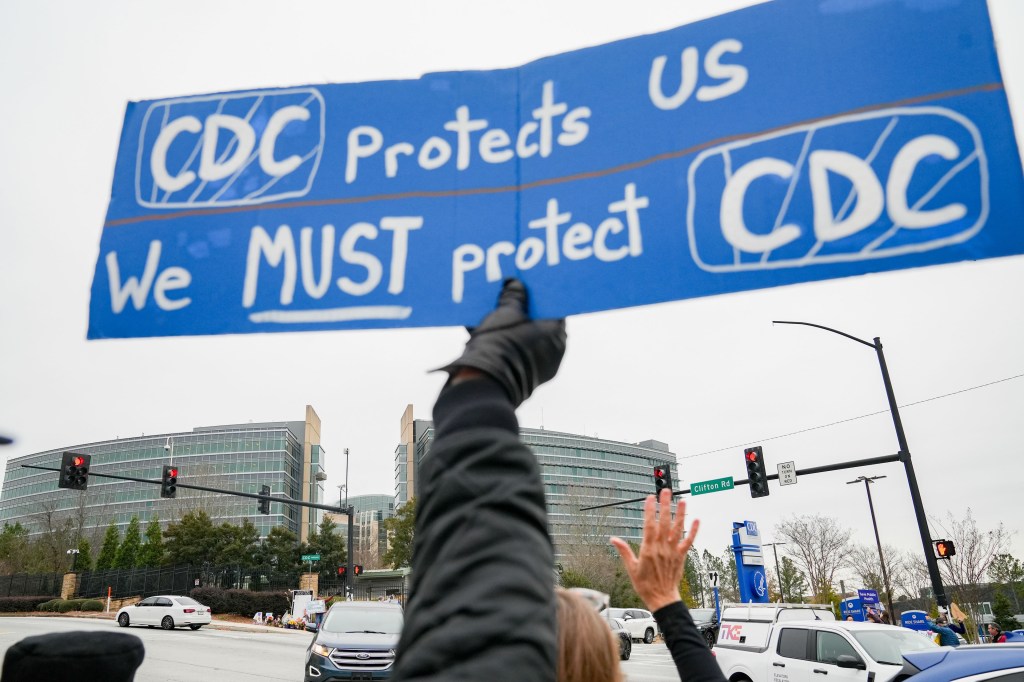
- Demoralized CDC Workforce Reels From Year of Firings, Funding Cuts, and a Shooting
- An Arm and a Leg: Steep Health Care Costs Steer Americans to Tough Decisions

- Qualified Health locks in $125M in fresh funding to scale enterprise AI at health systems
- Misery Loves [Investment] Company?: Remarks at the 2026 Investment Company Institute Investment Management Conference
- Study: Nearly 1 in 5 pediatric hospital deaths involve sepsis
- Opening Remarks at the Digital Asset Summit 2026
- CVS Caremark, FTC reach settlement in insulin pricing case
- UCB unveils plan to build $2B biologics plant near its US headquarters in Atlanta
- PeaceHealth sued over plans to tap out-of-state staffer ApolloMD for Oregon EDs
- New Lyme Disease Vaccine Shows Strong Results in Trial
- TrumpRx Adds Diabetes, COPD Drugs at Steep Discounts
- Highmark reports $175M net loss for 2025 as financial headwinds batter health plan
- Listen to the Latest ‘KFF Health News Minute’
- Abivax hires commercial chief from Takeda to infuse Entyvio expertise into IBD launch prep
- ImmunityBio hit with FDA warning letter over Anktiva promotions in TV ad, podcast episode
- Alcohol Prep Pads Recalled Over Bacteria Risk, Cardinal Health Says
- Fewer patients traveled for abortions in 2025 as telehealth care increased, report finds
- Cologuard campaign reunites ‘Full House’ stars to give ‘The Talk’ about colon cancer screening
- Lilly to remove certain insulin products from European markets by 2027
- Karyopharm, looking to jump-start Xpovio, reports mixed results in myelofibrosis
- Study Warns Fluoride Bans May Raise Tooth Decay in Children
- WuXi Bio's record number of new projects in 2025 leaned heavily on US clients
- “Me engañaron”: agentes encadenan a un padre que había ido al ICE a reunirse con sus hijos

- Gilead inks Manta pact to dive deeper into cancer patient support
- Cheap Children's Clothing Tainted With Lead, Study Says
- Insulin Prices Fell For Medicare Patients Under Biden-Era Caps, Study Finds
- New Fathers Face Mental Health Challenges, Study Finds
- Your Choice Of Booze Influences Your Risk Of Death, Study Says
- AI Gets a 'D' When Judging Scientific, Medical Claims
- New Online Tool Helps Parkinson's Patients Weigh Brain Implant Decision
- AI chatbot use for health information up 16% from 2024: Rock Health survey
- ‘They Tricked Me’: A Father Was Chained After He Went to ICE To Reunite With His Kids
- Wilmington PharmaTech commits $50M to US API expansion
- Strides recalls nearly 90K bottles of children's ibuprofen after contamination complaints
- Trump administration unveils national policy framework for AI as it moves to override state laws
- Breast Cancer Locator System Submitted for De Novo 510(k) by Cairn Surgical
- Breast Cancer Locator System Submitted for De Novo 510(k) by Cairn Surgical
- 17 spine surgery firsts in Q1

- 17 spine surgery firsts in Q1
- Cencora acquiring EyeSouth Partners' retina business for $1.1B
- Aunque tengas seguro dental, la factura puede ser muy alta

- Massive class action seeking RICO penalties against Takeda, Lilly presses forward with SCOTUS order
- A look at how Optum Rx is using AI to address pharmacy fraud, waste and abuse
- Nursing Homes Accused of False Diagnoses To Hide Drug Use
- FDA Approves Higher-Dose Wegovy To Help People Lose More Weight
- Teens Often Pressured To Send Sexual Photos by Someone They Know, Study Finds
- CommonSpirit, Humana reach 3-year national network agreement
- Match Day 2026: Growth in emergency medicine, psychiatry
- Nearly 90,000 Bottles of Children’s Ibuprofen Recalled Nationwide
- FTC launches multi-bureau Healthcare Task Force to spot 'new priority areas for enforcement'
- Algunos adultos de mediana edad deciden posponer la atención médica hasta tener Medicare

- ¿Qué tan bajo se puede llegar? Las cambiantes guías para el control de la presión arterial

- Rural hospitals could apply for temporary interest-free construction, renovation loans under new bipartisan bill
- Rural Residents Have Highest Cancer Death Rates, Researchers Say
- Your Bank Account Might Show How Well Your Brain Will Age, Researchers Say
- Insurance Lapses Play Havoc With Diabetes Management, Study Shows
- Psychedelics Aren't Better Than Antidepressants In Treating Depression, Review Concludes
- A Nasal Swab for Alzheimer's? Duke Team Has One in Testing


The Democrats took control of the U.S. House in 2018 and the Government Accountability Office abruptly stopped disclosing their PPACA fraud investigation results. Now, 8 years later, the GAO is back investigating Obamacare for health care fraud. It is not a pretty picture:
https://www.gao.gov/products/gao-26-108742
Obamacare subsidies granted without documentation to 90% of fake accounts set up by government watchdog
By Victor Nava - December 3, 2025Affordable Care Act subsidies have been granted, without the required documentation, to 90% of fictitious applicants over the last two years, according to a damning government watchdog report released Wednesday.
The Government Accountability Office’s (GAO) preliminary findings of ongoing and covert testing of Obamacare found “fraud risks” in the federal ACA marketplace, specifically related to the healthcare program’s advance premium tax credit – a subsidy Democrats shut down the government over last month in a failed effort to extend the tax credit for three more years.
“The federal Marketplace approved coverage for nearly all of GAO’s fictitious applicants in plan years 2024 and 2025, generally consistent with similar GAO testing in plan years 2014 through 2016,” according to the government watchdog.
The GAO found evidence that fraudsters were using the same Social Security number to enroll in multiple ACA plans and extract more taxpayer-funded subsidies.
In plan year 2024, all four of GAO’s fake applicants received coverage with lower monthly premiums – thanks to $2,350 per month in Obamacare subsidies granted to insurers – despite not submitting “documentation to support Social Security numbers (SSN), citizenship, and reported income.”
The GAO upped the number of fake applicants to 20 in plan year 2025 and 18 still “remain actively covered as of September 2025.”
The subsidies that the 18 fake enrollees were approved for totaled “over $10,000 per month.”
Evidence of potential “misuse” of Social Security numbers, including dead people receiving coverage, was also discovered by the GAO.
In plan year 2023 alone, one Social Security number was used to receive subsidized insurance coverage “for over 26,000 days (over 71 years of coverage) across over 125 insurance policies.”
In 2024, 66,000 Social Security numbers were linked to more than a years’ worth of subsidized coverage.
GAO also compared Social Security numbers of the deceased to those that received tax credits and in 2023 and identified over 58,000 matches, including at least 7,000 people who died before coverage began.
The report explained that the Centers for Medicare and Medicaid Services, which oversees the federal marketplace for Obamacare, doesn’t bar a Social Security number already used for an enrollment to be used again – in order to allow people to get coverage in instances where identity theft takes place.
Top Republican lawmakers described the report as the “smoking gun” proving their claims that Obamacare is “broken.”
“GAO’s troubling report is the smoking gun that shows how this broken system, shielded by Democrat policies, has led to the federal government shoveling tens of billions of tax dollars to insurance companies through identity fraud and caused health care costs to skyrocket for all Americans,” House Ways and Means Committee Chairman Jason Smith (R-Mo.) said in a statement.
The GAO investigation was requested by Smith along with Energy and Commerce Committee Chairman Brett Guthrie (R-Ky.) and Judiciary Committee Chairman Jim Jordan (R-Ohio).
“Republicans have sounded the alarm on the flawed structural integrity of Obamacare and how Democrats’ failed policies to temporarily prop up the program have exacerbated fraud, hurt patients, increased the burden on American taxpayers, and artificially masked the true health care affordability crisis plaguing Americans today,” Guthrie said in a statement.
“The concerning findings from GAO’s report further confirm that Republican efforts to strengthen, secure, and sustain our federal health programs are critical and necessary to ensure access to quality health care at prices Americans can afford.”
Jordan said the report “confirms what we already knew: under Obamacare, hardworking Americans saw their premiums skyrocket and their healthcare choices shrink, all while fraud benefitted insurance companies.”
“Obamacare was built on lies and broken promises that hurt families and drove up costs,” the Ohio Republican added.
As part of deal Senate Democrats struck with Senate Majority John Thune (R-SD) last month to reopen the government, the upper chamber is expected to take up a vote on extending the pandemic-era ACA tax credit, which is currently set to expire at the end of the year.
The full GAO report runs 26 pages. Here are their very carefully worded highlights:
https://www.gao.gov/products/gao-26-108742
https://www.gao.gov/assets/gao-26-108742.pdf
Patient Protection and Affordable Care Act:
Preliminary Results from Ongoing Review Suggest Fraud Risks in the Advance Premium Tax Credit Persist
GAO-26-108742
Published: December 03, 2025. Publicly Released: December 03, 2025.Highlights
What GAO Found
Preliminary results from GAO's ongoing covert testing suggest fraud risks in the advance premium tax credit (APTC) persist. The federal Marketplace approved coverage for nearly all of GAO's fictitious applicants in plan years 2024 and 2025, generally consistent with similar GAO testing in plan years 2014 through 2016. GAO's covert testing is illustrative and cannot be generalized to the enrollee population.
- Plan year 2024. The federal Marketplace approved subsidized coverage for all four of GAO's fictitious applicants submitted in October 2024. In total, the Centers for Medicare & Medicaid Services (CMS) paid about $2,350 per month in APTC in November and December for these fictitious enrollees. For some, the federal Marketplace requested documentation to support Social Security numbers (SSN), citizenship, and reported income. GAO did not provide documentation yet received coverage.
- Plan year 2025. Of 20 fictitious applicants, 18 remain actively covered as of September 2025. APTC for these 18 enrollees totals over $10,000 per month. GAO continues to monitor the enrollments as part of its ongoing work.
More broadly, GAO's preliminary analyses identified vulnerabilities related to potential SSN misuse and likely unauthorized enrollment changes in federal Marketplace data for plan years 2023 and 2024. Such issues can contribute to APTC that is not reconciled through enrollees' tax filings to determine the amount of premium tax credit for which enrollees were ultimately eligible. GAO's preliminary analysis of data from tax year 2023 could not identify evidence of reconciliation for over $21 billion in APTC for enrollees who provided SSNs to the federal Marketplace for plan year 2023. Unreconciled APTC may not necessarily represent overpayments, as enrollees who did not reconcile may have been eligible for the subsidy. However, it may include overpayments for enrollees who were not eligible for APTC.
Overused SSNs. GAO's preliminary analyses identified over 29,000 SSNs in plan year 2023 and nearly 68,000 SSNs in plan year 2024 used to receive more than one year's worth of insurance coverage with APTC in a single plan year. CMS officials explained that the federal Marketplace does not prohibit multiple enrollments per SSN to help ensure that the actual SSN-holder can enroll in insurance coverage in cases of identity theft or data entry errors.
GAO's preliminary analyses also identified at least 30,000 applications in plan year 2023 and at least 160,000 applications in plan year 2024 that had likely unauthorized changes by agents or brokers. This can result in consumer harm, including loss of access to medications. In July 2024, CMS implemented a new control to prevent such changes, which GAO is reviewing in its ongoing work.GAO preliminarily identified weaknesses in CMS’s APTC fraud risk management as compared to leading practices. Specifically, CMS has not updated its fraud risk assessment since 2018 despite changes in the program and its controls. Further, CMS’s 2018 assessment may not fully align with leading practices, like identifying inherent fraud risks. Finally, CMS did not use its 2018 assessment to develop an antifraud strategy. Together, these weaknesses appear to hinder CMS’s ability to effectively and proactively manage fraud risks in APTC.
Why GAO Did This Study
The Patient Protection and Affordable Care Act provides premium tax credits to help eligible individuals pay for health insurance. The federal government can pay this credit directly to health insurance issuers as APTC. CMS estimated that it paid nearly $124 billion in APTC for about 19.5 million enrollees in plan year 2024. Consumers can enroll in insurance through the federal Marketplace independently or with assistance from an agent or broker.
Recent indictments highlight concerns about agent and broker practices in the federal Marketplace. Further, CMS reported that it received roughly 275,000 complaints in 2024 that consumers were enrolled or had insurance plans changed in the federal Marketplace without their consent.
GAO was asked to review issues related to fraud risk management in APTC. This report discusses preliminary results of ongoing GAO work related to (1) covert testing and (2) data analyses of enrollment controls in the federal Marketplace, as well as (3) CMS's APTC fraud risk assessment and antifraud strategy.
To perform this work, GAO created 20 fictitious identities and submitted applications for health care coverage in the federal Marketplace for plan years 2024 and 2025. The results, while illustrative, cannot be generalized to the full enrollment population. Additionally, GAO analyzed federal Marketplace enrollment data for plan years 2023 and 2024 and compared these data to federal death data and tax data. Finally, GAO assessed documentation related to CMS's fraud risk management activities against relevant leading practices.
Get MHF Insights
News and tips for your healthcare freedom.
We never spam you. One-step unsubscribe.
Sponsors
Friends of MHF





Kirsten DeVries
Tom & Karen Nunheimer
Steve Ahonen
Ron & Faith Bosserman
Marlin & Kathy Klumpp
Sign Up for MHF Insights to keep up on the latest in Michigan Health Policy