- New Orleans Takes Steps To Assess and Clean Lead in Playgrounds After Investigation

- States Change Custody Laws To Keep Children of Detained Immigrants Out of Foster Care

- Pfizer rebuked by FDA for misleading Adcetris ads on Facebook

- California judge dismisses Elevance’s No Surprises Act lawsuit against HaloMD
- Maine enacts law expanding scope of practice for independent dental hygienists
- NewYork-Presbyterian to enact behavioral health reforms, pay $500K in wake of investigation
- NYU awarded $5.5M to expand oral health center
- AI chatbots miss initial diagnoses 80% of the time: Mass General Brigham study
- NewYork-Presbyterian to pay $500K, enact behavioral health reforms in wake of investigation
- A new chapter at symplr: Venkat Kavarthapu named CEO to accelerate AI-powered growth
- 150+ healthcare organizations accepted into CMS’ ACCESS Model
- Real estate investment firm acquires 37K-square-foot outpatient center
- Smile Partners USA partners with Illinois dentist
- HCA’s outpatient growth over 3 years in 8 things to know
- Who controls the flow of physicians into medicine?
- Healthcare’s role clarity problem
- CommonSpirit cuts 1st-year RN turnover 41%
- Mississippi hospital could close June 15
- Mississippi hospital could close June 15
- FDA Reminds More Than 2,200 Sponsors and Researchers to Disclose Trial Results
- FDA Reminds More Than 2,200 Sponsors and Researchers to Disclose Trial Results
- Will AI finally free clinicians from the keyboard?
- What 5 ASC leaders are saying about anesthesia reimbursements
- 9 healthcare strikes in 2026
- California behavioral health hospital to add inpatient beds
- Freedom of Associations
- The hiring playbook actually working for ASCs in 2026
- Meet the CFOs of the 5 biggest ASC companies
- When “Fail First” Fails Patients: Why Step Therapy Exception Requests Matter More Than Ever
- 25 cardiology leadership appointments to know from Q1
- Why corporate dentistry gets a bad rap
- ECU dental school expands dental hygienist pipeline with new degree
- UCSF proposes 10-room outpatient center
- 8 dentists stepping into new leadership roles
- Pioneering exposure therapy psychologist dies
- How self-made are the 5 richest physicians
- Interfacing with our Inner Demons: Comments on the Division of Trading and Markets' Statement on Certain User Interfaces
- Louisiana Senate approves water fluoridation bill: 4 notes
- How University Hospitals swung to $190M in operating income after years of losses
- Nicklaus Children’s debuts sedation-free endoscopy
- CMS taps 150 digital health companies, providers for ACCESS Model
- 28% of dentists have added staff so far in 2026: Report
- Dental industry job growth flat in 2026: Report
- 22% of dentists have dropped insurers so far in 2026
- 10 providers seeking RCM talent
- Optum allows mental health NPs to offer transcranial magnetic stimulation
- National behavioral health association taps president, CEO
- Healthcare spending varies widely between metropolitan areas: HCCI
- CMS’ proposed pay bump inadequate, hospitals say
- Staff Statement Regarding Broker-Dealer Registration of Certain User Interfaces Utilized to Prepare Transactions in Crypto Asset Securities
- New Rules May Allow Broader Picks for CDC Vaccine Panel
- Second Meningitis Vaccine Doses Offered After U.K. Outbreak
- Crackdown on Vapes Falling Short, Report Finds
- Jasmine Rice Recalled Nationwide Over Possible Contamination
- From -2.2% to 16.5%: 37 health systems ranked by operating margins in 2025
- ‘We’re in it for the long haul’: How WVU is bucking the Medicare Advantage retreat
- 83 health systems ranked by annual revenue
- AI speeds up prior auth, coding while driving higher costs for health systems: PHTI report
- Thinking About A GLP-1 Drug? Your Genetics Might Determine How Well You'll Fare
- Fighting High Blood Pressure? Having A Team On Your Side Can Help
- Radon Gas Increases Risk Of Ovarian Cancer, Study Says
- Your Doctor Might Be Using The Wrong Test To Track Your Cholesterol, Study Says
- Losing Teeth May Lead to Weight Gain, Researchers Report
- Heart Risk Worse With Sleep Apnea That Varies Night-By-Night
- Lilly’s Jaypirca shows fixed-duration power in ‘ambitious’ phase 3 CLL trial win
- How To Make a High-Deductible Health Plan Work for You

- Pennsylvania Town Faces Fallout From Trump’s Environmental Rule Rollback

- CMS showcases first wave of digital health tools as questions about 'last mile' of adoption remain
- ViiV launches ‘Still Here’ campaign aimed at reminding young people about HIV
- Regeneron rides into radiopharma via $2.1B biobucks pact with Australia’s Telix
- How to Limit The Health Risks Posed by Polluted Air
- U.S. States Warm, But Not As Expected
- Rovner Recaps Medicaid Cuts’ Impact on Hospitals and Fields Caller Questions on Affordability

- CMS proposes mandatory hospital-bundled model for joint replacements
- CMS pitches 2.4% hospital pay bump, mandatory joint replacement model: 7 things to know
- UHS’ CEO-to-worker pay ratio over the past 5 years
- The Trump Administration Is Seeking Federal Workers’ Sensitive Medical Data. That’s Raising Alarms.
- 5 new university programs tackling behavioral health workforce gaps
- Texas Children’s gets $5M gift for behavioral health services
- Texas Children’s receives $5M estate gift for behavioral health
- CMS proposes 2.4% hospital pay increase, nationwide mandatory model rollout
- Proposed CMS rule would set prior auth deadlines for drugs
- How Evernorth's new Delaware specialty pharmacy facility highlights a broader care coordination approach
- VA program deploys 700+ VR ‘mental wellness’ kits
- HHS, after legal setback, updates ACIP charter to put more emphasis on vaccine safety
- HHS, after legal setback, updates ACIP charter to put more emphasis on vaccine safety
- Costco Recalls Cookies Over Missing Nut Allergy Warning
- CDC Pauses Release of COVID Vaccine Effectiveness Study
- Demand Surge Leads to Shortages of Estrogen Patches
- Statement Regarding Staff No-Action Letter to Bank of England
- Op-ed: Administrative fragility is costing healthcare more than we think
- UPDATED: Replimune to reduce workforce following 'disappointing' second rejection for melanoma prospect
- Title X Funding Restored, but New Rules Raise Concerns
- Function Health acquires mobile healthcare platform Getlabs to provide members with at-home lab tests
- The Healthcare Burnout Backlash (pt 3): How Workflow Redesign Is Helping Healthcare Organizations Offset Staffing Shortages
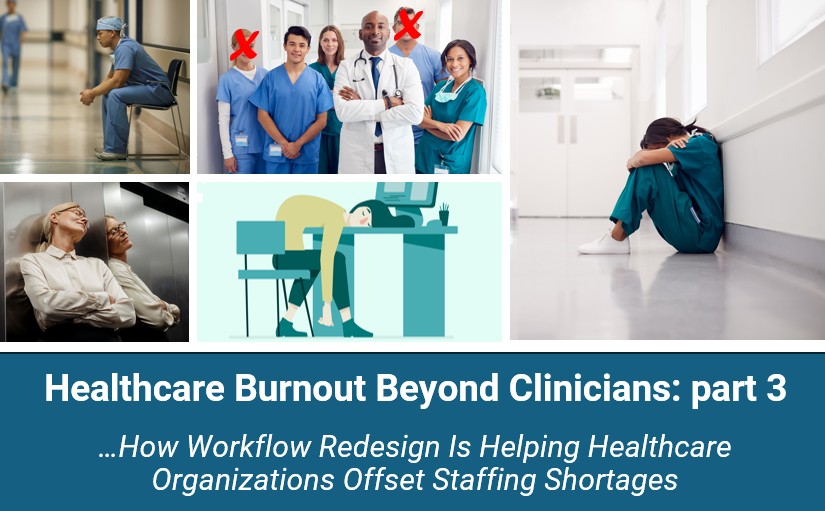
- The Healthcare Burnout Backlash (pt 3): How Workflow Redesign Is Helping Healthcare Organizations Offset Staffing Shortages
- BD Announced Application of CE Mark for the Liverty TIPS Stent Graft

- BD Announced Application of CE Mark for the Liverty TIPS Stent Graft
- Blackstone and TPG Complete Acquisition of Hologic; Names New CEO
- Blackstone and TPG Complete Acquisition of Hologic; Names New CEO
- Endospan Receives FDA Approval for the NEXUS Aortic Arch Stent Graft System
- Endospan Receives FDA Approval for the NEXUS Aortic Arch Stent Graft System
- InVera Medical Receives FDA Clearance for Non-Thermal Chronic Venous Disease Device

- InVera Medical Receives FDA Clearance for Non-Thermal Chronic Venous Disease Device
- How CVS Caremark is using innovative technology to simplify the prior authorization process
- Starting material sourcing bottlenecks increase US drug shortage risks: report
- Novartis cuts 114 more jobs at New Jersey HQ as restructuring rolls on
- Charles River flows into Boston to help AHA bridge cardiovascular health divide
- Your Brain Cares If Your Plant-Based Diet Is Unhealthy, Researchers Report
- Your Neighborhood Might Help Make You Old Before Your Time
- Heavy 'Forever Chemical' Exposure Before Birth Increases Childhood Asthma Risk, Study Finds
- High-Tech Magnets Offer New Hope for Veterans Battling Combat PTSD
- Early Diagnosis Key To ADHD Child's Academic Success, Study Finds
- Study Reveals Who Americans Think Should Pay for Elder Care
- Envision hires ConcertAI, IQVIA alum Nick Jones as its med comms president
- The top 10 pharma R&D budgets of 2025
- For Many Patients Leaving the ICU, the Struggle Has Only Just Begun

- Watch: As AI Makes More Health Coverage Decisions, the Risks to Patients Grow

- Bial launches ‘Dialogues with Parkinson’s’ campaign aimed at identifying early symptoms
- Novartis pumps up community health footprint to tackle heart disease and cancer
- Abbott survey finds ‘information overload, confusion and cost’ affecting health choices in US
- FDA accuses Amneal, BioCorRx of producing ‘false and misleading’ drug promos
- What the Health? From KFF Health News: Abortion Pills, the Budget, and RFK Jr.
- Epic rolls out health alerts to flag rising rates of illness at the county level
- Hospital M&A roars back to life in Q1 2026; Operating performances fray in February
- Fierce Pharma Asia—Takeda-Denali split-up; Merck, Zhifei's revised deal; Shionogi's made-in-US plan
- Brain Scans Reveal How Psychedelics Change Perception
- Benefits leaders report increased operational, financial costs amid 'digital health vendor sprawl': Solera survey
- Vanda initiates study of motion sickness drug Nereus in GLP-1 users
- Judge Allows Abortion Pill, Mifepristone, To Continue Being Mailed for Now
- Bangladesh Measles Outbreak Kills 100+ Kids, Emergency Shots Begin
- Regulatory burdens continue to mount for physician practices
- Omnichannel Has an Access Problem. Compliant AI Fixes It.
- Medicare navigation company Chapter banks $100M series E funding round
- Hair Growth Product, Tuymec Minoxidil Hair Growth Kits, Recalled Over Child Poisoning Risk
- Garda snaps up Assertio and chemo infection treatment Rolvedon in $125M deal
- AbbVie challenges 'outdated' 340B drug discount program guidance in new lawsuit
- AbbVie challenges 'outdated' 340B drug discount program guidance in new lawsuit
- Eli Lilly launches oral GLP-1 drug across US through Lilly Direct, telehealth providers
- Humana, Noom and Welldoc team up with b.well to expand health data access as part of CMS push
- America's Sexual Health Report Card Contains Some Surprises
- Years of Excess Weight, Not One Bad Checkup, Drive Heart Disease Risk
- There Are No Good Ways To Avoid Childhood Eczema But Many Treatment Options
- More Children, Teens At Risk From E-Scooter Crashes, Study Finds
- This Treatment Can Improve Your Odds Of Surviving C. Diff Infection
- Alzheimer’s Tests May Mask Risks for Women
- RFK Jr. launching health podcast to expose ‘hypocrisy’ and ‘corruption’
- RFK Jr. launching health podcast to expose ‘hypocrisy’ and ‘corruption’
- Advocate Health improves to 4% operating margin, $4.6B bottom line across 2025
- Farm Bureau Health Plans Beat the ACA on Prices With an Age-Old Tactic: Rejecting Sick People



Earmarks are provisions in appropriations bills that direct federal funds to specific projects or recipients, bypassing the usual Legislative and Executive Branch management of federal funding processes. They are used by members of Congress to direct money to local projects in their districts, many of which verge on comical.
Earmarks have a storied history of excess and bribery; and are associated with reckless deficit spending. House Republicans shut down earmarks in 2022, but the Senate never prohibited them. Now the House Appropriations Committee has relented and earmarks will be permitted in the FY 2027 funding bills:
https://rollcall.com/2026/02/25/labor-hhs-education-earmarks-are-back-in-house-with-limits/
Labor-HHS-Education earmarks are back in House, with limits
Guidance opens up bill’s Health Resources and Services Administration account for ‘community project funding’ aimed primarily at hospitals
By Aidan Quigley - February 25, 2026House GOP appropriators are allowing earmarks back into their chamber’s Labor-HHS-Education bill after barring them for the past three years, according to guidance that House Appropriations Chairman Tom Cole, R-Okla., released Wednesday for the upcoming fiscal 2027 cycle.
Unlike the Senate’s version, however, Cole’s guidance opens up only the bill’s Health Resources and Services Administration account for “community project funding,” which is largely used to provide funding to hospitals.
And the House has put significantly more restrictions on eligibility within that account, largely limiting the earmarks to just rural clinics and hospitals and Federally Qualified Health Centers, according to subcommittee guidance released Wednesday.
House Republicans had barred earmarks from the Labor-HHS-Education measure after they took back control of the House in the 2022 midterm elections. But the Senate has maintained the bill’s earmark eligibility, and the fiscal 2026 Labor-HHS-Education law includes just under $1.4 billion within those accounts, all from the Senate.
The Health Resources and Services Administration is the largest of the seven accounts eligible in the Senate, and that chamber included $844.5 million in HRSA earmarks for the current fiscal year.
For example, Labor-HHS-Education Appropriations Subcommittee Chair Shelley Moore Capito, R-W.Va., delivered three earmarks worth $15 million each, for renovation of the West Virginia University School of Dentistry, Charleston Area Medical Center technological upgrades and construction of a Marshall University Medical Simulation Center.
House Labor-HHS-Education Appropriations Subcommittee Chairman Robert B. Aderholt, R-Ala., led the push to return House earmarks to the bill, arguing that rural hospitals in his state could benefit.
“Right now, I can’t do anything to help out … a rural hospital,” he said. “I’ve got a lot of rural hospitals. We’re in areas that an earmark could be very beneficial to them.”
Differences from Senate
While the new House guidance takes a step in the Senate’s direction, it falls well short of allowing the wide variety of Senate earmarks that typically make their way into the mammoth Labor-HHS-Education bill.
Senate guidance for the current fiscal year allowed earmarks in the Education and Labor Departments, as well as a wider variety of Health and Human Services accounts.
And even the House earmarks permitted for the Health Resources and Services Administration would come with more strings attached than the Senate requires.
While the House guidance is mostly confined to rural hospitals, with some exceptions, the Senate has allowed earmarks for a wide variety of hospitals, health centers, clinics, skilled nursing facilities, mental health centers and more.
Only four categories of clinics and hospitals are eligible for House earmarks: certified rural health clinics, Federally Qualified Health Centers, Critical Access Hospitals, and rural hospitals. Federal Qualified Health Centers provide care to underserved communities, and are run by nonprofits or public agencies in both urban and rural environments.
The other three categories represent rural institutions. Critical Access Hospitals are largely rural, as they usually must be 35 miles from the closest hospital, according to the Centers for Medicare & Medicaid Services. For the rural clinics and hospitals, HRSA’s definition of rural includes counties with no urban area of 50,000 or more people.
Also barred from receiving funding in the House are any entities that perform or promote abortions, conduct research using embryonic stem cells and provide gender-affirming care. The Senate guidance this year contained no such restrictions.
Some House conservatives, who oppose all earmarks, are likely to be unhappy about the limited expansion. But appropriators may have lessened pushback by only opening up the HRSA account, and not matching the Senate’s more wide-ranging eligibility.
Lawmakers will also be able to request 20 projects each, up from 15. Cole said earlier this month that increasing the number of projects would give lawmakers “more options,” though the overall cap on earmarked spending for House lawmakers is remaining at 0.5 percent of total federal funding.
Cole also released guidance for “programmatic” funding requests, or member asks involving overall funding for individual programs in fiscal 2027 spending bills, as well as for language in explanatory reports.
Senate appropriators haven’t released their own guidance yet for the upcoming spending bills.
Get MHF Insights
News and tips for your healthcare freedom.
We never spam you. One-step unsubscribe.
Sponsors
Friends of MHF





Kirsten DeVries
Tom & Karen Nunheimer
Steve Ahonen
Ron & Faith Bosserman
Marlin & Kathy Klumpp
Sign Up for MHF Insights to keep up on the latest in Michigan Health Policy