


Michigan healthcare freedom community forum

Undoing one of the Trump healthcare reforms.
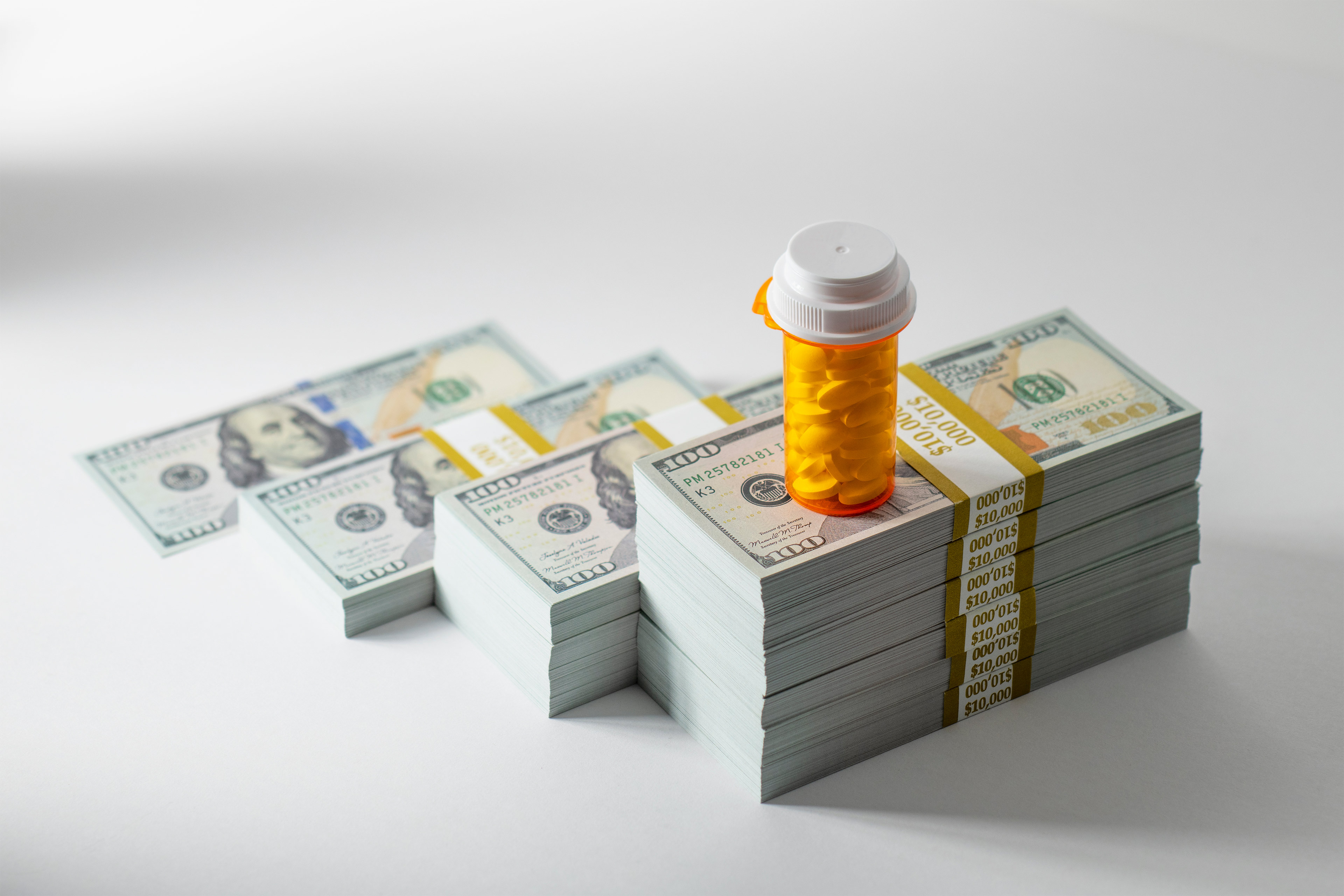
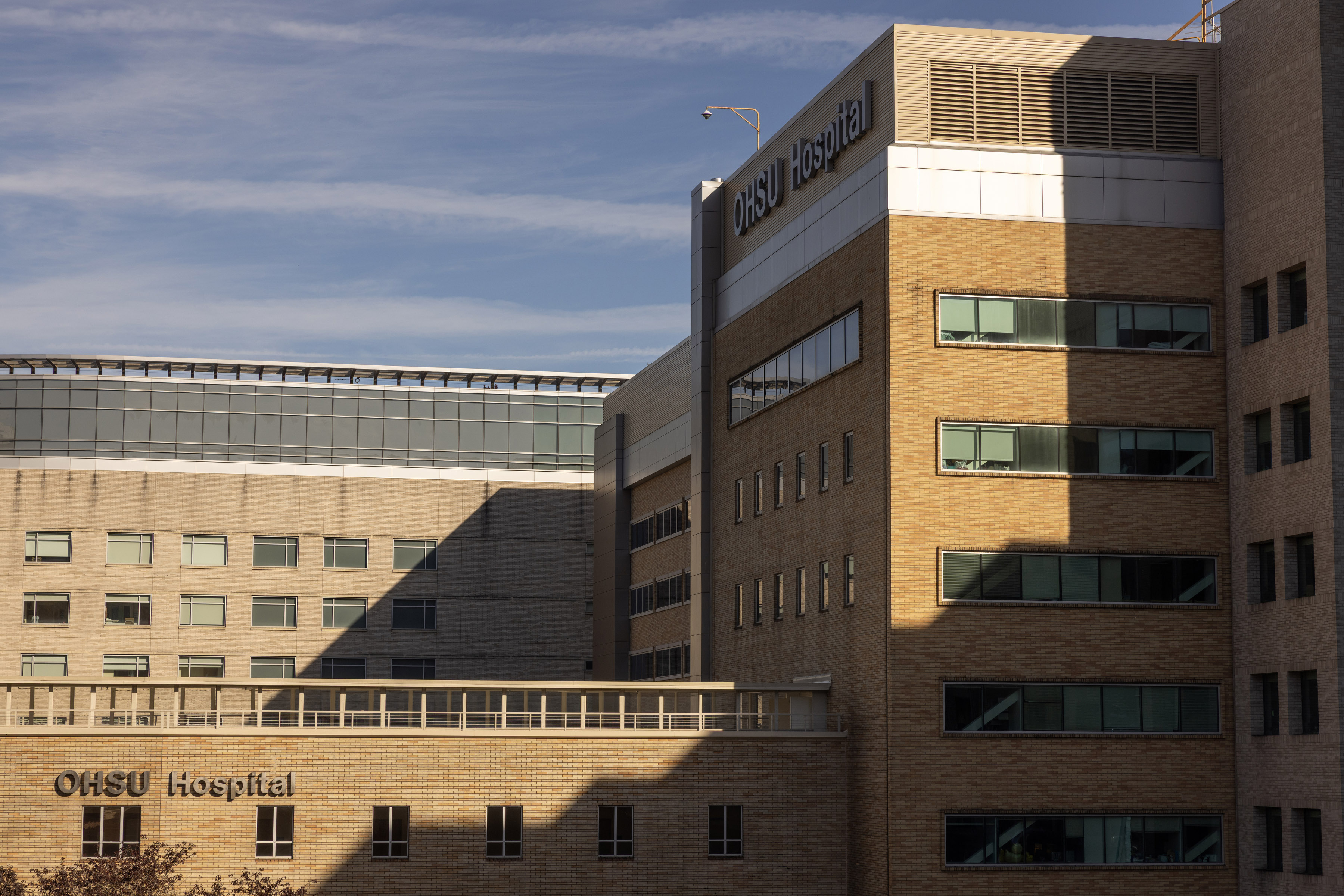
Crains Business Grand Rapids breaks the story of SCOTUS decision on the tug-of-war between hospitals and 340Bs, a "back door" reimbursement program.
Michigan hospitals will recoup millions after Supreme Court decision
University of Michigan Health is expecting a $73.7 million lump sum payment from the U.S. government related to a federal drug pricing program that has been reversed by the High Court.
Dustin Walsh is a senior Crain's reporter covering health care with a focus on industry change and operations, as well as the state's emerging cannabis industry.
The ball is now in Congress's court. If they want future federal cost savings to balance 430B hospital takings, they'll have to put the reversed policy clearly into law.
Beckers Health roundup of 340B twists and turns since the OP. Amazing what an active executive can do.
https://www.beckershospitalreview.com/pharmacy/hhs-seeks-feedback-on-340b-rebate-model/
HHS seeks feedback on 340B rebate model
Ella Jeffries | February 13th, 2026
HHS is weighing whether to redesign its 340B rebate model pilot program after two federal court rulings blocked its implementation and the agency formally agreed to abandon the initiative.
On Feb. 13, the Health Resources and Services Administration issued a request for information to gather input from stakeholders on a potential rebate-based model under the 340B Drug Pricing Program. Comments are open through March 19.
Aimee Kuhlman, vice president of advocacy and grassroots at the American Hospital Association, said the group “welcomes HRSA’s attempt to gather detailed information about the impact of a rebate model.” She said HHS should reconsider policies that shift costs to hospitals serving vulnerable communities.
The original pilot program, announced in August, would have shifted 340B hospitals from upfront drug discounts to a rebate model requiring them to pay full market prices and seek reimbursement later. The American Hospital Association and other plaintiffs sued, arguing the change would impose hundreds of millions of dollars in added costs and jeopardize care for rural and underserved communities.
The U.S. District Court for the District of Maine issued a preliminary injunction Dec. 29. The 1st U.S. Circuit Court of Appeals denied the government’s request for a stay Jan. 7. In a Feb. 5 filing, HHS said further litigation would not be “fruitful” and asked the court to remand the issue to HRSA. On Feb. 10, the district court vacated and remanded the program and related approvals back to HHS.
Any new rebate program would require public notice, a comment period and a delayed effective date of at least 90 days after announcing any manufacturer approvals.
Get MHF Insights
News and tips for your healthcare freedom.
We never spam you. One-step unsubscribe.
Sponsors
J & DE Family Charitable Fund

Friends
of MHF

Kelly Grotendiek
Philip Harbach
Dale Johnson
Drs. Jeffrey and Joni Jones
Vickie Kahle
Tammy Kipen
Marlin & Kathy Klumpp
Melanie Kurdys
Ruth Nobel
Patrick Peterson
Stephanie Poortenga
Jeanne Smit
Ben and Hope Staal
John Tuinstra
Jacki VanHuis
Sandy Walker
Sign Up for MHF Insights to keep up on the latest in Michigan Health Policy