- The Healthcare Burnout Backlash (pt 1): Burnout Reaches Well Beyond Clinicians
- The Healthcare Burnout Backlash (pt 1): Burnout Reaches Well Beyond Clinicians
- Even Mild Oxygen Loss in Preemies' First Hours Poses Lifelong Brain Risks: Study

- 12 oral surgery updates in 2026
- 5 ASC, MOB deals in California
- Hidden OR capacity challenges: 8 perioperative leaders on what’s draining surgical time
- The Aspen Group’s 3-year growth recap: 40 moves
- Florida State University set to acquire Tallahassee hospital
- How Confusing Financial Journeys Undermine Revenue and Trust
- How Confusing Financial Journeys Undermine Revenue and Trust
- Misalignment, Not Malice: Rethinking Generational Conflict in Healthcare
- If AI ‘adds friction, it fails’: How Mayo Clinic scales technology
- As maternity units close, AdventHealth restores OB care in rural Kansas
- Oklahoma officials warn of new opioid
- The new metrics of healthcare technology ROI: What matters to healthcare leaders
- Hoag to launch transplant center in 2027
- MercyOne hospital to transition labor and delivery services
- MercyOne hospital to transition labor and delivery services
- Southeast metros lead US population growth as national gains slow
- 8 Medicare Advantage numbers to know in 2026
- 17 Senate Dems push back on 2027 ACA proposal
- Providence hospital closes inpatient pediatric unit
- Michigan finalizes Medicaid mental health assessment policy changes
- 10 financial notes on USPI’s growth over the past 3 years
- 15 new orthopedic practice, center openings in Q1
- The oral surgery technological revolution
- From Anxiety to Action: How Ambulatory Leaders Are Rebuilding Margins in 2026
- Where GI training may fall short
- What it took to become the world’s first ASC to offer Stryker’s robotic knee tech
- Medtronic’s win in spinal cord stimulator lawsuit upheld
- How the Trump Administration Uses Migrant Kids To Find and Detain Family Members
- Heartland Dental’s 3-year growth recap: 30+ moves
- Cencora’s $10B+ physician acquisition spree: A breakdown
- Tennessee physician practice acquired
- The FTC is coming for healthcare consolidation: 10 things physicians need to know
- Adventist Health sees momentum from insourcing revenue cycle operations
- Oral GLP-1s, COVID preventatives: 3 more drugs in the pipeline, Optum says payers should watch
- Unlicensed dentistry cases, DSO deals, legislation & more: 10 dentistry updates in Virginia
- Missouri system debuts mobile behavioral health unit
- Yale researchers study GLP-1’s potential for SUD
- Texas dental school receives $6.5M to expand pediatric dental, medical programs
- North Carolina autism provider to expand therapy access
- $3M Verdict Links Social Media to Anxiety and Depression
- West Virginia hospital to end OB delivery services
- 6 DSOs making headlines
- California hospital’s finances improve, cash position remains ‘dire’
- 1 in 5 metro markets face inpatient monopoly: 7 notes
- Minnesota system faces uncertainty amid Medicare delays
- Ohio county approves behavioral health crisis center plan
- The White House Delays CDC Pick
- New COVID 'Cicada' Variant Is Spreading — What Experts Want You To Know
- Op-ed: Empathy meets efficiency—how the responsible use of AI can transform Medicare
- Family Caregivers Provide $1 Trillion In Annual Labor, AARP Says
- ‘Health Doesn’t Need to Be Ludacris’: Bayer signs rapper-actor to multivitamin campaign
- Rocket plots measured trajectory for new gene therapy Kresladi after clearance to launch from FDA
- Healthy Lab Results May Mask Future Risks for Kids with Obesity
- At-Home Chemotherapy Is Safe, Feasible, Pilot Study Indicates
- What You Do While Sitting Could Predict Dementia Risk
- New Cholesterol Guidelines: What Patients and Caregivers Need to Know
- Want A Bootlicking Yes Man? Ask An AI Chatbot For Advice, Study Warns
- Specially Coated Implants Better For Breast Cancer Patients, Study Finds
- Trump Team Claims Successes Against ACA Fraud While Pushing for More Controls
- Give and Take: Federal Rural Health Funding Could Trigger Service Cuts

- Fierce Pharma Asia—Takeda’s $1.3B reorg; India’s GLP-1 floodgates; Gilead’s $2.2B buy of a China NewCo
- Where are you with EUDAMED?

- Where are you with EUDAMED?
- HL7 Launches Real‑Time Medical Device Interoperability Accelerator
- HL7 Launches Real‑Time Medical Device Interoperability Accelerator
- Two GA Tech ATDC Startups — Nephrodite and OrthoPreserve — Secure FDA Breakthrough Device Designation
- Two GA Tech ATDC Startups — Nephrodite and OrthoPreserve — Secure FDA Breakthrough Device Designation
- Artificial Intelligence: ROI, not Clinical Autonomy, Leads Operational Workflows
- Artificial Intelligence: ROI, not Clinical Autonomy, Leads Operational Workflows
- Medtronic and Merit Medical Systems distribution agreement for new, ViaVerte basivertebral nerve ablation system
- Medtronic and Merit Medical Systems distribution agreement for new, ViaVerte basivertebral nerve ablation system
- Breakthrough Device Designation for Noah Labs Vox Heart Failure Detection Device
- Breakthrough Device Designation for Noah Labs Vox Heart Failure Detection Device
- Why private practice dentistry needs a better model
- CareQuest Innovation Partners, Kno2 collab on medical-dental data integration
- Nonprofit highlights rural opioid care strategies
- Vitana Pediatric & Orthodontic Partners adds Florida practice
- What the Health? From KFF Health News: A Headless CDC
- 20 behavioral health leaders challenge industry assumptions
- Recordati confirms it's weighing CVC Capital buyout offer of $12.6B
- 3 California behavioral health centers to close amid funding shifts
- Indiana bars autism therapy provider from Medicaid billing: Wall Street Journal
- UnitedHealth shareholder sues over proposal to include details on integration in annual proxy
- SCAN taps biopharma, CMS vet Aman Bhandari as its first chief AI officer
- Infosys to acquire Optimum Healthcare IT in $465M deal
- DOJ alleges NewYork-Presbyterian forces payers into anticompetitive 'all-or-nothing' contracts
- FDA Warns Biotech Firm Over Cancer Drug Anktiva Claims
- Bees and Hummingbirds May Be Consuming Small Amounts of Alcohol
- Two States Sue Cord Blood Company Over Misleading Claims
- New WHO Guidance Aims To Speed Tuberculosis Testing
- As questions swirl around ATTR competition, Alnylam plots path to market leadership for Amvuttra
- Trump admin delays nomination for new CDC director past deadline
- Outspoken ACIP member steps down amid vaccine panel uncertainty: reports
- Egg-based drugmaker Neion Bio emerges from stealth to cook up multi-product biosimilar collab
- Genentech walks the walk in lupus as sponsor of annual awareness and fundraising event
- Study Reveals How Many Americans Consider Using a Gun
- Massive Study Finds Stress and Grief Don’t Cause Cancer
- Ultra-Processed Foods Harm Fertility In Both Men And Women, Studies Reveal
- Small Daily Habits Can Add Up To Better Heart Health
- Ritalin Might Protect ADHD Kids' Long-Term Mental Health, Study Finds
- Can You Drink Enough Fluids To Prevent Kidney Stones? Maybe Not, New Study Says
- Clasp, loan-linked hiring tool for employers, clinches $20M to expand amid federal loan caps
- Taking a GLP-1? Doctors Say Not To Forget About Movement and Mental Health

- OpenEvidence rolls out AI medical coding feature
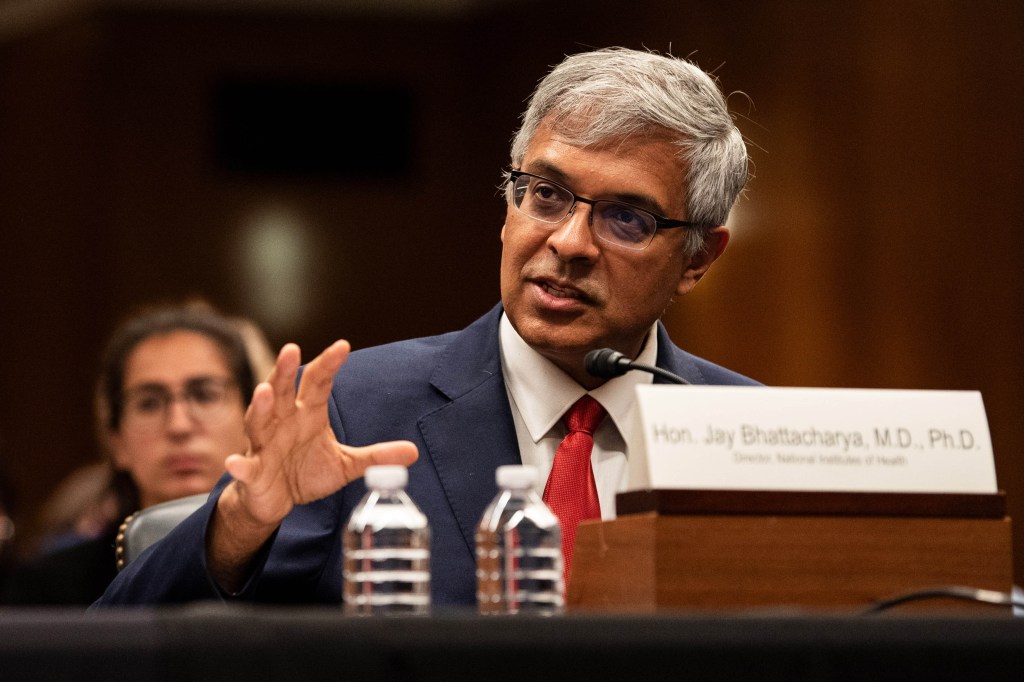
- CDC’s Acting Chief Promises a Return to Stability in a Tumultuous Moment
- Remarks at the Financial Stability Oversight Council Meeting
- RWJF: Between 5M and 10M people could lose Medicaid coverage in 2028 under work requirements
- New therapy animal program aims to support 100K patients, providers
- Pulse check on Lilly's GLP-1 fortunes
- Gen Z nurses prioritize schedule flexibility, need more manager interactions to avoid turnover
- How pharma marketers can capitalize on HCPs’ AI, social media and streaming habits
- Federal Officials Investigate States That Require Abortion Coverage
- Corcept's lead drug bounces back from FDA snub with different approval as Lifyorli in ovarian cancer
- Ionis slashes Tryngolza's price tag by 93% ahead of anticipated label expansion
- FDA approves Denali's Hunter syndrome drug, handing rare disease community a win
- Baby Walkers Sold on Amazon Recalled Over Fall Risk
- Want To Protect Your Brain? Science Says Exercise
- HelloFresh Pizza Recall Issued in 10 States Over Metal Risk
- Clinical Trials Have Too Much Data…That’s the Problem.

- Clinical Trials Have Too Much Data…That’s the Problem.
- CMS reveals new Medicaid model that supports coordination for children with complex needs
- Novartis sued by breast cancer patient over branded drug websites’ data-sharing practices
- Takeda targets $1.3B in cost savings in further restructuring
- Biogen pays $20M upfront to tap into Alteogen's subQ delivery tech
- 'Universal Donor' Blood Supplies Dangerously Low, Study Warns
- Why Stepping Outside May Help You Eat Better
- U.S. Medicine, Science Facing An Online Misinformation Siege, Poll Concludes
- Childhood Obesity Undercuts The American Dream For Some, Study Says
- Inclusive High Schools Benefit All Students, Not Just LGBTQ Teens
- Parental Loss Due to Drugs, Violence Raises Child Death Risk by 2,000%
- As Boehringer touts US launches, board chairman worries EU is 'falling further behind'
- The evolving state of exome and genome sequencing
- An Arm and a Leg: Steep Health Care Costs Steer Americans to Tough Decisions

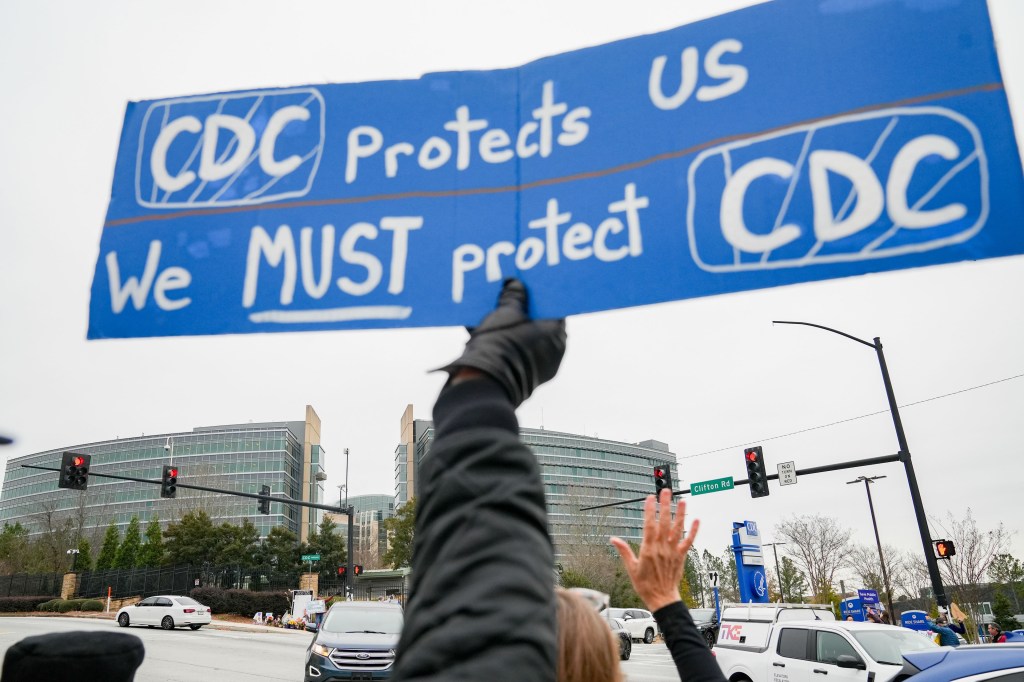
- Demoralized CDC Workforce Reels From Year of Firings, Funding Cuts, and a Shooting
- Qualified Health locks in $125M in fresh funding to scale enterprise AI at health systems
- Misery Loves [Investment] Company?: Remarks at the 2026 Investment Company Institute Investment Management Conference
- Study: Nearly 1 in 5 pediatric hospital deaths involve sepsis
- As expansions come online, CDMO Hovione aims to meet industry's 'dual supply and sourcing' zeal: exec
- Opening Remarks at the Digital Asset Summit 2026
- CVS Caremark, FTC reach settlement in insulin pricing case
- UCB unveils plan to build $2B biologics plant near its US headquarters in Atlanta
- PeaceHealth sued over plans to tap out-of-state staffer ApolloMD for Oregon EDs
- New Lyme Disease Vaccine Shows Strong Results in Trial
- TrumpRx Adds Diabetes, COPD Drugs at Steep Discounts
- Highmark reports $175M net loss for 2025 as financial headwinds batter health plan
- Listen to the Latest ‘KFF Health News Minute’
- Abivax hires commercial chief from Takeda to infuse Entyvio expertise into IBD launch prep


Michigan's state government is not alone in facing a shutdown due to failed FY2026 budget negotiations. The federal government has the same budget drop dead date as Michigan and federal negotiations are equally acrimonious. The federal negotiations are stymied by huge cost increases in PPACA Obamacare subsidies which Republicans believe are a consequence of corruption and Democrats see as a critical safety net. It should be noted that the federal budget impasse feeds back into Michigan's own budget impasse. Michigan's state government depends upon the Feds for 40% to 50% of its budget funds.
James Varney has posted an investigation of the stalled federal budget negotiations:
The Obamacare Sweeteners Poisoning Budget Negotiations
By James Varney - September 25, 2025RealClearInvestigations
Halloween could come early this year. The Democrats have named their price to avoid a government shutdown come October – an additional $350 billion for healthcare over the next decade. Critics say a big chunk of that money may go to ghosts.
At issue are the generous subsidies the Biden administration created for Affordable Care Act policies, sweeteners that are slated to expire in December. Making healthcare essentially free for millions of Americans, those policies have skyrocketed enrollment in Obamacare plans. But a recent study found they have also sparked a curious phenomenon: an estimated 12 million enrollees “without a single claim – no doctor visit, lab test, or prescription filled” in 2024.
The Paragon Health Institute study reports that this is triple the number of no-claim policyholders before the Biden sweeteners were put in place. “Among those now eligible for zero-premium plans with low or no deductible,” the study found, “that number increased nearly sevenfold. … A whopping 40 percent of enrollees in fully subsidized plans had no claims in 2024. In 2024 alone, taxpayers sent at least $35 billion to insurers for people who paid no premiums and never used their plan,” the report said.
Although many analysts suspect that these numbers suggest widespread fraud, Democrats and the insurance industry argue that they reflect consumers taking advantage of affordable coverage. They warn that the expiration of Biden-era reforms will make policies far more expensive for more than 20 million Americans. “If Congress fails to extend the health care tax credits, millions of Americans will face immediate and severe premium increases, leading many to forgo coverage altogether,” said Chris Bond, a spokesman for AHIP, the lobbying arm of the health insurance industry. “Congress must act as quickly as possible to protect Americans from this affordability crisis.”
As Democrats have made healthcare their line in the sand to avert a partial government shutdown on Oct. 1, Biden-era expansions of Obamacare are receiving new attention as a symbol of both expanding access to healthcare and of spending run amok.
Critics say they underscore the findings of the Department of Government Efficiency (DOGE), which has highlighted a lack of accountability in massive government spending programs at a time when the federal government is struggling to corral massive deficits and debt. They say the Biden sweeteners also illustrate how and why government spending keeps increasing: Once a subsidy is put in place, it is hard to take it away from voters.
Swollen Rolls
The Obamacare expansion at issue came about through legislation and regulations during Biden’s term and was often cast as a response to the COVID pandemic. First, the scope of who was eligible for subsidies was broadened, making it available to households with incomes above 400% of the federal poverty line – making a family of four earning up to $160,000 eligible for subsidized plans. Also, increased subsidies made Obamacare free for those with incomes between 100% and 150% of the poverty line, and longer enrollment periods were created.
The cost for this, on the other hand, is borne by taxpayers.
“Biden’s COVID credits didn’t reduce health care costs – they just shifted them to taxpayers while padding insurer and enrollment intermediary profits,” Paragon President Brian Blase said.
Like all gigantic markets and massive government programs, the Affordable Care Act and what people pay each month have become a very complicated thing, varying by age, state, level of plan, and other factors. But the figures for the Obamacare “reference plan” (silver level) reveal what has happened since the COVID pandemic.
In 2021, when Biden was inaugurated, that basic plan cost an individual $27 a month if they reported income along the federal poverty line, which stood around $14,500 a year. For those making 50% more, the “reference plan” cost $75 a month, and so on up to $152 a month for someone making more than $30,000. Those monthly payment figures were constant regardless of what the insurers charged, with taxpayers making up the difference.
Through legislation Biden pushed through by narrow majorities or via reconciliation, the amount someone would pay each month in the first two categories dropped to zero. And as Obamacare became essentially free, millions signed up – enrolling at rates the plan had never seen since its inception in 2013.
The overall figures reflect this explosion. Between 2016 and 2020, an average of 8.5 million people signed up for a subsidized Obamacare policy each year, and in none of those years did the figure equal 9 million, according to the Center for Medicare and Medicaid Services (CMS).
In 2021, however, the subsidized total topped 10 million, and by 2024 it had nearly doubled to 19.5 million, CMS figures show.
“It’s all counter-intuitive, that when enrollment isn’t being publicized, no one is out beating the bushes to get people enrolled like we had in the early years of Obamacare,” said Ed Haislmaier, a healthcare expert at the conservative Heritage Foundation. “Amazing, that a product’s sales would go through the roof when nobody was talking about it.”
Some analysts believe the numbers indicate rampant fraud. Blase claimed in a letter to the Wall Street Journal that the expansion has created an explosion of phantom patients – including 6.4 million of them so far in 2025. “The problem isn’t real people with coverage they don’t use – it’s fraudulent sign-ups who never should have been subsidized.”
Haislmaier agreed, “We don’t have an exact number for how many people might be fake, I don't think anyone does,” said Ed Haislmaier, “What we do have is a lot of circumstantial evidence, a lot of data points, and a lot of information about how the markets have always operated to suggest there is massive fraud here.”
Feds Smell a Rat
Paragon is not the only group voicing concerns. It often seems like fraud is endemic in federal programs, and government healthcare appears to offer a rich vein for such activity.
In fact, CMS itself has warned of potentially rampant fraud and abuse sapping taxpayers through the revamped Obamacare exchanges. CMS focused on people unwittingly signed up for more than one plan, possibilities that multiplied when the Biden administration relaxed reviews of applicants and extended open enrollment periods.
CMS found in July that 2.8 million Americans were potentially enrolled “concurrently” in Medicaid and the Children’s Health Insurance Plan (CHIP) in more than one state, or on one of those federal programs plus the Obamacare exchange, resulting in inexplicable overlaps that could cost taxpayers $14 billion a year.
CMS insists its analysis is helping identify such problems, and that it is working with states and exchanges to strengthen eligibility verification processes and clean up enrollment data. The Trump administration has instituted some safeguards, such as sending state Medicaid agencies and state-based exchanges a list of individuals with possible concurrent enrollments so they can cross-check appropriate eligibility.
Opponents of expanded subsidies note that when the government makes a deep pool of money available, as has happened with the ACA, fraud is sure to follow. In June, Bloomberg did a deep dive on the phenomenon, describing a rat’s nest of unscrupulous call centers, primarily based in Florida, that have lured people in with various gimmicks and then signed them up for subsidized plans.
What’s more, those licensed to sell plans had access to Obamacare exchange databases, which allowed them to change both the “agent of record” (thereby making themselves recipient of whatever bonus insurers paid for new signups), or the plan a person was enrolled in (thereby increasing their commission and the taxpayers’ bill), according to Gabrielle Kalisz, one of the authors of Paragon’s report.
Consequently, millions of Americans may be unaware that they own a subsidized Obamacare policy, and horror stories abound of unsuspecting people hit with tax bills seeking to recoup the subsidies.
“Nobody seems to have an incentive to be a good actor in the process,” Kalisz said. “The insurance companies are perfectly happy to keep getting the rising premiums, the navigators or agents are happy to keep getting the commissions, and Obamacare supporters are happy to act as if all this reflects people getting coverage.”
Nor are the so-called “phantom enrollees” the only issue. For example, the numbers don’t add up when percentages of state populations according to census data are measured against the Obamacare subsidies. Fourteen states have more people enrolled at up to 150% of the federal poverty line than they do residents who fit that category, and Florida’s total is five times what census data shows it could be.
“The enrollment fraud has become a massive problem,” said Michael Cannon, a healthcare expert at the libertarian Cato Institute. “The program has become like a great big ATM spitting out checks, and there’s very little policing going on because the government doesn’t care as much as it should about other people’s money.”
The new figures also diverge from what has been fairly consistent behavior in healthcare markets – another red flag, Haislmaier said. In 2019 and 2020, less than a quarter of policyholders never filed a claim. And the huge increase in so-called “phantom enrollees” doesn’t appear in market segments other than the now highly subsidized Obamacare plans.
Such figures make no sense if they reflected genuine people aware of what coverage they were enrolled in, and bogus enrollment activity offers a clear explanation.
“This whole situation has been ideal for the fraudster,” he said. “Now you’ve got more enrolled than are eligible, subsidized plans spiking and non-subsidized plans flat. These are just all indicators that there is something whacky going on here.”
Subsidies or Shutdown?
All of this is informing the partisan debate over healthcare and efforts to fund the government after the current fiscal year ends on Sept. 30.
Republicans, including some who got fabulously wealthy through the healthcare system, like Florida’s Sen. Rick Scott, have said extending the subsidies is ruinously expensive and foolhardy, given what has happened since they were introduced.
“COVID opened the door for massive waste, fraud, and abuse of government programs, like the billions in fraud and abuse allowed by the ‘temporary COVID’ enhanced Obamacare subsidies,” Scott posted last week. “Americans don’t want their tax dollars lining the pockets of insurance companies – it’s time to end this clear abuse of YOUR dollars.”
Scott drew attention to a Sept. 15 post by Wisconsin Republican Sen. Ron Johnson that made much the same point: “Extending the ‘temporary COVID’ enhanced Obamacare subsidies would perpetuate fraudulent activity, sending billions of dollars to insurance companies for policies that people are unaware they’re enrolled in and do not use,” he posted.
On the other side are Democrats who make strange political bedfellows of the insurance industry. Some who traditionally oppose big business, such as Massachusetts’ Sen. Elizabeth Warren or Vermont’s socialist Sen. Bernie Sanders, insist these recent subsidies must continue, preferably permanently. For them, the Obamacare rolls more than doubling – from 11.4 million to more than 24 million between 2020 and today – are a success sign of government-run healthcare.
Last week, Warren compared ending the subsidies to taking healthcare away from people.
“Still waiting to find out how Trump and Republicans think cutting health insurance for 15 million Americans makes America healthy again,” she posted on X Sept. 15.
Polls suggest support for government-subsidized healthcare is a partisan issue. Last November, Gallup reported that “ninety percent of Democrats say that the federal government is responsible for American healthcare coverage, while 65% of Independents hold the same view. Although only 32% of Republicans share that opinion.” Another survey found that among those receiving subsidies, people who voted for Democrats outnumber Republicans by more than two to one.
Insurers say the Paragon study was flawed and accused the think tank of misunderstanding how insurance works. It’s not unusual for homeowners or car insurance policy holders to go years without filing a claim, and the same could be true with healthcare, they say. According to the industry and Democrats, the ballooning numbers reflect a thriving market in which many more Americans are enjoying healthcare coverage, as stated in a rebuttal released by AHIP on Aug. 15.
The debate will come to a head in the next week or so. President Trump this week rejected a meeting with congressional Democrats whose spending ideas he derided as fantastical. Republicans want to let the subsidies expire; Democrats want to make them permanent.
Of course, that leaves some wiggle room, such as extending the subsidies for another year or some set period of time, a kicking-the-can option long favored by Congress. There have been some indications in the past several days that, public intransigence notwithstanding, negotiations might be ongoing.
Whatever the outcome, large subsidies that have always been part of Obamacare will continue. For all the hue and cry about rising costs, the elimination of Biden-era sweeteners would simply return the system to the way it was operating before 2021, Kalisz said.
“It’s crony math, a kind of corporate welfare,” she told RealClearInvestigations. “Why are the insurers now making it seem like all the subsidies are going away? It’s a form of scaring and spooking the public.”

Shutdown headlines from left-leaning MedPage Today's Morning Brew, followed by conservative strategy perspective from the Heritage Foundation.
Both are clipped for length.
https://www.medpagetoday.com/publichealthpolicy/washington-watch/117708
HHS will furlough 41% of its workforce -- responsible for critical public health messaging, contractor oversight, and medical research -- should Congress not prevent a looming government shutdown. (Reuters)
FDA workers would be exempted from mass firings under a government shutdown, agency chief Marty Makary, MD, MPH, said. (NOTUS)
Without a deal in Congress, millions of older adults could lose their access to telehealth. (Washington Post)
The HHS Office for Civil Rights referred Harvard University to the HHS office responsible for suspension and debarment decisions, saying Harvard violated Title VI by acting with deliberate indifference toward discrimination and harassment against Jewish and Israeli students.
Ongoing legal cases against Kenvue, the company that makes Tylenol, received a boost after President Trump's announcement last week about acetaminophen and autism. (NPR)
HHS Secretary Robert F. Kennedy, Jr. swore in Anthony Letai, MD, PhD, as director of the National Cancer Institute.
The Daily Signal: bold emphasis is mine.
President Trump’s Latest Government Shutdown Strategy Is a True Stroke of Genius
...
While Republicans have majorities in the Senate and House of Representatives, it takes 60 votes to pass key funding bills in the Senate, which means Republicans need at least seven Democrats to fund the government.
The Democrats’ Poison Pill
This go-around, Democrats are fighting to extend a higher threshold for health care subsidies originally passed as part of legislation to combat the COVID-19 pandemic.
The Affordable Care Act, better known as Obamacare, created subsidies to offset the costs of health care premiums. Obamacare limited those subsidies by income, offering premium subsidies to people whose incomes fall between 100% and 400% of the federal poverty level and cost-sharing subsidies to those with incomes between 100% and 250% of the poverty level.
In 2021, however, President Joe Biden’s American Rescue Plan Act temporarily lifted the 400% income ceiling for premium subsidies and reduced required premium payments for some enrollees, while entirely eliminating them for enrollees with incomes below 150% of the poverty level. These extra subsidies were set to expire after two years, but the 2022 Inflation Reduction Act extended them to 2025.
Even were these extra subsidies to expire, taxpayers would still foot the bill for 80% to 90% of the premiums for low-income Obamacare enrollees, but Democrats warn that allowing these extra subsidies to expire will leave millions unable to afford coverage.
Of course, not a single Republican voted for the original COVID-19-era subsidies, and Democrats cannot reasonably expect Republicans to champion a costly policy originally meant to address the pandemic, now that the pandemic is over.
Democrats are relying on the old canard of blaming Republicans for a shutdown, to paint Republicans as heartless and uncaring.
That’s where President Trump’s brilliance comes in.
Re-enter DOGE
The Republican legislation to fund the government is already a compromise. The House of Representatives passed a bill that would extend government funding at Biden-era levels, leaving many Republicans dissatisfied.
Yet most conservatives and fiscal hawks loved the impacts of the Department of Government Efficiency (or DOGE), which went through each federal agency identifying waste, fraud, and abuse. While Tesla CEO Elon Musk and former presidential candidate Vivek Ramaswamy promised to cut trillions in government funding and only ended up trimming billions, the effort exposed wasteful spending and made a dent in the operations of Big Government as usual.
So, this week, the White House Office of Management and Budget released a memo, telling federal agencies that if the government is going to shut down, they might as well make the most of it.
When the spending runs out, many government agencies run to a halt, and employees often forego their paychecks. Shutdowns can end up costing more than business as usual, however, because employees receive their paychecks with backpay after the government reopens.
While a shutdown will interrupt some key government services, the White House has a great degree of latitude to determine which services are “essential” and which are not. The U.S. military won’t go dark just because Congress can’t sign a check, for instance.
Those of us who remember previous government shutdown battles can vividly recall when President Barack Obama made a big show of closing down national parks during the 2013 government shutdown.
So, when the Office of Management and Budget directs agencies to “consider Reduction in Force (RIF) notices for all employees in programs, projects, or activities” that are “not consistent with the president’s priorities” in the shutdown, it stands to reason that this shutdown will bring about DOGE 2.0.
Democrats who have been marching with the American Federation of Government Employees (the largest union representing federal workers) and other unions, and declaring their solidarity with D.C. bureaucrats against DOGE might want to think twice about dying on the hill of COVID-19 Obamacare subsidies.
They’re already getting more concessions than they deserve when Republicans agree to fund the government at Biden-era levels. It speaks volumes that they’re willing to risk DOGE 2.0 just because they can’t trim “emergency” subsidies passed in the name of fighting the pandemic.
Thanks to Trump’s brilliant move, Republicans win if Democrats come back to the table and agree to cut the Obamacare subsidies, and they also win if obstreperous Democrats force a shutdown and bring about DOGE 2.0.
I’d prefer Congress find a way to keep the government open, but if Democrats die on this hill, I’d love to see the government get leaner and even more efficiently geared toward doing what is truly necessary—and trimming more of the bloat we conservatives have been identifying for years.
Despite all the happy talk in Lansing last week, Michigan still does not have a budget:
State of Michigan budget 2026: Will officials avoid a government shutdown?
By Bridge Staff - September 30, 2025
- The Michigan Constitution requires a balanced budget by Oct. 1. State officials are meeting to try to finalize a deal by midnight
- Gov. Gretchen Whitmer and legislative leaders announced a budget framework agreement last week but have not disclosed details
- A shutdown could jeopardize state services and force temporary layoffs for many of the state’s roughly 50,000 employees
LANSING — It’s deadline day at the Michigan Capitol.
The state constitution requires lawmakers and Gov. Gretchen Whitmer to have a balanced budget in place by the time the 2026 fiscal year starts at midnight. Failure to do so would trigger a government shutdown.
Here’s what we know about ongoing Michigan budget talks:
- Michigan Gov. Gretchen Whitmer, Democratic Senate Majority Leader Winnie Brinks and Republican House Speaker Matt Hall announced last week that they’d agreed to a budget “framework” to avoid a government shutdown.
- Officials have not yet released any details of that tentative deal, and lawmakers have yet to vote on any spending bills. The House and Senate are both in session starting at 10 a.m. It will likely be a long day.
- As of Monday, Whitmer’s office wouldn’t even say whether one of her marquee policies — universal free school meals — will survive the negotiations. “She wants to continue this program and is working with the Legislature to finalize the budget,” a spokesperson said.
- The deal is expected to include House-approved plans to impose a 24% wholesale tax on marijuana and delay the fiscal impact of some federal business tax breaks to help fund what Hall has said will be a $1.5 billion to $1.8 billion road funding plan.
- The Senate on Monday agreed to new earmark transparency rules pushed by the House.
- Early budget plans were far apart. House Republicans approved a $78.5 billion spending plan. Senate Democrats approved an $84.5 billion plan. Whitmer had proposed an $84 billion plan of her own but separately called for new road funding.
- If officials can’t agree to a budget by midnight, the state government would technically shut down. The impacts would likely not be felt until the morning, when some normal operations would cease and many of the state’s nearly 50,000 workers could be furloughed or laid off.
- Whitmer’s office has not publicly detailed any shutdown plans. A plan her office released in 2019 indicated more than 150 road construction projects would have been halted, parks would have been closed, lottery games would have stopped and the state’s Liquor Control Commission would have stopped accepting retail orders for spirits, among other things.
Lest you have any doubts that ObamaCare expansion is behind the federal government shutdown:
Michigan Democrats decry GOP budget as assault on health care amid federal shutdown
By Katherine Dailey - October 1, 2025For Michigan’s Democrats in the U.S. House, the federal government shutdown comes down to one issue — health care affordability.
In a joint press conference held Wednesday morning, hours after Congress missed the deadline to pass a federal budget, all six of the state’s Democratic representatives expressed concerns about rising health care costs, specifically the exclusion of an extension to the Affordable Care Act tax credits in Republican budget proposals.
“We hear Republicans over and over all saying that they want to restore the ACA [Affordable Care Act] tax credits,” said U.S. Rep. Kristen McDonald Rivet (D-Bay City). “Put it on the floor, and we can end this tomorrow.”
“We are here because at some point you’ve got to fight for your constituents,” said U.S. Rep Debbie Dingell (D-Ann Arbor). “Our colleagues appear that they’d rather shut down the government than make health care more affordable and address the affordability crisis we’re all hearing about every day.”
Each representative on the call described the rapidly rising health care premiums for their constituents. Those costs have become a defining issue for Democrats from across the country as federal funds expire.
“This is a spinning out of control reality for our state, and it’s not acceptable,” said U.S. Rep Haley Stevens (D-Birmingham). “Michigan families expect us to do our jobs, and that means passing a responsible budget. That means holding the line on rising health care costs.”
They also pushed back against claims by GOP leadership, including President Donald Trump and Vice President JD Vance, that health care benefits were going to benefit illegal immigrants.
“Instead of sitting down and talking about the issues, they’re distracting with this lie,” said U.S. Rep. Hillary Scholten (D-Grand Rapids).
Members of Congress on the call were also critical of their Republican colleagues for what they called a lack of effort to negotiate or work towards a responsible budget.
“My colleagues not showing up yesterday, standing on the House floor was very shocking to me as they motioned to just adjourn,” U.S. Rep. Rashida Tlaib (D-Detroit) said.
U.S. Sen. Elissa Slotkin (D-Holly), who voted against a continuing resolution put forward by Republicans, shared similar concerns to her House colleagues in a press release, writing, “Since July, I have been very clear: any conversation about my vote needs to start with health care. President Trump’s ‘Big, Beautiful Bill’ will result in every single Michigander either losing their health care or paying more than they already have.”
Trump has said that instead of temporary furloughs of non-essential federal workers during the government shutdown, his administration will pursue permanent layoffs of these government employees. The actual ramifications of this have yet to become clear, but the non-partisan Congressional Budget Office predicted that around 750,000 government workers will be furloughed due to the shutdown.
Dingell addressed the impacts of the shutdown on federal workers, saying, “None of us makes this decision lightly, but in the end, we’re gonna protect the people that we represent.”
U.S. Rep. Shri Thanedar (D-Detroit) added, “We cannot blink, we cannot compromise on providing health care to the people that need this care, life saving treatments, life saving medications.”
Michigan’s U.S. House Republicans have placed the blame for the shutdown squarely on the shoulders of Democrats in social media posts, but Democrats in their press conference called it a “Republican shutdown,” noting that the GOP currently controls the White House and both houses of Congress.
A forum sponsored by the Detroit Economic Club reveals the government shutdown goals of Michigan's health care CEOs. They want the health care provisions of the OBBBA reversed by the end of this year so they can jack up prices on the federal government's dime. They regard this as "the best way":
Michigan health care CEOs concerned about ACA subsidies amid federal shutdown fight
Myesha Johnson - October 2, 2025
The Detroit NewsDetroit — The CEOs of two of Michigan's leading health care systems expressed concern Wednesday about how the future of Affordable Care Act subsidies — a key sticking point between Democrats and Republicans amid a federal government shutdown — could affect patient care here.
Bob Riney (left), CEO and president of Henry Ford Health, Tina Freese Decker (middle), CEO and president of Corewell Health, and Eric Langshun (right), founder of Abundant Venture Partners, speak on a panel hosted by the Detroit Economic Club on October 1, 2025.
At a health care innovation forum held by the Detroit Economic Club, Corewell health President and CEO Tina Freese Decker told The Detroit News she was hopeful that enhanced subsidies set to expire at year's end would be extended as part of an agreement in Congress to pass a continuing resolution and reopen the government. Democrats are demanding the extension as part of the price for the votes needed to approve a spending bill in the Senate, while Republicans are opposed, triggering the shutdown that began Wednesday."We're really focused on how to we continue to provide care to all of our communities and as funding decreases, we have to think about different ways to provide that care," Decker said.
Corewell Health needs funding for telehealth services it is providing, she said: "Telehealth is critical to world health care especially and provides access and convenience to patients as they go forward.
"I think it's important that people get access to care," Decker said. "Insurance is one of those components to it."
Bob Riney, president and CEO of Henry Ford Health, told The News that the Affordable Care Act, passed in 2010, stabilized a population in need of health care and gave patients primary care physicians and urgent care facilities they could access rather than waiting until they were really ill to be seen by a doctor in an emergency room. Health care advocates have warned that insurance premiums for millions of people will spike if the tax credits approved during the COVID-19 pandemic expire.
Riney said he doesn't want to see fewer people with health care coverage as a result of the dispute between Democrats and Republicans in Congress.
"I'm hopeful that as they struggle with the packaging that they don't lose sight of the real issue, which is people should be insured and have access to basic coverage because they're going to access care one way or the other, and it's going to cost the country one way one or the other, so why not do it in the best way," Riney said.
The PPACA was going to cut America's health care insurance costs according to its authors and the Obama Administration. That never happened, except when government subsidies were increased - repeatedly. Insurance premiums for most ACA plans have at least tripled since 2013. All indications are that ACA health insurance plan premiums will rise about 18% across the country at the end of this year, both due to the withdrawal of COVID subsidies and aggressive pricing by the health care community.
A BridgeMI post further details the central role of the PPACA in the government shutdown:
Affordable Care Act subsidies and US shutdown: What’s at stake in Michigan
By Eli Newman - October 8, 2025* More than 484,000 Michiganders get insurance through the Health Insurance Marketplace and receive premium tax credits
* With the enhanced federal subsidy set to expire Jan. 1, premiums could rise sharply for Michigan families
* A debate to extend enhanced premium tax credits lies at the heart of the ongoing government shutdown
* Health care subsidies are one of the primary disputes at the center of the federal government shutdown now stretching into its 8th day.An estimated 750,000 federal workers have been placed on unpaid leave as Congress waffles on a temporary spending plan, and whether it will include an extension of an “enhanced” insurance premium tax credit benefiting millions of Americans.
Democrats want assurances that the credits will be extended into the new year and that Medicaid cuts previously approved by President Donald Trump will be reversed. Republicans want to end the shutdown first, holding off on any health care policy negotiation until after a funding bill is approved.
In Michigan, more than 500,000 residents rely on the health insurance marketplace to secure coverage for medical expenses.
Here’s what you need to know about the shutdown debate and how it affects Michigan residents:
What are ACA premium tax credits?
In short, they are discounts applied to health insurance plans bought through the federal government.Premium tax credits were created under the Affordable Care Act (ACA) in 2010 under President Barack Obama. The ACA is known informally as Obamacare.
The federal subsidy provides discounted health insurance payments for low-income individuals and families who do not qualify for other public assistance programs like Medicare or Medicaid.
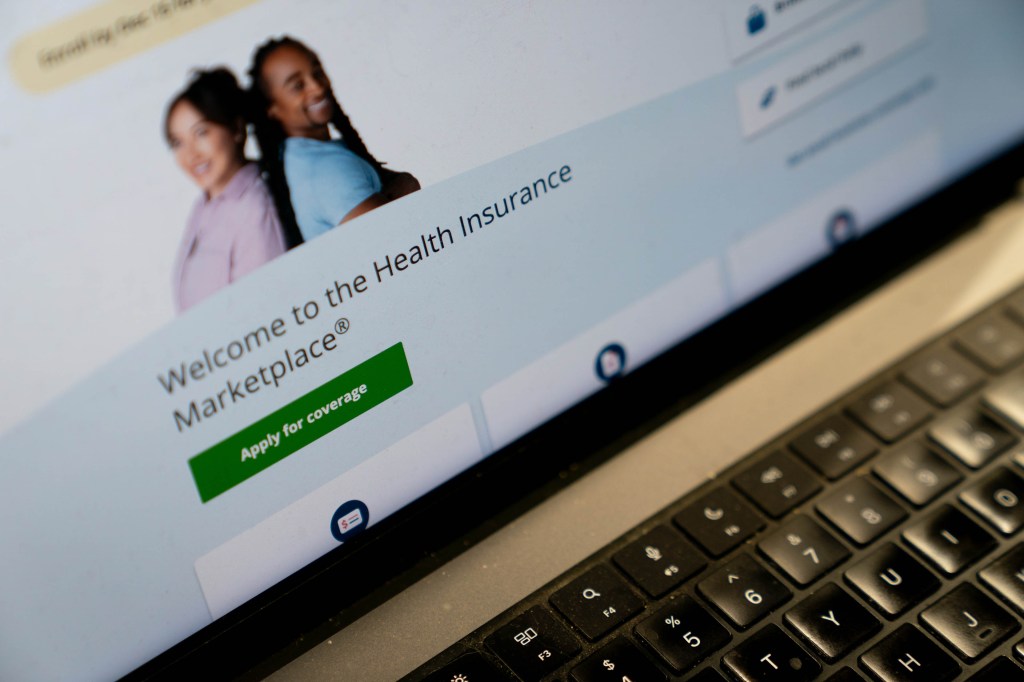
The tax credit is applied either directly to plans bought through the Health Insurance Marketplace (HealthCare.gov), or as a credit when filing tax returns at the end of the year.
What are enhanced premium tax credits?
A more expansive, and time-sensitive, tax credit tacked onto the ACA that dates back to the COVID-19 pandemic.ACA was temporarily expanded under President Joe Biden in 2021 through the American Rescue Plan Act as part of his administration’s response to the COVID emergency.
As a result of the legislation, the Obama-era premium tax credits were “enhanced” — the subsidy could be applied to a broader group of people and enrollees would have to pay less of their income toward their plans.
Biden’s expansion removed the maximum income limit for households to qualify for the credit, which was previously set at 400% of the federal poverty line, and paused annual adjustments on calculations used to determine premium payments.
Put another way, the federal government increased its payments into the program, allowing more financial assistance to flow to enrolled families, with federal officials estimating the premium tax credits cost $129 billion in the 2025 fiscal year.
Importantly, the enhanced premium tax credits came with an end date, which was extended in subsequent legislation — Jan. 1, 2026.
Analysts with the Congressional Budget Office (CBO) say if the enhanced premium tax credit is extended past that date, it will add $350 billion to the deficit and allow 3.9 million more Americans to be insured by 2035.
What happens if the enhanced premium tax credits expire?
Significant loss of coverage for millions of Americans due to rising costs.The CBO estimates gross benchmark premiums will rise by 4.3% on average in 2026 and 7.7% in 2027. According to the analysis, about 4 million people will lose insurance by 2034.
Policy analysts with the health policy research group KFF note that the introduction of the enhanced premium tax credit doubled the number of individuals who received a Marketplace insurance plan, with more 24 million enrollees reported in 2025, with 92% of Marketplace enrollees receiving the tax credit.
Compounded by rising health costs and the Trump administration’s changes to calculating tax credits, KFF says premium payments will more than double in 2026 for enrollees if the enhanced subsidy is not extended.
How many people in Michigan get their health insurance from HealthCare.gov?
More than 531,000 Michiganders receive a plan through the Health Insurance Marketplace, according to the Centers for Medicare & Medicaid Services. The vast majority, about 484,000, also benefit from the premium tax credit.
The number of Michigan enrollees on Marketplace plans has more than doubled since 2020, according to a KFF analysis, with a growing share receiving the tax credits in recent years.
What happens in Michigan if the premium tax credits expire?
According to the Michigan League for Public Policy (MLPP), the effect will be “devastating.”
“These credits are the reason record numbers of Americans have health insurance today,” said MLPP president and CEO Monique Stanton wrote in a recent commentary. “Without them, premiums could increase by thousands of dollars for Michigan families who are already struggling to make ends meet due to rising costs for groceries, rent, and prescription drugs.”
Should the tax credit expire, the group expects big increases in premiums next year, due in part to the forthcoming cuts outlined in the One Big Beautiful Bill Act.
The Michigan Department of Insurance and Financial Services has received requests from insurance providers requesting an average rate increase of 17% on the individual market next year.
The state’s leading insurance provider on the individual market, Meridian Health Plan of Michigan, covers about 156,000 enrollees and is seeking a 16.9% rate increase. Priority Health, which leads the state in offering the most Marketplace plans, is seeking a 14.4% increase for its 49 plans.
What are Michigan’s elected representatives saying?
Michigan’s Republican congressional delegation is urging the state’s Democratic US senators, Elissa Slotkin and Gary Peters, to pass the GOP-backed funding bill to stop the ongoing government shutdown.
About 56,000 federal workers in Michigan are furloughed, according to a letter co-signed by the seven representatives.
US Rep. Lisa McClain, one of the Republican signatories, said the shutdown represents a “funding fight,” blaming Democrats for placing an expiration date on the enhanced premium tax credits in their previous legislation.
“We need to continue to root out waste, fraud and abuse, and make sure that our health care system works for the people who need it most, and keep the premiums affordable,” said McClain. “In order to do that, we must open the government and then we will be happy to have those discussions and negotiations and debate.”
Democrats are unlikely to budge without a plan in place.
On the eve of the shutdown, Peters urged more action to “ensure families can continue to afford their health care.”
“No one wants a government shutdown, but health care premiums are estimated to double, and this Administration has already shown they don’t care if costs go up for hardworking families,” he said in a statement at the time. “I stand ready to work with my colleagues on both sides of the aisle to reach a bipartisan deal that prevents health care costs from rising even more and meets the needs of all of our communities.”
Slotkin is calling on state residents to share their stories about rising health care costs, saying in a video that the country is “on the verge of a health care crisis” because of the One Big Beautiful Bill Act.
Get MHF Insights
News and tips for your healthcare freedom.
We never spam you. One-step unsubscribe.
Sponsors
Friends of MHF





Kirsten DeVries
Tom & Karen Nunheimer
Steve Ahonen
Ron & Faith Bosserman
Marlin & Kathy Klumpp
Sign Up for MHF Insights to keep up on the latest in Michigan Health Policy