



Michigan healthcare freedom community forum

President Trump signed a Presidential Memorandum yesterday at the behest of RFK,Jr. It provides the President's preappproval for federal scrutiny of prescription drug advertisements. Needless to say, Big Pharma will challenge this on First Amendment grounds. HHS will defend with the legal history of the Public Health Cigarette Smoking Act of 1970:
https://www.upi.com/Health_News/2025/09/10/Trump-drug-advertisements-crackdown/7091757494267/
Trump signs memo launching crackdown on drug advertisements
By Darryl Coote - September 10, 2025Sept. 10 (UPI) -- President Donald Trump has signed a memorandum launching a crackdown on misinformation in drug advertisements.
The president signed the memorandum Tuesday.
"My administration will ensure that the current regulatory framework for drug advertising results in fair, balanced and complete information for American consumers," Trump said in the document.
It directs Health and Human Services Secretary Robert F. Kennedy Jr. to "take appropriate action" to ensure transparency and accuracy in prescription drug advertisements. It also calls on the head of the Food and Drug Administration to enforce the federal Food, Drug and Cosmetic Act's prescription drug advertising provisions.
"The FDA has historically stipulated that a manufacturer, packer or distributor must provide the public with materially complete information that fairly balances both the benefits and the risks of the drug," he said in the memorandum.
"Over time, however, the FDA's requirements have permitted drug companies to include less information, particularly in broadcast advertising, and drug manufacturer advertising has skyrocketed in recent decades."
In line with the memorandum, the HHS announced reforms to rein in misleading direct-to-consumer pharmaceutical advertisements.
It also said thousands of letters were sent out to pharmaceutical companies demanding the removal of misleading, along with about 100 cease-and-desist letters issued to companies running deceptive ads.
"Pharmaceutical ads hooked this country on prescription drugs," Kennedy said in a statement.
"We will shut down that pipeline of deception and require drug companies to disclose all critical safety facts in their advertising."
The memorandum:
Fact Sheet: President Donald J. Trump Announces Actions to Provide Greater Transparency and Accuracy in Prescription Drug Advertisements
ADDRESSING MISLEADING PRESCRIPTION DRUG ADVERTISEMENTS: Today, President Donald J. Trump signed a Presidential Memorandum to protect Americans by ensuring direct-to-consumer prescription drug advertisements are providing consumers with full and accurate information.
- The Memorandum directs the Secretary of Health and Human Services to ensure transparency and accuracy in direct-to-consumer prescription drug advertisements, including by increasing the amount of information regarding any risks associated with the use of prescription drugs.
- The Memorandum directs the Commissioner of the Food and Drug Administration to take action to enforce legal requirements that advertisements for prescription drugs be truthful and not misleading.
PROTECTING PATIENTS: President Trump is taking action to protect patients from the negative effects of direct-to-consumer prescription drug advertising.
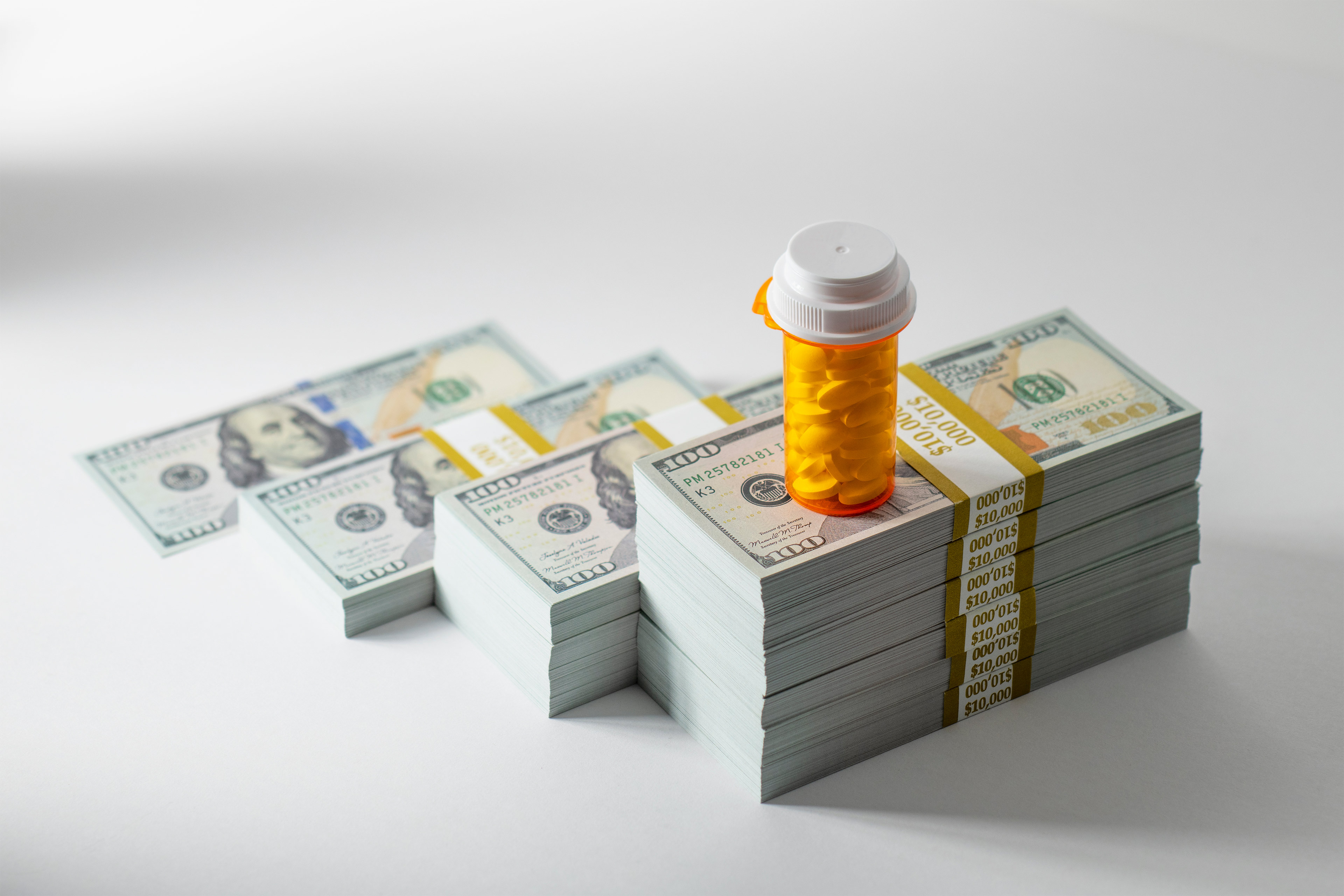
- Pharmaceutical companies spend more money on direct-to-consumer advertising than almost any other industry, spending over $10 billion in 2024.
- Only one other nation allows prescription drug manufacturers to directly influence patients through direct-to-consumer advertising.
- These ads can mislead the public about the full risks and benefits of a drug, encourage medicine over lifestyle changes, and inappropriately intervene in the relationship between a patient and physician.
- Advertising, particularly through non-traditional channels such as social media influencer campaigns, has not been sufficiently monitored for compliance with law.
DELIVERING ON PROMISES TO PUT AMERICANS FIRST AND PROMOTE RADICAL TRANSPARENCY: President Trump is delivering on his promise to put Americans first and bring radical transparency to the American people.
- President Trump has been relentless in his efforts to protect Americans from the negative consequences of actions taken by pharmaceutical manufacturers:
- President Trump: “I’ve [never] been loyal to the special interests; I have been loyal to our patients and our people that need drugs — prescription drugs — and devoted myself completely to fighting for the American people.”
- Earlier this year, President Trump signed an Executive Order to rapidly implement and enforce the Trump healthcare price transparency regulations originally implemented during his first term, which were slow walked back by the Biden administration.
- Additionally, President Trump signed an Executive Order to bring the prices Americans pay for prescription drugs in line with those paid by other nations, demanding most-favored-nation pricing from drug manufacturers.
ZeroHedge reports on the financial effects of the memorandum on American media. Two useful tables which I cannot reproduce here are worth a visit to this ZeroHedge link:
Trump Announces Crackdown On Drug Ads On TV, Potentially Disrupting Billions In Ad Spending
By Tyler Durden - September 09, 2025Earlier this week, following both the kangaroo court that was RFK Jr. congressional hearing and the news that the Trump admin may crack down on Tylenol (of all things), we wondered if there really wasn't something more serious for MAHA to be focusing on... like making an actual impact and banning pharma ads on TV. After all, it's just the US and New Zealand that still allow pharma ads to fund what are largely extremely liberal cable TV stations: why not help US health at the grass roots level by pulling back on the US addiction with, well, drug addiction. And if the Trump admin can put much of the liberal mainstream media out of business for selling snake oil - in some cases literally - even better.
And while we didn't expect our lament to generate any traction, we were very surprised to learn that late on Tuesday, the Trump admin announced a crackdown on pharmaceutical advertising on television and social media platforms, potentially disrupting billions of dollars in annual ad spending.
President Trump signed a presidential memorandum on Tuesday that calls on federal health agencies to require pharmaceutical companies to disclose more side effects in their ads and enforce existing rules about misleading ads. The administration is pitching the moves as a way to increase transparency for patients, and while it is not an outright ban as many had hoped for, it is a start, and it will certainly had an adverse effect as drug makers scramble to avoid penalties and sanctions.
As noted above, the US is the only place, besides New Zealand, where pharma companies can directly advertise to consumers. Limiting pharmaceutical advertisements has been a longtime priority for HHS Secretary Robert F. Kennedy Jr., though the new regulations would stop short of banning the ads entirely.
But, as Bloomberg notes, even adding stricter requirements to the ads will likely hit both pharmaceutical companies and the media companies that rely extensively on those advertising dollars.
Drug companies spent $10.8 billion in 2024 on direct-to-consumer pharmaceutical advertising in total, according to a report from the advertising data firm MediaRadar. AbbVie, Glaxo and Pfizer were particularly big spenders. AbbVie alone spent $2 billion on direct-to-consumer drug ads last year, primarily on advertising for the company’s anti-inflammatory drugs Skyrizi and Rinvoq. The medicines brought in more than $6.5 billion for AbbVie in the second quarter of 2025.
Aside from new regulations, the agencies also plan to more strictly enforce existing rules around misleading advertising.
“The FDA is sending approximately 100 enforcement action letters today and thousands of letters warning the industry, including online pharmacies, who have increasingly been promoting drugs with no mention of side effects at all,” FDA Commissioner Marty Makary said in a video posted on social media Tuesday.
A senior administration official confirmed that the new Trump administration regulations may require broadcast ads to be longer to ensure they disclose the full risk profile of medications. Another official clarified that the goal is not to reduce the number of ads, but ensure patients have full information about side effects.
“They’re going to have to report all their side effects,” Kennedy said in an interview with Fox News Tuesday evening. “In some cases that might create an advertisement that’s four minutes long.”
Before the loosening of advertising regulations by the FDA in 1997, US pharma companies had to list all possible side effects for a medication if they wanted to mention which condition the drug being advertised was intended to treat. Reading out the long lists drove up costs for air time, making the ads less practical.
That FDA change in 1997 allowed ads to disclose fewer side effects and also allowed companies to direct customers to talk to their doctors, call a telephone number or visit a website to get more information on the advertised drugs. Realizing that the new regulations meant a much higher return on investment, TV pharma ad spending surged, and so did chronic diseases, autism, and mental disorders. Last year, 59% of the pharmaceutical industry’s expenditures were on TV advertising, making pharma the third-highest spending industry, according to MediaRadar.
Administration officials said they’d also be taking a closer look at advertisements from telehealth companies, which operate differently from traditional pharma companies. They declined to mention specific companies, but noted a Super Bowl advertisement from a telehealth company that received criticism from senators.
The Trump administration is also planning to ensure drug ads made by influencers and other social media posts abide by the same standards applied to TV, an administration official said.
Research firm Emarketer projected that the pharmaceutical industry would spend more than $19 billion on online marketing in 2024. The spending was driven largely by ads for weight-loss and diabetes medications, which makes sense: the US is the world's most obese nation by a very fat margin.
Get MHF Insights
News and tips for your healthcare freedom.
We never spam you. One-step unsubscribe.
Sponsors
J & DE Family Charitable Fund

Friends
of MHF

Kelly Grotendiek
Philip Harbach
Dale Johnson
Drs. Jeffrey and Joni Jones
Vickie Kahle
Tammy Kipen
Marlin & Kathy Klumpp
Melanie Kurdys
Ruth Nobel
Patrick Peterson
Stephanie Poortenga
Jeanne Smit
Ben and Hope Staal
John Tuinstra
Jacki VanHuis
Sandy Walker
Sign Up for MHF Insights to keep up on the latest in Michigan Health Policy