- No more ‘old school’: How Duke Health is reimagining workforce development

- Why private practice dentistry needs a better model
- Chief nurses: Hospital finances improve with nursing investments
- Mississippi health system goes ‘all in’ on Epic with $115M investment
- CareQuest Innovation Partners, Kno2 collab on medical-dental data integration
- Ascension Wisconsin CEO to step down
- The hospitals, health systems cutting jobs in 2026
- The hospitals, health systems cutting jobs in 2026
- Nonprofit highlights rural opioid care strategies
- The 7 things on the table in the Mount Sinai-Anthem negotiations
- The 7 things on the table in the Mount Sinai-Anthem negotiations
- Wearables data predicts patient engagement: Mayo Clinic study
- Advocate plans largest US hospital drone delivery network
- Vitana Pediatric & Orthodontic Partners adds Florida practice
- Indiana system opens $21.7M outpatient center
- Trump administration targets medical school admissions: 4 notes
- EyeSouth Partners continues 2026 expansion with Louisiana practice
- RSV lingers in parts of US even as flu and COVID-19 recede
- Providence narrows operating loss to $486M in 2025
- A huge month for CMS policy
- What the Health? From KFF Health News: A Headless CDC
- GI is exploding with new tech—but how do patients feel about it?
- Maryland physician to pay $500K+ to settle false claims allegations
- Rhode Island oral surgeon launches Congressional campaign
- Premier Anesthesia, City of Hope Phoenix ink partnership
- 20 behavioral health leaders challenge industry assumptions
- What simulation training revealed about GI skills gaps
- Judge dismisses physician’s wrongful termination suit against staffing firm
- 3 California behavioral health centers to close amid funding shifts
- North Carolina practice to close after 40+ years
- St. Tammany opens outpatient cardiology center
- Indiana bars autism therapy provider from Medicaid billing: Wall Street Journal
- 6 dental practice openings to know
- UnitedHealth shareholder sues over proposal to include details on integration in annual proxy
- APRNs, PAs account for most antipsychotic prescriptions for Medicare Part D: Study
- Infosys to acquire Optimum Healthcare IT in $465M deal
- Oklahoma House passes bill expanding scope of dental assistants
- Dr. Nellie Kim-Weroha joins American Association of Orthodontists’ Board of Trustees
- California behavioral health agency to close 2 centers
- St. Luke’s CFO joins RCM company’s advisory board
- 52 DSOs to know: 2026
- 10 hospitals, health systems looking for CFOs
- DOJ alleges NewYork-Presbyterian forces payers into anticompetitive 'all-or-nothing' contracts
- 10 health system rating downgrades
- FDA Warns Biotech Firm Over Cancer Drug Anktiva Claims
- Bees and Hummingbirds May Be Consuming Small Amounts of Alcohol
- Two States Sue Cord Blood Company Over Misleading Claims
- North Star’s restructuring moves forward
- Illinois hospital pauses patient care amid payroll challenges
- What the Best-Performing Revenue Cycles Have in Common
- New WHO Guidance Aims To Speed Tuberculosis Testing
- As questions swirl around ATTR competition, Alnylam plots path to market leadership for Amvuttra
- Trump admin delays nomination for new CDC director past deadline
- Outspoken ACIP member steps down amid vaccine panel uncertainty: reports
- Egg-based drugmaker Neion Bio emerges from stealth to cook up multi-product biosimilar collab
- Genentech walks the walk in lupus as sponsor of annual awareness and fundraising event
- Study Reveals How Many Americans Consider Using a Gun
- Massive Study Finds Stress and Grief Don’t Cause Cancer
- Ultra-Processed Foods Harm Fertility In Both Men And Women, Studies Reveal
- Small Daily Habits Can Add Up To Better Heart Health
- Ritalin Might Protect ADHD Kids' Long-Term Mental Health, Study Finds
- Can You Drink Enough Fluids To Prevent Kidney Stones? Maybe Not, New Study Says
- Clasp, loan-linked hiring tool for employers, clinches $20M to expand amid federal loan caps
- Taking a GLP-1? Doctors Say Not To Forget About Movement and Mental Health

- OpenEvidence rolls out AI medical coding feature
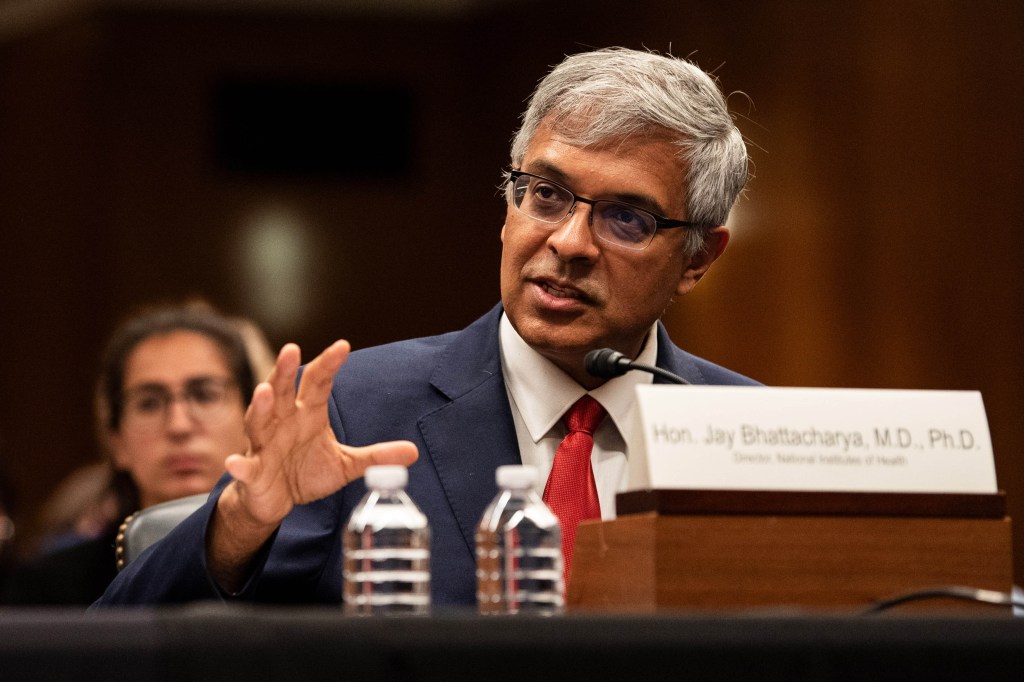
- CDC’s Acting Chief Promises a Return to Stability in a Tumultuous Moment
- California peer-run behavioral health center to close amid funding shift
- Remarks at the Financial Stability Oversight Council Meeting
- ‘Integration only works if data lives in the same system’: How 5 systems are operationalizing behavioral health
- Medicaid work rules and enrollment losses: 6 notes
- Inside UHS’ playbook for responsible behavioral health growth
- Epic4 Specialty Partners adds Illinois practice
- The unsolved problems still plaguing dentistry
- American Dental Association adds mental health, GLP-1 prompts to patient forms
- RWJF: Between 5M and 10M people could lose Medicaid coverage in 2028 under work requirements
- Gen Z nurses prioritize schedule flexibility, need more manager interactions to avoid turnover
- How pharma marketers can capitalize on HCPs’ AI, social media and streaming habits
- Federal Officials Investigate States That Require Abortion Coverage
- Corcept's lead drug bounces back from FDA snub with different approval as Lifyorli in ovarian cancer
- Ionis slashes Tryngolza's price tag by 93% ahead of anticipated label expansion
- FDA approves Denali's Hunter syndrome drug, handing rare disease community a win
- Baby Walkers Sold on Amazon Recalled Over Fall Risk
- Want To Protect Your Brain? Science Says Exercise
- HelloFresh Pizza Recall Issued in 10 States Over Metal Risk
- Clinical Trials Have Too Much Data…That’s the Problem.

- Clinical Trials Have Too Much Data…That’s the Problem.
- CMS reveals new Medicaid model that supports coordination for children with complex needs
- Novartis sued by breast cancer patient over branded drug websites’ data-sharing practices
- Takeda targets $1.3B in cost savings in further restructuring
- Biogen pays $20M upfront to tap into Alteogen's subQ delivery tech
- 'Universal Donor' Blood Supplies Dangerously Low, Study Warns
- Why Stepping Outside May Help You Eat Better
- U.S. Medicine, Science Facing An Online Misinformation Siege, Poll Concludes
- Childhood Obesity Undercuts The American Dream For Some, Study Says
- Inclusive High Schools Benefit All Students, Not Just LGBTQ Teens
- Parental Loss Due to Drugs, Violence Raises Child Death Risk by 2,000%
- As Boehringer touts US launches, board chairman worries EU is 'falling further behind'
- The evolving state of exome and genome sequencing
- An Arm and a Leg: Steep Health Care Costs Steer Americans to Tough Decisions

- Demoralized CDC Workforce Reels From Year of Firings, Funding Cuts, and a Shooting
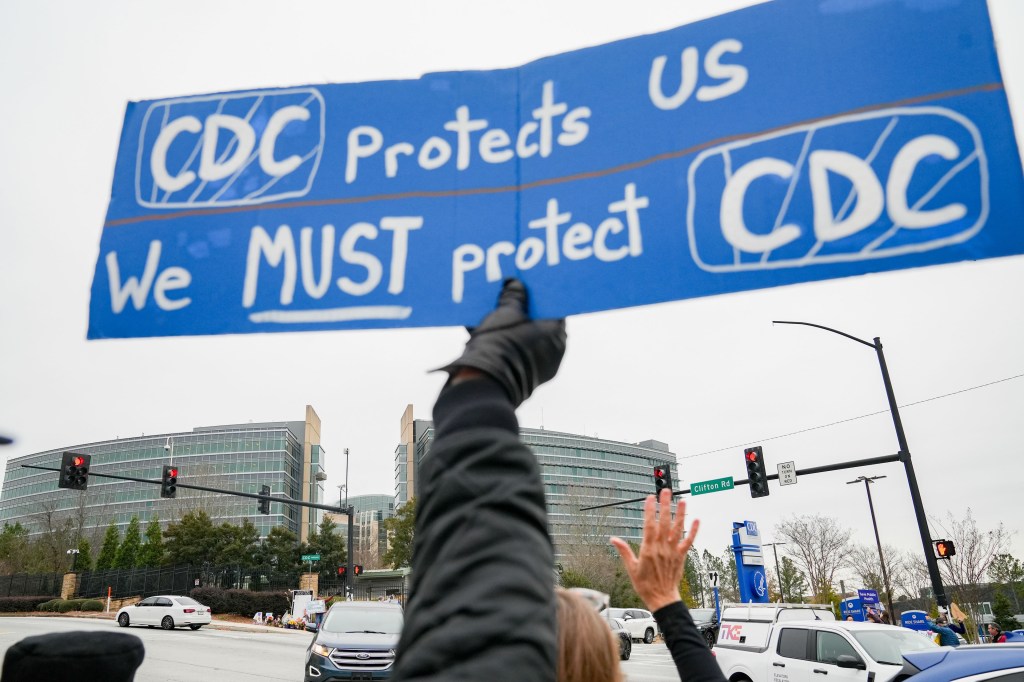
- Qualified Health locks in $125M in fresh funding to scale enterprise AI at health systems
- Misery Loves [Investment] Company?: Remarks at the 2026 Investment Company Institute Investment Management Conference
- Study: Nearly 1 in 5 pediatric hospital deaths involve sepsis
- As expansions come online, CDMO Hovione aims to meet industry's 'dual supply and sourcing' zeal: exec
- Opening Remarks at the Digital Asset Summit 2026
- CVS Caremark, FTC reach settlement in insulin pricing case
- UCB unveils plan to build $2B biologics plant near its US headquarters in Atlanta
- PeaceHealth sued over plans to tap out-of-state staffer ApolloMD for Oregon EDs
- New Lyme Disease Vaccine Shows Strong Results in Trial
- TrumpRx Adds Diabetes, COPD Drugs at Steep Discounts
- Highmark reports $175M net loss for 2025 as financial headwinds batter health plan
- Listen to the Latest ‘KFF Health News Minute’
- Abivax hires commercial chief from Takeda to infuse Entyvio expertise into IBD launch prep
- ImmunityBio hit with FDA warning letter over Anktiva promotions in TV ad, podcast episode
- Alcohol Prep Pads Recalled Over Bacteria Risk, Cardinal Health Says
- Fewer patients traveled for abortions in 2025 as telehealth care increased, report finds
- Cologuard campaign reunites ‘Full House’ stars to give ‘The Talk’ about colon cancer screening
- Lilly to remove certain insulin products from European markets by 2027
- Karyopharm, looking to jump-start Xpovio, reports mixed results in myelofibrosis
- Study Warns Fluoride Bans May Raise Tooth Decay in Children
- WuXi Bio's record number of new projects in 2025 leaned heavily on US clients
- “Me engañaron”: agentes encadenan a un padre que había ido al ICE a reunirse con sus hijos

- Gilead inks Manta pact to dive deeper into cancer patient support
- Cheap Children's Clothing Tainted With Lead, Study Says
- Insulin Prices Fell For Medicare Patients Under Biden-Era Caps, Study Finds
- New Fathers Face Mental Health Challenges, Study Finds
- Your Choice Of Booze Influences Your Risk Of Death, Study Says
- AI Gets a 'D' When Judging Scientific, Medical Claims
- New Online Tool Helps Parkinson's Patients Weigh Brain Implant Decision
- AI chatbot use for health information up 16% from 2024: Rock Health survey
- ‘They Tricked Me’: A Father Was Chained After He Went to ICE To Reunite With His Kids
- Wilmington PharmaTech commits $50M to US API expansion
- Strides recalls nearly 90K bottles of children's ibuprofen after contamination complaints
- Trump administration unveils national policy framework for AI as it moves to override state laws
- Breast Cancer Locator System Submitted for De Novo 510(k) by Cairn Surgical
- Breast Cancer Locator System Submitted for De Novo 510(k) by Cairn Surgical
- 17 spine surgery firsts in Q1

- 17 spine surgery firsts in Q1
- Cencora acquiring EyeSouth Partners' retina business for $1.1B
- Aunque tengas seguro dental, la factura puede ser muy alta

- A look at how Optum Rx is using AI to address pharmacy fraud, waste and abuse
- Nursing Homes Accused of False Diagnoses To Hide Drug Use
- FDA Approves Higher-Dose Wegovy To Help People Lose More Weight
- Teens Often Pressured To Send Sexual Photos by Someone They Know, Study Finds
- Nearly 90,000 Bottles of Children’s Ibuprofen Recalled Nationwide
- Algunos adultos de mediana edad deciden posponer la atención médica hasta tener Medicare

- Rural Residents Have Highest Cancer Death Rates, Researchers Say
- Your Bank Account Might Show How Well Your Brain Will Age, Researchers Say
- Insurance Lapses Play Havoc With Diabetes Management, Study Shows
- Psychedelics Aren't Better Than Antidepressants In Treating Depression, Review Concludes


Gee, what happened three years ago? Welcome to the Third World:
https://www.cdc.gov/mmwr/volumes/73/wr/mm7312a4.htm
Tuberculosis — United States, 2023
By Paula M. Williams, Robert H. Pratt, William L. Walker, Sandy F. Price, Rebekah J. Stewart, Pei-Jean I. FengMarch 28, 2024
Summary
What is already known about this topic?
For years, the United States has had one of the lowest tuberculosis (TB) rates in the world. In the first year of the COVID-19 pandemic, reported TB case counts dropped substantially, followed by increasing case counts every year since 2020.
What is added by this report?
During 2023, tuberculosis case counts increased among all age groups, among U.S-born and non-U.S.–born persons, and in most reporting jurisdictions. Overall, cases increased from 8,320 in 2022 to 9,615 in 2023, an increase of 1,295 cases. The rate also increased from 2.5 per 100,000 persons in 2022 to 2.9 in 2023.
What are the implications for public health practice?
Continued progress toward TB elimination will require strong public health systems that are capable of maintaining essential disease prevention and control activities and prepared to withstand the next pandemic or other large-scale crisis.
Abstract
After 27 years of declining U.S. tuberculosis (TB) case counts, the number of TB cases declined considerably in 2020, coinciding with the COVID-19 pandemic. For this analysis, TB case counts were obtained from the National TB Surveillance System. U.S. Census Bureau population estimates were used to calculate rates overall, by jurisdiction, birth origin, race and ethnicity, and age group. Since 2020, TB case counts and rates have increased each year. During 2023, a total of 9,615 TB cases were provisionally reported by the 50 U.S. states and the District of Columbia (DC), representing an increase of 1,295 cases (16%) as compared with 2022. The rate in 2023 (2.9 per 100,000 persons) also increased compared with that in 2022 (2.5). Forty states and DC reported increases in 2023 in both case counts and rates. National case counts increased among all age groups and among both U.S.-born and non-U.S.–born persons. Although TB incidence in the United States is among the lowest in the world and most U.S. residents are at minimal risk, TB continues to cause substantial global morbidity and mortality. This postpandemic increase in U.S. cases highlights the importance of continuing to engage communities with higher TB rates and their medical providers in TB elimination efforts and strengthening the capacity in public health programs to carry out critical disease control and prevention strategies.
Introduction
Despite being both preventable and curable, tuberculosis (TB) remains one of the world’s leading infectious disease killers (1). The United States has one of the lowest TB rates globally (1) and has a goal of eliminating TB (elimination defined as less than one case per 1 million population) by 2035 (2). During 1995–2014, health departments and CDC TB control efforts prevented as many as 300,000 persons from developing TB disease and averted up to $14.5 billion in costs (3). After 27 years of declining U.S. TB cases, the number of TB cases declined considerably in 2020 to 7,171, coinciding with the COVID-19 pandemic (4); however, TB case counts and rates increased in 2021 and 2022. This report provides provisional TB surveillance data for 2023 in the United States.
Methods
Tuberculosis Case Counts and Incidence
The 50 U.S. states and DC report each TB case that meets the Council of State and Territorial Epidemiologists’ surveillance case definition* to CDC’s National Tuberculosis Surveillance System (NTSS).† National case counts, along with counts by jurisdiction, birth origin,§ race and ethnicity, and age group, were obtained from NTSS. National and jurisdictional TB rates per 100,000 persons were calculated using the midyear U.S. Census Bureau population estimates,¶ and rates by birth origin (i.e., U.S.-born versus non-U.S.–born), race and ethnicity, and age group were calculated using the Current Population Survey** midyear estimates. Percentage changes in TB case counts and rates for 2023 compared with 2022 were calculated overall and by jurisdiction and demographic characteristics. Annual number and rate of TB cases are reported by birth origin for 2013 through 2023. SAS software (version 9.4; SAS Institute) was used for all analyses. This activity was reviewed by CDC, deemed not research, and was conducted consistent with applicable federal law and CDC policy.††Population Characteristics
Self-reported race and ethnicity were categorized according to federal guidelines.§§ Persons of Hispanic or Latino (Hispanic) origin might be of any race but are categorized as Hispanic; all racial groups are non-Hispanic. Non-Hispanic persons who reported more than one race were categorized as “multiple race.”Results
Tuberculosis Incidence by Jurisdiction
In 2023, the 50 U.S. states and DC provisionally reported 9,615 TB cases, an increase of 1,295 cases (16%) compared with the 8,320 cases reported in 2022, an 8% increase compared with the 2019 prepandemic case count (8,895), and the highest number of cases reported since 2013 (9,556) (Figure). Overall, the U.S. TB rate increased by 15%, from 2.5 per 100,000 persons in 2022 to 2.9 in 2023 (Table 1). Forty states and DC reported an increase in both case counts and rates compared with those in 2022. As in 2022, California reported the highest number of cases in 2023 (2,113), and Alaska reported the highest rate (10.6). Eight states and DC reported TB rates higher than the national rate of 2.9 per 100,000 in 2023.Tuberculosis Incidence by Demographic Characteristics
In 2023, among 9,573 TB cases in persons for whom birth origin was known, 7,259 (76%) occurred among non-U.S.–born persons, an 18% increase compared with the 6,177 such cases reported in 2022 (Table 2). The number of cases in U.S.-born persons in 2023 increased 9%, from 2,131 in 2022 to 2,314.¶¶ The rate increased among non-U.S.–born persons from 13.1 in 2022 to 15.0 in 2023, and the rate among U.S.-born persons remained at 0.8 cases per 100,000 persons.Among U.S.-born persons with TB, 33% (753) identified as Black or African American (Black), 27% (614) as Hispanic, 26% (591) as White, 6% (130) as Asian, 5% (106) as American Indian or Alaska Native, 3% (62) as Native Hawaiian or other Pacific Islander, and 1% (18) as multiple race. Among U.S.-born persons, the rate of TB in 2023 compared with 2022 increased 20% (11 cases) among Native Hawaiian or other Pacific Islander, 12% (81 cases) among Black, 11% (72 cases) among Hispanic, and 4% (22 cases) among White persons, and the rate declined 9% (–7 cases) among American Indian or Alaska Native, and 12% (–12 cases) among Asian persons. Among non-U.S.–born persons with TB, 40% (2,876) identified as Hispanic, 39% (2,804) as Asian, 13% (922) as Black, 4% (300) as White, 2% (115) as Native Hawaiian or other Pacific Islander, 1% (64) as multiple race, and 0.1% (six) as American Indian or Alaska Native persons. Among non-U.S.–born persons, the TB rate in 2023 compared with 2022 increased 29% (10 cases) among Native Hawaiian or other Pacific Islander, 28% (272 cases) among Black, 23% (598 cases) among Hispanic, and 10% (26) among White persons, among non-U.S.–born Asian persons, the rate declined 2% (65 cases).***
TB incidence increased in every age group in 2023 compared with 2022, with the largest relative increase among children aged 5–14 years (68 cases, corresponding to a 42% increase in case count and a 45% increase in rate). Among the 83% (8,013) of persons with TB in 2023 for whom HIV status was known, 5% were coinfected with TB and HIV.
Discussion
Provisional national surveillance data show that TB case counts and rates have increased since the COVID-19 pandemic, returning to the number of cases last observed in 2013 (4). Increases occurred in every age group and all except 10 U.S. states. Case counts increased among both U.S.-born and non-U.S.–born persons, with the most substantial increase, 18%, among non-U.S.–born persons (1,082 cases).
The United States has one of the lowest TB rates in the world (1) and most U.S. residents are at minimal risk for TB (2,4). The overall epidemiology of TB continues to reflect persistent disparities by birth origin, and race and ethnicity in the United States. TB rates in 2023 were highest among non-U.S.–born persons which is consistent with prepandemic trends. Among U.S.-born persons, rates remained <1.0 overall but were highest among those who identified as Native Hawaiian or other Pacific Islander, American Indian or Alaska Native, or Black.
Approximately 85% of TB cases in the United States are attributed to reactivation of latent TB infection (LTBI) rather than recent transmission (2,4). Therefore, sustained transmission of TB in the United States leading to outbreaks is uncommon. Essential TB elimination activities include TB testing among populations at risk and treating persons with LTBI or TB disease. To prevent transmission and reduce morbidity, TB disease must be detected quickly; effective treatment must be initiated promptly; and all exposed persons identified, evaluated, and treated if infected (5). This approach led to a 66% reduction in TB cases and 73% reduction in the TB rate in the United States in the first 25 years of implementation (4).
TB prevention and control interventions are primarily conducted by staff members in state and local public health programs. The decades-long downward trend in TB in the United States and the high TB disease treatment completion rates (4) underscore the success of these TB programs. However, during the COVID-19 pandemic, TB programs were severely taxed with many staff members and activities diverted to the COVID-19 response (6). Timely diagnosis and treatment of TB disease also suffered because of pandemic-related disruptions in health care access and health care workers focusing on identifying persons with COVID-19, who often have symptoms similar to those of pulmonary TB (7). These factors, along with changes in migration volume (8), probably contributed to the decrease in the number of cases observed in 2020, and to the subsequent rise in case counts and rates since 2020. Identification of TB cases possibly increased after the pandemic because of renewed attention to infectious diseases other than COVID-19.
The number of persons who received a new TB diagnosis has also risen globally. In 2022, the World Health Organization reported a second consecutive year of increasing TB case counts, with the global estimate of TB cases equaling that of 2016 (1). TB is not the only preventable communicable disease resurging after the COVID-19 pandemic. For example, influenza (9) and measles (10) have also experienced postpandemic surges. Setbacks to TB elimination in the United States illustrate the power of pandemics and other large-scale crises to have long-lasting effects on public health, a phenomenon also observed at the onset of the HIV epidemic when the number of TB cases increased after 3 decades of decline (4). Renewed progress toward TB elimination will require strengthened capacity of public health programs to carry out critical TB control and prevention strategies and engagement of providers and affected communities in TB elimination efforts. In addition, because most TB cases in the United States occur among non-U.S.–born persons, collaboration of public health entities in the United States with international partners is important to reduce TB morbidity globally.
Limitations
The findings in this report are subject to at least two limitations. First, this analysis is limited to provisional surveillance data for 2023, and case counts might change before CDC’s annual TB surveillance report is published. Second, rates are based on midyear population estimates from the U.S. Census Bureau that are subject to ongoing refinement.
Implications for Public Health Practice
The U.S. TB case count increases in 2023 underscores the ongoing global TB-associated morbidity and mortality. Renewed progress toward TB elimination will require strong public health systems both domestically and globally that are responsive to health disparities, capable of maintaining essential disease prevention and control activities, and prepared to withstand the next pandemic or other large-scale crisis.
Acknowledgments
State and local health department personnel; Surveillance Team, Cynthia Adams, Shanita Clemmons, Stacey Parker, Jeanette Roberts, Katrina Williams, Peraton; Justin Davis, Maryam Haddad, Kimberly Schildknecht, Julie Self, Division of Tuberculosis Elimination, National Center for HIV, Viral Hepatitis, STD, and TB Prevention, CDC.
CDC found Michigan's 2023 rate was up 24%, from 120 cases to 149 cases. Our rate increased from 1.2 per 100,000 persons to 1.5 per 100,000 persons. Michigan is still well below illegal immigrant destinations like California and Texas (the two worst in the U.S.), but our TB rate will catch up to the worst rates in our country eventually.
In the parlance of our government's most accomplished liars, this is called a modified, limited hangout:
'Small number' of tuberculosis cases confirmed in Chicago migrant shelters
By Kasey Chronis and Jenna Carroll - April 3, 2024Chicago health officials confirmed Wednesday that there is a 'small number' of tuberculosis cases among migrants in the city.
CHICAGO - Chicago health officials confirmed Wednesday that there is a 'small number' of tuberculosis (TB) cases among migrants in the city, and their medical teams are ramping up contact tracing.
The Chicago Department of Public Health (CDPH) said the cases were reported in "a few different shelters" in the city; however, officials did not disclose the exact number of confirmed cases, or which shelter locations they originated from.
"These outbreaks happen in close quarters, people who are living close to one another," said Dr. Aniruddha Hazra, associate professor of medicine, Infectious Diseases and Global Health at the University of Chicago.
While Dr. Hazra says the situation is cause for concern, he tells FOX 32 Chicago the public has no reason to panic.
"The people who are most at risk of tuberculosis are the other migrants living in that shelter," said Hazra.
The confirmed tuberculosis cases come as measles cases in Chicago surpass 55, with the majority of cases being reported in the Pilsen migrant shelter on Halsted Street.
Measles, however, is preventable through vaccination.
"There is no effective vaccine against tuberculosis," said Hazra.
Tuberculosis is an infectious bacterial disease that mainly affects the lungs.
"It can only be spread by someone with active tuberculosis disease. Someone who is actively coughing up these droplets – that is how it gets spread," said Dr. Gary Reschak, pediatrician at Northwestern Medicine Huntley Hospital.
Dr. Reschak says open-air facilities, like shelters, can lead to increased transmission.
"The important thing is trying to figure out who there has the active disease and properly treating them," said Reschak.
Meanwhile, CDPH said on Wednesday that about 10 to 20 percent of residents in Central and South America have latent TB infections, which means they are asymptomatic, and that the infection is not transmissible to others.
"Not everyone who acquires TB will develop an active infection. A percentage or folks will actually develop what we call a latent infection. But that latent TB can then reactivate to become active TB at some point in the future," said Hazra. "They can still receive anti-TB therapy to make sure that latent infection is fully eradicated."
Health experts also say that treatment could involve multiple antibiotics for several months, and it is crucial that a patient completes their full course of treatment.
A spokesperson for CDPH said they are working to keep the cases contained and released the following statement to FOX 32 on Wednesday:
"CDPH is aware of a small number of cases of TB among new arrivals in a few different shelters over the course of the response. It is important to note that an estimated 10-20% of residents of Central and South America have latent TB infection, which is asymptomatic and not transmissible to others, but does result in a positive TB test. For those who do have active cases of TB disease, CDPH assigns a nurse case manager to each individual and performs a contact tracing investigation. TB is curable with antibiotics and is not particularly infectious, typically requiring several hours or more of prolonged close contact between individuals to spread, but CDPH continues to take cases seriously in order to keep it contained. To date, CDPH has not confirmed any reports of TB that resulted from exposure to new arrivals in Chicago.
"TB is not a novel or rarely seen illness in Chicago, as the Chicago Department of Public Health typically expects to see between 100-150 cases of tuberculosis in Chicago residents in an average year. We will continue to offer treatment to individuals as necessary and take the proper precautions to eliminate spread, but we do not consider this a matter presenting a substantial threat to the public."
Chicago Alderman Raymond Lopez took to "X" this week, demanding that there be immunization standards for all asylum seekers.
"Performative politics & hurt feelings kept City Hall from avoiding the obvious looming disaster. Anyone who demanded action to protect our residents was called racist, xenophobic, and anti-immigrant by fringe politicians. And now here we are: measles, now tuberculosis both "confirmed" in Chicago. Shame on every mouthpiece that worked so hard to keep this secret," Ald. Lopez said in his post.
From X
TB is an airborne disease that can occur in any part of the body, but it most often causes infection in the lungs, health officials said.
TB is spread from person to person through the air and happens when a person with TB of the lungs sneezes, coughs, speaks or sings and a person nearby breathes in the MTB bacteria.
If someone is not treated properly, TB can be a severe or deadly disease, officials said.
Get MHF Insights
News and tips for your healthcare freedom.
We never spam you. One-step unsubscribe.
Sponsors
Friends of MHF





Kirsten DeVries
Tom & Karen Nunheimer
Steve Ahonen
Ron & Faith Bosserman
Marlin & Kathy Klumpp
Sign Up for MHF Insights to keep up on the latest in Michigan Health Policy