






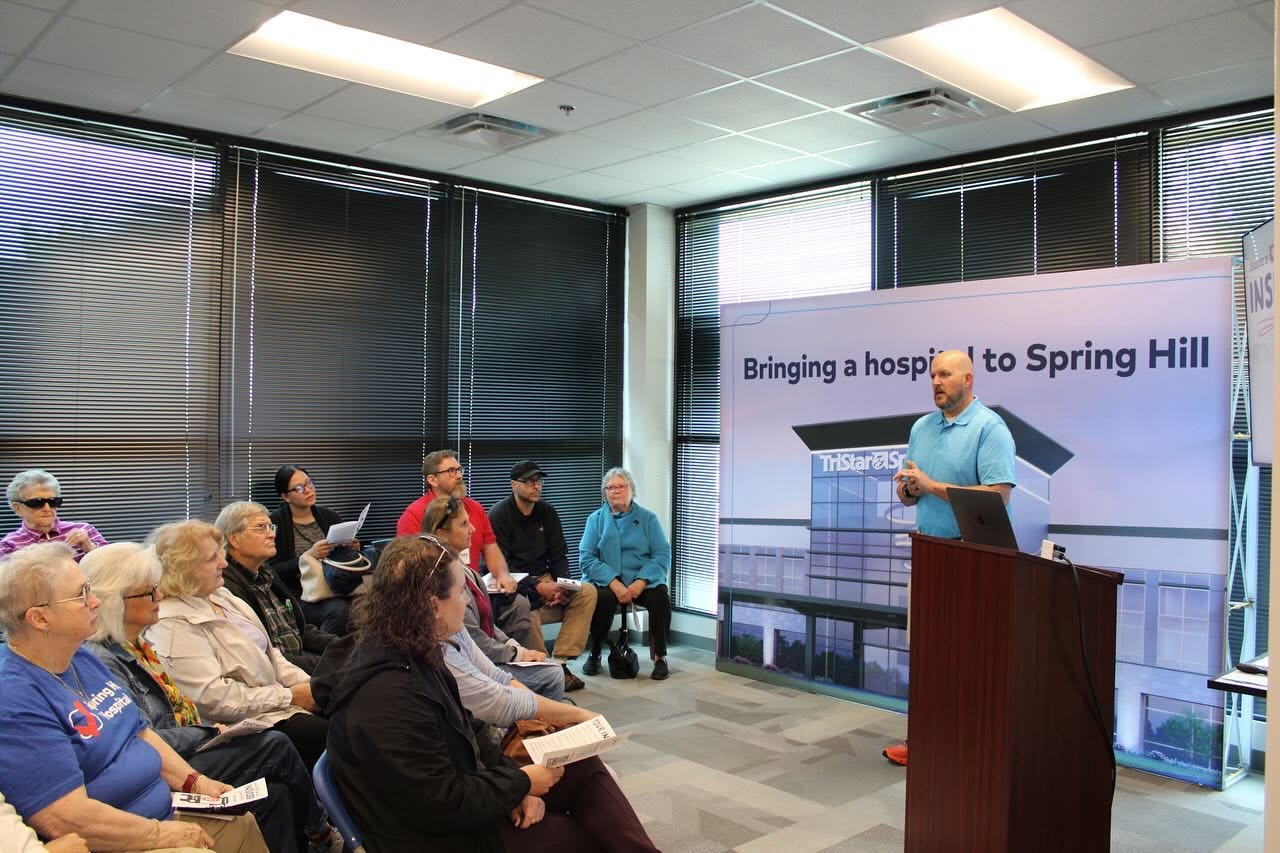



Michigan healthcare freedom community forum

In times like these, Michigan plans must be grateful for the deal they made with DIFS for "free" advertising.
DIFS Urges Consumers Who Need Health Insurance for 2026 to Enroll in a Plan Before January 15 Deadline
Media Contact: DIFS-press@michigan.gov
Consumer Hotline: 877-999-6442, Michigan.gov/DIFScomplaintsFOR IMMEDIATE RELEASE: January 7, 2026
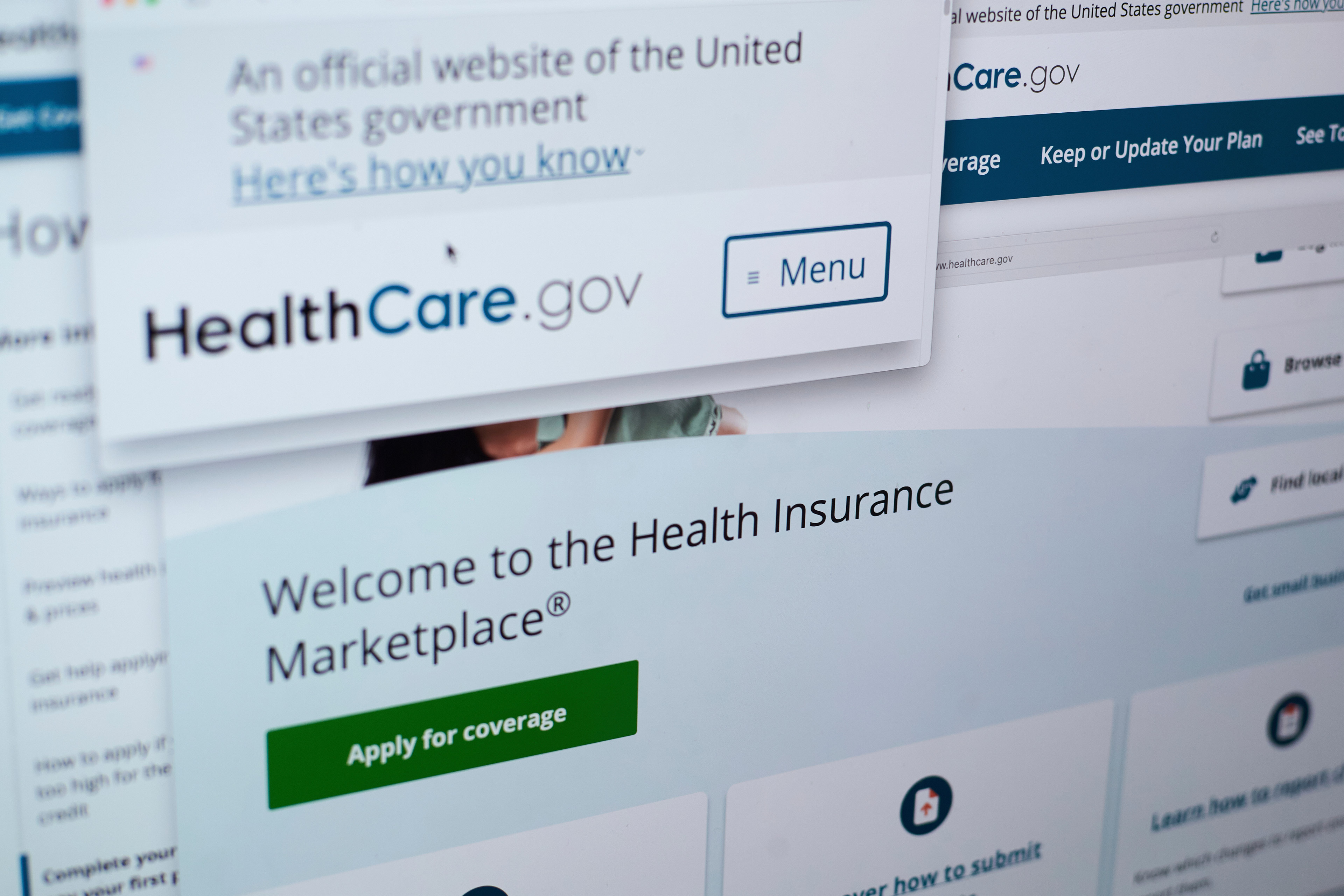
(LANSING, MICH) The deadline to purchase a health plan on the Health Insurance Marketplace is Thursday, January 15, and the Michigan Department of Insurance and Financial Services (DIFS) Director Anita Fox is urging Michiganders who need coverage for 2026 to act now.
"Comprehensive, high-quality health insurance leads to better health outcomes, and time is running out for consumers to take advantage of free, local assistance to get the coverage they need through the Health Insurance Marketplace,” said Director Fox. “The biggest mistake you could make is to wait and miss the deadline on January 15, as you may not have another chance to enroll in or change your health plan until next year."
DIFS has created a video to help consumers learn about health insurance and signing up for a health plan. This video and more resources to help answer Michiganders’ open enrollment questions can be found at Michigan.gov/HealthInsurance.
The open enrollment deadline is January 15, with coverage beginning on February 1. Consumers can select from available plans by visiting the Health Insurance Marketplace or by calling 800-318-2596 (TTY: 1-855-889-4325). Free local enrollment help is available by visiting LocalHelp.HealthCare.gov. For more information about health insurance, visit Michigan.gov/HealthInsurance or call DIFS at 877-999-6442, 8 a.m. to 5 p.m. Monday through Friday.
The mission of the Michigan Department of Insurance and Financial Services is to ensure access to safe and secure insurance and financial services fundamental for the opportunity, security, and success of Michigan residents, while fostering economic growth and sustainability in both industries. In addition, the Department provides consumer protection, outreach, and financial literacy and education services to Michigan residents. For more information, visit Michigan.gov/DIFS or follow the Department on Facebook, X, or LinkedIn.
####
If premiums double, one-third of enrollees said they will shop for a lower premium; and one-fourth will drop their plan, according to the December 4, 2025 KFF Marketplace Survey.
How much have premiums actually spiked?
So far, the few reports I've seen in the new year rely on the September 4 KFF projection that premiums would more than double (increase 114%).
For example, a left-leaning Fortune report:
https://fortune.com/2026/01/02/how-much-health-insurance-will-go-up-aca-obamacare/
Millions of Americans start the new year with spiking health insurance costs under latest version of Obamacare
By Ali Swenson and The Associated Press
January 2, 2026Enhanced tax credits that have helped reduce the cost of health insurance for the vast majority of Affordable Care Act enrollees expired overnight, cementing higher health costs for millions of Americans at the start of the new year.
Recommended Video
Democrats forced a 43-day government shutdown over the issue. Moderate Republicans called for a solution to save their 2026 political aspirations. President Donald Trump floated a way out, only to back off after conservative backlash.In the end, no one’s efforts were enough to save the subsidies before their expiration date. A House vote expected in January could offer another chance, but success is far from guaranteed.
The change affects a diverse cross-section of Americans who don’t get their health insurance from an employer and don’t qualify for Medicaid or Medicare — a group that includes many self-employed workers, small business owners, farmers and ranchers.
It comes at the start of a high-stakes midterm election year, with affordability — including the cost of health care — topping the list of voters’ concerns.
“It really bothers me that the middle class has moved from a squeeze to a full suffocation, and they continue to just pile on and leave it up to us,” said 37-year-old single mom Katelin Provost, whose health care costs are set to jump. “I’m incredibly disappointed that there hasn’t been more action.”
Some families grapple with insurance costs that are doubling, tripling or more
The expired subsidies were first given to Affordable Care Act enrollees in 2021 as a temporary measure to help Americans get through the COVID-19 pandemic. Democrats in power at the time extended them, moving the expiration date to the start of 2026.With the expanded subsidies, some lower-income enrollees received health care with no premiums, and high earners paid no more than 8.5% of their income. Eligibility for middle-class earners was also expanded.
On average, the more than 20 million subsidized enrollees in the Affordable Care Act program are seeing their premium costs rise by 114% in 2026, according to an analysis by the health care research nonprofit KFF.
Those surging prices come alongside an overall increase in health costs in the U.S., which are further driving up out-of-pocket costs in many plans.
Some enrollees, like Salt Lake City freelance filmmaker and adjunct professor Stan Clawson, have absorbed the extra expense. Clawson said he was paying just under $350 a month for his premiums last year, a number that will jump to nearly $500 a month this year. It’s a strain for the 49-year-old but one he’s willing to take on because he needs health insurance as someone who lives with paralysis from a spinal cord injury.
Others, like Provost, are dealing with steeper hikes. The social worker’s monthly premium payment is increasing from $85 a month to nearly $750.
Effects on enrollment remain to be seen
Health analysts have predicted the expiration of the subsidies will drive many of the 24 million total Affordable Care Act enrollees — especially younger and healthier Americans — to forgo health insurance coverage altogether.Over time, that could make the program more expensive for the older, sicker population that remains.
An analysis conducted last September by the Urban Institute and Commonwealth Fund projected the higher premiums from expiring subsidies would prompt some 4.8 million Americans to drop coverage in 2026.
Get MHF Insights
News and tips for your healthcare freedom.
We never spam you. One-step unsubscribe.
Sponsors

J & DE Family Charitable Fund

Friends
of MHF

Kelly Grotendiek
Philip Harbach
Dale Johnson
Drs. Jeffrey and Joni Jones
Vickie Kahle
Tammy Kipen
Marlin & Kathy Klumpp
Melanie Kurdys
Ruth Nobel
Patrick Peterson
Stephanie Poortenga
Jeanne Smit
Ben and Hope Staal
John Tuinstra
Jacki VanHuis
Sandy Walker
Sign Up for MHF Insights to keep up on the latest in Michigan Health Policy