- What Sea Creatures Reveal About How Fast People Age

- How to Tell if Spring Symptoms Owe to Allergy, Cold or Something More Serious
- Journalists Capsulize Weight Loss News and ACA Premium Pressures

- BJC executives: Key questions shaping value-based care strategy
- Michael Dowling: Time to hold social media platforms accountable for the youth mental health crisis
- California county breaks ground on $23.7M behavioral health center
- Rhode Island hospital birthing center to remain open amid funding push
- Rhode Island hospital birthing center to remain open amid funding push
- OHSU CEO out after 3 months
- Arkansas system names CEO
- Sanford Health CIO steps into new role
- What increased hygienist autonomy means for dentistry
- COVID vaccination rates rise among healthcare workers: CDC
- More medical schools swap lectures for active learning
- 43 recent hospital, health system executive moves
- NorthBay receives $14.9M for new behavioral health center
- Buffalo Bills, Kaleida Health extend naming rights partnership
- The specialty facing a million dollar gender pay gap
- 10+ new cardiology practice openings in Q1
- 27 hospitals closing departments or ending services
- WHO updates opioid treatment, overdose guidance
- Michigan dentist charged with racketeering, Medicaid fraud
- CommonSpirit, Cigna reach agreement for Tennessee, Georgia
- Vermont Dental Society, U of Detroit to open state’s largest dental clinic
- How 5 specialties’ pay has changed over 5 years
- The anesthesia staffing strategies that are actually working
- CMS Innovation Center spent $7.9B in 1 decade: 7 notes
- How Medicaid Contractors Stand To Gain From Trump’s Policy

- Ohio hospital to pay $1.7M to resolve Stark law allegations
- HonorHealth margin dropped to -0.2% in 2025
- Idaho to restore Medicaid mental health programs after cuts
- ADA wary of impact CMS’ antifraud program could have on dentistry
- What’s new with Tenet?
- Federal agencies to revise mental health parity rule
- Inside SALT Dental Partners’ growth spurt
- Centerstone receives $750K VA suicide prevention grant
- Utah physician indicted for selling unapproved drugs
- Breaking Barriers: How Innovation Can Expand Access to Dental Care

- Lee Health breaks ground on 60K-square-foot ASC, MOB
- 15 big dental technology, AI updates to know from Q1
- Gastro Health inks deal with Virginia practice
- Montana hospital launches ASC expansion project
- Centene subsidiary to invest $6M in California behavioral health campus
- Moody’s upgrades Wellstar’s credit rating
- 5 dental mergers, acquisitions in March
- 4 DSOs making headlines
- CMS pitches payment rules for 4 care settings: 12 notes
- Public prior authorization data short on insight: KFF
- USDA Warns of Lead Risk in Frozen Dino-Shaped Chicken Nuggets
- New Heart Diet Advice Counters U.S. Guidance on Meat and Dairy
- Peeled Garlic Recalled Over Risk of Deadly Botulism
- Some CDC Lab Testing Paused Amid Internal Review
- White House floats 12.5% budget cut for HHS in FY2027, reiterates reorganization plan
- Boston Scientific receives FDA clearance for the Asurys Fluid Management System
- Boston Scientific receives FDA clearance for the Asurys Fluid Management System
- Serenity Medical Receives FDA Humanitarian Device Exemption for IIH Venous Stent
- Serenity Medical Receives FDA Humanitarian Device Exemption for IIH Venous Stent
- Blue Shield of California’s virtual-first plan continues to show lower costs, increased access for members
- Merit Medical Acquires View Point Medical, Inc., expanding the Merit Therapeutic Oncology Portfolio
- Merit Medical Acquires View Point Medical, Inc., expanding the Merit Therapeutic Oncology Portfolio
- FDA Publishes New Set of Real-World Evidence Examples

- FDA Publishes New Set of Real-World Evidence Examples
- Industry Voices—Hospitals are fueling AI innovation, should they own a piece of it?
- Nerve Stimulation Therapy May Ease Fibromyalgia Pain, Fatigue
- Psychotherapists Often Poorly Trained in Treating Muscle-Linked Disorders in Males
- Missing From Most Doctor-Patient Talks: Sleep Issues
- Plastics Chemical Linked To Nearly 2 Million Preterm Births Each Year
- Most Americans Don't Realize Brain Donation Is Needed to Study Autism
- Weekend Binge Drinking Triples Risk of Permanent Liver Damage
- Tax Time Brings Surprises for Some Who Receive ACA Subsidies

- An update on the pharma industry’s reshoring effort
- Listen: What the Vaccine Schedule Whiplash Means for Your Kids

- Biopharma R&D pipeline shrinks for 1st time in 30 years: report
- Lovelace closes New Mexico clinic 1 year post-acquisition
- Health systems on average aren’t breaking even
- UConn Health to acquire children’s psychiatric facility
- What the Health? From KFF Health News: GOP Mulls More Health Cuts
- Fierce Pharma Asia—Trump’s 100% drug tariff; Takeda layoffs; Lilly, Insilico's AI deal
- CMS locks in MA star ratings overhaul, bumps proposed special enrollment window for provider terminations
- Oregon university launches dental therapy program
- Trump slaps 100% duties on imported drugs but leaves plenty of exceptions
- OSU Wexner Medical Center reports 25% drop in safety incidents: 5 notes
- Novo Nordisk launches discounted subscription program for Wegovy through telehealth providers
- How the Harris Center navigates 70 contracts to fund a continuum of care
- GAO audit outlining CMMI's limited model scale-ups draws more Republican scrutiny
- UK signs off on US pharma deal, ensuring tariff reprieve as Britain aims to reattract investments
- BioNTech telegraphs closure of Singapore vaccine facility amid efforts to 'align capacity'
- FDA Recalls Wawa Milk Over Possible Plastic Contamination
- Wegovy Maker Launches Lower-Cost Subscription Plans
- FDA Approves New Weight Loss Pill, Foundayo, in Record Time
- Corti releases agentic model for medical coding, says it outperforms OpenAI, Anthropic
- Rising Stars: The Trade Desk's Elizabeth Keenan finds the rhythm in music and media
- Lawsuit Over Viral David Protein Bars Dropped Without Explanation
- Despite better cash flow, providers missed out on more revenue in 2025 due to increased payer denials
- Lawmakers introduce bipartisan legislation to help struggling rural hospitals stay open
- Lilly's obesity pill Foundayo gains early blockbuster forecast as analysts float 5M+ prescriptions in 2026
- Trump eyes 100% tariff rate for companies that have not struck MFN deals: Bloomberg
- Poland, Romania must pay Pfizer $2.2B in fight over contested COVID vaccine doses: Belgian court
- New Rapid Urine Test Could Revolutionize Treatment of UTIs
- New Pill Could Change Plaque Psoriasis Treatment
- Researchers Explore When Crying Helps You
- Burnout Driving Family Doctors to Quit Medicine, Study Finds
- Siblings Crucial To Middle-Aged People Grieving The Loss Of A Parent, Study Says
- Pandemic Spurred Increase In Screen Time Among Children, Teens
- Another AstraZeneca Emerald glimmers as Imfinzi, Imjudo delay liver cancer progression
- Family building platform Sunfish launches AI-powered egg freezing program with cost guarantee
- State-Run Insurance Plans for Foster Kids Leave Some of Them Without Doctors

- US Scientists Sequence 1,000 Genomes From Measles, a Disease Long Eliminated With Vaccines

- German CDMO Adragos buys French sterile injectables plant from Sanofi
- Glenmark goes direct with new US Ryaltris marketing plan as it drops partner model
- Bayer rejigs marketing claims after recommendation from US advertising body
- Intuition Robotics secures Medicaid coverage for social AI robot ElliQ in Washington State
- Memorial Hermann Health System, Blue Cross Blue Shield of Texas fail to reach contract deal
- Johns Hopkins Medicine, American Telemedicine Association launch cross-state telehealth initiative
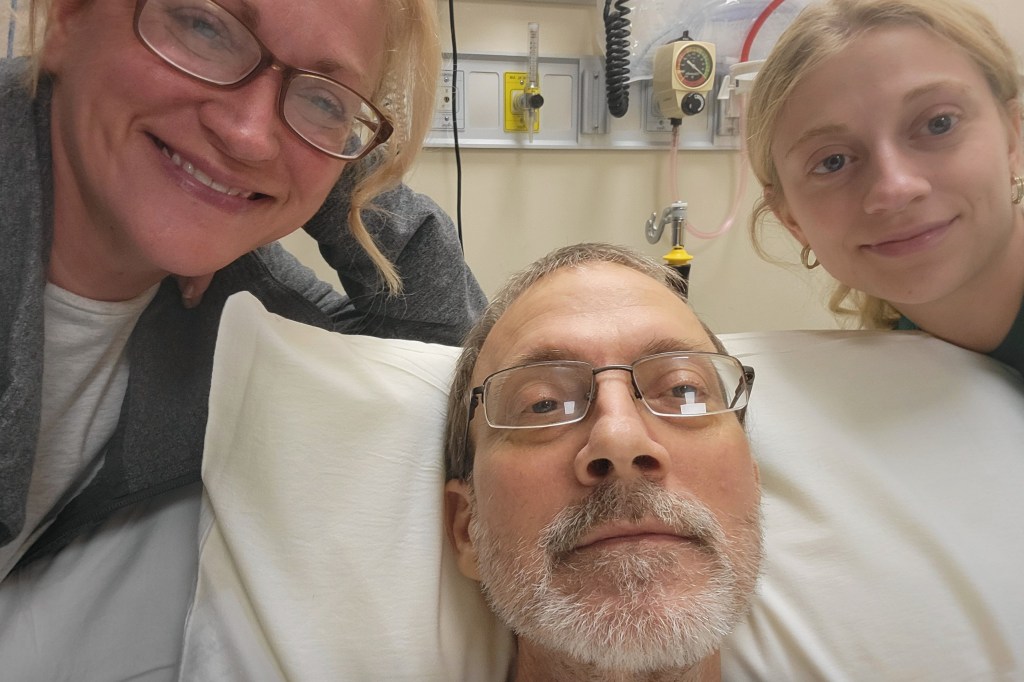
- After Man’s Death Following Insurance Denials, West Virginia Tackles Prior Authorization
- 131 hospitals sue HHS over 2023 rule on Disproportionate Share Hospital calculation
- 4 out of 10 family physicians report feelings of burnout, Weill Cornell Medicine study finds
- Hundreds of U.S. Hospitals at Risk of Shutting Down From Medicaid Cuts
- Honey Almond Cream Cheese, Sold at Einstein Bros. Bagels, Recalled Due To Undeclared Nuts
- Trump Supports Surgeon General Pick Despite Senate Concerns
- A look at AMA's Joy in Medicine program amid steady physician burnout rates
- Lilly answers Novo's GLP-1 pill with highly anticipated FDA nod for Foundayo
- Supreme Court Blocks Colorado Limits on Therapy for LGBTQ Minors
- Hospital groups call on Congress to refine long-term care hospital payments
- Study Shows BMI Often Gets Your Weight Category Wrong
- Antidepressant, Fluvoxamine, Might Help Long COVID Fatigue, Study Says
- Kinesio Taping’s Benefits in Doubt, Major Evidence Review Finds
- High Sodium Intake May Trigger New Heart Failure
- Home-Delivered Groceries Boost Heart Health In Food Deserts, Study Says
- Nicotine E-Cigarettes Help Smokers Quit, Review Concludes
- Clinicians are burnt out. Peer support can help
- Novo's Wegovy nets cardio nod from UK cost gatekeeper, adding 1M+ eligible patients
- Trump’s One Big Beautiful Bill Act Darkens Outlook for Government-Backed Clinics

- Readers Sound Off on Wage Garnishment, Work Requirements, and More

- CVS Health opens pharmacy-only locations as it rightsizes store footprint
- How Rural Health Systems Are Advancing Cardiac Imaging
- How Rural Health Systems Are Advancing Cardiac Imaging
- Beyond Reimbursement: Why Market Access is MedTech’s Strategic North Star

- Beyond Reimbursement: Why Market Access is MedTech’s Strategic North Star
- Evotec hires exec with AI experience to lead rebooted commercial team
- The Human Side of AI Medical Devices: Why Safety Depends on Design, Not Just Algorithms

- The Human Side of AI Medical Devices: Why Safety Depends on Design, Not Just Algorithms
- Whoop raises $575M series G, Abbott comes on board amid hiring spree
- ‘There isn't as much meat left to cut’: Biopharma layoffs maintain slowdown in Q1
- Bipartisan bill introduced to stabilize physicians' year-to-year pay changes
- FDA flags serious liver injury cases, 8 deaths with ‘reasonable’ link to Amgen's Tavneos
- Why Medicaid Program Integrity Is a Team Sport
- Novo Nordisk cuts 400 roles at troubled Bloomington site
- Former U.S. Surgeon General Challenges Trump Nominee
- Iterum initiates wind-down after failure to offload antibiotic with sluggish sales


A long form opinion piece in MedPage Today explores the market and patient impact of bypassing all Rx middlemen, including the family physician.
The author is himself a physician who remains remarkably unbiased. In fact, aside from his brief call for regulatory oversight, I detect none of the usual disingenuous physician pleas for safety measures, like requiring in-person visits to order or renew prescriptions. (In market terms, such mandates lock in their captive market.)
https://www.medpagetoday.com/opinion/prescriptionsforabrokensystem/111937
Direct-to-Consumer Drugs: Big Pharma's Digital Health Play
— Regulators will need to closely watch this new frontier
If patients and physicians are tired of the drug company pleas, tighten your seat belts.
Two major pharmaceutical companies have announced they intend to sell directly to consumers using digital health platforms. Other companies will likely follow suit. It appears major pharmaceutical companies are trying to keep up with successful smaller platforms like Hims & Hers.
Will this trend benefit consumers? I'm skeptical.
The New Frontier: Digital Health and Direct-to-Consumer Medication
If you have watched any PG-13+ streaming service with your teen or significant other, you have probably heard of Hims & Hers. From hair loss to erectile dysfunction, this company advertises directly to consumers and then uses digital platforms to connect patients with healthcare providers who can diagnose symptoms and prescribe medications without ever having met the patient in person. In May, the company announced its first quarter revenue increased 46% year over year and was about $10 million higher than Wall Street analysts had predicted.
Why is Hims & Hers so successful? In part, because the company is focusing on challenges like hair loss and erectile dysfunction -- issues that most patients would rather not discuss with anyone in person, even a trusted physician.
Given the skyrocketing demand for GLP-1 weight loss drugs, online direct-to-consumer providers with pharmacy relationships are now trying to get a piece of that market too. Specifically, online providers have been prescribing, and pharmacies with relationships to these providers have been compounding these drugs and offering them at a lower price than legacy manufacturers.
Are you starting to get a sense of why pharmaceutical companies are ready to take the leap beyond direct-to-consumer marketing into direct-to-consumer sales? Faced with these new market entrants and competition, pharmaceutical giants are hungry to reclaim their territory.
The Drivers Behind Pharma's Pricing Strategies
To fully understand why pharmaceutical companies are making this move, it is important to consider the drivers behind pharmaceutical pricing strategies.
Pharmaceutical companies often justify high prices by pointing to the substantial investments required to bring a new drug to market. For example, the Pharmaceutical Research and Manufacturers of America (PhRMA), the drug companies' chief lobbying organization, has argued that over the last decade, its member companies "have more than doubled their annual investment in the search for new treatments and cures."
While there is no doubt these investments are valuable, companies largely set prices without market pressure because of a lack of competition driven by exclusivities and maneuvering around patent law. As a forthcoming paper from the University of North Carolina's Center for the Business of Health explains, marketing expenses (including direct-to-consumer advertising) add to the high drug prices passed on to consumers, as do complex supply chain dynamics, involvement of pharmacy benefit managers (PBMs), and charity prescription programs.
The paper also illustrates that drug prices are higher in the U.S. than they are in other countries because a large and complex network of players -- from insurers to regulators to drug companies themselves -- all try to influence the process. Direct-to-consumer models eliminate at least some of the players in this ecosystem. They also respond to a social demand: consumers and members of Congress are fed up with high drug prices. Indeed, 80% of Americans think the prices of drugs in the U.S. are unreasonable.
Drug giants are responding to that sentiment. But will direct-to-consumer sales actually help patients save money?
The Business Strategy Behind the Direct-to-Consumer Play
Major pharmaceutical companies have argued their new direct-to-consumer offerings will improve price transparency for patients, reduce costs by eliminating the need for much-vilified middlemen like PBMs, and improve access to life-improving medications.
On the surface, this appears to be a major win for patients. But of course, there is more to the story. In fact, this development may come down to just one type of drug: GLP-1s.
A 2023 JP Morgan analysis estimated the GLP-1 market would exceed $100 billion by 2030. About 10% of type 2 diabetes patients used a GLP-1 last year, the report noted, but that number could top 35% within the next 6 years. Overall, total U.S. GLP-1 users might top 30 million by 2030, about 9% of the nation's population.
As compounding pharmacies and digital health companies have begun offering lower-cost alternatives to high-priced GLP-1s, the demand for the original, more expensive medications has declined. By going direct-to-consumer, drug companies can bypass traditional distribution channels, maintain tighter control over pricing, and prevent patients from switching to lower-cost alternatives. In essence, they can create a new revenue stream that allows them to retain as much market share as possible, even as competition heats up.
For pharmaceutical manufacturers, it is almost always about protecting their bottom line.
Lower Prices, but Will Patients Become Prey?
Lower drug prices are undeniably good for patients. Most importantly, reducing costs improves adherence to a medication regimen. Anything that reduces the financial burden on patients and increases access to necessary medications should be seen as a positive development. The key word in that sentence, however, is "necessary."
The advent of direct-to-consumer marketing has not been good for patients. According to a study released last year by researchers at Johns Hopkins University (JHU), it has increased pressure on clinicians to prescribe drugs that may not actually be the best option for patients. Perhaps the most startling of JHU's findings is this one: drug companies spent nearly 15% more on direct-to-consumer advertising for treatments that demonstrated a lower added benefit to patients. It appears drug companies are most aggressive the closer they get to consumers.
By moving to a direct-to-consumer model, some pharmaceutical companies may be at risk of "pushing" drugs on patients who may not need them, or who would be better off with some other treatment, including one that did not involve pharmaceuticals at all. If not carefully monitored, the digital health platforms that make it easier for patients to obtain medications could lead to overprescribing.
The trend of pharmaceutical companies entering the direct-to-consumer space represents a significant shift. While there could be upsides, including lower drug prices and increased access, it also raises important questions about these companies' motives. As this trend continues to develop, it will be crucial for regulators and healthcare providers to ensure these new models are used responsibly.
Disclosures
N. Adam Brown MD, MBA is a practicing emergency physician, entrepreneur, and healthcare executive. He is the founder of ABIG Health, a healthcare growth strategy firm, a professor at the University of North Carolina's Kenan-Flagler Business School, and serves as co-chair of the University of North Carolina's Center for the Business of Health board.
Get MHF Insights
News and tips for your healthcare freedom.
We never spam you. One-step unsubscribe.
Sponsors
Friends of MHF





Kirsten DeVries
Tom & Karen Nunheimer
Steve Ahonen
Ron & Faith Bosserman
Marlin & Kathy Klumpp
Sign Up for MHF Insights to keep up on the latest in Michigan Health Policy