








Michigan healthcare freedom community forum

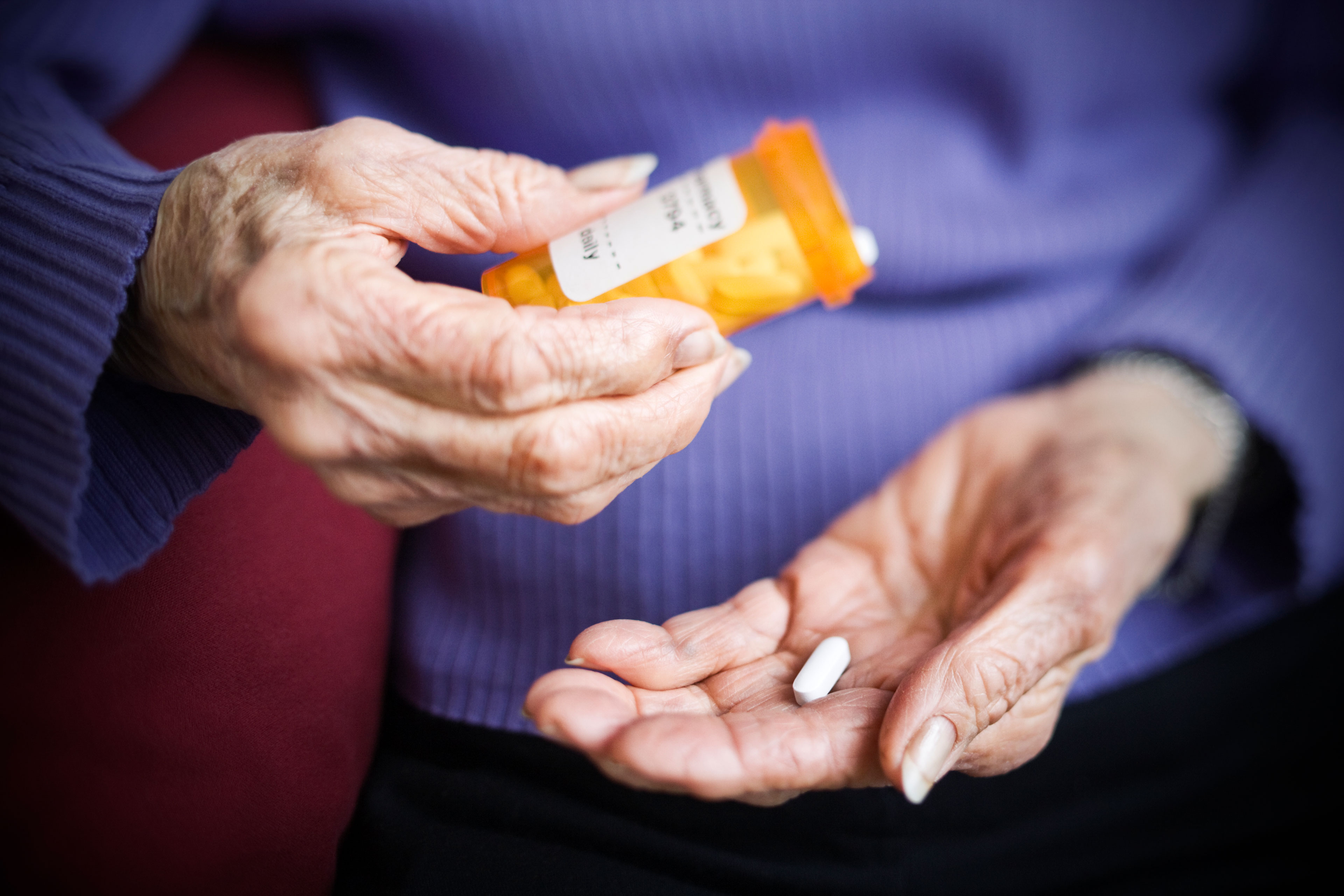
The Biden/Harris Administration has been touting price reductions to Medicare in 10 widely used non generic medications after negotiations by CMS authorized by the Inflation Reduction Act of 2022. It is widely reported that those price reductions may not reach Medicare Part D consumers as PBMs and others in the pharmaceutical pipeline may eluct those savings.
But there is a much bigger issue. The Biden/Harris Administration and CMS selected 10 medications which are about to go off patent, presumably to get larger price reductions from their manufacturers which makes for more exciting political press releases. The manufacturers see very little cost in providing price reductions on medications which are going to be generic in one to three years. And generic drug makers probably will not make generic versions of these patented drugs once their patents expire because they will have only a slim competitive margin.
So the IRA drug price reductions may prove to be little more than a chimera. John A. Clifford of the law firm Merchant and Gould in Phoenix explains this at Powerline Blog:
https://www.powerlineblog.com/archives/2024/08/big-fakers-versus-big-pharma.php
Big Fakers versus Big PharmaJohn A. Clifford - August 18, 2024
Both President Biden and Vice President Harris spoke at Prince George’s Community College in Largo, Maryland this past Thursday. In their speeches (White House transcript here) they touted the administration’s negotiation of dramatic price reductions on ten pharmaceutical drugs, allegedly saving consumers and Medicare billions of dollars. But as Biden himself noted, the price reductions do not take effect until January 1, 2026. As a patent attorney with some understanding of how things work, I wondered what was going on. Why wait to save billions of dollars?
The agreement covers ten drugs, all of which are covered by one or more U.S. patents. Patents give the owner the legal right to exclude others from making, using or selling an infringing product for a limited time, normally something like 20 years, although with pharmaceuticals the period of exclusivity can be longer for various reasons.
In looking into this claimed Biden/Harris achievement I learned that eight of the ten drugs are covered by patents that expire in 2026 or before. Only one of the ten, Imbruvica, has a patent with many years left to run, and the price reduction negotiated for that drug is the lowest percentage price drop of the group.
Once a drug patent expires generic drug makers are free to enter the market with a generic equivalent, usually at a much lower price. The U.S. government has the details of the drug price reductions contained in the Inflation Reduction Act signed in August of 2022 here: Medicare Drug Price Negotiation Program: Negotiated Prices for Initial Price Applicability Year 2026. Included there is this handy chart:
I propose adding another column showing when the U.S. patents on those drugs expire. It looks like this:
Januvia 2026
Novolog 2024
Farxiga 2025
Enbrel 2010-2029 (this one is complicated)
Jardiance 2025
Stelara 2023 (although a pay-to-delay agreement pushes competition off until 2025)
Xarelto 2024
Eliquis 2026
Entresto 2025
Imbruvica 2036It is well known that generic drug manufacturers often enter the market with equivalent compounds after patents expire once they receive the required FDA approval for their versions. That usually leads to meaningful price reductions for consumers and Medicare through competition. History shows those price reductions normally are in the range of 34 percent to 68 percent in the U.S. The data can be found here, again published by the government.
The fact that the federal government can now negotiate directly with drug makers for lower prices may be significant, but for these ten drugs it is likely similar price reductions would have followed anyway once the relevant patents expired. The effectiveness of the administration on LOWERING PRESCRIPTION DRUG COSTS as claimed in the placards surrounding her at Thursday’s rally must be less than advertised. It’s like claiming an extension of the law of gravity, but not effective until January 1, 2026.
By negotiating and publishing the future price of these drugs two years ago, some generic drug makers may decide not to bother making generic versions of some of these patented drugs once the patents expire. If that happens the Inflation Reduction Act of 2022 may keep future drug prices higher than they would otherwise be if the marketplace were left alone.
A caveat to this story:
John A. Clifford is of counsel at Merchant and Gould in Phoenix. He is a member of the Arizona and U.S. Patent Bars. I got to know and respect Jack on the other side of a case premised on the law of intellectual property. Jack writes to comment on the claim made by Vice President Harris last week that the Biden/Harris administration is “lowering prescription drug costs.” Jack wants it to be noted: “I write as an individual and not on behalf of my employer or any client of that law firm. This is not a legal opinion. I simply asked AI to review the published literature available and tell me when the U.S. patents on these drugs expire. Such information is usually in the annual reports of drug makers and other reliable places. Before making any business decision on this topic, one should review the source documents themselves and not rely on AI or my comment alone.”
Get MHF Insights
News and tips for your healthcare freedom.
We never spam you. One-step unsubscribe.
Sponsors

J & DE Family Charitable Fund

Friends
of MHF

Kelly Grotendiek
Philip Harbach
Dale Johnson
Drs. Jeffrey and Joni Jones
Vickie Kahle
Tammy Kipen
Marlin & Kathy Klumpp
Melanie Kurdys
Ruth Nobel
Patrick Peterson
Stephanie Poortenga
Jeanne Smit
Ben and Hope Staal
John Tuinstra
Jacki VanHuis
Sandy Walker
Sign Up for MHF Insights to keep up on the latest in Michigan Health Policy






