





Michigan healthcare freedom community forum

Amgen, Boehringer Ingelheim, Bristol-Myers Squibb, Genentech, Gilead, GSK, Merck, Novartis, and Sanofi all signed onto Trump's Most Favored Nation plan today; the plan outlined in his July 31st letter to Big Pharma CEOs. This brings 14 of the 17 targeted Big Pharma companies into accord with MFN. AstraZeneca, Eli Lilly, EMD Serono, Novo Nordisk, and Pfizer have previously reached MFN agreements with the Administration. AbbVie is said to be close to an MFN deal with the Administration. The status of Johnson & Johnson and Regeneron have not been publicly disclosed.
The agreement also requires $ 150 billion in domestic pharmaceutical manufacturing, research and development investment commitments from the nine companies:
Trump, nine pharmaceutical companies strike deal to cut prices
By Michael Erman, Jarrett Renshaw and Patrick Wingrove - December 19, 2025Summary
- Drugmakers to cut prices on most drugs sold to the Medicaid program
- U.S. patients pay the most for prescription medicines
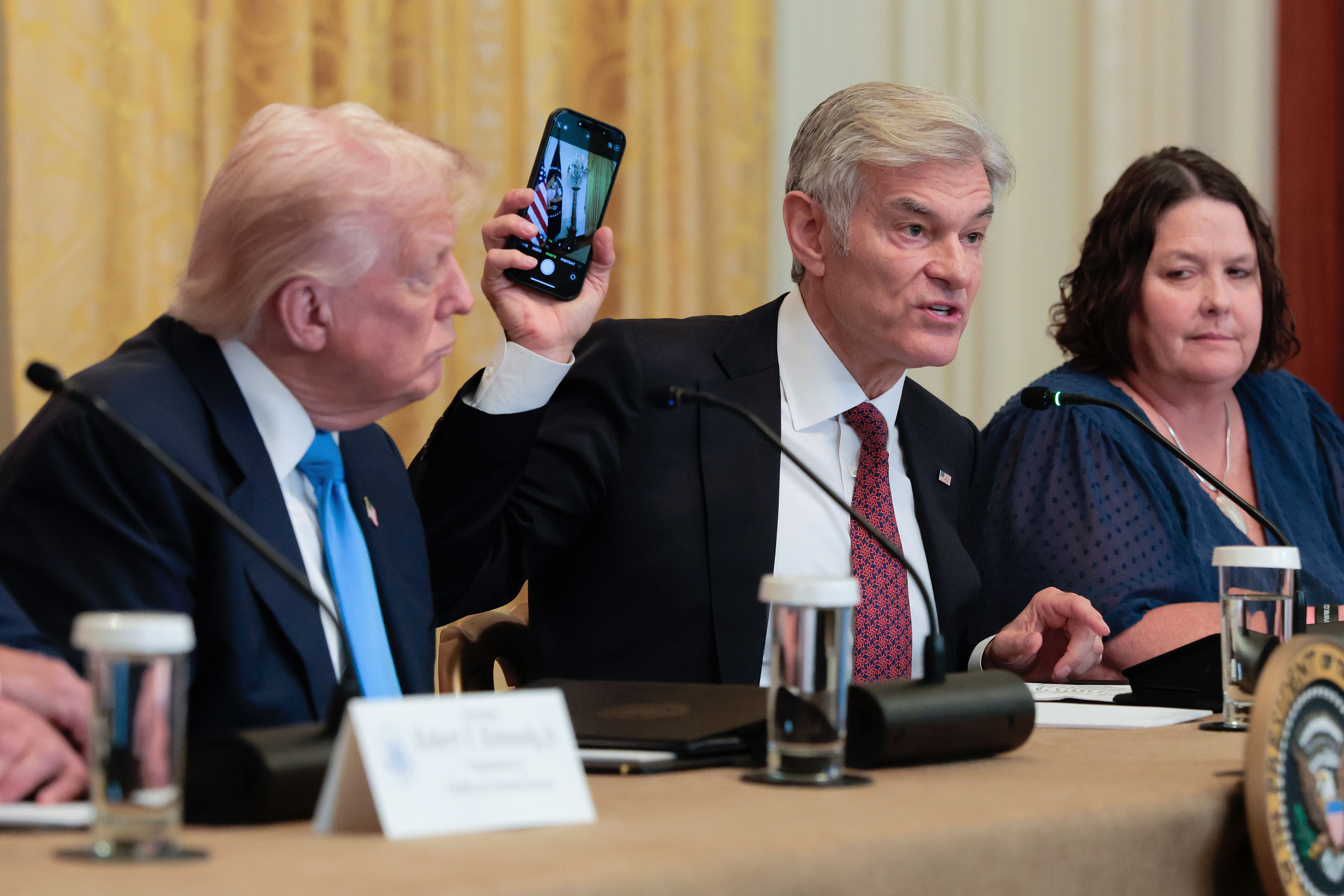
Dec 19 (Reuters) - U.S. President Donald Trump and nine major pharmaceutical companies on Friday announced deals that will slash the prices of their medicines for the government's Medicaid program and for cash payers, in his latest bid to align U.S. costs with those in other wealthy nations.
Bristol Myers Squibb (BMY.N), Gilead Sciences (GILD.O), and Merck (MRK.N), and Roche's (ROG.S) U.S. unit Genentech have struck deals. Novartis (NOVN.S), Amgen (AMGN.O), Boehringer Ingelheim, Sanofi (SASY.PA), and GSK (GSK.L) have also signed on.
Under the deals, each drugmaker will cut prices on most drugs sold to the Medicaid program for low-income people, senior administration officials said, promising "massive savings" on widely used medicines without giving specific figures.
U.S. patients currently pay by far the most for prescription medicines, often nearly three times more than in other developed nations, and Trump has been pressuring drugmakers to lower their prices to what patients pay elsewhere.
The details of each deal were not immediately available but officials said they included agreements to cut cash-pay direct-to-consumer prices of select drugs sold potentially through the TrumpRx.gov website, to launch drugs in the U.S. at prices equal to - not lower than - those in other wealthy nations and to increase manufacturing. In return, companies can receive a three-year exemption from any tariffs.
MERCK'S JANUVIA, JANUMET ON TRUMPRx
Merck said it will sell its diabetes drugs Januvia, Janumet and Janumet XR - set to face generic competition next year - directly to U.S. consumers at about 70% off list prices. If approved, its experimental cholesterol drug enlicitide will also be offered through direct-to-consumer channels.
Enlicitide is one of two Merck drugs expected to receive a speedy review under the FDA's new, fast-track pathway, Reuters previously reported.
In July, Trump sent letters to leaders of 17 major drugmakers, urging them to offer so-called most-favored-nation prices to Medicaid and ensure new medicines launch at prices no higher than those in other wealthy countries.
Five companies had previously struck deals with the administration to rein in prices - Pfizer, Eli Lilly (LLY.N), AstraZeneca (AZN.L), Novo Nordisk (NOVOb.CO), and EMD Serono, the U.S. division of Germany's Merck KGaA (MRCG.DE).
The remaining three that have not announced deals are Regeneron (REGN.O), Johnson & Johnson (JNJ.N), and AbbVie (ABBV.N). Investors initially feared sweeping U.S. price controls, but the details of recent deals have largely eased those concerns. Reuters previously reported that AbbVie was expected to announce a deal on Friday.
Drugmakers on Friday committed to “most-favored-nation” pricing on all new U.S. drug launches across commercial, government and cash-pay markets, including the U.S. Medicare program for those aged 65 and over, officials said.
A portion of revenues from each company's foreign sales will also be remitted to the U.S. to offset costs, officials said.
The companies pledged together to invest more than $150 billion in U.S. for R&D and manufacturing, according to officials, although it was unclear whether that included earlier commitments. Several also agreed to donate drug ingredients to the U.S. strategic reserve.
Merck said it chipped in $70 billion of that sum.Analysts have noted that Medicaid, which accounts for only around 10% of U.S. drug spending, already benefits from substantial price discounts, exceeding 80% in some cases.
Pfizer, which announced its 2026 financial outlook on Tuesday, said the Medicaid discounts would result in price and margin compression next year.
The White House Fact Sheet:
Fact Sheet: President Donald J. Trump Announces Largest Developments to Date in Bringing Most-Favored-Nation Pricing to American Patients
The White House
December 19, 2025LOWERING DRUG PRICES FOR AMERICAN PATIENTS: Today, President Donald J. Trump announced nine new agreements with major pharmaceutical companies to lower prescription drug prices for Americans in line with the lowest prices paid by other developed nations (known as the most-favored-nation, or MFN, price).
- The nine manufacturers include Amgen, Bristol Myers Squibb, Boehringer Ingelheim, Genentech, Gilead Sciences, GSK, Merck, Novartis, and Sanofi.
- The agreements reduce prices on drugs that treat numerous costly and chronic conditions, including type two diabetes, rheumatoid arthritis, multiple sclerosis, asthma, chronic obstructive pulmonary disease (COPD), hepatitis B and C, human immunodeficiency virus (HIV), and certain cancers, among others.
- The agreements will provide every State Medicaid program in the country access to MFN drug prices on products made by the nine companies, resulting in billions of dollars in savings and continuing President Trump’s historic efforts to strengthen the program for the most vulnerable.
- The agreements ensure foreign nations can no longer use price controls to free ride on American innovation by guaranteeing MFN prices on all new innovative medicines the nine companies bring to market.
- The agreements require the nine companies to repatriate increased foreign revenue on existing products that they realize as a result of the President’s strong America First U.S. trade policies for the benefit of American patients.
- The agreements require the nine companies to offer medicines at a deep discount off the list price when selling directly to American patients through TrumpRx.
DELIVERING LOWER COSTS: Patients will be able to see massive price reductions on numerous products when purchasing directly through TrumpRx as a result of today’s actions. Select examples include:
- Amgen will reduce the price of its cholesterol-lowering drug Repatha from $573 to $239 for patients purchasing directly through TrumpRx.
- Bristol Myers Squibb will reduce the price of its HIV medication, Reyataz, from $1,449 to $217 for patients purchasing directly through TrumpRx.
- Boehringer Ingelheim will reduce the price of its type two diabetes medication, Jentadeuto, from $525 to $55 for patients purchasing directly through TrumpRx.
- Genentech will reduce the price of its flu medication, Xofluza, from $168 to $50 for patients purchasing directly through TrumpRx.
- Gilead Sciences will reduce the price of its Hepatitis C medication, Epclusa, from $24,920 to $2,425 for patients purchasing directly through TrumpRx.
- GSK will reduce the prices of its inhaler portfolio. Prices for the popular asthma inhaler Advair Diskus 500/50 will fall from $265 to $89 for patients purchasing directly through TrumpRx.
- Merck will reduce the price of its diabetes medication, Januvia, from $330 to $100 for patients purchasing directly through TrumpRx.
- Novartis will reduce the price of its Multiple Sclerosis medication, Mayzent, from $9,987 to $1,137 for patients purchasing directly through TrumpRx.
- Sanofi will reduce the price of its prescription blood thinner, Plavix, from $756 to $16 for patients purchasing directly through TrumpRx and Sanofi will list its insulin products at TrumpRx at $35 per month’s supply.
BOLSTERING NATIONAL HEALTH SECURITY BY INVESTING IN AMERICA: The pharmaceutical manufacturers involved in today’s announcement are committing to invest at least $150 billion collectively in U.S. manufacturing in the near term. Additionally, as part of the agreements, several companies are donating active pharmaceutical ingredients for key products to the Strategic Active Pharmaceutical Ingredients Reserve (SAPIR) to reduce reliance on foreign nations and ensure the United States has an adequate supply of such products in the event of an emergency.
- GSK will contribute 98.8kg of albuterol, the active ingredient in a common rescue inhaler for people with asthma.
- Bristol Myers Squibb will contribute tablets representing 6.5 tons of apixaban, the active ingredient in the drug Eliquis, a blood thinner taken by millions of American patients.
- Merck will contribute 3.5 tons of ertapenem, an antibacterial medication used to treat complex infections.
DELIVERING ON PROMISES TO PUT AMERICAN PATIENTS FIRST: President Trump is delivering on promises to ensure American patients no longer pay high prices to subsidize low prices in the rest of the world, something the political establishment did not believe was possible.
- On May 12, 2025, President Trump signed an Executive Order titled: “Delivering Most-Favored-Nation Prescription Drug Pricing to American Patients” directing the Administration to take numerous actions to bring American drug prices in line with those paid by similar nations.
- On July 31, 2025, President Trump sent letters to leading pharmaceutical manufacturers outlining the steps they must take to bring down the prices of prescription drugs in the United States to match the lowest price offered in other developed nations.
- Since September 30, 2025, President Trump has announced 14 deals with major pharmaceutical manufacturers to bring prices in line with those paid in other developed nations, which will provide substantial price relief on numerous products taken by millions of Americans.
- On December 1, 2025, the Office of the United States Trade Representative, the Department of Commerce, and the Department of Health and Human Services announced an agreement with the United Kingdom (U.K.) that will increase the net price of new prescription drugs by 25% in the U.K., helping ensure they pay their fair share for innovative medicines.
Johnson & Johnson disclosed their MFN agreement late yesterday evening. Regeneron and AbbVie are still outstanding::
https://thehill.com/policy/healthcare/5681535-johnson-johnson-trump-drug-prices/
Johnson & Johnson announces drug pricing deal with Trump administration
By Nathaniel Weixel - January 9, 2026Johnson & Johnson said late Thursday it will lower prices for certain prescription drugs and match the rates in other countries, becoming the latest pharmaceutical company to strike a deal with the Trump administration in exchange for tariff relief.
The New Jersey-based health conglomerate was one of the 17 companies President Trump called out last summer to lower drug prices as part of his administration’s “most favored nation” push.
Drugmakers have been eager to strike voluntary deals to avoid punitive actions such as tariffs that could cut deeply into their profits. The only companies who received letters that have yet to strike deals with the administration are AbbVie and Regeneron.
“I’m proud that Johnson & Johnson is answering President Trump’s call to lower drug prices for everyday Americans while maintaining our role in improving and saving lives and ensuring that the United States continues to lead the world in healthcare innovation,” Joaquin Duato, chair and chief executive of Johnson & Johnson, said in a statement.
Under the agreement, J&J will offer specific drugs for sale directly to consumers at significant discounts through the Trump administration’s forthcoming TrumpRx website. It will also offer its drugs to the Medicaid program at comparable prices to other developed countries. The company did not say which drugs were part of the agreement.
J&J also did not specify how long its tariff reprieve will be, saying the specific terms remain confidential.
The agreement follows similar deals the administration has already made with pharma companies like Amgen, Bristol Myers Squibb, Gilead, GSK, Merck, Novartis, Genentech and Sanofi.
J&J also said it is planning two new U.S. manufacturing facilities as part of a previously announced $55 billion investment: a cell therapy manufacturing site in Pennsylvania and a drug product manufacturing facility in North Carolina.
The company said construction is progressing on a $2 billion biologics manufacturing facility in Wilson, N.C., which will create about 5,000 skilled jobs in the state.
It took a while, but the Trump Administration has struck a deal with New York based Regeneron, which was the last holdout:
https://thehill.com/policy/healthcare/5845958-trump-regeneron-drug-price-deal/
Trump unveils Regeneron deal to lower drug prices
By Nathaniel Weixel - April 23, 20266President Trump unveiled a deal with drugmaker Regeneron on Thursday for the company to voluntarily cut prices, the final manufacturer to commit to the White House’s “most favored nation” plan to lower U.S. costs in line with other developed nations.
Under the agreement, Regeneron said it will reduce prices for its current and future medications sold to Medicaid.
It will also offer its cholesterol drug Praluent for a discounted price of $225 through the TrumpRx.gov website in exchange for tariff relief and other incentives.
Trump has long used tariff threats as leverage to force companies to lower prices and move manufacturing to the U.S.
Regeneron is the last of the 17 companies the White House targeted last year to commit to cutting prices under his most favored nation policy.
The discounts apply to Medicaid patients, not to people on private insurance or Medicare. Experts have noted the discounts aren’t likely to significantly impact companies’ bottom lines, as Medicaid drugs are already highly discounted.
At a White House event touting the deal, HHS chief counselor Chris Klomp said the combined deals represent 86 percent of the branded drug market. He said the administration now plans to work out agreements with the “many hundreds” of smaller pharmaceutical and biotech companies in the U.S.
The Trump administration has made lowering prescription drug costs a central part of its domestic policy agenda, as the administration is working to convince voters that Republicans care about affordability ahead of the November midterm elections.
However, the details of the agreements remain private, making it difficult to assess their true impact. Democrats this week pressed Health Secretary Robert F. Kennedy Jr. to release details of the agreements, arguing they fall well short of the administration’s grand promises.
The pricing agreement came just hours after Regeneron announced the Food and Drug Administration had approved the company’s gene therapy for children with profound genetic hearing loss.
The therapy treats an extremely rare genetic variant found in only about 50 children a year. It is the first treatment to restore normal hearing in children who were born deaf. The only other way to treat the condition, called otoferlin deafness, has been with a cochlear implant.
Gene therapies are some of the most expensive drugs on the market, but Regeneron said it would provide the treatment for free.
Get MHF Insights
News and tips for your healthcare freedom.
We never spam you. One-step unsubscribe.
Sponsors
J & DE Family Charitable Fund
Friends
of MHF

Kelly Grotendiek
Philip Harbach
Dale Johnson
Drs. Jeffrey and Joni Jones
Vickie Kahle
Tammy Kipen
Marlin & Kathy Klumpp
Melanie Kurdys
Ruth Nobel
Patrick Peterson
Stephanie Poortenga
Jeanne Smit
Ben and Hope Staal
John Tuinstra
Jacki VanHuis
Sandy Walker
Sign Up for MHF Insights to keep up on the latest in Michigan Health Policy