




- Journalists Shed Light on Deadly Hantavirus Outbreak and a Crisis in the Nation’s ERs
- Is the horizon still bright for orthodontists?
- The Make America Healthy Again Movement Comes for Hospital Food
- What’s driving physicians to early retirement
- Why Tenet’s CEO says ASCs keep choosing USPI
- 12 recent hospital, health system president exits
- Hospitals embrace rapid opioid treatment in fentanyl era: Study
- Texas systems open 200-bed behavioral health center
- 32 health systems spending $5B on cancer care
- Sanford, North Memorial planned combination adds to Minnesota healthcare deal wave
- Lone Peak Dental Group acquires Arizona practice
- Inside Northwestern Medicine’s battle against surgeon burnout
- UT Austin launches Epic ahead of new academic medical center
- Ohio system names COO
- Buy, sell or fight: The new calculus of health system growth
- OpenAI’s growing healthcare footprint
- Tennessee optometrist pleads guilty to $6.9M Medicare fraud
- Why Cook County Health’s Medicaid coverage loss strategy is drawing attention
- Akron Children’s chosen for former Ohio college campus site
- Surgery Partners doubles down on orthopedics, robotics as total joint growth hits 14.6%
- The growing war over Anthem’s out-of-network penalty policy
- 3 PDS Health headlines to know in 1 week
- Remarks at the Conference on Financial Market Regulation
- Could ASCs help cardiology move past its ‘breaking point’?
- 3 programs expanding the anesthesia workforce in 2026
- Dad Jokes: Remarks at the 13th Annual Conference on Financial Markets Regulation
- UVM Health targets $300M in cuts, outpatient overhaul amid $280M deficit
- Maine behavioral health provider cites industry pressures in merger
- Dentists opening practices in 1 month
- The Aspen Group names new chief commercial officer
- RFK Jr. Launches Plan To Curb Antidepressant 'Overprescription'
- Georgia mental health provider adds after-hours outpatient program
- AI-augmented behavioral health provider Theris launches out of stealth
- 5 data breaches, settlements impacting cardiology
- Maine hospital adds stroke prevention, cardiac imaging services
- As new tech, AI sweeps the marketing world, Eversana Intouch’s new CEO is ‘comfortable in the gray’
- Sanford Health unveils deal to integrate Minnesota-area North Memorial Health, invest $600M
- Trump plans to fire FDA chief Marty Makary: report
- Oregon governor signs behavioral health workforce expansion bills amid shortage
- Remarks at the Special Competitive Studies Project AI+ Expo
- Lawmakers, former FDA leaders and more rally behind mifepristone as Supreme Court weighs telemedicine access to abortion pill
- 5 DSOs making headlines
- Plant-Based Foods May Help Lower Risk of High Blood Pressure
- The ACA exchanges dominated Q1 earnings calls. Here's what payer, health system execs had to say
- Targeted Protein Degradation and Novel Modalities: Getting on the Frontline
- Gilead cranks up Yeztugo first-year sales forecast to $1B on 'unprecedented launch trajectory'
- Capricor Therapeutics files breach-of-contract lawsuit against US partner NS Pharma
- Op-ed: It's time to make more strategic bets on AI in healthcare
- Daiichi Sankyo takes $610M profit hit linked to ADC manufacturing overbuild
- Super Shoes Might Increase Risk Of Running Injuries, Study Says
- TV, Movies Offer Flawed Depictions Of Autism, Add To Delayed Diagnosis, Study Says
- Opioid OD Survivors Have Triple Rate Of Repeat Overdoses Than Previously Estimated
- Revisiting Pharma’s tariff reality
- A New Medicare Option For Weight Loss Drugs: What Older Americans Should Know
- Exposure Therapy Can Successfully Ease Peanut Allergies
- Listen: A Federal Agency Is After Workers’ Health Data, and Critics Are Alarmed
- In California Governor Race, Single-Payer Is a Litmus Test. There’s Still No Way To Pay for It.
- AbbVie’s Skyrizi beats out J&J’s Tremfya in April drug ad spending leaderboard
- Johnson & Johnson launches ‘Generation Fine’ depression project
- Pre-launch efforts linked to lasting drug awareness edge: report
- GSK tees up a Modern Family for meningitis messaging
- NYC invests $12M in overdose recovery workforce
- Aspen Dental to pay $2M to settle allegations of violating corporate dentistry laws
- Texas dental practice relocates into 6K-square-foot facility
- Medit launches global orthodontics division, acquires California training institute
- Pennsylvania enacts dental faculty bill
- Cruise Ship Hantavirus Outbreak Kills 3 as WHO Says Risk Is Low
- How policy, reimbursement incentives, could help healthcare address its climate footprint
- Remarks at the 13th Annual Conference on Financial Market Regulation
- 5 best practices for financially integrating behavioral health
- Fierce Pharma Asia—Summit’s surprise interim trial miss; UCB’s $2B Candid buy; J&J’s CAR-T cuts
- Amazon Pharmacy to offer home delivery for Novo Nordisk's Ozempic pill
- New York expands behavioral health data access in EHRs
- Staffing firm Cross Country Healthcare to be acquired by Knox Lane for $437M
- New Hampshire to receive $29.5M in Purdue opioid settlement
- Behavioral health leaders counter HHS ‘overprescribing’ narrative
- Clover Health's MA membership grows 51% year-over-year
- New Study Suggests The Brain Can Continue Learning While In An Unconscious State
- Health Tech Weekly Rundown: Tether rolls out medical AI for phones, wearables; Medaptus launches operational ‘command center’
- Pennsylvania sues Character.ai over AI chatbot allegedly presenting itself as licensed medical professional
- Angelini finds Catalyst for its US growth ambitions with $4.1B buyout
- FDA to reconsider shock rejection of cell therapy Ebvallo. Could uniQure be next?
- Every 1,000 Steps After Surgery Cuts Complication Risk, Study Finds
- Bullying and Politics Fuel Suicide Risk for LGBTQ+ Teens and Young Adults, Survey Finds
- Head Impacts May Disrupt Gut Health Even Without Concussion
- Class of Migraine Drug, CGRP Inhibitors, Has Added Benefit: Reduced Glaucoma Risk
- States Eye Aid to Prop Up Distressed Hospitals Amid Federal Medicaid Cuts
- That Discount at the Pharmacy Counter May Pack Hidden Costs
- Trump Promised Cheaper Drugs. Some Prices Dropped. Many Others Shot Up.
- Hims & Hers debuts its first AI care agent to interpret biomarker lab results
- Alnylam rebuked by FDA over efficacy claims on Amvuttra website
- Insulet CEO details ‘Scrubs’ device promotion win as it boosts awareness, education drive
- Oscar Health's profit hits $679M, membership rises in Q1
- Joint Commission, NACHC partner on training, new accreditation for community health centers
- Ardent Health touts outpatient growth, checked labor spend during hectic Q1
- FDA Authorizes Fruit-Flavored Vapes for Adults
- Sanofi asks to pull Tzield bid from FDA's controversial CNPV program: report
- FDA rolls out 1-day assessment pilot in bid to refocus inspection resources
- Nearly 8 in 10 employers say GLP-1 coverage drives up benefit costs: Business Group on Health
- Edibles + Alcohol Combo Poses Driving Risks Missed by Sobriety Tests
- Leapfrog Group's latest safety grades have far fewer low scores since removal of non-participating hospitals
- VR Training Helps Autistic People Navigate Police Encounters
- Novo CEO cites pricing 'sweet spot' as Wegovy pill debuts with $355M quarter
- Weight Loss Surgeries Fall More Than 20% As Patients Turn To GLP-1 Meds, Experts Say
- FDA blocks publication of COVID, shingles vaccine safety studies: NYT
- Bayer diagnoses how to build trust in cell and gene therapies
- Amwell boasts higher than expected renewals, retention despite Q1 revenue decline
- First Psych Ward Stay Signals Long-Term Mental Health Struggles For Nearly All Patients
- Why Melatonin Shouldn't Be A Bedtime Go-To For Kids
- Children Living Near Gas Stations Have Higher Cancer Risk, Study Finds
- The timing is right for psychedelics manufacturer Optimi Health's IPO
- HHS' Healthy Food Agenda Puts Hospitals On Notice About Patients' Meals
- A New Medicare Option for Weight Loss Drugs: What Older Americans Should Know
- Trump’s Drug Strategy Aims To Bolster Addiction Services — Despite Gutting of Government Support
- Inside the gaps in fertility and surrogacy systems
- CVS execs say company on track to meet MA margin goals by 2028
- Facilitating Access to Trump Accounts
- Fixing Failures to Communicate
- Hinge Health lifts 2026 outlook after strong Q1 as it expands to new conditions
- For nonprofit hospitals, pricey management consultants haven't yielded better performances: study
- Supreme Court Issues Stay, Keeping Abortion Pill Mifepristone Available by Mail For Now
- Statement on Proposing Release for Semiannual Reporting
- Quarterly Questions: Statement on the Proposed Amendments to Allow Semiannual Reporting
- Statement on Proposing Semiannual Reporting
- Wellstar partners with BD to implement AI-driven medication management system
- Listen to the Latest ‘KFF Health News Minute’
- Newer Migraine Drugs Reduce Headache Days With Fewer Side Effects
- New Drug Combo Effective Against Treatment-Resistant IBD, Trials Show
- New Warning Labels Might Help People Cut Back On Drinking
- Ozempic Can Curb Cravings in Alcohol Use Disorder, Landmark Trial Finds
- US on the Brink of Losing Measles-free Status, Study Warns
- Delays in Visa Program Threaten Doctor Placements in Underserved Areas
- States Eye Aid To Prop Up Distressed Hospitals Amid Federal Medicaid Cuts
- Supreme Court Puts Brakes on Abortion Pill Restrictions
- FDA Green Lights Expanded Access to Pancreatic Cancer Drug, Daraxonrasib
- Online Misinformation Adding To Americans' Skin Cancer Risk, Survey Finds
- Medtronic’s Updated Mitral Valve, Mosaic Neo, Gets FDA approval
- Social Media Videos, Easy Access Raise Risk of Teen Inhalant Use
- Staff Statement Regarding Pooled Employer Plans
- Sonire Therapeutics Initiates First U.S. Clinical Study of Ultrasound-Guided HIFU Therapy for Pancreatic Cancer
- Edwards Lifesciences Shares Ten-Year Pivotal Data Supporting Long-Term Durability of Resilia Tissue
- 'Fitspirational' Posts Can Be More Harmful Than Motivational, Review Concludes
- Parents’ Stress Tied to Children’s Mental Health, New Survey Finds
- Surgeon Multitasking Increases Death Risk Of Organ Transplantees
- When Natural Disasters Strike, Another Crisis Hits Those Recovering From Opioid Addiction
- FDA Recalls Several Ghirardelli Powdered Beverages Over Potential Contamination
A very long form story in Reuters is based on a suicide ascribed to the use of montelukast (Singulair) to explain how two U.S. Supreme Court decisions held that federal law, including the decisions of U.S. regulatory agencies, override state statutes that seek to hold companies accountable for harming consumers. The post is too long to duplicate here, but here is a teaser:
https://www.reuters.com/investigates/special-report/usa-lawsuits-merck-singulair
A son died, his parents tried to sue. How U.S. courts protect Big Pharma
By Dan Levine, Robin Respaut, Kristina Cooke, Mike Spector, and Benjamin Lesser - June 26, 2023Merck’s best-selling asthma medicine, Singulair, has been linked for years to suicides and psychiatric problems, often in children. But lawsuits over the drug are stymied by one of Corporate America’s most effective liability shields: the doctrine of federal preemption.
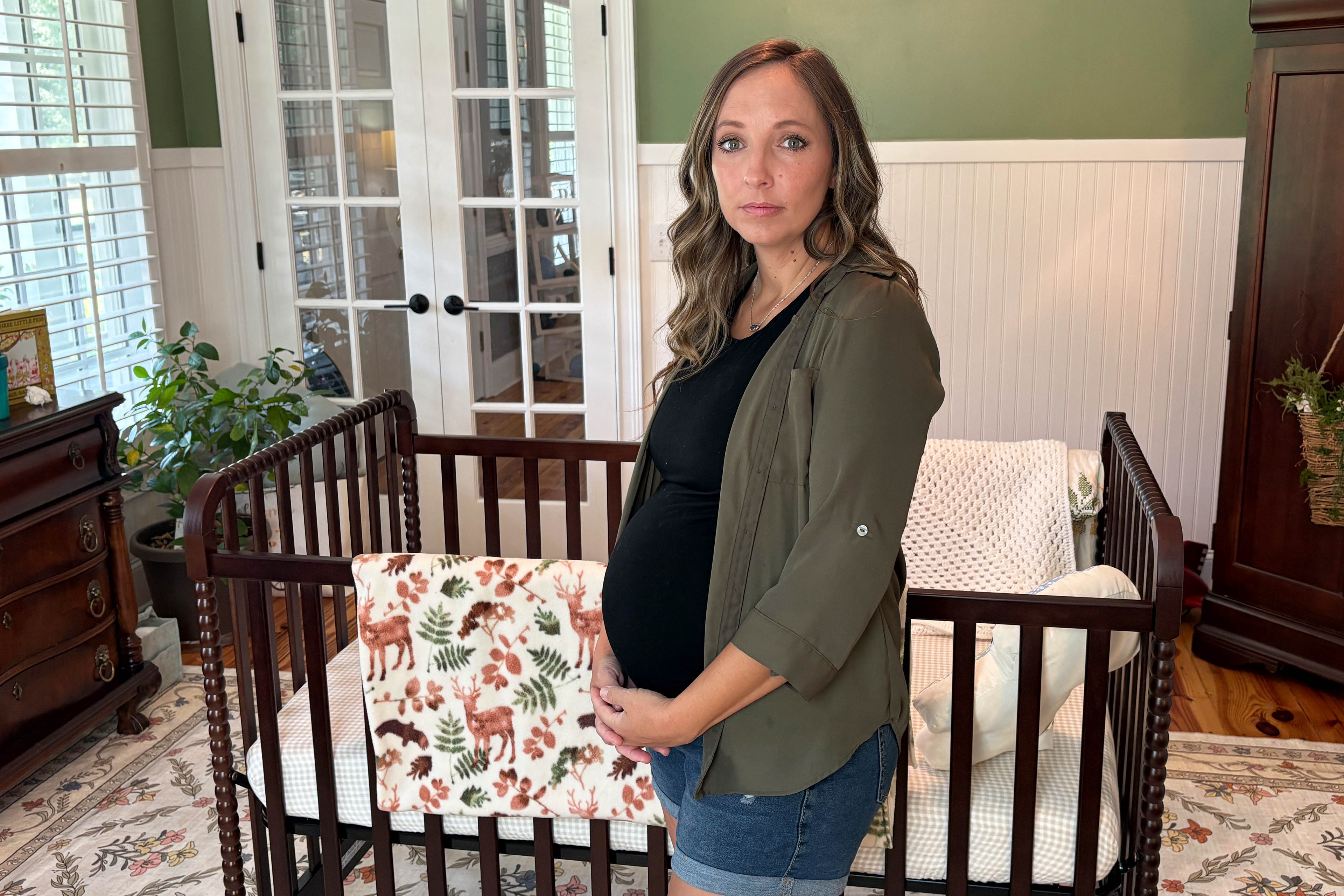
Nicholas England, a healthy 22-year-old from Virginia, shot himself in the head in 2017, less than two weeks after he started taking an allergy medicine that had been linked for years to episodes of depression and suicidal thinking.
His parents soon started exploring a lawsuit against Merck, the developer of the blockbuster asthma and allergy drug, Singulair, along with the manufacturer of the generic version their son took. Nicholas had no history of mental-health problems, they said.
The Englands were shocked to learn from legal advisers that they had no case. Like countless other potential plaintiffs, they had run into one of Corporate America’s most effective liability shields: the legal doctrine of preemption, the principle that federal law supersedes state law.
Armed with U.S. Supreme Court rulings on preemption starting in the 1990s, companies increasingly argue that federally regulated products or services should be immune from lawsuits alleging state-law violations. In a new reading of an old constitutional principle, judges have held that federal law, including the decisions of U.S. regulatory agencies, should preempt, or override, state statutes that seek to hold companies accountable for harming consumers.
State laws historically have provided the legal basis for some of the most common lawsuits against U.S. companies alleging injuries, deaths or illnesses caused by negligence or defective products.
“The emotion of losing your child is so difficult on its own. It is very frustrating to realize that’s a loophole. I’m a small person in southwestern Virginia, and that’s a loophole there to protect companies much bigger than we could fight.”
Jennifer England, whose son died by suicide after taking an allergy medicine tied to psychiatric problems.
These legal dynamics left the England family with no legal remedy at all. A pair of U.S. Supreme Court rulings, in 2011 and 2013, essentially barred lawsuits against generic drugmakers based on state laws that enabled claims over design defects or a failure to warn consumers of potential dangers. The court’s reasoning: Such claims were preempted by federal regulations preventing generic drugmakers, when copying name-brand drugs, from changing the formulation or the warning label.That meant Merck had written the warning label, with federal approval, on the generic version of Singulair that Nicholas England took. But his parents couldn’t sue Merck, either, because their son had never taken its name-brand version of Singulair.
“The emotion of losing your child is so difficult on its own,” said Jennifer England, Nicholas’s mother. “It is very frustrating to realize that’s a loophole. I’m a small person in southwestern Virginia, and that’s a loophole there to protect companies much bigger than we could fight.”
Merck declined to comment for this report, referring all questions to Organon, a Merck spinoff created in 2021 that now markets Singulair. Organon declined to answer detailed questions from Reuters but said in a statement that it’s confident doctors and patients have gotten “complete and appropriate information” on Singulair’s safety. The generic drug manufacturer that made the pills England took, Teva Pharmaceuticals, did not respond to inquiries.
Corporate preemption defenses have proved broadly effective, according to a Reuters analysis of court cases and dozens of interviews with attorneys, legal scholars and plaintiffs or potential plaintiffs affected by preemption rulings. The analysis of federal appeals and Supreme Court rulings involving preemption found that judges ruled two-thirds of the time to weaken or kill lawsuits alleging deaths or injuries caused by corporate negligence or defective products.
Preemption defenses often deliver companies a swift procedural win, allowing them to avoid addressing the substance of plaintiffs’ allegations. It has been used across a range of federally regulated sectors, from railroads to agricultural chemicals to airlines and automobiles, the Reuters review found.
The preemption defense has had a particularly profound impact in the pharmaceutical industry, the review showed. The high court’s ban on certain lawsuits against generic drug manufacturers has extraordinary reach because generics account for 91% of U.S. prescriptions, according to data from the U.S. Food and Drug Administration (FDA).
Name-brand drugmakers can still be sued, but preemption defenses can make it much harder for plaintiffs to prevail, drug-industry litigation experts said. In many product-liability cases, plaintiffs must prove simply that a company’s product was unsafe. Those facing drugmakers’ preemption defenses must often demonstrate that a company failed to disclose safety information to federal regulators – and that the information could have spurred new government restrictions or warnings before the alleged harm occurred.
Pending lawsuits against Merck allege that the company’s own early research indicated the drug could impact the brain but that Merck downplayed any risks in statements to regulators.
England’s family had hoped to force executives from Merck and the generic manufacturer to reveal what they knew, and when, about the drug’s dangers. In the decade before England’s death, the FDA received more than 4,800 reports of patients, including many children, experiencing depression, suicidal thoughts or other psychiatric problems after taking Singulair or a generic version, according to a Reuters review of FDA data.
But it wasn’t until 2020 that the FDA slapped its most serious warning, called a “black box,” on the drug’s label. By that time, the FDA had received more than 80 reports of suicides in people taking the medicine.
Singulair, one of the best-selling drugs in U.S. history, has provided Merck with about $50 billion in revenue, company disclosures show. Since Merck’s patent on Singulair expired in 2012, major generic drug manufacturers have sold millions of prescriptions under the drug’s scientific name, montelukast.
The FDA said in a statement that it has “diligently monitored reports of side effects possibly associated with montelukast, as well as communicated findings and taken regulatory action, when appropriate.” The agency said it “continues to monitor and investigate this important issue.”
The FDA declined to comment on how modern preemption defenses and court rulings have impacted pharmaceutical regulation and litigation.....
Sick.
Get MHF Insights
News and tips for your healthcare freedom.
We never spam you. One-step unsubscribe.