- How to Limit The Health Risks Posed by Polluted Air

- U.S. States Warm, But Not As Expected
- Rovner Recaps Medicaid Cuts’ Impact on Hospitals and Fields Caller Questions on Affordability
- CMS proposes mandatory hospital-bundled model for joint replacements
- CMS proposes mandatory hospital-bundled model for joint replacements
- CMS proposes mandatory hospital-bundled model for joint replacements
- CMS pitches 2.4% hospital pay bump, mandatory joint replacement model: 7 things to know
- CMS pitches 2.4% hospital pay bump, mandatory joint replacement model: 7 things to know
- Mayo Clinic enhances imaging test with AI
- Christus Health to open Texas multi-specialty clinic
- CMS proposes extension of prior authorization rule to cover drugs: 6 notes
- Penn Medicine, Epic lean into EHR ‘nudges’
- AdventHealth breaks ground on $27M freestanding ER
- Henry Ford hospital strike enters 7th month: 6 notes
- Texas launches rural hospital leadership academy
- Children’s Minnesota staff email account compromised
- UHS’ CEO-to-worker pay ratio over the past 5 years
- 11 things to know about the uninsured population: KFF
- Medicaid’s consistency problem in dentistry
- Dental groups seek $600M+ in FY 2027 federal budget: 5 notes
- Missouri dental school grows student body by 33% to combat dentist shortages
- Prior authorization by the numbers: 10 stats that show the strain
- The Trump Administration Is Seeking Federal Workers’ Sensitive Medical Data. That’s Raising Alarms.
- 5 new university programs tackling behavioral health workforce gaps
- How Mount Sinai is transforming its revenue cycle
- Hospital revenue cycle teams evolve as AI ‘arms race’ heats up
- Texas Children’s gets $5M gift for behavioral health services
- Cardiology malpractice cases by the numbers
- Texas Children’s receives $5M estate gift for behavioral health
- CMS proposes 2.4% hospital pay increase, nationwide mandatory model rollout
- Which physician specialty is most likely to have a salaried paycheck?
- 20+ dental education updates to know from Q1
- Proposed CMS rule would set prior auth deadlines for drugs
- The best orthopedic ASCs in the West: US News
- 4 clinics closing after physician owner sentenced for selling recalled medical devices as new
- How Evernorth's new Delaware specialty pharmacy facility highlights a broader care coordination approach
- The hospitals, health systems cutting jobs in 2026
- VA program deploys 700+ VR ‘mental wellness’ kits
- The cost of private equity firms owning residential SUD facilities: 4 things to know
- 10 highest, lowest-paying physician specialties
- Independent GI practices shrinks as reimbursements fall 38% over a decade
- HHS, after legal setback, updates ACIP charter to put more emphasis on vaccine safety
- HHS, after legal setback, updates ACIP charter to put more emphasis on vaccine safety
- New York system to open $12M outpatient imaging center
- Costco Recalls Cookies Over Missing Nut Allergy Warning
- CDC Pauses Release of COVID Vaccine Effectiveness Study
- Pharma company withdraws FDA application amid White House autism treatment push
- UCI Health reverses layoffs of 7 quality improvement workers
- Endoscopy at scale: The reprocessing best practices separating high-performing teams

- 30 hospitals closing departments or ending services
- Demand Surge Leads to Shortages of Estrogen Patches
- What to know about the fastest-growing DSO
- 4 DSOs making headlines
- Statement Regarding Staff No-Action Letter to Bank of England
- Op-ed: Administrative fragility is costing healthcare more than we think
- Alaska city opens addiction treatment microunit program
- Title X Funding Restored, but New Rules Raise Concerns
- Function Health acquires mobile healthcare platform Getlabs to provide members with at-home lab tests
- The Healthcare Burnout Backlash (pt 3): How Workflow Redesign Is Helping Healthcare Organizations Offset Staffing Shortages
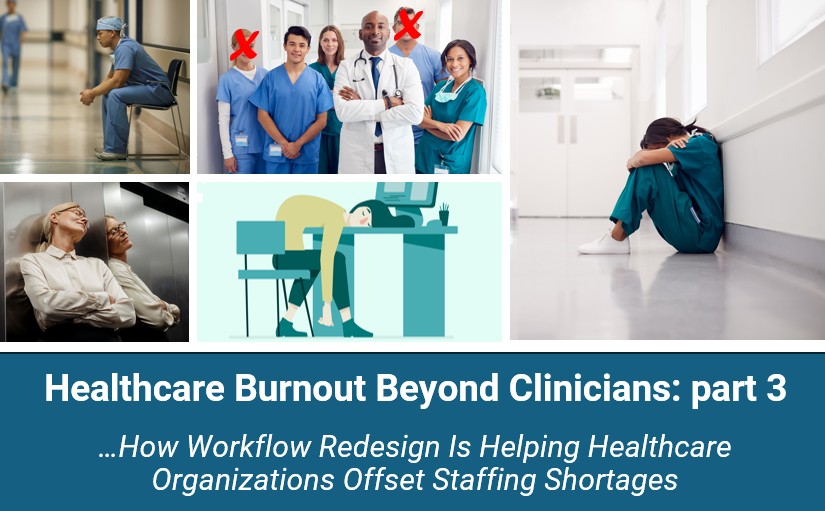
- The Healthcare Burnout Backlash (pt 3): How Workflow Redesign Is Helping Healthcare Organizations Offset Staffing Shortages
- BD Announced Application of CE Mark for the Liverty TIPS Stent Graft

- BD Announced Application of CE Mark for the Liverty TIPS Stent Graft
- Blackstone and TPG Complete Acquisition of Hologic; Names New CEO
- Blackstone and TPG Complete Acquisition of Hologic; Names New CEO
- Endospan Receives FDA Approval for the NEXUS Aortic Arch Stent Graft System
- Endospan Receives FDA Approval for the NEXUS Aortic Arch Stent Graft System
- InVera Medical Receives FDA Clearance for Non-Thermal Chronic Venous Disease Device

- InVera Medical Receives FDA Clearance for Non-Thermal Chronic Venous Disease Device
- Starting material sourcing bottlenecks increase US drug shortage risks: report
- Novartis cuts 114 more jobs at New Jersey HQ as restructuring rolls on
- Charles River flows into Boston to help AHA bridge cardiovascular health divide
- Your Brain Cares If Your Plant-Based Diet Is Unhealthy, Researchers Report
- Your Neighborhood Might Help Make You Old Before Your Time
- Heavy 'Forever Chemical' Exposure Before Birth Increases Childhood Asthma Risk, Study Finds
- High-Tech Magnets Offer New Hope for Veterans Battling Combat PTSD
- Early Diagnosis Key To ADHD Child's Academic Success, Study Finds
- Study Reveals Who Americans Think Should Pay for Elder Care
- Envision hires ConcertAI, IQVIA alum Nick Jones as its med comms president
- The top 10 pharma R&D budgets of 2025
- For Many Patients Leaving the ICU, the Struggle Has Only Just Begun

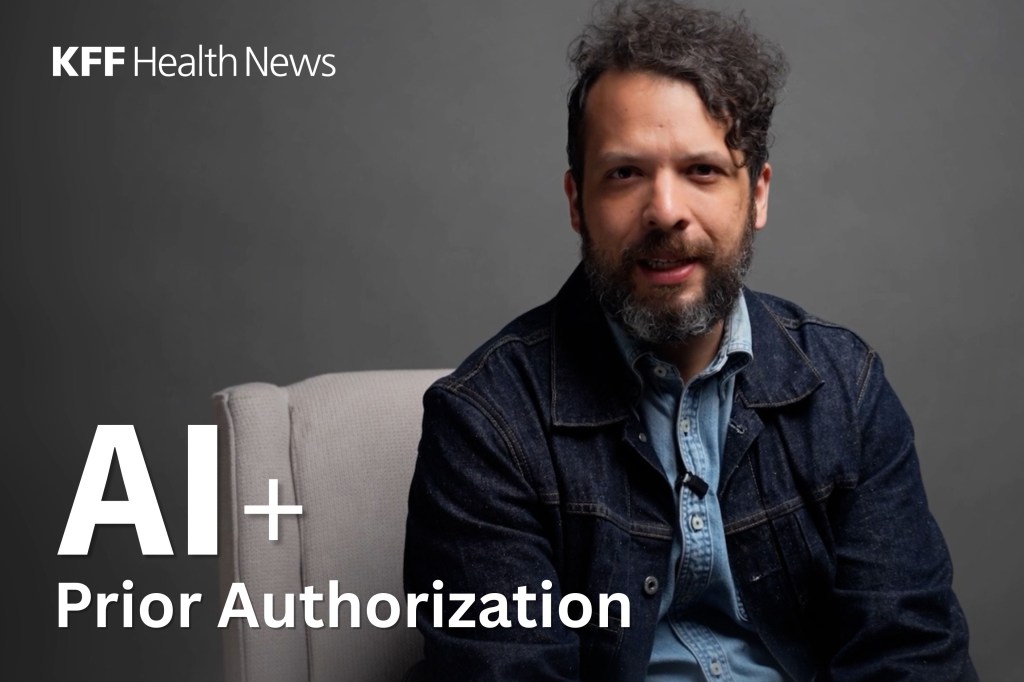
- Watch: As AI Makes More Health Coverage Decisions, the Risks to Patients Grow
- Bial launches ‘Dialogues with Parkinson’s’ campaign aimed at identifying early symptoms
- Novartis pumps up community health footprint to tackle heart disease and cancer
- Abbott survey finds ‘information overload, confusion and cost’ affecting health choices in US
- FDA accuses Amneal, BioCorRx of producing ‘false and misleading’ drug promos
- North Carolina provider launches mobile opioid treatment unit
- U of Pittsburgh debuts online infant mental health certificate
- Emerging DSO lands Ohio partnership
- Heartland Dental added 5 de novos in March
- Florida International U, medical school land $30M gift for medical center
- Stanford Health, Alameda Health System partner to support California hospital
- The states with the highest, lowest migration rate of dentists since 2019
- What the Health? From KFF Health News: Abortion Pills, the Budget, and RFK Jr.
- Specialty DSO eyes new growth levers after entering several states
- Hospital M&A roars back to life in Q1 2026; Operating performances fray in February
- Epic rolls out health alerts to flag rising rates of illness at the county level
- Fierce Pharma Asia—Takeda-Denali split-up; Merck, Zhifei's revised deal; Shionogi's made-in-US plan
- Brain Scans Reveal How Psychedelics Change Perception
- Benefits leaders report increased operational, financial costs amid 'digital health vendor sprawl': Solera survey
- Vanda initiates study of motion sickness drug Nereus in GLP-1 users
- Judge Allows Abortion Pill, Mifepristone, To Continue Being Mailed for Now
- Bangladesh Measles Outbreak Kills 100+ Kids, Emergency Shots Begin
- Regulatory burdens continue to mount for physician practices
- Medicare navigation company Chapter banks $100M series E funding round
- Hair Growth Product, Tuymec Minoxidil Hair Growth Kits, Recalled Over Child Poisoning Risk
- Garda snaps up Assertio and chemo infection treatment Rolvedon in $125M deal
- AbbVie challenges 'outdated' 340B drug discount program guidance in new lawsuit
- AbbVie challenges 'outdated' 340B drug discount program guidance in new lawsuit
- Eli Lilly launches oral GLP-1 drug across US through Lilly Direct, telehealth providers
- Humana, Noom and Welldoc team up with b.well to expand health data access as part of CMS push
- America's Sexual Health Report Card Contains Some Surprises
- Years of Excess Weight, Not One Bad Checkup, Drive Heart Disease Risk
- There Are No Good Ways To Avoid Childhood Eczema But Many Treatment Options
- More Children, Teens At Risk From E-Scooter Crashes, Study Finds
- This Treatment Can Improve Your Odds Of Surviving C. Diff Infection
- Alzheimer’s Tests May Mask Risks for Women
- RFK Jr. launching health podcast to expose ‘hypocrisy’ and ‘corruption’
- RFK Jr. launching health podcast to expose ‘hypocrisy’ and ‘corruption’
- Advocate Health improves to 4% operating margin, $4.6B bottom line across 2025
- Farm Bureau Health Plans Beat the ACA on Prices With an Age-Old Tactic: Rejecting Sick People

- States Face Another Challenge With Medicaid Work Rules: Staffing Shortages

- Avalyn plans IPO to fund phase 3 trials of inhaled versions of approved respiratory drugs
- Judge rules that HHS must face states' lawsuit over RFK Jr.'s agency overhaul, massive layoffs
- Judge rules that HHS must face states' lawsuit over RFK Jr.'s agency overhaul, massive layoffs
- Consumers' satisfaction with health plan apps improves with familiarity: JD Power
- Nurses' job satisfaction stumbles after post-pandemic gains: survey
- Amazon launches 2 new digital health partnerships for nutrition therapy, sleep care in health conditions program
- Former NFL Star Steve McMichael Diagnosed With CTE After His Death
- Steven Ubl set to depart after more than a decade as CEO of PhRMA
- Nixing prior auth, outlier hospital bills could lower health costs, Center for American Progress' policy plan says
- Shionogi nabs initial $119M award from BARDA to establish US antibiotic plant
- More Drugmakers Join TrumpRx
- Graco Recalls Infant Car Seats Over Structural Issue
- Orlando Health fleshes out Alabama footprint with another acquisition
- US adults still turn to providers for accurate health information even as AI chatbot use grows: Pew survey
- Pfizer walks away from 'underutilized' office space in South San Francisco, transitions employees to remote roles
- Biogen settles investor lawsuit over its messaging on failed Alzheimer's drug Aduhelm
- New Cervix-On-A-Chip May Revolutionize STI Treatment
- Long COVID Linked to Heart Health Risks
- The Flu Vaccine Can Lower Your Risk Of Heart Attack And Stroke — Even If You Wind Up Infected
- Herbal Drug Kava Poses Increasing Health Threat In U.S., CDC Warns
- Preschoolers' Solitary Screen Time Could Mean Behavior Problems, Language Difficulties Later On
- Combo Heat Waves/Droughts Will Affect Billions A Year By 2100, Researchers Project
- Amgen CEO netted $24.7M pay package in ‘25 as company’s upward trajectory continued
- J&J's Tremfya retakes TV drug ad spending crown from AbbVie
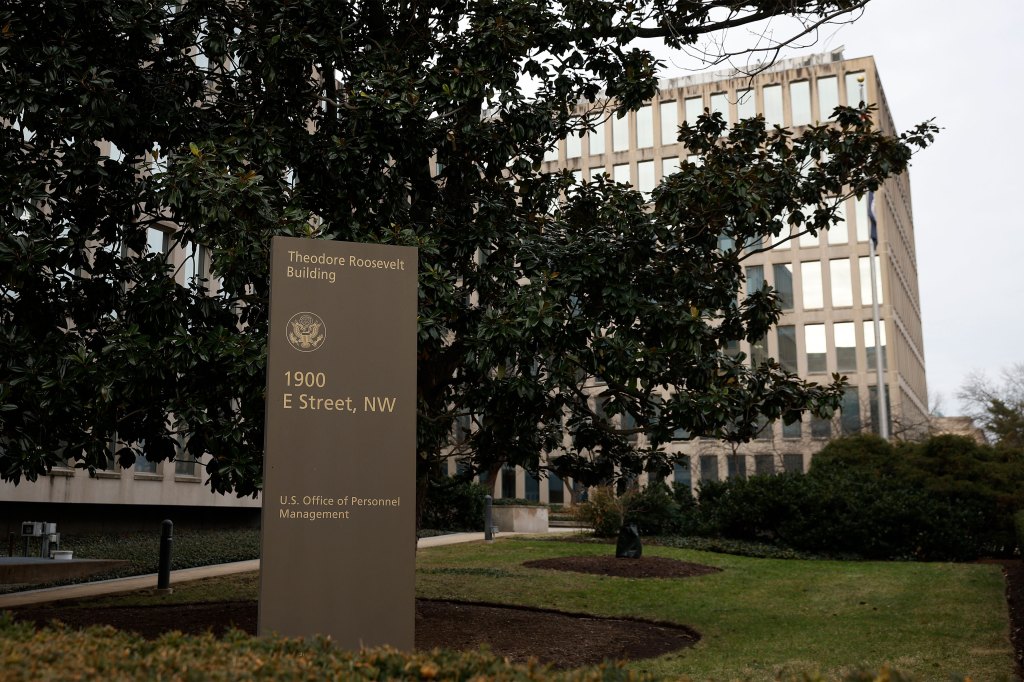
- Trump’s Personnel Agency Is Asking for Federal Workers’ Medical Records
- Urgent Care Clinics Move To Fill Abortion Care Gaps in Rural Areas
- FDA Approves First Generic Farxiga (dapagliflozin) Tablets
- Reliance on EHR vendors' tech roadmap slows down AI progress, senior IT leaders say
- ¿Puedo decirle a mi médico que no quiero que use la inteligencia artificial para tomar notas?



MSU Healthcare is one of the largest in the state, and they are heavily committed to DEI. They're ensuring the next generation of healthcare professionals gets a heavy dose of the koolaid as well.
ZeroHedge republishes this week's update from The College Fix, which broke news of the DEI debacle at MSU a year or two ago.
Don't Say "America": Michigan State Has 140+ Employees Working On 222 DEI Action Items
Authored by MJ Cadman via The College Fix,
Michigan State University currently has more than 140 employees working on 222 different “diversity, equity, and inclusion,” agenda items.
The salaries for those employees, some of whom work on DEI full-time, totals more than $18 million dollars according to a College Fix analysis.
One of these goals included an “inclusive language” guide that instructed university employees not to say “America” or use Easter and Christmas imagery.
The Fix pulled the data from the latest “Diversity, Equity, and Inclusion,” report for the public university in Lansing and used salary information from the school and government watchdog group Open the Books. In a few cases, The Fix estimated the salary for some employees based on the lowest salaries for personnel in comparable positions.
Some action items are more specific than others, including the creation of an “LGBTQIA2S+ Resource Guide,” from the human resource department. The guide “will feature crucial links to gender-affirming and transition-related care benefits, specifically catering to the needs of the trans and non-binary community.”
Others include “[f]ostering a team culture and building meaningful relationships with diverse constituents.”
The university has not started on about 25 percent of its goals, according to the latest report. Only 10 percent, 22 in total, have been fully implemented.
MSU told The Fix it did not have a scorecard yet for this school year. However, in the 2022-23 school year the school broke down each item by status. One of the finished goals was the creation of “an inclusive communications guide that highlights common terms that reflect culturally competent, empathetic and inclusive language.”
That guide recommended against using words around Easter such as “eggs” and “chicks” and avoiding “Christmas trees” and “gifts,” during the winter.
Yet the same section of the DEI agenda recommended “[providing] more inclusive recognition of holidays/commemorative dates.”
The university disputed The Fix’s numbers. The Fix provided MSU with a preliminary analysis of the data for review.
“Diversity, equity and inclusion are values that align with and enable our land grant mission of expanding educational access for all,” spokesman Mark Bullion told The Fix via email.
“No budget is dedicated to ‘DEI.’ With more than 12,000 employees, diversity, equity and inclusion administrators are only a tiny fraction of personnel,” he said.
“With that said, many of the jobs listed are required operational roles that ensure compliance with legal obligations,” Bullion said. “Others include executive leaders with broad divisional oversight and employees who serve on a committee or in an advisory capacity.”
Some of those higher-level leaders include Executive Vice President for Health Sciences Norman Beauchamp, who makes $729,994 per year, according to Open the Books. He is listed in The Fix report because Health Sciences is implementing some goals relating to community outreach.
However, other high-paid administrators appear to be focused on DEI. This includes Vice President and Chief Diversity Officer Jabbar Bennett who makes $363,511 per year, among other benefits, and Deborah Johnson, director of the Diversity Research Network. She makes $204,471 per year.
The compliance headcount could include the 22 personnel in the Office of Institutional Equity, such as intake coordinators and civil rights investigators.
A conservative Michigan think tank criticized the university’s spending.
“Taxpayers have been showering public universities with billions of dollars and asking nothing in return,” James Hohman with the Mackinac Center for Public Policy told The Fix via an emailed media statement.
“We should revisit that policy,” the center’s fiscal policy director said.
“Lawmakers need to reassess how much money is being given to state universities to ensure that taxpayers are getting good returns for their investments.”
City Journal (the former Manhattan Institute) tells about the retort that slices through the nonsense.
"Didn't Earn It" doesn't just puncture the DEI balloon.
Together with thorough legislative watchdog work, clear talk like this could actually put DEI (both term and practice) out of business.
https://www.city-journal.org/article/didnt-earn-it
Didn’t Earn It
For more and more Americans, these words spell out the real meaning of DEI.
George Orwell despaired at the linguistic atrocities of propagandists, but he did offer one bit of hope in his famous essay, “Politics and the English Language.” While lamenting that “political speech and writing are largely the defense of the indefensible,” he noted that some abuses of the language were vulnerable to “jeers” from a few critics. “Silly words and expressions have often disappeared,” he wrote, “not through any evolutionary process but owing to the conscious action of a minority.”
So perhaps a jeering minority will rid us of today’s most egregiously indefensible phrase: “Diversity, Equity and Inclusion.” It’s a textbook example of doublespeak, the term inspired by Orwell’s 1984 dystopia in which the Newspeak language enables citizens to engage in “doublethink”—simultaneously holding two contradictory beliefs. The words in DEI sound like admirable goals, but the officials mouthing them are working to do just the opposite, as Florida governor Ron DeSantis observed when he banned DEI initiatives at public universities. What DEI really stands for, DeSantis said, is “Discrimination, Exclusion and Indoctrination.”
That formulation hasn’t caught on, but another one has: “Didn’t Earn It.” It went viral this spring after Ian Miles Cheong, a conservative journalist, and Scott Adams, the Dilbert cartoonist, tweeted it to their 2 million followers on X. Adams, who had fearlessly predicted in 2015—six months before the first Republican primary—that Donald Trump would be elected president because of his skill as a “master persuader,” tweeted another forecast: “Whoever came up with ‘Didn’t Earn It’ as the description of DEI might have saved the world. Normally, the clever alternative names people use to mock the other side’s policy are nothing but grin-worthy. This one could collapse the whole racist system. It’s that strong.”
Sure enough, “Didn’t Earn It” has become an Internet meme, a buzz phrase on social media, and a conservative talking point on cable television, radio, and podcasts. It appears in posts linking to Kamala Harris, the plagiarism accusations against DEI officers at Harvard and MIT, the 50 percent failure rate on tests of medical students at UCLA, and the sentencing of a DEI executive for stealing $5 million during her work at Facebook and Nike. In the surest sign of its success, “Didn’t Earn It” has been solemnly denounced by DEI executives, progressive pundits, and the left-wing watchdogs at Media Matters, which was so alarmed that it published a report documenting the phrase’s popularity and—inevitably—labeling it “racist.”
There’s nothing racist about expecting people to earn what they get, which is why the phrase is so powerful. It appeals to Americans’ basic sense of fairness. The civil rights and feminist movements of the 1960s succeeded because they demanded equal treatment for everyone. The idea of reverse discrimination was widely unpopular even among those who had just endured decades of Jim Crow: in a 1969 poll, most blacks were opposed to preferential treatment in hiring or college admissions. They realized it would unfairly stigmatize all blacks, including those who would have been hired or admitted purely on their merits. But activists needed a new cause, and they justified reverse discrimination by calling it “affirmative action” and claiming it was a “temporary measure.” As the programs became permanent and grew into bloated bureaucracies, they were renamed DEI in a further effort to make them sound fair.
This pretense inspired ludicrous doublespeak, as when Harvard and the University of Texas at Austin told the Supreme Court that their consideration of race would improve the chances of some applicants but never negatively affect other applicants—a claim that “defies the law of mathematics,” as Justice Samuel Alito observed. DEI executives like to say that they’re defending women against “systemic sexism,” but hundreds of studies in the past two decades have shown that female applicants for jobs in academia and other industries are now favored over similarly qualified males. However widespread racism and sexism were in the past, Americans have now experienced a half century of programs and policies promoting reverse discrimination. They’re sick of pretending that it’s not happening.
Hence the power of Didn’t Earn It, which applies not only to beneficiaries of reverse discrimination but also to the bureaucrats enforcing these policies. It’s perfect for posts linking to recent revelations by OpenTheBooks that the University of Virginia paid two DEI executives annual salaries of more than $500,000 apiece, spent $20 million annually on over 200 DEI employees, and has committed almost $1 billion over the long term to race-based scholarships, faculty chairs, and other “equity projects.” Companies typically pay DEI directors in the U.S. at least $200,000 annually, much more at large firms, and globally spend an estimated $9 billion on DEI.
What did that all money buy? DEI policies gave college presidents and corporate executives a chance to brag about their commitment to diversity and to appoint more minorities to jobs with impressive titles and salaries, but at great cost to everyone else. The students admitted because of racial preferences were more likely to languish academically or drop out because they weren’t as well-prepared as their classmates.
The money and time spent on DEI workshops and other programs was not only wasted—researchers have repeatedly concluded that the training is ineffective—but often counterproductive. DEI executives deepened racial tensions in the workplace and on campus by creating segregated “affinity groups” and inventing grievances. Yale University never had a problem with racist Halloween costumes until its administrators’ issued a warning against this nonexistent problem. The warning prompted a needless furor that divided the campus and stained the university’s reputation—but it was a boon to the bureaucrats, who were rewarded by Yale’s cowering president with an additional $50 million to promote “diversity” and “inclusivity.”
The success of Didn’t Earn It owes also to its timing, just as DEI is being banned at public universities in red states and threatened everywhere by the Supreme Court decision outlawing racial preferences. The new scrutiny has forced colleges to reveal—and try to justify—their DEI budgets. Corporations have cut back on DEI hiring and started quietly omitting the D-acronym or any mention of “diversity goals” in their annual reports.
There’s even been a backlash at that devoutly progressive institution, The Daily Show. It came during a recent monologue by a guest host, the popular black comedian and talk show host who calls himself Charlemagne tha God. He began by showing clips of DEI critics, including Greg Gutfeld, uttering “Didn’t Earn It” on his Fox News program. “These right-wingers are crazy, right?” Charlemagne said to the audience. “But here’s the part where you all stop applauding everything I say. The truth about DEI is that although it’s well-intentioned, it’s mostly garbage.” He then went on to sound like a Fox News host himself as he cited the 900 studies showing that DEI didn’t work, that it made things worse, and that it was “just corporate PR.”
When you’ve lost The Daily Show, can the end be near? A quick death is too much to hope for because the DEI industrial complex will not surrender without a fight. Its profiteers know that companies and colleges are still loath to fire DEI officers, fearing bad publicity, protests by activists, and costly lawsuits.
But perhaps Didn’t Earn It will at least achieve a linguistic triumph. Some companies and universities have been jettisoning the DEI acronym for departments and job titles, replacing it with terms like “Wellbeing and Inclusion,” “Employee Engagement,” “Student Development,” or “Access and Opportunity.” Not much to celebrate here, true—this is the sort of political language, as Orwell wrote, that is designed “to give an appearance of solidity to pure wind.” But at least it’s not the pure doublespeak of DEI. If that trend continues, Didn’t Earn It will confirm the note of optimism that ends Orwell’s essay: “From time to time one can even, if one jeers loudly enough, send some worn-out and useless phrase . . . into the dustbin where it belongs.”
Drilling down to DEI sources is just one unexpected tidbit in this left-leaning MedPage Today opinion piece about Project 2025.
High points listed here, and emphasized with bold within the article below:
- DEI in healthcare academia was driven by accrediting organizations
- federal policy currently mandates med student abortion training
- Dept of Ed transfers control of local healthcare to elite centrists
And so on.
Alert: unusually high quantities of double-speak.
https://www.medpagetoday.com/opinion/second-opinions/111869
Project 2025: Assessing the Impact on the Healthcare Workforce
— Effective and equitable training does not appear to be a priority of this agenda
Prepared by a think tank with ties to former President Donald Trump, Project 2025 has been in the news lately as Trump, the Republican presidential nominee, has attempted to distance himself from the report. Despite Trump's efforts to separate himself from this ambitious conservative agenda for the next president, Project 2025 appears to be the clearest articulation of the plans for a possible future right-wing administration and Congress. While the agenda is broad, it would have significant ramifications for the health workforce and for health professions education.
The ominous agenda has become more familiar to the public, with about a quarter of American adults polled stating they are aware of the policy package. As awareness of its policies have grown in recent months, concern and opposition have risen dramatically. Yet, there has been limited discussion of the potentially disastrous impact it could have on the health of the American public and its healthcare workforce if the recommendations were implemented.
It is our belief that Project 2025 is only part of a broader national trend towards eliminating policies and programs that increase equity in health and medical training program admissions, retention, and graduate outcomes.
An Impediment to Health Professional Training
One can reasonably predict some effects that the U.S. would likely see as a result of Project 2025 being adopted in part or parcel. The plan outlines strict limits on the independence of accreditation agencies, stating that, "accreditors have forced colleges and universities...to adopt diversity, equity and inclusion policies [DEI] that conflict with federal civil rights laws, state laws, and the institutional mission and culture of the schools," and that accreditors should subsequently be prohibited from imposing "non-educational requirements and ideological preferences" on educational institutions. However, all accreditation agencies have done is rightly recognize that health workforce diversity improves healthcare access and patient outcomes. Conservative attempts to couple health equity and DEI as political statements mean that common-sense attempts to address wholly preventable health outcomes may be at risk.
There are concerns beyond the direct impact of Project 2025's policies on the schools that train our health workforce; it would also significantly limit how providers train once they are in the field and how those providers are accessed by patients and communities. For instance, the plan requires that the Accreditation Council for Graduate Medical Education (ACGME) make comprehensive reproductive health training optional (opt-in rather than opt-out) for doctors. With growing gaps in reproductive care access, an incoming administration should find ways to expand access to care, not intentionally limit it.
The proposed elimination of the Department of Education would weaken coordination between the federal government, accreditors, and graduate and professional programs including dental, medical, and public health schools. Opportunities for prospective health profession students could be compromised by such federal changes, minimizing resources for community colleges and other educational pathways for trainees to learn, grow, and practice in their own communities. Proposed changes to accreditation standards could further dilute the autonomy that healthcare workers have to set professional and ethical standards over their own work -- which, of all people, they understand the best.
Even financial aid -- which by definition bridges an access barrier for students from rural and underserved communities -- would be under significant threat through the elimination of the Public Service Loan Forgiveness program, limiting income thresholds for income-driven student loan repayment plans, eliminating interest rate subsidies on student loans, and transferring significant portions of the federal student loan program to the private sector. It even goes so far as to recommend the complete elimination of the Grad PLUS loan program, which imposes a significantly lower financial burden compared to other graduate student loans.
Project 2025 also calls for unprecedented elimination of policies intended to improve access of prospective students of color to advanced health professions, such as prohibiting mandates to adopt DEI policies. The core of this elimination is being touted as "colorblindness" that clearly neglects our nation's not-so-distant history of excluding specific groups of Americans based solely on race. Compelling health profession schools to explicitly disregard social identity and its tangible implications for access ignores a legacy that Americans should be eager to distance themselves from, not further justify.
A Disservice to Public Health
An effective American health workforce does not appear to be a priority of this agenda. Even if one were to interpret the plan's lack of explicit focus on the health workforce as a neutral stance -- a dubious interpretation given the ideological framing of the agenda -- any policy platform that fails to affirm its commitment to providing the public with an accessible and accountable health workforce is at the very least missing the mark of responding to public health needs.
Moreover, this plan comes at a time when the state and judicial policy environment has become increasingly hostile towards the health workforce and health professions education. Placed in the context of the recent Supreme Court decision overturning affirmative action in higher education, coupled with state anti-DEI legislation, the Project 2025 agenda poses a real threat to the policies and practices essential to a workforce that serves and represents under-resourced communities, including those in rural areas, as well as broader primary care and public health deserts.
At a time when colleges and universities are shuttering the doors of offices tasked with redressing historically harmful missteps to equity in our education system, we should be thinking about ways to undo the lingering effects of harmful policies. Among these missteps with lingering impacts is the Flexner Report, which led to the closing of five out of only seven historically Black medical schools and has limited education and health access for a century. At a pivotal moment for equity, Project 2025 is doubling down on eradicating the progress that has been made to correct for harmful past policies.
The health of the American public is our first line of national defense, and it would be a demonstrable challenge to thrive as a nation without a diverse, well-trained, and well-distributed health workforce. Gutting the resources and strategies needed to uphold this national responsibility would not only be counter to a socially accountable government, but would also create a massive vulnerability to public health threats.
Our health workforce and training pathways are certainly overdue for transformation. However, they should be transformed thoughtfully and with the intention of closing gaps, not closing doors. When access to providers and health resources are improved, our communities change positively. When access to educational opportunities are promoted, social outcomes are equalized. This outcome benefits all Americans by reflecting health justice and the ideals of our national responsibilities to the public. Everyone is better off.
Avoiding setbacks to public health requires progressive and innovative policies tethered to public good, not personal or political ideology.
Toyese Oyeyemi, MPH, MCHES, is executive director of the Social Mission Alliance. Maria Portela, MD, MPH, is chief of Family Medicine in the Department of Emergency Medicine at GW Medical Faculty Associates, and medical director at George Washington Immediate Primary Care Clinics. Ed Salsberg, MPA, is the lead research scientist at the Social Mission Alliance and Fitzhugh Mullan Institute for Health Workforce Equity.
"Failed Liberal Policies" - a new website from Heritage Foundation, coordinator of the 100+ organizations behind Project 2025,
Be sure to explore the Healthcare tab.
https://dangerouslyliberal.com/?
Get MHF Insights
News and tips for your healthcare freedom.
We never spam you. One-step unsubscribe.
Sponsors
Friends of MHF



Kirsten DeVries
Tom & Karen Nunheimer
Steve Ahonen
Ron & Faith Bosserman
Marlin & Kathy Klumpp
Sign Up for MHF Insights to keep up on the latest in Michigan Health Policy