- Trump’s One Big Beautiful Bill Act Darkens Outlook for Government-Backed Clinics

- Readers Sound Off on NIH Staff Cuts, Work Requirements, and More

- How Rural Health Systems Are Advancing Cardiac Imaging

- How Rural Health Systems Are Advancing Cardiac Imaging
- Beyond Reimbursement: Why Market Access is MedTech’s Strategic North Star

- Beyond Reimbursement: Why Market Access is MedTech’s Strategic North Star
- The Human Side of AI Medical Devices: Why Safety Depends on Design, Not Just Algorithms

- The Human Side of AI Medical Devices: Why Safety Depends on Design, Not Just Algorithms
- What’s draining surgical time?
- True ROI of health tech, according to finance leaders
- True ROI of health tech, according to finance leaders
- 131 hospitals sue HHS over DSH cuts: 5 notes
- HCA Tennessee hospital names CEO
- Kaiser workers in Northwest ratify labor deal
- Where 6 specialty DSOs stand in 2026
- MAHA movement slows
- Oracle cuts thousands of jobs: Report
- Intermountain joins national trauma, grief network
- 16 new ASCs in March
- Intermountain joins national trauma, grief network
- Practice closures, new dental schools, DLRs & more: 6 dental updates in New York
- A $1B campus, leadership handoff and unchanged mission: Grady’s next chapter
- MD, PharmD degrees deliver highest returns: Study
- Workforce, patient care, private equity & more: 5 statistics scaring dentists
- American Society of Addiction Medicine updates youth treatment standards
- The shifting oral surgery landscape
- Moody’s upgrades UK King’s Daughters’ credit rating
- 5 anesthesia partnerships to know from Q1
- New Jersey eliminates practice restrictions for most APNs
- Private equity in dentistry has gotten smarter
- Sutter ASC to pay $3.2M to settle alleged drug security lapses
- 7 DSO leadership changes to know
- University Hospitals swings from loss to 2.6% margin in 2025
- Mark Cuban backs bill to break up vertically integrated insurers
- The inadequacy of the physician fee schedule: 10 notes
- Inside the anesthesia crisis limiting ASC growth
- Lawmakers introduce child suicide prevention bill
- Dental lab group receives private equity investment
- Dental Care Alliance appoints chief revenue officer
- UnitedHealthcare launches Avery, a generative AI companion for members
- 14 behavioral health executive moves to know
- What comes next for price transparency rules?
- The top-ranked US dental schools in 2026
- Missouri agencies warn of rising nitazene threat
- PDS Health’s 3-year growth recap: 30+ moves
- Tennessee delays vote on CON
- Only 44% of SUD treatment facilities accept older patients on Medicare: HHS report
- Orthopedics’ quiet profit drains in ASCs
- The payer battles coming to outpatient surgery
- 7 state behavioral health policy updates
- Republicans eye further healthcare cuts: Report
- Memorial Sloan Kettering posts $48M operating loss in 2025
- FDA flags serious liver injury cases, 8 deaths with ‘reasonable’ link to Amgen's Tavneos
- Uninsured patients drive nearly 40% of healthcare collections: Cedar survey
- Novo Nordisk cuts 400 roles at troubled Bloomington site
- Blackstone weighs $500M IPO for RCM firm AGS Health: Bloomberg
- Health systems shrink the payer-provider gap
- Former U.S. Surgeon General Challenges Trump Nominee
- Listen to the Latest ‘KFF Health News Minute’
- Iterum initiates wind-down after failure to offload antibiotic with sluggish sales
- Over 10.2 Million Grill Brushes Recalled Over Metal Bristle Risk
- Sex Enhancement Chocolates Recalled Over Hidden Drug Ingredients
- Short Bursts of Exercise Linked To Lower Risk of Major Diseases
- HHS urges hospitals to align patient menus with updated dietary guidance
- Hartford HealthCare, K Health launch PatientGPT, new AI tool to help patients find health information
- Ensemble partners with Cohere to build first RCM-native large language model
- API supplier BASF raises prices up to 20% in response to rising energy, raw material costs
- Biogen, eyeing swift commercial tailwind, ponies up $5.6B for Apellis and its 2 approved meds
- Cold Weather More Deadly For The Heart Than Heat, Study Finds
- Teens' Sleep Patterns Affect Their Diet, Exercise, Study Says
- 'Watch and Wait' Approach Safe For Women With Precancerous Breast Condition, Trial Finds
- Dental Care Can Help Cirrhosis Patients Avoid Liver Cancer, Hospitalization
- Folks With Clogged Arteries Benefit From Aggressively Lower Cholesterol Goal
- Intermittent Fasting Might Help Manage Female Hormone Imbalance, Trial Shows
- States Pay Deloitte, Others Millions To Comply With Trump Law To Cut Medicaid Rolls
- Trump’s Hunt for Undocumented Medicaid Enrollees Yields Few Violators

- States pay Deloitte, others millions to comply with Trump law to cut Medicaid rolls
- Employer telehealth company eMed raises $200M at $2B valuation
- Insulet hires Stryker vet, reinstating commercial chief role as C-suite overhaul continues
- Baptist Health Arkansas hospital to end OB services
- Texas behavioral health provider launches 6th Austin-area clinic
- New Jersey expands authority for advanced practice nurses
- Why these 2 roles are key to expanding behavioral access, per SAMHSA
- Kaiser Permanente’s $9.3B net income draws scrutiny: 6 things to know
- Nonprofit Electronic Frontier Foundation sues CMS over AI prior authorization demonstration
- CDRH Guidance: Patient Preference Information (PPI) in Medical Device Decision Making
- CDRH Guidance: Patient Preference Information (PPI) in Medical Device Decision Making
- BSCI’s LAAC CHAMPION-AF study for WATCHMAN FLX meets primary and secondary safety and efficacy endpoints
- BSCI’s LAAC CHAMPION-AF study for WATCHMAN FLX meets primary and secondary safety and efficacy endpoints
- Apple Store to ID Regulated Medical Device Apps
- Apple Store to ID Regulated Medical Device Apps
- CMS: This year's open enrollment brought fewer signups, higher premiums
- Medical Schools No Longer Required To Teach Health Inequities
- Lilly presses for UK deal that would see higher drug prices in exchange for resumed investments: FT
- United plots Tyvaso FDA filing after ph. 3 win elicits talk of 'new IPF standard' and blockbuster sales
- Fluoride Quietly Removed From Birmingham Water Years Ago, Officials Face Backlash
- FDA Weighs Expanding What Can Go Into Supplements
- 9 Now Sickened in Outbreak Tied To Raw Milk and Cheese
- BMS, Novartis, Gilead, Iovance dinged over biologics promos in rare spate of CBER untitled letters
- Nearly half of US hospital markets entirely controlled by 1 or 2 health systems: KFF
- Mental health provider platform Headway acquires team behind AI company Tezi
- Idorsia eyes pediatric insomnia use with midstage trial win for sleep med Quviviq
- Electronic Paperwork Increasing Burnout Risk Among Young Doctors
- Kratom Cases Surging In U.S.
- What Makes Play Fun For Children? Seven Factors Stand Out, Study Says
- Night Shifts Are Tough On People With Type 2 Diabetes, Study Says
- Women's Bone Loss Tied To Heart Health, Study Finds
- Want To Lose Weight? Eat A Boring, Repetitive Diet, Researchers Suggest
- Samsung Biologics union gathers votes to strike as tension over wage, governance mounts
- Takeda begins US layoffs as part of massive $1.3B restructuring
- Biogen looks to shake up SMA status quo with FDA nod for high-dose version of Spinraza
- She Owed Her Insurer a Nickel, So It Canceled Her Coverage

- Inside the High-Stakes Corporate Fight Over Feeding Preterm Babies

- Study Links High Antioxidant Intake To Changes in Offspring Development
- The Healthcare Burnout Backlash (pt 1): Burnout Reaches Well Beyond Clinicians
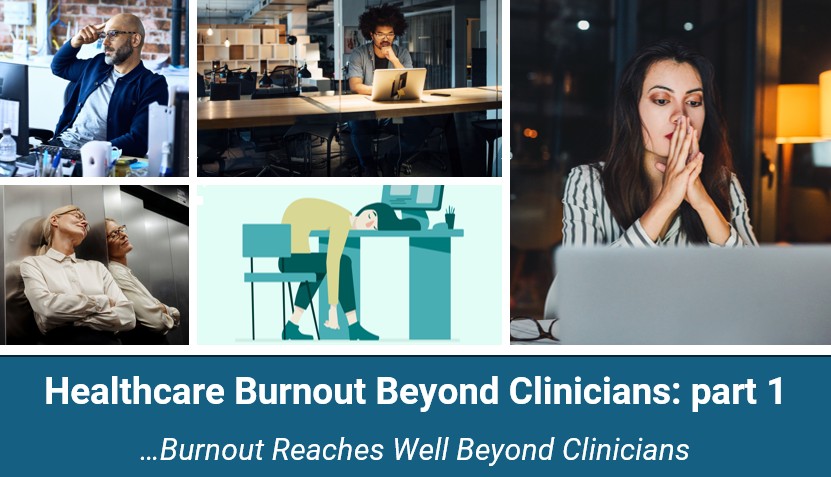
- The Healthcare Burnout Backlash (pt 1): Burnout Reaches Well Beyond Clinicians
- Even Mild Oxygen Loss in Preemies' First Hours Poses Lifelong Brain Risks: Study
- How the Trump Administration Uses Migrant Kids To Find and Detain Family Members
- Oral GLP-1s, COVID preventatives: 3 more drugs in the pipeline, Optum says payers should watch
- Providence trims 2025 operating loss to $132M, notches second consecutive quarter of gains
- $3M Verdict Links Social Media to Anxiety and Depression
- The White House Delays CDC Pick
- New COVID 'Cicada' Variant Is Spreading — What Experts Want You To Know
- Advocate Health to launch ‘nation’s largest’ hospital drone delivery program in Zipline partnership
- Op-ed: Empathy meets efficiency—how the responsible use of AI can transform Medicare
- Family Caregivers Provide $1 Trillion In Annual Labor, AARP Says
- ‘Health Doesn’t Need to Be Ludacris’: Bayer signs rapper-actor to multivitamin campaign
- Rocket plots measured trajectory for new gene therapy Kresladi after clearance to launch from FDA
- Healthy Lab Results May Mask Future Risks for Kids with Obesity
- At-Home Chemotherapy Is Safe, Feasible, Pilot Study Indicates
- What You Do While Sitting Could Predict Dementia Risk
- New Cholesterol Guidelines: What Patients and Caregivers Need to Know
- Want A Bootlicking Yes Man? Ask An AI Chatbot For Advice, Study Warns
- Specially Coated Implants Better For Breast Cancer Patients, Study Finds
- Give and Take: Federal Rural Health Funding Could Trigger Service Cuts

- Trump Team Claims Successes Against ACA Fraud While Pushing for More Controls
- Fierce Pharma Asia—Takeda’s $1.3B reorg; India’s GLP-1 floodgates; Gilead’s $2.2B buy of a China NewCo
- Where are you with EUDAMED?

- Where are you with EUDAMED?
- HL7 Launches Real‑Time Medical Device Interoperability Accelerator
- HL7 Launches Real‑Time Medical Device Interoperability Accelerator
- Two GA Tech ATDC Startups — Nephrodite and OrthoPreserve — Secure FDA Breakthrough Device Designation
- Two GA Tech ATDC Startups — Nephrodite and OrthoPreserve — Secure FDA Breakthrough Device Designation
- Recordati confirms it's weighing CVC Capital buyout offer of $12.6B
- Nonprofit celebrates rescue, recapitalization of Prospect Medical Holdings' Rhode Island hospitals
- UnitedHealth shareholder sues over proposal to include details on integration in annual proxy
- SCAN taps biopharma, CMS vet Aman Bhandari as its first chief AI officer
- Infosys to acquire Optimum Healthcare IT in $465M deal
- Healthcare systems can create AI care pathways with new Viz.ai tool
- DOJ alleges NewYork-Presbyterian forces payers into anticompetitive 'all-or-nothing' contracts


The CDC’s Advisory Committee on Immunization Practices (ACIP) voted 8-3 in favor of altering the recommendation that all newborns receive hepatitis B vaccinations at birth on December 5th. This vote finally brought the United States into line with 19 of the other 21 nations with low HBsAg+ incidences. Only Canada (with twice our prevalence of HBsAg+ incidence) among low incidence nations requires any HBV vaccinations of newly-born infants, and this requirement varies among internal jurisdictions. The Canadian requirement is generally based upon immigration status and the HBsAg+ incidence in the mother's country of origin.
The guidance ACIP voted was:
For infants born to HBsAg-negative women: ACIP recommends individual-based decision-making, in consultation with a health care provider, for parents deciding when or if to give the HBV vaccine, including the birth dose. A Parents and health care providers should consider vaccine benefits, vaccine risks, and infection risks. For those not receiving the HBV birth dose, it is suggested that the initial dose is administered no earlier than 2 months of age.
Five Michigan health care systems have chosen to disregard the ACIP recommendation. Are they exposing themselves to legal risks? Their decisions reek of the knee jerk TDS reactions against hydroxychloroquine and ivermectin:
5 Michigan health systems defy federal vaccine panel's advice
By Kristen Jordan Shamus - December 14, 2025
- A vaccine advisory committee to the U.S. Centers for Disease Control and Prevention voted to change the recommendations for when babies should get a first dose of the hepatitis B vaccine.
- That decision led the Michigan Department of Health and Human Services to issue a statement "strongly" disagreeing. Medical societies issued their own hepatitis B vaccine guidelines.
- Now, 5 Michigan health systems say they'll disregard the recommendations of the CDC committee and continue to provide a birth dose of the hepatitis B vaccine to babies in their first 24 hours of life.
Some of Michigan's largest health systems say they will not follow the recommendations of a federal vaccine advisory panel handpicked by U.S. Health and Human Services Secretary Robert F. Kennedy Jr., which voted in early December to change longstanding immunization guidelines and delay a first dose of the hepatitis B vaccine for infants.
Instead, five health systems — Corewell Health, Henry Ford Health, McLaren Health Care, Munson Healthcare and the University of Michigan Health — told the Detroit Free Press they will continue to provide universal hepatitis B vaccines within the first 24 hours after a child's birth.
Following two days of meetings in early December, the Advisory Committee on Immunization Practices (ACIP) recommended the hepatitis B dose at birth only for newborns whose mothers test positive for the hepatitis B virus. For other infants, it recommended waiting two months to administer the initial dose of the vaccine and to conduct blood tests to determine whether additional booster doses are needed.
CDC vaccine panel
With a vote of 8-3, the committee said the change would reduce unnecessary immunizations in the first few weeks of a child's life and give parents more control.
The committee compared the U.S. childhood immunization schedule to policy in other wealthy countries, notably Denmark, which does not recommend a universal birth dose of the hepatitis B vaccine. It also suggested the risk is low for contracting hepatitis B in newborns whose mothers test negative for the virus during pregnancy.
However, overwhelmingly, medical associations and have said the hepatitis B virus is highly contagious and can be passed to babies through contact with blood and certain body fluids not only from an infected mother during birth, but also by sharing towels, toothbrushes, nail clippers, combs or razors with an infected person. Children can get it through contact sports or exposure to contaminated medical equipment.
Prevention is key, they said. The virus attacks the liver, can cause cancer and lead to liver failure and premature death. The Michigan Department of Health and Human Services reports that about 90% of infants infected at birth develop chronic hepatitis B infection, with 1 in 4 of these children dying prematurely from liver disease.
It causes 22,000 infections and 2,000 deaths annually in the U.S.
Since the United States began universally vaccinating against hepatitis B at birth in 1991, annual infections among infants and children have dropped 99% — from 16,000 to less than 20, said Dr. Lisa Costello, chair of the state government affairs committee for the American Academy of Pediatrics, said during a Dec. 7 news conference.
Many of the people who have hepatitis B don't know they're infected, as symptoms of chronic infection sometimes don't appear for years after a person contracted the virus.
The birth dose offers "vital protection at delivery and in the days and weeks after birth, when infants may be exposed to caregivers with unrecognized infection," Costello said.
Dr. Anand Parekh, chief health policy officer at the U-M School of Public Health and senior adviser at the Institute for Healthcare Policy and Innovation, said the hepatitis B vaccine has a proven safety record.
"We have decades and decades of safety data," Parekh said. "The ACIP committee presented no new data about safety concerns, yet changed the guidelines anyway.
"Unfortunately, what it does is it adds another layer of confusion for the parents and families out there who have always looked to the CDC as a source that they could trust. Now, they hear these mixed messages. They may go online. They may consult their personal clinician, which I hope they do, but it just adds confusion in an area where, really, there is no reason to be confused. This is pretty straightforward."
The state health department issued a statement "strongly" disagreeing with the committee's decision, and urged Michigan health care providers to continue offering the birth dose of the vaccine, which is supported by the American Academy of Pediatrics, the American Academy of Family Physicians, the American Medical Association and the American College of Obstetricians & Gynecologists.
However, President Donald Trump took to social media hours after the CDC committee made its controversial decision, and defended the change in hepatitis B vaccine recommendations. He also challenged the agency's recommended U.S. childhood vaccine schedule altogether.
"Many parents and scientists have been questioning the efficacy of this 'schedule,' as have I," he wrote on Truth Social. "That is why I have just signed a Presidential Memorandum directing the Department of Health and Human Services to 'FAST TRACK' a comprehensive evaluation of Vaccine Schedules."
Historically, the ACIP has reviewed scientific data and made recommendations to the U.S. Centers for Disease Control and Prevention. If the recommendations are accepted by the agency's director, the CDC can use it to shape national health policy. Kennedy overhauled the committee earlier this year, appointing some members who are vaccine skeptics. As of Dec. 12, CDC Acting Director Jim O'Neill had not signed off on ACIP's recommended changes to the hepatitis B vaccine schedule.
It doesn't officially become CDC policy until O'Neill approves it. Insurance companies look to ACIP and CDC guidelines to determine what they will cover. State governments have the final authority over vaccine policy, however, and can set mandates, such as immunization requirements for children to enroll in public schools. States also can determine whether exemptions to those vaccine requirements are allowed.
Dr. Brian Tesler, McLaren Health Care's medical director of women’s health, said the Grand Blanc-based hospital system will continue to offer the birth dose of the hepatitis B vaccine as "part of our standard of care, determining that this effective, safe vaccine remains in the best interest of infant’s health and the community’s protection."
"Though federal guidance has adjusted, our clinical leaders also consider and consult the recommendations of the various organizations establishing pre- and postnatal standards of care. ... While we remain firm in our mandate of providing safe, evidence-based care, our providers will ensure that parents are fully informed and involved in the decision-making process.
"Our providers will engage patients, inform them of their options, and support the parents in their decisions that align with their personal values and the needs of their newborn."
A spokesperson for Detroit-based Henry Ford Health told the Free Press its recommendations "currently remain unchanged. Any proposed changes to the newborn vaccine schedule would need to be thoroughly reviewed by the system’s immunization committee, which considers the latest scientific evidence and guidance from professional groups."
Munson Healthcare said its eight northern Michigan hospitals also will not adopt the two-month delay in administering the hepatitis B vaccine.
“We strive to use evidence-based practices to drive our medical recommendations," said Dr. Joe Santagelo, chief medical, quality and safety officer for the Traverse city-based health system. "The scientific consensus is that the birth dose of hepatitis B should still be recommended to newborns, and we will continue to offer that option to our families.”
Corewell Health issued a statement saying it, too, will continue to offer a birth dose to newborns, noting that the hepatitis B virus "can have serious long-term effects, including chronic liver disease and liver cancer. If parents have questions about whether a child should receive a vaccination, they should have a conversation with their physician."
A spokesperson for Trinity Health Michigan said in a Dec. 10 email message to the Free Press that the Livonia-based health system is still considering the ACIP recommendation.
"We’re aware of the recent policy developments and are reviewing them," said spokesperson Bobby Maldonado. "No decisions have been made at this time. We’ll continue to evaluate guidance from public health authorities with patient safety as our top priority."
Dr. Pamela Rockwell, a clinical professor of family medicine at the University of Michigan Medical School and co-chair of the U-M Immunization Committee, said under Kennedy, the CDC and its vaccine advisory committee have lost credibility. Medical providers are being forced to adjust in the face of that realization.
"In my opinion, they're already irrelevant," she said. "We have changed the language in all our documents that I have access to as co-chair of our immunization committee at the University of Michigan to take out any references to CDC guidelines."
Instead, she said, U-M is following evidence-based recommendations from MDHHS, the American Academy of Family Physicians, the American Medical Association and the American College of Obstetricians & Gynecologists.
It's a big departure from the way the U.S. medical system has worked in the past.
"I do think major organizations were hesitant to go there because they also fear retaliation from the federal government, but this is about health care and doing what's right for public health and the health of our patients," Rockwell said. "It's about educating the public and making sure they still have trust in their physicians and major organizations who do not have political bias."
She urged people with questions about vaccine safety to look for information from reputable sources, such as the medical societies and associations, iVaccinate.org and immunize.org or talk to their doctors. During the continuing medical education lectures she leads, Rockwell said she now tells physicians: "We can no longer trust the CDC as a source for recommendations."
Dr. Jason Goldman, president of the American College of Physicians, said professional medical associations are stepping up to fill a gap in providing vaccine recommendations that are free from bias or political influence at a time when government agencies like the CDC are losing trust.
"ACIP should be comprised of members with significant expertise and knowledge in clinical medicine, public health and immunology who are committed to providing evidence-based recommendations," he said. "There should be guardrails in place to ensure that ACIP remains free from political interference so that the advisory committee panel functions as a highly credible, evidence-based source for vaccine guidance. This new ACIP has not followed the standard and transparent process that had made the advisory committee a bastion of good, evidence-based decision-making.
"They handpick data in a nontransparent way, misrepresent facts and did not have a clear, consistent, transparent process to be able to analyze it or could even explain why they were using it. ... Their information and decisions cannot be trusted."
He called on Trump to remove Kennedy from his position and "restore an ACIP that we can trust."
Parekh said the CDC committee's recommendation to delay the hepatitis B vaccine for babies will further escalate vaccine hesitancy among parents, which already has driven outbreaks of measles and pertussis. Soon, we could see hepatitis B infections rise in young children, too.
"I think the irony for policymakers these days who are touting the importance of reversing the chronic disease epidemic in the United States, if you adopt this recommendation, you are tragically increasing the risk for chronic disease in children," Parekh said. "It's the exact opposite effect of the MAHA (Make America Healthy Again) Commission's focus on reversing the chronic disease epidemic.
"The worry is that we're going backwards," he said. "Right now, the focus should be 100% on reducing vaccine-preventable illnesses and ensuring that we can maximize uptake rates of vaccines that have been shown to be safe and effective. Instead, we seem to be questioning vaccines that have been proven to be safe and effective without any new data that has come to light."
One of Politico's European reporters interviews MIT business professor Retsef Levi, an operations research expert, on the ACIP HBV decision. One glaring omission in American government medical decisionmaking is op research. Why American health care is the most expensive and least effective in the world:
https://www.politico.com/news/2025/12/14/vaccine-adviser-retsef-levi-acip-rfk-kennedy-00688979
This vaccine adviser to RFK Jr. has some choice words for his critics
MIT business professor Retsef Levi teaches about how health care decisions are made, but isn’t a doctor.
By Tim Röhn - December 14, 2025“Reckless” and “dangerous” were just two of the broadsides American medical groups lobbed at Robert F. Kennedy Jr.’s vaccine advisers after they recommended ending universal vaccination at birth for hepatitis B, the virus that causes liver failure and cancer.
Retsef Levi, one of the advisers, has some choice words for the critics: They’re conflicted. They’re misleading the public. They’re party to gross, even criminal negligence, he says.
The war of words — and a new directive from President Donald Trump — suggests the Advisory Committee on Immunization Practices on which Levi sits will soon launch a much broader review of the childhood vaccine schedule. That could have far-reaching consequences both for public health and for vaccine uptake. States rely on federal guidance in determining which shots to require for daycare and school attendance.
Kennedy named Levi, an Israeli-born professor of operations management at MIT’s Sloan School of Management to the advisory committee this spring. He’s a business professor who examines decision-making in health care, but is not a doctor.
In an interview with POLITICO, he made disputed claims about the risk-benefit calculus for hep B shots, arguing few if any of the approximately 3.5 million babies born in the U.S. each year are at risk if their mother tests negative for the virus.
He painted a picture of a vaccine safety system that doesn’t “really look” for risks and that actively covers up the ones it finds, a point disputed in a December piece in the New England Journal of Medicine by 12 former Food and Drug Administration commissioners from both parties, as well as the agency the vaccine committee advises, the Centers for Disease Control and Prevention.
The CDC ultimately decides which shots to put on the list recommended for kids and adults.
Levi was among the eight panel members to vote earlier this month to recommend the CDC end the universal birth dose of the hep B shot. The American public health establishment credits that dose, given within 24 hours of birth, with nearly wiping out infections in children who otherwise can catch the virus from their mothers. The committee would still encourage vaccination of children born to mothers who test positive for hepatitis B or whose infection status is unknown.
Levi said the experts have it all wrong, that the 98 percent drop in infection rates came before the universal birth dose became the norm in 2005 and that vaccination of at-risk people, sex workers and intravenous drug users, is the real reason rates have plummeted. The vaccine was first rolled out in the 1980s and recommended for all children in 1991.
Levi also discussed the Food and Drug Administration’s still-unpublished analysis of child deaths from Covid vaccine-associated myocarditis, the push inside federal agencies to study how vaccines affect health beyond the diseases they target, and why he insists that questioning long-standing vaccine policies is “pro-vaccine.”
The interview below has been edited for length and clarity.
You just recommended ending the policy of giving every U.S. newborn a hepatitis B shot at birth. What convinced you this was the right thing to do?
When I first learned that my own children had been vaccinated at birth against hepatitis B, nobody had even talked to me about it. I only found out later, and I was puzzled: Why would you vaccinate a baby born to a mother who has tested negative for hepatitis B on the very first day of life? Just at the level of common sense, that doesn’t pass the test for most people.
When we started working on this in ACIP, it was striking to see two things. First, the U.S. is one of very few developed countries that gives a universal hepatitis B birth dose. Others either give it later in childhood or only to babies whose mothers are infected.
Public health agencies say universal infant vaccination is what nearly eliminated hepatitis B in children. Are they just misreading the data?
I think they are misinterpreting it. When you plot the CDC data age group by age group, you see that the major reduction in acute hepatitis B infections occurs in people who were adults during the 1990s and early 2000s. They did not get a birth dose.
The main driver was vaccination and other interventions in high-risk adult populations — sex workers, people who inject drugs, health-care workers — together with measures like needle-exchange programs and safer-sex campaigns, many of them introduced in the context of the HIV epidemic. The narrative that the universal birth dose was responsible for most of the reduction is simply not supported by the CDC data. It’s either a mistake or a deliberate attempt to promote a story that doesn’t match the evidence.
At the same time it’s clear we need to test pregnant women more rigorously for hepatitis B. We need to test them even upon admission to the hospital again to make sure that we don’t miss cases.
So there was no new blockbuster study — this was more of a philosophical shift about how you weigh risk, benefit and parental choice?
The risk that a baby born to a hepatitis B-negative mother will be infected in the first months of life is extremely, extremely low. To prevent a single horizontal infection you may need to vaccinate millions of healthy babies. For that to make sense in a risk-benefit analysis, you have to believe the vaccine has essentially no harm at all.
The more I’ve studied vaccines, the more astonished I am by how weak our safety culture is. We say with great confidence that products are “safe and effective” and that there is “no evidence of harm,” but very often that just means we didn’t really look.
Scientists warn that delaying the birth dose will mean extra hepatitis B infections in infants and, down the line, more liver cancer and deaths. Are you underestimating that risk?
Those projections almost always assume two things: first, that the universal birth dose was the main reason cases fell, and second, that the vaccine is essentially risk-free. I don’t think either assumption is justified.
We are talking about intervening in an extremely vulnerable period when a baby’s brain, metabolism and immune system are not yet developed. In my view, when you give a medical intervention to a zero-day or one-month-old baby, your safety and benefit thresholds should be far more stringent than for an older child.
Leading medical groups, including the American Academy of Pediatrics, have said they will keep recommending a birth dose for all newborns. They called the panel’s decision “a dangerous move that will harm children.” Does that undercut the ACIP as a national reference point?
Some of their liaisons to ACIP no longer really engage in substantive discussion; they use their time to deliver coordinated, inflammatory attacks on ACIP members.
On top of that, the AAP recently published an opinion article calling for the elimination of religious exemptions to vaccine mandates. In practice, that means parents who don’t adhere to the U.S. vaccine schedule could see their children barred from daycare, from school, and sometimes even from medical practices. I find that outrageous.
In 2023 you said, “the evidence is mounting and indisputable that mRNA COVID vaccines cause serious harms, including death, especially among young people.” Looking back two years later, do you still stand by that?
Yes. People ignore the fact that there is already a body of medical literature documenting serious adverse events after these vaccines, including in young people. I wish I had been wrong — it gives me no pleasure to say that young people and children died — but unfortunately, I think the evidence has only become stronger.
Inside the FDA, Commissioner Marty Makary has spoken about at least 10 children allegedly killed by vaccine-induced myocarditis, but they haven’t released any underlying analysis. Critics say those claims aren’t backed by evidence. What have you seen?
I can’t speak for the FDA’s internal analysis, but I can talk about the kind of cases already published in the literature, and my understanding is that the cases FDA looked at are very similar.
Take a healthy child who receives an mRNA Covid vaccine and dies two or three days later in their sleep. An autopsy finds no other cause of death except clear signs of myocarditis — a condition we know these vaccines can cause. In any reasonable framework, you would at least consider that child’s death as likely related to the vaccine and investigate it thoroughly.
What has happened instead is that many such cases have been hidden and not reported to the public.
Do you demand the disclosure of the evidence the FDA has?
My understanding is that the FDA is supposed to release its analysis soon.
The bigger news is that agencies knew about them as early as 2021–22 and still chose to suppress the information for years instead of pursuing it and sharing it transparently. That suppression is one of the reasons public trust in health agencies has been so badly damaged.
Inside HHS there’s talk of reviewing vaccine campaigns through the lens of “non-specific effects” — how vaccines influence overall mortality and other diseases, not just the target infection. Are you looking into this?
I think it’s an important and overdue shift. Traditionally, clinical trials have evaluated vaccines mainly on how well they protect against the target infection. That matters, but it’s not sufficient. What we really care about is the overall impact on health — all-cause mortality, all-cause hospitalization, serious life-changing medical events.
To me, taking those questions seriously is a pro-vaccine approach.
Some people hear all this and say: “These people are just anti-vaccine.” Do you accept that label?
I reject that label completely. There is a deliberate attempt to frame anyone who raises these questions as “anti-vax” in order to shut down debate. What I’m arguing for is the opposite: a modern, science-based approach where we optimize vaccines and vaccine schedules to maximize benefits and minimize harms.
You’ve taken a lot of criticism for your involvement with the ACIP. What drives you to participate?
I think we’ve adopted an extremely medicalized view of health. Our system is very centralized and coercive. Too many public-health policies assume that a small group at the top should make decisions for everyone and enforce them instead of putting the individual at the center and empowering people, with the support of doctors and others, to take ownership of their health.
Tim Röhn is a global reporter at Axel Springer and head of investigations for WELT, POLITICO Germany and Business Insider Germany. Axel Springer owns Politico.
Get MHF Insights
News and tips for your healthcare freedom.
We never spam you. One-step unsubscribe.
Sponsors
Friends of MHF




Kirsten DeVries
Tom & Karen Nunheimer
Steve Ahonen
Ron & Faith Bosserman
Marlin & Kathy Klumpp
Sign Up for MHF Insights to keep up on the latest in Michigan Health Policy