- How to Limit The Health Risks Posed by Polluted Air

- U.S. States Warm, But Not As Expected
- Rovner Recaps Medicaid Cuts’ Impact on Hospitals and Fields Caller Questions on Affordability

- CMS proposes mandatory hospital-bundled model for joint replacements
- CMS proposes mandatory hospital-bundled model for joint replacements
- CMS proposes mandatory hospital-bundled model for joint replacements
- CMS pitches 2.4% hospital pay bump, mandatory joint replacement model: 7 things to know
- CMS pitches 2.4% hospital pay bump, mandatory joint replacement model: 7 things to know
- Mayo Clinic enhances imaging test with AI
- Christus Health to open Texas multi-specialty clinic
- CMS proposes extension of prior authorization rule to cover drugs: 6 notes
- Penn Medicine, Epic lean into EHR ‘nudges’
- AdventHealth breaks ground on $27M freestanding ER
- Henry Ford hospital strike enters 7th month: 6 notes
- Texas launches rural hospital leadership academy
- Children’s Minnesota staff email account compromised
- UHS’ CEO-to-worker pay ratio over the past 5 years
- 11 things to know about the uninsured population: KFF
- Medicaid’s consistency problem in dentistry
- Dental groups seek $600M+ in FY 2027 federal budget: 5 notes
- Missouri dental school grows student body by 33% to combat dentist shortages
- Prior authorization by the numbers: 10 stats that show the strain
- The Trump Administration Is Seeking Federal Workers’ Sensitive Medical Data. That’s Raising Alarms.

- 5 new university programs tackling behavioral health workforce gaps
- How Mount Sinai is transforming its revenue cycle
- Hospital revenue cycle teams evolve as AI ‘arms race’ heats up
- Texas Children’s gets $5M gift for behavioral health services
- Cardiology malpractice cases by the numbers
- Texas Children’s receives $5M estate gift for behavioral health
- CMS proposes 2.4% hospital pay increase, nationwide mandatory model rollout
- Which physician specialty is most likely to have a salaried paycheck?
- 20+ dental education updates to know from Q1
- Proposed CMS rule would set prior auth deadlines for drugs
- The best orthopedic ASCs in the West: US News
- 4 clinics closing after physician owner sentenced for selling recalled medical devices as new
- The hospitals, health systems cutting jobs in 2026
- VA program deploys 700+ VR ‘mental wellness’ kits
- The cost of private equity firms owning residential SUD facilities: 4 things to know
- 10 highest, lowest-paying physician specialties
- Independent GI practices shrinks as reimbursements fall 38% over a decade
- HHS, after legal setback, updates ACIP charter to put more emphasis on vaccine safety
- HHS, after legal setback, updates ACIP charter to put more emphasis on vaccine safety
- New York system to open $12M outpatient imaging center
- Costco Recalls Cookies Over Missing Nut Allergy Warning
- CDC Pauses Release of COVID Vaccine Effectiveness Study
- Pharma company withdraws FDA application amid White House autism treatment push
- UCI Health reverses layoffs of 7 quality improvement workers
- Endoscopy at scale: The reprocessing best practices separating high-performing teams

- 30 hospitals closing departments or ending services
- Demand Surge Leads to Shortages of Estrogen Patches
- What to know about the fastest-growing DSO
- 4 DSOs making headlines
- Statement Regarding Staff No-Action Letter to Bank of England
- Op-ed: Administrative fragility is costing healthcare more than we think
- Alaska city opens addiction treatment microunit program
- Title X Funding Restored, but New Rules Raise Concerns
- Function Health acquires mobile healthcare platform Getlabs to provide members with at-home lab tests
- The Healthcare Burnout Backlash (pt 3): How Workflow Redesign Is Helping Healthcare Organizations Offset Staffing Shortages
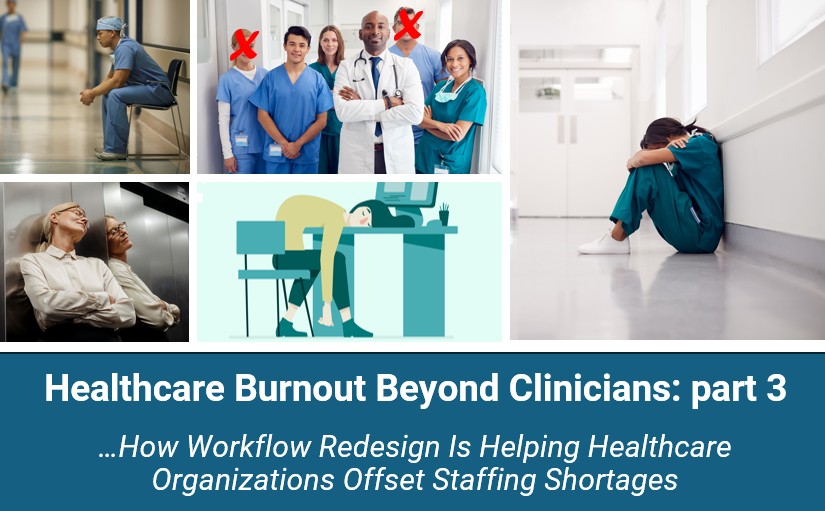
- The Healthcare Burnout Backlash (pt 3): How Workflow Redesign Is Helping Healthcare Organizations Offset Staffing Shortages
- BD Announced Application of CE Mark for the Liverty TIPS Stent Graft

- BD Announced Application of CE Mark for the Liverty TIPS Stent Graft
- Blackstone and TPG Complete Acquisition of Hologic; Names New CEO
- Blackstone and TPG Complete Acquisition of Hologic; Names New CEO
- Endospan Receives FDA Approval for the NEXUS Aortic Arch Stent Graft System
- Endospan Receives FDA Approval for the NEXUS Aortic Arch Stent Graft System
- InVera Medical Receives FDA Clearance for Non-Thermal Chronic Venous Disease Device

- InVera Medical Receives FDA Clearance for Non-Thermal Chronic Venous Disease Device
- Starting material sourcing bottlenecks increase US drug shortage risks: report
- Novartis cuts 114 more jobs at New Jersey HQ as restructuring rolls on
- Charles River flows into Boston to help AHA bridge cardiovascular health divide
- Your Brain Cares If Your Plant-Based Diet Is Unhealthy, Researchers Report
- Your Neighborhood Might Help Make You Old Before Your Time
- Heavy 'Forever Chemical' Exposure Before Birth Increases Childhood Asthma Risk, Study Finds
- High-Tech Magnets Offer New Hope for Veterans Battling Combat PTSD
- Early Diagnosis Key To ADHD Child's Academic Success, Study Finds
- Study Reveals Who Americans Think Should Pay for Elder Care
- Envision hires ConcertAI, IQVIA alum Nick Jones as its med comms president
- The top 10 pharma R&D budgets of 2025
- For Many Patients Leaving the ICU, the Struggle Has Only Just Begun

- Watch: As AI Makes More Health Coverage Decisions, the Risks to Patients Grow

- Bial launches ‘Dialogues with Parkinson’s’ campaign aimed at identifying early symptoms
- Novartis pumps up community health footprint to tackle heart disease and cancer
- Abbott survey finds ‘information overload, confusion and cost’ affecting health choices in US
- FDA accuses Amneal, BioCorRx of producing ‘false and misleading’ drug promos
- North Carolina provider launches mobile opioid treatment unit
- U of Pittsburgh debuts online infant mental health certificate
- Emerging DSO lands Ohio partnership
- Heartland Dental added 5 de novos in March
- Florida International U, medical school land $30M gift for medical center
- Stanford Health, Alameda Health System partner to support California hospital
- The states with the highest, lowest migration rate of dentists since 2019
- What the Health? From KFF Health News: Abortion Pills, the Budget, and RFK Jr.
- Specialty DSO eyes new growth levers after entering several states
- Hospital M&A roars back to life in Q1 2026; Operating performances fray in February
- Epic rolls out health alerts to flag rising rates of illness at the county level
- Fierce Pharma Asia—Takeda-Denali split-up; Merck, Zhifei's revised deal; Shionogi's made-in-US plan
- Brain Scans Reveal How Psychedelics Change Perception
- Benefits leaders report increased operational, financial costs amid 'digital health vendor sprawl': Solera survey
- Vanda initiates study of motion sickness drug Nereus in GLP-1 users
- Judge Allows Abortion Pill, Mifepristone, To Continue Being Mailed for Now
- Bangladesh Measles Outbreak Kills 100+ Kids, Emergency Shots Begin
- Regulatory burdens continue to mount for physician practices
- Medicare navigation company Chapter banks $100M series E funding round
- Hair Growth Product, Tuymec Minoxidil Hair Growth Kits, Recalled Over Child Poisoning Risk
- Garda snaps up Assertio and chemo infection treatment Rolvedon in $125M deal
- AbbVie challenges 'outdated' 340B drug discount program guidance in new lawsuit
- AbbVie challenges 'outdated' 340B drug discount program guidance in new lawsuit
- Eli Lilly launches oral GLP-1 drug across US through Lilly Direct, telehealth providers
- Humana, Noom and Welldoc team up with b.well to expand health data access as part of CMS push
- America's Sexual Health Report Card Contains Some Surprises
- Years of Excess Weight, Not One Bad Checkup, Drive Heart Disease Risk
- There Are No Good Ways To Avoid Childhood Eczema But Many Treatment Options
- More Children, Teens At Risk From E-Scooter Crashes, Study Finds
- This Treatment Can Improve Your Odds Of Surviving C. Diff Infection
- Alzheimer’s Tests May Mask Risks for Women
- RFK Jr. launching health podcast to expose ‘hypocrisy’ and ‘corruption’
- RFK Jr. launching health podcast to expose ‘hypocrisy’ and ‘corruption’
- Advocate Health improves to 4% operating margin, $4.6B bottom line across 2025
- States Face Another Challenge With Medicaid Work Rules: Staffing Shortages

- Farm Bureau Health Plans Beat the ACA on Prices With an Age-Old Tactic: Rejecting Sick People

- Avalyn plans IPO to fund phase 3 trials of inhaled versions of approved respiratory drugs
- Judge rules that HHS must face states' lawsuit over RFK Jr.'s agency overhaul, massive layoffs
- Judge rules that HHS must face states' lawsuit over RFK Jr.'s agency overhaul, massive layoffs
- Consumers' satisfaction with health plan apps improves with familiarity: JD Power
- Nurses' job satisfaction stumbles after post-pandemic gains: survey
- Amazon launches 2 new digital health partnerships for nutrition therapy, sleep care in health conditions program
- Former NFL Star Steve McMichael Diagnosed With CTE After His Death
- Steven Ubl set to depart after more than a decade as CEO of PhRMA
- Nixing prior auth, outlier hospital bills could lower health costs, Center for American Progress' policy plan says
- Shionogi nabs initial $119M award from BARDA to establish US antibiotic plant
- More Drugmakers Join TrumpRx
- Graco Recalls Infant Car Seats Over Structural Issue
- Orlando Health fleshes out Alabama footprint with another acquisition
- US adults still turn to providers for accurate health information even as AI chatbot use grows: Pew survey
- Pfizer walks away from 'underutilized' office space in South San Francisco, transitions employees to remote roles
- Biogen settles investor lawsuit over its messaging on failed Alzheimer's drug Aduhelm
- Digital health startups raked in $4B during Q1 with 12 megadeals driving investment: Rock Health
- New Cervix-On-A-Chip May Revolutionize STI Treatment
- Long COVID Linked to Heart Health Risks
- The Flu Vaccine Can Lower Your Risk Of Heart Attack And Stroke — Even If You Wind Up Infected
- Herbal Drug Kava Poses Increasing Health Threat In U.S., CDC Warns
- Preschoolers' Solitary Screen Time Could Mean Behavior Problems, Language Difficulties Later On
- Combo Heat Waves/Droughts Will Affect Billions A Year By 2100, Researchers Project
- Amgen CEO netted $24.7M pay package in ‘25 as company’s upward trajectory continued
- J&J's Tremfya retakes TV drug ad spending crown from AbbVie
- Trump’s Personnel Agency Is Asking for Federal Workers’ Medical Records
- Urgent Care Clinics Move To Fill Abortion Care Gaps in Rural Areas

- FDA Approves First Generic Farxiga (dapagliflozin) Tablets
- Reliance on EHR vendors' tech roadmap slows down AI progress, senior IT leaders say
- ¿Puedo decirle a mi médico que no quiero que use la inteligencia artificial para tomar notas?


Health care quality is about to get worse. Health care workers will see lower wages. Health care prices will increase dramatically. You will have to travel much further for emergency care.
The Detroit Free Press has just discovered that the recent wave of hospital mergers in Michigan will create an oligopoly:
As large Michigan health systems merge, independent hospitals are vanishingBy Kristen Jordan Shamus • November 18, 2023
Seismic shifts are transforming the health care landscape in Michigan as hospitals struggle to steady their finances amid inflation, Medicaid and Medicare reimbursements that don't match the cost of care, ongoing staffing challenges and rising labor costs.
In the last three years alone, consolidation has roiled about 50 Michigan hospitals, affecting more than 150,000 health care workers and millions of patients across much of the Lower Peninsula — in communities like Ludington in the northwestern part of the state to Deckerville in the Thumb, Benton Harbor in the southwest to the Downriver city of Trenton.
If the latest of three Michigan mega hospital deals succeeds — a proposed joining of Henry Ford Health and Ascension Michigan's metro Detroit and Flint-area properties — it would mean as much as 59% of the statewide hospital market share would fall under just three newly joined health systems.
Start the day smarter. Get all the news you need in your inbox each morning.There's a lot at stake.
The larger the market share, the more leverage hospital systems have to negotiate reimbursement rates with private insurers and to negotiate better prices for supplies to help them weather inflationary storms and lagging Medicaid and Medicare reimbursements.
However, that level of consolidation can have big consequences for patients and for health care workers.
The average Michigander will have fewer choices when it comes to health care providers. They may find they are paying higher prices amid lower competition and could see a decline in the quality of care, studies have shown.
Research studies also show that for health care workers, consolidation often results in lower wages and fewer job opportunities.
“We're at the dawn of the megamerger, which is multihospital systems merging with other multihospital systems," said Brian Peters, CEO of the Michigan Health and Hospital Association. "Certainly, we've seen that here in Michigan with the Beaumont-Spectrum merger that's now known as Corewell Health. I suspect we'll see additional mergers like that in the future, not just here in Michigan, but certainly across the country.”
Michigan's health care future: 3 huge systems
The 2022 Spectrum-Beaumont deal created sprawling Corewell Health, which now has 21 hospitals and more than 60,000 employees across most of the Lower Peninsula. The Spectrum-Beaumont deal included Priority Health, an insurance plan with roughly 1.3 million members.
Earlier this year, the University of Michigan Health finalized its agreement with Lansing-based Sparrow Health, forming a $7.8 billion hospital network with 46,000 employees and 11 hospitals stretching from Ann Arbor north to Carson City and west to Grand Rapids. The deal included Sparrow's Physicians Health Plan, which at the time had 70,000 members and 300 employers in Michigan, as well as a Medicare Advantage plan.
And now, another $10.5 billion deal is in the works to combine Henry Ford Health with Ascension Michigan's southeastern Michigan properties to form a health system with 13 acute-care hospitals and two specialty hospitals serving six counties. If it meets regulatory approval, the organization would be based in Detroit and employ 50,000 workers at more than 550 sites. It also includes Henry Ford's insurance company, Health Alliance Plan, which has 430,000 members and 1,100 employees.
"It's challenging right now," said Tina Freese Decker, Corewell's president and CEO. "We continue to see increased costs for wages, for supplies, for pharmaceutical drugs, and yet we haven't seen increases in Medicare and Medicaid reimbursements that have kept up with inflation. So it's requiring all of us to think innovatively to come up with new solutions that can help our team members best take care of our community."
Add to that an aging population that is more likely to have Medicare or Medicaid coverage — and a state population that is shrinking overall — and it's a recipe for health care consolidation, said Allan Baumgarten, a Minneapolis-based health care analyst who has published the annual Michigan Health Market Review since 1997.
"The population is basically flat and the market for inpatient hospital care is also flat," he said. "Hospital systems are very concerned about maintaining their market share. It is an era of sort of shrinking times. They have significant investments in their inpatient facilities, and they're trying to do things to keep them full.
"The University of Michigan has just been investing upwards of a billion dollars in new facilities, not to mention the acquisition that it's made to expand its geographic reach," Baumgarten said. "And so a system like Henry Ford, which wants to be the destination for southeast Michigan for specialized medical care, is competing against the University of Michigan Health system.
"Maybe, by combining with Ascension, Henry Ford thinks it has more doctors, more primary care providers and secondary care providers that will feed its specialty practices and specialty facilities within the system."
Mergers often mean job cuts, higher prices
When health systems merge, they can also cut costs by slashing jobs.
"Typically, what happens in these kinds of situations is the first things that they look at are things like back-office functions," said Marianne Udow-Phillips, head of public health for Rewind and senior adviser to the University of Michigan Center for Health and Research. "They look at: Do we need two accounting teams? Do we need as many managers who oversee human resources? Those kinds of things, the nonpatient facing, nonclinical facing functions, are typically where they are going to look first" to eliminate jobs.
"I would be surprised if they made any cuts on the clinical side because the clinical side, you know, the nursing staff, physician staff, that’s their bread and butter. That's what's bringing in the revenue. And that's generally where health systems have struggled to get enough staff."
Michigan hospitals directly employed 219,000 people in 2021, according to the Michigan Health and Hospital Association. More than 560,000 Michiganders worked in health care overall that year, making up the largest share of private-sector employees in the state.
When hospitals merge, Baumgarten said, it makes it harder for workers to boost their wages and benefits because it "effectively reduces some of the possibilities that a nurse has, or a block of nurses or other workers represented by a union have, to improve themselves by switching health systems or through the negotiation of a better contract."
Independent hospitals become rare in Michigan
As larger health systems in Michigan see intense consolidation activity, the state's small, independent hospitals are vanishing.
For many of them, the choice is to either join a larger hospital system or close.
“Back in the 1980s, for example, here in Michigan, we had well over 200 hospitals, and virtually all of them were independent," Peters said. "Today, we have 130 hospitals in the state and all but about 15-20 are part of systems ― depending on how you categorize independent because some have quasi-relationships with other systems. We have a very, very small number of hospitals left … that are truly independent. Most have joined these multi-hospital systems."
Hills & Dales Healthcare, an independent, 25-bed critical-access hospital in Cass City, aims to do just that.
It announced earlier this month that it is now in talks to merge with Deckerville Community Hospital and Marlette Regional Hospital, affiliates of United Healthcare Partners. All are in Michigan's Thumb region.
“In this era of rural hospital closures, we recognize that we have to be nimble to continue offering the level of care our patients deserve,” Andy Daniels, president and CEO of Hills & Dales Healthcare, said in a statement. “As three of the 12 independent critical access hospitals in Michigan, Deckerville Community Hospital, Hills & Dales Healthcare and Marlette Regional Hospital are well positioned to come together and create a more connected care network. At the end of the day, this is about keeping local health care local and improving care for our rural patients.”
Michigan lost another independent hospital in October 2022, when Trinity Health acquired North Ottawa Community Health System in Grand Haven. The 81-bed acute-care hospital was renamed Trinity Health Grand Haven Hospital.
The Center for Healthcare Quality and Payment Reform estimated in October that 13 other rural Michigan hospitals remain at risk for closure because of financial problems caused by low reimbursements from health insurance plans, the rising cost of supplies and labor, and low financial reserves. They don't have enough net assets to offset their losses.
"Hospitals provide two roles," said Dr. Norman J. Beauchamp Jr., executive vice president for health sciences at Michigan State University. "They get paid when people come there and they're sick. But a good bit of their cost is having capacity and being available for people when they need them. In communities with lower populations, where there is lower utilization of hospital services, the uncovered costs of being on standby are proportionately greater.
"When these hospitals close, it is difficult for the community. There's less access for service, and it has the greatest effect on communities of color. ... The fact is, your ZIP code and the color of your skin determines how long you live. And that is just not acceptable."
More closures could be ahead
Even when hospitals are part of a large health system, it doesn't always protect them from closure.
In October, Corewell Health — the largest health system in Michigan — shuttered its Spectrum Health Kelsey Hospital in Lakeview, citing an outdated building and steady decline in patient volumes and demand. The hospital, built in 1962, had 16 critical-access care beds along with 108 workers.
In its place, Corewell opened a new, $12 million Lakeview Care Center about a mile from the Kelsey hospital. The center offers a walk-in clinic, open 8 a.m.-8 p.m. weekdays and 8 a.m.-2 p.m. on weekends, along with a family medicine clinic, outpatient rehabilitation and lab services.
If people in the community need medical care after hours, the nearest hospitals are in Greenville, Big Rapids or Sheridan, all roughly a 30-minute drive from Lakeview.
Udow-Phillips said she wouldn't be surprised to see hospitals close in the wake of the Henry Ford-Ascension joint venture, too.
"Absolutely, that could happen," she said. "I'm certain they will be looking at that even without a joint venture, given Ascension's financials. They have to be looking at what they continue to sustain and where are their biggest losses. When you have two organizations that have geographic overlap, consolidation is certainly going to be something they'll be looking at, and it is one way to reduce costs."
'Rob, you're in liver failure' — how a merger helped save him
Though industry experts often point out the negative aspects of hospital mergers and acquisitions, Freese Decker said that when Beaumont and Spectrum came together to form Corewell, it brought benefits for patients, too. They got access to more specialists within the expanded network of hospitals that can offer a wider range of expertise, treatments and services.
Rob Mackey's story is just one example.
Mackey, 57, of Grand Rapids, was growing increasingly ill in late 2021. His skin was becoming jaundiced and his eyes bore a telltale yellow tint. By January 2022, he said, "I knew something was definitely wrong because I could feel my body deteriorating."
He went to his doctor at Spectrum Butterworth Hospital, now Corewell Health Butterworth Hospital, and learned that a lifetime of drinking alcohol "to numb myself from the anxiety and stress that I had from jobs," he said, had all but destroyed his liver.
"They said, 'Rob, you're in liver failure.' After quick testing, they determined that I had cirrhosis and it was unrecoverable," he said. "I had a decision to make, which was an easy one. That was to go through the transplant process."
The former Spectrum hospitals in western Michigan don't offer liver transplants. That specialty care is available, however, at the former Beaumont property now known as Corewell Health’s Beaumont Hospital Royal Oak.
"This really was Corewell's infancy after the merger of Spectrum and Beaumont," Mackey said. "Even though they were getting to know each other, they worked like clockwork," coordinating his cross-state care so he could stay within the health system for his transplant.
Mackey was able to have tele-visits with his doctors in Royal Oak and had routine testing like blood work and scans in Grand Rapids, saving trips across the state solely for when he needed on-site, in-person care by his transplant team.
"They immediately engaged me with the liver transplant program in Royal Oak. ... The care that I started receiving was just exceptional. The quality of the people, the staff, the pre-surgery nurses, the physicians ... it made the decision to have my surgery there an absolute no-brainer."
If Mackey had gone into liver failure before Spectrum and Beaumont combined to form Corewell, he would have had to essentially start over with new doctors in a different health system.
In addition to Mackey, two other western Michigan patients from legacy Spectrum hospitals have received liver transplants in Royal Oak and several more patients are in the evaluation process for transplants.
"I think one of the key benefits of these integrations is greater access to more consistent and exceptional care," Freese Decker told the Free Press. "That's what you see with the example with Rob. He had access to care for the transplant and he could keep all of this care within the system. The physicians and the care team members knew exactly what to do and they had coordination amongst the team that promotes even greater quality and safety for his care.
"So I think that's a big plus as we move forward. This collaboration of care coordination is a key element in addressing the cost of health care. And if we can do that more as an integrated health system with our robust care delivery and our health plan, it really focuses on improving access back to the right care, the right place, the right time to make sure that it's beneficial for the people we serve."
Affordable Care Act drives some mergers
The COVID-19 pandemic didn't help hospitals' financial struggles, said Udow-Phillips, as prices for supplies and prescription drugs skyrocketed and labor prices soared amid massive worker shortages. But the pandemic isn't what drove health systems onto such rocky financial footing.
"The seeds of change — particularly with mergers and the growth of health systems in our state — really go back to the Affordable Care Act," Udow-Phillips said. "Some of the incentives and structures that were embedded in the Affordable Care Act make it very difficult for hospitals that are not part of a system to be successful in today's environment.
"And those financial changes — changes to reimbursement models and things like that — started a very significant merger process in our state and across the country, really. I would say the more recent challenges with COVID, with workforce shortages, and with capital demands, have accelerated those trends.
"We see more and more moving down that path. We're seeing a lot happening right now, but it's really been an ongoing progression over the past 10 years or so."
The biggest obstacle when it comes to further consolidation among hospitals in Michigan, Baumgarten said, will be government regulation and antitrust laws.
"I'm guessing that this proposed joint venture with Henry Ford and Ascension will set off some alarm bells," he said with the Federal Trade Commission, the U.S. Justice Department and potentially with the state Attorney General's Office, all of which regulate health care consolidation. "It could very well be challenged."
The Biden administration is reevaluating and toughening federal rules for mergers and acquisitions, including those in health care, to prevent monopolies and business deals that would limit competition with a market.
In July, the Justice Department and FTC issued new draft guidelines, which would prohibit mergers, acquisitions and other deals that increase concentration in highly concentrated markets or eliminate substantial competition between firms; the administration has blocked other recent mergers between health systems in other states.
Baumgarten's analysis of the hospital market share in Michigan shows that if the Henry Ford/Ascension joint venture succeeds, the system would have 43.8% of the Detroit-area market and roughly 19% of the total statewide market, based on 2021 fiscal year Medicare Cost report data on net revenues for inpatient and outpatient care on hospital campuses.
Comparatively, Corewell has 21% of the state's total market. The University of Michigan Health's statewide reach — now that Sparrow is part of the system — is 15.4%.
Although MyMichigan Health is affiliated with the University of Michigan Health and uses U-M's branding and logo, Mary Masson, a spokesperson for University of Michigan Health, said the operations of the organizations are separate.
Still, Baumgarten said: "An argument can be made that MyMichigan should be counted with U-M Health."
On the MyMichigan Health website, it claims it is "aligned in a clinical and business partnership with Michigan Medicine" and the University of Michigan Health as part of an organized health care arrangement "where the providers work jointly to help improve the quality of your care."
The partnership "is intended to expand access, quality, and the level of care provided for patients who live in the 25-county region served by MyMichigan Health. It will also explore joint efforts in telemedicine, clinical data analysis and information technology, all of which will be key to successfully providing health care in the future, positioning both organizations to succeed in the new health care environment."
If MyMichigan Health is included in U-M Health's market share, it brings the percentage of its overall reach statewide to about 17.9%.
That would mean that the three biggest health system players in Michigan would have 59% of the statewide market share — followed by Trinity Health Michigan, which has roughly 8.7% of the statewide market. McLaren Health Care is next largest, with nearly 7.3% of the statewide market share.
Member substitution or joint venture? Words matter
Although Henry Ford Health and Ascension Michigan issued a news release in October calling their proposed arrangement a "joint venture," Danny Wimmer, press secretary for Michigan Attorney General Dana Nessel, said it is being treated as a member substitution for regulatory purposes.
"The term ‘joint venture’ is sometimes loosely used to refer to any transaction involving two entities," Wimmer said. "The parties have indicated that this specific matter will be a member substitution. The Department of Attorney General is not declaring it a member substitution, but sharing how the parties characterized the transaction with our team.
"In general, member substitutions require fewer regulatory approvals. However, the department does review member substitutions of hospitals, and will be reviewing this matter. A member substitution sometimes requires antitrust review."
When it comes to hospital consolidation, words matter. Different types of deals draw different levels of scrutiny from regulators.
"Hospital transactions typically take one of four forms: a sale, a merger, a joint venture or a member substitution," Wimmer explained.
If Henry Ford and Ascension are coming together under a member substitution, Wimmer said, generally, "one entity amends its articles of incorporation to reflect that another holds its membership (ownership) interests. The practical effect is to create an affiliation with no assets changing hands and both entities continuing to exist."
In this case, Henry Ford Health would be majority owner and would assume overall management of the former Ascension hospitals. Bob Riney, Henry Ford's president and CEO, would lead the organization and it would be governed by a board of directors representative of both organizations. The Ascension properties are to be renamed and take on Henry Ford branding.
"What we are undertaking is a joint venture," said Henry Ford spokesperson Lauren Zakalik. "The member substitution is one corporate step in forming the end result, which is the joint venture."
Seeking a sustainable model for rural health care
Health systems that aren't in the midst of merging or consolidating also are struggling to find ways to remain solvent.
The Traverse City-based nonprofit Munson Healthcare, which has eight hospitals in northwestern Michigan, announced an ambitious three-year plan in September to reconfigure the way it cares for patients by grouping its hospitals into regions and shifting the majority of inpatient hospital care to its flagship property, Munson Medical Center in Traverse City.
"The bottom line is we need to change as our environment changes," said Ed Ness, president and CEO of Munson Healthcare. "Our goal is to be around to provide care for the next 100 years as we've been in businesses as a nonprofit for the last 100 years.
"You may read across the country that in the last 10 years, 150 hospitals have closed. Our goal is to re-envision how we deliver care so we can continue to reinvest in our communities, in our facilities and our people for the next 100 years."
Patients in northwestern Michigan want easier access to doctor's appointments, X-rays, CT-scans along with lab tests, he said. And they want convenience, too, "whether that is appointment times that are at the right times today, or whether they can schedule via an app, or whether they have access to virtual care, so that they can do things from their homes," Ness said.
Munson has seen the need for in-hospital care rapidly decline at its smaller community hospitals, where as much as 80% to 90% of services are done on an outpatient basis.
"In Manistee, the number of patients in the hospital — inpatients — has dropped 40%," Ness said. "And in some of our hospitals, the average daily census is less than 10. So that has changed dramatically."
But those who need hospitalization, Ness said "are sicker and more complex" and they also need more specialized services like critical care, oncology, stroke, and cardiology care.
To address the wide range of needs, the health system is dividing into a regions, with different levels of care available at each site within the region:
* In the East Region: Otsego Memorial Hospital in Gaylord will be equipped to take patients who need hospitalization and more complex care. Munson Healthcare Grayling Hospital and Munson Healthcare Charlevoix Hospital will become community hospitals that will have full emergency departments and provide 24-hour service with observation care, but limited inpatient capabilities. They will be more focused on the outpatient care.
* In the South Region: Munson Healthcare Cadillac Hospital will become the regional hospital and will be equipped to take patients who need hospitalization and more complex care. Paul Oliver Memorial Hospital in Frankfort and Munson Healthcare Manistee Hospital will have full emergency departments and provide 24-hour service with observation care, but limited inpatient capabilities. They will be more focused on the outpatient care.
* In the Central Region: Munson Medical Center in Traverse City will serve as a high-level specialty care center, supporting really the complex care needs of northwestern Michigan, offering hospitalization for the most severely ill patients, along with a neonatal intensive care unit, oncology and cancer programs and a stroke program.
"We have an opportunity in northern Michigan, because of the great connection between our community and the health system, to be the model for how rural care is designed," Ness said."The delivery of care in a rural setting is different than it is in an urban setting, and so we have to be innovative to develop a sustainable model. ... We want to be proactive about that so we redesign our care delivery system so that we can be here for 100 years into the future. And I think that you’ll see happening in rural areas across the country, and I really do hope we can be a model for that delivery."
More consolidation, more closures likely ahead
Beauchamp said even more revolutionary ideas will be needed in the future to deliver preventive and specialty health care to rural Michigan.
"Michigan has the 36th highest incidence rate for cancer in the U.S., yet it has the 15th-highest death rate," he said. "And there's a significant rural-urban difference. Often we detect disease at a later stage in rural Michigan. And so when we detect it, it's less treatable, and it's more costly. And similarly, if you're a person of color, it's even worse. And that's the case for cancer, heart disease, etc. One of the ways we're going to overcome this is by extending public health out into the communities."
Michigan State is working with companies like Perrigo, Higi and Dollar General to put kiosks in stores and find other ways to deliver health screenings and preventive care to the far reaches of the state, Beauchamp said.
"Telemedicine is another way that we're doing it," he said. "We have a program called Project ECHO, where you can have a nurse practitioner or physician assistant who sees the patients in the community, but then once a week runs the most difficult cases by a specialist centrally located at Michigan State.
"The nurse practitioner might say, 'With these three patients, the complexity of their illness is more than I was trained to respond to, so let's talk about their care.' And so by doing that, you can have one hepatologist who can serve 30 underserved communities."
These ideas might not solve every problem with health care access, but it's a start," Beauchamp said, adding that more innovation is needed, especially as more hospital consolidation — and closures — loom.
In the next 10 years, Beauchamp predicted: "We'll have three or four major health systems in the state, and I think beyond that, a lot of them will close. Some of the small hospitals will be replaced by community clinics."
From the Investopedia article on oligopolies:
KEY TAKEAWAYS
- An oligopoly is a market structure wherein a small number of producers work to restrict output and/or fix prices so they can achieve above-normal market returns.
- Economic, legal, and technological factors can contribute to the formation and maintenance, or dissolution, of oligopolies.
- The major difficulty that oligopolies face is the prisoner's dilemma that each member faces, which encourages each member to cheat.
- Government policy can discourage or encourage oligopolistic behavior, and firms in mixed economies often seek government blessing for ways to limit competition.

Thank you for posting this.
I disagree with the claims of greater efficiency from mergers. It's merely a new twist on the old lie of cost savings. The fact is, clinicians of good will have been facilititating transfers for specialized care since healthcare began.
What's needed is a return to respect for individual lives and facilities. Unfortunately, this massive merger represents a truly horrifying leap away from patient and employee freedom of choice.
A new NBER study agrees, and shows even worse consequences of hospital mergers.
The study text is very dense and long, so I've clipped and reformated the abstract. The bold font emphasis is mine as well.
<clip>
NBER Working Paper No. 32613 | June 2024
We analyze the economic consequences of rising health care prices in the US. Using exposure to price increases caused by horizontal hospital mergers as an instrument, we show that rising prices raise the cost of labor by increasing employer-sponsored health insurance premiums.
A 1% increase in health care prices lowers both payroll and employment at firms outside the health sector by approximately 0.4%.
At the county level, a 1% increase in health care prices reduces per capita labor income by 0.27%, increases flows into unemployment by approximately 0.1 percentage points (1%), lowers federal income tax receipts by 0.4%, and increases unemployment insurance payments by 2.5%. The increases in unemployment we observe are concentrated among workers earning between $20,000 and $100,000 annually.
Finally, we estimate that a 1% increase in health care prices leads to a 1 per 100,000 population (2.7%) increase in deaths from suicides and overdoses. This implies that approximately 1 in 140 of the individuals who become fully separated from the labor market after health care prices increase die from a suicide or drug overdose.
The Wall Street Journal reduced this 77-page study to an excellent article and graphics. Initially accessible, it is now behind paywall.
Posting what's accessible, linked for those with subscription.
https://www.wsj.com/health/healthcare/hospital-healthcare-prices-increase-employee-layoffs-9a4b90f6
When Hospital Prices Go Up, Local Economies Take a Hit
Companies lay off workers to make up for health-insurance costs after hospitals raise prices, research finds
Rising healthcare prices have long eroded American wages. They are doing that by eating into jobs.
Companies shed workers in the year after local hospitals raise their prices, new research found. Higher hospital prices pushed up premiums for employees’ health insurance, which businesses help pay for. ...
Get MHF Insights
News and tips for your healthcare freedom.
We never spam you. One-step unsubscribe.
Sponsors
Friends of MHF





Kirsten DeVries
Tom & Karen Nunheimer
Steve Ahonen
Ron & Faith Bosserman
Marlin & Kathy Klumpp
Sign Up for MHF Insights to keep up on the latest in Michigan Health Policy