- Urgent Care Clinics Move To Fill Abortion Care Gaps in Rural Areas

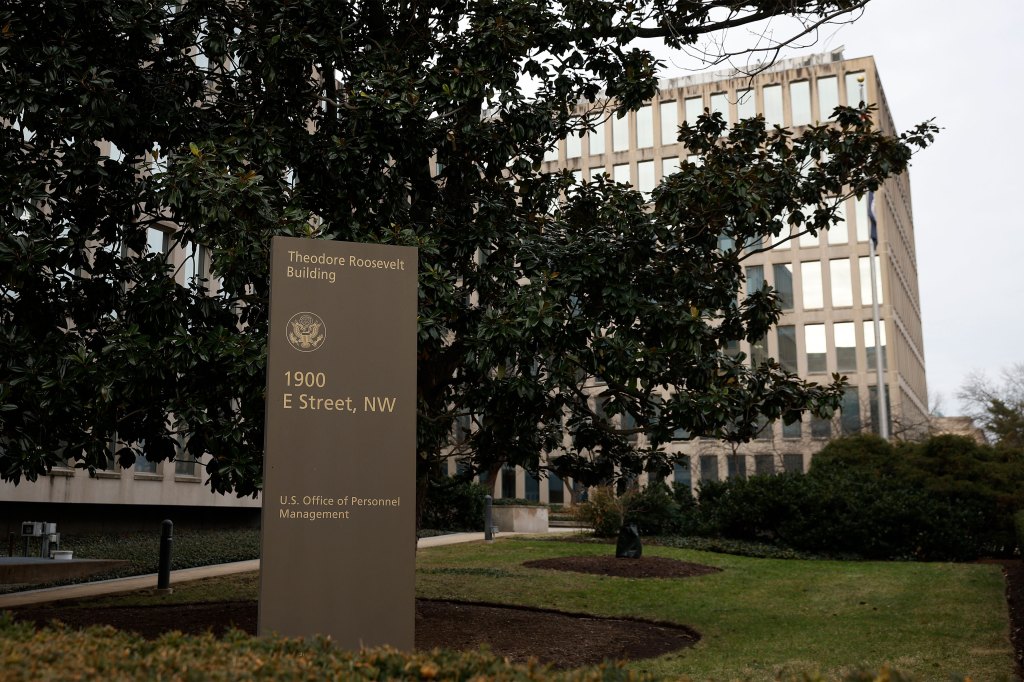
- Trump’s Personnel Agency Is Asking for Federal Workers’ Medical Records
- Medicaid expansion tied to higher opioid treatment rates: 3 study notes

- Hennepin taps former interim CEO to lead system
- Arkansas hospital to close after 3 years, transition to psych facility
- Arkansas hospital to close after 3 years, transition to psych facility
- Connecticut hospital workers vote to decertify union
- Signature Healthcare continues diverting ambulances amid cyber incident
- Healthcare affordability leads as Americans’ top concern: Gallup
- Healthcare affordability leads as Americans’ top concern: Gallup
- FDA Approves First Generic Farxiga (dapagliflozin) Tablets
- The Margin Pressure Solution: Why Automating Patient Refunds Is a Smart Place to Start
- The Margin Pressure Solution: Why Automating Patient Refunds Is a Smart Place to Start
- North Carolina dental board sends updated sedation guidelines
- HCA Kansas hospital COO exits for new role
- Virginia system consolidates physician management, closes observation unit
- Encompass taps regional president
- ‘Gaining the trust back’: The mission driving 1 Arkansas rural hospital
- Moody’s upgrades Kettering Health’s credit rating
- Dental AI company closes $20M seed funding round
- Insurers have cut prior auth requirements by 11%: AHIP-BCBS
- United Digestive to open Georgia ASC
- Ohio updates CRNA laws
- 25 ASC closures in 5 years
- The new world of ASC real estate
- Consumer dental spending continues to rise
- Connecticut bill would allow hygienists to treat patients at private residences: 5 notes
- Why dentists’ economic confidence is rising
- A federal policy that could worsen CRNA shortages
- Physicians call for safeguards for small practices amid CMS fraud crackdown
- NYC Health + Hospitals opens 104-bed therapeutic housing unit
- Google to donate $30M to expand mental health crisis support
- SSM Health to open $150M children’s hospital
- The specialist shortage quietly threatening ASCs
- ¿Puedo decirle a mi médico que no quiero que use la inteligencia artificial para tomar notas?

- AI adoption grows in mental healthcare amid clinical concerns
- Yale New Haven Health hospital's tele-ICU model highlighted in wrongful death lawsuit
- Jefferson Health hits Aetna with lawsuit over controversial 'downcoding' policy
- ForSight Robotics completes world’s 1st fully robot-assisted cataract surgery
- The 10 best, worst states for pediatric oral health in 2026
- New Hampshire system opens cardiovascular operating room
- ADA adds new guidelines on oral cancer detection
- Insurers have eliminated 11% of prior authorizations under reform pledge
- The fastest-growing dental companies in 2026
- West Virginia hospital inches closer to critical access status
- Mercy hospital to invest $60M in facility upgrades
- Revenue cycle functions health systems outsource most
- 13 hospitals, health systems shuttering services in 1 month
- Massachusetts provider names regional medical director
- 23 revenue cycle executive moves in 2026
- Sagent Behavioral Health taps CEO
- UC Davis expands pediatric care with mobile clinic
- Remarks at the Texas Stock Exchange Event: Welcome to the Boom Belt: A Return to First Principles in Public Markets
- Wawa Recalls Drinks Over Undeclared Milk Allergen
- Scientists Test New Ways To Regrow Joints Damaged by Arthritis
- Listen to the Latest ‘KFF Health News Minute’

- Personas mayores inmigrantes pierden la cobertura de Medicare a pesar de haber aportado por años

- U.S. Plans Tariffs up to 100% on Some Brand-Name Drugs
- This New Method May Make French Fries Lower in Fat
- Sonrava Health to add Overjet’s AI to its 450+ practices
- Judge vacates HRSA's restriction on 340B hospital 'replenishment models'
- Menopause care provider Alloy Health expands weight care program
- With Gardasil demand shortfall in China, Merck and Zhifei adjust their partnership
- Americans May Be Losing Trust for AI in Health Care: Survey
- Cheap Blood Test Might Spot Cancers, Other Diseases
- Danger at Home: Cleaning Products Are Harming Kids
- Could a High-Dose Flu Shot Lower Your Alzheimer's Risk?
- Portable Scanner Spots Vision Issues in Poorer Communities
- Having a Baby? You May Need to Travel Farther Than Before
- Vertex taps Halozyme and its recently acquired Elektrofi tech in $15M drug delivery deal
- FDA seeks legislative teeth to bite back against misleading DTC drug ads
- This Northern Cheyenne Doula Was About To Start Getting Paid — Then Medicaid Cuts Hit

- Can I Opt Out of Having My Doctor Take Notes With AI?
- Waystar builds out AI solution to uncover lost provider revenue from payer 'take-backs'
- Education requirements for Arizona’s oral preventive assistant law gets pushback: 9 notes
- UAMS program targets youth behavioral health, workforce pipeline
- California universities to use $110M donation to expand behavioral health workforce
- 5 ways systems increase behavioral health sustainability
- CMS gives Medicare Advantage rates a 2.48% bump for 2027 plan year in final rule
- Ascendiun CEO Paul Markovich wants the industry to back a policy reform movement focused on affordability, tech innovation
- Counsel Health expands primary AI care model to include lifestyle, chronic conditions
- Allevion Medical Receives 510K Clearance for Vantage Spinal Decompression System
- Allevion Medical Receives 510K Clearance for Vantage Spinal Decompression System
- Patient cost sharing plays bigger role in rural hospital revenues, claims study shows
- Disputing Link, Raw Dairy Farm Recalls Raw Cheese After Outbreak
- La búsqueda de Trump de inscritos indocumentados en Medicaid arroja muy pocos infractores

- CMS unveils new Medicare pilot for hemp, CBD products
- New Plan Aims To Track Microplastics in U.S. Drinking Water, EPA Says
- Over 3 Million Eye Drops Recalled Amid Sterility Concerns
- New White House Budget Plan Would Reduce HHS Funding by Billions
- ImmunityBio responds to FDA scrutiny over Anktiva promotional claims with new protocols
- Healthcare Dealmakers—Sutter Health, Allina Health's $26B combination, UHS' $835M Talkspace purchase and more
- Ambience Healthcare launches Chart Chat, an EHR-integrated AI copilot for nurses
- Científicos de Estados Unidos secuencian 1.000 genomas del sarampión, eliminado durante años gracias a las vacunas

- Anthropic acquires stealth AI startup Coefficient Bio in $400M deal: reports
- Insulet's Omnipod takes Type 2 diabetes representation to the TV screen in 'Scrubs' revival
- Move Over, Cigarettes: Vapes Now the Leading Nicotine Danger for Kids
- DNA-Based Blood Test Could Help Guide Throat Cancer Treatment
- New Technologies Make Lung Cancer Diagnosis, Treatment Quicker and Safer
- Could Low Birth Weight Raise Odds for an Early Stroke?
- Getting a Scan? Time to Results Has Doubled Since 2014
- Autoimmune Diseases Like Lupus, Psoriasis May Raise Cancer Risk
- Neurocrine, eying ‘blockbuster in the making,’ strikes its largest-ever M&A deal with $2.9B Soleno buyout
- Amgen scores with trial of on-body injected version of Tepezza in thyroid eye disease
- Immigrant Seniors Lose Medicare Coverage Despite Paying for It
- Eli Lilly takes the court with 150th anniversary campaign to catch Final Four crowd
- VML Health urges marketers to shift from lifespan to ‘joyspan’ as patient goals evolve
- What Sea Creatures Reveal About How Fast People Age
- How to Tell if Spring Symptoms Owe to Allergy, Cold or Something More Serious
- 5 major insurers, vendor Zelis must face 'repricing' antitrust claims, judge rules
- Kaiser Permanente breaks ground on Oregon’s ‘first fully electric and sustainable’ hospital in Oregon, sets 2029 opening
- USDA Warns of Lead Risk in Frozen Dino-Shaped Chicken Nuggets
- New Heart Diet Advice Counters U.S. Guidance on Meat and Dairy
- Peeled Garlic Recalled Over Risk of Deadly Botulism
- Some CDC Lab Testing Paused Amid Internal Review
- White House floats 12.5% budget cut for HHS in FY2027, reiterates reorganization plan
- March M&A surge triggers high expectations for 2026
- The Healthcare Burnout Backlash (pt 2): Positioning AI pilots for success within EHR-integrated environments

- The Healthcare Burnout Backlash (pt 2): Positioning AI pilots for success within EHR-integrated environments
- With Sanofi and Pfizer deals, Novavax bets on ‘amplification strategy’ to drive vaccines engine
- Boston Scientific receives FDA clearance for the Asurys Fluid Management System
- Boston Scientific receives FDA clearance for the Asurys Fluid Management System
- Serenity Medical Receives FDA Humanitarian Device Exemption for IIH Venous Stent
- Serenity Medical Receives FDA Humanitarian Device Exemption for IIH Venous Stent
- Blue Shield of California’s virtual-first plan continues to show lower costs, increased access for members
- Merit Medical Acquires View Point Medical, Inc., expanding the Merit Therapeutic Oncology Portfolio
- Merit Medical Acquires View Point Medical, Inc., expanding the Merit Therapeutic Oncology Portfolio
- FDA Publishes New Set of Real-World Evidence Examples

- FDA Publishes New Set of Real-World Evidence Examples
- Industry Voices—Hospitals are fueling AI innovation, should they own a piece of it?
- Nerve Stimulation Therapy May Ease Fibromyalgia Pain, Fatigue
- Psychotherapists Often Poorly Trained in Treating Muscle-Linked Disorders in Males
- Missing From Most Doctor-Patient Talks: Sleep Issues
- Plastics Chemical Linked To Nearly 2 Million Preterm Births Each Year
- Most Americans Don't Realize Brain Donation Is Needed to Study Autism
- Weekend Binge Drinking Triples Risk of Permanent Liver Damage
- An update on the pharma industry’s reshoring effort
- Biopharma R&D pipeline shrinks for 1st time in 30 years: report
- Fierce Pharma Asia—Trump’s 100% drug tariff; Takeda layoffs; Lilly, Insilico's AI deal
- CMS locks in MA star ratings overhaul, bumps proposed special enrollment window for provider terminations
- Trump slaps 100% duties on imported drugs but leaves plenty of exceptions
- UK signs off on US pharma deal, ensuring tariff reprieve as Britain aims to reattract investments
- BioNTech telegraphs closure of Singapore vaccine facility amid efforts to 'align capacity'
- FDA Recalls Wawa Milk Over Possible Plastic Contamination
- Wegovy Maker Launches Lower-Cost Subscription Plans
- FDA Approves New Weight Loss Pill, Foundayo, in Record Time
- Rising Stars: The Trade Desk's Elizabeth Keenan finds the rhythm in music and media
- Lawsuit Over Viral David Protein Bars Dropped Without Explanation
- Lilly's obesity pill Foundayo gains early blockbuster forecast as analysts float 5M+ prescriptions in 2026
- Trump eyes 100% tariff rate for companies that have not struck MFN deals: Bloomberg


Drug companies, pharmacy benefit managers, and insurance companies have rightfully been blamed for the explosion in U.S. health care costs. Hospitals have faced far less scrutiny, probably due to their high level of well paid employment in every community across the country. Alexander Ciccone, the Policy and Government Affairs Manager of the National Taxpayers Union, believes that hospitals deserve far more scrutiny:
Hospitals’ Perverse Incentives Are Inflating Healthcare Costs
Congress Should End Them
By Alexander Ciccone - April 1, 2026There’s no shortage of politicians in Washington ready to blame insurance companies and drug manufacturers for the crushing cost of health care. Yet the single largest driver of health care costs in recent years isn’t pharmaceutical stock-buy backs or opaque insurance practices–it’s hospital systems.
What makes this so frustrating is that rising prices for hospital services aren’t the result of a functioning free market, but rather of perverse incentives created by the government that reward hospitals for their size instead of the value they provide patients.
Between 2022 and 2024, spending on hospital care alone amounted to an eye-watering $277 billion, representing 40% of the overall growth in national health expenditures. This surge outpaced every other source of medical spending, including physician services and prescription drugs. According to the Centers for Medicare and Medicaid Services, in 2024, hospital prices rose at their sharpest rate since 2007.
As a result of distortive policies that encourage hospitals to merge and consolidate, nearly half of all metropolitan areas across the country had just one or two hospital systems controlling the market for inpatient care in 2022. This lack of competition raises prices. According to the Department of Health and Human Services, hospital-to-hospital mergers in concentrated markets can raise prices anywhere from 6% to 65%. Even when hospitals acquire smaller independent physician practices, prices for identical medical services from those doctors rise on average by 14%.
By 2024, nearly 80% of all doctors across the country were employed by hospitals or other corporate entities. The surge in hospitals buying up independent physician practices is the predictable result of flawed Medicare reimbursement policies that pay hospitals more for the same medical service simply because the care is delivered in a hospital-owned facility. In 2021, the average Medicare reimbursement for drug administration services was 129% to 211% higher in hospitals than in independent doctors’ offices.
The nonpartisan Medicare Payment Advisory Commission has repeatedly urged Congress to enact “site-neutral” payments that would reimburse the same service at the same rate regardless of where it is performed. Bipartisan legislation passed by the House of Representatives in 2023 would have saved taxpayers roughly $4 billion over the next decade solely through its reforms to Medicare’s reimbursement rules.
Federal mandates have also buried the health care system in red tape, forcing hospitals to build sprawling bureaucracies instead of focusing on treating patients. A 2022 study found that administrative spending accounted for a whopping 15% to 30% of total health care expenditures. Much of this stems from complicated billing rules that keep hospitals busy tracking paperwork rather than patient outcomes.
Few problems illustrate the costs of burdensome regulations more clearly than unexpected medical bills. Despite Obamacare’s promise to streamline access to care, the legislation’s convoluted insurance mandates have become so confusing that many patients get hit with surprise bills after unknowingly receiving treatment from an out-of-network doctor even if they are at an in-network hospital.
Between 2010 and 2016, out-of-network billing at in-network hospitals rose from 32.3% to 42.8% for emergency room visits. Public outcry over this spike led to the enactment of the No Surprises Act in 2020. Despite addressing out-of-network charges for emergency room visits, the law contains glaring exemptions. For example, ground ambulances are largely excluded from the law’s protections against balance billing.
It’s not just the federal government reducing competition in hospital markets. State-level certificate of need laws require health care providers to obtain government approval before expanding facilities or offering new services. While these laws aim to reduce waste, in effect they let local bureaucrats shield established hospitals from new competition. A study found that overall health care costs were approximately 11% higher in states with certificate of need laws versus those without them.
Hospitals are not the villains of America’s health care system. They are simply responding to incentives created by Washington. Before drafting their next grand plan to address the crisis of affordable medical care, lawmakers should pause and take a hard look at how current government policies fuel the relentless rise in health spending they claim to oppose. A good place for Congress to start would be ending government incentives that reward hospitals for buying up the competition instead of outperforming it.
Get MHF Insights
News and tips for your healthcare freedom.
We never spam you. One-step unsubscribe.
Sponsors
Friends of MHF





Kirsten DeVries
Tom & Karen Nunheimer
Steve Ahonen
Ron & Faith Bosserman
Marlin & Kathy Klumpp
Sign Up for MHF Insights to keep up on the latest in Michigan Health Policy