- Trump’s One Big Beautiful Bill Act Darkens Outlook for Government-Backed Clinics

- Readers Sound Off on NIH Staff Cuts, Work Requirements, and More

- How Rural Health Systems Are Advancing Cardiac Imaging

- How Rural Health Systems Are Advancing Cardiac Imaging
- Beyond Reimbursement: Why Market Access is MedTech’s Strategic North Star

- Beyond Reimbursement: Why Market Access is MedTech’s Strategic North Star
- The Human Side of AI Medical Devices: Why Safety Depends on Design, Not Just Algorithms

- The Human Side of AI Medical Devices: Why Safety Depends on Design, Not Just Algorithms
- What’s draining surgical time?
- True ROI of health tech, according to finance leaders
- True ROI of health tech, according to finance leaders
- 131 hospitals sue HHS over DSH cuts: 5 notes
- HCA Tennessee hospital names CEO
- Kaiser workers in Northwest ratify labor deal
- Where 6 specialty DSOs stand in 2026
- MAHA movement slows
- Oracle cuts thousands of jobs: Report
- Intermountain joins national trauma, grief network
- 16 new ASCs in March
- Intermountain joins national trauma, grief network
- Practice closures, new dental schools, DLRs & more: 6 dental updates in New York
- A $1B campus, leadership handoff and unchanged mission: Grady’s next chapter
- MD, PharmD degrees deliver highest returns: Study
- Workforce, patient care, private equity & more: 5 statistics scaring dentists
- American Society of Addiction Medicine updates youth treatment standards
- The shifting oral surgery landscape
- Moody’s upgrades UK King’s Daughters’ credit rating
- 5 anesthesia partnerships to know from Q1
- New Jersey eliminates practice restrictions for most APNs
- Private equity in dentistry has gotten smarter
- Sutter ASC to pay $3.2M to settle alleged drug security lapses
- 7 DSO leadership changes to know
- University Hospitals swings from loss to 2.6% margin in 2025
- Mark Cuban backs bill to break up vertically integrated insurers
- The inadequacy of the physician fee schedule: 10 notes
- Inside the anesthesia crisis limiting ASC growth
- Lawmakers introduce child suicide prevention bill
- Dental lab group receives private equity investment
- Dental Care Alliance appoints chief revenue officer
- UnitedHealthcare launches Avery, a generative AI companion for members
- 14 behavioral health executive moves to know
- What comes next for price transparency rules?
- The top-ranked US dental schools in 2026
- Missouri agencies warn of rising nitazene threat
- PDS Health’s 3-year growth recap: 30+ moves
- Tennessee delays vote on CON
- Only 44% of SUD treatment facilities accept older patients on Medicare: HHS report
- Orthopedics’ quiet profit drains in ASCs
- The payer battles coming to outpatient surgery
- 7 state behavioral health policy updates
- Republicans eye further healthcare cuts: Report
- Memorial Sloan Kettering posts $48M operating loss in 2025
- FDA flags serious liver injury cases, 8 deaths with ‘reasonable’ link to Amgen's Tavneos
- Uninsured patients drive nearly 40% of healthcare collections: Cedar survey
- Novo Nordisk cuts 400 roles at troubled Bloomington site
- Blackstone weighs $500M IPO for RCM firm AGS Health: Bloomberg
- Health systems shrink the payer-provider gap
- Former U.S. Surgeon General Challenges Trump Nominee
- Listen to the Latest ‘KFF Health News Minute’
- Iterum initiates wind-down after failure to offload antibiotic with sluggish sales
- Over 10.2 Million Grill Brushes Recalled Over Metal Bristle Risk
- Sex Enhancement Chocolates Recalled Over Hidden Drug Ingredients
- Short Bursts of Exercise Linked To Lower Risk of Major Diseases
- HHS urges hospitals to align patient menus with updated dietary guidance
- Hartford HealthCare, K Health launch PatientGPT, new AI tool to help patients find health information
- Ensemble partners with Cohere to build first RCM-native large language model
- API supplier BASF raises prices up to 20% in response to rising energy, raw material costs
- Biogen, eyeing swift commercial tailwind, ponies up $5.6B for Apellis and its 2 approved meds
- Cold Weather More Deadly For The Heart Than Heat, Study Finds
- Teens' Sleep Patterns Affect Their Diet, Exercise, Study Says
- 'Watch and Wait' Approach Safe For Women With Precancerous Breast Condition, Trial Finds
- Dental Care Can Help Cirrhosis Patients Avoid Liver Cancer, Hospitalization
- Folks With Clogged Arteries Benefit From Aggressively Lower Cholesterol Goal
- Intermittent Fasting Might Help Manage Female Hormone Imbalance, Trial Shows
- States Pay Deloitte, Others Millions To Comply With Trump Law To Cut Medicaid Rolls
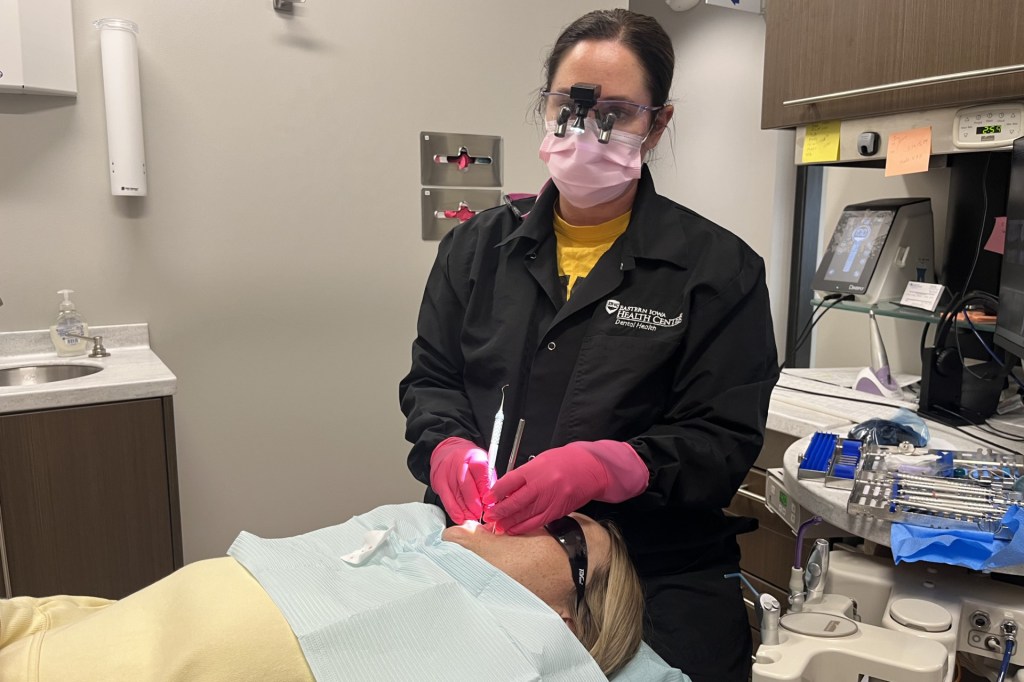
- Trump’s Hunt for Undocumented Medicaid Enrollees Yields Few Violators

- States pay Deloitte, others millions to comply with Trump law to cut Medicaid rolls
- Employer telehealth company eMed raises $200M at $2B valuation
- Insulet hires Stryker vet, reinstating commercial chief role as C-suite overhaul continues
- Baptist Health Arkansas hospital to end OB services
- Texas behavioral health provider launches 6th Austin-area clinic
- New Jersey expands authority for advanced practice nurses
- Why these 2 roles are key to expanding behavioral access, per SAMHSA
- Kaiser Permanente’s $9.3B net income draws scrutiny: 6 things to know
- Nonprofit Electronic Frontier Foundation sues CMS over AI prior authorization demonstration
- CDRH Guidance: Patient Preference Information (PPI) in Medical Device Decision Making
- CDRH Guidance: Patient Preference Information (PPI) in Medical Device Decision Making
- BSCI’s LAAC CHAMPION-AF study for WATCHMAN FLX meets primary and secondary safety and efficacy endpoints
- BSCI’s LAAC CHAMPION-AF study for WATCHMAN FLX meets primary and secondary safety and efficacy endpoints
- Apple Store to ID Regulated Medical Device Apps
- Apple Store to ID Regulated Medical Device Apps
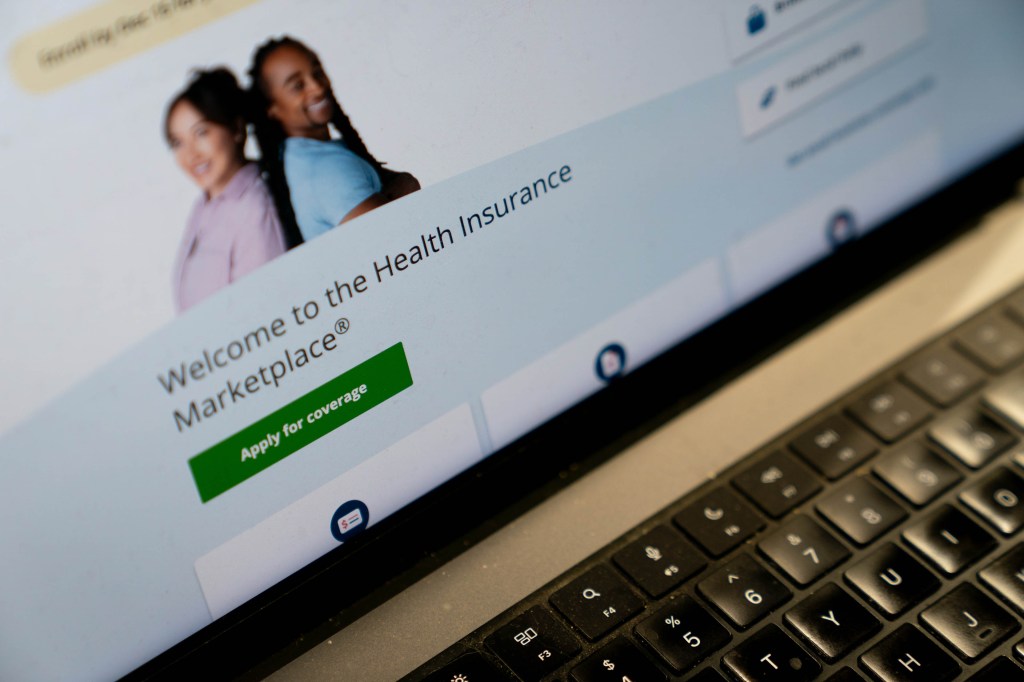
- CMS: This year's open enrollment brought fewer signups, higher premiums
- Medical Schools No Longer Required To Teach Health Inequities
- Lilly presses for UK deal that would see higher drug prices in exchange for resumed investments: FT
- United plots Tyvaso FDA filing after ph. 3 win elicits talk of 'new IPF standard' and blockbuster sales
- Fluoride Quietly Removed From Birmingham Water Years Ago, Officials Face Backlash
- FDA Weighs Expanding What Can Go Into Supplements
- 9 Now Sickened in Outbreak Tied To Raw Milk and Cheese
- BMS, Novartis, Gilead, Iovance dinged over biologics promos in rare spate of CBER untitled letters
- Nearly half of US hospital markets entirely controlled by 1 or 2 health systems: KFF
- Mental health provider platform Headway acquires team behind AI company Tezi
- Idorsia eyes pediatric insomnia use with midstage trial win for sleep med Quviviq
- Electronic Paperwork Increasing Burnout Risk Among Young Doctors
- Kratom Cases Surging In U.S.
- What Makes Play Fun For Children? Seven Factors Stand Out, Study Says
- Night Shifts Are Tough On People With Type 2 Diabetes, Study Says
- Women's Bone Loss Tied To Heart Health, Study Finds
- Want To Lose Weight? Eat A Boring, Repetitive Diet, Researchers Suggest
- Samsung Biologics union gathers votes to strike as tension over wage, governance mounts
- Takeda begins US layoffs as part of massive $1.3B restructuring
- Biogen looks to shake up SMA status quo with FDA nod for high-dose version of Spinraza
- She Owed Her Insurer a Nickel, So It Canceled Her Coverage

- Inside the High-Stakes Corporate Fight Over Feeding Preterm Babies

- Study Links High Antioxidant Intake To Changes in Offspring Development
- The Healthcare Burnout Backlash (pt 1): Burnout Reaches Well Beyond Clinicians
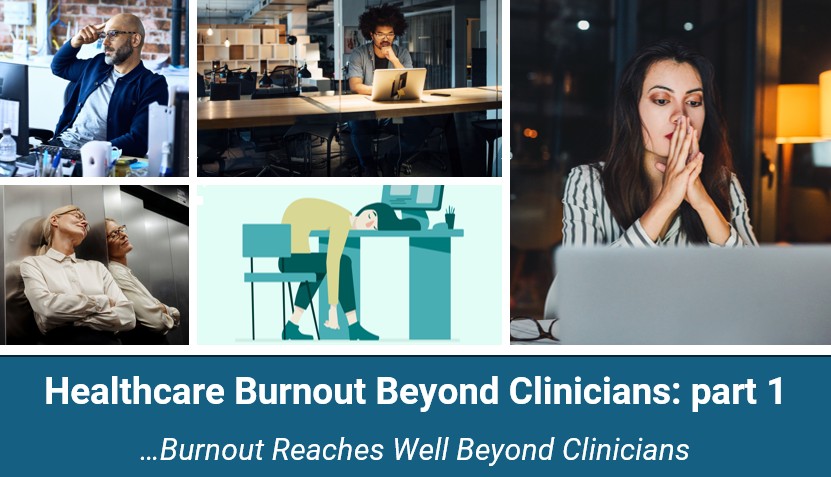
- The Healthcare Burnout Backlash (pt 1): Burnout Reaches Well Beyond Clinicians
- Even Mild Oxygen Loss in Preemies' First Hours Poses Lifelong Brain Risks: Study
- How the Trump Administration Uses Migrant Kids To Find and Detain Family Members
- Oral GLP-1s, COVID preventatives: 3 more drugs in the pipeline, Optum says payers should watch
- Providence trims 2025 operating loss to $132M, notches second consecutive quarter of gains
- $3M Verdict Links Social Media to Anxiety and Depression
- The White House Delays CDC Pick
- New COVID 'Cicada' Variant Is Spreading — What Experts Want You To Know
- Advocate Health to launch ‘nation’s largest’ hospital drone delivery program in Zipline partnership
- Op-ed: Empathy meets efficiency—how the responsible use of AI can transform Medicare
- Family Caregivers Provide $1 Trillion In Annual Labor, AARP Says
- ‘Health Doesn’t Need to Be Ludacris’: Bayer signs rapper-actor to multivitamin campaign
- Rocket plots measured trajectory for new gene therapy Kresladi after clearance to launch from FDA
- Healthy Lab Results May Mask Future Risks for Kids with Obesity
- At-Home Chemotherapy Is Safe, Feasible, Pilot Study Indicates
- What You Do While Sitting Could Predict Dementia Risk
- New Cholesterol Guidelines: What Patients and Caregivers Need to Know
- Want A Bootlicking Yes Man? Ask An AI Chatbot For Advice, Study Warns
- Specially Coated Implants Better For Breast Cancer Patients, Study Finds
- Give and Take: Federal Rural Health Funding Could Trigger Service Cuts

- Trump Team Claims Successes Against ACA Fraud While Pushing for More Controls
- Fierce Pharma Asia—Takeda’s $1.3B reorg; India’s GLP-1 floodgates; Gilead’s $2.2B buy of a China NewCo
- Where are you with EUDAMED?

- Where are you with EUDAMED?
- HL7 Launches Real‑Time Medical Device Interoperability Accelerator
- HL7 Launches Real‑Time Medical Device Interoperability Accelerator
- Two GA Tech ATDC Startups — Nephrodite and OrthoPreserve — Secure FDA Breakthrough Device Designation
- Two GA Tech ATDC Startups — Nephrodite and OrthoPreserve — Secure FDA Breakthrough Device Designation
- Recordati confirms it's weighing CVC Capital buyout offer of $12.6B
- Nonprofit celebrates rescue, recapitalization of Prospect Medical Holdings' Rhode Island hospitals
- UnitedHealth shareholder sues over proposal to include details on integration in annual proxy
- SCAN taps biopharma, CMS vet Aman Bhandari as its first chief AI officer
- Infosys to acquire Optimum Healthcare IT in $465M deal
- Healthcare systems can create AI care pathways with new Viz.ai tool
- DOJ alleges NewYork-Presbyterian forces payers into anticompetitive 'all-or-nothing' contracts


Community leaders love hospitals and medical centers as economic developments. Lots of high paying jobs with clean facilities and none of the icky side effects of manufacturing (as long as you ignore medical waste). But hospitals cost money, lots of money, and the price of their economic attractiveness is paid for by patients and the public fisc:
https://www.realclearhealth.com/articles/2025/06/06/its_the_hospitals_senator_1114948.html
It’s the Hospitals, Senator
By Jerry Rogers - June 06, 2025Late May’s passage of the House Reconciliation Bill has generated a hurricane of outraged debate and fevered analysis over the near-trillion dollars of government spending cuts it might feature over the next decade. All of it is to be expected; threaten to apply even a partial tourniquet to the eternal flood of DC swamp-gold, and fear-mongering grievance will follow, every time. No matter the final details once it survives Senate scrutiny and House/Senate conference negotiations, one fact will remain unaltered: America’s hospital system is conspicuously missing from the “waste, fraud, and abuse” decries from President Trump, DOGE, Speaker Johnson, and other sober voices regarding the unsustainably rising costs of the US Healthcare system.
The American people – or at least those who recently have been subject to a hospital experience – already know this sad reality first hand: overcrowding, soaring prices, degraded service, a total lack of price-transparency, and phantom-billing. These are just a few of the hallmarks of the modern-day hospital visit in the richest country on earth, which will only be worse for those who lose insurance coverage or are underinsured with these potential cuts.
But if American taxpayers had greater visibility regarding the underlying financial health practices of their average local hospital, how receptive would they be to their elected representatives trimming some of the fat? Very receptive, one imagines, considering they spent over $1.5 trillion on hospital care in 2023 (out of pocket, and not counting their sizeable tax contribution) – and that represented the largest segment of a nearly $5 trillion pie. Furthermore, if taxpayers understood the extent to which “non-profit” hospitals abused – ridiculed, really – that term, and the cushy tax breaks they enjoyed at their expense, taxpayers wouldn’t just be receptive to cutting certain hospital subsidies, they would be demanding them.
Consider the components of hospital spending: Prices of services and Quantity of services. Hospitals in the US have seen increases in both price and quantity. Over the past 25 years, hospital prices have risen over 250%. This is twice the overall rate for medical care and triple the rate of inflation. Hospital consolidation has exacerbated the problem with over 1600 hospital mergers taking place between 2000 and 2020. While these mergers should bring benefits of scale, research has shown that hospital mergers have historically driven price increases and lower wages in the markets they serve. In terms of quantity, there is also a skewed incentive for American Hospitals, which primarily operate on a “fee-for-service” (FFS) model. Because insurers pay for each test or treatment, regardless of its necessity, hospital providers have a financial incentive to deliver as many services as possible.
Consider the “Fair Share Deficit,” which is a term to describe the discrepancy – often vast – between the benefits a “non-profit” hospital provides to its patients and the surrounding region in which it operates, and the amount of federal, local, and state tax exemption it receives. In 2024 alone, these disparities totaled $25.7 billion, with a full 80% of non-profit hospitals revealed to be “in the red,” not only to the people they “serve” locally, but also to the average American taxpayers footing the bill, with little knowledge, no consent, and zero recourse, save that which they entrust to their elected officials.
Consider also “non-profit” hospital CEO pay, and the extensive network of so-called “administrators” required to run one of these bloated “charitable” endeavors. Between 2012 and 2019, non-profit CEO compensation grew 30 percent, reaching a mean average annual salary of over $600,000. The individual stories are even more compelling, and atrocious. Take Ohio’s fabled – perhaps because they spend so much on advertising? – non-profit hospital, the Cleveland Clinic. Its tax subsidies aside, it took in over $1billion in federal funds over a 38-month period ending in June 2023, specifically to provide inexpensive medications to low-income patients, which it neglected to do, and instead ploughed the dough right into its general coffers. Rather than offer affordable medication to needy patients, the Cleveland Clinic instead provided more than one million dollars apiece to 22 executives, paid another 30 individuals over $500,000, and finished the year with almost $1 billion in “net income,” or, what your accountant would call, “profit.” And if your accountant neglected to call that profit, the Internal Revenue Service (IRS) – empowered by your elected officials – would come knocking on your door.
It would be an exercise in hilarity to hear a U.S. Senator’s “constituent services” aid to discuss the waste, fraud, and abuse in the Medicaid or Medicare programs without mentioning hospital costs. Especially to a voter back home, lucky to be making a median annual salary of $61,984, and very much paying taxes on it. Americans are waking up to what’s going on – hospitals have been ripping them off for years and the government should be taking steps to rectify the situation. Once hospitals start pricing their services more fairly, American taxpayers will be left with the better, more affordable services that always stem from a competitive (rather than a government price-fixed) marketplace.
There have been hospital reforms proposed for years. Luckily, there are several bills in this session of Congress including bills to enhance price transparency at hospitals, align payment rates with the health services offered rather than the location in which they are offered (known as “site neutrality”), and even hold non-profit hospitals accountable to meeting federally codified community benefit standards. Let’s hope that we don’t try to address the US Healthcare system problems without addressing the $1.5 trillion elephant in the room.
Jerry Rogers is editor at RealClearPolicy and RealClearHealth. He hosts 'The Jerry Rogers Show' on WBAL NewsRadio 1090/FM 101.5 and the Federal Newswire's ‘The Business of America’. Follow him on Twitter @JerryRogersShow.
Get MHF Insights
News and tips for your healthcare freedom.
We never spam you. One-step unsubscribe.
Sponsors
Friends of MHF





Kirsten DeVries
Tom & Karen Nunheimer
Steve Ahonen
Ron & Faith Bosserman
Marlin & Kathy Klumpp
Sign Up for MHF Insights to keep up on the latest in Michigan Health Policy