- Trump Team Claims Successes Against ACA Fraud While Pushing for More Controls
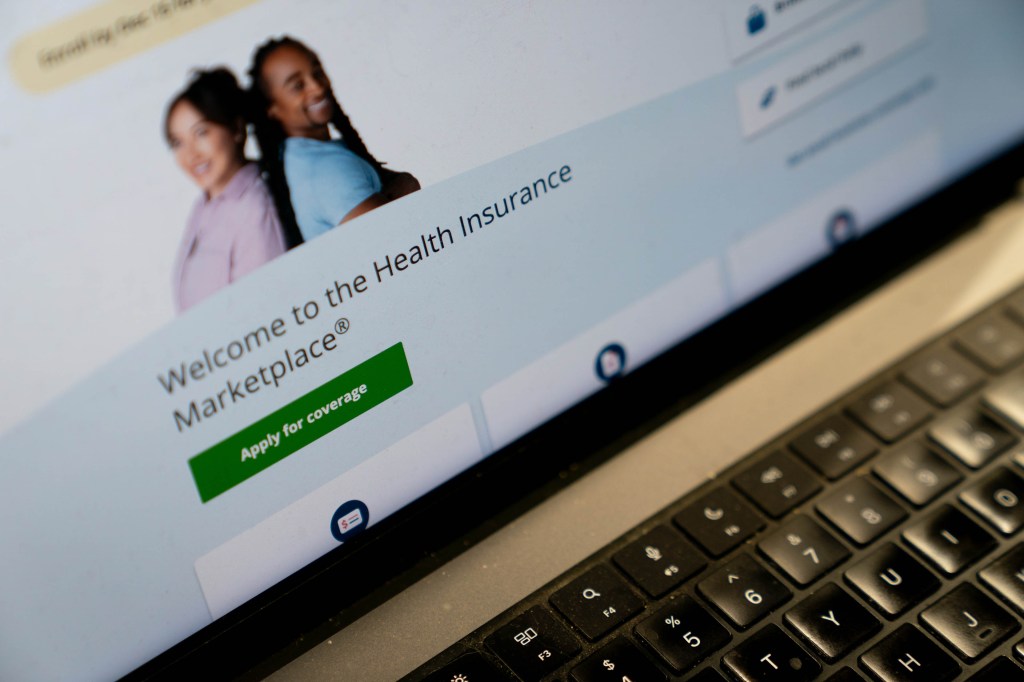
- Give and Take: Federal Rural Health Funding Could Trigger Service Cuts

- Where are you with EUDAMED?

- Where are you with EUDAMED?
- HL7 Launches Real‑Time Medical Device Interoperability Accelerator

- HL7 Launches Real‑Time Medical Device Interoperability Accelerator
- Two GA Tech ATDC Startups — Nephrodite and OrthoPreserve — Secure FDA Breakthrough Device Designation
- Two GA Tech ATDC Startups — Nephrodite and OrthoPreserve — Secure FDA Breakthrough Device Designation
- Artificial Intelligence: ROI, not Clinical Autonomy, Leads Operational Workflows
- Artificial Intelligence: ROI, not Clinical Autonomy, Leads Operational Workflows
- Medtronic and Merit Medical Systems distribution agreement for new, ViaVerte basivertebral nerve ablation system
- Medtronic and Merit Medical Systems distribution agreement for new, ViaVerte basivertebral nerve ablation system
- Breakthrough Device Designation for Noah Labs Vox Heart Failure Detection Device
- Breakthrough Device Designation for Noah Labs Vox Heart Failure Detection Device
- No more ‘old school’: How Duke Health is reimagining workforce development
- Why private practice dentistry needs a better model
- Chief nurses: Hospital finances improve with nursing investments
- Mississippi health system goes ‘all in’ on Epic with $115M investment
- CareQuest Innovation Partners, Kno2 collab on medical-dental data integration
- Ascension Wisconsin CEO to step down
- The hospitals, health systems cutting jobs in 2026
- The hospitals, health systems cutting jobs in 2026
- Nonprofit highlights rural opioid care strategies
- The 7 things on the table in the Mount Sinai-Anthem negotiations
- The 7 things on the table in the Mount Sinai-Anthem negotiations
- Wearables data predicts patient engagement: Mayo Clinic study
- Advocate plans largest US hospital drone delivery network
- Vitana Pediatric & Orthodontic Partners adds Florida practice
- Indiana system opens $21.7M outpatient center
- Trump administration targets medical school admissions: 4 notes
- EyeSouth Partners continues 2026 expansion with Louisiana practice
- RSV lingers in parts of US even as flu and COVID-19 recede
- Providence narrows operating loss to $486M in 2025
- A huge month for CMS policy
- What the Health? From KFF Health News: A Headless CDC
- GI is exploding with new tech—but how do patients feel about it?
- Maryland physician to pay $500K+ to settle false claims allegations
- Rhode Island oral surgeon launches Congressional campaign
- Premier Anesthesia, City of Hope Phoenix ink partnership
- 20 behavioral health leaders challenge industry assumptions
- What simulation training revealed about GI skills gaps
- Judge dismisses physician’s wrongful termination suit against staffing firm
- 3 California behavioral health centers to close amid funding shifts
- North Carolina practice to close after 40+ years
- St. Tammany opens outpatient cardiology center
- Indiana bars autism therapy provider from Medicaid billing: Wall Street Journal
- 6 dental practice openings to know
- UnitedHealth shareholder sues over proposal to include details on integration in annual proxy
- APRNs, PAs account for most antipsychotic prescriptions for Medicare Part D: Study
- Infosys to acquire Optimum Healthcare IT in $465M deal
- Oklahoma House passes bill expanding scope of dental assistants
- Dr. Nellie Kim-Weroha joins American Association of Orthodontists’ Board of Trustees
- California behavioral health agency to close 2 centers
- St. Luke’s CFO joins RCM company’s advisory board
- 52 DSOs to know: 2026
- 10 hospitals, health systems looking for CFOs
- DOJ alleges NewYork-Presbyterian forces payers into anticompetitive 'all-or-nothing' contracts
- 10 health system rating downgrades
- FDA Warns Biotech Firm Over Cancer Drug Anktiva Claims
- Bees and Hummingbirds May Be Consuming Small Amounts of Alcohol
- Two States Sue Cord Blood Company Over Misleading Claims
- North Star’s restructuring moves forward
- Illinois hospital pauses patient care amid payroll challenges
- What the Best-Performing Revenue Cycles Have in Common
- New WHO Guidance Aims To Speed Tuberculosis Testing
- As questions swirl around ATTR competition, Alnylam plots path to market leadership for Amvuttra
- Trump admin delays nomination for new CDC director past deadline
- Outspoken ACIP member steps down amid vaccine panel uncertainty: reports
- Egg-based drugmaker Neion Bio emerges from stealth to cook up multi-product biosimilar collab
- Genentech walks the walk in lupus as sponsor of annual awareness and fundraising event
- Study Reveals How Many Americans Consider Using a Gun
- Massive Study Finds Stress and Grief Don’t Cause Cancer
- Ultra-Processed Foods Harm Fertility In Both Men And Women, Studies Reveal
- Small Daily Habits Can Add Up To Better Heart Health
- Ritalin Might Protect ADHD Kids' Long-Term Mental Health, Study Finds
- Can You Drink Enough Fluids To Prevent Kidney Stones? Maybe Not, New Study Says
- Clasp, loan-linked hiring tool for employers, clinches $20M to expand amid federal loan caps
- Taking a GLP-1? Doctors Say Not To Forget About Movement and Mental Health

- OpenEvidence rolls out AI medical coding feature
- CDC’s Acting Chief Promises a Return to Stability in a Tumultuous Moment

- California peer-run behavioral health center to close amid funding shift
- Remarks at the Financial Stability Oversight Council Meeting
- ‘Integration only works if data lives in the same system’: How 5 systems are operationalizing behavioral health
- Medicaid work rules and enrollment losses: 6 notes
- Inside UHS’ playbook for responsible behavioral health growth
- Epic4 Specialty Partners adds Illinois practice
- The unsolved problems still plaguing dentistry
- American Dental Association adds mental health, GLP-1 prompts to patient forms
- RWJF: Between 5M and 10M people could lose Medicaid coverage in 2028 under work requirements
- Gen Z nurses prioritize schedule flexibility, need more manager interactions to avoid turnover
- How pharma marketers can capitalize on HCPs’ AI, social media and streaming habits
- Federal Officials Investigate States That Require Abortion Coverage
- Corcept's lead drug bounces back from FDA snub with different approval as Lifyorli in ovarian cancer
- Ionis slashes Tryngolza's price tag by 93% ahead of anticipated label expansion
- FDA approves Denali's Hunter syndrome drug, handing rare disease community a win
- Baby Walkers Sold on Amazon Recalled Over Fall Risk
- Want To Protect Your Brain? Science Says Exercise
- HelloFresh Pizza Recall Issued in 10 States Over Metal Risk
- Clinical Trials Have Too Much Data…That’s the Problem.

- Clinical Trials Have Too Much Data…That’s the Problem.
- CMS reveals new Medicaid model that supports coordination for children with complex needs
- Novartis sued by breast cancer patient over branded drug websites’ data-sharing practices
- Takeda targets $1.3B in cost savings in further restructuring
- Biogen pays $20M upfront to tap into Alteogen's subQ delivery tech
- 'Universal Donor' Blood Supplies Dangerously Low, Study Warns
- Why Stepping Outside May Help You Eat Better
- U.S. Medicine, Science Facing An Online Misinformation Siege, Poll Concludes
- Childhood Obesity Undercuts The American Dream For Some, Study Says
- Inclusive High Schools Benefit All Students, Not Just LGBTQ Teens
- Parental Loss Due to Drugs, Violence Raises Child Death Risk by 2,000%
- As Boehringer touts US launches, board chairman worries EU is 'falling further behind'
- The evolving state of exome and genome sequencing
- Demoralized CDC Workforce Reels From Year of Firings, Funding Cuts, and a Shooting

- An Arm and a Leg: Steep Health Care Costs Steer Americans to Tough Decisions

- Qualified Health locks in $125M in fresh funding to scale enterprise AI at health systems
- Misery Loves [Investment] Company?: Remarks at the 2026 Investment Company Institute Investment Management Conference
- Study: Nearly 1 in 5 pediatric hospital deaths involve sepsis
- As expansions come online, CDMO Hovione aims to meet industry's 'dual supply and sourcing' zeal: exec
- Opening Remarks at the Digital Asset Summit 2026
- CVS Caremark, FTC reach settlement in insulin pricing case
- UCB unveils plan to build $2B biologics plant near its US headquarters in Atlanta
- PeaceHealth sued over plans to tap out-of-state staffer ApolloMD for Oregon EDs
- New Lyme Disease Vaccine Shows Strong Results in Trial
- TrumpRx Adds Diabetes, COPD Drugs at Steep Discounts
- Highmark reports $175M net loss for 2025 as financial headwinds batter health plan
- Listen to the Latest ‘KFF Health News Minute’

- Abivax hires commercial chief from Takeda to infuse Entyvio expertise into IBD launch prep
- ImmunityBio hit with FDA warning letter over Anktiva promotions in TV ad, podcast episode
- Alcohol Prep Pads Recalled Over Bacteria Risk, Cardinal Health Says
- Fewer patients traveled for abortions in 2025 as telehealth care increased, report finds
- Cologuard campaign reunites ‘Full House’ stars to give ‘The Talk’ about colon cancer screening
- Lilly to remove certain insulin products from European markets by 2027
- Karyopharm, looking to jump-start Xpovio, reports mixed results in myelofibrosis
- Study Warns Fluoride Bans May Raise Tooth Decay in Children
- WuXi Bio's record number of new projects in 2025 leaned heavily on US clients
- “Me engañaron”: agentes encadenan a un padre que había ido al ICE a reunirse con sus hijos

- Gilead inks Manta pact to dive deeper into cancer patient support
- Cheap Children's Clothing Tainted With Lead, Study Says
- Insulin Prices Fell For Medicare Patients Under Biden-Era Caps, Study Finds
- New Fathers Face Mental Health Challenges, Study Finds
- Your Choice Of Booze Influences Your Risk Of Death, Study Says
- AI Gets a 'D' When Judging Scientific, Medical Claims
- New Online Tool Helps Parkinson's Patients Weigh Brain Implant Decision
- AI chatbot use for health information up 16% from 2024: Rock Health survey
- ‘They Tricked Me’: A Father Was Chained After He Went to ICE To Reunite With His Kids
- Wilmington PharmaTech commits $50M to US API expansion
- Strides recalls nearly 90K bottles of children's ibuprofen after contamination complaints
- Trump administration unveils national policy framework for AI as it moves to override state laws
- Breast Cancer Locator System Submitted for De Novo 510(k) by Cairn Surgical
- Breast Cancer Locator System Submitted for De Novo 510(k) by Cairn Surgical


Somehow they failed to notice the once and future SEIU dues skim our Governor just signed back into law. An immediate pay cut for home health care workers, who were already woefully underpaid:
Why is Michigan facing a growing shortage of home health aides?
By Justin P. Hicks - November 28, 2024Burnout and a lack of fulfillment led Nate Volk to end his legal career and seek another path.
Striving to do something more meaningful, he began helping his elderly family members with their day-to-day tasks. That work vaulted him into a 17-year career as a home health and personal care aide in the Bay City area.
Volk, now 50, said he likes the flexibility and variety of tasks that come with the job. It gives him a sense of purpose helping others in need.
Volk has no plans to leave the profession, but he understands why the job is projected to face a shortage of more than 170,000 workers over the next decade.
“I think the pay would be my No. 1 guess,” Volk said. “Some people also aren’t built to be in service-oriented positions; they don’t have that nature. It’s hard and certain aspects of the job aren’t for everyone.”
Home health and personal care aides are facing the largest expected shortage in the health care industry, according to the 2024 Michigan Healthcare Workforce Index published this spring by the Michigan Health Council.
This year’s workforce index was the second iteration of the report, which debuted in July 2023. Craig Donahue, vice president and chief operating officer for the council, said it wasn’t created to determine which health care jobs are best or worst.
He said it is meant to help guide community leaders to creating a strong and sustainable health care workforce.
Home care aides handle various levels of clinical and non-clinical duties based on the needs of their clients, who are often elderly, veterans, and/or people with disabilities or chronic illnesses. Patients either live at home or in a group home.
Work can vary from cooking and cleaning, to bathing and changing clients. Licensed professionals can offer medication administration, wound care, feedings, assessment of body function, glucose monitoring and range of motion exercises, among other services.
According to the workforce index, aides are facing some of the worst forecasted worker shortages and turnover. That’s despite facing some of the best wage growth since 2012 (up 40%).
A college degree isn’t required to be a home care aide, which is one of the lures of the industry. Workers typically have gone through a certification program including classroom hours and some clinical work to learn basic personal care needs and medical care.
There are also avenues for additional training/certification for specialties like Alzheimer’s or Parkinson’s disease. Some enter the field on a path to another health care job, while others transition to it later in life.
“A lot of times they took care of their grandparents or parents and they liked their aide and want to provide that care to someone else,” said Elizabeth Laming, vice president of the Michigan In-Home Care Association.
The work itself can be rewarding, but difficult. There are unruly clients, overbearing family members, and unstable hours if a client dies or cancels service, prompting the search for a new client.
Laming, who has run Great Lakes Home Care Unlimited since 2011, said caregivers in a hospital can step outside for a minute if a patient is being unruly. That’s not the case when you’re working in their home.
“It’s not easy to walk into somebody’s home,” she said. "People think it’s their house, their rules, which is true to an extent but we have to follow medical rules.
“A good portion of it is dealing with people with Alzheimer’s and dementia. They’re going to swear at you, they may throw their feces at you. They have crazy family members who are going to stop by and start telling you to do things totally different than you were told.”
Pay remains a significant roadblock.
Nationally, the median salary for home health and personal care aides was $33,530 as of May 2023, or about $16 per hour according to the U.S. Bureau of Labor Statistics.
Other healthcare settings like hospitals, nursing homes and physician’s offices can pay more than home health companies, or even offer sign-on bonuses. That’s hard to compete with as health systems compete for workers amid caregiver shortages.
“I can’t offer you $20 an hour to come to one person’s home,” Laming said. “If you’re in assisted living, you have one person covering like eight people. So all those peoples' money goes into paying that one aide. We’re one on one.
To pay her workers more, Laming would have to increase costs for her clients, some of whom are already priced out. Clients who need 24-hour care will settle for less and piecemeal a care plan with help from family members.
“We’re getting to the threshold if we keep pushing how much we pay, which is what the state of Michigan seems to think the problem is, the people are not going to be able to afford us,” Laming said.
One of the most common hurdles Laming hears from workers is childcare. People quit because they can’t afford daycare, or don’t have access to a regular night sitter if clients need evening care.
If state leaders want to help combat the high rates of turnover with home heath care, Laming proposed increasing access to affordable childcare. She said training programs also need to be more realistic when preparing workers to become home care aides.
“They say you’re going to make $25 an hour and it’ll be so rewarding and they’re not real with them,” she said. “They don’t get a realistic picture.”
For Volk, who doesn’t have kids to provide for, the job allows him to work 30-35 hours per week as a caregiver, and still have time to coach baseball at his alma mater, John Glenn High School in Bay City.
He pitched it as a job you can get into quickly without paying big money for schooling. Once in it, he enjoys going into different houses and interacting with people of different personalities who like to talk about different things.
“I like the variety,” he said. “When I get done at the end of the day, I can say I did something substantial. You feel like you did something meaningful and you left someone in a better place.”
Still, he agreed the job would be more attractive if lawmakers would notice the benefits of funding home care aides to improve pay and help keep more people out of expensive care systems.
“Look at a bill when someone goes into a care facility, it’s massive,” Volk said. “That’s either covered by what money they have or by the taxpayer. If people in the government can iron out a structure, you’ll see (the industry) explode. It’s what’s holding it back.”

Capitol Confidential exposed a fascinating legal aspect of dues skimming SEIU today.
Dues-skim union has no bargaining power for home care providers
SEIU can lobby but can’t negotiate contracts for disabled-caregiver stipends, says labor law expert
One of America’s largest unions is targeting Michigan home health care providers for dues under a 2024 law that reclassified their employment status. But the union is making promises it can’t keep, according to a legal expert.
Caregivers from around the state are reporting to Michigan Capitol Confidential that representatives of the Service Employees International Union have appeared at their homes and sent union solicitations in the mail.
Most home caregivers are serving loved ones at home, and they receive stipends from the Michigan Department of Health and& Human Services. Under the law signed by Gov. Gretchen Whitmer last year, these people are now classified as public employees, reopening the door for a scheme to skim dues from caregivers that was outlawed under the Snyder administration.
Union solicitations obtained by CapCon make grand promises that the two-million-member union will get caregivers health coverage, paid time off, sick days, reliable respite care, and better training to help “provide safe, consistent and high-quality care.”
The union lacks the legal authority to deliver those benefits, however. Home health care workers are typically compensated through federal and state funding, and their employer is the patient they care for.
“The SEIU is promising more than it can deliver,” Steve Delie, director of labor policy at the Mackinac Center, told CapCon in an email. The union can ask the Legislature to increase the amount of the stipend caregivers receive, he said, but that’s lobbying, not bargaining.
“Home health care funding is subject to legislative appropriation,” Delie said, ”meaning the state health department can’t raise wages based on negotiations with the SEIU alone.”
Lawmakers have roughly doubled the pay of home caregivers since 2012, Delie added. That’s the year lawmakers ended the dues-skim arrangement that allowed the union to take money from caregivers' checks.
Under the new law, Public Act 144 of 2024, the health department must establish the Home Help Caregiver Council. This council will maintain and regularly update a list of caregivers’ names, home addresses, telephone numbers and personal email addresses. Some of the caregivers who reached out to CapCon were upset at the likelihood that the union got their contact information from those public records.
The law also requires caregivers to attend an orientation session.
Service Employees International Union representatives are now collecting signatures from home help caregivers in an effort to make the union the sole representative of the state's broad and diverse community of home care providers. If organizers fail to collect signatures from a majority of caregivers, they may still force an election that will decide the matter.
“Workers who oppose unionization should know that not voting is not counted as a vote against the union," Delie said. ”Any abstentions will actually lower the threshold the SEIU needs to meet in order to be elected,” he said. Caregivers who don’t want the massive Washington, D.C.-based union to speak for them must vote “no” in any election if they wish to have the greatest impact, Delie said.
Under a home caregivers’ union arrangement that existed quietly from 2005 to 2012, some $34 million in dues was deducted from the checks of caregivers, often without their knowledge or consent. The practice was abolished after the Mackinac Center drew wide attention to it.
The iteration of the old law is unconstitutional, Patrick Wright, vice president for legal affairs at the Mackinac Center, said during public testimony last fall.
The Service Employees International Union has not responded to a request for comment.
Get MHF Insights
News and tips for your healthcare freedom.
We never spam you. One-step unsubscribe.
Sponsors
Friends of MHF





Kirsten DeVries
Tom & Karen Nunheimer
Steve Ahonen
Ron & Faith Bosserman
Marlin & Kathy Klumpp
Sign Up for MHF Insights to keep up on the latest in Michigan Health Policy