- U.S. States Warm, But Not As Expected

- Rovner Recaps Medicaid Cuts’ Impact on Hospitals and Fields Caller Questions on Affordability

- CMS proposes mandatory hospital-bundled model for joint replacements
- CMS proposes mandatory hospital-bundled model for joint replacements
- CMS proposes mandatory hospital-bundled model for joint replacements
- CMS pitches 2.4% hospital pay bump, mandatory joint replacement model: 7 things to know
- CMS pitches 2.4% hospital pay bump, mandatory joint replacement model: 7 things to know
- Mayo Clinic enhances imaging test with AI
- Christus Health to open Texas multi-specialty clinic
- CMS proposes extension of prior authorization rule to cover drugs: 6 notes
- Penn Medicine, Epic lean into EHR ‘nudges’
- AdventHealth breaks ground on $27M freestanding ER
- Henry Ford hospital strike enters 7th month: 6 notes
- Texas launches rural hospital leadership academy
- Children’s Minnesota staff email account compromised
- UHS’ CEO-to-worker pay ratio over the past 5 years
- 11 things to know about the uninsured population: KFF
- Medicaid’s consistency problem in dentistry
- Dental groups seek $600M+ in FY 2027 federal budget: 5 notes
- Missouri dental school grows student body by 33% to combat dentist shortages
- Prior authorization by the numbers: 10 stats that show the strain
- The Trump Administration Is Seeking Federal Workers’ Sensitive Medical Data. That’s Raising Alarms.
- 5 new university programs tackling behavioral health workforce gaps
- How Mount Sinai is transforming its revenue cycle
- Hospital revenue cycle teams evolve as AI ‘arms race’ heats up
- Texas Children’s gets $5M gift for behavioral health services
- Cardiology malpractice cases by the numbers
- Texas Children’s receives $5M estate gift for behavioral health
- CMS proposes 2.4% hospital pay increase, nationwide mandatory model rollout
- Which physician specialty is most likely to have a salaried paycheck?
- 20+ dental education updates to know from Q1
- Proposed CMS rule would set prior auth deadlines for drugs
- The best orthopedic ASCs in the West: US News
- 4 clinics closing after physician owner sentenced for selling recalled medical devices as new
- The hospitals, health systems cutting jobs in 2026
- VA program deploys 700+ VR ‘mental wellness’ kits
- The cost of private equity firms owning residential SUD facilities: 4 things to know
- 10 highest, lowest-paying physician specialties
- Independent GI practices shrinks as reimbursements fall 38% over a decade
- HHS, after legal setback, updates ACIP charter to put more emphasis on vaccine safety
- HHS, after legal setback, updates ACIP charter to put more emphasis on vaccine safety
- New York system to open $12M outpatient imaging center
- Costco Recalls Cookies Over Missing Nut Allergy Warning
- CDC Pauses Release of COVID Vaccine Effectiveness Study
- Pharma company withdraws FDA application amid White House autism treatment push
- UCI Health reverses layoffs of 7 quality improvement workers
- Endoscopy at scale: The reprocessing best practices separating high-performing teams

- 30 hospitals closing departments or ending services
- Demand Surge Leads to Shortages of Estrogen Patches
- What to know about the fastest-growing DSO
- 4 DSOs making headlines
- Statement Regarding Staff No-Action Letter to Bank of England
- Op-ed: Administrative fragility is costing healthcare more than we think
- Alaska city opens addiction treatment microunit program
- Title X Funding Restored, but New Rules Raise Concerns
- Function Health acquires mobile healthcare platform Getlabs to provide members with at-home lab tests
- The Healthcare Burnout Backlash (pt 3): How Workflow Redesign Is Helping Healthcare Organizations Offset Staffing Shortages
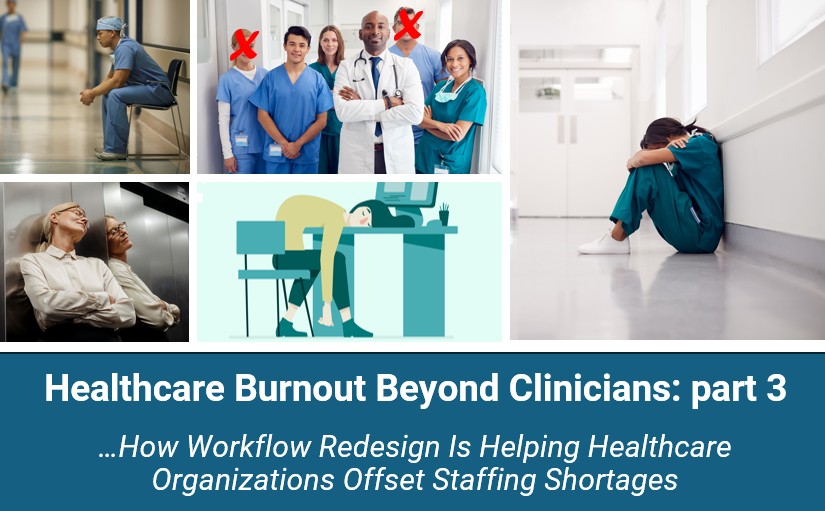
- The Healthcare Burnout Backlash (pt 3): How Workflow Redesign Is Helping Healthcare Organizations Offset Staffing Shortages
- BD Announced Application of CE Mark for the Liverty TIPS Stent Graft

- BD Announced Application of CE Mark for the Liverty TIPS Stent Graft
- Blackstone and TPG Complete Acquisition of Hologic; Names New CEO
- Blackstone and TPG Complete Acquisition of Hologic; Names New CEO
- Endospan Receives FDA Approval for the NEXUS Aortic Arch Stent Graft System
- Endospan Receives FDA Approval for the NEXUS Aortic Arch Stent Graft System
- InVera Medical Receives FDA Clearance for Non-Thermal Chronic Venous Disease Device

- InVera Medical Receives FDA Clearance for Non-Thermal Chronic Venous Disease Device
- Starting material sourcing bottlenecks increase US drug shortage risks: report
- Novartis cuts 114 more jobs at New Jersey HQ as restructuring rolls on
- Charles River flows into Boston to help AHA bridge cardiovascular health divide
- Your Brain Cares If Your Plant-Based Diet Is Unhealthy, Researchers Report
- Your Neighborhood Might Help Make You Old Before Your Time
- Heavy 'Forever Chemical' Exposure Before Birth Increases Childhood Asthma Risk, Study Finds
- High-Tech Magnets Offer New Hope for Veterans Battling Combat PTSD
- Early Diagnosis Key To ADHD Child's Academic Success, Study Finds
- Study Reveals Who Americans Think Should Pay for Elder Care
- Envision hires ConcertAI, IQVIA alum Nick Jones as its med comms president
- The top 10 pharma R&D budgets of 2025
- Watch: As AI Makes More Health Coverage Decisions, the Risks to Patients Grow

- For Many Patients Leaving the ICU, the Struggle Has Only Just Begun

- Bial launches ‘Dialogues with Parkinson’s’ campaign aimed at identifying early symptoms
- Novartis pumps up community health footprint to tackle heart disease and cancer
- Abbott survey finds ‘information overload, confusion and cost’ affecting health choices in US
- FDA accuses Amneal, BioCorRx of producing ‘false and misleading’ drug promos
- North Carolina provider launches mobile opioid treatment unit
- U of Pittsburgh debuts online infant mental health certificate
- Emerging DSO lands Ohio partnership
- Heartland Dental added 5 de novos in March
- Florida International U, medical school land $30M gift for medical center
- Stanford Health, Alameda Health System partner to support California hospital
- The states with the highest, lowest migration rate of dentists since 2019
- What the Health? From KFF Health News: Abortion Pills, the Budget, and RFK Jr.
- Specialty DSO eyes new growth levers after entering several states
- Hospital M&A roars back to life in Q1 2026; Operating performances fray in February
- Epic rolls out health alerts to flag rising rates of illness at the county level
- Fierce Pharma Asia—Takeda-Denali split-up; Merck, Zhifei's revised deal; Shionogi's made-in-US plan
- Brain Scans Reveal How Psychedelics Change Perception
- Benefits leaders report increased operational, financial costs amid 'digital health vendor sprawl': Solera survey
- Vanda initiates study of motion sickness drug Nereus in GLP-1 users
- Judge Allows Abortion Pill, Mifepristone, To Continue Being Mailed for Now
- Bangladesh Measles Outbreak Kills 100+ Kids, Emergency Shots Begin
- Regulatory burdens continue to mount for physician practices
- Medicare navigation company Chapter banks $100M series E funding round
- Hair Growth Product, Tuymec Minoxidil Hair Growth Kits, Recalled Over Child Poisoning Risk
- Garda snaps up Assertio and chemo infection treatment Rolvedon in $125M deal
- AbbVie challenges 'outdated' 340B drug discount program guidance in new lawsuit
- AbbVie challenges 'outdated' 340B drug discount program guidance in new lawsuit
- Eli Lilly launches oral GLP-1 drug across US through Lilly Direct, telehealth providers
- Humana, Noom and Welldoc team up with b.well to expand health data access as part of CMS push
- America's Sexual Health Report Card Contains Some Surprises
- Years of Excess Weight, Not One Bad Checkup, Drive Heart Disease Risk
- There Are No Good Ways To Avoid Childhood Eczema But Many Treatment Options
- More Children, Teens At Risk From E-Scooter Crashes, Study Finds
- This Treatment Can Improve Your Odds Of Surviving C. Diff Infection
- Alzheimer’s Tests May Mask Risks for Women
- RFK Jr. launching health podcast to expose ‘hypocrisy’ and ‘corruption’
- RFK Jr. launching health podcast to expose ‘hypocrisy’ and ‘corruption’
- Advocate Health improves to 4% operating margin, $4.6B bottom line across 2025
- States Face Another Challenge With Medicaid Work Rules: Staffing Shortages

- Farm Bureau Health Plans Beat the ACA on Prices With an Age-Old Tactic: Rejecting Sick People

- Avalyn plans IPO to fund phase 3 trials of inhaled versions of approved respiratory drugs
- Judge rules that HHS must face states' lawsuit over RFK Jr.'s agency overhaul, massive layoffs
- Judge rules that HHS must face states' lawsuit over RFK Jr.'s agency overhaul, massive layoffs
- Consumers' satisfaction with health plan apps improves with familiarity: JD Power
- Nurses' job satisfaction stumbles after post-pandemic gains: survey
- Amazon launches 2 new digital health partnerships for nutrition therapy, sleep care in health conditions program
- Former NFL Star Steve McMichael Diagnosed With CTE After His Death
- Steven Ubl set to depart after more than a decade as CEO of PhRMA
- Nixing prior auth, outlier hospital bills could lower health costs, Center for American Progress' policy plan says
- Shionogi nabs initial $119M award from BARDA to establish US antibiotic plant
- More Drugmakers Join TrumpRx
- Graco Recalls Infant Car Seats Over Structural Issue
- Orlando Health fleshes out Alabama footprint with another acquisition
- US adults still turn to providers for accurate health information even as AI chatbot use grows: Pew survey
- Pfizer walks away from 'underutilized' office space in South San Francisco, transitions employees to remote roles
- Biogen settles investor lawsuit over its messaging on failed Alzheimer's drug Aduhelm
- Digital health startups raked in $4B during Q1 with 12 megadeals driving investment: Rock Health
- New Cervix-On-A-Chip May Revolutionize STI Treatment
- The Flu Vaccine Can Lower Your Risk Of Heart Attack And Stroke — Even If You Wind Up Infected
- Long COVID Linked to Heart Health Risks
- Herbal Drug Kava Poses Increasing Health Threat In U.S., CDC Warns
- Preschoolers' Solitary Screen Time Could Mean Behavior Problems, Language Difficulties Later On
- Combo Heat Waves/Droughts Will Affect Billions A Year By 2100, Researchers Project
- Amgen CEO netted $24.7M pay package in ‘25 as company’s upward trajectory continued
- J&J's Tremfya retakes TV drug ad spending crown from AbbVie
- Trump’s Personnel Agency Is Asking for Federal Workers’ Medical Records
- Urgent Care Clinics Move To Fill Abortion Care Gaps in Rural Areas
- FDA Approves First Generic Farxiga (dapagliflozin) Tablets
- Reliance on EHR vendors' tech roadmap slows down AI progress, senior IT leaders say
- ¿Puedo decirle a mi médico que no quiero que use la inteligencia artificial para tomar notas?

- Remarks at the Texas Stock Exchange Event: Welcome to the Boom Belt: A Return to First Principles in Public Markets


If you put the federal government in charge of the Sahara Desert, in 5 years there'd be a shortage of sand.
Milton Friedman in 1980
PETERS, STABENOW & SLOTKIN CALL ON FDA TO TAKE ALL POSSIBLE ACTIONS TO MITIGATE CANCER DRUG SHORTAGESWASHINGTON, DC – U.S. Senators Gary Peters (MI), Chairman of the Homeland Security and Governmental Affairs Committee, and Debbie Stabenow (MI), along with U.S. Representative Elissa Slotkin (MI-07), wrote to Dr. Robert Califf, the U.S. Food and Drug Administration (FDA) Commissioner to ask that the FDA do everything in its power to mitigate the dire shortage of cancer drugs that has reached crisis levels in recent months. The nationwide shortages of critical cancer drugs, specifically cisplatin and carboplatin, are causing hospitals and health care systems in Michigan and across the country to ration products and delay needed treatments for cancer patients. The letter thanked FDA for their efforts and urged them to take swift action to address these shortages, including by using their authority to allow temporary importation of alternate medications and expediting approvals of potential new manufacturing lines, facilities, or suppliers to increase supply of these critical drugs.
“We are deeply concerned with the worsening shortages of chemotherapy drugs, including cisplatin and carboplatin, and urge the Food and Drug Administration to do everything in its power to alleviate the strain on patients and prevent delays in life-saving treatments,” the lawmakers wrote. “Cisplatin and carboplatin, two critical chemotherapy agents used to treat a wide range of cancers, have been on FDA’s shortage list since February and April of this year. At least 50,000 Americans rely on cisplatin as part of their chemotherapy treatments, as the product is used in approximately 10 to 20 percent of chemotherapeutic regimens.”
“We recognize that this shortage – as with the majority of shortages involving generic drugs – are largely due to a broken economic system in the generic drug industry,” the lawmakers continued. “While Congress is actively working on long-term solutions to this longstanding problem, we ask that in the short-term, FDA utilize all of its existing authorities to mitigate this dire shortage.”
While the COVID-19 pandemic highlighted vulnerabilities in our nation’s medical supply chains, drug shortages are a longstanding problem and for decades, hospitals and health care providers have regularly experienced shortages of medications that are used to provide critical care and treat serious diseases, like cancer. The current shortages of cisplatin and carboplatin have been exacerbated by a disruption in supply from one manufacturer – the India-based Intas Pharmaceuticals Limited – which supplies a significant portion of these drugs to be distributed in the United States. Following this disruption in supply, other manufacturers have been unable to meet the increased demand for these drugs.
This type of supply chain disruption is a common cause of drug shortages. Earlier this year, Peters released a report on his investigation into ongoing shortages of critical medications. His report found that drug shortages are rising due to economic drivers, insufficient visibility into supply chains, increased demand, and our nation’s continued overreliance on both limited numbers of manufacturers and foreign suppliers – including those from China and India – for many of the raw materials used to manufacture critical drugs.
The text of the letter is copied below and available here.
Dear Commissioner Califf:
We are deeply concerned with the worsening shortages of chemotherapy drugs, including cisplatin and carboplatin, and urge the Food and Drug Administration (FDA) to do everything in its power to alleviate the strain on patients and prevent delays in life-saving treatments. We recognize that this shortage—as with the majority of shortages involving generic drugs—are largely due to a broken economic system in the generic drug industry. While Congress is actively working on long-term solutions to this longstanding problem, we ask that in the short-term, FDA utilize all of its existing authorities to mitigate this dire shortage. We know FDA is acutely aware of this issue and appreciate the agency’s tireless work.
Cisplatin and carboplatin, two critical chemotherapy agents used to treat a wide range of cancers, have been on FDA’s shortage list since February (cisplatin) and April (carboplatin) of this year. The per-unit wholesale cost of these two drugs is generally less than a side of fries at McDonalds. At least 50,000 Americans rely on cisplatin as part of their chemotherapy treatments, as the product is used in approximately 10 to 20 percent of chemotherapeutic regimens. In 2022, over 130,000 Americans were diagnosed with a cancer that relies on either cisplatin or carboplatin for treatment. According to the Michigan Health and Hospital Association, these shortages are “forcing Michigan hospitals and health systems to find alternative treatments for patients, some of which may be less effective.” Further reports indicate patients in some cases may have had to postpone life-saving treatments altogether. Even when health care providers can secure supplies, they are often at outrageously inflated prices; one health system reported to us that it has paid 50 times the usual price for a small supply of cisplatin. In addition, hospitals and health care professionals have expressed significant frustration because they have been unable to tell patients why they cannot access the drugs or when they can expect to receive additional supply.
Unfortunately, this situation appears to be a textbook drug shortage. We understand the shortage of cisplatin and carboplatin stemmed from a disruption in supply due to quality control issues at Intas Pharmaceuticals Limited, a manufacturer based in India that supplies product for Accord Healthcare to distribute to the U.S. market. When Accord Healthcare could not continue supplying these products, the remaining manufacturers were unable to keep pace with increased demand. FDA’s website, however, does not list the reason for Accord Healthcare’s shortage, nor does it list Intas Pharmaceuticals Limited as the manufacturer. Instead, FDA’s website states “other,” as the reason for the shortage and notes that cisplatin and carboplatin is “marketed by Accord Healthcare” and “current inventory is being allocated, further availability pending return to manufacturing.” While we understand that certain restrictions prevent FDA from sharing some information publicly, the cause of a drug shortage helps inform provider mitigation strategies and communication with patients.
Strengthening our pharmaceutical supply chain will take sustained effort and investments over time to address the broken economic system. It will also require increased transparency from manufacturers and FDA. Given the acute nature of this shortage and the severe impact a delay in receiving this medication could have on cancer patients, we ask that FDA continue to work as expeditiously as possible and use all existing authorities to increase supply of these critical drugs. Specifically, we urge you to do everything in your authority to increase the availability of supply, including initiating temporary importation of alternate products under FFDCA 801(d)(1)(B) and expediting approvals of new manufacturing lines, facilities, or suppliers to alleviate this crisis.
Thank you for your attention to this important matter.
Not good news for the most unfortunate in Michigan:
Amid cancer drug shortages, some Michigan doctors are forced to ration.
Dr. John Wallbillich in his office
By Robin Erb - May 19, 2023Two cancer drugs have been in short supply nationally for weeks, prompting rationing guidelines.
Several Michigan providers have scaled back doses. At least one reported a patient going without treatment for several days.
Two Michigan medical groups have called for policy changes to address drug shortages.
Countless Michiganders with cancer face critical shortages of two of the most widely used, life-saving drugs.
Amid the nation’s worst drug shortages in years, several Michigan providers have been forced to scale back doses by 10 percent or more. On Friday, the Barbara Ann Karmanos Cancer Institute ran out of carboplatin, one of the two drugs at issue, one doctor told Bridge.
And Henry Ford Health, oncologists, pharmacists and other staff this week conducted daily 7 a.m. meetings to assess ongoing shortages. About 300 patients could be impacted, according to a health system spokesperson.
“This is really unconscionable … that something that's as effective and as well known as carboplatin and cisplatin — and so necessary for cancer patients — could be in shortage for months,” Chu said.
“We are at the point where some places are out of the drug,” said Dr. Emily Mackler, director of the Pharmacists Optimizing Oncology Excellence in Michigan and the Michigan Oncology Quality Consortium -- partnerships of oncologists and of pharmacists specializing in oncology care.
At issue are the chemotherapy drugs carboplatin and cisplatin. Both are part of a class of infusion drugs containing the element platinum, which binds to the DNA of cancer cells and disrupts the cell’s ability to grow. The U.S. Food and Drug Administration alerted providers on Feb. 10 that cisplatin was becoming scarce. On April 28, the administration added carboplatin to its drug shortages list.
The drugs are used to treat multiple cancers, non-small cell lung cancer, head and neck cancer, testicular cancer, thoracic cancer, bladder cancer, and cancer when it’s not clear in what part of the body it started. In children, they are used to treat a type of kidney and a cancer that begins in nerve cells.
They’re especially critical in gynecologic cancers, too.
“They certainly are core drugs for multiple, multiple common cancers,” agreed Dr. William Dahut, chief scientific officer for the American Cancer Society, told Bridge Michigan Thursday.
“The physicians don't have any ability to get the patient the drugs, and there’s no place for the patients to turn because nobody has them,” said Duhat, who, prior to his role at the American Cancer Society, was scientific director for clinical research at the Center for Cancer Research at the National Cancer Institute.
The shortages force providers to use the lowest doses of the drugs possible for patients, stretch out intervals between doses, and - if worse comes to worst, prioritize patients, doctors told Bridge Michigan.
“It's really difficult with carboplatin and cisplatin both being short at the same time, because - in a lot of different (patient) scenarios - one is the alternative for the other,” said Mackler with the oncology care improvement groups.
Mackler and others have been tracking the shortages among Michigan cancer treatment providers.
Without “thoughtful” prioritization of dosing and patients, she said, rationing will happen anyway because the drugs will no longer be available for some patients.
It’s already happened at least once.
One Michigan cancer treatment provider reported to Mackler that it had to delay treatment by four days for a patient, said Mackler, declining to name the provider.
It’s a scenario that may be increasingly likely in the coming weeks, and the importance of the drugs can’t be overstated, providers told Bridge.
“This is cancer. This is not like (delaying) my knee surgery three or four weeks,” said Henry Ford’s Chu.
Carboplatin and cisplatin also are the “backbone” of treatment especially in gynecologic cancers — cervical, ovarian and endometrial cancer, said Dr. John Wallbillich, a Karmanos doctor in Detroit.
He also serves on the legislative and regulatory affairs subcommittee for the Society of Gynecologic Oncology, which last month issued guidelines to providers on how to “allocate the limited supply” for patients who would see “the most significant benefit.”
Doctors should stretch out intervals between treatments whenever possible under the guidelines. If a treatment recommendation calls for infusion every three to four weeks, for example, the doctor should default to a four-week cycle. If guidelines offer a dosing range, they are to give the lower dose.
For patients whose cancers appear resistant to carboplatin and cisplatin, the oncologists’ group recommends the drugs be at least minimized, if not altogether abandoned.
On Friday, Karmanos ran out of carboplatin and was running low on cisplatin, Wallbillich said.
Dr. Youssef Hanna, an independent general oncologist in Port Huron, said doctors periodically face drug shortages, but they usually are brief, and there are alternatives.
“We’ve never had to push back patient treatment because we don't have the drugs,” he said. “We’ve never had to have to do it before - not in 20, 25 years.”
Will inferior cancer drugs fill the gap?
It’s difficult to nail down a single reason for the shortage.
Drug manufacturers have cited an increase in demand. A long-time critic of the drug supply chain, Bloomfield Hills Democrat and U.S. Senator Gary Peters, has cited a lack of manufacturers and overreliance on raw materials from other countries as causes for drug shortages in general.
The American Society of Health-System Pharmacists, which has cited manufacturing delays in the shortage of cancer drugs, specifically, said some of those cancer drugs won’t be available until June or July.
Even if that were sooner, “who wants to promise it until you see that on the shelves?” said Laura Appel, executive vice president of government relations and policy at the Michigan Hospital & Health Association.
The hospital industry group this week called on insurers to suspend “prior authorization” that can delay patient access to alternative drugs, as insurers decide whether to cover those alternative drugs. Additionally, the Michigan State Medical Society asked state lawmakers to pressure federal regulators to address ongoing drug shortages. And Peters, the congressman who released a report on drug shortages in March, told Bridge in an emailed statement that he is “pressing the Food and Drug Administration to take swift action … (and) working on legislation” that would address some of the reasons behind drug shortages.
Meanwhile, the White House has reportedly stepped up focus on drug shortages, too.
For now and for some patients, there may be alternative therapies, albeit likely not as reliable. Some of those chemotherapies were abandoned more than 20 years ago, replaced by carboplatin and cisplatin found to be not only more effective, but also produced fewer side effects, said Karmanos’ Wallbillich.
“It feels like the clock is being set back 25 years,” Wallbillich said.
He and others also told Bridge that it’s not clear what paring back doses or stretching out the times between treatments will mean for long-term survivability.
Unlike a broken bone that may be mended so the patient can return quickly to everyday life, cancer forces “the long game” between and the cancer cells they are designed to kill.
“Will some of these interventions -- where you're reducing the dose, or extending out the timeframe or frequency -- lead to drug resistance?” he said.
‘A nightmare’
Ultimately, doctors may have to prioritize patients for whom the drugs may cure the cancer rather than those for whom the drugs may simply extend life, doctors told Bridge.
“I'm thinking that if I can see a 37-year-old with cervical cancer and give her a lifetime -- that's where we would like to spend that cisplatin,” said Dr. Shitanshu Uppal, clinical associate professor of obstetrics and gynecology at the University of Michigan. He also provides cancer care at Trinity Health Ann Arbor Hospital.
It’s a “nightmare - a nightmare for us and for our patients,” said Hanna in Port Huron.
And it’s maddening, said Uppal.
Building problem
The drug shortage has been an increasing problem for years, and drug shortages are now the highest they’ve been in at least five years. In fact, the FDA lists more than a dozen cancer-treating drugs among its 207 drugs in short supply, as of Friday.
Moreover, the pandemic underscored the lethal implications of short supplies as doctors scrambled at times for masks, ventilators, COVID tests, and lab equipment, he said.
“Three years into the pandemic, and it’s again the supply chain (problem) and we can't figure this out? I mean, what's going on?” Uppal said.

Friedman had it right!
Take away the FDA monopoly, and they'd either shape up, or go out of business.
https://www.aha.org/news/headline/2023-06-02-fda-allow-import-oncology-drug-amid-nationwide-shortage
FDA to allow import of oncology drug amid nationwide shortage
The FDA on June 2 told AHA that is has worked with Qilu Pharmaceuticals and Apotex Corp. to temporarily import cisplatin, a drug used in chemotherapy, after a national shortage. FDA said it is carefully assessing the overseas product for quality to ensure it is safe for U.S. patients. The agency issued a “Dear Health Care Provider” letter with details and updated its drug shortage database with more information.
From China, no less.
So ... what's the real reason US drug manufacturers aren't providing a stable supply?
We have dozens of them in Michigan alone.
What's up with this??
https://www.cnn.com/2023/06/03/health/fda-cisplatin-shortage/index.html
By Katherine Dillinger, CNN Published 9:21 PM EDT, Fri June 2, 2023The US Food and Drug Administration is working with Chinese drugmaker Qilu Pharmaceutical to import the cancer medication cisplatin to boost supply amid an ongoing shortage.
Canadian pharmaceutical company Apotex will distribute the injectable medication in 50-milligram vials on a temporary basis. It will be available for order by health care providers starting Tuesday.
Cisplatin and other platinum-based drugs are prescribed for 10% to 20% of all cancer patients, according to the National Cancer Institute. Cisplatin has a cure rate of over 90% when used to treat testicular cancer. It also treats bladder, cervical, ovarian, lung, gastric, breast, and head and neck cancers.
Cancer treatments are among the hardest-hit as the US faces a near-record number of drug shortages. As of the end of March, about two dozen chemotherapy drugs were in active shortage, the fifth most of any drug category, according to data from the University of Utah Drug Information Service.
At a hearing last month on the shortages, lawmakers criticized the FDA for falling behind on inspections, especially of international facilities. But FDA Commissioner Dr. Robert Califf said that the agency is doing what it can even though the economic issues underlying shortages are not in its purview.
“The FDA recognizes the importance of a stable, safe supply of critical drugs used in oncology, especially those used in potentially curative or life-extending situations,” Califf said on Twitter late Friday. “Today, we’ve taken steps for temporary importation of certain foreign-approved versions of cisplatin products from FDA-registered facilities and used regulatory discretion for continued supply of other cisplatin and carboplatin products to help meet patient needs.
“In these situations, we very carefully assess product quality and require companies to take certain measures to ensure the products are safe for patients. The public should rest assured that we will continue all efforts within our authority to help the industry that manufactures and distributes these drugs meet all patient needs for the oncology drugs impacted by shortages.”
The severe shortage of cisplatin and carboplatin, “the chemotherapy backbone,” is affecting hundreds of thousands of patients across the US, Dr. Amanda Fader, a professor at the Johns Hopkins School of Medicine, said Friday.
“Substitutions are sometimes required,” she said. “And in many cases, these drug substitutions are going to be as effective in terms of the response to the treatment. … However, many of these drugs may carry worse side effect profiles or different dosing schedules that require two to three times longer to administer.”
Imports of foreign medications have helped in similar cases before, Fader said. A decade ago, the FDA allowed foreign companies to import the chemotherapy drug Doxil amid a shortage that lasted over a year. “The drugs do need to pass the same rigorous inspections and requirements as conventionally FDA-approved drugs, so that process does take time,” she noted.
CNN’s Jen Christensen contributed to this report.
Senator Peters, in an April 11, 2023 email:
Friend ––
Hospitals and health care systems in Michigan and across the nation have been impacted by drug shortages, and that probl em is only continuing to grow. No one should have to worry about accessing critical drugs like cancer treatments or common over-the-counter medications , yet shortages are forcing health care providers to substitute less-effective medications or limit doses to treat patients.
Drug shortages have real life impacts on patients and health care providers, and Congress must do more to address the problem. We need to encourage more domestic and diversified production of important medications where possible, expand the number of supp liers of critical materials for drugs, and ensure the federal government has up-to-date information that will help them prevent shortages before they reach a crisis point.
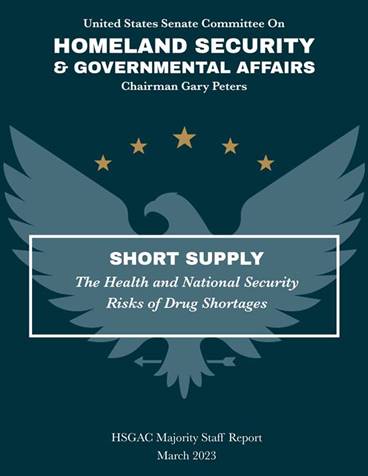
As Chairman of the Homeland Security and Governmental Affairs Committee, I recently released a report that shows how these shortages affect patients’ health and safety and present a significant national security risk. I also held a hearing with health care and supply chain experts to discuss my report and highlight how drug shortages are impacting the health and safety of our communities.
Click here to watch more.My report looked into the causes of drug shortages and what we can do to address this problem. Here are some of the report’s key findings and recommendations:
- Drug shortages can lead to treatment delays, medication errors, and have life threatening impacts on patients.
- Nearly 90% of FDA-registered manufacturing sites that produce ingredients to make generic drugs are located overseas. If the U.S. is unable to get the ingredients and raw materials needed to make these medications from these countries it could result in catastrophic consequences for patients.
- We must invest in domestic advanced manufacturing capabilities for generic drug products that are regularly in shortage to reduce our dependence on foreign and geographically concentrated sources and suppliers.
- The federal government and drug companies lack full visibility into where key ingredients for generic drugs are coming from. We must take steps to collect data on the supply chain to ensure agencies are not in the dark and can predict and work to prevent shortages.
Click here to read the full report.
My report and hearing showed that while drug shortages impact every part of our health care system – they tend to hit smaller, rural hospitals and health care providers the hardest because they often lack the resources needed to monitor and find alternative drug supplies. Shortages are made worse by our over-dependence on foreign suppliers, mostly in India and China, for the key raw materials that make many medications, as well as the limited number and clustered locations of facilities both in the U.S. and overseas that produce critical drugs. If one of these countries stops exporting a certain drug or a facility closes, it could lead to devastating shortages.
I’ll continue working toward bipartisan solutions that will help us take action to address this threat and protect the health and safety of Michiganders.
Thanks for reading,
Gary Peters
United States Senator for Michigan


The New York Times finally recognizes the shortages, blames three middlemen:
https://news.yahoo.com/behind-shortage-keeping-cancer-patients-123639661.html
Behind the Shortage Keeping Cancer Patients From Chemo
By Christina Jewett - December 19, 2023Stephanie Scanlan learned about the shortages of basic chemotherapy drugs last spring in the most frightening way. Two of the three drugs typically used to treat her rare bone cancer were too scarce. She would have to go forward without them.
Scanlan, 56, the manager of a busy state office in Tallahassee, Florida, had sought the drugs for months as the cancer spread from her wrist to her rib to her spine. By summer, it was clear that her left wrist and hand would need to be amputated.
Sign up for The Morning newsletter from the New York Times
“I’m scared to death,” she said as she faced the surgery. “This is America. Why are we having to choose who we save?”
The disruption this year in supplies of key chemotherapy drugs has confirmed the worst fears of patients — and of the broader health system — because some people with aggressive cancers have been unable to get the treatment they need.
Those medications and hundreds of other generic drugs, including amoxicillin to treat infections and fentanyl to quell pain during surgery, remain in short supply. But the deepening crisis has not fostered solutions to improve the delivery of generic drugs, which make up 90% of prescriptions in the United States.
Dr. Robert Califf, commissioner of the Food and Drug Administration, has outlined changes the agency could make to improve the situation. But he said the root of the problem “is due to economic factors that we don’t control.”
“They’re beyond the remit of the FDA,” he said.
Sen. Ron Wyden, D-Ore., chair of the Finance Committee, agreed. “A substantial portion of these market failures are driven by the consolidation of generic drug purchasing among a small group of very powerful health care middlemen,” he said at a hearing this month.
In interviews, more than a dozen current and former executives affiliated with the generic drug industry described many risks that discourage a company from increasing production that might ease the shortages.
They said prices were pushed so low that making lifesaving medicines could result in bankruptcy. It’s a system in which more than 200 generic drugmakers compete for contracts with three middleman companies that guard the door to a vast number of customers.
In some cases, generic drugmakers offer rock-bottom prices to edge out rivals for coveted deals. In other instances, the intermediaries — called group-purchasing organizations — demand lower prices days after signing a contract with a drugmaker.
The downward pressure on prices — no doubt often a boon to the pocketbooks of patients and taxpayers — is intense. The group purchasers compete against one another to offer hospitals the lowest-priced products, which intermediary companies say also benefits consumers. They earn fees from drugmakers based on the amount of medication the hospitals buy.
“The business model is broken,” said George Zorich, a pharmacist and retired generic drug industry executive. “It’s great for GPOs. Not great for drug manufacturers, not great for patients in some cases.”
Many doctors wish they could do more to give cancer patients the medicines they need.
“Every clinician I know would be thrilled to pay more money for a reliable supply of a quality drug,” said Dr. Andrew Shuman, a University of Michigan oncology surgeon and expert on drug shortages.
In a speech to drug supply intermediaries last month, Califf exhorted them to “pay more,” saying it would enhance access to medical products and would be “good for business.”
Prices fell in recent years for two of the three drugs that Scanlan was initially offered to treat her cancer. During those years, Intas Pharmaceuticals, a generics giant in India, steadily gained market share as other companies left, according to data from the U.S. Pharmacopeia, a nonprofit that tracks drug shortages.
But the company had to halt U.S. production to deal with quality issues that the FDA cited after a surprise inspection of one of its sprawling plants in India. Inspectors had discovered quality-control staff workers shredding and throwing acid on key records. The manufacturing shutdown set off a supply shock in February that would be felt nationwide.
Nearly every major U.S. cancer center reported in surveys that they faced chemotherapy shortfalls last spring and summer. A survey released in August found that nearly 60% of more than 1,000 pharmacy respondents deemed chemotherapy drug shortages “critically impactful.”
Intas recently resumed production, but the FDA still lists the drugs as being in short supply. Major cancer centers report that the shortages are easing, although concerns persist about stock in rural areas.
The scarce drugs are cheap and essential and revolutionized their field decades ago, for the first time curing some patients with testicular, lung, ovarian, pancreatic and breast cancers, oncologists say.
Scanlan’s cancer, called osteosarcoma, was deemed curable for about 65% of patients after cisplatin was added to the cocktail regimen in the 1970s.
Scanlan’s medical records outline her care. For treatment in the spring and summer, she received only one infusion in March of a sister drug, carboplatin, at University of Florida Shands Hospital in Gainesville.
As months passed, Scanlan’s cancer spread deeper into her bones. She was referred to Tallahassee Memorial Hospital, which, because of the shortages, treated her with one chemotherapy drug. The center then referred Scanlan to the Mayo Clinic site in Jacksonville in April, according to her medical records.
Yet, even at the gleaming Florida outpost of the elite medical system, Scanlan could not get her chemo treatments.
By May, she was facing surgery but might have been eligible to have her wrist repaired. Notes in her records by her Mayo oncology surgeon, Dr. Courtney Sherman, said it would depend on how Scanlan responded to treatment, although “she is not receiving standard chemotherapy given shortages.”
In May and June, Scanlan and Sherman pressed Dr. Steven Attia, a Mayo oncologist, to order the infusions. Scanlan emailed Attia: “One question, does Mayo not have the chemo that I actually need?”
Attia declined requests for comment. Samiha Khanna, a Mayo spokesperson, denied that its site in Jacksonville experienced a cancer drug shortage and confirmed that Mayo did not administer chemotherapy to Scanlan. Khanna also referred questions back to Tallahassee Memorial.
A Market Transformed
Over the course of his career in the generic drug field, Jeff Herzfeld, a pharmacist and former generics executive who works as a consultant, watched it morph from a field with modest profits to one that is cutthroat.
At first, it seemed no one was going to make high profits in the generics industry. As drug patents expired, companies entered the market and won customers by offering low prices.
But the field of customers began to shrink about 15 years ago. Intermediary companies realized that they could organize hospitals to wield their mass-buying power to get even lower prices.
Those intermediaries, or GPOs, charged fees to drugmakers that could access a vast swath of customers. The GPOs competed with one another for hospital clients — enticing them with the lowest prices.
The competition stiffened as generic drugmakers vied for each huge deal, emerging victorious if they came in with the lowest price. “They had a winner-take-all approach,” Herzfeld said.
Big deals also came with tough contract terms. One allowed the GPOs to return to the generic drugmaker days after a deal with an ultimatum: Lower the price more or lose the contract. It could happen repeatedly. “You don’t have a lot of room for error,” Herzfeld said.
Generic drug executives said common contract terms deterred them from helping out in a shortage. If they fail to supply promised medications, they can face hefty fines. Yet, if they produce more drugs than hospitals buy, they are left with a hole in their balance sheet.
These routine contract clauses “really penalize or punish” generic drugmakers, said David Gaugh of the Association for Accessible Medicines, which represents the generics industry.
Todd Ebert, president of the Healthcare Supply Chain Association, which represents GPOs, disputed those views, arguing that some generic drugmakers offered very low “predatory” prices to force competitors out of the business.
Without knowing the cost of producing the drugs, companies cannot be certain if a price is a bargain — or a tactic to hobble the competition, he said. Vizient, a major group purchaser, referred comment to Ebert.
Jessica Daley, a supply chain vice president with Premier, a leading drug-purchasing company, said the company strove to foster healthy markets and wanted “reasonable prices that support supply resiliency and protect patient care.”
Aside from the group purchasers’ terms, generic drugmakers also point to other costs they face, including long lists of fees they pay companies that ship drugs from factories to hospitals.
The current drug shortages have exposed the pressures on the generics market, and the scarcity of cancer treatments has put the spotlight on the troubled growth of Intas. It produced two chemo therapies that Scanlan was to receive early on.
Its market share for one of the drugs, methotrexate, which is also used in pediatric cancers and rheumatoid arthritis, grew to 35% last year from about 7% in 2018, according to the U.S. Pharmacopeia. The data shows the price per dose also fell, to $20 in 2022 from about $25 in 2018.
Prices also fell during those years for carboplatin and cisplatin, which tumbled to $15 a dose. Intas’ market share grew, particularly for cisplatin, to 62% of the U.S. supply in 2022 from 24% in 2018.
Not ‘a First-World Nation’
Dr. Julie Gralow, chief medical officer of the American Society of Clinical Oncology, discovered signs of stockpiling in some health systems as early as February when the FDA first announced the shortage, while shelves were empty at other health centers.
“We’re calling it a maldistribution based on who has access — who can afford to create a little stockpile at their site,” Gralow said.
By May, her group and others relied on established tenets of bioethics to help cancer centers decide which patients should get scarce treatments, favoring patients with a shot at a cure over those staving off death. Gralow said researchers were beginning to study whether the chemo shortages are affecting patient survival. Results could take years.
The emotional impact has varied widely. Some people with cancer were too focused on paying rent or feeding a family to fight for the medications they desperately needed, said Danielle Saff, a social worker with CancerCare, a nonprofit that supports patients.
Others, including Lucia Buttaro, 60, a professor at Fordham University, were furious. She did not get her prescribed carboplatin for a recurrence of ovarian cancer in May or June, even though cancer was spreading in her lungs.
“In my opinion, we don’t qualify as a first-world nation if you can’t get what you need,” she said.
In the case of Scanlan in Florida, because her cancer was rare, invasive and advanced rapidly, it remains unclear whether the shortages played a role.
Still, cancer experts expressed concerns that she had not received standard chemotherapy cocktail regimens before her amputation in September.
Failure to use the three “modern miracle” generic chemotherapies for osteosarcoma patients “is a real problem,” said Dr. Lee Cranmer, a sarcoma expert at Fred Hutch Cancer Center in Seattle, who was not involved in Scanlan’s treatment.
She has since received radiation. Last month, she learned the cancer already in her rib and spine had not spread farther. Although her new care team at Moffitt Cancer Center in Tampa, Florida, recently recommended palliative care, she said she felt defeated and terrified.
The shortages took a toll, she said, adding, “I can’t help but think about what if something different happened from the beginning.”
I'm no lawyer, but it sure seems that a clause or two could resolve the GPO issue.
Something like, "Contract is void if unable to supply a stable supply" would do a lot.
Get MHF Insights
News and tips for your healthcare freedom.
We never spam you. One-step unsubscribe.
Sponsors
Friends of MHF





Kirsten DeVries
Tom & Karen Nunheimer
Steve Ahonen
Ron & Faith Bosserman
Marlin & Kathy Klumpp
Sign Up for MHF Insights to keep up on the latest in Michigan Health Policy