





Michigan healthcare freedom community forum

Despite substantial federal subsidies, rural health care providers are pessimistic about the prospects for their institutions. Perhaps it is time to consider a medical transportation network moving rural patients to urban health care institutions for all but the most urgent care? It does not appear that medical professionals, except for nurses, much care for living in the sticks:
Can Michigan ‘make rural America healthy again?’ Hospitals doubt it
By Eli Newman - November 19, 2025
- Michigan’s rural hospital leaders are warning of the “devastating” cuts to Medicaid and other health care services under the One Big Beautiful Bill Act passed by Congress in July
- The Trump administration set aside $50 billion for its Rural Health Transformation Program, but hospital leaders say it’s not enough to undo the damage
- The Michigan health department is applying for the federal grants, proposing initiatives focused on regional health hubs, workforce development, technology upgrades and improved care access across its 75 rural counties
At the tip of Michigan’s Thumb in Huron County, Dr. Ross Ramsey fears the state’s rural hospital system is “reaching a brink of collapse.”
The reasons are varied, the hospital executive explained to Bridge Michigan, including a declining and aging population and increasing costs across the board.
But Ramsey, who leads Scheurer Health in Pigeon, said the major health care cuts outlined in the One Big Beautiful Bill Act signed by President Donald Trump this July will contribute greatly to the decline.
“We tend to have higher Medicare and Medicaid rates than our urban counterparts… over two-thirds of our revenue stems from government programs, ” said Ramsey. “When they’re cutting back their funding on those … you really take a hit.”
The state’s hospitals are projected to lose $6 billion over the next 10 years due to federal budget cuts outlined in the One Big Beautiful Bill Act, according to the Michigan Health & Hospital Association.
Congress carved out some relief in the legislation — a $50 billion grant opportunity to fund rural health improvements. The federal government is expected to award money for its Rural Health Transformation Program by the end of the year.
Michigan recently unveiled its pitch to the Trump administration to secure money from the program, as much as $200 million annually over five years. Under the plan, the state would administer its own grant program to allocate the federal funds to rural providers, creating advisory councils and other positions to oversee their use.
But Michigan hospital leaders are not convinced the state’s program will do enough to stop the financial squeeze.
“There is nothing here,” Michigan Health & Hospital Association executive vice president Laura Appel said. “There was an opportunity to direct as much as 10% of Michigan’s funding towards health care services delivered in hospitals and none of that happened.”
Devastating’ impact
The state’s rural hospital executives are doubtful the available federal funding will do enough to stabilize their systems.
Tonya Darner, CEO of UP Health System based in Marquette, said her hospital is bracing for increases in uncompensated care next year as more patients drop health insurance coverage due to the expiration of the enhanced premium tax credit for many Affordable Care Act plans and forthcoming Medicaid work requirements.
“Reducing the funding doesn’t erase the need,” Darner told Bridge, explaining that financial concerns are more acute among smaller providers in the Upper Peninsula. “I need all of those hospitals across the UP to stay open and be successful because I don’t have the capacity to care for all of the patients.”
JJ Hodshire led a taskforce of rural hospital executives to advise on the state’s grant application for the Rural Health Transformation Program. The president and CEO of Hillsdale Hospital said the fallout from the One Big Beautiful Bill Act will be “devastating.”
The law reduces the ability to use provider taxes to fund Medicaid, which is supported by both states and the federal government. Michigan has been able to claim a federal match on taxes it receives from providers like hospitals to finance its share of the program, in effect lowering the Medicaid cost burden on the state’s general fund.
The One Big Beautiful Bill Act’s capping of provider taxes has pushed hospitals to “clawback” at any available federal funds as systems brace for “significant losses,” Hodshire said. Michigan lawmakers made some efforts to reduce the tax blow during recent budget talks.
Even as the state seeks to alleviate some of those financial burdens by applying to the Trump administration’s rural health grant program, Hodshire said working with the Michigan Department of Health and Human Services on an application was a “frustrating process.”
Its final bid, he said, did little to allocate funding directly to the hospitals who need it the most, with officials settling for a “broad approach” with a lot of “bureaucracy.”
What’s in the application?
In a 60-page narrative filed with the federal government, state officials describe the stark chronic health challenges facing Michigan’s 75 rural counties, where 20% of the state’s population lives: high rates of diabetes, obesity and heart disease, as well as transportation problems, low educational attainment and high food insecurity.
“These counties typically lag in health infrastructure, provider availability, and socioeconomic resources, making them prime candidates for transformative interventions,” the application says of its target population.
Services have been “eroding,” the health department explains, with maternal care access being particularly affected and workforce shortages extending to mental health care. More than 1 in 4 rural hospitals are said to be operating in negative margins.
“Overall, 1.7 million of Michigan’s rural residents live in a primary care shortage county,” officials write.
The state landed on four main initiatives to channel the funds, which are expected to be allocated every fiscal year:
- Transforming Rural Health through Partnership — $26 million for developing regional hubs to foster interdisciplinary coordination
- Workforce for Wellness — $44.7 million for educational pipelines, stipends and scholarships to recruit and retain health care professionals
- Interoperability in Action — $53 million for technological upgrades and pilot programs
- Care Closer to Home — $73 million to address transportation and care delivery deficiencies
Michigan health officials want to allocate 12 full time employees to oversee the state’s Rural Health Transformation Program to administer grants, monitor outcomes and coordinate engagement opportunities.
MDHHS did not provide Bridge with its full application for rural health funds, aside from its project narrative document. The state was required to submit additional budget documents to the federal government and an endorsement letter from the governor as part of its application.
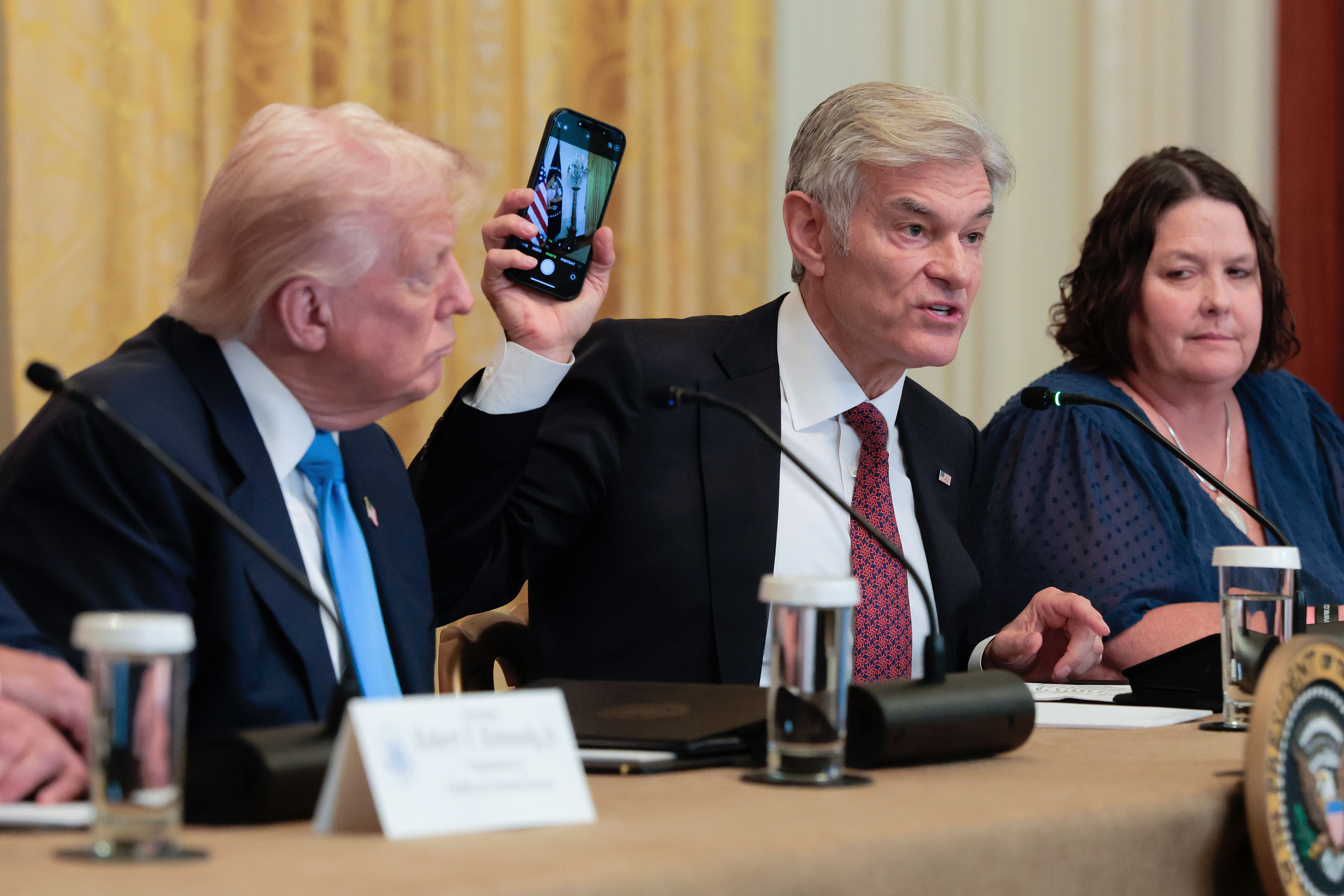
Federal officials describe the grant opportunity as an investment in “innovative system-wide change” to “make rural America healthy again.” Robert F. Kennedy Jr., secretary of the US Department of Health and Human Services, said the agency was seeking “bold, audacious proposal ideas” from governors to create a “structural shift.”
All states applied for the grant program, according to the US Centers for Medicare & Medicaid Services. Dr. Mehmet Oz, the head of the agency, called it an opportunity to “reimagine the future of rural health.” States approved for the funding are set to receive the money through 2030.
‘Trying to boil the ocean’
Hodshire was frank in his disappointment with the state’s final application, saying it lacks the designated hospital funding his taskforce advocated for.
“I’m not assured that the federal government’s even going to accept this application,” Hodshire told Bridge. “It is the furthest from our recommendations.”
For Darner, who also participated in the hospital advisory group, MDHHS is “throwing out a very large net” to solve a bevy of problems facing systems today.
“They’re trying to boil the ocean,” she said. “If everything’s important — nothing’s important.”
Rural hospital executives also point to the administrative burden of having to apply for state funding. Many providers say they do not have designated staff to draft grant applications.
MDHHS said the department is “exploring options to streamline the process for grants” once it receives approval from CMS.
“Despite the limited time MDHHS had to respond to this grant opportunity, the department took several opportunities to gather input from numerous partners across the state on how to prioritize the funding,” spokesperson Lynn Sutfin said in an email. “It was not feasible to hold a review of the application before it was submitted nor was it possible to incorporate every recommendation.”
The funding is meant to “transform the full spectrum of rural health care facilities,” Sutfin said, including rural health centers, federally qualified health centers, emergency medical services, community mental health providers, private practice providers and hospitals.
The Michigan Primary Care Association, which represents dozens of community health clinics across the state, also assisted in writing the state’s application. Phillip Bergquist, chief executive officer of the association, said he was “broadly” in alignment with the state health department’s goals, but stressed the importance to “not get lost in the structure of the funding” when providing the actual health care should be prioritized.
While hospitals sought more direct financial support from the program, Bergquist notes the federal funding was not presented as a “revenue replacement opportunity” but rather an “innovation approach” to improve the status quo.
“I think we have to take a more balanced perspective about what impacts people’s health day-to-day,” he said. “Hospitals play an incredibly important role in care delivery, but when we think about …. what is going to be a prevention opportunity, what’s going to reshape the nature of health in a rural community, other providers play really important roles.”
The "provider taxes to fund Medicaid" mentioned in this article are the deceitful financial devices used to transfer and expand medical charges beyond the intent of federal legislation. They were a major factor in the OBBBA and the recent federal government shutdown.
Get MHF Insights
News and tips for your healthcare freedom.
We never spam you. One-step unsubscribe.
Sponsors

J & DE Family Charitable Fund

Friends
of MHF

Kelly Grotendiek
Philip Harbach
Dale Johnson
Drs. Jeffrey and Joni Jones
Vickie Kahle
Tammy Kipen
Marlin & Kathy Klumpp
Melanie Kurdys
Ruth Nobel
Patrick Peterson
Stephanie Poortenga
Jeanne Smit
Ben and Hope Staal
John Tuinstra
Jacki VanHuis
Sandy Walker
Sign Up for MHF Insights to keep up on the latest in Michigan Health Policy