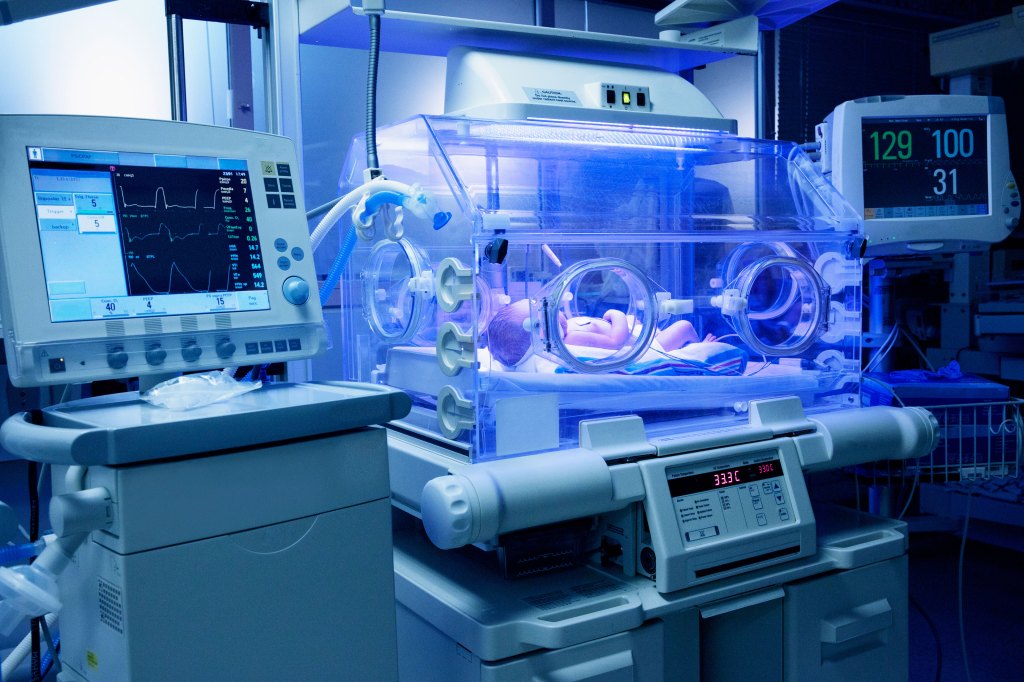
- Inside the High-Stakes Corporate Fight Over Feeding Preterm Babies
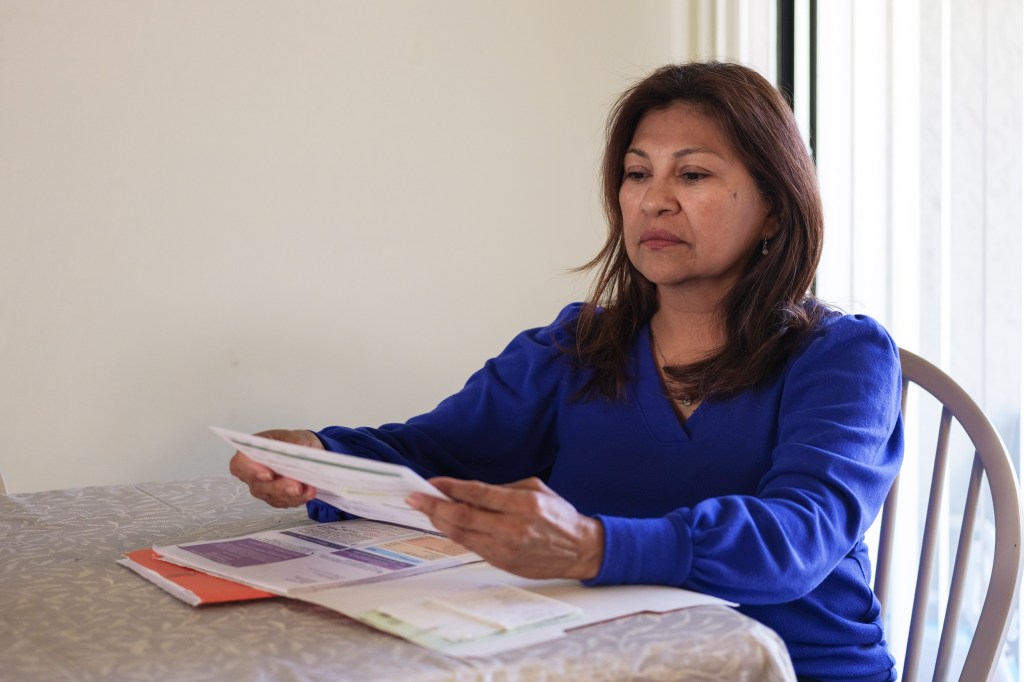
- She Owed Her Insurer a Nickel, So It Canceled Her Coverage
- Study Links High Antioxidant Intake To Changes in Offspring Development

- The Healthcare Burnout Backlash (pt 1): Burnout Reaches Well Beyond Clinicians
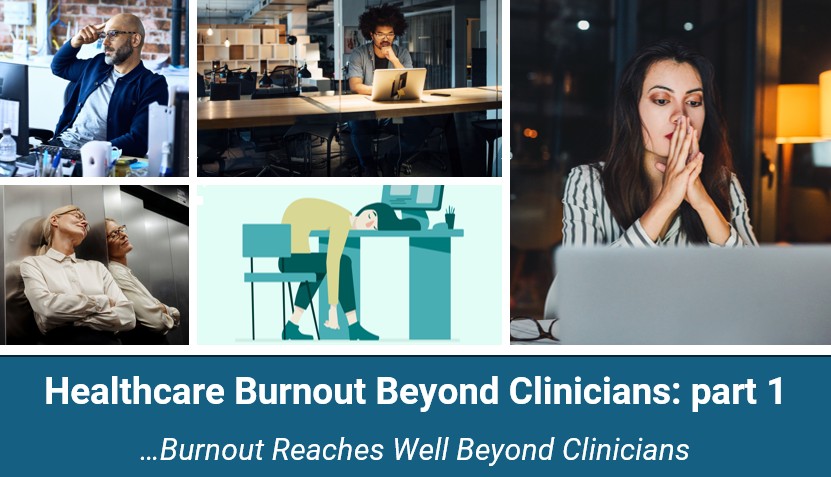
- The Healthcare Burnout Backlash (pt 1): Burnout Reaches Well Beyond Clinicians
- Even Mild Oxygen Loss in Preemies' First Hours Poses Lifelong Brain Risks: Study
- 12 oral surgery updates in 2026
- 5 ASC, MOB deals in California
- Hidden OR capacity challenges: 8 perioperative leaders on what’s draining surgical time
- The Aspen Group’s 3-year growth recap: 40 moves
- Florida State University set to acquire Tallahassee hospital
- How Confusing Financial Journeys Undermine Revenue and Trust
- How Confusing Financial Journeys Undermine Revenue and Trust
- Misalignment, Not Malice: Rethinking Generational Conflict in Healthcare
- If AI ‘adds friction, it fails’: How Mayo Clinic scales technology
- As maternity units close, AdventHealth restores OB care in rural Kansas
- Oklahoma officials warn of new opioid
- The new metrics of healthcare technology ROI: What matters to healthcare leaders
- Hoag to launch transplant center in 2027
- MercyOne hospital to transition labor and delivery services
- MercyOne hospital to transition labor and delivery services
- Southeast metros lead US population growth as national gains slow
- 8 Medicare Advantage numbers to know in 2026
- 17 Senate Dems push back on 2027 ACA proposal
- Providence hospital closes inpatient pediatric unit
- Michigan finalizes Medicaid mental health assessment policy changes
- 10 financial notes on USPI’s growth over the past 3 years
- 15 new orthopedic practice, center openings in Q1
- The oral surgery technological revolution
- From Anxiety to Action: How Ambulatory Leaders Are Rebuilding Margins in 2026
- Where GI training may fall short
- What it took to become the world’s first ASC to offer Stryker’s robotic knee tech
- Medtronic’s win in spinal cord stimulator lawsuit upheld
- How the Trump Administration Uses Migrant Kids To Find and Detain Family Members
- Heartland Dental’s 3-year growth recap: 30+ moves
- Cencora’s $10B+ physician acquisition spree: A breakdown
- Tennessee physician practice acquired
- The FTC is coming for healthcare consolidation: 10 things physicians need to know
- Adventist Health sees momentum from insourcing revenue cycle operations
- Oral GLP-1s, COVID preventatives: 3 more drugs in the pipeline, Optum says payers should watch
- Unlicensed dentistry cases, DSO deals, legislation & more: 10 dentistry updates in Virginia
- Providence trims 2025 operating loss to $132M, notches second consecutive quarter of gains
- Missouri system debuts mobile behavioral health unit
- Yale researchers study GLP-1’s potential for SUD
- Texas dental school receives $6.5M to expand pediatric dental, medical programs
- North Carolina autism provider to expand therapy access
- $3M Verdict Links Social Media to Anxiety and Depression
- West Virginia hospital to end OB delivery services
- 6 DSOs making headlines
- California hospital’s finances improve, cash position remains ‘dire’
- 1 in 5 metro markets face inpatient monopoly: 7 notes
- Minnesota system faces uncertainty amid Medicare delays
- Ohio county approves behavioral health crisis center plan
- The White House Delays CDC Pick
- New COVID 'Cicada' Variant Is Spreading — What Experts Want You To Know
- Advocate Health to launch ‘nation’s largest’ hospital drone delivery program in Zipline partnership
- Op-ed: Empathy meets efficiency—how the responsible use of AI can transform Medicare
- Family Caregivers Provide $1 Trillion In Annual Labor, AARP Says
- ‘Health Doesn’t Need to Be Ludacris’: Bayer signs rapper-actor to multivitamin campaign
- Rocket plots measured trajectory for new gene therapy Kresladi after clearance to launch from FDA
- Healthy Lab Results May Mask Future Risks for Kids with Obesity
- At-Home Chemotherapy Is Safe, Feasible, Pilot Study Indicates
- What You Do While Sitting Could Predict Dementia Risk
- New Cholesterol Guidelines: What Patients and Caregivers Need to Know
- Want A Bootlicking Yes Man? Ask An AI Chatbot For Advice, Study Warns
- Specially Coated Implants Better For Breast Cancer Patients, Study Finds
- Trump Team Claims Successes Against ACA Fraud While Pushing for More Controls
- Give and Take: Federal Rural Health Funding Could Trigger Service Cuts
- Fierce Pharma Asia—Takeda’s $1.3B reorg; India’s GLP-1 floodgates; Gilead’s $2.2B buy of a China NewCo
- Where are you with EUDAMED?

- Where are you with EUDAMED?
- HL7 Launches Real‑Time Medical Device Interoperability Accelerator
- HL7 Launches Real‑Time Medical Device Interoperability Accelerator
- Two GA Tech ATDC Startups — Nephrodite and OrthoPreserve — Secure FDA Breakthrough Device Designation
- Two GA Tech ATDC Startups — Nephrodite and OrthoPreserve — Secure FDA Breakthrough Device Designation
- Artificial Intelligence: ROI, not Clinical Autonomy, Leads Operational Workflows
- Artificial Intelligence: ROI, not Clinical Autonomy, Leads Operational Workflows
- Medtronic and Merit Medical Systems distribution agreement for new, ViaVerte basivertebral nerve ablation system
- Medtronic and Merit Medical Systems distribution agreement for new, ViaVerte basivertebral nerve ablation system
- Breakthrough Device Designation for Noah Labs Vox Heart Failure Detection Device
- Breakthrough Device Designation for Noah Labs Vox Heart Failure Detection Device
- Why private practice dentistry needs a better model
- CareQuest Innovation Partners, Kno2 collab on medical-dental data integration
- Nonprofit highlights rural opioid care strategies
- Vitana Pediatric & Orthodontic Partners adds Florida practice
- What the Health? From KFF Health News: A Headless CDC
- 20 behavioral health leaders challenge industry assumptions
- Recordati confirms it's weighing CVC Capital buyout offer of $12.6B
- 3 California behavioral health centers to close amid funding shifts
- Nonprofit celebrates rescue, recapitalization of Prospect Medical Holdings' Rhode Island hospitals
- Indiana bars autism therapy provider from Medicaid billing: Wall Street Journal
- UnitedHealth shareholder sues over proposal to include details on integration in annual proxy
- SCAN taps biopharma, CMS vet Aman Bhandari as its first chief AI officer
- Infosys to acquire Optimum Healthcare IT in $465M deal
- Healthcare systems can create AI care pathways with new Viz.ai tool
- DOJ alleges NewYork-Presbyterian forces payers into anticompetitive 'all-or-nothing' contracts
- FDA Warns Biotech Firm Over Cancer Drug Anktiva Claims
- Bees and Hummingbirds May Be Consuming Small Amounts of Alcohol
- Two States Sue Cord Blood Company Over Misleading Claims
- New WHO Guidance Aims To Speed Tuberculosis Testing
- As questions swirl around ATTR competition, Alnylam plots path to market leadership for Amvuttra
- Trump admin delays nomination for new CDC director past deadline
- Outspoken ACIP member steps down amid vaccine panel uncertainty: reports
- Egg-based drugmaker Neion Bio emerges from stealth to cook up multi-product biosimilar collab
- Genentech walks the walk in lupus as sponsor of annual awareness and fundraising event
- Study Reveals How Many Americans Consider Using a Gun
- Massive Study Finds Stress and Grief Don’t Cause Cancer
- Ultra-Processed Foods Harm Fertility In Both Men And Women, Studies Reveal
- Small Daily Habits Can Add Up To Better Heart Health
- Ritalin Might Protect ADHD Kids' Long-Term Mental Health, Study Finds
- Can You Drink Enough Fluids To Prevent Kidney Stones? Maybe Not, New Study Says
- Clasp, loan-linked hiring tool for employers, clinches $20M to expand amid federal loan caps
- Taking a GLP-1? Doctors Say Not To Forget About Movement and Mental Health
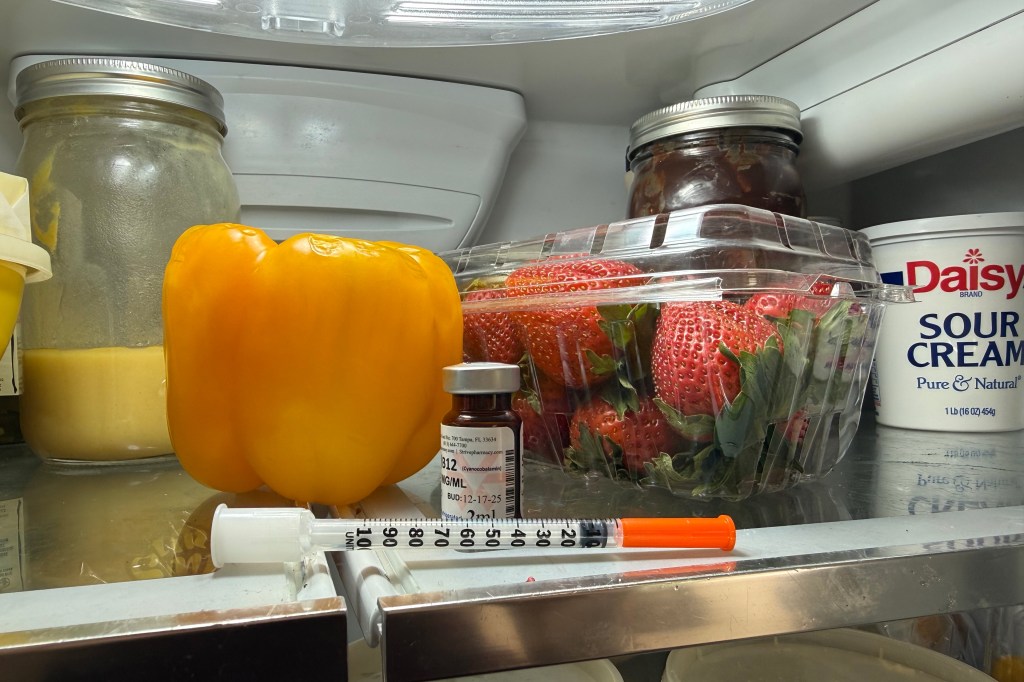
- OpenEvidence rolls out AI medical coding feature
- CDC’s Acting Chief Promises a Return to Stability in a Tumultuous Moment
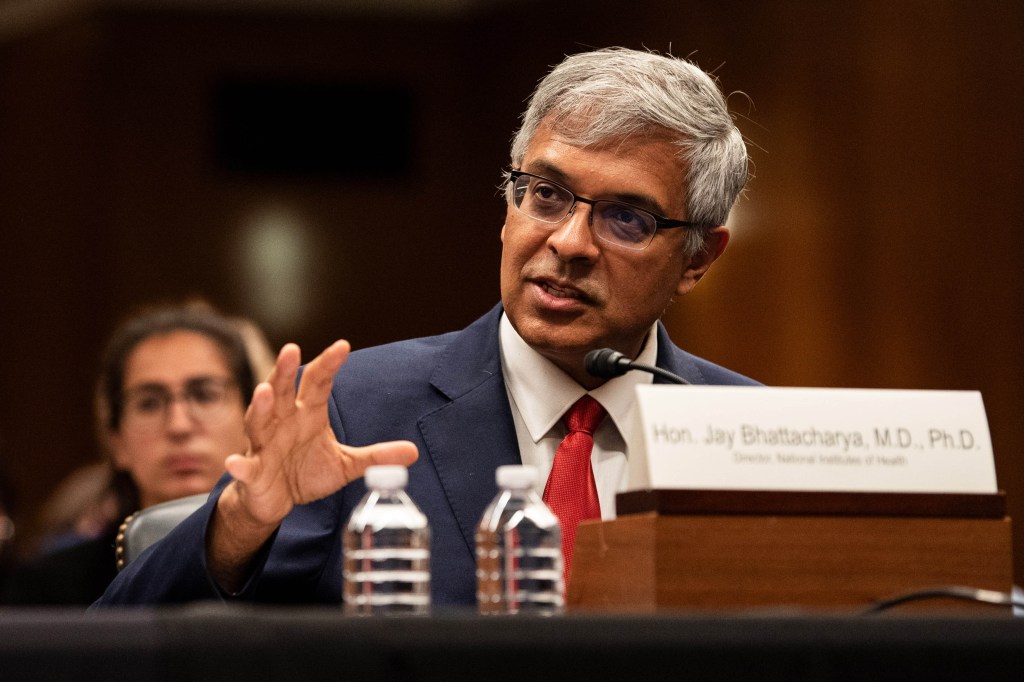
- Remarks at the Financial Stability Oversight Council Meeting
- RWJF: Between 5M and 10M people could lose Medicaid coverage in 2028 under work requirements
- New therapy animal program aims to support 100K patients, providers
- Pulse check on Lilly's GLP-1 fortunes
- Gen Z nurses prioritize schedule flexibility, need more manager interactions to avoid turnover
- How pharma marketers can capitalize on HCPs’ AI, social media and streaming habits
- Federal Officials Investigate States That Require Abortion Coverage
- Corcept's lead drug bounces back from FDA snub with different approval as Lifyorli in ovarian cancer
- Ionis slashes Tryngolza's price tag by 93% ahead of anticipated label expansion
- FDA approves Denali's Hunter syndrome drug, handing rare disease community a win
- Baby Walkers Sold on Amazon Recalled Over Fall Risk
- Want To Protect Your Brain? Science Says Exercise
- HelloFresh Pizza Recall Issued in 10 States Over Metal Risk
- Clinical Trials Have Too Much Data…That’s the Problem.

- Clinical Trials Have Too Much Data…That’s the Problem.
- CMS reveals new Medicaid model that supports coordination for children with complex needs
- Novartis sued by breast cancer patient over branded drug websites’ data-sharing practices
- Takeda targets $1.3B in cost savings in further restructuring
- Biogen pays $20M upfront to tap into Alteogen's subQ delivery tech
- 'Universal Donor' Blood Supplies Dangerously Low, Study Warns
- Why Stepping Outside May Help You Eat Better
- U.S. Medicine, Science Facing An Online Misinformation Siege, Poll Concludes
- Childhood Obesity Undercuts The American Dream For Some, Study Says
- Inclusive High Schools Benefit All Students, Not Just LGBTQ Teens
- Parental Loss Due to Drugs, Violence Raises Child Death Risk by 2,000%
- As Boehringer touts US launches, board chairman worries EU is 'falling further behind'
- The evolving state of exome and genome sequencing
- Demoralized CDC Workforce Reels From Year of Firings, Funding Cuts, and a Shooting
- An Arm and a Leg: Steep Health Care Costs Steer Americans to Tough Decisions
- Qualified Health locks in $125M in fresh funding to scale enterprise AI at health systems
- Misery Loves [Investment] Company?: Remarks at the 2026 Investment Company Institute Investment Management Conference
- Study: Nearly 1 in 5 pediatric hospital deaths involve sepsis
- As expansions come online, CDMO Hovione aims to meet industry's 'dual supply and sourcing' zeal: exec
- Opening Remarks at the Digital Asset Summit 2026
- CVS Caremark, FTC reach settlement in insulin pricing case


These days, promises made by higher education are often broken by high prices and underwhelming career options. MedPage takes the tough questions to nursing programs in this special report.
— Promise of a flexible nursing degree is sometimes too good to be true
For-profit nursing schools often market their programs to people working in low-level jobs, people looking to improve their life circumstances. Most promise a flexible, expedited education and a supportive environment, in which anyone who works hard can succeed.
But too often the schools fail to deliver on those promises. When that happens, students stand to lose tens of thousands of dollars in federal loans, the chance to sit for their nursing licensure exam, and a career many say they felt called to since childhood.
This is the first story in our series on for-profit nursing programs. As part of our investigation, MedPage Today spoke with more than a dozen current and former nursing students, as well as academics, nursing professors, and regulators.
For-profit nursing schools can seem like the answer to a prayer for people who always figured a career as a nurse was out of reach. When working adults who set aside other career goals hear of an accelerated nursing program with evening and weekend classes, they think the stars have aligned for them, Rusty Webb, JD, a personal injury lawyer based in West Virginia, told MedPage Today. "They say, 'I have a babysitter. I can still work. I can [learn] online... and I can do that for 18 months ... or 24 months ... But I can't do it for 4 years."
These students are often older, low-income, working adults. Most are women, many are single mothers and a good number are immigrants, said Webb, who has represented former nursing students in lawsuits against for-profit schools.
Too often, the promise is too good to be true, Webb and others familiar with the schools told MedPage Today. Instead of a license and a career, these students find themselves tens of thousands of dollars in debt, with nothing to show for the hundreds of hours they've wasted.
'Butts in Seats'
Driven by the fundamentals of supply and demand, for-profit universities have expanded their footprint into nursing schools over the last two decades.
While many for-profit schools are high-performing legitimate programs, the rush to graduate new nurses has drawn more than a few bad actors into the field, experts say. And the problem is only compounded by intense political pressure from state lawmakers, who have, in some cases, effectively stripped nursing boards of their authority to decide which schools are permitted to open and which underperforming schools must close.
Educational providers -- limited liability companies (LLCs), other business entities, even individual owners -- have been known to use nursing schools as "profit centers."
"The goal was to just get butts in seats, no matter what," said Colleen Auer, JD, a litigator who has brought lawsuits against for-profit private institutions in Arizona. "It's a perfect recipe for money, money, money, big dollars."
Importantly, for-profit programs target those students who are eligible for federal aid -- Title IV loans, Pell Grants, and the Department of Defense Transition Assistance Program, Auer told MedPage Today. This means "guaranteed dollars" for the institution, she added.
What's more, their admission criteria are "all over the map," Auer said. Some require a minimum of 60% on the HESI (Health Education Systems, Inc.) entrance exam, others require 80%, and passing the threshold -- whatever it is -- does not in any way prepare students for the rigors of the actual program.
"So, it fails ... from the start, by admitting students that are not qualified for the program, and then leaving them without the support and the services and the educational infrastructure needed to succeed," said Auer.
The For-Profit Explosion
From 2007 to 2016, the number of for-profit nursing schools grew five-fold, from 60 to 301, and from 1.7% of all nurse programs to 14.2%. In addition, the number of graduates of these programs increased 14-fold, according to a 2019 study published in the Journal of Nursing Regulation (JNR).
There are currently 326 such programs, according to data that Career Education Colleges and Universities shared with MedPage Today. Joanne Spetz, PhD, director of the Philip R. Lee Institute for Health Policy Studies at University of California San Francisco, credits their growth to a rise in demand for nurses coupled with relatively slow growth of public programs.
The lack of seats in public sector schools and the simultaneous expansion of for-profit nursing schools worries her, she said, given for-profit schools' poorer outcomes -- particularly the larger schools.
"[F]irst-time board exam pass rates and on-time completion rates are not very good compared to other schools," Spetz said, referring to pass rates on the National Council Licensure Examination (NCLEX-RN). The NCLEX is the test that determines whether a nursing school graduate is safe to practice, and passage is required to obtain a license as a registered nurse in both the U.S. and Canada.
NCLEX pass rates are also a key performance measure for nursing schools. Many states require that programs maintain a pass rate of 80% or 85% or above, and falling below that threshold can trigger an investigation by a state's board of nursing.
But first-time pass rates at for-profit schools lag behind those of public and private not-for-profit programs, according to that same 2019 JNR article. Across nearly 14,000 nursing programs from 2011 to 2015, NCLEX scores were roughly 20 percentage points lower on average for graduates of for-profit schools, compared with those at public nursing schools, across all degree types: BSN, ADN, and LPN. Moreover, for-profit schools continued to have lower first-time pass rates, even after adjusting for school-level characteristics, program-level characteristics, and county-level characteristics, such as percentage of poverty in a county.
While the NCLEX is a "rigorous" exam, it's intended to set a minimum standard, said Patricia "Polly" Pittman, PhD, professor of health policy and management at the Milken Institute School of Public Health at George Washington University and author of the 2019 JNR article on growth in the sector.
"It's just one measure. One proxy for quality," Pittman said. "There's no way you can really know how a nurse is going to perform in a healthcare setting."
Unlike paramedics and nursing assistants, nursing students have only a written test. They aren't given a skills test. So regulators say they need to be able to have confidence that nursing programs are delivering the skills and the training students need to practice safely in the field.
Revolving Door: Nurses Leaving, Seniors Coming
In 2021, amid the backdrop of the COVID-19 pandemic, 100,000 registered nurses left the field, according to a 2022 study in Health Affairs. And one in five of the nation's 4.5 million licensed nurses intend to leave the profession by 2027, according to a survey published by JNR this past April.
Meanwhile, every day more older adults are aging into Medicare. Approximately 71.1 million seniors are projected to be enrolled by 2027, an increase from 62.5 million in 2021, according to the Centers for Medicare & Medicaid Services. These older adults typically have more comorbid conditions and require more care.
Despite this need, U.S. nursing schools turned away 91,938 "qualified applications" from baccalaureate and graduate programs in 2021, according to the American Association of Colleges of Nursing (AACN), citing "an insufficient number of faculty, clinical sites, classroom space, clinical preceptors, and budget constraints." Experienced nurses can earn at least 50% more at the bedside than in the classroom, Spetz said, so filling faculty positions continues to be a challenge.
"It's not easy to get into a good nursing program," said Andrea Chassen, BSN, a retired nurse educator based in Brandon, Florida who has worked in both for-profit and public nursing programs.
Chassen said she left both for-profit programs she worked at after one semester.
Most state schools, public schools, and community colleges have years-long wait lists, but for-profit schools enroll new students every semester, Chassen and multiple other sources told MedPage Today.
The Role They Play
Proponents argue that for-profit programs play a critical role in the nursing education space. For instance, West Coast University's for-profit nursing school has graduated about one-third of the state's nurses from its three campuses in Southern California, according to Scott Casanover, JD, the university's general counsel and vice president of government affairs. "We feel like we're serving an otherwise disenfranchised part of the population in California that ... can't get into the state schools," he said. And unlike state schools, three-quarters of the university's students claim minority status.
West Coast's "NCLEX passage rate ... has averaged over 90% for the last seven, eight years," he added. (First-time NCLEX pass rates for West Coast University were 87.1% for 2020-2021 and 80.58% for 2021-2022, according to the California Board of Registered Nurses, which predominantly relies on first-time NCLEX pass rates to measure performance.)
"Whether you're a proprietary school, for-profit, nonprofit or public school, state university or state college, the potential to do great things or to do bad things is there," said Rick Garcia, PhD, RN, who has worked on state nursing boards and done consulting work for nursing programs, including for-profit ones.
"There are a lot of moving parts in that equation of doing good," he added. Student and faculty retention, the stability of the faculty, and the experience of the faculty within nursing education all play a role in a program's success or failure and matter more than the label a program is given due to its tax status, said Garcia.
In her research, Pittman found that some individual for-profit programs performed as well as the top public and nonprofit programs, and also had lower tuition than some nonprofits. The difference appeared to be national programmatic accreditation from a nursing accreditor.
Nursing programs in most states must either have accreditation at the institution level or at the programmatic level from national accreditors specific to nursing in order to continue operations. National nursing accreditors, of which there are three, are private nonprofit businesses. Their mission is to ensure the quality of the nursing programs. For-profit programs accredited at this level were linked to a 24% higher first-time NCLEX pass rate than nonaccredited for-profit programs, Pittman found.
Safeguarding Students and the Public
In nearly every state and the District of Columbia, a program must have approval from its board of nursing before it can enroll students, according to a 2018 JNR article by Nancy Spector, PhD, RN, and colleagues. The requirements for initial approval of a program by the board of nursing vary by state, but may include assurances that the program has a qualified director and faculty, an appropriate curriculum, sufficient facilities, a budget to match the size of the student body, and a sufficient number of available clinical learning experiences.
Even after initial approval, most boards of nursing keep tracking program quality and grant continuing approval, which again, typically requires accreditation by a U.S. Department of Education-recognized institutional accreditor, at a minimum, or national nursing accreditation.
National programmatic accreditation involves an in-depth "self study" of the program's mission, vision, and outcomes, and is currently mandated by 22 states and the District of Columbia, according to the National Council of State Boards of Nursing (NCSBN). But even that is no guarantee of a program's success. Pittman's concern is that accreditors compete for business and want to accredit as many schools as they can, so "there could be a race to the bottom in terms of standards," she said.
Most important of all, nursing boards are only authorized to do what they do -- including denying approval to or closing substandard nursing programs -- by statute. If the legislature doesn't like what they're doing, that authorization can be taken away.
Of course, all the standard-setting and regulating can't put in the initiative of a moral, educational foundation if home and community standards leave it out.
https://www.medpagetoday.com/special-reports/exclusives/105300
Get MHF Insights
News and tips for your healthcare freedom.
We never spam you. One-step unsubscribe.
Sponsors
Friends of MHF


Kirsten DeVries
Tom & Karen Nunheimer
Steve Ahonen
Ron & Faith Bosserman
Marlin & Kathy Klumpp
Sign Up for MHF Insights to keep up on the latest in Michigan Health Policy