- 12 oral surgery updates in 2026

- 5 ASC, MOB deals in California
- Hidden OR capacity challenges: 8 perioperative leaders on what’s draining surgical time
- The Aspen Group’s 3-year growth recap: 40 moves
- Florida State University set to acquire Tallahassee hospital
- How Confusing Financial Journeys Undermine Revenue and Trust
- How Confusing Financial Journeys Undermine Revenue and Trust
- Misalignment, Not Malice: Rethinking Generational Conflict in Healthcare
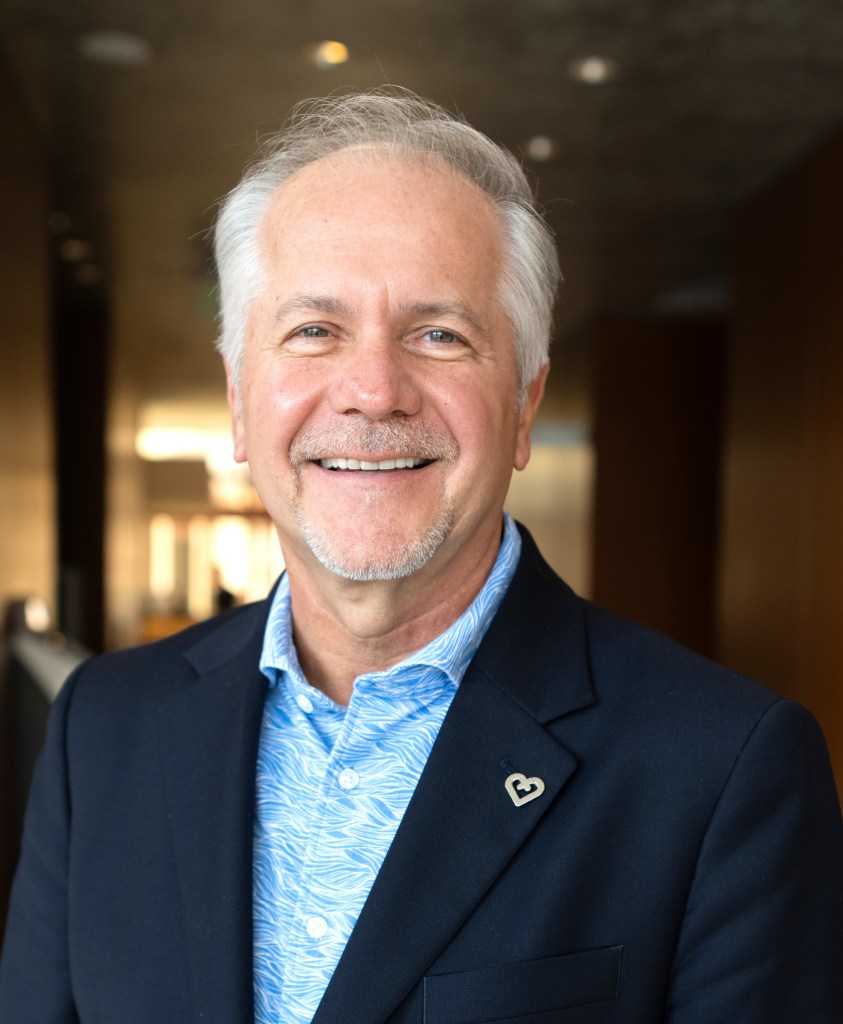
- If AI ‘adds friction, it fails’: How Mayo Clinic scales technology
- As maternity units close, AdventHealth restores OB care in rural Kansas
- Oklahoma officials warn of new opioid
- The new metrics of healthcare technology ROI: What matters to healthcare leaders
- Hoag to launch transplant center in 2027
- MercyOne hospital to transition labor and delivery services
- MercyOne hospital to transition labor and delivery services
- Southeast metros lead US population growth as national gains slow
- 8 Medicare Advantage numbers to know in 2026
- 17 Senate Dems push back on 2027 ACA proposal
- Providence hospital closes inpatient pediatric unit
- Michigan finalizes Medicaid mental health assessment policy changes
- 10 financial notes on USPI’s growth over the past 3 years
- 15 new orthopedic practice, center openings in Q1
- The oral surgery technological revolution
- From Anxiety to Action: How Ambulatory Leaders Are Rebuilding Margins in 2026
- Where GI training may fall short
- What it took to become the world’s first ASC to offer Stryker’s robotic knee tech
- Medtronic’s win in spinal cord stimulator lawsuit upheld
- How the Trump Administration Uses Migrant Kids To Find and Detain Family Members
- Heartland Dental’s 3-year growth recap: 30+ moves
- Cencora’s $10B+ physician acquisition spree: A breakdown
- Tennessee physician practice acquired
- The FTC is coming for healthcare consolidation: 10 things physicians need to know
- Adventist Health sees momentum from insourcing revenue cycle operations
- Oral GLP-1s, COVID preventatives: 3 more drugs in the pipeline, Optum says payers should watch
- Unlicensed dentistry cases, DSO deals, legislation & more: 10 dentistry updates in Virginia
- Missouri system debuts mobile behavioral health unit
- Yale researchers study GLP-1’s potential for SUD
- Texas dental school receives $6.5M to expand pediatric dental, medical programs
- North Carolina autism provider to expand therapy access
- $3M Verdict Links Social Media to Anxiety and Depression
- West Virginia hospital to end OB delivery services
- 6 DSOs making headlines
- California hospital’s finances improve, cash position remains ‘dire’
- 1 in 5 metro markets face inpatient monopoly: 7 notes
- Minnesota system faces uncertainty amid Medicare delays
- Ohio county approves behavioral health crisis center plan
- The White House Delays CDC Pick
- New COVID 'Cicada' Variant Is Spreading — What Experts Want You To Know
- Op-ed: Empathy meets efficiency—how the responsible use of AI can transform Medicare
- Family Caregivers Provide $1 Trillion In Annual Labor, AARP Says
- ‘Health Doesn’t Need to Be Ludacris’: Bayer signs rapper-actor to multivitamin campaign
- Rocket plots measured trajectory for new gene therapy Kresladi after clearance to launch from FDA
- Healthy Lab Results May Mask Future Risks for Kids with Obesity
- At-Home Chemotherapy Is Safe, Feasible, Pilot Study Indicates
- What You Do While Sitting Could Predict Dementia Risk
- New Cholesterol Guidelines: What Patients and Caregivers Need to Know
- Want A Bootlicking Yes Man? Ask An AI Chatbot For Advice, Study Warns
- Specially Coated Implants Better For Breast Cancer Patients, Study Finds
- Trump Team Claims Successes Against ACA Fraud While Pushing for More Controls
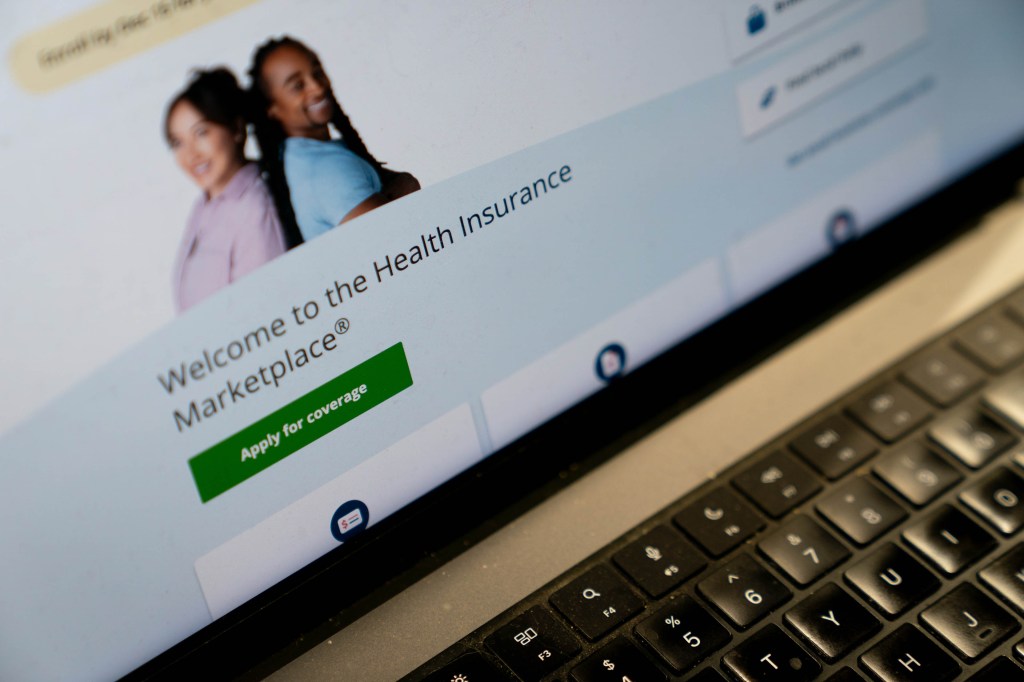
- Give and Take: Federal Rural Health Funding Could Trigger Service Cuts

- Fierce Pharma Asia—Takeda’s $1.3B reorg; India’s GLP-1 floodgates; Gilead’s $2.2B buy of a China NewCo
- Where are you with EUDAMED?

- Where are you with EUDAMED?
- HL7 Launches Real‑Time Medical Device Interoperability Accelerator
- HL7 Launches Real‑Time Medical Device Interoperability Accelerator
- Two GA Tech ATDC Startups — Nephrodite and OrthoPreserve — Secure FDA Breakthrough Device Designation
- Two GA Tech ATDC Startups — Nephrodite and OrthoPreserve — Secure FDA Breakthrough Device Designation
- Artificial Intelligence: ROI, not Clinical Autonomy, Leads Operational Workflows
- Artificial Intelligence: ROI, not Clinical Autonomy, Leads Operational Workflows
- Medtronic and Merit Medical Systems distribution agreement for new, ViaVerte basivertebral nerve ablation system
- Medtronic and Merit Medical Systems distribution agreement for new, ViaVerte basivertebral nerve ablation system
- Breakthrough Device Designation for Noah Labs Vox Heart Failure Detection Device
- Breakthrough Device Designation for Noah Labs Vox Heart Failure Detection Device
- Why private practice dentistry needs a better model
- CareQuest Innovation Partners, Kno2 collab on medical-dental data integration
- Nonprofit highlights rural opioid care strategies
- Vitana Pediatric & Orthodontic Partners adds Florida practice
- What the Health? From KFF Health News: A Headless CDC
- 20 behavioral health leaders challenge industry assumptions
- Recordati confirms it's weighing CVC Capital buyout offer of $12.6B
- 3 California behavioral health centers to close amid funding shifts
- Indiana bars autism therapy provider from Medicaid billing: Wall Street Journal
- UnitedHealth shareholder sues over proposal to include details on integration in annual proxy
- SCAN taps biopharma, CMS vet Aman Bhandari as its first chief AI officer
- Infosys to acquire Optimum Healthcare IT in $465M deal
- DOJ alleges NewYork-Presbyterian forces payers into anticompetitive 'all-or-nothing' contracts
- FDA Warns Biotech Firm Over Cancer Drug Anktiva Claims
- Bees and Hummingbirds May Be Consuming Small Amounts of Alcohol
- Two States Sue Cord Blood Company Over Misleading Claims
- New WHO Guidance Aims To Speed Tuberculosis Testing
- As questions swirl around ATTR competition, Alnylam plots path to market leadership for Amvuttra
- Trump admin delays nomination for new CDC director past deadline
- Outspoken ACIP member steps down amid vaccine panel uncertainty: reports
- Egg-based drugmaker Neion Bio emerges from stealth to cook up multi-product biosimilar collab
- Genentech walks the walk in lupus as sponsor of annual awareness and fundraising event
- Study Reveals How Many Americans Consider Using a Gun
- Massive Study Finds Stress and Grief Don’t Cause Cancer
- Ultra-Processed Foods Harm Fertility In Both Men And Women, Studies Reveal
- Small Daily Habits Can Add Up To Better Heart Health
- Ritalin Might Protect ADHD Kids' Long-Term Mental Health, Study Finds
- Can You Drink Enough Fluids To Prevent Kidney Stones? Maybe Not, New Study Says
- Clasp, loan-linked hiring tool for employers, clinches $20M to expand amid federal loan caps
- Taking a GLP-1? Doctors Say Not To Forget About Movement and Mental Health

- OpenEvidence rolls out AI medical coding feature
- CDC’s Acting Chief Promises a Return to Stability in a Tumultuous Moment
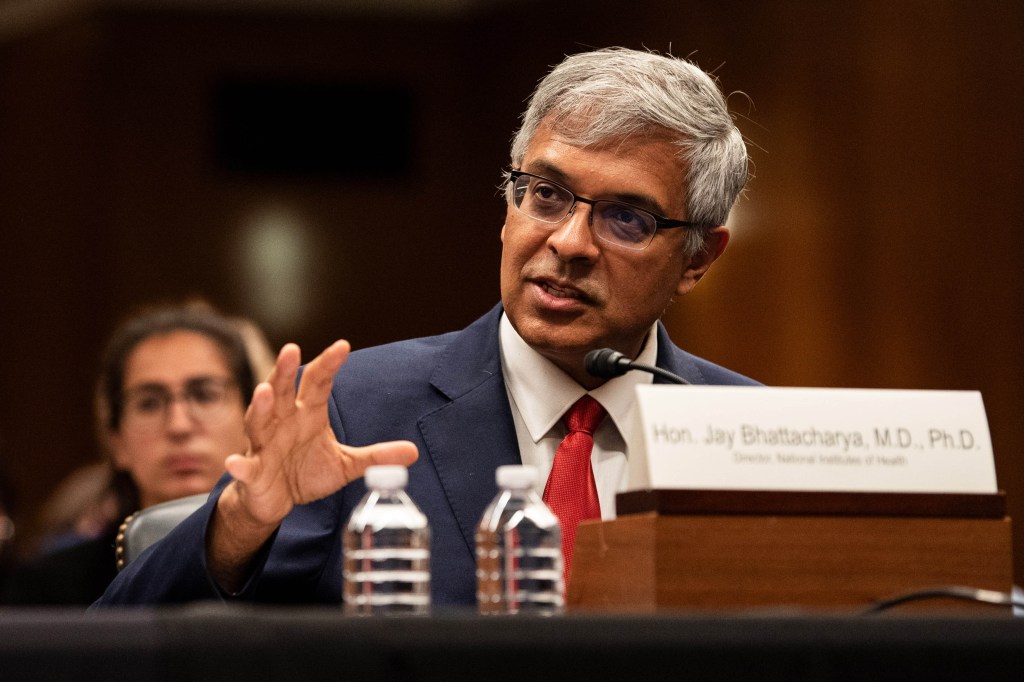
- Remarks at the Financial Stability Oversight Council Meeting
- RWJF: Between 5M and 10M people could lose Medicaid coverage in 2028 under work requirements
- New therapy animal program aims to support 100K patients, providers
- Pulse check on Lilly's GLP-1 fortunes
- Gen Z nurses prioritize schedule flexibility, need more manager interactions to avoid turnover
- How pharma marketers can capitalize on HCPs’ AI, social media and streaming habits
- Federal Officials Investigate States That Require Abortion Coverage
- Corcept's lead drug bounces back from FDA snub with different approval as Lifyorli in ovarian cancer
- Ionis slashes Tryngolza's price tag by 93% ahead of anticipated label expansion
- FDA approves Denali's Hunter syndrome drug, handing rare disease community a win
- Baby Walkers Sold on Amazon Recalled Over Fall Risk
- Want To Protect Your Brain? Science Says Exercise
- HelloFresh Pizza Recall Issued in 10 States Over Metal Risk
- Clinical Trials Have Too Much Data…That’s the Problem.

- Clinical Trials Have Too Much Data…That’s the Problem.
- CMS reveals new Medicaid model that supports coordination for children with complex needs
- Novartis sued by breast cancer patient over branded drug websites’ data-sharing practices
- Takeda targets $1.3B in cost savings in further restructuring
- Biogen pays $20M upfront to tap into Alteogen's subQ delivery tech
- 'Universal Donor' Blood Supplies Dangerously Low, Study Warns
- Why Stepping Outside May Help You Eat Better
- U.S. Medicine, Science Facing An Online Misinformation Siege, Poll Concludes
- Childhood Obesity Undercuts The American Dream For Some, Study Says
- Inclusive High Schools Benefit All Students, Not Just LGBTQ Teens
- Parental Loss Due to Drugs, Violence Raises Child Death Risk by 2,000%
- As Boehringer touts US launches, board chairman worries EU is 'falling further behind'
- The evolving state of exome and genome sequencing
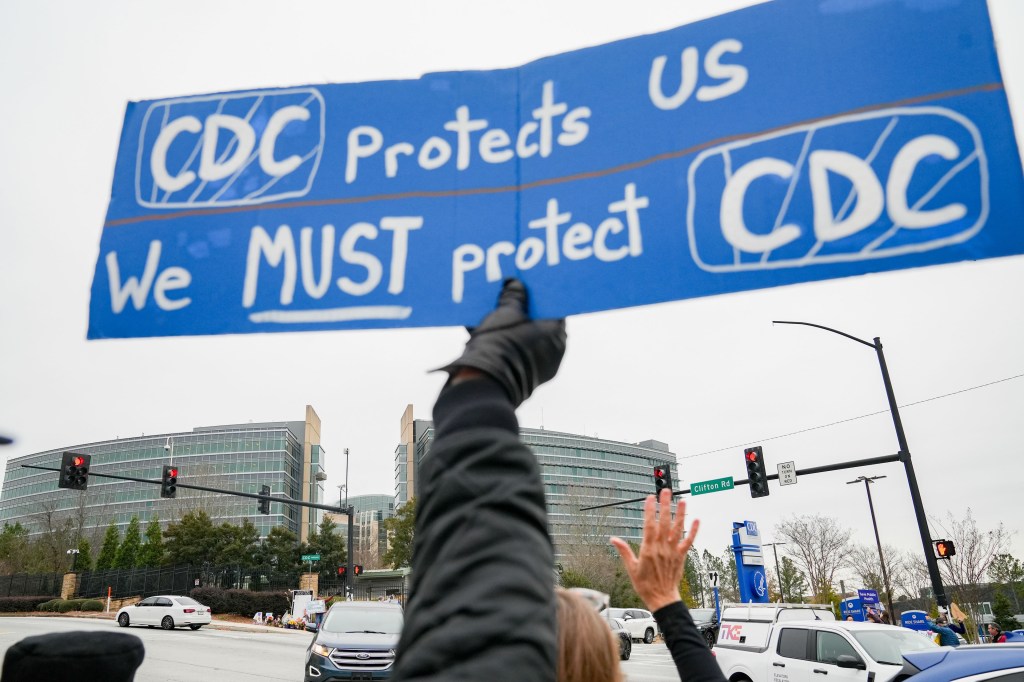
- Demoralized CDC Workforce Reels From Year of Firings, Funding Cuts, and a Shooting
- An Arm and a Leg: Steep Health Care Costs Steer Americans to Tough Decisions

- Qualified Health locks in $125M in fresh funding to scale enterprise AI at health systems
- Misery Loves [Investment] Company?: Remarks at the 2026 Investment Company Institute Investment Management Conference
- Study: Nearly 1 in 5 pediatric hospital deaths involve sepsis
- As expansions come online, CDMO Hovione aims to meet industry's 'dual supply and sourcing' zeal: exec
- Opening Remarks at the Digital Asset Summit 2026
- CVS Caremark, FTC reach settlement in insulin pricing case
- UCB unveils plan to build $2B biologics plant near its US headquarters in Atlanta
- PeaceHealth sued over plans to tap out-of-state staffer ApolloMD for Oregon EDs
- New Lyme Disease Vaccine Shows Strong Results in Trial
- TrumpRx Adds Diabetes, COPD Drugs at Steep Discounts
- Highmark reports $175M net loss for 2025 as financial headwinds batter health plan
- Listen to the Latest ‘KFF Health News Minute’

- Abivax hires commercial chief from Takeda to infuse Entyvio expertise into IBD launch prep
- ImmunityBio hit with FDA warning letter over Anktiva promotions in TV ad, podcast episode
- Alcohol Prep Pads Recalled Over Bacteria Risk, Cardinal Health Says
- Fewer patients traveled for abortions in 2025 as telehealth care increased, report finds


Medicaid reference emphasized in bold by me.
EXCLUSIVE: Calls Come for Fraud Investigations Into Ohio Day Cares
Rebecca Downs | December 30, 2025
FIRST ON THE DAILY SIGNAL—Suspicion of fraud in Minnesota appears to be just the tip of the iceberg. With fraud suspected in Ohio as well, state legislators are on the move. State Rep. Josh Williams, a Republican, is calling for immediate investigations into day care centers, specifically in the Columbus area.
On Tuesday, Williams sent a letter signed by dozens of other lawmakers to the Ohio Department of Children and Youth. The legislators are calling for “unannounced inspections” of daycare facilities that may be suspected of fraud in the Columbus area.
The letter, shared with The Daily Signal, emphasizes the “unannounced” nature, with such inspections described as “an essential tool to identify violations, deter fraudulent practices, and reinforce confidence in the oversight of publicly funded programs.”
“There have been widespread public reports alleging that certain childcare facilities participating in publicly funded childcare programs are fraudulently billing the State of Ohio for children who are not actually in attendance. These allegations raise serious concerns regarding program integrity, the responsible use of taxpayer dollars, and the overall credibility of Ohio’s publicly funded childcare system,” the letter shares.
The lawmakers speak of a further step as well.
“Taxpayer dollars must be protected, and entities found abusing publicly funded programs must be swiftly held accountable. Continuing to direct state funding to facilities suspected of fraudulent conduct is unacceptable, and the Ohio House of Representatives will act accordingly based on the findings and seriousness of this investigation,” the letter reads.
Williams also spoke to The Daily Signal about his aim in sending out such a letter, which is to get the executive branch to further use its authority. “It’s the legislative branch trying to put the onus on the executive branch to do your job and enforce the laws and regulations, which we think is lacking currently,” he said.
Getting to the bottom of such fraud, Williams stressed, requires “robust efforts” when looking into “suspicious” childcare facilities, with a focus on metropolitan areas. Better screening processes are also key.
Concern exists in Ohio because, as Williams put it, the state “is prime for fraud,” especially as it applies to Medicaid. The state representative spoke specifically of expanded programs involving in-house family members acting as aides.
Williams also wished to discuss a bigger picture, including as it applies to the Department of Government Efficiency.
The Ohio version of DOGE, he explained, is the state auditor, though the auditor cannot proactively probe for fraud, and has to do it in response to a call for action. This, Williams explained, is where “Ohio is lacking a little bit.”
DOGE’s aim to go after fraud, waste, and abuse at the state and federal level earned praise from Williams, who specifically cited President Donald Trump and called for such efforts at the state level. He also called out state Democrats who promote funding for a variety of “free” resources, including underperforming schools.
“That’s state tax dollars that could be allocated towards some of those programs to shore up the American dream for actual taxpaying Americans,” Williams added.
The state representative promises to continue following the issue, which also involved a discussion about who is alleged to be engaged in such fraud. Concerns abound about Somali communities in Minnesota.
“I don’t like to demonize any particular group of it, okay? But what we’re seeing is average Americans are not engaged in coordinated cross-level, cross-department type of fraud. It is a consolidated community that essentially has a code of silence and are actively participating in this style of fraud,” Williams offered.
“When it’s within a close-knit community that has a code of silence, that has their own cultural ideologies that are different than the American dream, it makes it prime for fraud, waste, and abuse.”
In addition to unannounced visits, lawmakers are also asking for audits into attendance records and billing submissions; to “immediately suspend or withhold any further state payments” to facilities “where inspections or audits indicate probable fraud”; refer cases to prosecuting authorities; provide the General Assembly with a summary of findings; and continued cooperation with the Ohio Department of Jobs and Family Services’ inspection programs and assets.

On Deck: California !
California likely next step in federal fraud probes after newest revelations in benefit programs
Fake student applications, Medicaid for illegal immigrants, and profligate food programs could make California the next target for federal scrutiny over allegations of benefit fraud.
By Steven Richards - January 2, 2026From fake student applications seeking aid to unapproved Medicaid benefits for illegal immigrants, California is shaping up to be the next battleground for entitlement fraud after mushrooming Minnesota scandals reminded Americans how much of their tax dollars get misused. Even Democrats like California's Rep. Ro Khanna are concerned the Golden State may have provided a golden opportunity for fraudsters.
President Donald Trump says the confirmed and alleged fraud in Minnesota, which was targeted at the state’s food assistance program, daycare facilities, and medical programs is small “peanuts” compared to the fraud in other states.
“California is worse, Illinois is worse and, sadly, New York is worse — a lot of other places,” Trump said during a New Year’s Eve event. “So, we’re going to get to the bottom of this.”
Tackling state-level fraud a bi-partisan matter
The suggestion that there is fraud in California’s social programs seems to have drawn bipartisan agreement. Khanna, who represents the Silicon Valley in the San Francisco Bay Area, has embraced efforts to tackle state-level fraud to build support for a new wealth tax and ensure its revenues are not wasted.
“If you want, as I do, to advocate for Medicare for all, to advocate for higher taxes, you have to have the public trust,” Khanna said in an interview with CNBC. “People need to have a receipt for what their money is going toward. You can’t have corruption in the government and waste in the government and then expect people to support the progressive ideals that I have.”
Khanna’s proposal, which he said would involve a bipartisan partnership with the House Oversight Committee to investigate state-level fraud, came after a recent report from the California State Auditor earlier this month which designated the state’s Department of Social Services a “high risk” to the financial health of the state as a result of its elevated nutrition assistance program’s high payment error rate.
The problem, according to the auditor, is the state’s CalFresh program, which administers federal Supplemental Nutrition Assistance Program (SNAP) funds. Due to changes in the One Big Beautiful Bill that President Donald Trump signed into law earlier this year, the federal government is no longer guaranteed to cover the whole cost of state programs.
States on the hook for excessive payments made in error
Instead, if states have a payment error rate above a certain threshold, the state is required to contribute anywhere from 5% to 15% of the total program cost with its own funding source. The payment error rate is the rate of over or underpayments of benefits. While California’s payment error rate of about 10% is in line with the national average, it lies above the 6% threshold imposed by the OBBB.
“Because the recent federal changes to SNAP will require California to shoulder part of the cost of the program’s benefits, CalFresh is now a high‑risk program. If the State does not decrease its [payment error rate], it will likely need to spend about $2 billion annually to maintain CalFresh benefits,” the state auditor warned.
“This is particularly concerning considering that California faces growing multiyear budget deficits, as well as a $20 billion operating deficit for SFY 2026–27. The addition of these significant, new state costs will jeopardize a key program for Californians in need and pose a serious impediment to balancing the State’s budget,” the report concluded.
Some states resisting cooperation to fight fraud
The Trump administration believes there is “massive fraud” within the SNAP and other federal benefits programs. Earlier this year, Agricultural Secretary Brooke Rollins requested that states turn over SNAP program data, but a coalition of states sued the administration to block access. California, the state with the greatest number of SNAP recipients at 5.3 million, led the lawsuit. In the data turned over by cooperating states, Rollins said the administration had already uncovered fraud.
One avenue of potential fraud is the growing number of apparent liquor stores and smoke shops that are approved as retailers under the program, which was designed to improve Americans’ nutrition during the Great Depression. According to the Foundation for Government Accountability, which shared the data with Just the News, nearly half of all the liquor and smoke shops it identified in the USDA database were located in California.
In addition to its food programs, California’s community college system has been the subject of growing financial aid fraud in recent years. According to the Los Angeles Times, more than 1.2 million fake students applied to community colleges across the state in 2024 alone.
Because every student that applies to the state schools is admitted, and there are more options for remote and hybrid classes since the COVID-19 pandemic, scammers use the fake profiles to cash in on both federal and state financial aid. According to the Times, the scammers–often running multiple student profiles at once–stay enrolled in classes long enough to collect aid for books, housing, food or other needs and use it for other expenses, like vacations and designer items.
Though the California Community Colleges system captures many of the fraudulent student profiles, data from the chancellor’s office show about $8.4 million in federal and $2.7 million in state aid were stolen in 2024, the Times reported.
In June, the Department of Education implemented new identity verification requirements after California Congressman Kevin Kiley sent a letter warning about the fraud in his state. Part of the changes include a new requirement for an applicant to present an unexpired, valid government ID. The department specifically cited the growth in aid fraud at California’s community colleges for its decision.
Inspector General: "California improperly claimed $52.7 million in Federal Medicaid"
Additionally, the federal Health Department has raised concerns about potential fraud in California’s Medicaid system. The Health and Human Services Department Inspector General determined earlier this year that the state improperly claimed $52.7 million in federal Medicaid reimbursement for payments made on behalf of illegal immigrants.
States are generally prohibited from using any federal money to cover care for such individuals and would normally have to pay out of their own state budgets if they provide care to illegal immigrants, the inspector general said in its May report.
“California improperly claimed $52.7 million in Federal Medicaid reimbursement because it continued to use the proxy percentage that was developed in the early 2000s without assessing whether the percentage correctly accounted for the costs of providing nonemergency services to noncitizens with [Unsatisfactory Immigration Status] under managed care. In addition, California did not have any policies and procedures for assessing and periodically reassessing the proxy percentage,” the inspector general wrote.
But this is only a part of the Medicaid story. There are also concerns that California is using a loophole in the law to funnel billions of federal dollars into paying for healthcare for illegal immigrants, according to a report released earlier this year by the Paragon Health Institute and the Economic Policy and Innovation Center.
According to the report, California “taxes Medicaid insurers and then makes higher payments to those same insurers with that tax revenue. The higher payments enable the state to claim additional federal matching dollars.” These surplus funds are then available to the state to use elsewhere, like expanding Medicaid services for illegal immigrants.
"The state of California, colluding with insurance companies who cover Medicaid beneficiaries, has created one of the most outrageous ones yet, a money laundering scheme that results in California obtaining more than $19 billion in federal money without any state contribution over the period from April 2023 through December 2026,” President of EPIC Paul Winfree told Fox News earlier this year.
From PowerLine Blog's TWiP ! 🤣
https://www.powerlineblog.com/archives/2026/01/the-week-in-pictures-the-coup-continues.php
@10x25mm that's excellent! Victor Davis Hanson has been talking about Medi-Cal fraud for years. I can't wait to see what the DOJ finds.
Get MHF Insights
News and tips for your healthcare freedom.
We never spam you. One-step unsubscribe.
Sponsors
Friends of MHF





Kirsten DeVries
Tom & Karen Nunheimer
Steve Ahonen
Ron & Faith Bosserman
Marlin & Kathy Klumpp
Sign Up for MHF Insights to keep up on the latest in Michigan Health Policy