- Urgent Care Clinics Move To Fill Abortion Care Gaps in Rural Areas
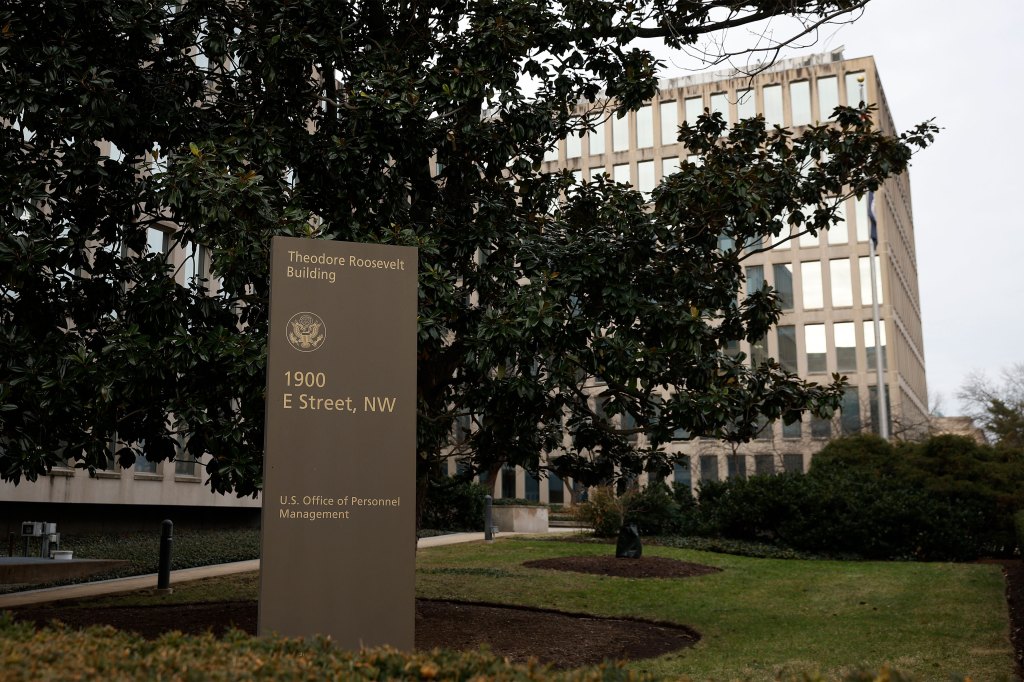
- Trump’s Personnel Agency Is Asking for Federal Workers’ Medical Records
- Medicaid expansion tied to higher opioid treatment rates: 3 study notes

- Hennepin taps former interim CEO to lead system
- Arkansas hospital to close after 3 years, transition to psych facility
- Arkansas hospital to close after 3 years, transition to psych facility
- Connecticut hospital workers vote to decertify union
- Signature Healthcare continues diverting ambulances amid cyber incident
- Healthcare affordability leads as Americans’ top concern: Gallup
- Healthcare affordability leads as Americans’ top concern: Gallup
- FDA Approves First Generic Farxiga (dapagliflozin) Tablets
- The Margin Pressure Solution: Why Automating Patient Refunds Is a Smart Place to Start
- The Margin Pressure Solution: Why Automating Patient Refunds Is a Smart Place to Start
- North Carolina dental board sends updated sedation guidelines
- HCA Kansas hospital COO exits for new role
- Virginia system consolidates physician management, closes observation unit
- Encompass taps regional president
- ‘Gaining the trust back’: The mission driving 1 Arkansas rural hospital
- Moody’s upgrades Kettering Health’s credit rating
- Dental AI company closes $20M seed funding round
- Insurers have cut prior auth requirements by 11%: AHIP-BCBS
- United Digestive to open Georgia ASC
- Ohio updates CRNA laws
- 25 ASC closures in 5 years
- The new world of ASC real estate
- Consumer dental spending continues to rise
- Connecticut bill would allow hygienists to treat patients at private residences: 5 notes
- Why dentists’ economic confidence is rising
- A federal policy that could worsen CRNA shortages
- Physicians call for safeguards for small practices amid CMS fraud crackdown
- NYC Health + Hospitals opens 104-bed therapeutic housing unit
- Google to donate $30M to expand mental health crisis support
- SSM Health to open $150M children’s hospital
- The specialist shortage quietly threatening ASCs
- ¿Puedo decirle a mi médico que no quiero que use la inteligencia artificial para tomar notas?

- AI adoption grows in mental healthcare amid clinical concerns
- Yale New Haven Health hospital's tele-ICU model highlighted in wrongful death lawsuit
- Jefferson Health hits Aetna with lawsuit over controversial 'downcoding' policy
- ForSight Robotics completes world’s 1st fully robot-assisted cataract surgery
- The 10 best, worst states for pediatric oral health in 2026
- New Hampshire system opens cardiovascular operating room
- ADA adds new guidelines on oral cancer detection
- Insurers have eliminated 11% of prior authorizations under reform pledge
- The fastest-growing dental companies in 2026
- West Virginia hospital inches closer to critical access status
- Mercy hospital to invest $60M in facility upgrades
- Revenue cycle functions health systems outsource most
- 13 hospitals, health systems shuttering services in 1 month
- Massachusetts provider names regional medical director
- 23 revenue cycle executive moves in 2026
- Sagent Behavioral Health taps CEO
- UC Davis expands pediatric care with mobile clinic
- Remarks at the Texas Stock Exchange Event: Welcome to the Boom Belt: A Return to First Principles in Public Markets
- Wawa Recalls Drinks Over Undeclared Milk Allergen
- Scientists Test New Ways To Regrow Joints Damaged by Arthritis
- Listen to the Latest ‘KFF Health News Minute’

- Personas mayores inmigrantes pierden la cobertura de Medicare a pesar de haber aportado por años

- U.S. Plans Tariffs up to 100% on Some Brand-Name Drugs
- This New Method May Make French Fries Lower in Fat
- Sonrava Health to add Overjet’s AI to its 450+ practices
- Judge vacates HRSA's restriction on 340B hospital 'replenishment models'
- Menopause care provider Alloy Health expands weight care program
- With Gardasil demand shortfall in China, Merck and Zhifei adjust their partnership
- Americans May Be Losing Trust for AI in Health Care: Survey
- Cheap Blood Test Might Spot Cancers, Other Diseases
- Danger at Home: Cleaning Products Are Harming Kids
- Could a High-Dose Flu Shot Lower Your Alzheimer's Risk?
- Portable Scanner Spots Vision Issues in Poorer Communities
- Having a Baby? You May Need to Travel Farther Than Before
- Vertex taps Halozyme and its recently acquired Elektrofi tech in $15M drug delivery deal
- FDA seeks legislative teeth to bite back against misleading DTC drug ads
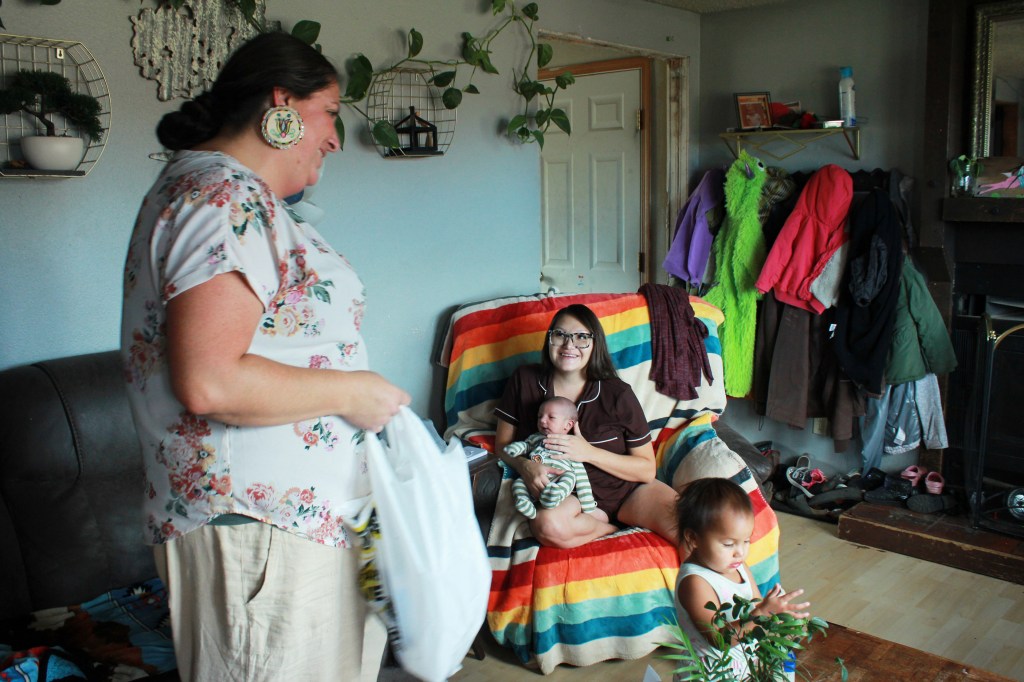
- This Northern Cheyenne Doula Was About To Start Getting Paid — Then Medicaid Cuts Hit
- Can I Opt Out of Having My Doctor Take Notes With AI?
- Waystar builds out AI solution to uncover lost provider revenue from payer 'take-backs'
- Education requirements for Arizona’s oral preventive assistant law gets pushback: 9 notes
- UAMS program targets youth behavioral health, workforce pipeline
- California universities to use $110M donation to expand behavioral health workforce
- 5 ways systems increase behavioral health sustainability
- CMS gives Medicare Advantage rates a 2.48% bump for 2027 plan year in final rule
- Ascendiun CEO Paul Markovich wants the industry to back a policy reform movement focused on affordability, tech innovation
- Counsel Health expands primary AI care model to include lifestyle, chronic conditions
- Allevion Medical Receives 510K Clearance for Vantage Spinal Decompression System
- Allevion Medical Receives 510K Clearance for Vantage Spinal Decompression System
- Patient cost sharing plays bigger role in rural hospital revenues, claims study shows
- Disputing Link, Raw Dairy Farm Recalls Raw Cheese After Outbreak
- La búsqueda de Trump de inscritos indocumentados en Medicaid arroja muy pocos infractores

- CMS unveils new Medicare pilot for hemp, CBD products
- New Plan Aims To Track Microplastics in U.S. Drinking Water, EPA Says
- Over 3 Million Eye Drops Recalled Amid Sterility Concerns
- New White House Budget Plan Would Reduce HHS Funding by Billions
- ImmunityBio responds to FDA scrutiny over Anktiva promotional claims with new protocols
- Healthcare Dealmakers—Sutter Health, Allina Health's $26B combination, UHS' $835M Talkspace purchase and more
- Ambience Healthcare launches Chart Chat, an EHR-integrated AI copilot for nurses
- Científicos de Estados Unidos secuencian 1.000 genomas del sarampión, eliminado durante años gracias a las vacunas
- Anthropic acquires stealth AI startup Coefficient Bio in $400M deal: reports
- Insulet's Omnipod takes Type 2 diabetes representation to the TV screen in 'Scrubs' revival
- Move Over, Cigarettes: Vapes Now the Leading Nicotine Danger for Kids
- DNA-Based Blood Test Could Help Guide Throat Cancer Treatment
- New Technologies Make Lung Cancer Diagnosis, Treatment Quicker and Safer
- Could Low Birth Weight Raise Odds for an Early Stroke?
- Getting a Scan? Time to Results Has Doubled Since 2014
- Autoimmune Diseases Like Lupus, Psoriasis May Raise Cancer Risk
- Neurocrine, eying ‘blockbuster in the making,’ strikes its largest-ever M&A deal with $2.9B Soleno buyout
- Amgen scores with trial of on-body injected version of Tepezza in thyroid eye disease
- Immigrant Seniors Lose Medicare Coverage Despite Paying for It
- Eli Lilly takes the court with 150th anniversary campaign to catch Final Four crowd
- VML Health urges marketers to shift from lifespan to ‘joyspan’ as patient goals evolve
- What Sea Creatures Reveal About How Fast People Age
- How to Tell if Spring Symptoms Owe to Allergy, Cold or Something More Serious
- 5 major insurers, vendor Zelis must face 'repricing' antitrust claims, judge rules
- Kaiser Permanente breaks ground on Oregon’s ‘first fully electric and sustainable’ hospital in Oregon, sets 2029 opening
- USDA Warns of Lead Risk in Frozen Dino-Shaped Chicken Nuggets
- New Heart Diet Advice Counters U.S. Guidance on Meat and Dairy
- Peeled Garlic Recalled Over Risk of Deadly Botulism
- Some CDC Lab Testing Paused Amid Internal Review
- White House floats 12.5% budget cut for HHS in FY2027, reiterates reorganization plan
- March M&A surge triggers high expectations for 2026
- The Healthcare Burnout Backlash (pt 2): Positioning AI pilots for success within EHR-integrated environments
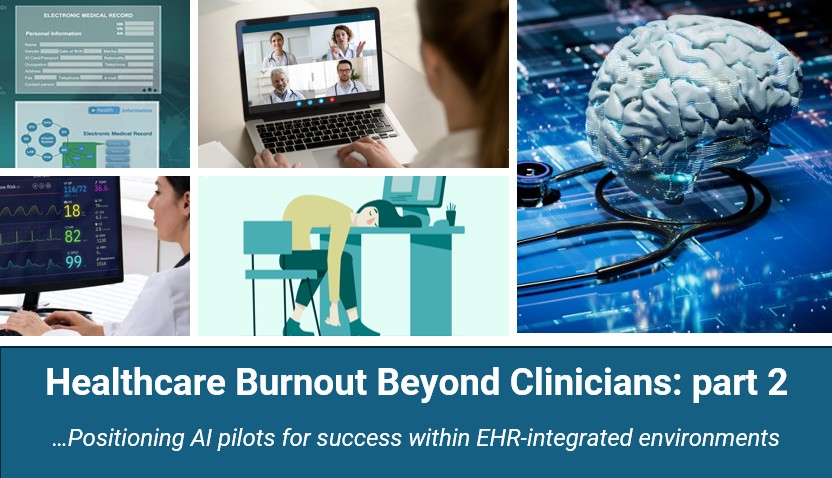
- The Healthcare Burnout Backlash (pt 2): Positioning AI pilots for success within EHR-integrated environments
- With Sanofi and Pfizer deals, Novavax bets on ‘amplification strategy’ to drive vaccines engine
- Boston Scientific receives FDA clearance for the Asurys Fluid Management System
- Boston Scientific receives FDA clearance for the Asurys Fluid Management System
- Serenity Medical Receives FDA Humanitarian Device Exemption for IIH Venous Stent
- Serenity Medical Receives FDA Humanitarian Device Exemption for IIH Venous Stent
- Blue Shield of California’s virtual-first plan continues to show lower costs, increased access for members
- Merit Medical Acquires View Point Medical, Inc., expanding the Merit Therapeutic Oncology Portfolio
- Merit Medical Acquires View Point Medical, Inc., expanding the Merit Therapeutic Oncology Portfolio
- FDA Publishes New Set of Real-World Evidence Examples

- FDA Publishes New Set of Real-World Evidence Examples
- Industry Voices—Hospitals are fueling AI innovation, should they own a piece of it?
- Nerve Stimulation Therapy May Ease Fibromyalgia Pain, Fatigue
- Psychotherapists Often Poorly Trained in Treating Muscle-Linked Disorders in Males
- Missing From Most Doctor-Patient Talks: Sleep Issues
- Plastics Chemical Linked To Nearly 2 Million Preterm Births Each Year
- Most Americans Don't Realize Brain Donation Is Needed to Study Autism
- Weekend Binge Drinking Triples Risk of Permanent Liver Damage
- An update on the pharma industry’s reshoring effort
- Biopharma R&D pipeline shrinks for 1st time in 30 years: report
- Fierce Pharma Asia—Trump’s 100% drug tariff; Takeda layoffs; Lilly, Insilico's AI deal
- CMS locks in MA star ratings overhaul, bumps proposed special enrollment window for provider terminations
- Trump slaps 100% duties on imported drugs but leaves plenty of exceptions
- UK signs off on US pharma deal, ensuring tariff reprieve as Britain aims to reattract investments
- BioNTech telegraphs closure of Singapore vaccine facility amid efforts to 'align capacity'
- FDA Recalls Wawa Milk Over Possible Plastic Contamination
- Wegovy Maker Launches Lower-Cost Subscription Plans
- FDA Approves New Weight Loss Pill, Foundayo, in Record Time
- Rising Stars: The Trade Desk's Elizabeth Keenan finds the rhythm in music and media
- Lawsuit Over Viral David Protein Bars Dropped Without Explanation
- Lilly's obesity pill Foundayo gains early blockbuster forecast as analysts float 5M+ prescriptions in 2026
- Trump eyes 100% tariff rate for companies that have not struck MFN deals: Bloomberg


There's big money behind newborn testing, exposed when Michigan and New York floated bills for Thalassemia and Sickle Cell Anemia testing in 2022-23. Treatment with new CRISPR gene technology then cost $2.2 Million per person.
Newborn blood spot testing, storage, and research are administered by MDHHS, which takes privacy and individual autonomy more seriously than it did before being sued in 2013.
One baby in every 450 Michigan births tests positive for a condition. Testing and treatment is covered by Medicaid and other state aid for the uninsured.
https://www.medpagetoday.com/special-reports/features/115070
HHS Scraps Advisory Committee on Newborn Screening
— Cut comes as new conditions could have been added to a national screening panel
by Jennifer Henderson | April 10, 2025
As cuts sweep across federal health agencies, the Advisory Committee on Heritable Disorders in Newborns and Children (ACHDNC) has been terminated.
Notably, the ACHDNC, which sits under the Health Resources and Services Administration, is responsible for the Recommended Uniform Screening Panel (RUSP), a standardized list of dozens of conditions the HHS secretary recommends states screen for as part of their universal newborn screening programs.
"This is an absolutely essential committee for the life of America's babies," Susan Berry, MD, professor of pediatrics in the division of genetics and metabolism at the University of Minnesota in Minneapolis, who served as a member of the ACHDNC from 2017 to 2020, told MedPage Today. "It's an incredible public health protection, and to lose it is ... heartbreaking. People are shocked and frightened by it."
If the goal is a healthy America, "you want newborn-screened babies [and] the committee is what you need for that," added Berry, who also is director of the National Organization for Rare Disorders (NORD) Rare Disease Centers of Excellence at the University of Minnesota. "We have to have that committee back. It has to be reinstated."
If no action is taken to remedy the loss of the advisory committee, some states may be able to evaluate and determine new conditions that are good candidates to be added to their newborn screening panel while others can not, Allison Herrity, senior policy analyst at NORD, told MedPage Today.
"There are often already health disparities between states that have a large amount of resources for things like this and states that don't," Herrity said. And the termination of the ACHDNC "will just exacerbate those disparities."
The termination comes about 1 month shy of an advisory committee meeting (that had already been delayed earlier this year) to decide whether two conditions -- metachromatic leukodystrophyopens in a new tab or window (MLD) and Duchenne muscular dystrophy (DMD) -- would be added to the RUSP, experts told MedPage Today.
There are new and promising gene therapies for these conditions, and their addition to the screening panel now hangs in the balance, adding to the dismay.
"It's really catastrophic ... that we would not be leveraging all of the great work done on the innovation side to keep these children from the incredible harm that they are facing, and their families," NORD CEO Pamela Gavin told MedPage Today. (Gavin previously released a public statement on the termination of the ACHDNC.)
Many who are advocating for conditions such as MLD and DMD to be added to the RUSP have been personally affected and want to spare other families from their experiences, Herrity noted.
Author and advocate Maria Kefalas, PhD, lost her daughter to MLD in 2022.
Children with MLD often present around 2 years of age, she said. They lose the ability to walk and talk within months of symptom onset, become paralyzed and feeding-tube dependent, and usually die between the ages of 6 and 10 years.
"My daughter lived until she was 12 years old," Kefalas said. "It was like ALS [amyotrophic lateral sclerosis] and Alzheimer's in a baby."
Kefalas said her daughter had more than 1,700 provider contacts in the 10 years following her diagnosis. Her daughter also was in the intensive care unit multiple times, was intubated, and experienced a C-curve in her body. "And we have the capacity to prevent that from happening," Kefalas said.
Next month, families planned to descend on Rockville, Maryland "to hear what they had been waiting for," that MLD would be added to the RUSP, Kefalas said. "And they just shut it down."
Clinicians have similarly sounded the alarm.
Mira Irons, MD, president of the American College of Medical Genetics and Genomics (ACMG), told MedPage Today in emailed remarks that the ACMG is "deeply concerned" about the termination of the ACHDNC.
"For more than two decades, this committee has played a critical role in safeguarding and advancing the nation's newborn screening system by providing evidence-based recommendations to ensure timely identification and intervention for infants with serious, often life-threatening genetic conditions," Irons said.
"The loss of this independent, expert advisory body threatens to disrupt a process that has had a profound impact on public health and the lives of countless families," Irons added. "The ACHDNC has served as a vital forum for scientific and clinical guidance and has provided a place for patient perspectives to be heard. Newborn screening programs in every state in the U.S. rely on the recommendations developed by ACHDNC."
Irons noted that ACMG developed a list of recommended conditions for newborn screening that was used to create the initial RUSP.
"ACMG remains committed to supporting a strong and effective national newborn screening system and to advocating for the infrastructure necessary to continue improving early detection and care for children with heritable disorders," she added. "We will be advocating for reinstatement of the ACHDNC and are considering ways to ensure that the valuable work of the committee is not lost in the interim."
Each year, newborn screening identifies around 14,000 babies with serious conditions, according to NORD.
The addition of MLD and DMD to the RUSP would identify an estimated 400 to 450 more infants annually that could be treated to prevent life-altering outcomes, including death, the organization contended.
Regarding the termination of the ACHDNC, HHS did not respond to request for comment.
Get MHF Insights
News and tips for your healthcare freedom.
We never spam you. One-step unsubscribe.
Sponsors
Friends of MHF




Kirsten DeVries
Tom & Karen Nunheimer
Steve Ahonen
Ron & Faith Bosserman
Marlin & Kathy Klumpp
Sign Up for MHF Insights to keep up on the latest in Michigan Health Policy