





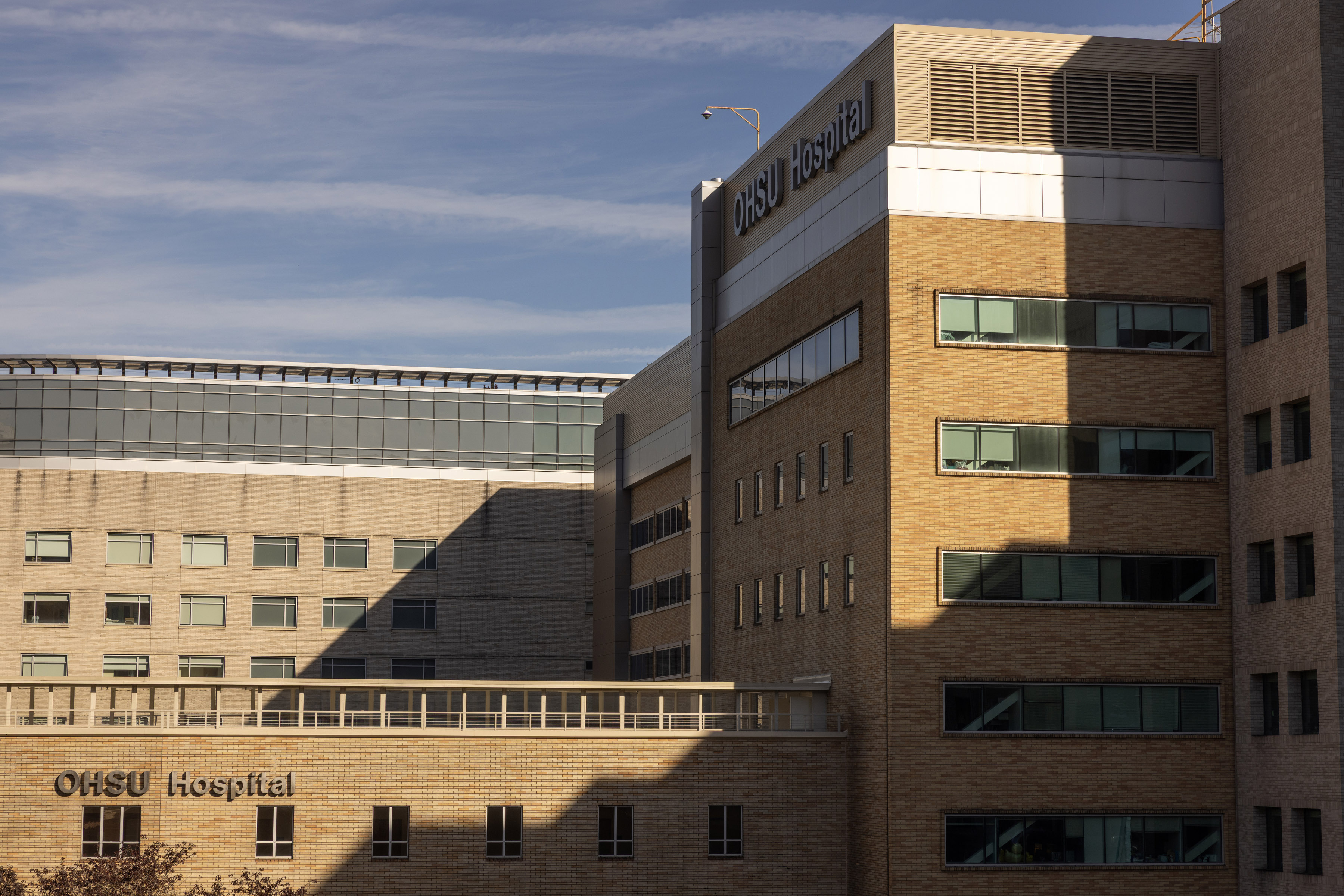


Michigan healthcare freedom community forum

Cost of passing one bill in Michigan has been estimated to be around a quarter million dollars.
Currently, Michigan bill analysts are required to estimate each bill's cost to state and local governments.
If I could have one wish for these procedures, it would be for analysts to include the cost to healthcare facilities, professionals, or whoever will bear the primary cost of new regulation.
Patients always bear the final cost burden, and as taxpayers we all have the right to know the full impact of new law.
Italics indicate non-health policy items.
Wednesday, October 22, 2025 2:00 p.m.
AGENDA
SB 595 Sen. Lindsey Land use: other; Michigan-Indiana boundary; provide for survey of parts and for grants to county remonumentation programs.
SB 443 Sen. McCann Health facilities: other; surgical smoke plume evacuation plan; require.
SB 604 Sen. Polehanki Liquor: authorized distribution agents; authorized distribution agent fees; increase.
And any other business properly before the committee.
The bill has passed the Senate and awaits action in the House. You can track progress at the bill link above.
Tuesday, October 28, 2025 1:30 p.m.
AGENDA
SB 443 Sen. McCann Health facilities: other; surgical smoke plume evacuation plan; require.
SB 512 Sen. Singh Liquor: distribution; general amendments; provide for.
SB 513 Sen. Hauck Liquor: other; definition of brand; modify.
HB 4042 Rep. Carter Food: service establishments; exemption for certain outdoor event spaces; provide for.
HB 4276 Rep. Snyder Liquor: retail sales; restrictions on licensees owning and operating a motor fuel pump; modify.
And any other business properly before the committee.
The Association of periOperative Registered Nurses (AORN), a professional lobbying organization promoting this legislation, tracks passage in the states.
Its release is clipped for length.
Score! Surgical Smoke Evacuation Mandates Now the Law in 20 U.S. States
Joe Paone | 9/24/2025
The movement to remove toxic surgical smoke from the nation’s ORs has reached another milestone, as 20 states have now passed laws that mandate usage of smoke evacuation systems for every plume-generating procedure that takes place in their surgical facilities.
The latest states to join the surgical smoke evacuation movement came on board this summer: North Carolina and Delaware.
<clip>
As of mid-September, the list of states that have mandated surgical smoke evacuation by law now consists of these 20: Arizona, California, Colorado, Connecticut, Delaware, Georgia, Illinois, Kentucky, Louisiana, Minnesota, Missouri, New Jersey, New York, North Carolina, Ohio, Oregon, Rhode Island, Virginia, Washington and West Virginia.
While this incredible amount of progress has been made across the country, AORN, state-level associations, perioperative professionals and other stakeholders continue the hard work, year upon year, of bringing the remaining 30 U.S. states on board with their own smoke evacuation laws.
This year is no exception. Bills have been under consideration by legislators, but not yet passed into law, in nine additional states in 2025: Arkansas, Florida, Hawaii, Massachusetts, Michigan, Oklahoma, Pennsylvania, South Carolina and Texas.
As of mid-September, Ms. Pennock says the bills in Massachusetts, Michigan, Pennsylvania and South Carolina are moving forward and could possibly carry over into 2026.
<clip>
As a former surgery nurse, I'm familiar with the sight, sound and smell of cautery and laser. However, I object to the impression lobby organizations may convey to the uninitiated of smoke-filled rooms. Healthcare leaves that sort of thing to politics.
Health Facilities Management comes a little closer to quantifying the problem, as well as identifying current regulation and the proposed solution in this April, 2024 article.
https://www.hfmmagazine.com/articles/4967-surgical-smoke-codes-and-safety-issues
Surgical smoke codes and safety issues
... According to a report from the Occupational Safety and Health Administration (OSHA), OR staff may inhale substances present in surgical smoke at concentrations up to 50 times the permissible exposure limits set by the National Institute for Occupational Safety and Health.
The health risks associated with exposure to surgical smoke are numerous and varied. Studies have linked prolonged exposure to an increased risk of respiratory and ocular issues among OR staff. The inhalation of toxic substances in surgical smoke has been associated with both short- and long-term health consequences.
Surgical smoke can contain:
- Particles (e.g., fine particulate matter).
- Chemicals, including aromatic hydrocarbons (e.g., benzene, toluene and xylenes); volatile organic compounds (e.g., acetone and aldehydes [acetaldehyde, formaldehyde]); polycylic aromatic hydrocarbons (e.g., naphthalene, phenanthrene, benzo[a]pyrene and anthracene); hydrogen cyanide; inorganic gases (e.g., carbon monoxide); and nitrates (e.g., acetonitrile and acrylonitrile).
- Biohazard materials, including viruses (e.g., HPV, HIV and hepatitis B), bacteria, blood and potentially viable cancer cells.
Chronic exposure to surgical smoke has been linked to respiratory symptoms, including coughing, wheezing and nasal congestion.
In addition to causing respiratory illness, asthma and allergy-like symptoms, there are documented cases of HPV transmission from patients to providers via surgical smoke inhalation.....
[no citations listed]
While OSHA acknowledges the hazards related to surgical smoke, no OSHA standard explicitly requires surgical smoke evacuation at the source, and the issue is left to interpretation under OSHA’s General Duty Clause...
<clip>
The Joint Commission recognizes the hazards surgical smoke poses to OR occupants but stops short of requiring evacuation at the source. In December 2020, The Joint Commission issued a Quick Safety bulletin ...
The advisory recommends safety actions related to surgical smoke, including implementing standard procedures for the removal of surgical smoke using smoke evacuators and high-filtration masks. [citation hot-linked]
<clip>
The National Fire Protection Association (NFPA) has required capture of surgical smoke plume since the 2012 edition of NFPA 99, Health Care Facilities Code. In the 2024 edition, however, Section 9.3.8, ... now requires health care facilities to capture surgical smoke as close as possible to the point of generation in ORs nationwide.
To summarize: 1 of 3 current regulators maintains the standard preferred by lobbyists.
No one is identifying the manufacturer(s) of the filtration/evacuator device(s) to be required, much less their cost in dollars or labor.
Of concern in quantifying actual harm: the article slides from "linked" to "associated with" to "caused" in haphazard fashion, with no substantiation.
Aside from the unattributed reference to HPV above, the only documented effects are temporary.
AORN members have been shown to suffer headaches (nurses, 48.9%; doctors, 58.3%), watering of the eyes (nurses, 40%; doctors, 41.7%) and coughing (nurses, 48.9%; doctors, 27.8%), as well as sore throat, nausea, drowsiness, dizziness, sneezing, rhinitis and bad odors absorbed in the hair, according to an article titled “The examination of problems experienced by nurses and doctors associated with exposure to surgical smoke and the necessary precautions” that appeared in the June 2016 issue of the Journal of Clinical Nursing.
Get MHF Insights
News and tips for your healthcare freedom.
We never spam you. One-step unsubscribe.
Sponsors
J & DE Family Charitable Fund

Friends
of MHF

Kelly Grotendiek
Philip Harbach
Dale Johnson
Drs. Jeffrey and Joni Jones
Vickie Kahle
Tammy Kipen
Marlin & Kathy Klumpp
Melanie Kurdys
Ruth Nobel
Patrick Peterson
Stephanie Poortenga
Jeanne Smit
Ben and Hope Staal
John Tuinstra
Jacki VanHuis
Sandy Walker
Sign Up for MHF Insights to keep up on the latest in Michigan Health Policy