











Michigan healthcare freedom community forum

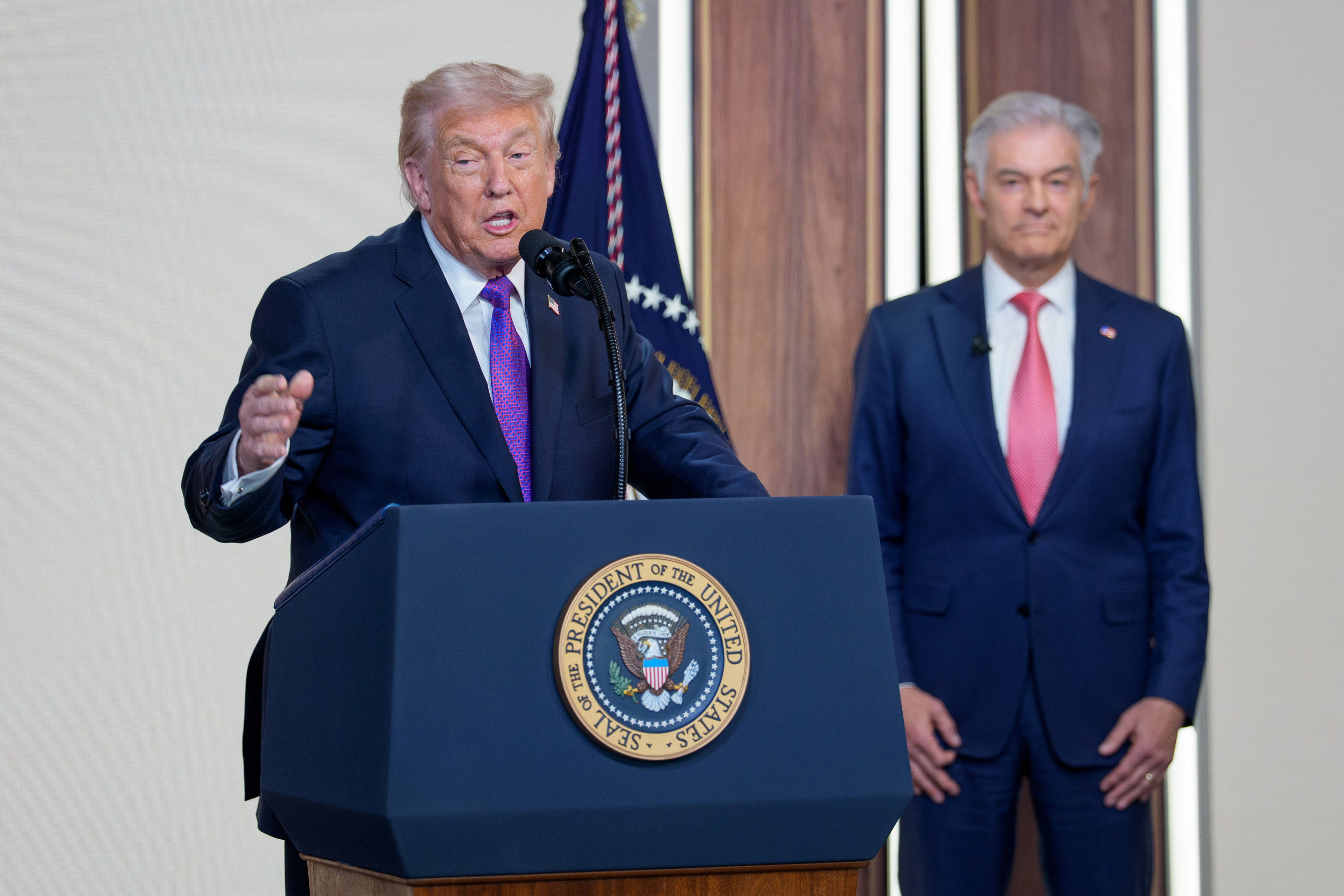
Michigan House Speaker Matt Hall spoke with MLive before President Trump's DEC speech. He indicated that affordability would be the watchword for the lower chamber this year and health care would be the cornerstone of their efforts.
In other articles, Senate Majority Leader Winnie Brinks has said Democrats will focus on utility costs, childcare and government transparency. She has not mentioned health care as a 2026 priority:
Affordability, rural health care among 2026 priorities for House, Speaker Hall says
Affordability, rural health care among 2026 priorities for House, Speaker Hall saysBy Danielle James | January 16, 2026
LANSING, MI – House Speaker Matt Hall said affordability is going to be the focus for his chamber this year, with healthcare costs key among a list that also includes housing and energy prices and property tax reform.
“I think we’ve got a lot of work to do on healthcare,” said Hall, R-Richland Township, who spoke this week ahead of the first legislative session day of 2026.
“It’s not just hospitals. It’s drug companies, it’s insurance,” he said. “I mean, everyone has a role in the high cost of healthcare, but this is really one of the biggest issues facing our state.”
Hall said he’s taking cues from President Donald Trump, who first mentioned during a Detroit visit on Tuesday that he planned to announce a new healthcare affordability framework, focused on reducing premiums and prescription drug costs.
Trump spoke at an event at the Motorcity Casino hosted by the Detroit Economic Club.
The federal announcement signals the latest push by the White House to address rising insurance and medical costs, as the extension of recently-lapsed federal healthcare subsidies faces an uncertain future before Congress.
At the state level, Hall said he too wants to address what he described as a bloated healthcare system in Michigan, referencing drug companies, insurance providers and health systems that have gotten “way too big.”
House Republicans are looking at a new commission to assess what hospitals are doing to lower costs, Hall said, looking at finances and determining if the health systems are overspending on things like infrastructure.
“This new commission will have the authority to look at their prices and make sure they’re keeping their prices in line with affordability,” he said. Hall did not provide more details.
Democratic candidate for governor Jocelyn Benson, now serving as the Secretary of State, pitched a similar concept for tackling prescription drug affordability this month, reviving a past priority of Gov. Gretchen Whitmer.
While Hall spoke mainly about reducing costs for Michiganders, he also talked about the need to draw down more federal dollars for Michigan’s rural hospitals.
Michigan has 75 of its 83 counties classified in whole or in part as rural, according to the state, the seventh-highest rural population in the nation.
Around 1.7 million rural Michiganders live in a county with a shortage of primary care doctors, and 91% of rural Michigan counties have a primary care shortage.
In December, the state was awarded over $173 million from the federal government, part of a $50 billion initiative created in Trump’s One Big Beautiful Bill to “strengthen rural health” through expanded preventative, primary, maternal and behavioral health services.
Hall said House Republicans were disappointed with the rural health funds application submitted by the state, however.
The program received a mixed national reaction when it was created, with some lawmakers and rural health advocates concerned that receiving a portion of funds was based on the promise to pass health care policies favored by the Trump administration.
In an attempt to get better scores on their applications and more funding, several states made promises to change their laws to restrict low-income people from using food benefits to buy junk food or to expand telehealth, according to reporting by Politico.
Michigan initially requested $200 million and got $173 million, according to the state Department of Health and Human Services (MDHHS).
“They left, I think, hundreds of millions of dollars on the table that they could have gotten for Michigan because they aren’t adopting a lot of these MAHA (Make America Healthy Again) principles,” Hall said, referencing the moniker adopted for U.S. Health Secretary Robert F. Kennedy Jr’s lifestyle initiative.
Before submitting its application, MDHHS hosted an online survey and two listening sessions to gather input on how the funding could help rural providers.
MDHHS Director Elizabeth Hertel said the approved proposal focused on enhancing the long-term sustainability of rural providers while supporting their growth and continued service to their communities.
MDHHS did not return a subsequent request for comment asking how Trump administration requirements factored into the state determining its proposal.
Hall said looking into 2026, House Republicans will prioritize legislation that could earn the state more rural health funding, giving the example of restricting the purchase of soda from those using government benefits to buy food through the Supplemental Nutrition Assistance Program (SNAP).
There are approximately 1.4 million SNAP recipients in Michigan, around 13% of households in the state.
According to December reporting by BBC, five states so far in 2026 have banned the purchase of items, like soda and candy, from being purchased with SNAP funds.
“If you do things to encourage healthier lifestyles, healthier eating, healthier habits, you can get more rural health funding,” Hall said.
Hall also spoke about enacting a bipartisan Senate package that would require hospitals to publicly disclose the cost of treatments and operations, also prohibiting the collection of debts if a hospital is not in compliance with price transparency laws.
The legislation, which has passed through both chambers with some changes, is awaiting another vote in the Senate, which Hall said he’s hopeful will come early.
“This is one of those funny bills where when you put it up for a vote, everybody votes for it,” Hall said, “but there’s so much posturing behind the scenes from the politicians to stop it.”
Other than healthcare, Hall said affordability – reforming property taxes and bringing down housing costs and energy prices – is going to be the focus of the House going into 2026.
“I don’t care that it’s an election year,” he said. “We’re gonna take risks. We’re gonna do bold things.”

The Midwesterner includes a similar quote.
... the focus on affordability will also extend to health care and workforce regulation, Hall said, with lawmakers examining whether additional oversight is needed over hospital costs and pricing structures that continue to drive up expenses for patients.
“We’re looking at, is there a way to provide more oversight over the hospital costs,” Hall said.
Regulatory reform, he added, is another key focus, particularly occupational licensing requirements that can prevent workers from entering or reentering the labor force.
“We’re going to be working on regulatory reform… eliminating a lot of those unnecessary licenses,” Hall said. “So there aren’t as many barriers to entering the workforce.”
Get MHF Insights
News and tips for your healthcare freedom.
We never spam you. One-step unsubscribe.
Sponsors

J & DE Family Charitable Fund

Friends
of MHF

Kelly Grotendiek
Philip Harbach
Dale Johnson
Drs. Jeffrey and Joni Jones
Vickie Kahle
Tammy Kipen
Marlin & Kathy Klumpp
Melanie Kurdys
Ruth Nobel
Patrick Peterson
Stephanie Poortenga
Jeanne Smit
Ben and Hope Staal
John Tuinstra
Jacki VanHuis
Sandy Walker
Sign Up for MHF Insights to keep up on the latest in Michigan Health Policy