- CMS unveils new pediatric care model

- CMS unveils new whole-person pediatric care model
- Consumers increasingly turn to AI chatbots for health information: Report
- Dr. Jeffrey J. Moses receives ADA Humanitarian Award
- Rural New Mexico hospital deploys AI scribe
- Ex-Weill Cornell Medicine staffer inappropriately accesses patient records
- Inside dentistry’s growing field
- 136 hospitals with 5+ Magnet designations
- UF Health taps new vice president of RCM business support
- 57% of health systems rank AI as top tech priority: Report
- Children’s Mercy names chief application officer
- Aspirus hospital nurses OK labor contract
- Trinity Health, Health Gorilla sued over alleged data breach
- Highmark Health posts $674M operating loss in 2025
- California to save $300M with cuts to adult dental Medicaid benefits
- Alabama physician sentenced for $2.7M fraud scheme
- How the richest people in dentistry compare to 5 healthcare billionaires
- The Medicare Advantage paradox: Who benefits most?
- Michigan county erases $6M in medical debt for 6,300 residents
- Kootenai Health, MultiCare to break ground on medical campus, ASC
- GI consolidation is changing: A 5-deal breakdown
- Two-thirds of pediatric mental health triage scores inaccurate: Study
- Specialty Care At An Inflection Point: How AI And Automation Are Reshaping Ambulatory Practices
- 10 physician practice closures in Q1
- 26 profitable health systems in 2025
- Conifer inks RCM outsourcing deal with Healthcare Systems of America
- Idaho lawmakers push to restore mental health programs
- Academic medical models are under financial strain: 5 things to know
- 3 anesthesia reimbursement controversies to know
- Florida physician pleads guilty to making false statements in $3.1M DME fraud scheme
- The new formula for ASC case-mixing
- 5 things looking up for GIs
- The 3 physicians on Forbes’ 2026 billionaires list
- New York launches mental health training for first responder clinicians
- 5 new psych residency programs to know
- BayCare boosts operating margin to 11.8% in 2025
- Opening Remarks at the Digital Asset Summit 2026
- CVS Caremark, FTC reach settlement in insulin pricing case
- 4 Medicaid, Medicare updates for dentists to know
- 5 Heartland Dental updates in 30 days
- New York health network to close dental clinic over financial, workforce challenges
- Orthodontic AI company earns FDA approval for 3D imaging
- 10 providers seeking RCM talent
- Bill would ban private equity-owned hospitals, nursing homes
- UCB unveils plan to build $2B biologics plant near its US headquarters in Atlanta
- New Hampshire endodontist retires after 35 years of services
- SSM Health back in the black in 2025
- PeaceHealth sued over plans to tap out-of-state staffer ApolloMD for Oregon EDs
- New Lyme Disease Vaccine Shows Strong Results in Trial
- TrumpRx Adds Diabetes, COPD Drugs at Steep Discounts
- Highmark reports $175M net loss for 2025 as financial headwinds batter health plan
- Listen to the Latest ‘KFF Health News Minute’
- Abivax hires commercial chief from Takeda to infuse Entyvio expertise into IBD launch prep
- ImmunityBio hit with FDA warning letter over Anktiva promotions in TV ad, podcast episode
- Alcohol Prep Pads Recalled Over Bacteria Risk, Cardinal Health Says
- Fewer patients traveled for abortions in 2025 as telehealth care increased, report finds
- Cologuard campaign reunites ‘Full House’ stars to give ‘The Talk’ about colon cancer screening
- Lilly to remove certain insulin products from European markets by 2027
- Karyopharm, looking to jump-start Xpovio, reports mixed results in myelofibrosis
- Study Warns Fluoride Bans May Raise Tooth Decay in Children
- WuXi Bio's record number of new projects in 2025 leaned heavily on US clients
- “Me engañaron”: agentes encadenan a un padre que había ido al ICE a reunirse con sus hijos

- Gilead inks Manta pact to dive deeper into cancer patient support
- Cheap Children's Clothing Tainted With Lead, Study Says
- Insulin Prices Fell For Medicare Patients Under Biden-Era Caps, Study Finds
- New Fathers Face Mental Health Challenges, Study Finds
- Your Choice Of Booze Influences Your Risk Of Death, Study Says
- AI Gets a 'D' When Judging Scientific, Medical Claims
- New Online Tool Helps Parkinson's Patients Weigh Brain Implant Decision
- AI chatbot use for health information up 16% from 2024: Rock Health survey
- ‘They Tricked Me’: A Father Was Chained After He Went to ICE To Reunite With His Kids
- Wilmington PharmaTech commits $50M to US API expansion
- Strides recalls nearly 90K bottles of children's ibuprofen after contamination complaints
- Trump administration unveils national policy framework for AI as it moves to override state laws
- ‘We don’t think of it as just a service line’: How 5 health systems integrate behavioral health into core finances
- The ‘dark cloud’ hanging over DSOs
- Texas allocates $5M for forensic psychiatry training
- Breast Cancer Locator System Submitted for De Novo 510(k) by Cairn Surgical
- Breast Cancer Locator System Submitted for De Novo 510(k) by Cairn Surgical
- 6 donations shaping behavioral healthcare growth
- 17 spine surgery firsts in Q1
- 17 spine surgery firsts in Q1
- Medicaid cuts threaten hospital psychiatric units: Report
- Cencora acquiring EyeSouth Partners' retina business for $1.1B
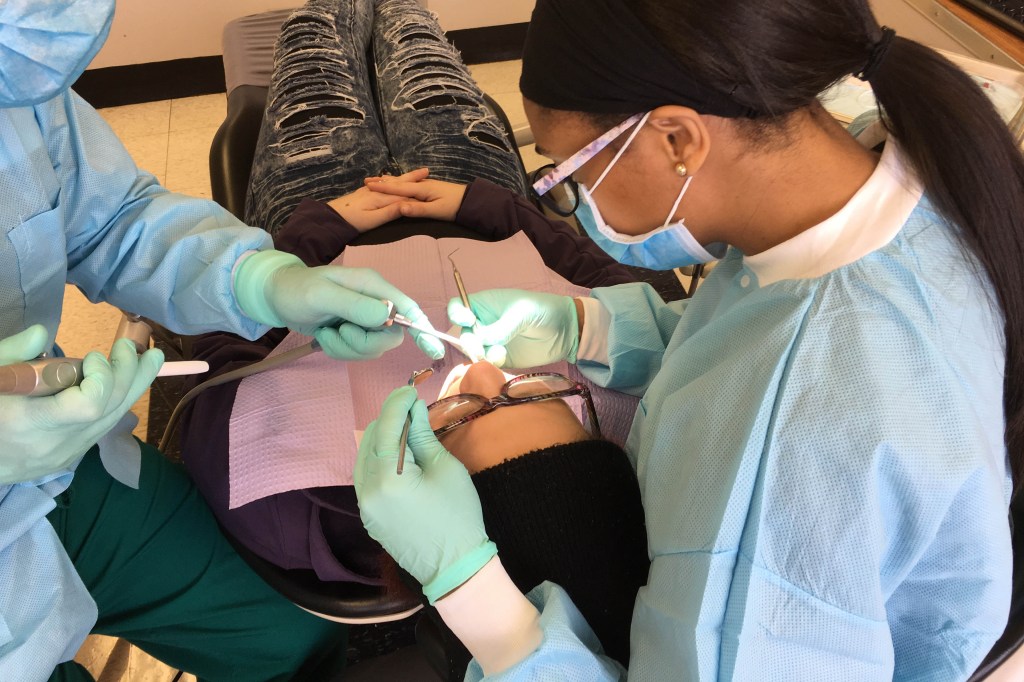
- Aunque tengas seguro dental, la factura puede ser muy alta
- Massive class action seeking RICO penalties against Takeda, Lilly presses forward with SCOTUS order
- A look at how Optum Rx is using AI to address pharmacy fraud, waste and abuse
- California to invest $1.18B in behavioral health: 10 largest projects
- AbbVie steps up to the plate as official pharma sponsor of MLB
- Gilead CEO Dan O’Day nets $28.4M pay package as security and travel costs top $2M
- Nursing Homes Accused of False Diagnoses To Hide Drug Use
- FDA Approves Higher-Dose Wegovy To Help People Lose More Weight
- Teens Often Pressured To Send Sexual Photos by Someone They Know, Study Finds
- CommonSpirit, Humana reach 3-year national network agreement
- Match Day 2026: Growth in emergency medicine, psychiatry
- Nearly 90,000 Bottles of Children’s Ibuprofen Recalled Nationwide
- FTC launches multi-bureau Healthcare Task Force to spot 'new priority areas for enforcement'
- Algunos adultos de mediana edad deciden posponer la atención médica hasta tener Medicare

- ¿Qué tan bajo se puede llegar? Las cambiantes guías para el control de la presión arterial

- Insmed sets up Arikayce for a significant label expansion on new ph. 3 data
- EyePoint lawsuit accuses Ocular of 'malicious' defamation campaign in retina drug race
- FDA mandates label updates to common Parkinson's meds based on seizure risk finding
- Rural hospitals could apply for temporary interest-free construction, renovation loans under new bipartisan bill
- Cost Center to Command Center: How Health Systems Are Systematizing Innovation in Support Services
- Rural Residents Have Highest Cancer Death Rates, Researchers Say
- Your Bank Account Might Show How Well Your Brain Will Age, Researchers Say
- Insurance Lapses Play Havoc With Diabetes Management, Study Shows
- Psychedelics Aren't Better Than Antidepressants In Treating Depression, Review Concludes
- A Nasal Swab for Alzheimer's? Duke Team Has One in Testing
- Heat Advisories Might Not Trigger Soon Enough For Some Seniors, Study Finds
- Dizal's Zegfrovy clinches landmark phase 3 win in NSCLC subtype, setting up challenge to J&J's Rybrevant
- Novartis joins Lilly, AZ in China expansion with $480M commitment to boost manufacturing, R&D
- Even With Dental Insurance, You Still Could Face a Large Bill
- Rising Health Costs Push Some Middle-Aged Adults To Skip the Doc Until Medicare
- FDA solicits feedback on controversial national priority voucher review pathway
- Health Tech Weekly Rundown: Perplexity rolls out AI-powered medical records search; Doximity survey examines how docs use AI
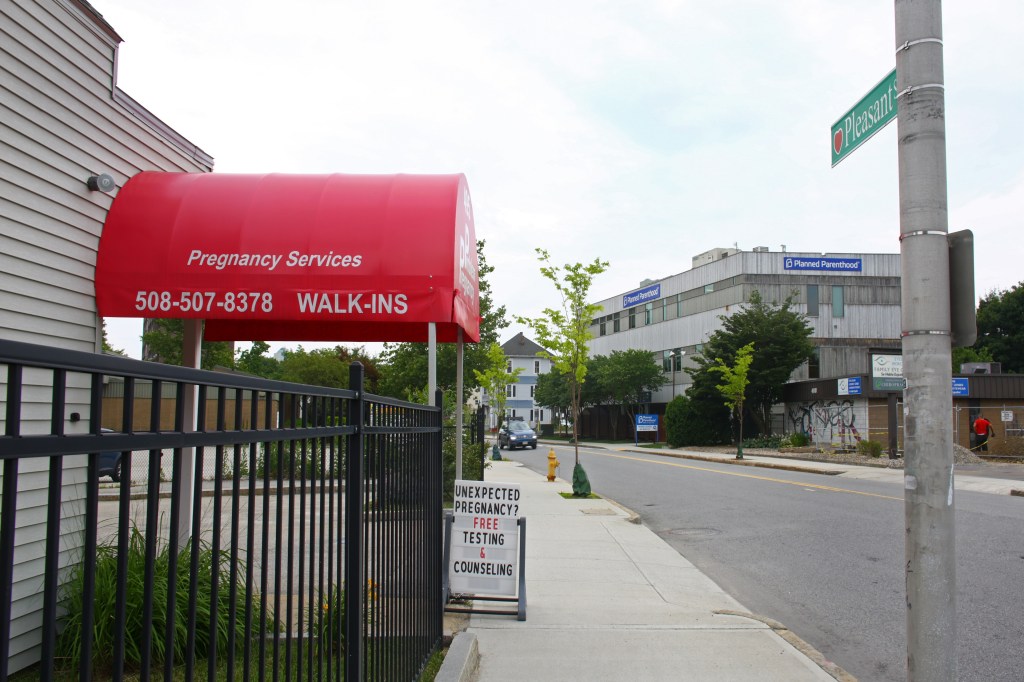
- Legisladores buscan proteger a los centros de crisis de embarazo mientras disminuye el número de clínicas de abortos
- Don't Forget This: Study Shows Cannabis Exacts a Toll on Your Memory
- Want To Stress Less? Start With These Everyday Habits
- Journalists Shine Light on Out-of-Reach Insurance Prices, AI’s Role in Claims Disputes, and Susie Wiles
- CMS final rule aims to axe the fax machine, phase out paper mailing
- Large pharma companies reduced head counts by more than 22K in 2025 as $300B patent cliff looms
- Remarks at The SEC Speaks in 2026: From Kitchen Table to Cap Table—Making Capital Formation Work for Small Businesses
- Health system AI adoption surges in 2026 with execs reporting increased ROI: survey
- Heart Benefits From GLP-1 Drugs Fade After Stopping, Study Finds
- Survey Shows More People Struggling To Afford ACA Insurance
- Up to 155,000 COVID Deaths May Not Have Been Counted, Study Finds
- FDA Drops Plan To Ban Tanning Beds for Minors Nationwide
- Mindray North America Enters Ventilator Market
- Mindray North America Enters Ventilator Market
- LivaNova Receives FDA Premarket Approval for to treat Moderate to Severe Obstructive Sleep Apnea
- LivaNova Receives FDA Premarket Approval for to treat Moderate to Severe Obstructive Sleep Apnea
- Perfuze Receives FDA 510(k) Clearance for Millipede88 Aspiration Catheter
- Perfuze Receives FDA 510(k) Clearance for Millipede88 Aspiration Catheter
- EPA proposes new rule on Ethylene Oxide Emissions: Could Loosen Limits on Medical Device Sterilization
- EPA proposes new rule on Ethylene Oxide Emissions: Could Loosen Limits on Medical Device Sterilization
- Hospital ads can increase ED visits, Medicare spending, new Penn study finds
- Sanofi backs 2 more documentary films about rare blood disorders
- Some Patients With ADHD and Addiction History Missing Out
- Social Media Poses Risks to Children's Mental Health, Review Concludes
- Does Closing Your Eyes Help You Hear Better?
- 'Early Bird' Exercisers Get The Most Health Benefits, Study Finds
- High Blood Pressure Deaths Quadruple Among Young Women, Study Finds
- Meningitis Vaccine Doesn't Protect Gay, Bisexual Men From Gonorrhea, Clinical Trial Concludes
- Gut Microbiome May Take Years to Recover From Antibiotic Use
- Prepared Remarks Before SEC Speaks
- The Art and Science of Materiality
- Capital, Choice, and the Pursuit of Happiness: Remarks at The SEC Speaks in 2026
- The Math Behind Eczema Flare-Ups May Finally Add Up
- PrescriberPoint's solution to the modern prescribing journey


MDHHS' half assed management of SNAP is about to cost the State of Michigan real money. Why State AG Dana Nessel is suing USDA to keep Michigan's SNAP data secret and force eligibility for illegal immigrants?
https://bridgemi.com/michigan-health-watch/michigan-set-to-lose-millions-under-trump-snap-reforms/
Michigan set to lose millions under Trump SNAP reforms
By Eli Newman - December 16, 2025
- Michigan could lose hundreds of millions of federal dollars under changes for the Supplemental Nutrition Assistance Program
- The federal government will penalize states that report a SNAP error rate of 6% or more
- Michigan’s latest error rate is at 9.53% and the state health department is working to reduce it
Michigan may have to shell out upwards of $320 million to provide food aid to residents as new rules kick in for the federal government’s Supplemental Nutrition Assistance Program, or SNAP.
Under President Donald Trump’s One Big Beautiful Bill Act, starting in the 2028 fiscal year, the federal government will require states to cover at least 5% of the cost of SNAP benefits if they make too many mistakes, either through overpaying benefits or underpaying.
Under the new law, the federal government will penalize states that report a SNAP error rate of 6% or more.
Michigan’s SNAP error rate was 9.53% in the 2024 fiscal year, according to the US Department of Agriculture, while the national average was 10.93%. Only nine states had SNAP error rates less than 6%.
How much the state would have to pay would rise depending on the error rate. At Michigan’s 2024 rate of 9.53%, the state would have to cover 10% of SNAP costs, or more than $320 million.
As a “worst case scenario,” Michigan would see a $481 million penalty to the state’s current SNAP benefits, David Knezek, chief operating officer of the Michigan Department of Health and Human Services, testified Tuesday at a state Senate appropriations subcommittee meeting.
If the error rate is anywhere above the federal threshold, the state would need to provide a minimum 5% cost share, totalling $160 million under recent figures.
Michigan paid $3.2 billion in SNAP benefits in the past fiscal year. A pause in the program during the federal government shutdown earlier this year wreaked havoc on hundreds of thousands of state residents who rely on government food assistance.
“We’ve seen the error rate decrease over the last five years. We want to continue on that trend,” Knezek told the Senate subcommittee.
Separate from instances of fraud and technical glitches, the state’s reported errors are driven by both households that apply for SNAP and the state agencies that handle their forms.
Knezek said the state will likely see an additional $95 million increase in administrative costs starting in the 2027 fiscal year due to federal restructuring of funding.
Michigan’s budget allocates $15 million to MDHHS to review and improve its SNAP error rate. Knezek said there are several factors driving the “root cause” of error, including applicants reporting changes in earned income, fluctuations in household members and the monitoring of unearned income.
MDHHS Chief Operating Officer David Knezek speaks before a state Senate subcommittee Dec. 16. (Screenshot)
The department has eight initiatives to reduce future error, Knezek said, including improvements in information technology and the state’s MI Bridges benefits platform.New work requirements for SNAP under the One Big Beautiful Bill Act took effect at the beginning of December. The Michigan League for Public Policy says most beneficiaries in the state already have a working family member, and the Trump-era policy is expected to lead to coverage loss and increased tax payer burden. The state estimates it will cost $75 million annually to implement the new work requirements.
Michigan may or may not reduce our SNAP error rate below the 6% threshold but, regardless, MDHHS will have to cough up an additional $ 95 million to cover administrative costs starting in FY 2027 (October of this year):
Federal food assistance changes taking $95M bite out of Michigan budget
By Lauren Gibbons - February 2, 2026
- Federal changes will add an estimated $95 million to state costs of covering food assistance for 1.4 million Michigan residents
- Additional SNAP costs could add another wrinkle to state budget talks as Whitmer administration prepares recommendations
- Bipartisan state and local government groups are calling on Congress to delay implementation of the SNAP changes approved last year
As Michigan officials prepare to dive into budget negotiations, major federal changes to how food assistance is funded are poised to increase costs for the state by nearly $100 million in the next fiscal year.
Starting in October 2026, state governments will be on the hook for 75% of the costs for administering food assistance to low-income residents through the Supplemental Nutrition Assistance Program (SNAP), which currently benefits 1.4 million Michiganders.
That means Gov. Gretchen Whitmer’s administration — set to deliver budget recommendations to lawmakers on Feb. 11 — will need to factor in an estimated $95 million expense to fully cover staffing and training, technology, fraud control and other operational costs previously split with the federal government.
“This is an ongoing future cost,” said Liz Farmer, a fiscal policy expert and senior officer at The Pew Charitable Trusts, whose research shows states’ collective SNAP costs could eventually rise to $15 billion annually.
In addition to coming up with the additional cash to run the program, Michigan and other states will likely have to consider whether spending more on SNAP system improvements now would be more cost-effective than paying penalties for administrative errors later, Farmer said.
“One-time moves will get you one-time results.”
For now, the federal government will continue to cover the full cost of SNAP benefits. But that could change in future years: Under President Donald Trump’s One Big Beautiful Bill Act, the federal government will require states to cover 5% or more of SNAP benefit costs starting in the 2028 fiscal year if the state reports too many mistakes.
Under the new law, the federal government will penalize states that report a SNAP error rate of 6% or more. Michigan’s SNAP error rate was 9.53% in the 2024 fiscal year, slightly lower than the national average of 10.93%. Calculated at the 2024 rate, the state would have to cover 10% of SNAP costs, or more than $320 million.
What’s changing this year
Historically, the federal government has shared SNAP costs with states, covering benefits and splitting the costs of getting those funds to recipients.
Starting in October, changes authorized under Trump’s “big, beautiful” law will increase state costs to a 75%-25% split with the federal government.
It cost a total of $382.7 million in administrative costs to run the SNAP program in Michigan in fiscal year 2024. Assuming no major changes, the Michigan Department of Health and Human Services is estimating administrative costs will go up from $191.4 million to $287 million under the new law, a $95 million increase.
Bipartisan groups like the National Governors Association and the National Conference of State Legislatures are also petitioning the federal government to hold off on the biggest reforms until states have a chance to make adjustments.
In a Jan. 8 letter addressed to congressional leaders, groups representing a multitude of state and local governments nationwide recommended delaying SNAP benefit and administrative cost shares until fiscal year 2030, citing “significant operational disruption” caused by the new measures and the recent federal government shutdown that paused assistance for many SNAP recipients last fall.
“Ultimately, we fear that the compounding effects of these developments could put SNAP in jeopardy across the country if states and counties do not receive some form of relief,” they wrote.
Looming future costs?
The biggest change for states is set to come in fiscal year 2028, when the federal government is set to begin penalizing any state with an error rate above the federal threshold of 6%. Only nine states currently operate under that threshold.
In a “worst case scenario,” Michigan would see a $481 million penalty, David Knezek, chief operating officer of the Michigan Department of Health and Human Services, testified during a December Senate appropriations subcommittee meeting.
If the error rate is anywhere above the federal threshold, the state would need to provide a minimum 5% cost share, totaling $160 million under recent figures.
State officials cite several factors driving the “root cause” of error, including applicants reporting changes in earned income, fluctuations in household members and the monitoring of unearned income.
Knezek told lawmakers at the time that the error rate has decreased in the last five years and said the department hopes to “continue on that trend,” citing initiatives to reduce future error that include improvements in information technology and the state’s MI Bridges benefits platform.
Farmer, the Pew Charitable Trusts fiscal policy expert, said many states are currently exploring making additional investments in SNAP administrative costs this budget cycle that are “centered mostly around reducing their error rates.”
“What we’re seeing now is a combination of states looking to just straight up cover that cost, cover that funding loss from the federal government, but also ways in which to make their programs more effective and efficient,” Farmer said.
Under pressure
The looming federal changes come as the Whitmer administration and Michigan lawmakers prepare to enter negotiations for the next budget cycle, where they’ll have at least $1 billion less to work with than previously anticipated, according to the latest state revenue projections.
Earlier this month, State Budget Director Jen Flood told reporters that officials “will have some tough decisions to make next year” as the state’s General Fund is expected to fall from just under $14.5 billion in the 2025 fiscal year to $14.1 billion in 2026, the current fiscal year.
The projections could complicate a budget process that was already fraught last year, as the Republican-led House, Democratic-led Senate and Gov. Gretchen Whitmer failed to finalize a deal by a constitutional deadline but passed a stopgap measure to avoid a state government shutdown.
Whitmer’s administration is scheduled to deliver budget recommendations for the coming fiscal year at the state Capitol, at which point lawmakers will begin considering the governor’s plan and craft their own proposals.
Get MHF Insights
News and tips for your healthcare freedom.
We never spam you. One-step unsubscribe.
Sponsors
Friends of MHF





Kirsten DeVries
Tom & Karen Nunheimer
Steve Ahonen
Ron & Faith Bosserman
Marlin & Kathy Klumpp
Sign Up for MHF Insights to keep up on the latest in Michigan Health Policy