- 600 workers reach labor deal with Kaiser

- Vanderbilt Health president, CEO to retire
- Stryker cyberattack tied to Iran: 10 updates
- Hospital margins take a dive
- Hospital margins take a dive
- 3 healthcare roles bucking hiring trends for younger workers
- Data breach at NYC Health + Hospitals partner exposes info of 5,086 patients
- MSU Health Care’s CMO on the biggest barrier to sustained quality improvement
- WellSpan Health launches AI-powered robotic kitchen
- 1 in 3 Americans make financial trade-offs to afford healthcare: Gallup
- How 3 ASC giants stacked up financially in 2025
- UAB neurology telehealth startup expands
- Florida woman accused of operating illegal dental clinic out of home
- North Carolina updates mental health bed registry
- Healthcare worker burnout, anxiety widespread, GAO finds
- Utah passes bill expanding hygienists’ ability to practice without dentist supervision
- Medicare Advantage spending 14% higher than fee for service: Report
- Virginia weighs spending cap on Medicaid dental services to resolve budget shortfall: 5 notes
- Washington hospital to close pediatric rehab clinic
- Good news for anesthesia, pain medicine
- 2 Illinois individuals charged with practicing unlicensed dentistry
- New Jersey system partners with health center ahead of ED closure
- 5 trends that will define the next era of ASCs
- What the Health? From KFF Health News: RFK Jr.’s Very Bad Week
- Orthopedic surgeons open Maryland ASC
- Dr. Deborah Brown to lead dental therapy program at Ferris State University
- ASCs’ implant cost problem
- Virginia grapples with dental assistant shortage after training program pauses enrollment
- Imagen Dental Partners adds Arizona practice
- 5 new things to know about the No Surprises Act: GAO report
- New Jersey dental practice opens 8th location
- Report on doctor's sexual abuse spurs promises of structural change at Columbia. Survivors say it isn't enough
- Dana-Farber boosts operating margin to 8.4% in Q1
- Intermountain Health opens ambulatory endoscopy center
- Orlando Health breaks ground on bariatric surgery institute
- Universal Health Services moves to acquire physician group
- California allots additional $1B for behavioral health facilities
- How dentistry can get ahead of the next big workforce challenge
- Judge rules Erlanger’s Stark law, fraud cases can proceed: 10 things to know
- Oregon lawmakers greenlight $44M lifeline for hospital
- Florida Senate vote dissolves hospital board
- Federal bill introduced to uphold state dental payer laws
- Mass General Brigham receives $50M for cancer research
- Remarks at the Investor Advisory Committee Meeting
- Pediatric Allergy Specialist: Feed Babies Allergenic Foods Earlier, Not Later
- FDA Warns Novo Nordisk Broke Safety Reporting Rules
- Doctors Warn Patients to Research Cosmetic Surgery Providers Before Getting Work Done
- Adam’s Lib: Remarks at the Meeting of the SEC Investor Advisory Committee
- Remarks for the Investor Advisory Committee Meeting
- Gallup poll: One in three Americans cutting back on daily expenses to pay for healthcare
- How Bronson Healthcare increased financial assistance, Medicaid applications
- AMA: Physicians' use of AI doubled from 2023 to 2026
- Study Suggests Epilepsy Drug Sulthiame May Help Treat Sleep Apnea
- Stryker Cyber Attack Being Reported as Iranian War Retaliation
- Stryker Cyber Attack Being Reported as Iranian War Retaliation
- After China outlay, Lilly plugs $126M into Japan manufacturing plant expansion
- Legend remains bullish on Carvykti growth despite threat from J&J’s Tecvayli
- FDA rolls out new streamlined adverse event monitoring system, eyes $120M in savings
- Eisai chooses 'Pokémon Sleep' app to battle bad sleep habits in awareness campaign
- Genetic Test May Predict Leukemia Relapse Risk
- Electrodes Partially Restore Movement, Sensation In Spinal Cord Patients
- Switching GLP-1 Medications Is Common, Can Help People Stick With Weight-Loss Treatment
- Millions Of Americans Making Financial Sacrifices To Afford Health Care, Survey Finds
- More Concussions Linked To Worse Brain Health Among Recent College Grads
- Years of Specialized Support Essential with Rare Heart Defects
- In latest compounding clash, Lilly flags high levels of 'impurity' in tirzepatide knockoffs with vitamin B12
- New Medicaid-focused doula provider Malama launches with $9.2M
- Republicans Fret Over RFK Jr.’s Anti-Vaccine Policies While MAHA Moms Stew
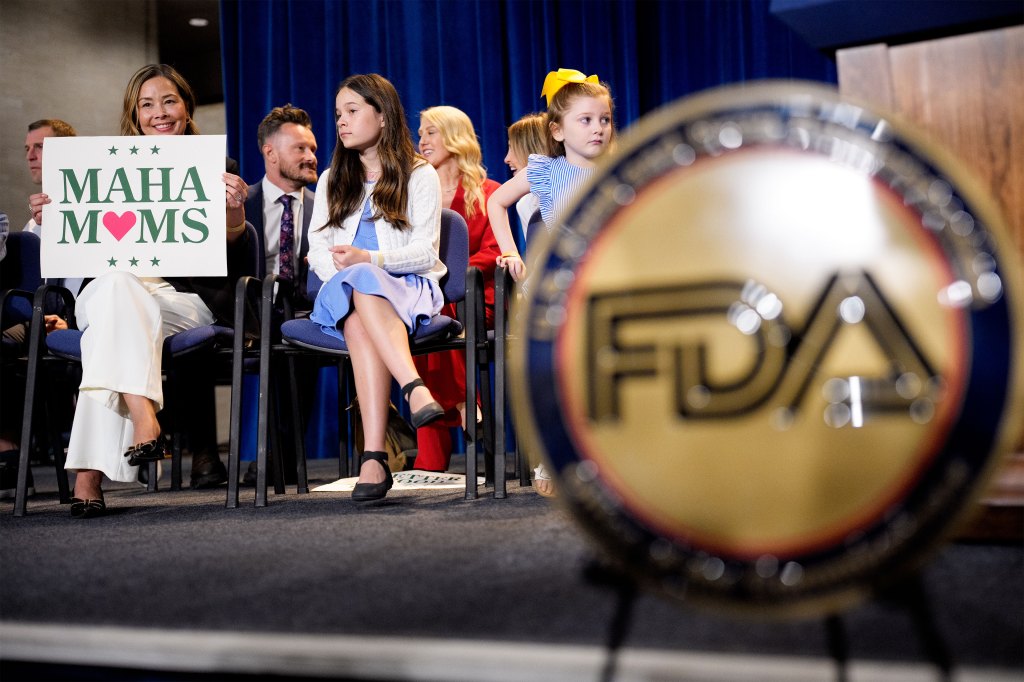
- As Lung Disease Threatens Workers, Lawmakers Seek Protections for Countertop Manufacturers

- Rare disease drug sales to surge past $400B by 2032 despite FDA volatility: Evaluate report
- 5 state behavioral health policy updates
- Microsoft unveils Copilot Health as an AI health companion for consumers
- Medicare beneficiaries may pay more amid insurer acquisitions of PBMs: Study
- HIMSS26: HHS officials offer updates on interoperability efforts, information blocking enforcement
- Guidelight names chief growth officer
- Despite insurers' expense pains, Tenet Healthcare is securing healthy commercial rates through 2027
- Nebraska Medicine’s $99.3M center to expand behavioral health services
- FDA approves 1st treatment for cerebral folate deficiency tied to autistic features
- Study Links State Taxes to COVID Lockdown Decisions
- Aetna to pay $117.7M to settle Medicare Advantage upcoding allegations: DOJ
- UPDATED: Stryker hit by international cyberattack linked to pro-Iran group
- AHA: Hospitals' total expenses rose by 7.5% in 2025
- AstraZeneca recruits Joshua Jackson, Philadelphia Flyers' Gritty to cancer screening push
- As Lilly flourishes in Q4, peer projections signal looming sector slowdown in 2026
- FDA May Allow Some Flavored Vapes Aimed at Adults
- Dark Sweet Cherries May Help Slow Aggressive Breast Cancer, Mouse Study Suggests
- FDA Approves Leucovorin for Rare Brain Disorder, Not Autism
- Joint Economic Committee report: Medicare Advantage overpayments drive up Part B premiums
- Veeva shells out $100M for Ostro and its AI chat tool for pharma brand engagement
- Lilly beefs up oral GLP-1 capacity with $3B manufacturing pledge in China
- UCB's Bimzelx continues winning streak with victory over AbbVie's Skyrizi
- Lowering Parents' Stress Can Reduce Risk Of Childhood Obesity
- Multilingualism Might Not Aid Brain Aging, Researcher Argues
- 15-Year Study Shows Sharp Rise in Depression Among U.S. College Students
- Repealing Motorcycle Helmet Laws Leads to More Severe Crashes, Millions in Added Treatment Costs
- Why Childhood Cavities May Predict Adult Heart Disease
- Physical Therapy Costs Vary Widely In U.S., Study Finds
- J&J's Joaquin Duato joins $30M CEO pay club with 30% compensation boost for 2025
- Primary Care Is in Trouble. So Doctors Band Together To Boost Their Market Power.

- Cosmetic Surgery Investigation Prompts Warnings for Patients, and a Push for Tighter Safety Standards

- Skyhawk taps Teva alum to steer commercial path, while Santhera names new CCO to grow DMD sales
- Driving the news at HIMSS26: Verily, Samsung ink collaboration; Meditech's latest AI solutions
- Colorado hospitals, advocates launch youth mental health coalition
- Climate warming could increase anxiety, depression: Study
- Remarks at the Institute of International Bankers 2026 Annual Washington Conference
- Fostering Regulatory Harmony Between the SEC and CFTC
- Only 4 states satisfy over 50% of mental health workforce needs: Report
- Here's where hospital markets are the most concentrated
- A look at how CVS is leaning on 'agentic twins' in developing consumer tech
- Bancos, primera línea de batalla contra los fraudes financieros a adultos mayores

- Sandoz to set up standalone biosimilars unit as it eyes upcoming 'golden decade' of patent losses
- AbbVie's Robert Michael earns hefty pay bump to $32.5M in 2nd year as CEO
- NYU Stern report calls for private equity reforms to safeguard quality of care
- Remarks at the International Bar Association’s 24th Annual International Conference on Private Investment Funds
- Raw Oysters and Clams Recalled After Norovirus-Like Illness Outbreak in Washington
- Mammograms May Also Reveal Hidden Heart Disease Risk, Study Finds
- Chile Becomes First Country in the Americas To Eliminate Leprosy
- Going Abroad? CDC Warns Travelers About Polio Risk in Several Countries
- Listen to the Latest ‘KFF Health News Minute’
- The Fierce Healthcare team on the Fierce 15 of 2026
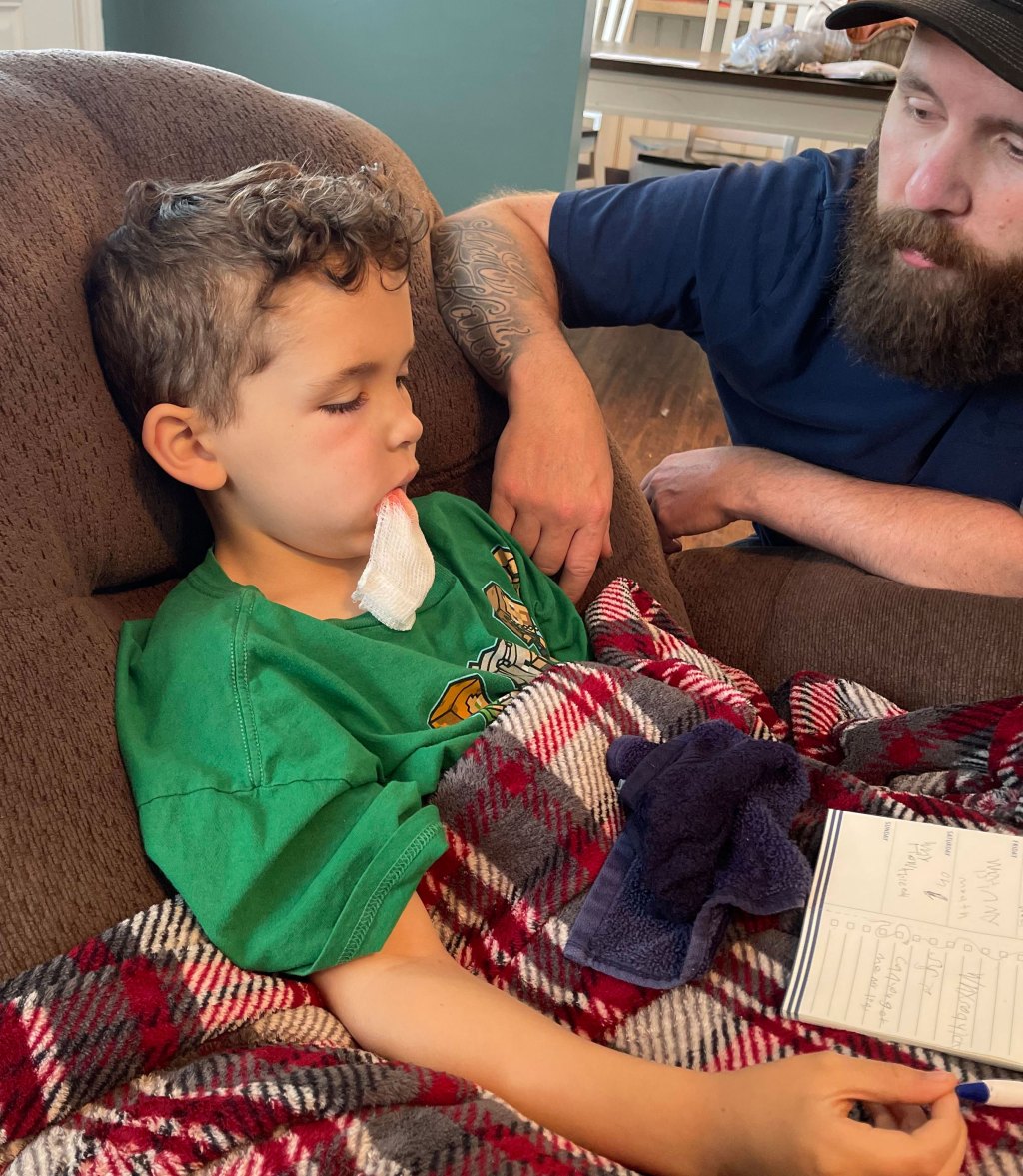
- Más niños llegan a salas de emergencias con dolor de muelas. Los recortes de Trump y la lucha anti flúor de RFK Jr. no ayudan
- Centene's stock falls as CEO London outlines ongoing ACA headwinds
- AI-fueled misdiagnoses, rural care barriers are 2026's top patient safety threats: ECRI
- Patients want price transparency, e-commerce experience from pharma DTP platforms: survey
- Carrum Health teams up with Virta Health on a comprehensive weight loss solution
- Leerink questions whether BioNTech can thrive without their 'founders' insight' as stock drops
- Novo Nordisk's US headquarters under fire in latest FDA warning letter
- Filana leaves Cassava roots behind amid branch into epilepsy
- Nearly Half of U.S. Kids Lack Adequate Sleep, Survey Shows
- Trump Caused Immediate Decrease in Acetaminophen Rx's For Pregnant Women, Study Finds
- Students Spend A Third Of Their School Day On Their Smartphone, Study Says
- Daily Multivitamins Slow Aging, Clinical Trial Finds
- Stress of Pregnancy Complications Might Impact Future Heart Health, Study Says
- Approved IV Drug, Gazvya, Reduces Lupus Symptoms, Clinical Trial Finds
- CSL telegraphs 300 new hires as it breaks ground on $1.5B plasma-based medicine plant near Chicago
- More Kids Are in ERs for Tooth Pain. Trump Cuts and RFK Jr.’s Anti-Fluoride Fight Aren’t Helping.
- Banks Are Becoming Bulwarks Against Scams for Vulnerable Seniors
- FDA approves leucovorin for ultrarare cerebral folate deficiency subset without clinical trial
- BioNTech's CEO, CMO prep departure to set up next-gen mRNA company
- HIMSS26: Samsung, b.well partner to 'kill the clipboard,' aligning with a key CMS goal
- HIMSS26: Epic expands AI roadmap, previews Factory to build and orchestrate AI agents
- A $21M farewell: Emma Walmsley lands nearly 50% pay hike in final year as GSK chief
- Remarks at the 45th Annual Small Business Forum
- Founders, Funders, and Forty-Five Forums: Remarks at the 45th Annual Small Business Forum
- Remarks at the 45th Annual Small Business Forum
- Leapfrog ordered to remove safety grades for 5 Tenet hospitals
- FDA unveils 4th revision of draft guidance for looser biosimilar testing requirements
- 'Fibermaxxing' Trend Encourages People To Eat More Fiber
- That Stressful Person in Your Life Might Be Aging You Faster, Study Finds
- Infant Bath Seats Sold on Amazon Recalled Due To Tipping Hazard


New York state halved Nassau University Medical Center's (NUMC) Disproportionate Share Hospital (DSH) funding year after year for two decades. Allegedly, more than one billion dollars were steered away from NUMC. NUMC sued New York state for $1.06 billion, alleging the state defrauded the hospital over the past 20 years. This redirected Medicaid matching federal funds to the state:
New York hospital staffers resign amid allegations state defrauded Medicaid in financial scheme
Last month, Rep. Eric Burlison, R-Mo., urged Attorney General Pam Bondi and FBI Director Kash Patel to investigate the matter.
By Charlotte Hazard - May 31, 2025Several hospital staffers at the Nassau University Medical Center (NUMC) have submitted their resignations effective in June amid investigations to examine if the State of New York has been defrauding Medicaid with what one lawmaker called "a large financial scheme" involving matching payments for hospitals totaling more than $1 billion.
The allegations that New York might be cheating Medicaid first surfaced a few months ago in civil litigation and in a New York Post column. State legislators increased pressure for an investigation and resolution, and staged a rally at the State Capitol.
Claims going back 20 years
A hospital staffer who had first-hand information but chose to remain anonymous told Just The News that the hospital completed an extensive review and assessment of all books and records last summer, and brought questions to an outside law firm.
The staffer said they received a legal opinion and, after reviewing documents filed by the New York State Department of Health (NYSDOH) to CMS in June 2024, they learned that NYS [New York state] halved the hospital's DSH [Disproportionate Share Hospital] funding year after year for two decades. Allegedly, more than one billion dollars were steered away from NUMC.
They said they spent over a decade working with New York state for over a decade and neither the NYSDOH nor the governor's office have accepted initiatives to meet with them over the past three years.
In December 2024, it was reported by The New York Post that NUMC was suing New York for $1.06 billion, alleging the state has defrauded the hospital of financial resources over the past 20 years.
The staffer told Just the News that 80% of patients at the NUMC are ensured by Medicaid and Medicare. NUMC is the only public hospital in the county, and a large percentage of its 275,000 patients are low income, uninsured, as well as on Medicare and Medicaid. The hospital includes a nursing home and jail infirmary, Long Island’s only burn unit and its largest inpatient psychiatric treatment center.
A spokesperson for Democratic Gov. Kathy Hochul's office has denied these allegations, stating that they are "false claims."
Last month, Rep. Eric Burlison, R-Mo., urged Attorney General Pam Bondi and FBI Director Kash Patel to investigate the matter. "In what appears to be a large financial scheme uncovered by hospital leadership, the State of New York stands accused of violating the terms of federal contracts by failing to fund the state's share of Medicaid payments from authorized sources," Burlison wrote in a letter.
"Substantiated evidence shows the transferring of money from NUMC's own accounts to the state. By law, this then enabled matching federal funds to be sent to the state," the letter continued.
Burlison said NUMC stated that the funds were "transferred back to the state, requiring NUMC to effectively fund the State of New York's share itself."
NY state budget strips away local control, handed to governor
Earlier this month, New York lawmakers passed a $254 billion state budget for Fiscal Year 2026 that would impact NUMC by having the Nassau Health Care Corporation board structure be controlled by Hochul and state Democrats instead of Nassau County Executive Bruce Blakeman.
Hochul signed the state budget into law on May 9.
The unnamed hospital staffer told Just the News that this transfer of power led to multiple people at the hospital resigning. Just the News reviewed documents showing staffers submitting resignations that will be effective in June.
"The unprecedented passing of this NYS bill, which gives Albany control and not local control over the County’s only public hospital, coupled with the constant attacks in Newsday calling for my removal and the removal of my executive team, I believe caused staff to choose to leave," they said. "These are professionals who are experts in their fields, reside in our community and are dedicated to seeing NUMC thrive. This is a sad situation."
The staffer said they are uncertain what the future holds for the hospital, noting that NUMC will likely close most services, outsource medical services to clinics and slash significant staff numbers.
Hochul's office has not responded for comment at this time.
Red Jahncke, a national columnist writes about politics and policy. His columns appear in national publications as well as many Connecticut newspapers. Here he discusses the Medicaid services tax scam as practiced in Connecticut:
States Are Using Medicaid as a Slush Fund
By Red Jahncke - June 03, 2025Senator Ron Johnson and others gave The Big Beautiful Bill a cold reception when it arrived in the Senate, warning that the bill will balloon deficits and debt, which are already ginormous. Jamie Dimon, J.P. Morgan Chase CEO has predicted a crisis – not if, but as soon as six months from now.
There’s no greater contributor to the recent rapid growth in deficits and debt than Medicaid under the Democrats, and, thus, no more appropriate GOP target financially and politically.
Medicaid’s explosive growth results both from recently expanded enrollment and from long-running problems in the Medicaid provider tax scheme that forty-nine states employ.
The Bill controls enrollment somewhat by imposing work requirements on able-bodied single childless adults.
Yet, House Republicans punted on the Medicaid provider tax scheme, which a 2018 Senate report called a “shell game.” The House bill simply places a moratorium on new or increased provider taxes, which CBO estimates will save only $89 billion over ten years. That’s chump change, since these fasting growing taxes amounted to $37 billion per year seven years ago, when data was last collected.
The actual amount of money involved is not known, because the Center for Medicare and Medicaid (CMS), collects insufficient data about these taxes. The Government Accountability Office has criticized CMS repeatedly for this negligence. Nor is much known about the use of provider tax money; naturally, the assumption is that it funds only Medicaid. Not so.
Here’s how provider taxes work. States tax hospitals and send most of the tax money right back to the hospitals. When the money is returned, it is labeled “Medicaid supplemental payment.” This label triggers a federal matching payment to the states.
The scheme is inherently expansionary and unbalancing. The more that states tax providers, the more federal money they can obtain, the faster the Medicaid program grows and the more the balance between federal and state funding shifts to Uncle Sam, despite that Medicaid is supposed to be a joint federal-state program. Many GAO reports have warned about this.
What is little known is that the money generated by the scheme is being used outside of the Medicaid program.
Take Connecticut. Connecticut adopted a hospital tax in 2012. Connecticut gradually increased the tax and decreased the amount returned to hospitals until fiscal 2017, when the state faced a $2.2 billion budget deficit, and it roughly doubled the tax to $900 million. It returned only $600 million as supplemental payments, leaving hospitals $300 million to the worse and the state $300 million better off. And the state got $450 million in federal matching funds, leaving the state ahead by a cool $750 million.
The state did not use the money to fund Medicaid, but rather to close its huge budget deficit, as Connecticut hospitals charged in a lawsuit against the state. As both the payers of the provider taxes and the intended recipients of the federal money involved, the hospitals had the facts to back up their allegation. The state settled.
CMS took no action. Quite the opposite. It approved Connecticut’s scheme, which was so far above normal limits (see below) that special approval was required.
In 2020, GAO itself surveyed the states to gather data. It estimated that the states had doubled their provider taxes from 2014 to 2018 to $37 billion annually. Seven years later, that’s a very stale number.
GAO looked also at how the money was used. And here’s where it gets interesting, at least in Connecticut. GAO asked each state how much of its 2018 provider tax money was used to fund its state share of Medicaid spending. Connecticut responded that it used $690 million to make fee-for-service payments to providers, but zero to make supplemental payments to providers. Huh?
The logical interpretation is that Connecticut was using supplemental payment money for purposes other than Medicaid, as the state’s hospitals’ charged in their lawsuit.
It is a scandal that the Medicaid program supplies states untold billions to spend for non-Medicaid purposes. The scandal is ongoing because, without data, no one can prove misuse or abuse, and no one can be held accountable or culpable.
Fourteen states, including Connecticut (which just declared a financial emergency due to over-budget Medicaid spending), have expanded health care coverage to illegal immigrants. Inevitably they are using Medicaid money, some by adopting immigration-status-blind Medicaid eligibility policies and some by claiming that only state funds are used. Much of the “state money” is likely repurposed federal Medicaid money. These programs proceed with impunity, despite that it is illegal to provide federal benefits to non-citizens.
Yet, Congress itself is ultimately responsible. Congress abets the scam, with a law that directs CMS not to take enforcement action against a state if the state keeps its provider taxes below a threshold of 6% of providers’ “net patient revenues.”
If CMS does not keep proper records, how does it monitor the 6% safe-harbor threshold? It appears that CMS only approved Connecticut's overlimit tax after the hospital lawsuit. In turn, how can Congress exercise oversight?
The Senate should mandate that CMS collect data and exercise oversight. But, right now, the Senate knows enough to institute reforms: the 6% threshold should be reduced and made a hard cap, and a mandate adopted that federal Medicaid funds be used exclusively to fund Medicaid with strict reporting and penalties for violation.
Medicaid is out of control, having exploded from $600 billion to $870 billion from 2017 to 2023. Reform of the provider tax scam could potentially save many tens of billions every year, likely without hurting Medicaid. If the fourteen sanctuary states want to provide free health care to illegal immigrants, they should actually use state funds; and if states want to expand state government, they should not use federal Medicaid funds to do so.
Working Americans struggling to pay for their own health insurance should not be paying taxes to fund Medicaid coverage for single able-bodied childless adults who refuse to work. Nor, certainly, to close state budget deficits or to finance health care programs in sanctuary states for illegal immigrants. All Americans should want federal spending brought under control before we reach a crisis.
The Nassau University Medical Center (NUMC) fraud executed by New York State appears to be exactly what Elon Musk was describing on edition 2404 of the Joe Rogan Experience podcast, on October 31st. New York State has skimmed the federal transfer payments due the NUMC to rescue broader state finances completely unrelated to medical care. This has left NUMC essentially bankrupt and NYS about $ 1 billion to the good.
The question unanswered: how common are these state level federal medical payment skims? Would like to know what Elon Musk knows.
Here is a long form update on the NUMC fraud from Benjamin Weingarten of RCI:
The Governor, the CEO & the FBI: Scandal Threatens New York Hospital
By Benjamin Weingarten, RealClearInvestigations - November 04, 2025After taking the helm at New York’s financially troubled Nassau University Medical Center late last year, Megan C. Ryan stumbled upon something baffling in the books: a two-decade-long series of transactions engineered by New York State that may have shortchanged the hospital by a staggering $1 billion in matching funds.
As a hospital primarily serving patients on Medicare, Medicaid, or who are uninsured, the medical center qualified for federal matching grants tied to state contributions. Ryan’s discovery indicated that the state was having the medical center itself post its share of the match – for around 20 years at $50 million per year – essentially cheating it out of the state’s matching dollars. “We just couldn’t wrap our heads around how a hospital that serves the poor would be forced to put up tens of millions of dollars” in place of state funds, Ryan told RealClearInvestigations.
Ryan says she called James Dering, previously general counsel of the New York Department of Health, for a legal opinion about the financial arrangement. That opinion indicated it was improper.
What seems like a local tussle over health care has all the trappings of a bigger partisan political fight in the run-up to one of the more important races for governor next year in New York.
Democrat Gov. Kathy Hochul, who is running for reelection, is the central player in the dispute. The hospital – already at loggerheads with Hochul’s administration over claims the state was unduly withholding needed aid – filed suit last December against New York seeking to be made whole for the $1 billion it believed it was owed.
That litigation would help set in motion a series of events culminating in the takeover of the hospital by Hochul, removing control of the public benefit corporation from the hands of Republican Nassau County executive, Bruce Blakeman; the firing of Ryan and the mass exodus of the hospital’s leaders as the new regime took over; and new legal battles between Ryan and the hospital’s Hochul-appointed leaders.
Nassau University Medical Center’s ousted leaders say the takeover smacks of retaliation for their filing of a lawsuit that exposed alleged malfeasance and political corruption.
Despite Dering’s opinion, the state has argued there was nothing wrong with the hospital putting up the matching funds, and that its interventions in the hospital’s operations have been necessary to rescue a debt-riddled facility that has been hobbled by Republican-linked cronyism and mismanagement in one of the few downstate areas where the GOP is competitive. “It has been for years a Republican patronage pit,” Jay Jacobs, chair of both the state’s and Nassau’s Democratic parties, told Politico. “The place is run by Republican Party operatives.”
The hospital saga has already drawn scrutiny from both the FBI and Republican congressional investigators – the latter suggesting that the alleged financial scheme is part of a broader effort to save the state’s balance sheet by shifting the Medicaid burden to counties and low-income hospitals. The state’s Medicaid spending is by far the highest in the country, at $4,942 per person.
Republican Rep. Elise Stefanik, who is expected to run against Hochul, has made healthcare one of her key issues, jousting publicly with the governor over their divergent policies and approaches to Medicaid. Adding to the drama is the partisan battle over federal subsidies for rising Obamacare premiums, which is fueling the ongoing federal government shutdown.
The alleged financial shenanigans at the Long Island medical center focus on the convoluted funding mechanisms used to reimburse hospitals for hundreds of billions of care delivered across the country. The saga playing out in Long Island also illuminates the indelibly political nature of healthcare across the country, where two parties often divvy up and spar over control of facilities that are crucial to the lives of voters.
Nassau University Medical Center is a 530-bed Level I Trauma Center located in East Meadow that serves some 270,000 patients each year. It is the only hospital providing care to all comers regardless of their finances, in the suburbs of Nassau County, east of Manhattan. Until Hochul’s state takeover of the hospital this past May, control of the center was split among state leaders, generally Democrats, and local leaders, sometimes Republicans – with county officials retaining the upper hand.
The medical center’s finances have been shaky for years. A report produced by the turnaround firm Alvarez & Marsal concluded in 2020 that the only “potentially sustainable” option going forward would be to reduce the hospital staff by more than 90% – from 3,400 employees to roughly 300 – while eliminating emergency room and medical/surgical inpatient service altogether.
Under Ryan, the hospital’s performance had improved. Nevertheless, after years of posting losses, the hospital had accumulated a $1.4 billion deficit as of the end of 2024.
While state leaders attributed this shortfall to mismanagement, local and hospital leaders say it is because of the state’s failure to provide necessary financial support – something the state disputes.
According to one of the medical center’s lawsuits, its shortfall can be traced to a scheme that worked this way: “[T]he State would instruct the Nassau County Treasurer to instruct the Hospital to make a transfer of funds to the State with the assurance that the funds would be returned to the Hospital – along with the matching federal funds – within 10 days. And indeed, like clockwork, the money was paid to the Hospital within days.”
The state does not deny this description, but it rejects the hospital’s claim that the arrangement was dubious – a “conscious effort to make it appear that the nonfederal portion was coming from the County – when it was in fact coming from the Hospital” – let alone illegal.
Noting that federal law allows states to cover their non-federal share of Medicaid matching funds through a variety of means, including via intergovernmental transfers from local authorities, New York countered in court filings that counties may put up matching funds and that counties may tap the hospitals themselves for the match.
Although this would seem to be a straightforward legal issue, the law is murky. Healthcare experts with whom RCI spoke indicated that while intergovernmental transfers are common, they could not opine as to the legitimacy of the ones challenged in the Nassau Center’s case.
The New York State Department of Health and several other county hospitals did not respond to RCI inquiries about whether this arrangement was common practice.
The courts would never resolve the Nassau University Medical Center dispute. In early May, Hochul effectively seized control of the facility and quashed the hospital’s suits against New York and the hospital’s financial monitor.
Blakeman, the Republican county executive, called the takeover “illegal” and vowed to file suit.
The takeover had come just weeks after reports had emerged that the FBI was probing the hospital’s underlying allegations of $1 billion in withheld funds, with Blakeman and his handpicked hospital chairman, Matthew Bruderman, cooperating with the investigation.
In July, congressional Republicans running the House Oversight Committee opened a probe into New York’s alleged “abuse of the Medicaid system” through withholding federal Medicaid funds to fill New York budget shortfalls, as well as the alleged years-long $1 billion scheme concerning the Nassau University Medical Center.
A spokesperson for the committee told RCI that there was no update as to its investigation. As for whether other hospitals might be impacted, or analogous efforts were being undertaken in other states, the spokesperson said that the committee believes “this issue is unique to New York State Medicaid.”
In response to inquiries about potential federal probes, the Justice Department and Department of Health and Human Services declined to comment.
An already complicated saga became even more convoluted this summer with contrasting claims about the hospital’s current finances and its future. Before she was fired in June, Ryan had tendered a letter of resignation in May amid the governor’s takeover that was to be effective July 20. In a separate letter to the hospital’s employees obtained by RCI, Ryan stated that in contrast to claims of mismanagement that had filtered out to the press as the dispute between the hospital and state escalated, the facility had improved its operational and financial performance – including significantly increasing cash reserves – while modernizing and expanding.
“[O]ur team has worked tirelessly to restore financial accountability, clinical excellence, and community trust,” according to the letter. “Despite these gains, powerful interests have spent years trying to undermine this institution and distort my record [through leaks to the press alleging mismanagement]. Their intent is not to improve health care but to consolidate political power, dismantle NUMC’s services, and potentially repurpose our hospital for private development.”
In 2024, as the hospital sought additional New York aid amid accumulated losses totaling several hundred million dollars, the state required that the hospital implement changes to support financial stability, while seeming to endorse Alvarez & Marsal’s 2020 recommendation that the facility be significantly downsized.
Hochul, meanwhile, has undertaken an initiative to repurpose state-owned sites as housing – including easing the ability to create higher-density housing.
Richard Kessel, the chairman of the hospital’s financial overseer, the Nassau Interim Finance Authority, had previously led the county’s industrial development agency. It had provided economic incentives to aid in several housing projects, repurposing existing land for housing in the vicinity of the medical center.
Seemingly connecting those dots, Bruderman, the former hospital chair, said amid news of Hochul’s upcoming takeover in April that the governor’s efforts aren’t about “saving the hospital, our employees or our patients, but rather a Democratic Party power play. We have documented evidence that Albany intends to shut down the hospital, fire the employees and utilize this land for other purposes for political benefit.”
A Hochul spokesperson said of claims of a hostile takeover, “The board’s restructuring is unequivocally the best possible news for anyone who relies on NUMC.”
“Due to years of gross mismanagement…the hospital is in financial peril,” the spokesperson added. “This is a desperately needed intervention. The state’s priorities for NUMC have always been ensuring quality patient care and achieving financial stability.”
The medical center was reportedly poised to post an $11 million profit in 2025, after posting losses totaling over $140 million in each of the two years prior.
As for any sort of land deal, a July 2025 opinion piece from a Newsday editorial board member indicated that developers had already begun to reach out to the hospital regarding the nearly 100 acres its facilities cover in a “highly desirable county that has little space to grow.”
“Everything’s on the table except eliminating the safety net hospital,” its Hochul-approved chairman, Stuart Rabinowitz, told the newspaper.
The implication among Hochul’s critics is that high-density housing would most likely benefit Democrats.
Ryan’s attempt to tender her resignation, which was followed by a mass exodus of other hospital leaders, was rejected. Instead, in June, the new board terminated her for cause, denying her severance pay. Ryan notified the hospital that she would seek legal redress.
Before she did so, in August, the hospital filed suit against her seeking $10 million in damages, claiming she had, among other things, engaged in systemic mismanagement, including in authorizing “over $1 million in excessive and improper termination payments” for herself and her exiting colleagues on the way out, and other expenses for reimbursement vastly greater than allowable amounts – including for a lobster dinner on the night one of the executives resigned.
Last month, Ryan countersued, defending her record and claiming the accusations leveled against her were false and defamatory.
Meanwhile, the ousted CEO asserted in her complaint that her successor was hired at a salary roughly 25% higher than her own – which she argues is discriminatory; that the new CEO “has had his hand in prior actual and attempted hospital closures much like the one that now seems imminent” at Nassau University Medical Center; and that the hospital had signed off on $10 million in no-bid contracts in just its first three months under its new board.
While the legal battles intensify, the fate of the safety-net hospital remains unclear.
Get MHF Insights
News and tips for your healthcare freedom.
We never spam you. One-step unsubscribe.
Sponsors
Friends of MHF





Kirsten DeVries
Tom & Karen Nunheimer
Steve Ahonen
Ron & Faith Bosserman
Marlin & Kathy Klumpp
Sign Up for MHF Insights to keep up on the latest in Michigan Health Policy