















- Dell gifts push UT Austin support past $1B, fund new medical campus
- Hospital telehealth adoption by state
- CMS pauses weight-loss BALANCE model for Medicare
- Mayo Clinic backs virtual biomarker startup in $4.9M investment
- CMS to require state audits of all providers accepting Medicaid
- Texas ASC completes 1st artery embolizations with Regent Surgical platform
- Why independent dentistry is ready for a comeback
- UnitedHealthcare’s ‘deliberate trade-off’ for margin recovery
- Surgeons’ sex ruled out as driver of disparities in cardiac surgery: Study
- VCU Health creates new marketing leadership role
- Optum revenue hits $63.7B in Q1
- Wellstar CEO: Keeping care local while building across the Southeast
- What is ibogaine? 4 things to know
- Lexington Health names new CIO
- How Tenet turned a hospital company into the country’s largest ASC operator: 7 things to know
- What dentists need to know about the growing use of AI in healthcare
- 3 GI leaders keeping their practices independent in 2026
- 69% of DSOs plan to boost acquisitions in 2026: Report
- Minnesota ASC sees 1st Vanquish procedure in Midwest
- NADP appoints 1st dentist to permanent position
- Texas behavioral health provider reports breach affecting 285,000
- 5 new workforce statistics for dentists to know
- Heartland Dental to open $660K Florida office
- Heartland Dental adds RCM solutions to network
- Physician Partners of America adds another anesthesiologist
- Nonprofits to merge into national suicide prevention organization
- Prenatal medications linked to increased autism risk: 4 study notes
- What’s new with Ascension?
- Psych hospital’s security change draws scrutiny amid patient assaults
- 5 orthopedic leaders shaping ASC growth
- What 3 recent CON debates mean for the ASC industry
- The DSO de novo boom
- Children’s Activity Cubes Recalled Over Choking Hazard Risk
- What is ibogaine? 4 things to know
- Merck amps up presence in HIV treatment market with FDA nod for novel combo pill Idvynso
- Rush to open 60,000-square-foot Chicago wellness center
- 'Don't be a wimp,' Mark Cuban tells lawmakers hesitant to break up PBMs
- VideaHealth undergoes rebrand, extends to private practices
- Study Finds AI Chatbots Can Give Misleading Health Advice
- Former Surgeon General Backs CDC Nominee, But Questions Remain on Vaccines
- Listen to the Latest ‘KFF Health News Minute’
- Cantaloupes Recalled in Four States Due to Salmonella Risk
- Keynote Remarks at The Economic Club of Washington
- Merger to create nation's largest suicide prevention nonprofit
- Oz previews new plan to push states toward revalidating Medicaid providers
- Pfizer's strategy head Andrew Baum to step down following brief tenure: reports
- Covera Health, Medmo combine to create end-to-end diagnostic imaging platform
- The Oral GLP-1 Tracker: Following the launch trajectories of Lilly’s Foundayo, Novo’s Wegovy pill
- Service Dogs Perform Tasks Akin To Human Caregivers, Researchers Say
- A Third Of Young Adults Are Couch Potatoes, Their Parents Say
- Powerful Antibiotic Combo Not Necessary For Simple Sinus Infections, Study Shows
- Black Women Hit Hardest By Pandemic-Related Rise In Pregnancy-Related Deaths
- Smoking, Vaping Weed Increases Risk Of Asthma Attacks Among Young Adults, Study Finds
- Less-Dangerous Painkillers, Gabapentinoids, Still Have High Risk For Drug Interactions
- AstraZeneca eyes 5th Ultomiris indication after kidney disease trial win
- In a Merck Litespark shocker, Welireg triplet misses the mark in first-line kidney cancer
- Real Estate Investors Profit From Long-Term Care While Residents Languish
- Democrats Demand Trump Administration Halt Plan To Collect Federal Workers’ Health Data
- Listen: Cheap Health Insurance Isn’t Always Cheap
- UnitedHealth Group spotlights AI investments as part of operational turnaround
- ECRI spins out healthcare supply chain division into Staritas, backed by PE firm Accel-KKR
- UCB partners with Myasthenia Gravis Foundation of America on meal program targeting nutrition deserts
- Indiana University Southeast earns counseling accreditation
- Ohio safety-net provider to acquire behavioral health organization
- Replimune ramps up layoffs to cover 60% of workforce amid ongoing fallout of FDA rejection
- Connecticut dentists among growing number of non-hospital clinicians suing patients over medical debt: Report
- 3 in 10 adults turn to digital tools for mental health: 4 study notes
- Statement on the Amendments to Form PF
- Update on the SEC’s Work Toward Treasury Clearing Implementation
- 'Hospitals adverse to transparency'—clashing industry groups spar on mulligan 340B rebate pilot
- San Diego County opens $28M crisis stabilization unit
- “PF” Stands for Please Fix: Statement on the Proposed Amendments to Form PF
- A look inside Highmark and Spring Health's mental well-being partnership
- CVS, Mass General Brigham primary care deal would increase annual care spending by $40M, report predicts
- Beyond Reporting: Realizing Continuous Safety Surveillance for Medical Devices
- Safeguarding Scientific Publishing from AI Hallucinations and Fabricated Citations
- AIDS Relief Program Sees Drops in Testing and Diagnoses After Disruptions
- Baby Food Recalled After Rat Poison Discovered in Jar
- Report Finds Drug Prices Rising Despite Trump Pricing Deals
- Trump Backs Psychedelic Research
- Styker Adds IVL Technology to Peripheral Vascular Portfolio with Amplitude Acquisition
- Hippocratic AI rolls out 2 new tools aimed at expanding clinical access, improving nurse workflow
- In Connecticut, doctors now sue patients most over medical bills, surpassing hospitals
- Sanofi touts tolerability of COVID shot Nuvaxovid in head-to-head trial vs. Moderna's mNexspike
- Physician burnout falls for third year in 2025 to 42%, AMA data shows
- Naloxone's OD-Reversing Powers Challenged By Today's Opioids, Tests Show
- Extra Antibiotic Doesn't Reduce Infection Risk During Surgery To Fix Complex Fractures, Trial Finds
- Clinical Trial Suggests Two Simple Ways To Fight Chemo-Related Brain Fog
- E-Cigarette Taxes Won't Necessarily Cause An Increase In Smoking, Study Says
- Dreams Affect Your Morning Mood In Surprising Ways, Study Finds
- Weed Blunts Brain Development In Teens
- Genentech shifts Hemlibra marketing focus to patient stories as competition approaches
- An Arm and a Leg: The Accidental Architect of America’s Drug Patent Problem
- In Connecticut, Doctors Now Sue Patients Most Over Medical Bills, Surpassing Hospitals
- Neurogene hires new CCO as it eyes commercial future for its Rett gene therapy
- Biovac nets $108M finance package to build Africa’s first fully integrated vaccine plant
- Theramex exits self-regulatory body after ‘systemic’ compliance failures
- Trump orders FDA to fast-track reviews of psychedelic drugs after lobbying by podcaster
- Bayer falls short in bid to block J&J’s survival claims in prostate cancer clash
- Biogen bullish on America with Durham Bulls team up
- AbbVie launches ‘PSO Done’ psoriasis campaign with cross-agency effort
- DOJ seeks immediate asset freeze, receivership against telehealth company Zealthy
- New Clues Explain Why Immunotherapy Fails in Pancreatic Cancer
- Does My Child Have a Language Disorder?
- Journalists Talk Hot Health Topics: Urgent Care Clinics Performing Abortions and Doulas’ Pay
- AACR: FDA vet Pazdur bemoans state of agency, warns of political influence and ‘sense of anxiety’
- Tu nuevo terapeuta: conversador, indiscreto… y difícilmente humano
- What the Health? From KFF Health News: A New CDC Nominee, Again
- States Update Guardianship Laws To Keep Children of Immigrants Out of Foster Care
- Oscar unveils Lucie, its one-stop shop for individual market plans, supplemental benefits
- Affordability, transparency: A look at large employers' top healthcare concerns
- New Weight Loss Research Questions Need for GLP-1 Drugs
- Trump Names CDC Director Pick
- SocialRx teams up with FQHC in NYC to prescribe arts and culture for chronically ill patients
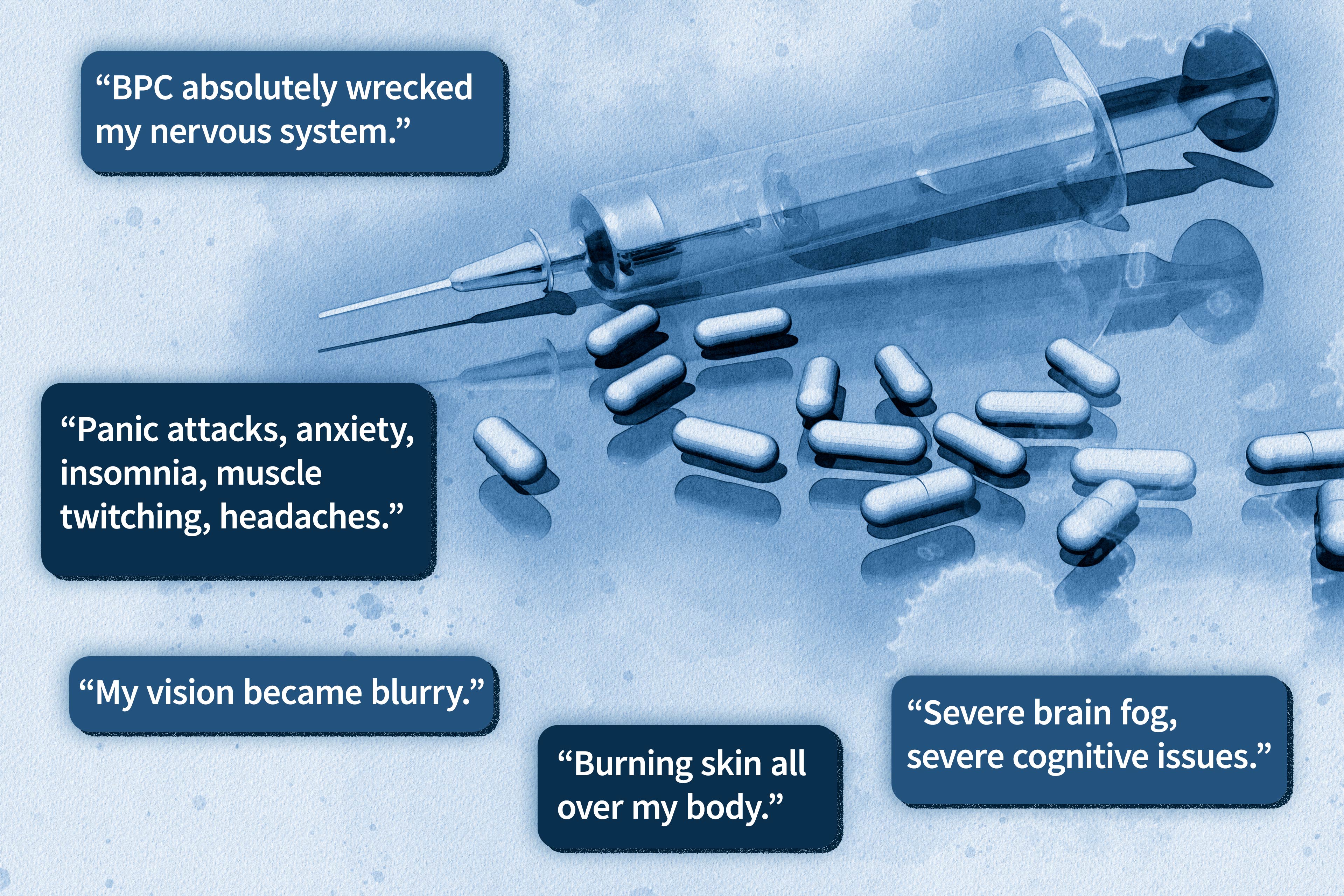
- FDA To Review Whether To Allow More Access To Certain Peptides
- Rising Colon Cancer Deaths Hit Younger Adults Without Degrees Hardest
- The Healthccare Burnout Backlask (pt 4): Why Contract Negotiation Has Become a Core Strategic Skill for Healthcare Administrators
- Over 80% of PCPs concerned about financial stability over next several years
- Industry Voices—DOJ jumps into 340B cases over state law, raising questions about federal plans for the program
- FDA's accelerated approval pathway needs stronger transparency, evidence standards: ICER
- Most People Would Take A Blood Test For Alzheimer's, Study Says
- This Sexually Transmitted Infection Linked To Heart Attack, Stroke
- How Playtime at Age 2, Especially with Parents, Shapes Teen Fitness Habits
- New Depression Treatment Matches ECT with Less Memory Loss, Study Says
- Memory Problems? Your Salt Intake Could Make Matters Worse, Study Says
- Ultra-Processed Foods Linked To Fatty Muscles, Potential Knee Arthritis
- Teva scores in appeal as court revives $177M verdict against Lilly in migraine patent spat
- Gen AI chatbots continually struggle with differential diagnoses, Mass General Brigham study finds
- Fierce Pharma Asia—Astellas’ stem cell therapy rethink; GSK’s bullish ADC plan; Daiichi’s OTC sale
- Remarks at the Options Market Structure Roundtable
- Former Deputy Surgeon General Erica Schwartz, M.D., nominated as CDC director
- Cattywampus: Statement on the CAT Concept Release
- Butterflies and Condors: Remarks at the Options Market Roundtable
- Rising ACA Costs Leave Many Unable To Pay for Coverage
- One Lot of Xanax Recalled Nationwide Over Quality Issue, FDA Says
- Cough Drops From Several Brands Being Recalled, FDA Says
- CDC May Get New Leader as Officials Consider Erica Schwartz
- Beyond the Visit: How AI Companion Technology Is Reshaping Outcomes for Aging Populations
- Statement at the Roundtable on Options
- Opening Remarks at the Options Market Structure Roundtable
- E-Bikes And E-Scooters A Growing Menace On City Streets, Study Says
- This Simple Step Could Improve The Benefits From Your Regular Workouts
- New Alzheimer's Drugs Provide No Meaningful Benefit, Major Evidence Review Concludes
- Air Pollution and Weather Tied to Migraines
- Brain Cancer Awareness: The Importance of Molecular Testing for Patients with Rare Brain Tumors
- AI simulates real-world HCP feedback on pharma content
Dr. Deane Waldman of the Texas Public Policy Foundation and Vance Ginn of Ginn Economic Consulting offer a free market, free choice resolution for our health care crisis:
New Year’s Resolution – To Cure Healthcare
By Deane Waldman & Vance Ginn - January 01, 2025In 1960, President Kennedy promised the U.S. would put a man on the moon within a decade. The experts scoffed, saying it was impossible based on the science, or the lack of it. Nine years later, Neil Armstrong stepped on lunar soil.
Today, talking heads as well as the public believe that fixing healthcare is impossible – it can’t be done! Doctors Ginn and Waldman disagree. They ascribe to the optimists’ credo: the difficult we do today; the impossible takes a little longer.
The burning platform theory says that people will refuse to get off a shaky, unstable, dangerous platform but will quickly vacate if it is on fire. Healthcare is on fire. People are likely to accept big changes today that they would have resisted years ago. Healthcare has reached its tipping point. The formation of DOGE is proof that fundamental change is possible.
Our New Year resolution for 2025 is to cure our impossible-to-fix healthcare system. The cure should produce a system that will allow Americans to obtain the care they want when they need it while simultaneously breaking the national addiction to overspending. The cure will require many, substantive changes over time. The impossible takes a little longer.
The first step is to pay American workers all the money they earn. The so-called benefit of employer-supported health care is an obsolete, market-distorting holdover from wage freezes enacted during World War II that deny workers all they are owed. On average, employers are currently giving $23,968 of employees’ earnings to insurance companies instead of paying that money to employees. Step #1 in the cure is paying the $23,968 to employees, not to insurance.
The natural place to park these funds would be some type of bank account for medical expenses. That is a problem. There are at least three different forms of such accounts: Health Savings Account (HSA), Flexible Spending Account (FSA), and Medical Savings Account (MSA). Each has multiple different governing regulations – federal, state, and various insurance plans. Some have use-it-or-lose-it time limits. Several insurance plans do not accept such accounts.
HSAs have contribution limits such as maximums of $4150 for an individual and $8300 for a family. Thus, at least $15,668 of earnings cannot be contributed at present. Furthermore, federal regulations stipulate what are allowable medical expenses and what are not – a choice that should be made by the patient not the government.
Restrictions on HSAs are a form of government control where regulations are unnecessary, inappropriate, and costly. Americans should be free to spend their hard-earned dollars as they see fit. Medical outlays should be tax-free for employees as they are now for employers.
Next, it is necessary to unleash the power of an HSA but in a new, simplified and unlimited form, starting with its name.
The purpose of healthcare is Care. The function of healthcare dollars is to Spend on care, not saving them. Thus, the new medical account should be called a Care Spending (not Savings) Account or CSA. There is no need for other accounts like the current HSA, MSA, or FSA.
There should be no limit on how much a family can contribute to an CSA and no time limit to use these funds. The account should be passed across years and generations. CSA monies can be spent on any health-related expenditure. In addition to standard care, medications not approved by the FDA (like ivermectin for COVID), crystal therapy, aromatherapy, and other forms of alternative medicine should be allowed while a big screen TV or a new automobile should not. If a family wishes to spend their CSA money on medical expenses for a non-family member, that too should be allowed.
In other words, Americans should be free to engage in tax-free spending on their medical care with no government direction, regulation, or coercion. Just because the Biden Administration labeled short-term insurance as “junk,” doesn’t mean Americans should be prohibited from purchasing it.
The CSA would require no regulatory apparatus other than IRS oversight. It will eliminate the need for and spending on the BURRDEN – Bureaucracy, Unnecessary Rules and Regulations, Directives, Enforcement, and Noncompliance activities – of HSA, MSA, and FSA. This will save billions of taxpayer dollars and improve access to reliable, timely care.
With more than $20,000 per year in an CSA to spend directly on care, and no third-party insurance costs or expenses for BURRDEN, providers can offer consumers drastically reduced prices for cash-only services and goods. Suddenly, that $2500 MRI would cost $750, easily affordable from the CSA. Even the $15,499 price tag for hip replacement at cash-only Oklahoma Surgery Center is not a problem. And for the rare, six-figure heart attack or cancer chemotherapy, there is high deductible catastrophic insurance (when and if Washington will stop over-regulating insurance.)
The CSA shows the impossible is possible: it saves consumers’ money and simultaneously pays more to providers. A standard charge through insurance for hip replacement is $35,114; Medicaid pays $12,922. As noted previously, the cash-only, no insurance charge to the patient is $15,499, not $35,114. Payment from the CSA to the provider is $15,499, not $12,922. And, the provider is paid immediately, not after two years of aggravating insurance reviews.
While many more actions are necessary to make health care accessible and affordable, the first two steps are as outlined. (1) Pay workers ALL the money they earn and let them spend it as they choose. (2) Provide a tax-free spending haven for medical expenses with a no limit (time or money) CSA.
The next part (step #3) of the New Year resolution involves turning Medicaid into a functional and sustainable medical safety net, which it most certainly is not.
Deane Waldman, M.D., MBA is Professor Emeritus of Pediatrics, Pathology, and Decision Science; former Director of Center for Healthcare Policy at Texas Public Policy Foundation; former Director of New Mexico Health Insurance Exchange; and author of 12 books, including multi-award winning, Curing the Cancer in U.S. Healthcare: StatesCare and Market-Based Medicine. Follow him on X.com @DrDeaneW or contact via www.deanewaldman.com.
Vance Ginn, Ph.D., is president of Ginn Economic Consulting, host of the Let People Prosper Show, and previously chief economist of the Trump White House's Office of Management and Budget. Follow him on X.com at @VanceGinn.
Get MHF Insights
News and tips for your healthcare freedom.
We never spam you. One-step unsubscribe.








