








- Built to Serve: The Day That Reminds Us Why We Chose Dentistry
- Journalists Catch You Up on Fauci Hearing, Peptides, and Kids’ Caffeine Consumption
- CMS finalizes 2.3% hospital pay bump, mandatory joint replacement model: 9 things to know
- How ambulatory shifts are reshaping perioperative strategy
- Cyclosporiasis cases top 18,000: 3 updates
- How Allegheny Health Network Strengthened its Foundation for IV Compounding Safety with Automation and Standardization¹
- Health plan customer service reps have AI in their ear
- Centene’s buyouts could have a $315M+ price tag for the rest of the year
- Medicare pay cut sparks specialty battle over skin cancer care
- Cardiovascular Institute of New England provides notice of data incident
- CMS locks in 2.3% inpatient hospital base pay increase, nudges back CJR-X Model start date
- Why autonomy — not just capital — is winning over cardiologists
- The $36 vs. $95 problem: How RVU negotiations are skewing physician pay
- Mississippi hospital board member, former CEO remembered as advocate for rural communities
- Pennsylvania SUD treatment locator reaches 146K users
- Top 10 dental, DSO stories in July
- Ohio youth treatment facility faces scrutiny over reported abuse: 8 notes
- What dental leaders told us in July
- Urban hospital closures and net change, by state
- Nebraska launches dashboard tracking rural health funds
- ADSO sues Colorado Dental Board over practice ownership rule
- New patient acquisition is the top growth driver for dental practices: Report
- 20 new behavioral health projects to know
- Nurses, patients protest North Star Health Alliance ASC closure
- No Surprises Act under attack by payers: 8 things to know
- Dental staffing wages up 23% since 2021: ADA
- AtlantiCare appoints anesthesiology, gastroenterology physician leaders
- Consumer dental spending up 24% over 10 years: 5 stats to know
- Baylor Scott & White joint venture expands outpatient behavioral health services
- 5 DSOs making headlines
- VA to explore GLP-1 treatment for alcohol use disorder: 4 notes
- A $5B wave of M&A hits the ASC industry
- FTC Sues Hims & Hers Over Health Privacy And Billing Practices
- 145 physician medical groups led all healthcare M&A sectors in Q1
- 10 new ASCs in July
- Healthcare exec, telemedicine company owner sentenced for $35M DME fraud scheme
- Amylyx demystifies post-bariatric hypoglycemia with patient education website
- What Dad Eats Before Conception May Influence Baby's Health
- Family History Plays Role In Genetic Risk For Breast Cancer, Researchers Find
- A look at employers' attitudes toward ICHRAs
- Revised 340B Rebate Model Pilot Program moves forward, despite provider pushback
- Function Health lands $450M in growth financing to scale tech-enabled preventive health
- Daiichi Sankyo flags accounting error, as shares tank despite revenue beat
- AbbVie's Skyrizi shrugs off new competition as it thrives in growing psoriasis market
- Op-ed: Hospitals on the edge, a time for CMS to do no harm
- Daily Routine Key To Good Health, Study Says
- Alignment Healthcare boasts 32% revenue jump in Q2, lifts 2026 outlook
- Xpovio mulligan in endometrial cancer comes up short as Karyopharm presses on in myelofibrosis
- Psilocybin Therapy Helps Ease Veterans' Severe PTSD, Pilot Study Finds
- Newsom Reverses On Long-Sought Paid Leave Benefit For California Teachers
- Nicotine Levels Are Rising Among Teens Who Vape, New Study Warns
- The Newest Federally Recognized Tribe Wants Better Healthcare. It May Be On Its Own.
- They Worked To Protect Public Health. Now They Want the Public’s Votes.
- 27 new behavioral health study findings to know
- 21 state behavioral health policy updates
- What will fuel the next wave of DSO growth
- Dentists’ biggest staffing headaches
- Shionogi makes the call on COVID pill Xocova TV spot
- Psilocybin-assisted therapy reduced PTSD symptoms: 3 notes
- Fierce Pharma Asia—Legend CEO exits; Merck’s hush-hush PD-1xVEGF plan; Otsuka’s novel ADHD nod
- Psychedelics, peptides and GLP-1s
- How 'physician-led' care team models tackle primary care's workforce problem
- How 7 systems divert behavioral health patients from the ED
- WellSpan Health, Hippocratic AI ink ‘multi-year’ partnership with plans to co-develop clinical AI agents
- Kaiser faces complaint over automated behavioral health triage system
- Free research hub Nila aims to demystify menopause, other hormone conditions
- Scientists Defend Fauci's Pandemic Work As Senate Hearing Turns Bitter
- Pfizer takes Litfulo to regulators in vitiligo challenge to Incyte, AbbVie
- Study Questions Effectiveness of Antihistamines in Easing Eczema
- Vaping Is Likely Reshaping The Future Of Cancer In The US, Study Argues
- Weekly Rundown: Counsel Health rolls out white label AI care platform; Community Health Network launches MyChart AI assistant
- New CEO Garijo sketches out vision to reverse Sanofi's fortunes as Q2 delivers impressive sales beat
- Alnylam shares tank 29% as Amvuttra disappoints with ATTR outlook cut for 2026
- Waystar boosts 2026 outlook as AI-powered RCM solutions gain traction with providers
- YouTuber MrBeast welcomes Amgen to the channel, kicking off pediatric cancer funding effort
- Booming Dupixent sales fuel Regeneron's biggest quarter since pandemic
- Sugar Consumption Early In Life Linked To Increased Dementia Risk, World War II-Era Data Show
- Work Stress Harming Middle-Age Sleep, Study Says
- RFK Jr.'s Gardasil litigation ties subject to fresh lawmaker scrutiny after Merck settlement
- Bristol Myers delays Cobenfy Alzheimer’s psychosis readout again amid another quarterly beat
- Hospice's Bad Reputation Amid Fraud Crisis Will Hurt Patients, Industry Experts Warn
- Cell Phone Ownership Linked To Lower Reading Skills In Elementary Students
- Listen to the Latest ‘KFF Health News Minute’
- Medicaid Insurers’ Contracts on the Line in Tight Governor’s Race
- Abortion Drug Law in Louisiana Heightens Hemorrhage Risk for Pregnant Patients
- Teladoc Health trims 2026 revenue forecast amid challenges with BetterHelp insurance shift
- Cigna CEO: Express Scripts seeing 'significant early interest' from clients for new rebate-free PBM model
- Viatris runs into FDA roadblock after advertising on-the-go use of cystic fibrosis inhaler
- Sanofi’s new CEO ‘looking deeply’ at late-stage pipeline as clinical clearout continues
- FTC sues Hims & Hers over data privacy, billing practices
- CMS' proposed 340B reimbursement cut—who wins, and who loses?
- Virtual care helps patients improve their gambling disorder symptoms, Birches Health finds
- Case Western Reserve University launches next-generation healthcare leadership program
- Lilly, Resilience commit $750M to boost US diabetes, obesity med production
- CMS ending Medicare Part D subsidy program
- Red Cross Declares Rare National Blood Supply Crisis Amid Summer Shortfall
- Not Just Pregnancy Fatigue: Could It Be Sleep Apnea?
- More Women Drinking During Pregnancy
- Wellstar Health System lays off 761 corporate, administrative staff
- Biogen flips '26 guidance from expected decline to sales increase
- Teva’s innovation engine offsets generics slump, leaving one analyst ‘shocked’ by Ajovy’s surge
- Talking To Your Baby? Eye Contact Is Key To Language Development, Experiment Shows
- Boosted by CMS settlement, Incyte expects Opzelura to cross $1B in 2026
- Leapfrog launches expanded ASC public reporting program
- Cyclospora Boosts Fears That Deadlier Foodborne Outbreaks Are Ahead
- DoorDash, GrubHub Delivering Junk Food To 1 In 4 Teens During School Hours
- Uninsured but Undaunted, a Surgical Patient Searched the Globe for a Deal
- Trump Has Quietly Throttled an Agency Devoted to the Safety of American Healthcare
- Hospice’s Bad Reputation Amid Fraud Crisis Will Hurt Patients, Industry Experts Warn
- Humana plans more market exits for 2027, CFO says
- PMCPA sanctions melatonin drugmaker over misleading information
- CG Life embraces next-gen era in merger with AI-native agency The Considered+AI
- How 2 FDA citations complicate Hengrui, Elevar’s push for liver cancer combo approval
- Fifth Death Reported In NYC Legionnaires' Disease Outbreak
- Many Young Adults Aren't Ready To Manage Their Own Healthcare, Poll Finds
- Can A Daily Multivitamin Help You Stay Active As You Age?
- Stellarus launches AI-powered health plan customer service representative copilot
- Prebiotic Soda Health Claims Questioned In New Nutrition Study
- Family-Based Childhood Obesity Program Helps Kids Cut Weight, Become Healthier
- To Afford Aging In Place, Older Adults Turn To 'Golden Girls' Housing
- Breakfast Can Help Teens Make Better Food Choices Throughout Their Day, Study Says
- Newsom Reverses on Long-Sought Paid Leave Benefit for Teachers in California
- FDA Panel Backs Two Peptides For Compounding, Rejects One
- How Accurate Are Photo-Based Calorie Apps? 4 Are Put To The Test
- Popular School Cafeteria Meals Need An Update To Meet Healthy Food Standards, Researchers Say
- Ovarian Syndrome Quadruples Heart Disease Risk In Women, Major Study Concludes
- Weed-Killing Chemical, Glyphosate, Linked To Premature Births In Humans, Study Says
- 'The Child Is Terrified': Doctors On Front Lines Of Measles Comeback Speak Out
- 'Yo-yo' Weight Loss Linked To Decline In Muscle Mass
- FDA Advisers Dismiss Safety Warnings, Back Four Peptide Treatments
- Frequent Marijuana Use Linked To Higher Stress Hormone Levels
- Back Pain? Try Swimming, Study Says
- Ozempic Cuts Down Calorie Intake For At Least A Year, Even If Hunger Returns, Trial Finds
- Money Problems Might Make Your Brain Old Before Its Time, Study Suggests
- Black MS Patients Dying Younger Than White Ones, Study Finds
- Headstands and Summervaults: A Statement on Crypto Vaults and Lending Strategies
- Remarks at the Small Business Capital Formation Advisory Committee Meeting
- Seeking Public Comment on Seeking Public Capital: Remarks Before the Small Business Capital Formation Advisory Committee
- Remarks to the Small Business Capital Formation Advisory Committee
- Statement on Regulation E-Delivery
- Paper Taper: Statement on Proposed Regulation E-Delivery
- Statement on Proposed Regulation E-Delivery
- Senate HELP committee advances nominees for CDC director, HHS preparedness head
- Remarks before the American-Hellenic Chamber of Commerce
- Remarks at the Society for Corporate Governance Conference
- Zimmer Biomet to Hire 500 in India as New Bengaluru Technology Centre Drives AI and MedTech Innovation
- AdaptHealth Investigates Data Breach After Social Engineering Attack, Possible Link to ShinyHunters Emerges
- Statement on the 2026 Regulatory Agenda
Michigan healthcare freedom community forum
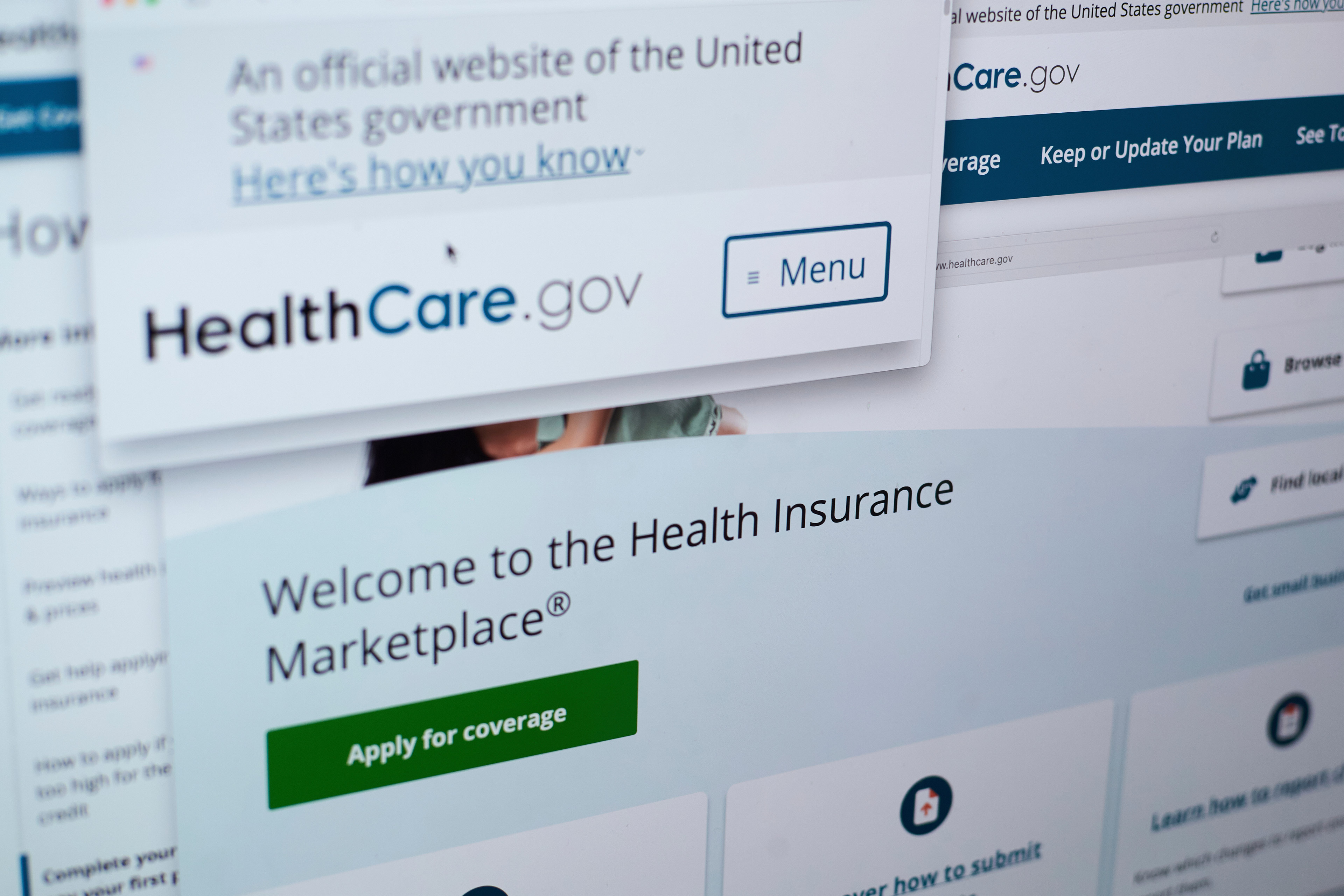
Part D is the optional Medicare prescription drug benefit program available both in regular Medicare and Medicare Advantage plans. It helps Medicare beneficiaries pay for self-administered prescription drugs. Part D was enacted as part of the Medicare Modernization Act of 2003 and went into effect on January 1, 2006. Under the program, drug benefits are provided by private insurance plans that receive premiums from enrollees and subsidies from the Centers for Medicare and Medicaid Services (CMS).
The Medicare Part D Premium Stabilization Demonstration (PSD) was launched in 2025 as a voluntary program to limit year-over-year premium increases for prescription drug plans to $ 35 in 2025 and $ 50 in 2026 by providing plan sponsors with additional subsidies to reduce beneficiary premiums.
CMS Administrator Dr. Mehmet Oz said in a statement on X that the PSD subsidies are ending because insurers no longer need them. He believes insurers now have enough experience pricing Medicare Part D plans that they do not need further, extra government assistance. It is also clear that he and President Trump consider the PSD another giveaway to the insurance industry.
The TDS infused take from The Hill:
Trump slashes Medicare drug subsidies, cutting against affordability message
By Mallory Wilson - August 1, 2026The end of a subsidy program that helped keep costs down for Medicare drug coverage could leave millions of seniors with higher monthly costs, a move that undermines the Trump administration’s message of cutting drug costs.
President Trump often touts his push for access to cheaper drugs through the TrumpRx platform and making “most-favored-nation” deals with drug companies.
But healthcare advocacy and policy organizations have said the end of the subsidy program will raise premium costs and put a burden on seniors at a time when costs are already high.
“President Trump has had a lot of strong rhetoric on drug prices and negotiating deals with manufacturers to lower prices, and they’ve taken a lot of different steps to try to bring drug prices down,” Juliette Cubanski, vice president and director of the Program on Medicare Policy at KFF, told The Hill.
“But it’s also true that this move to end these extra premium subsidies for some Medicare drug plans cuts in the other direction because it could translate to higher premium costs for millions of people with Medicare,” she said.
The Biden-era Medicare Part D subsidies will expire at the end of the year and won’t be offered in 2027, the Centers for Medicare and Medicaid Services (CMS) said — a decision that comes just months after Republicans in Congress allowed ObamaCare subsidies to expire.
Medicare Part D is optional insurance that helps cover brand-name and generic prescription drugs. It’s offered through private insurance companies as a stand-alone plan or as part of a bundled Medicare Advantage plan.
The program was restructured by the Biden administration to put a $2,000 annual cap on out-of-pocket spending on prescription drugs. It also allowed Medicare to negotiate prices for certain high-cost drugs.
When the subsidy program was created in 2024, in response to the effects of the 2022 Inflation Reduction Act, CMS said it could last for at least three years. That window is closing a year early, and three months before midterm elections in which “affordability” is a signature issue.
CMS has said new monthly cost estimates for Plan D coverage won’t be released until mid- to late-September. The national average monthly bid amount for 2027 — the estimated cost per patient for insurance companies — will be $296.05, up from $239.27 last year.
When announcing the end of the program, CMS Administrator Dr. Mehmet Oz wrote on social media that “the Biden admin gave BILLIONS of taxpayer money DIRECTLY to Big Insurance Companies. This is unacceptable.”
The program has cost a total of $9.8 billion in 2025 and 2026, a report by the Government Accountability Office said. About 23 million people were enrolled in the standalone Medicare Part D drug plans in 2025.
“We are stabilizing the market, so this bailout is no longer needed. Premiums will go up by less than $10 for most Medicare recipients, with many even seeing LOWER premiums,” he wrote.
Leslie Dach, founder and chair of Protect our Care, said saving would be incremental, while the impact on Medicare patients would be significant.
“This was a purposeful thing, and all these things are a choice they make,” she said. “It’d be like this costs $5 billion a year, you know, the war is costing us $100 billion, and so this is a choice they’ve made. It’s not fiscal responsibility.”
David Lipschutz, co-director of the Center for Medicare Advocacy, said he didn’t see the justification for cutting the program now, noting that it “has the impact of favoring enrollment in Medicare Advantage Plans, which some stakeholders are in favor of and the administration has seemed to express support for.”
But he also noted that Medicare Advantage “ends up costing the Medicare program more.”
“I think they will try to look at the savings that the government will have by not going through with this demo and claiming that that’s savings to the Medicare program, ‘look at everything we’re doing to root out waste, fraud and abuse, and here are some potential savings that we got,’” he said.
When asked for comment, the White House pointed to Oz’s social media posts.
A CMS spokesperson reiterated that the subsidies were only supposed to be temporary.
“We understand that outside organizations without plan bid information have voiced concerns, however our data shows that plan bids have stabilized; among the roughly quarter of Medicare beneficiaries enrolled in plans the previous demo impacted, over 85 percent of beneficiaries will have access to a Part D plan that is either lower cost or less than a $10 increase next year,” the spokesperson said.
“For most Medicare beneficiaries, premiums will go down, stay the same, or increase by less than $10,” the spokesperson said. “CMS remains focused on enacting policies to lower the cost of drugs and drug coverage, not directing billions of dollars in subsidies to insurance companies.”
But Cubanski said the program “had meaningful impact.”
“In 2026, the average premium reduction because of the subsidy program was $16 a month, and that might not sound like a lot, but to put it in context, the average standalone drug plan premium this year is $36 a month,” she said. “So, people might have had to pay nearly 50 percent more for drug coverage this year if the demonstration hadn’t been in place.”
“At the end of the day, I think what matters to people is how much more or less they have at the end of the month after all their bills are paid,” she said. “If their prescription drug plan premiums are going to be up for 2027, that just kind of puts more pressure on household budgets that are already being squeezed by higher gas prices and higher housing costs and higher food costs.”
Get MHF Insights
News and tips for your healthcare freedom.
We never spam you. One-step unsubscribe.