





Michigan healthcare freedom community forum

Political pundits are positing that the Make America Healthy Again MAHA movement is is the "wild card" in the coming November elections. This seems to ignore the overwhelming role that health care insurance premiums already seems to play:
https://thehill.com/policy/healthcare/5693585-trump-kennedy-republican-alliance/
RFK Jr.’s MAHA movement becomes wild card for GOP in 2026
By Nathaniel Weixel - January 18, 2026The Make America Healthy Again (MAHA) movement is a wild card ahead of this year’s midterm elections.
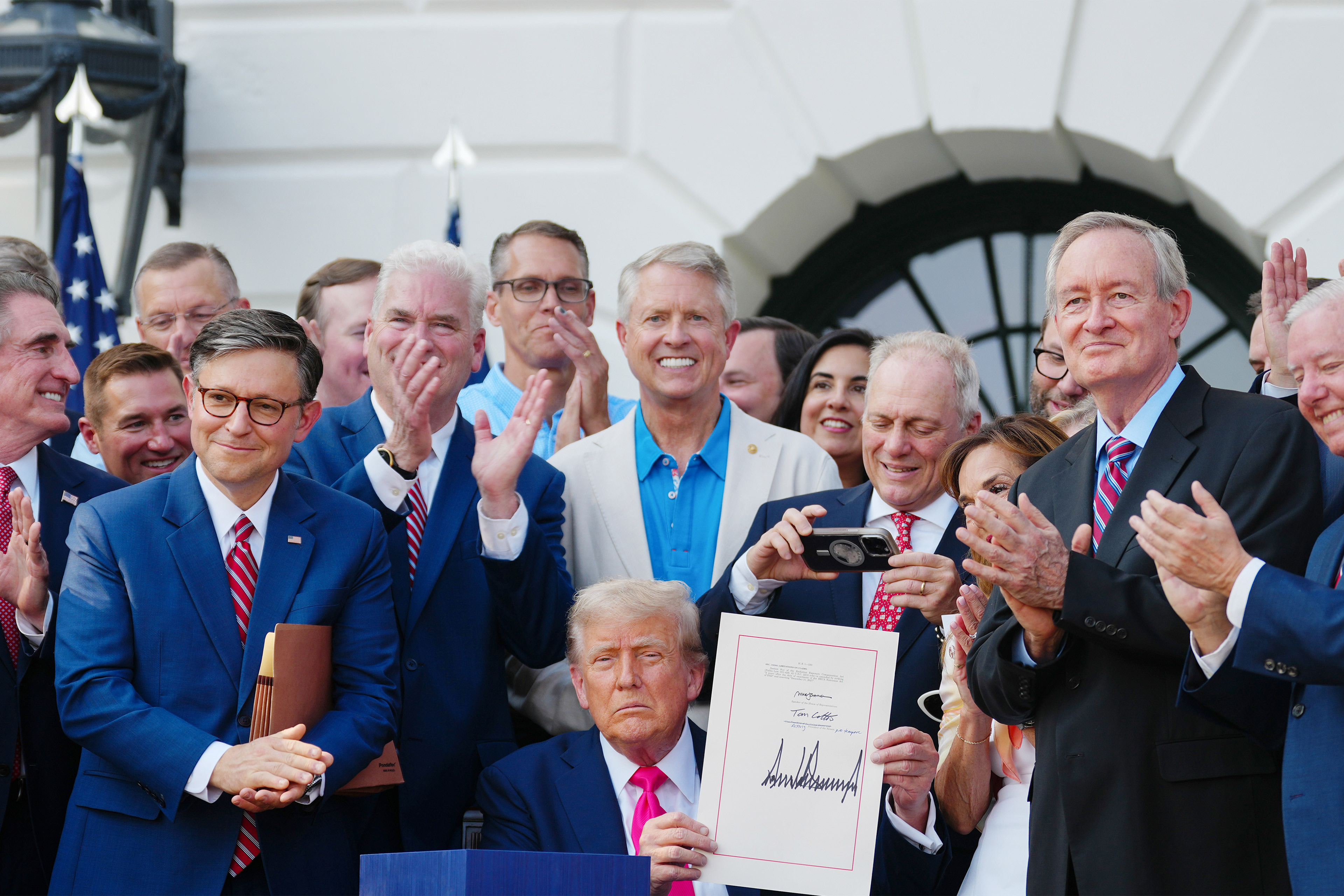
President Trump and parts of the Republican Party have aligned his Make America Great Again (MAGA) movement with MAHA and Health and Human Services Secretary Robert F. Kennedy Jr., hoping to boost GOP prospects.
MAHA helped give Trump an important ally in Kennedy, a longtime Democrat before he endorsed Trump and joined his administration. That gave Republicans access to a new group of voters, which could be key to helping lift the party in a year where Trump’s ratings are underwater.
Trump’s overall job approval rating now stands at 39 percent, according to a Jan. 16 CNN poll. He has the support of the Republican base, but not many others. Trump’s job approval stands at just 29 percent among Independents.
“If you look across the United States, some of the most popular Republican policies that have come out since the ‘24 elections have been things like SNAP reform, have been things like school lunch reform … things that have come out of this MAHA movement” and championed by Kennedy, said Jeff Hutt, a spokesperson for the MAHA PAC.
MAHA voters are not necessarily strong Republican primary midterm voters, Hutt said, and don’t necessarily support Trump at all costs. For instance, the MAHA PAC endorsed Rep. Thomas Massie (R-Ky.), who’s facing a Trump-backed primary challenger in 2026.
“The Republican Party is going to have to really give those people, or express a reason to those people, why they should come out and vote, and I think that’s going to be their big challenge,” Hutt said.
But Republicans trying to appeal to MAHA voters will need to walk a tightrope between the agricultural and food wing of the movement as well as the anti-vaccine wing, as Democrats try to exploit the latter as a weakness.
Kennedy “has the support of the loudest voices in MAHA across the country, and they probably agree with his position on vaccines,” said Sen. Roger Marshall (R-Kan.), who launched the Senate MAHA Caucus in 2024 shortly after Trump tapped Kennedy to lead Health and Human Services.
“But vaccines [are] such a small part of the big picture here, and I’m sure hoping we can move on from vaccines and talk about these other things” such as healthier food and soil and curbing chronic disease, Marshall said.
The Trump administration showed it recognized the importance of appealing to MAHA voters during a glitzy, invite-only “MAHA Summit” held at the Waldorf Astoria hotel in November.
During the event, MAHA VIPs mingled with top Trump administration officials, including Vice President Vance.
Kennedy even moderated a fireside chat with Vance, where the vice president adopted the secretary’s skepticism of public health and establishment medicine.
“I don’t like taking medications,” Vance said. “I don’t like taking anything unless I absolutely have to. And I think that is another MAHA-style attitude. It’s not antimedication, it’s anti-useless-medication. … We should only be giving our kids stuff if it’s actually necessary, safe and effective.”
Support for the MAHA movement is polarized, polls have shown, with Republicans more likely than Democrats and independents to say they identify as supporters.
But many of MAHA’s ideas are broadly popular, even if the label is partisan.
A KFF/Washington Post poll of 2,700 parents released in October found about 4 in 10 identified as supporters of the MAHA movement. That included 1 in 6 Democratic parents and one-third of independent parents.
At least 8 in 10 parents said they “strongly” or “somewhat” supported increasing government regulations on dyes and chemical additives in food, highly processed food, and added sugars in food. That included more than 80 percent of Republican parents.
David Murphy, a former finance director for Kennedy’s presidential campaign, noted food safety and environmental safety and health are issues that Democrats usually lead on.
But Kennedy joining the Trump administration has shifted that dynamic and made life more uncomfortable for Republicans who have traditionally supported the food and pesticide industries.
“I think the food and ag stuff does have bipartisan appeal,” Murphy said.
The MAHA agenda can give GOP candidates a set of popular health issues to talk about, especially if they focus on ultra-processed foods, artificial sweeteners, and obesity.
A lawmaker’s embrace of some of the less popular issues — such as changes to pediatric vaccines— will likely depend on their district.
Kennedy has unilaterally upended federal vaccine policy by slashing the number of recommended vaccines for children, moves that left public health experts aghast and fearful of a resurgence in dangerous, preventable illnesses. He has also signaled more changes are coming.
If Democrats can make Kennedy’s vaccine changes the centerpiece of their attacks, he could be a liability for GOP candidates.
According to the KFF poll, parents who support MAHA were more likely to express vaccine-skeptical attitudes and were much less likely to think it’s important for children in their communities to be vaccinated against COVID-19 or the flu.
However, both MAHA parents and non-MAHA parents overwhelmingly valued long-standing childhood vaccines. Almost 8 in 10 MAHA parents were confident in the safety of the polio and measles, mumps and rubella shots.
“I think probably for [candidates] who have to do a lot of appealing to suburban parents, I think [vaccine changes are] a hindrance,” GOP strategist Liz Mair said.
Suburban women who voted for Trump and Republicans because of inflation concerns “are not naturally going to gravitate towards the party that puts an anti-vax guy who has a bunch of crazy theories about Tylenol,” Mair said.
Get MHF Insights
News and tips for your healthcare freedom.
We never spam you. One-step unsubscribe.
Sponsors

J & DE Family Charitable Fund
Friends
of MHF

Kelly Grotendiek
Philip Harbach
Dale Johnson
Drs. Jeffrey and Joni Jones
Vickie Kahle
Tammy Kipen
Marlin & Kathy Klumpp
Melanie Kurdys
Ruth Nobel
Patrick Peterson
Stephanie Poortenga
Jeanne Smit
Ben and Hope Staal
John Tuinstra
Jacki VanHuis
Sandy Walker
Sign Up for MHF Insights to keep up on the latest in Michigan Health Policy