








Michigan healthcare freedom community forum

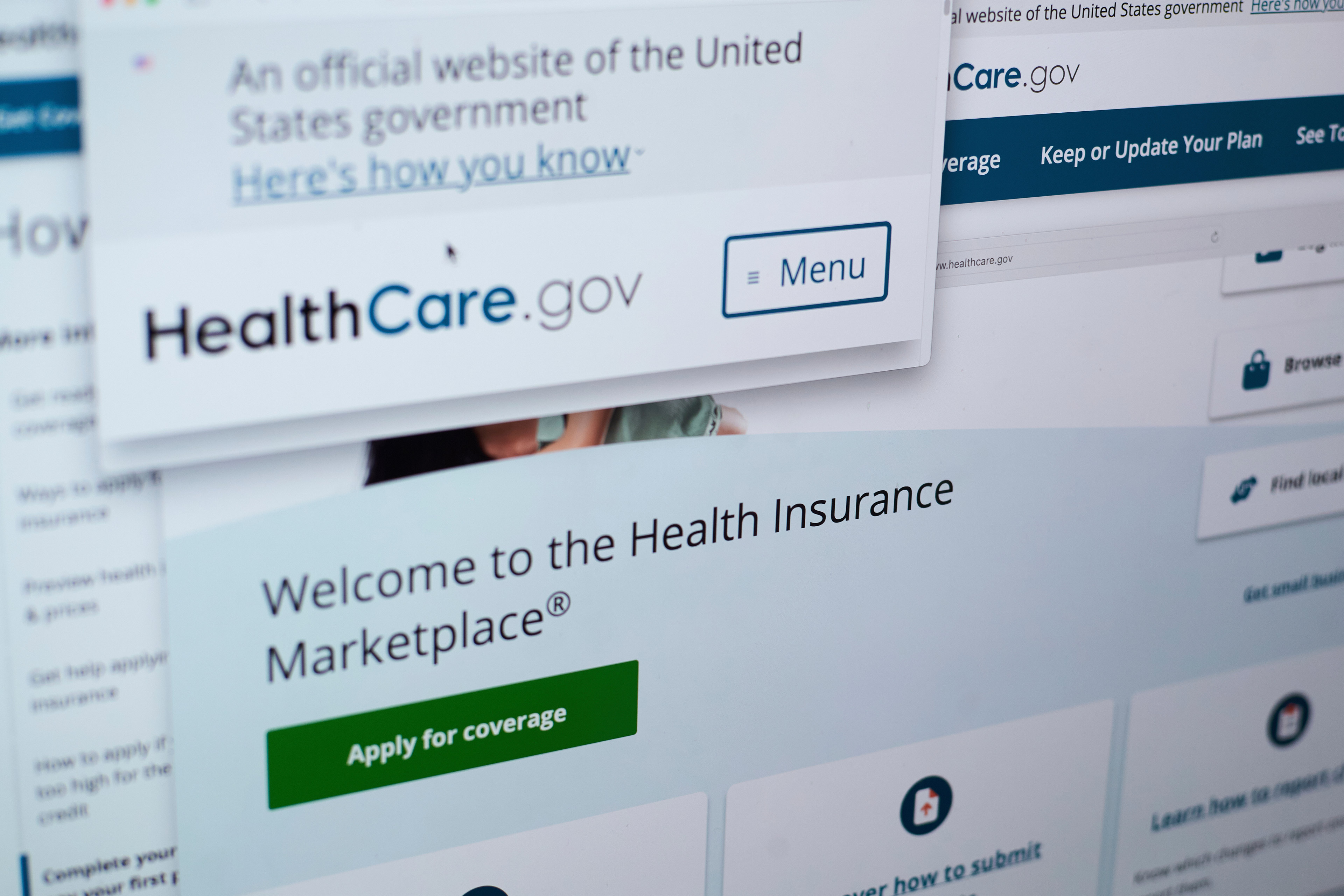
NIH has been funding over $1.3 billion in active grants that include DEI components — from race-based hiring schemes to “anti-racist” training initiatives and diversity-first faculty pipelines, even after President Trump's January 20th XO 14151: Ending Radical And Wasteful Government DEI Programs And Preferencing. At least $441 million of those grants explicitly cited DEI in their project descriptions, according to NIH data compiled by watchdog group Do No Harm.
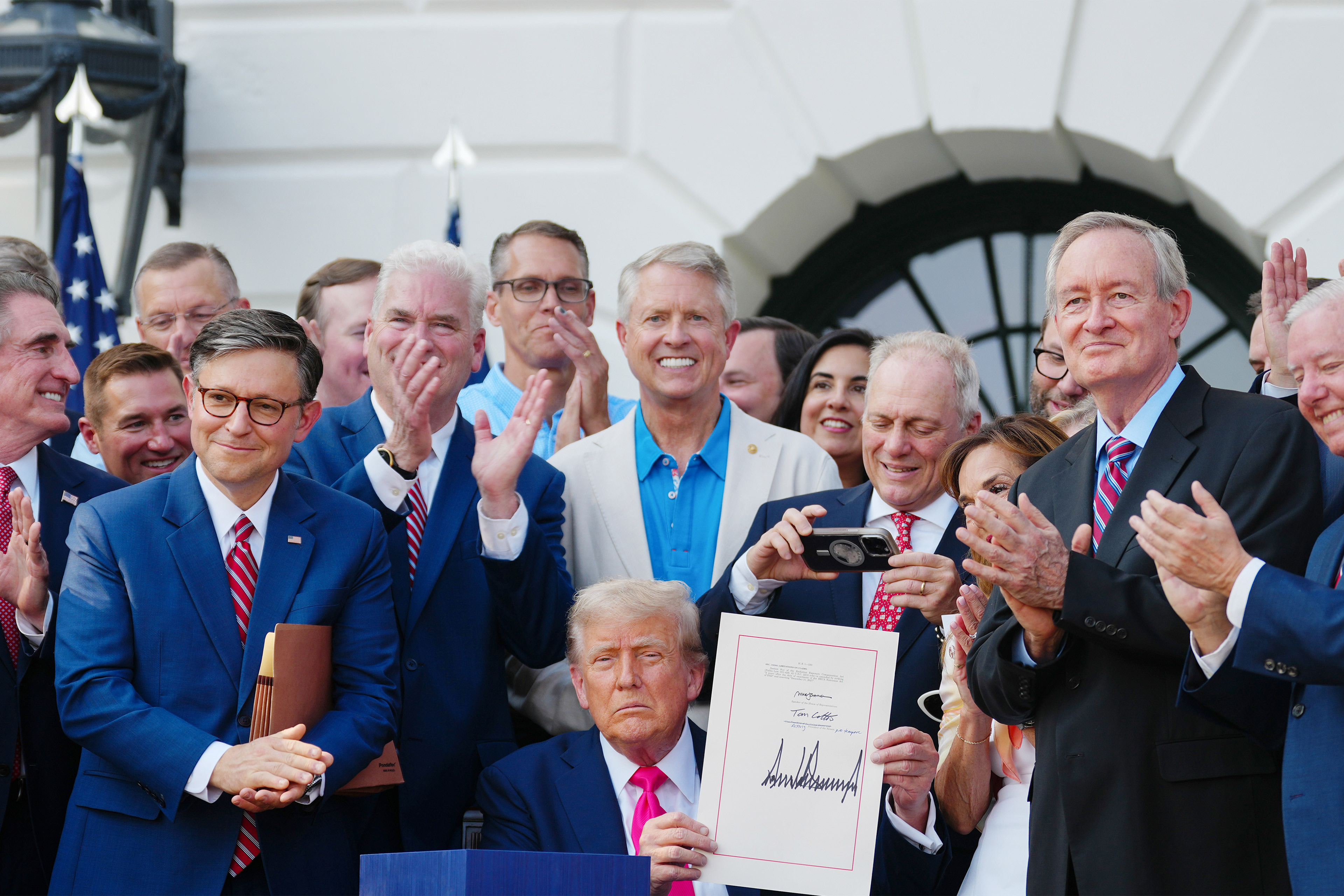
The U.S. Supreme Court just put an end to this insolence, today:
US Supreme Court lets Trump cut diversity-related NIH grants
By Andrew Chung - August 21, 2025Aug 21 (Reuters) - The U.S. Supreme Court let President Donald Trump's administration on Thursday proceed with sweeping cuts to National Institutes of Health grants for research related to racial minorities or LGBT people, part of his crackdown on diversity, equity and inclusion initiatives and transgender identity.
The justices granted the Justice Department's request to lift Boston-based U.S. District Judge William Young's decision in June that the grant terminations violated federal law, while a legal challenge brought by researchers and 16 U.S. states plays out in a lower court.
The NIH is the world's largest funder of biomedical research. The cuts are part of Trump's wide-ranging actions to reshape the U.S. government, slash federal spending and end government support for programs aimed at promoting diversity or "gender ideology" that the administration opposes.
The administration said Young's ruling required the NIH to continue paying $783 million in grants that run counter to its priorities.
The administration repeatedly has sought the Supreme Court's intervention to allow implementation of Trump policies impeded by lower courts. The Supreme Court, which has a 6-3 conservative majority, has sided with the administration in almost every case that it has been called upon to review since Trump returned to the presidency in January.After Trump signed executive orders in January targeting DEI and gender ideology, NIH instructed staff to terminate grant funding for "low-value and off-mission" studies deemed related to these concepts, as well as COVID-19 and ways to curb vaccine hesitancy.
Young's ruling came in two lawsuits challenging the cuts. One was filed by the American Public Health Association, individual researchers and other plaintiffs who called the cuts an "ongoing ideological purge" targeting projects based on "vague, now-forbidden language." The other was filed by the states, most of them Democratic-led.
The plaintiffs said the terminated grants included projects on breast cancer, Alzheimer's disease, HIV prevention, suicide, depression and other conditions that often disproportionately burden minority communities, as well as grants mandated by Congress to train and support a diverse group of scientists in biomedical research.
Young, an appointee of Republican former President Ronald Reagan, invalidated the grant terminations in June. In a written ruling, the judge said they were "breathtakingly arbitrary and capricious," violating a federal law governing the actions of agencies.
During a June hearing in the case, Young rebuked the administration for what he called a "darker aspect" to the case that the cuts represent "racial discrimination and discrimination against America's LGBTQ community."
"I've never seen a record where racial discrimination was so palpable," the judge said.
Young also said the cuts were designed to stop research that bears on the health of the LGBT community. "That's appalling," the judge said.
The Boston-based 1st U.S. Circuit Court of Appeals on July 18 denied the administration's request to put Young's decision on hold.
The administration has argued that the litigation should have been brought in a different judicial body, the Washington-based Court of Federal Claims, which specializes in money damages claims against the U.S. government.That reasoning was also the basis for the Supreme Court's decision in April that let Trump's administration proceed with millions of dollars of cuts to teacher training grants also targeted under the DEI crackdown.

NIH funds concentrate on DEI, because NIH grants are concentrated in liberal congressional districts like the People's Republic of Ann Arbor, home of the U of M.
The Daily Signal brings the evidence.
https://www.dailysignal.com/2025/09/18/unhealthy-concentration-federal-health-research-funding/
The Unhealthy Concentration of Federal Health Research Funding
September 18, 2025
The Trump administration has focused critical attention on the National Institutes of Health, and for good reason. Despite the importance of its mission, the NIH has been hijacked to advance political agendas.
NIH research grants are heavily concentrated in a small number of congressional districts represented by progressives. In 2024, over half of NIH research grants went to just 20 congressional districts, all of which were located in liberal enclaves.
NIH funding is typically awarded by competitive grants judged by committees of experts. But assignment to those committees and designation as an expert is strongly influenced by having been a past recipient of federal funding.
The Daily Signal depends on the support of readers like you. Donate now
This creates incestuous groups of researchers in a small number of universities handing money to each other. If ever researchers outside of this bubble begin to win significant grant dollars, universities’ excessive overhead charges from federal funding can allow them to make generous salary offers and relocate those researchers to the closed circle of favored institutions.
Using taxpayer dollars to create and subsidize a narrow cartel for health research dominated by the Left introduces political bias, undermines public confidence in the results, and inflates costs.
First, these researchers’ concentration in progressive enclaves distorts the topics they select to study.
For example, a search of the NIH website reveals that there were 71,482 projects addressing the issue of diversity in the last decade. That’s more than the 47,018 projects that examined obesity—which is among the country’s most pressing public health challenges, affecting more than a third of all adults and almost a fifth of all children.
Similarly, the NIH website lists 2,735 projects on transgender issues in the last decade, compared to just 19 on the health effects of prayer.
This political distortion of health research is undermining public confidence in the NIH and scientific research more generally.
According to a recent survey, only 22% have “a great deal of trust” in “scientists who work for the National Institutes of Health,” with significantly lower levels of trust among Republican respondents. The fact that research is mostly done in elite coastal enclaves does not bolster confidence that health researchers are in touch with the concerns of ordinary Americans.
Concentrating research also increases how much taxpayers have to pay.
Universities charge for overhead, or administrative and facility costs, on research grants. The amount they charge depends largely on the cost of living in that location, as well as the sophistication of the university in gaming the system to get paid more for doing the same thing. As it turns out, the places that get the lion’s share of NIH research grants also have the highest overhead rates for research because they tend to be located in expensive cities and because they use their cartel power to get away with charging more.
Harvard has an overhead rate of 69%, meaning that for every dollar the NIH provides for research, taxpayers have to pay Harvard another 69 cents for overhead. Yale has an overhead rate of 67.5%. Cal Tech charges 68.4%.
Meanwhile, places that receive relatively little NIH funding have much lower overhead rates. The University of Mississippi only charges 46%. The University of North Dakota charges 41%.
Given economies of scale—where overhead expenses per study should be cheaper when those fixed costs are spread over a larger set of projects—it makes no sense for it to cost more to cover research infrastructure at places that get a lot of grants relative to those that get very few. It also makes no sense for taxpayers to be charged more to have almost of the research concentrated in the most expensive places. There is no reason why scientists can’t do their work in Mississippi or North Dakota rather than Boston or Los Angeles.
The geographic distribution of government funding, including in the sciences, has important political implications. Most government agencies have had the good sense not to concentrate all of their spending in a handful of locations. Instead, they’ve spread out their spending, understanding that doing so helps control costs, builds confidence in government programs, and ensures representation of the diverse perspectives of our large country.
The NIH should take its cue from those agencies and do the same.
Jay P. Greene is a senior research fellow at The Heritage Foundation, which has posted a data visualization providing information on the level of NIH funding in every congressional district in the country.
This is inexplicable. After winning at the U.S. Supreme Court, the Department of Justice surrenders to the secret cabal of Democratic Attorneys General:
Trump administration agrees to drop anti-DEI criteria for stalled health research grants
By Jacob Fischler - December 30, 2025The Trump administration will review frozen grants to universities without using its controversial standards that discouraged gender, race and sexual orientation initiatives and vaccine research.
In a settlement agreement filed in Massachusetts federal court Monday, the National Institutes of Health and a group of Democratic attorneys general who’d challenged the new criteria for grant funding said the NIH would consider grant applications made up to Sept. 29, 2025, without judging the efforts related to diversity, equity and inclusion, or DEI, or vaccines.
The settlement provides an uncontested path for the agency while courts decide whether the administration can use its controversial analysis. The administration did not agree to permanently ditch its campaign to evaluate health research funding decisions based on schools’ DEI programs.
NIH officials “will complete their consideration of the Applications in the ordinary course of NIH’s scientific review process, without applying the Challenged Directives,” the settlement said, adding that the agency would “evaluate each application individually and in good faith.”
The settlement was signed by U.S. Department of Justice lawyers and the attorneys general of Massachusetts, California, Maryland, Washington, Arizona, Colorado, Delaware, Hawaii, Minnesota, Nevada, New Jersey, New Mexico, New York, Oregon, Rhode Island and Wisconsin.
In a Tuesday statement, Massachusetts Attorney General Andrea Joy Campbell said the agreement commits the Department of Health and Human Services to resume “the usual process for considering NIH grant applications on a prompt, agreed-upon timeline.”
The 17 attorneys general sued in April over $783 million in frozen grants.
A trial court and appeals court in Massachusetts sided with the states, but the U.S. Supreme Court ruled in August that the trial judge lacked the authority to compel the grants to be paid, especially in light of a similar decision involving the Education Department.
Get MHF Insights
News and tips for your healthcare freedom.
We never spam you. One-step unsubscribe.
Sponsors

J & DE Family Charitable Fund

Friends
of MHF

Kelly Grotendiek
Philip Harbach
Dale Johnson
Drs. Jeffrey and Joni Jones
Vickie Kahle
Tammy Kipen
Marlin & Kathy Klumpp
Melanie Kurdys
Ruth Nobel
Patrick Peterson
Stephanie Poortenga
Jeanne Smit
Ben and Hope Staal
John Tuinstra
Jacki VanHuis
Sandy Walker
Sign Up for MHF Insights to keep up on the latest in Michigan Health Policy