








- Texas ASC completes 1st artery embolizations with Regent Surgical platform
- UnitedHealthcare’s ‘deliberate trade-off’ for margin recovery
- Surgeons’ sex ruled out as driver of disparities in cardiac surgery: Study
- VCU Health creates new marketing leadership role
- Optum revenue hits $63.7B in Q1
- Wellstar CEO: Keeping care local while building across the Southeast
- What is ibogaine? 4 things to know
- Lexington Health names new CIO
- How Tenet turned a hospital company into the country’s largest ASC operator: 7 things to know
- NIH grants differ 0.1%, 40% between DO, MD colleges
- Kaiser plans new hospital in San Francisco: 8 things to know
- What dentists need to know about the growing use of AI in healthcare
- Building a Rural Hospital: What Valencia County Teaches Us
- 3 GI leaders keeping their practices independent in 2026
- CVS warns of closures as Tennessee passes PBM bill
- 69% of DSOs plan to boost acquisitions in 2026: Report
- Providence Inland Northwest Washington taps community mission board members
- Minnesota ASC sees 1st Vanquish procedure in Midwest
- NADP appoints 1st dentist to permanent position
- Texas behavioral health provider reports breach affecting 285,000
- 5 new workforce statistics for dentists to know
- Heartland Dental to open $660K Florida office
- Heartland Dental adds RCM solutions to network
- Physician Partners of America adds another anesthesiologist
- Nonprofits to merge into national suicide prevention organization
- Prenatal medications linked to increased autism risk: 4 study notes
- What’s new with Ascension?
- Psych hospital’s security change draws scrutiny amid patient assaults
- 5 orthopedic leaders shaping ASC growth
- What 3 recent CON debates mean for the ASC industry
- The DSO de novo boom
- Children’s Activity Cubes Recalled Over Choking Hazard Risk
- What is ibogaine? 4 things to know
- Merck amps up presence in HIV treatment market with FDA nod for novel combo pill Idvynso
- Rush to open 60,000-square-foot Chicago wellness center
- 'Don't be a wimp,' Mark Cuban tells lawmakers hesitant to break up PBMs
- VideaHealth undergoes rebrand, extends to private practices
- Study Finds AI Chatbots Can Give Misleading Health Advice
- Former Surgeon General Backs CDC Nominee, But Questions Remain on Vaccines
- Listen to the Latest ‘KFF Health News Minute’
- Cantaloupes Recalled in Four States Due to Salmonella Risk
- Keynote Remarks at The Economic Club of Washington
- Merger to create nation's largest suicide prevention nonprofit
- Oz previews new plan to push states toward revalidating Medicaid providers
- Pfizer's strategy head Andrew Baum to step down following brief tenure: reports
- Covera Health, Medmo combine to create end-to-end diagnostic imaging platform
- The Oral GLP-1 Tracker: Following the launch trajectories of Lilly’s Foundayo, Novo’s Wegovy pill
- Service Dogs Perform Tasks Akin To Human Caregivers, Researchers Say
- A Third Of Young Adults Are Couch Potatoes, Their Parents Say
- Powerful Antibiotic Combo Not Necessary For Simple Sinus Infections, Study Shows
- Black Women Hit Hardest By Pandemic-Related Rise In Pregnancy-Related Deaths
- Smoking, Vaping Weed Increases Risk Of Asthma Attacks Among Young Adults, Study Finds
- Less-Dangerous Painkillers, Gabapentinoids, Still Have High Risk For Drug Interactions
- AstraZeneca eyes 5th Ultomiris indication after kidney disease trial win
- In a Merck Litespark shocker, Welireg triplet misses the mark in first-line kidney cancer
- Real Estate Investors Profit From Long-Term Care While Residents Languish
- Democrats Demand Trump Administration Halt Plan To Collect Federal Workers’ Health Data
- Listen: Cheap Health Insurance Isn’t Always Cheap
- UnitedHealth Group spotlights AI investments as part of operational turnaround
- ECRI spins out healthcare supply chain division into Staritas, backed by PE firm Accel-KKR
- UCB partners with Myasthenia Gravis Foundation of America on meal program targeting nutrition deserts
- Indiana University Southeast earns counseling accreditation
- Ohio safety-net provider to acquire behavioral health organization
- Replimune ramps up layoffs to cover 60% of workforce amid ongoing fallout of FDA rejection
- Connecticut dentists among growing number of non-hospital clinicians suing patients over medical debt: Report
- 3 in 10 adults turn to digital tools for mental health: 4 study notes
- Maine boosts reimbursement rates for dental procedures requiring anesthesia
- Statement on the Amendments to Form PF
- Update on the SEC’s Work Toward Treasury Clearing Implementation
- 'Hospitals adverse to transparency'—clashing industry groups spar on mulligan 340B rebate pilot
- San Diego County opens $28M crisis stabilization unit
- “PF” Stands for Please Fix: Statement on the Proposed Amendments to Form PF
- A look inside Highmark and Spring Health's mental well-being partnership
- CVS, Mass General Brigham primary care deal would increase annual care spending by $40M, report predicts
- Beyond Reporting: Realizing Continuous Safety Surveillance for Medical Devices
- Safeguarding Scientific Publishing from AI Hallucinations and Fabricated Citations
- AIDS Relief Program Sees Drops in Testing and Diagnoses After Disruptions
- Baby Food Recalled After Rat Poison Discovered in Jar
- Report Finds Drug Prices Rising Despite Trump Pricing Deals
- Trump Backs Psychedelic Research
- Styker Adds IVL Technology to Peripheral Vascular Portfolio with Amplitude Acquisition
- Hippocratic AI rolls out 2 new tools aimed at expanding clinical access, improving nurse workflow
- In Connecticut, doctors now sue patients most over medical bills, surpassing hospitals
- Sanofi touts tolerability of COVID shot Nuvaxovid in head-to-head trial vs. Moderna's mNexspike
- Physician burnout falls for third year in 2025 to 42%, AMA data shows
- Naloxone's OD-Reversing Powers Challenged By Today's Opioids, Tests Show
- Extra Antibiotic Doesn't Reduce Infection Risk During Surgery To Fix Complex Fractures, Trial Finds
- Clinical Trial Suggests Two Simple Ways To Fight Chemo-Related Brain Fog
- E-Cigarette Taxes Won't Necessarily Cause An Increase In Smoking, Study Says
- Dreams Affect Your Morning Mood In Surprising Ways, Study Finds
- Weed Blunts Brain Development In Teens
- Genentech shifts Hemlibra marketing focus to patient stories as competition approaches
- An Arm and a Leg: The Accidental Architect of America’s Drug Patent Problem
- In Connecticut, Doctors Now Sue Patients Most Over Medical Bills, Surpassing Hospitals
- Neurogene hires new CCO as it eyes commercial future for its Rett gene therapy
- Biovac nets $108M finance package to build Africa’s first fully integrated vaccine plant
- Theramex exits self-regulatory body after ‘systemic’ compliance failures
- Trump orders FDA to fast-track reviews of psychedelic drugs after lobbying by podcaster
- Bayer falls short in bid to block J&J’s survival claims in prostate cancer clash
- Biogen bullish on America with Durham Bulls team up
- AbbVie launches ‘PSO Done’ psoriasis campaign with cross-agency effort
- DOJ seeks immediate asset freeze, receivership against telehealth company Zealthy
- New Clues Explain Why Immunotherapy Fails in Pancreatic Cancer
- Does My Child Have a Language Disorder?
- Journalists Talk Hot Health Topics: Urgent Care Clinics Performing Abortions and Doulas’ Pay
- AACR: FDA vet Pazdur bemoans state of agency, warns of political influence and ‘sense of anxiety’
- Tu nuevo terapeuta: conversador, indiscreto… y difícilmente humano
- What the Health? From KFF Health News: A New CDC Nominee, Again
- States Update Guardianship Laws To Keep Children of Immigrants Out of Foster Care
- Oscar unveils Lucie, its one-stop shop for individual market plans, supplemental benefits
- Affordability, transparency: A look at large employers' top healthcare concerns
- New Weight Loss Research Questions Need for GLP-1 Drugs
- Trump Names CDC Director Pick
- SocialRx teams up with FQHC in NYC to prescribe arts and culture for chronically ill patients
- FDA To Review Whether To Allow More Access To Certain Peptides
- Rising Colon Cancer Deaths Hit Younger Adults Without Degrees Hardest
- The Healthccare Burnout Backlask (pt 4): Why Contract Negotiation Has Become a Core Strategic Skill for Healthcare Administrators
- Over 80% of PCPs concerned about financial stability over next several years
- Industry Voices—DOJ jumps into 340B cases over state law, raising questions about federal plans for the program
- FDA's accelerated approval pathway needs stronger transparency, evidence standards: ICER
- Most People Would Take A Blood Test For Alzheimer's, Study Says
- This Sexually Transmitted Infection Linked To Heart Attack, Stroke
- How Playtime at Age 2, Especially with Parents, Shapes Teen Fitness Habits
- New Depression Treatment Matches ECT with Less Memory Loss, Study Says
- Memory Problems? Your Salt Intake Could Make Matters Worse, Study Says
- Ultra-Processed Foods Linked To Fatty Muscles, Potential Knee Arthritis
- Teva scores in appeal as court revives $177M verdict against Lilly in migraine patent spat
- Gen AI chatbots continually struggle with differential diagnoses, Mass General Brigham study finds
- Fierce Pharma Asia—Astellas’ stem cell therapy rethink; GSK’s bullish ADC plan; Daiichi’s OTC sale
- Remarks at the Options Market Structure Roundtable
- Former Deputy Surgeon General Erica Schwartz, M.D., nominated as CDC director
- Cattywampus: Statement on the CAT Concept Release
- Butterflies and Condors: Remarks at the Options Market Roundtable
- Rising ACA Costs Leave Many Unable To Pay for Coverage
- One Lot of Xanax Recalled Nationwide Over Quality Issue, FDA Says
- Cough Drops From Several Brands Being Recalled, FDA Says
- CDC May Get New Leader as Officials Consider Erica Schwartz
- Beyond the Visit: How AI Companion Technology Is Reshaping Outcomes for Aging Populations
- Statement at the Roundtable on Options
- Opening Remarks at the Options Market Structure Roundtable
- E-Bikes And E-Scooters A Growing Menace On City Streets, Study Says
- This Simple Step Could Improve The Benefits From Your Regular Workouts
- New Alzheimer's Drugs Provide No Meaningful Benefit, Major Evidence Review Concludes
- Air Pollution and Weather Tied to Migraines
- Brain Cancer Awareness: The Importance of Molecular Testing for Patients with Rare Brain Tumors
- AI simulates real-world HCP feedback on pharma content
Michigan Advance posted a story yesterday afternoon based on interviews with two left wing Michigan doctors discussing the health care plans of the incoming Trump Administration.
Dr. Farhan Bhatti is the CEO of Lansing free clinic Carefree Medical and resigned from the Lansing Public School Board earlier this year. He took time out of his busy schedule in 2020 to testify to the U.S. Senate Judiciary Committee against the confirmation of Amy Coney Barrett to the Supreme Court. Dr Bhatti is a board member of the Committee to Protect Health Care, a super PAC that advocates for free public health care and the Affordable Care Act.
Dr. Rob Davidson, an ER doctor from Fremont, is the executive director of the Committee to Protect Health Care super PAC and a past U.S. Congressional candidate. He espouses gun control, abortion, mRNA vaccines, and government run health care.
It is doubtful that these doctors represent a majority of Michigan doctors, but the medical community has been radicalized since passage of the PPACA. Government now funds most of U.S. health care, from which doctors derive their incomes:
Michigan doctors prepare for expected GOP assault on Medicaid, Medicare and the Affordable Care Act
‘People like the ability to get affordable insurance. I think that will be a pretty big surprise for some people when they go to enroll’
By Jon King - December 10, 2024Michigan doctors say expected changes to Medicare and Medicaid, as well as the Affordable Care Act , will not only result in devastating health consequences for those least able to care for themselves, but likely higher costs for everyone down the road.
“People with mental illnesses that we’re treating every day, we’re keeping them stable. If they lose the access to the medications we’re prescribing them, they end up with worsening symptoms, worsening depression, and they end up either hospitalized or institutionalized in the prison system,” said Dr. Farhan Bhatti, the CEO of Carefree Medical. The Lansing-based nonprofit clinic provides medical, dental, optometry and behavioral health care to low-income, underinsured and uninsured adults and children.
Bhatti told Michigan Advance that the various proposals being discussed by Republicans in Congress during a second Donald Trump presidency are all being advanced as necessary cost-cutting measures despite the effect he says it will have to actually drive up health care costs.
“People who have diabetes and their blood sugar gets out of control because we were prescribing them insulin and they can’t get it anymore, they would end up with all the complications that diabetes can cause, which is blindness, kidney failure, increased risk of heart attack and stroke,” Bhatti said. He added that without insurance coverage those conditions will end up being treated in the emergency room instead of being prevented through treatment at clinics like Carefree Medical.
The biggest target for cost-cutting efforts is Medicaid, the government-run health care program that provides coverage to approximately 80 million adults and children with limited income and/or disabilities. Because it makes up about 10% of the federal budget, it has often been a target for GOP budget cutting.
The current iteration of these efforts – as laid out in the conservative Heritage Foundation’s Project 2025 report, the budget plan for fiscal year 2025 by the House Republicans’ conservative caucus, and the fiscal year 2025 House of Representatives budget resolution introduced in June – involves a combination of increasing eligibility requirements, decreasing federal reimbursement rates for states and trying to privatize some Medicaid services.
Whether through making it harder to obtain Medicaid benefits or simply providing fewer resources, Bhatti said, the downstream effect will be the same; a vicious downward spiral will be initiated.
“If they had a job, they’ll lose it because their physical health is deteriorating,” he said. “And then once they lose their job, they lose their income, maybe they get evicted from their home, and now they’re on the street, and now they’re trying to get on a list for Section 8 housing. I’ve seen all of this happen in my career and it’s only going to get multiplied and magnified if more and more people lose access to insurance.”
Also in the crosshairs are expected changes to the ACA, more commonly known as Obamacare.
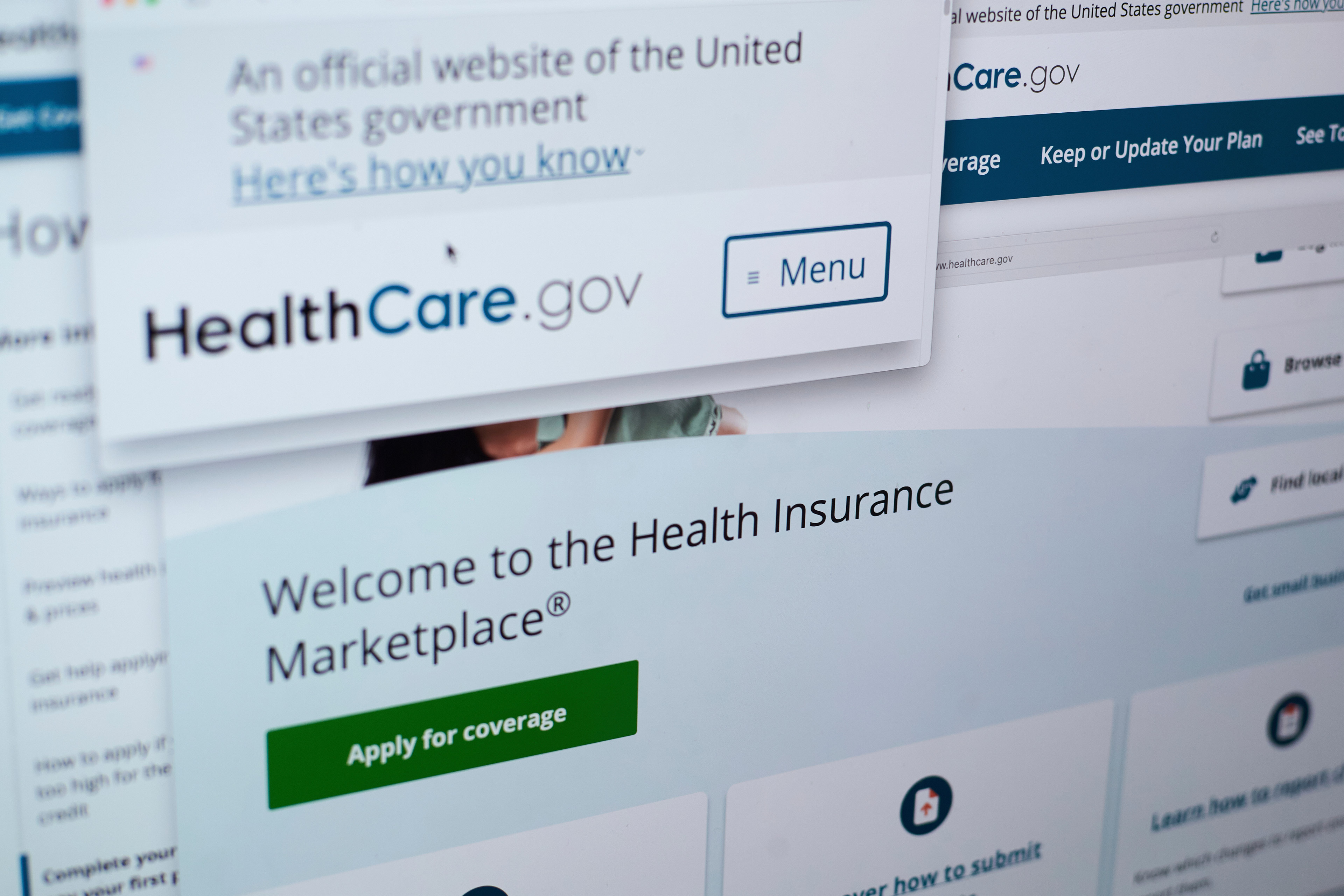
Enhanced subsidies included in the Inflation Reduction Act, signed into law by President Joe Biden in 2022, allowed four in five users of HealthCare.gov in 2024 to obtain health care coverage for $10 or less per month. However, those subsidies are set to expire at the end of 2025 with little chance either Trump or GOP congressional leaders will extend them.
The Congressional Budget Office predicts enrollment in the ACA Marketplace will drop by nearly four million people in the year after subsidies end, from 22.8 million in 2025 to 18.9 million in 2026.
But an even bigger impact is the “massive reform” that House Speaker Mike Johnson (R-LA) has said is on the agenda for the new Congress, with GOP proposals that the Center on Budget and Policy Priorities says would result in raising people’s costs for health coverage, rolling back protections for people with pre-existing conditions, and increasing the number of people without coverage.
“Probably the biggest impact on folks in Michigan and certainly folks where I work would be getting rid of the expanded Medicaid provision under the Affordable Care Act,” said Dr. Rob Davidson, an ER doctor from West Michigan, and executive director of the Committee to Protect Health Care.
For Davidson the “most catastrophic potential outcome” would be a complete repeal of the Medicaid provisions of the ACA, which he said helps provide coverage for about a million Michiganders, up from approximately 800,000 when it was first introduced.
“It’s given a lot of individuals, a lot of families, very low premium insurance, with low copays, deductibles and all that, but at least having coverage for catastrophic issues or for the basic kind of primary health benefits, prescription drugs and primary care and preventative care,” he said. “That would go away as well. So that’s kind of like the catastrophic kind of event.”
While that seems to be the long-term goal, Davidson said in the short term, he expects a second Trump administration to decrease enrollment periods, as well as the funding for encouraging people to sign up. Either way, he expects far fewer people will end up with health insurance.
“We’re at the highest insured rate in this country’s history right now, I think more than 2 million more people [are] insured than there were under Trump pre-pandemic,” said Davidson. “Now with the pandemic, more people qualified for Medicaid, and that certainly increased during that crisis. But, I think that’s a very likely thing to happen.”
Davidson is frustrated by the disconnect many voters seem to have when it comes to the benefits of the ACA and the danger they have placed them in.
“I think people don’t quite get it. You know how the polling is, you say, ‘Obamacare, ACA’, ‘Oh, I don’t like it’ but then you put all the pieces of it that people benefit from, and people like that, right? People like the ability to get affordable insurance. I think that will be a pretty big surprise for some people when they go to enroll,” he said.
Davidson said that while there is a lot of pessimism about the future of the ACA, that doesn’t mean the fight to retain and even expand it is over.
“When the election was over in 2016, and they had control, they tried to repeal it and the [Committee to Protect Health Care] didn’t exist at that point in its current form. But other advocates came out vociferously and spoke out and went to their members of Congress’ offices and Senators’ offices and called in and staged protests and raised the alarm and made sure that those elected officials understood that these were important issues and that how they vote on them would have an impact “ he said, recalling that the results of that effort came to fruition when the late Sen. John McCain (R-AZ) memorably cast the deciding vote against an ACA repeal in 2017.
“What caused that to happen? Was it pressure? Was it just their internal kind of barometer of what is right? Hard to know for sure, but we’ll absolutely have to identify, particularly, those folks in the Senate and folks in House seats that are up every two years that are going to have to face the electorate,” he said. “Donald Trump or J.D. Vance or the administration, probably not going to change their mind. But I think appealing to those various elected officials in the House and Senate, that’s what you can do.”
Get MHF Insights
News and tips for your healthcare freedom.
We never spam you. One-step unsubscribe.