








- Journalists Share Latest on Baby Formula Safety, Estrogen Patches, and Postcancer Costs
- 12 new behavioral health study findings to know
- Prevention Efforts Increasingly See Suicide Through a Broader Lens
- California dental hygiene program placed on probation, accreditation at risk: 5 notes
- US depression rate remains near record high: Gallup
- FDA names acting director of vaccines and biologics center
- We Are Breaking Anesthesia — And Calling It a Staffing Solution
- Establishing Good Governance: Start with the Important Basics and Play the Long Game
- Mission, margin and a midterm clock: Healthcare signals to watch
- What ASC tech actually moves the needle — and what’s just ‘face paint’
- ADA pushes for increased federal oversight of dental insurance: 4 notes
- VisionMed appoints new strategic advisor of ambulatory, office-based surgery
- South Dakota hospital joins Monument Health
- Dental groups call on legislators to support federal oral health programs
- PDS Health joins AARP global collaborative
- Nemours Children’s Health breaks ground on multispecialty facility
- FDA Recalls Several Ghirardelli Powdered Beverages Over Potential Contamination
- Physician financial pressures, a breakdown
- Physicians’ wRVU problem, by the numbers
- CMS’ Medicare provider directory released Social Security numbers: Washington Post
- The best ASCs for colonoscopy, endoscopy in the Midwest: US News
- 2 post-acute groups react to bill to improve CNA training
- 32 hospitals closing departments or ending services
- Visa limbo drags on for hundreds of physicians: 5 notes
- Hygienist shortage a ‘retention’ crisis: ADHA
- Yale receives $10M for youth mental health
- PDS Health grows de novo network with 6 new practices
- Penn Medicine, CHOP name autism institute director
- Cleveland Clinic adds GI specialist
- FDA hands Pfizer, Arvinas’ Veppanu early approval for breast cancer subtype
- A new kind of ASC partner has entered the market
- 8 DSOs making headlines
- Heartland Dental adds Florida practice
- Colorado behavioral health provider to cut 111 jobs
- High-Intensity Exercise After Breast Cancer Surgery Helps Speed Recovery
- SALT Dental Partners opens de novo office in Washington, DC
- Noncompete rules shift again: 4 recent updates
- The 4 states with the most DSO activity in April
- 10 new ASCs in April
- Florida physician sued for alleged $1.9M fraud
- Omada signs on with Optum Rx's GLP-1 management program
- Trump Offers Third Candidate For Surgeon General After Pulling Dr. Casey Means' Nomination
- Industry Voices—Value-based care won the policy argument. Now it has to deliver
- Senators introduce clean extension to cost-based payments for some rural hospitals
- Expanding access, improving outcomes: How AI is transforming behavioral health referrals
- Beth Israel Lahey Health taps Heidi for system-wide AI scribe rollout
- Johnson & Johnson Enters Agreement to Acquire Atraverse Medical
- enVVeno Medical Receives FDA IDE Approval for Non-Surgical Replacement Venous Valve
- Medtronic Gains CE Mark for Stealth AXiS surgical system
- Medtronic Continues Cardiovascular Care Growth with Completion of CathWorks Acquisition
- Cleveland Clinic taps startup Luminai to test how AI can run hospital operations
- Look out Rexulti, Axsome's Auvelity has its nod for Alzheimer's agitation
- Cardio drug developer Esperion to go private in potential $1.1B buyout by ArchiMed
- Union workers at Korean CDMO Samsung Biologics kick off strike
- Summit's PD-1xVEGF interim trial miss surprises analysts, shares tumble
- Who do Americans believe have the most influence in healthcare?
- Health Tech Weekly Rundown: Sage launches Tasking for senior care workflows; St. Luke’s taps Auxira Health for cardiologist support
- Confusion Continues Over Age To Start Breast Cancer Screening, Survey Finds
- Senses, Not Muscles, Key to Speech Recovery After Stroke
- Antibiotics Not Linked To Celiac Disease Risk, Study Argues
- Common Knee Surgery Doesn't Help, Might Actually Make Things Worse, Clinical Trial Reports
- States Rush To Figure Out How To Enforce Trump's Medicaid Work Requirements
- Delays in Visa Program Threaten Placement of Hundreds of Doctors in Underserved Areas
- Gavin Newsom, Early Champion of Single-Payer, Moderates in the Face of Fiscal Limits
- A pivotal time for an RNA pioneer
- Repatha sales help Amgen overcome Prolia biosimilar hits in 1st quarter
- Novo Nordisk’s Rybelsus officially retired in US as ‘Ozempic pill’ takes branding center stage
- Verastem launches ‘Reimagine’ campaign to move ovarian cancer drugs into earlier lines
- From Prototype to Production: Building a Validation Strategy That Scales with Manufacturing Volume
- Mount Sinai launches mental health program for performing artists
- Managing AI in Medical Technology: From Innovation to Compliance
- Mississippi to distribute $13.5M for youth mental health programs
- ‘Heroism doesn’t scale’: 4 leaders warn of cracks in behavioral health system
- Fierce Pharma Asia—Sun’s $11.75B Organon buy; Astellas’ Xtandi peak; BeOne’s PD-1xVEGF bet
- Seven Things Every Medical Device Manufacturer Must Know Before Integrating AI
- The Structural Tension at the Heart of MedTech
- Cybersecurity Tactics for Medical IoT Devices
- From Toddlers to Teens: The Hidden Complexities of Bringing Pediatric Wearables to Market
- Drug use by state in 2026
- DOJ launches West Coast Health Care Strike Force to target fraud in Arizona, Nevada, Northern California
- Tenet Healthcare met Q1's volume curveballs with 'old-fashioned discipline'
- FDA expectations create potential friction in new Form 483 response guidance
- Trump pulls surgeon general nomination of Casey Means, names Nicole Saphier as new pick
- New Medical Guidelines Urge More Fiber, Less Bathroom Scrolling on Your Phone
- Sleep and Anxiety Medications in Pregnancy Appear to Pose Little Harm
- Functional medicine provider Parsley Health now in-network nationwide
- Lilly touts 'encouraging' early days for Foundayo obesity launch, even as GLP-1 pill appears to lag Novo's
- BMS 'well prepared' for Camzyos competition as revenue from new products overtakes legacy portfolio
- Waystar kicks off 2026 with strong growth as it targets AI at $100B RCM labor pool
- Merck's growth products Winrevair, Ohtuvayre trending in opposite directions
- Trump's Medicaid Work Mandate Debuting in Nebraska to Much Dismay
- Nasal Spray Flu Vaccines Create 'Battlefield' In Adults' Noses
- Prehabilitation Slashes Post-Op Complications By Half, Review Says
- Understanding Emotions Could Be Key To Quelling Chronic Pain
- Meth Caused 1 In 6 Heart Attacks Over A Decade, Study Finds
- States Rush To Figure Out How To Enforce Trump’s Medicaid Work Requirements
- When Natural Disasters Strike, Another Crisis Hits Those Recovering From Opioid Addiction
- Photon, maker of modern prescription infrastructure, nabs $16M to scale
- Cigna to exit ACA market, pursue strategic alternatives for eviCore unit
- Amarox recalls batch of antidepressants in UK over packaging mix-up
- Bayer earns FDA untitled letter for Nubeqa's 'attention-grabbing visuals'
- Merck bats for heart disease awareness with new baseball-inspired campaign
- Avalyn heads to Nasdaq with oversized $300M IPO to fund reformulated respiratory drugs
- Europe’s drug regulator sets up new group to counter vaccine hesitancy
- Aidoc banks $150M backed by Goldman Sachs to scale clinical AI foundation model
- Healthcare costs remain a top concern for voters as midterms loom: KFF
- Nonprofit health systems are falling short on governance capabilities, report warns
- Novartis rounds out $23B US investment push with plans for North Carolina API plant
- Teladoc Health reports strong momentum behind BetterHelp insurance shift, CEO says
- AI Tool May Help Identify ADHD in Kids Long Before Typical Diagnosis
- Viz.ai partners with National Rural Health Association to expand AI understanding, access to rural hospitals
- FDA Moves to Real-Time Clinical Trial Patient Monitoring, Faster Drug Review
- AstraZeneca CEO's conservative MFN model excludes reference markets from forecast
- With Austedo at helm, Teva's impressive innovative drug sales signal company's successful metamorphosis
- Universal Health Services' Q1 2026 earnings growth dampened by volume hits
- AbbVie outlines Skyrizi defense against new J&J plaque psoriasis rival Icotyde
- Only 1 in 4 employers able to ‘absorb’ increasing health benefit costs without impacting business
- Dementia Screening Safe For Families, Trial Finds
- Online Program Soothes Post-Trauma Stress In Injured Children
- Mental Defeat Can Worsen Chronic Pain, Researchers Say
- Pooled Umbilical Cord Blood Boosts Stem Cell Transplant Success, Trial Finds
- US drugmaker’s reputations shift quickly amid political pressures, job cuts: survey
- Saving Lives by Changing Lives: The Next Frontier in Suicide Prevention
- Trump’s Medicaid Work Mandate Debuting in Nebraska to Much Dismay
- The push to expand access to emergency contraception
- Secret to Surviving 'Perfect Mom' Posts on Social Media Revealed
- Remarks at the Small Business Capital Formation Advisory Committee Meeting
- Getting All Your Ducks in a Row to IPO: Remarks at the Small Business Capital Formation Advisory Committee Meeting
- Remarks to the Small Business Capital Formation Advisory Committee
- CDC Warns of Antibiotic-Resistant Salmonella in Backyard Flocks
- Listen to the Latest ‘KFF Health News Minute’
- AI-driven coding platform Arintra rolls out new documentation improvement capabilities
- Florida Delays Children's Health Insurance Expansion as Uninsured Rate Rises
- Daylight Saving Time Fails to Boost Daily Steps, Study Finds
- Metabolic Syndrome Tied To Cancer Risk
- Mail-In Colon Cancer Test Kits Offer Affordable Screening
- U.S. Dentists Still Overprescribing Opioids Compared To Other Nations, Puerto Rico
- An Urgent Care Treated Her Allergic Reaction. An ER Monitored Her — For $6,700.
- Estrogen Patch Shortages Likely Driven By Empowered Women Seeking Relief, Expert Says
- First Gene Therapy for Genetic Hearing Loss, Otarmeni, Gains FDA Approval
This is really bad news for the future health care work force. There will be a severe shortage of workers to deliver health care to Millennial and Gen Z retirees. Only the most affluent will be able to afford decent health care during their retirement. Nursing homes with their low wages will be severely impacted:
https://thehill.com/homenews/5823947-falling-birth-rates-usa/
Fertility rate drops to new record low: CDC
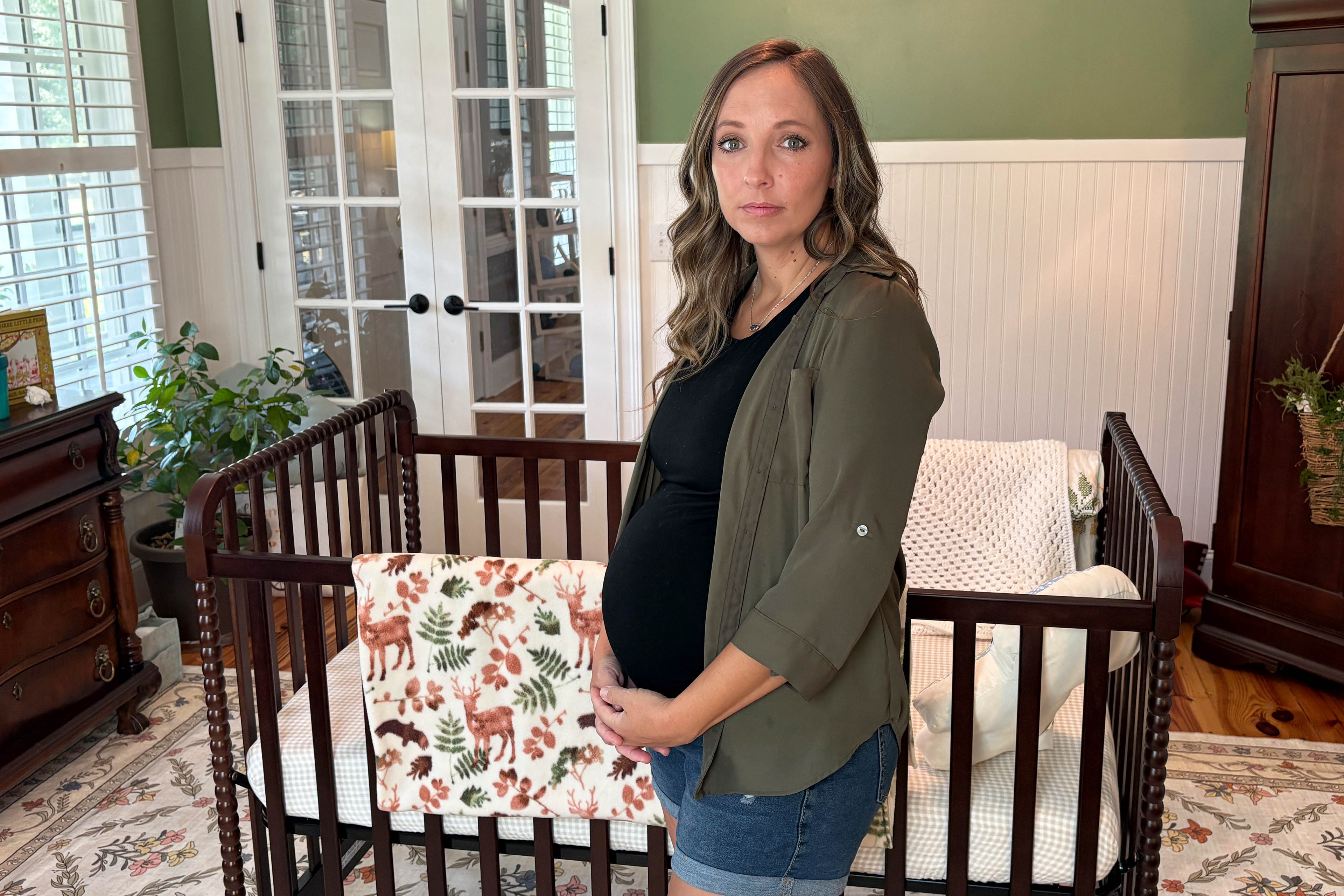
By Joseph Choi - April 9, 2026The U.S. general fertility rate fell by 1 percent in 2025, reaching a new record low for another consecutive year according to latest statistics from the Centers for Disease Control and Prevention (CDC).
The general fertility rate, which covers women between the ages of 15 and 44, was about 53.1 births per 1,000 females with roughly 3,606,400 recorded last year. The U.S. fertility rate has been trending downward for several decades, having fallen by 14 percent between 1990 and 2023.
“The provisional general fertility rate for the United States in 2025 was 53.1 births per 1,000 females ages 15–44, a decrease of 1% from the rate in 2024 (53.8). The rate has generally declined since 2007, decreasing by 23%,” stated the CDC’s report.
The rate of births among teenagers between the ages of 15 and 19 fell by 7 percent last year, with a larger 11 percent decline among older teens aged 18 to 19.
According to the U.S. Census Bureau, the percentage of childless women has jumped significantly in recent years. Between 2014 and 2024, the percentage of women aged between 25 and 29 who were childless rose from about 50 percent to 63 percent.
The only demographic that saw decreases in childlessness in that same time frame were women aged between 45 and 50, indicating more women had children as they entered their late 40s.
For a population to remain stable, the total fertility rate should be around 2.1 children per woman. In 2024, this rate fell below 1.6 children per women.
Polling in recent years has indicated that the number of adults who never want to have children has grown, and that men and women plan to have fewer children than previous generations.
A Pew Research study published last year found that the number of children Americans in their 20s and 30s want to have fell to less than 2 by 2023 after having remained relatively stable between 2002 and 2012.
Another study found that just more than half of adults — 53 percent — said choosing to have children would negatively impact the country in the future.
The rising cost of living has frequently been cited as a significant contributor to falling fertility rates not just in the U.S. but across many other developed nations.
In South Korea, the country with world’s lowest fertility rate, women point to the high cost of housing and education as key reasons they’ve decided not to have children, leading the country to deploy numerous financial incentives to encourage women to have children.
In the 2025 American Family Survey from Brigham Young University, 71 percent of adults disagreed with the notion that having children was affordable for most people. Forty-three percent cited insufficient financial resources as being a barrier to having children, while only 22 percent cited a lack of personal desire.
Making the situation worse, 9% of American births in 2023 were anchor babies or the result of birth tourism:
About 9% of U.S. births in 2023 were to unauthorized or temporary legal immigrant mothers
By Jeffrey S. Passel and Dalia FahmyThe U.S. Supreme Court is considering the legality of an executive order from President Donald Trump that would restrict birthright citizenship.
The order would deny U.S. citizenship to children born in the United States to mothers who are unauthorized immigrants or have legal temporary status at the time of the child’s birth if the father is not a citizen or lawful permanent resident.
Birthright citizenship derives from the U.S. Constitution’s 14th Amendment and grants citizenship to anyone born in the country. Legal experts have long interpreted the provision to apply to children born in the U.S. regardless of the immigration status of their parents.
It’s difficult to say how many people this order would affect if the Supreme Court upholds it. It would not apply retroactively, so children already born would not lose their U.S. citizenship.
This analysis answers some questions about babies born to unauthorized immigrants or immigrants with legal temporary status. Our analysis is based mainly on data derived from U.S. Census Bureau surveys. The data primarily links babies born in the U.S. to their mothers, but there is also some information available about the mother’s spouse or partner, who we assume to be the father. The latest available data about births to unauthorized immigrant mothers is for 2023.
We’ll cover the following:
- How many babies are born each year to unauthorized immigrant or legal temporary immigrant mothers?
- How has the number of births to unauthorized immigrant mothers changed in recent decades?
- How many people in the U.S. today were born to unauthorized immigrant mothers?
- What do we know about births to mothers who are legal temporary immigrants?
How many babies are born each year to unauthorized immigrant or legal temporary immigrant mothers?
In 2023, mothers who were unauthorized immigrants or had legal temporary status in the U.S. had 320,000 babies, representing about 9% of all 3.6 million babies born in the U.S. that year. About 260,000 of those babies would not have qualified for birthright citizenship if Trump’s executive order had already been in effect. This includes:
- About 245,000 babies born to mothers who were unauthorized immigrants and fathers who were not citizens or lawful permanent residents
- About 15,000 babies born to mothers who had legal temporary status and fathers who were not citizens or lawful permanent residents
How has the number of births to unauthorized immigrant mothers changed in recent decades?
Generally, the trends in births to unauthorized immigrants follow the growth and decline of the unauthorized immigrant population. The number of unauthorized immigrants more than tripled from 1990 to 2007. The number of births also more than tripled, from 120,000 in 1990 to a peak of about 380,000 in 2006.
In 1990, births to unauthorized immigrant mothers were about 3% of the 4.1 million births in the U.S. that year. In 2006, these births were about 9% of the total.
Between 2006 and 2019, the annual number of births to unauthorized immigrant mothers dropped by more than 40%, to 215,000.
Several factors contributed to this decrease. The unauthorized immigrant population was declining slowly. With fewer new arrivals (who tend to be younger and more likely to have children), the composition of the unauthorized immigrant population shifted toward those who had been in the country longer, were slightly older and had already had their children. Finally, U.S. fertility rates overall and for unauthorized immigrants fell during this period.
Then, from 2019 to 2023, the annual number of births to unauthorized immigrants grew markedly to 300,000, tracking with a rapid increase in unauthorized immigrants.
How many people in the U.S. today were born to unauthorized immigrant mothers?
Between 2006 and 2023, there were about 5.1 million births to unauthorized immigrant mothers. Almost 4.4 million of these children did not have a father who was a legal immigrant or U.S. citizen, so they would not have been U.S. citizens at birth if Trump’s proposed policy had been in effect. (The 2006-2023 time span allows us to look specifically at children under 18 in 2023.)
Not all of these children are still in the U.S. Many have left the country, and some may have died. In addition, some of those who stayed may have seen a parent’s legal status change. But we can assess the impact of potential changes in birthright citizenship by looking at how many people born in the U.S. have unauthorized immigrant parents in current data.
In 2023, an estimated 4.6 million children had been born in the U.S. and were living with at least one unauthorized immigrant parent. Another 1.4 million adults born in the U.S. lived with at least one unauthorized immigrant parent, bringing the total to more than 6 million. (The number of adults born in the U.S. who have unauthorized immigrant parents is likely much higher, but our data only captures adults still living with their parents.)
Most of these people – 3 million children and 1 million adults – do not have a father with legal residence status. They are U.S. citizens by birth, but if Trump’s executive order had been in place, they would have added to the estimated 14 million unauthorized immigrants in 2023.
What do we know about births to mothers who are legal temporary immigrants?
Births to mothers with legal temporary status have hovered between 15,000 and 30,000 per year since the late 1990s, and numbered 20,000 in 2023. These mothers include foreign students, guest workers and their dependents, and mothers with a variety of other statuses.
Because the mothers’ status is temporary, most of these children do not tend to stay in the U.S. If they did stay and were not citizens at birth under the executive order, their legal status would likely change with their mother’s.
Some mothers get temporary visas specifically to secure U.S. citizenship for their newborns. These mothers are sometimes called “birth tourists.” Such births would be part of about 9,000 births in 2023 to mothers who were residents of foreign countries, according to official birth registration data from National Center for Health Statistics (NCHS). These births are not counted as part of the 20,000 births to mothers with legal temporary status in 2023.
Get MHF Insights
News and tips for your healthcare freedom.
We never spam you. One-step unsubscribe.