








Michigan healthcare freedom community forum

The February U.S. Bureau of Labor Statistics (BLS) Employment Situation (CES) Report was a disappointment, probably due to bad weather across the mid section nation during the mid month data collection period. The March BLS CES was a blowout, with 178,000 net new jobs reported and the official unemployment rate dropping to 4.3%.:
https://www.bls.gov/news.release/empsit.nr0.htm
Health care added 76,000 jobs in March. Employment in ambulatory health care services rose by 54,000, reflecting an increase of 35,000 in offices of physicians as workers returned from a strike. Employment also increased in hospitals (+15,000). Over the prior 12 months, health care had added an average of 29,000 jobs per month.
Go to the extensive charts and text at the hyperlink, above, for more information and data. Table B-1. Employees on nonfarm payrolls by industry sector and selected industry detail tells the health care story:
https://www.bls.gov/news.release/empsit.t17.htm
Last year's OBBBA did not reduce the growth of hospitals, nor did it crimp health care employment one iota. Another reason your health care costs keep rising:
Did Republican Cuts Create a Hospital Crisis?
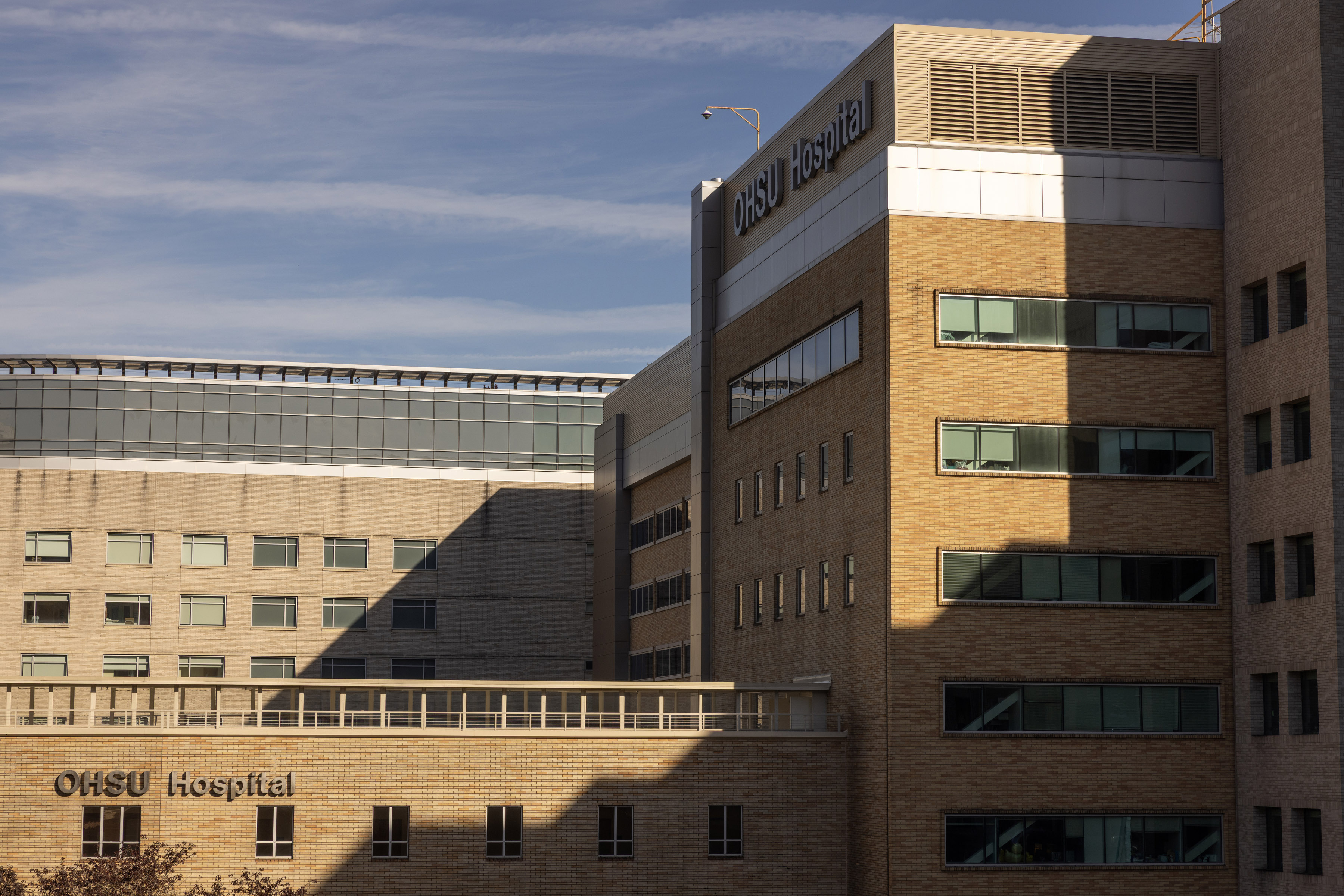
By Chris Pope - April 10, 2026Democrats are increasingly claiming that America’s hospitals are the victims of the “largest health care cuts in history.” Yet, the Medicaid reforms in last summer’s One Big Beautiful Bill Act (OBBB) did little to slow the program’s inexorable growth. The hospital industry is at an unprecedented scale, and accounts for the bulk of the nation’s net job growth over the past year.
House Energy and Commerce Committee Democrats argue that “hospitals and clinics are closing, workers are being laid off, patients are losing insurance coverage, and states are scrambling to fill budget gaps.” After only 6 months, they blame OBBB for “21 hospital closures and service reductions” and “6,440 employees laid off.” The progressive organization Public Citizen claims that 446 hospitals are at-risk of closure, as a result of the legislation.
In fact, American hospitals have grown steadily over the past year. The number of hospital employees increased by 154,000 from February 2025 to February 2026 – accounting for almost all of the 156,000 net gain in jobs across the economy as a whole. More hospitals have opened this year than have closed, and the number of community hospitals has actually risen from 5,112 to 5,121. This comes on top of many years of steady growth. From 2014 to 2024, hospital revenues surged from $940 billion to $1.6 trillion.
The spending cuts in OBBB were widely exaggerated – both by Republicans who wanted to count them as offsets to pay for tax cuts, and Democrats who sought to blame the GOP for reductions in access to care. As a proportion, OBBB reduced projected federal healthcare spending by less than half as much as the bipartisan Balanced Budget Act of 1997. Such expenditures are still projected to increase from $2.0 trillion in 2025 to $3.4 trillion in 2035.
OBBB did not cut Medicare or employer-sponsored insurance, which account for the bulk of hospital revenues. Nor did it limit the overall amount of federal matching funding states could claim for Medicaid, as Republicans had attempted to in 2017. It merely restricts the purposes for which states can claim federal aid – which they can circumvent, by redirecting expenditures.
The bill’s most substantial supposed “cuts” were due to the narrowing of Medicaid eligibility with work requirements for able-bodied adults. But it left the implementation of these to states, who stand to lose $9 in federal matching funds for every $1 they save by restricting eligibility – and so they have little incentive to do so aggressively.
In fact, states have tended to expand their Medicaid expenditures. From 2019 to 2025, California’s Medicaid spending leapt from $95 billion to $197 billion, with a further $26 billion increase proposed for next year. The state’s enrollment of able-bodied adults is more than six times that originally projected. Despite OBBB’s reforms, the Congressional Budget Office’s February estimate of nationwide federal Medicaid spending for 2026 was 2% higher than that which it published last year – before the legislation was enacted.
The American Hospital Association have suggested that specific types of hospitals, such as those serving rural communities, have been particularly hard-hit. But rural hospitals were largely exempt from OBBB’s payment reforms – and, in fact, received additional assistance through a $50 billion fund established by the legislation.
“Safety-net hospitals,” who treat large numbers of uninsured patients, may appear to have stronger grounds for complaint. Prior to OBBB, states had more freedom to couple overpayments to hospitals with taxes on them, in order to capture additional federal funding – ostensibly to finance care for the uninsured. But the distribution of these supplemental payments is poorly correlated with the amount of uncompensated care that hospitals provide. Some Medicaid overpayments, such as those distributed by states through private insurers, will only be phased out from 2028 – a timetable which means they may never happen.
These cuts to overpayments are more substantial in states which expanded Medicaid eligibility to able-bodied adults. New York City’s publicly owned “Health + Hospitals” system might therefore be expected to bear the brunt of these cuts. But H+H has increased its staff from 37,484 to 43,566 full-time employees since 2024, and projects that its total revenue from Medicaid will grow by 36% over the next four years.
While OBBB slightly narrowed the circumstances under which states could claim federal Medicaid funding, it left the underlying incentives unchanged. States can still obtain a 900% return on their expenditures on the program, with no limit on the total amount they can claim.
Chris Pope is a senior fellow at the Manhattan Institute.
Get MHF Insights
News and tips for your healthcare freedom.
We never spam you. One-step unsubscribe.
Sponsors

J & DE Family Charitable Fund

Friends
of MHF

Kelly Grotendiek
Philip Harbach
Dale Johnson
Drs. Jeffrey and Joni Jones
Vickie Kahle
Tammy Kipen
Marlin & Kathy Klumpp
Melanie Kurdys
Ruth Nobel
Patrick Peterson
Stephanie Poortenga
Jeanne Smit
Ben and Hope Staal
John Tuinstra
Jacki VanHuis
Sandy Walker
Sign Up for MHF Insights to keep up on the latest in Michigan Health Policy