- Judge dismisses physician’s wrongful termination suit against staffing firm

- 3 California behavioral health centers to close amid funding shifts
- Missouri system taps CFO as COO
- HCA moves to block disclosure of physician, patient outcomes post-hospital acquisition
- 6 things to know about CMS’ GLP-1 pilot model: KFF
- Nationwide Children’s to invest $100M+ in outpatient expansions
- Bipartisan bill would cap insulin at $35 per month
- North Carolina practice to close after 40+ years
- St. Tammany opens outpatient cardiology center
- Former Florida hospital CEO, nursing award namesake dies
- Indiana bars autism therapy provider from Medicaid billing: Wall Street Journal
- Faith-based group sues UnitedHealth over excluded vertical integration concerns
- 6 dental practice openings to know
- New York hospital names CEO
- APRNs, PAs account for most antipsychotic prescriptions for Medicare Part D: Study
- FDA OKs 1st Hunter syndrome therapy in decades
- OHSU reclaims 25+ weekly hours in OR staffing across 53 operating rooms
- What will surprise ASC leaders about spine in 5 years?
- Why culture is the secret to a high-performing ASC
- Oklahoma House passes bill expanding scope of dental assistants
- Dr. Nellie Kim-Weroha joins American Association of Orthodontists’ Board of Trustees
- California behavioral health agency to close 2 centers
- Cardiologist named chief medical officer of biotech company
- St. Luke’s CFO joins RCM company’s advisory board
- 52 DSOs to know: 2026
- Bees and Hummingbirds May Be Consuming Small Amounts of Alcohol
- 10 hospitals, health systems looking for CFOs
- FDA Warns Biotech Firm Over Cancer Drug Claims
- The best states for physicians in the last 5 years
- 10 health system rating downgrades
- Two States Sue Cord Blood Company Over Misleading Claims
- North Star’s restructuring moves forward
- New WHO Guidance Aims To Speed Tuberculosis Testing
- Illinois hospital pauses patient care amid payroll challenges
- What the Best-Performing Revenue Cycles Have in Common
- Outspoken ACIP member steps down amid vaccine panel uncertainty: reports
- Small Daily Habits Can Add Up To Better Heart Health
- Egg-based drugmaker Neion Bio emerges from stealth to cook up multi-product biosimilar collab
- Can You Drink Enough Fluids To Prevent Kidney Stones? Maybe Not, New Study Says
- Genentech walks the walk in lupus as sponsor of annual awareness and fundraising event
- Ultra-Processed Foods Harm Fertility In Both Men And Women, Studies Reveal
- Ritalin Might Protect ADHD Kids' Long-Term Mental Health, Study Finds
- Study Reveals How Many Americans Consider Using a Gun
- Massive Study Finds Stress and Grief Don’t Cause Cancer
- Clasp, loan-linked hiring tool for employers, clinches $20M to expand amid federal loan caps
- Taking a GLP-1? Doctors Say Not To Forget About Movement and Mental Health
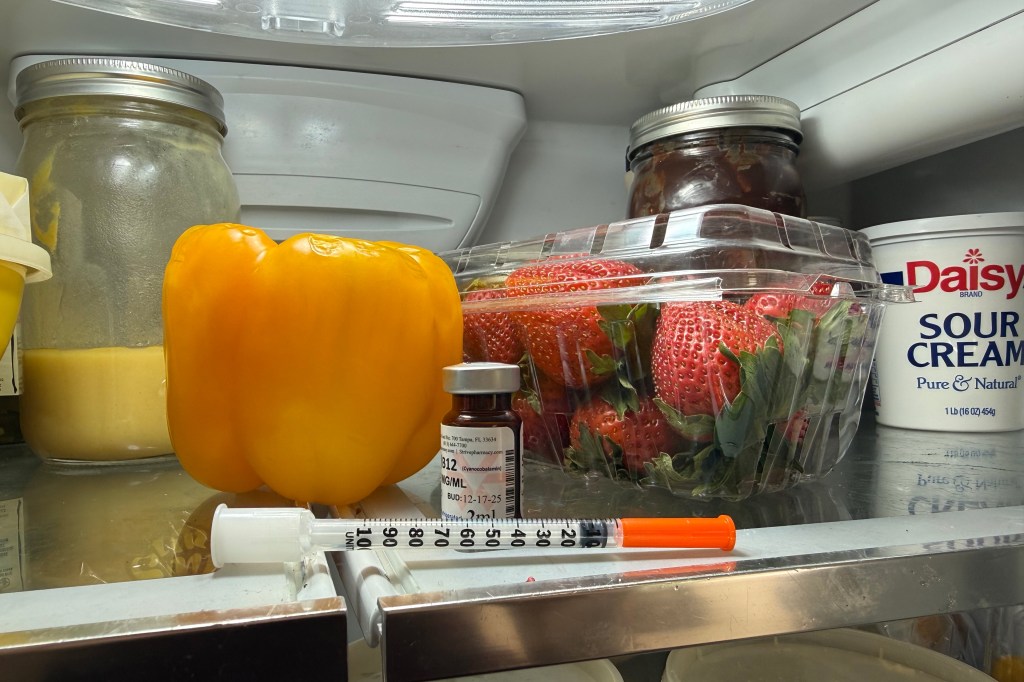
- OpenEvidence rolls out AI medical coding feature
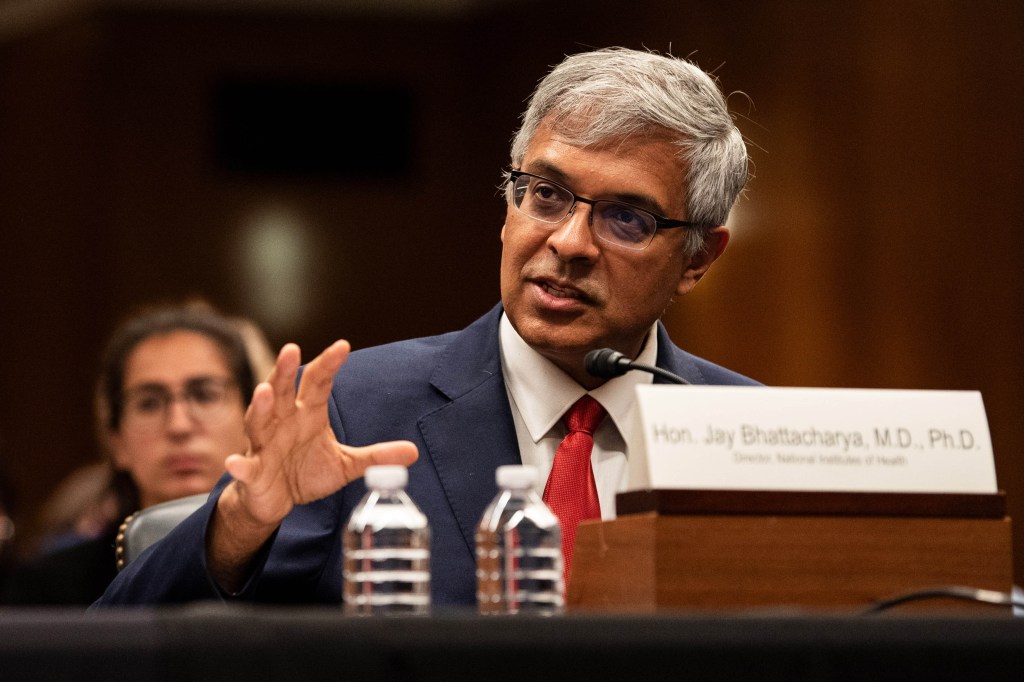
- CDC’s Acting Chief Promises a Return to Stability in a Tumultuous Moment
- California peer-run behavioral health center to close amid funding shift
- Remarks at the Financial Stability Oversight Council Meeting
- ‘Integration only works if data lives in the same system’: How 5 systems are operationalizing behavioral health
- Medicaid work rules and enrollment losses: 6 notes
- Inside UHS’ playbook for responsible behavioral health growth
- Epic4 Specialty Partners adds Illinois practice
- Adventist Health cuts operating loss in 2025
- 10 surgeons making headlines in 1 month
- ‘Burning the candle from both ends’: New York hospital CFO on rising costs, revenue cuts
- ASCs are not hospitals — and 1 administrator says the industry is forgetting that
- The unsolved problems still plaguing dentistry
- American Dental Association adds mental health, GLP-1 prompts to patient forms
- 21 revenue cycle executive moves in 2026
- ASCA backs outpatient surgery access bill
- North Carolina orthodontic practice opens 7th location
- Virginia hospital boosts workplace safety reporting 245% with 3 strategic shifts
- ADA urges CMS to proceed with adult dental coverage expansion
- RWJF: Between 5M and 10M people could lose Medicaid coverage in 2028 under work requirements
- Imagen Dental Partners adds Washington practice
- Imagen Dental Partners appoints senior VP of M&A
- How pharma marketers can capitalize on HCPs’ AI, social media and streaming habits
- Federal Officials Investigate States That Require Abortion Coverage
- Corcept's lead drug bounces back from FDA snub with different approval as Lifyorli in ovarian cancer
- Ionis slashes Tryngolza's price tag by 93% ahead of anticipated label expansion
- FDA approves Denali's Hunter syndrome drug, handing rare disease community a win
- Baby Walkers Sold on Amazon Recalled Over Fall Risk
- Scaling patient access the right way: The Stella-Nanonets blueprint
- Want To Protect Your Brain? Science Says Exercise
- HelloFresh Pizza Recall Issued in 10 States Over Metal Risk
- Clinical Trials Have Too Much Data…That’s the Problem.

- Clinical Trials Have Too Much Data…That’s the Problem.
- CMS reveals new Medicaid model that supports coordination for children with complex needs
- Novartis sued by breast cancer patient over branded drug websites’ data-sharing practices
- Takeda targets $1.3B in cost savings in further restructuring
- Biogen pays $20M upfront to tap into Alteogen's subQ delivery tech
- 'Universal Donor' Blood Supplies Dangerously Low, Study Warns
- Why Stepping Outside May Help You Eat Better
- U.S. Medicine, Science Facing An Online Misinformation Siege, Poll Concludes
- Childhood Obesity Undercuts The American Dream For Some, Study Says
- Inclusive High Schools Benefit All Students, Not Just LGBTQ Teens
- Parental Loss Due to Drugs, Violence Raises Child Death Risk by 2,000%
- As Boehringer touts US launches, board chairman worries EU is 'falling further behind'
- The evolving state of exome and genome sequencing
- An Arm and a Leg: Steep Health Care Costs Steer Americans to Tough Decisions
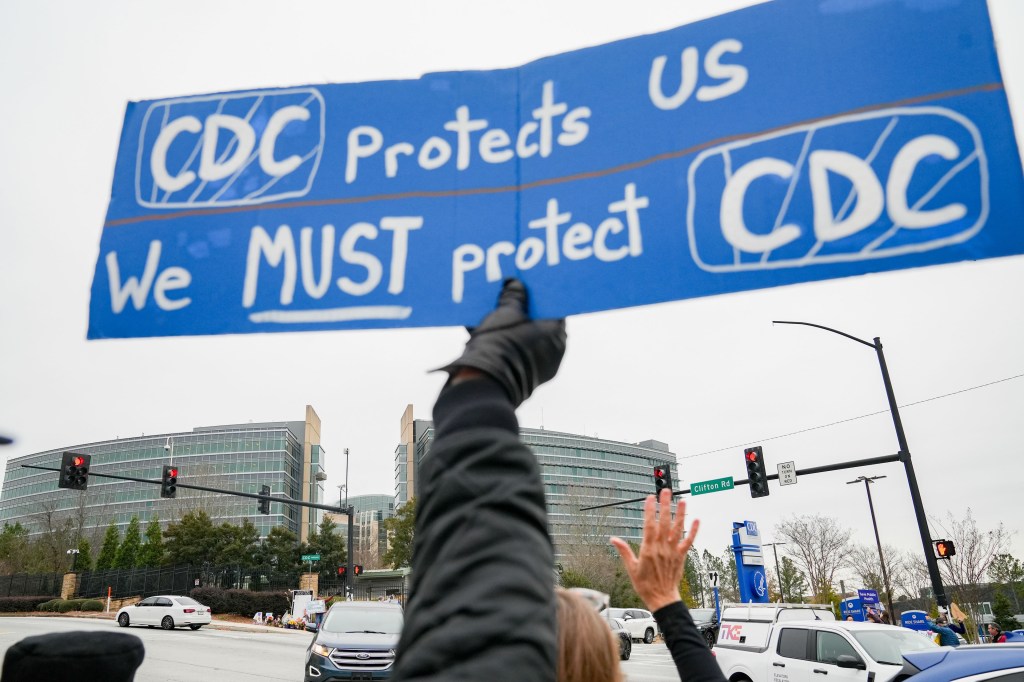
- Demoralized CDC Workforce Reels From Year of Firings, Funding Cuts, and a Shooting
- Qualified Health locks in $125M in fresh funding to scale enterprise AI at health systems
- Misery Loves [Investment] Company?: Remarks at the 2026 Investment Company Institute Investment Management Conference
- Study: Nearly 1 in 5 pediatric hospital deaths involve sepsis
- Opening Remarks at the Digital Asset Summit 2026
- CVS Caremark, FTC reach settlement in insulin pricing case
- UCB unveils plan to build $2B biologics plant near its US headquarters in Atlanta
- PeaceHealth sued over plans to tap out-of-state staffer ApolloMD for Oregon EDs
- New Lyme Disease Vaccine Shows Strong Results in Trial
- TrumpRx Adds Diabetes, COPD Drugs at Steep Discounts
- Highmark reports $175M net loss for 2025 as financial headwinds batter health plan
- Listen to the Latest ‘KFF Health News Minute’
- Abivax hires commercial chief from Takeda to infuse Entyvio expertise into IBD launch prep
- ImmunityBio hit with FDA warning letter over Anktiva promotions in TV ad, podcast episode
- Alcohol Prep Pads Recalled Over Bacteria Risk, Cardinal Health Says
- Fewer patients traveled for abortions in 2025 as telehealth care increased, report finds
- Cologuard campaign reunites ‘Full House’ stars to give ‘The Talk’ about colon cancer screening
- Lilly to remove certain insulin products from European markets by 2027
- Karyopharm, looking to jump-start Xpovio, reports mixed results in myelofibrosis
- Study Warns Fluoride Bans May Raise Tooth Decay in Children
- WuXi Bio's record number of new projects in 2025 leaned heavily on US clients
- “Me engañaron”: agentes encadenan a un padre que había ido al ICE a reunirse con sus hijos

- Gilead inks Manta pact to dive deeper into cancer patient support
- Cheap Children's Clothing Tainted With Lead, Study Says
- Insulin Prices Fell For Medicare Patients Under Biden-Era Caps, Study Finds
- New Fathers Face Mental Health Challenges, Study Finds
- Your Choice Of Booze Influences Your Risk Of Death, Study Says
- AI Gets a 'D' When Judging Scientific, Medical Claims
- New Online Tool Helps Parkinson's Patients Weigh Brain Implant Decision
- AI chatbot use for health information up 16% from 2024: Rock Health survey
- ‘They Tricked Me’: A Father Was Chained After He Went to ICE To Reunite With His Kids
- Wilmington PharmaTech commits $50M to US API expansion
- Strides recalls nearly 90K bottles of children's ibuprofen after contamination complaints
- Trump administration unveils national policy framework for AI as it moves to override state laws
- Breast Cancer Locator System Submitted for De Novo 510(k) by Cairn Surgical
- Breast Cancer Locator System Submitted for De Novo 510(k) by Cairn Surgical
- 17 spine surgery firsts in Q1

- 17 spine surgery firsts in Q1
- Cencora acquiring EyeSouth Partners' retina business for $1.1B
- Aunque tengas seguro dental, la factura puede ser muy alta
- Massive class action seeking RICO penalties against Takeda, Lilly presses forward with SCOTUS order
- A look at how Optum Rx is using AI to address pharmacy fraud, waste and abuse
- AbbVie steps up to the plate as official pharma sponsor of MLB
- Nursing Homes Accused of False Diagnoses To Hide Drug Use
- FDA Approves Higher-Dose Wegovy To Help People Lose More Weight
- Teens Often Pressured To Send Sexual Photos by Someone They Know, Study Finds
- CommonSpirit, Humana reach 3-year national network agreement
- Match Day 2026: Growth in emergency medicine, psychiatry
- Nearly 90,000 Bottles of Children’s Ibuprofen Recalled Nationwide
- FTC launches multi-bureau Healthcare Task Force to spot 'new priority areas for enforcement'
- Algunos adultos de mediana edad deciden posponer la atención médica hasta tener Medicare

- ¿Qué tan bajo se puede llegar? Las cambiantes guías para el control de la presión arterial

- Rural hospitals could apply for temporary interest-free construction, renovation loans under new bipartisan bill
- Rural Residents Have Highest Cancer Death Rates, Researchers Say
- Your Bank Account Might Show How Well Your Brain Will Age, Researchers Say
- Insurance Lapses Play Havoc With Diabetes Management, Study Shows
- Psychedelics Aren't Better Than Antidepressants In Treating Depression, Review Concludes
- A Nasal Swab for Alzheimer's? Duke Team Has One in Testing


The 2025 MI House Committee on Families and Veterans: home page includes contact information, minutes, testimony, and sign-up for agenda notification.
Leadership
Rep. Kathy Schmaltz (Republican) District-46
Chair
Rep. Douglas Wozniak (Republican) District-59
Majority Vice Chair
Rep. Stephanie Young (Democrat) District-16
Minority Vice Chair
Members
Rep. Joseph Fox (Republican) District-101
Rep. Gina Johnsen (Republican) District-78
Rep. Jamie Thompson (Republican) District-28
Rep. Joseph Pavlov (Republican) District-64
Rep. Jason Woolford (Republican) District-50
Rep. Erin Byrnes (Democrat) District-15
Rep. Carrie Rheingans (Democrat) District-47
Rep. Mai Xiong (Democrat) District-13
-
Families and Veterans | 13 Videos
MDHHS manages Michigan's child foster care program.
Due to Michigan's egregious and long history of problems, the federal government oversees MDHHS, in addition to the normal constitutional order of state legislative oversight.
In this world, state bills with titles like this are considered normal, right along with policies that destroy families.
House Committee on Families and Veterans, Rep. Kathy Schmaltz, Chair
Tuesday, August 19, 2025
12:00 PM
AGENDA
HB 4750 (Rep. Schmaltz)
Children: foster care; department to use or conserve benefits for children in foster care in the best interests of the children in foster care; provide.
OR ANY BUSINESS PROPERLY BEFORE THIS COMMITTEE
Backfilling last week's agenda, with health-related bills in Bold font.
House Committee on Families and Veterans, Rep. Kathy Schmaltz, Chair
Tuesday, August 12, 2025 12:00 PM
AGENDA
HB 4517 (Rep. Neyer)
Law enforcement: reports; communications under the amber alert act; modify.
HB 4518 (Rep. Rigas)
Law enforcement: reports; Michigan Amber alert act; modify.
HB 4676 (Rep. MacDonell)
Mental health: guardians; appointing certain guardians after considering least restrictive means; require.
HB 4677 (Rep. Wozniak)
Probate: guardians and conservators; provision for supported decision-making agreements; create.
HB 4067 (Rep. Bruck)
Children: protection; safe delivery of newborns law; modify definition of newborn and allow surrender to a newborn safety device.
HB 4069 (Rep. Wortz)
Children: protection; reference in Michigan penal code to surrender of a newborn under the newborn safe delivery law; revise.
HB 4368 (Rep. Woolford)
Children: protection; reporting death of a newborn after surrender to a newborn safety device; expand.
OR ANY BUSINESS PROPERLY BEFORE THIS COMMITTEE
The foster care benefits bill passed committee.
Tuesday, August 26, 2025 12:00 PM
AGENDA
HB 4750 (Rep. Schmaltz) Children: foster care; department to use or conserve benefits for children in foster care in the best interests of the children in foster care; provide.
Presentation from Ann Rudisil, Founder and CEO, Downriver for Vets on Veteran Benefit Screening and Tiny Homes Projects
Time's longform article on newborn surrender helps frame the debate on "baby boxes" with nationwide data and valuable historic context.
It's worth a full read. I've clipped portions here due to length.
https://time.com/7299476/baby-box-infant-abandonment/
Why Baby Boxes Are Suddenly Everywhere
Oct 8, 2025 9:26 AM ET
....
In the wake of the 2022 Dobbs v. Jackson Women’s Health Organization Supreme Court decision that gave states the ability to essentially outlaw abortion, communities and nonprofits are installing these baby boxes, which cost more than $16,000 each, in hopes of reducing dangerous infant-abandonment rates and giving more options to women who must carry pregnancies to term. They say the alternative is that mothers will break the law and abandon their infants somewhere unsafe. So far, 22 infants have been abandoned in 2025, according to the National Safe Haven Alliance; 11 were found alive, and 11 were deceased.
In the past two decades, nearly two dozen mostly red states have amended their safe-haven laws, which allow people to anonymously give up their infants for adoption through face-to-face surrenders at hospitals and fire stations, to also permit people to surrender babies in these boxes. The trend has picked up in the past few years.
Mississippi, for instance, passed a law in 2023 that changed its safe-haven law to allow infants to be dropped off in a “baby safety device,” and Alabama followed shortly after, allowing the installation of baby boxes at hospitals and fire stations. Now, baby boxes have been approved in more than 18 states, largely ones with near total bans on abortion, including Oklahoma, Kentucky, Tennessee, Virginia, Arkansas, Iowa, Kansas, Montana, Texas, West Virginia, Wisconsin, Idaho, Louisiana, New Hampshire, Florida, South Dakota, and North Dakota. They’re supported by antiabortion groups, which say they provide another safe way for mothers in crisis to surrender their babies.
For politicians, the legislation is a low-cost way to seemingly solve a bipartisan issue. “I saw this as a threefold bill: saving a baby’s life, keeping a young lady from making the worst decision of her life and being charged with manslaughter, and giving more of those who want to be parents the opportunity for a baby,” Representative Donna Givens, the Republican freshman legislator who sponsored the bill in Alabama, told me at the ceremony.
Some places are even spending public funds for these boxes. In 2022, Indiana set aside $1 million to install and promote safe-haven boxes, and San Antonio budgeted $500,000 in 2024. In a May bill, Missouri earmarked $250,000 to help install at least 25 more baby boxes. Lawmakers in states including Tennessee and Arkansas have introduced legislation that would ensure that every county in the state has a baby box. “It’s just growing like wildfire,” Givens says.
But as baby boxes spread, other people are questioning whether this is the best way to support women in crisis. Dozens of doctors, politicians, adoption advocates, ethicists, and lawyers wrote a letter in November 2024 to the U.S. Secretary of Health and Human Services arguing that the boxes “are fraught with unintended harms and negative consequences.” The letter argues that the boxes are unregulated and uninspected by the government, which means they could potentially endanger infants; that the lack of face-to-face interaction in a baby-box surrender deprives mothers of any counseling or medical help after the difficult task of birthing the baby alone and then giving it away; that the anonymous nature of the boxes means that children won’t have any way to know their family or medical history; and that the boxes may also help conceal crimes like rape, incest, or human trafficking.
Lori Bruce, a professor of bioethics at Yale University and one of the letter’s main signatories, says the proliferation of baby boxes and the fanfare surrounding them—most are featured in local news when they open—might lead women to feel as if abandoning their infants is the only choice with support or investment behind it.
“The signs on these boxes don’t provide options; they don’t say you can go to a hospital, where there may be funds to help you keep your baby,” Bruce says. In many ways, the boxes overlook the trauma of surrendering a child, she says, even though “the absolute vast majority of parents who feel that they have to relinquish their child experience unrelenting grief and trauma that never goes away.”
Some critics also argue that the money being spent on boxes would be better spent on giving women the financial and emotional support they need to raise their children. Gretchen Sisson, a sociologist at the University of California, San Francisco, and the author of the 2024 book Relinquished: The Politics of Adoption and the Privilege of American Motherhood, interviewed dozens of mothers who gave up their newborns for adoption between 2000 and 2020. Most said they would have kept their babies had they had things like a car seat, for example, or an extra $1,000 to spend on the child’s care. Most regretted giving their babies up for adoption and went through a long period of depression after the relinquishment.
There’s little evidence that these boxes actually reduce infant-abandonment rates, especially since all U.S. states already allow women to anonymously surrender their newborns at hospitals and fire stations. In Germany, where the first baby boxes appeared around 2000, studies showed they led to no reduction in infant death or abandonment.
<clip>
The company that’s cornered the baby-box market
In the U.S., almost every baby box is sold by a single Indiana nonprofit: Safe Haven Baby Boxes. The device is essentially a big temperature-controlled drawer installed on the side of a building with a lot of information printed on the outside, including the phone number for a crisis line run by Safe Haven Baby Boxes that helps guide people through the process of surrendering a child. When a person opens the drawer and places a baby in the bassinet inside, three separate alarms sound to alert first responders, and an orange bag falls out with information about what rights a parent has, and what a mother’s body experiences after birth.
<clip>
Get MHF Insights
News and tips for your healthcare freedom.
We never spam you. One-step unsubscribe.
Sponsors
Friends of MHF




Kirsten DeVries
Tom & Karen Nunheimer
Steve Ahonen
Ron & Faith Bosserman
Marlin & Kathy Klumpp
Sign Up for MHF Insights to keep up on the latest in Michigan Health Policy