- How to Limit The Health Risks Posed by Polluted Air

- U.S. States Warm, But Not As Expected
- Rovner Recaps Medicaid Cuts’ Impact on Hospitals and Fields Caller Questions on Affordability

- CMS proposes mandatory hospital-bundled model for joint replacements
- CMS proposes mandatory hospital-bundled model for joint replacements
- CMS proposes mandatory hospital-bundled model for joint replacements
- CMS pitches 2.4% hospital pay bump, mandatory joint replacement model: 7 things to know
- CMS pitches 2.4% hospital pay bump, mandatory joint replacement model: 7 things to know
- Mayo Clinic enhances imaging test with AI
- Christus Health to open Texas multi-specialty clinic
- CMS proposes extension of prior authorization rule to cover drugs: 6 notes
- Penn Medicine, Epic lean into EHR ‘nudges’
- AdventHealth breaks ground on $27M freestanding ER
- Henry Ford hospital strike enters 7th month: 6 notes
- Texas launches rural hospital leadership academy
- Children’s Minnesota staff email account compromised
- UHS’ CEO-to-worker pay ratio over the past 5 years
- 11 things to know about the uninsured population: KFF
- Medicaid’s consistency problem in dentistry
- Dental groups seek $600M+ in FY 2027 federal budget: 5 notes
- Missouri dental school grows student body by 33% to combat dentist shortages
- Prior authorization by the numbers: 10 stats that show the strain
- The Trump Administration Is Seeking Federal Workers’ Sensitive Medical Data. That’s Raising Alarms.
- 5 new university programs tackling behavioral health workforce gaps
- How Mount Sinai is transforming its revenue cycle
- Hospital revenue cycle teams evolve as AI ‘arms race’ heats up
- Texas Children’s gets $5M gift for behavioral health services
- Cardiology malpractice cases by the numbers
- Texas Children’s receives $5M estate gift for behavioral health
- CMS proposes 2.4% hospital pay increase, nationwide mandatory model rollout
- Which physician specialty is most likely to have a salaried paycheck?
- 20+ dental education updates to know from Q1
- Proposed CMS rule would set prior auth deadlines for drugs
- The best orthopedic ASCs in the West: US News
- 4 clinics closing after physician owner sentenced for selling recalled medical devices as new
- The hospitals, health systems cutting jobs in 2026
- VA program deploys 700+ VR ‘mental wellness’ kits
- The cost of private equity firms owning residential SUD facilities: 4 things to know
- 10 highest, lowest-paying physician specialties
- Independent GI practices shrinks as reimbursements fall 38% over a decade
- HHS, after legal setback, updates ACIP charter to put more emphasis on vaccine safety
- HHS, after legal setback, updates ACIP charter to put more emphasis on vaccine safety
- New York system to open $12M outpatient imaging center
- Costco Recalls Cookies Over Missing Nut Allergy Warning
- CDC Pauses Release of COVID Vaccine Effectiveness Study
- Pharma company withdraws FDA application amid White House autism treatment push
- UCI Health reverses layoffs of 7 quality improvement workers
- Endoscopy at scale: The reprocessing best practices separating high-performing teams

- 30 hospitals closing departments or ending services
- Demand Surge Leads to Shortages of Estrogen Patches
- What to know about the fastest-growing DSO
- 4 DSOs making headlines
- Statement Regarding Staff No-Action Letter to Bank of England
- Op-ed: Administrative fragility is costing healthcare more than we think
- Alaska city opens addiction treatment microunit program
- Title X Funding Restored, but New Rules Raise Concerns
- Function Health acquires mobile healthcare platform Getlabs to provide members with at-home lab tests
- The Healthcare Burnout Backlash (pt 3): How Workflow Redesign Is Helping Healthcare Organizations Offset Staffing Shortages
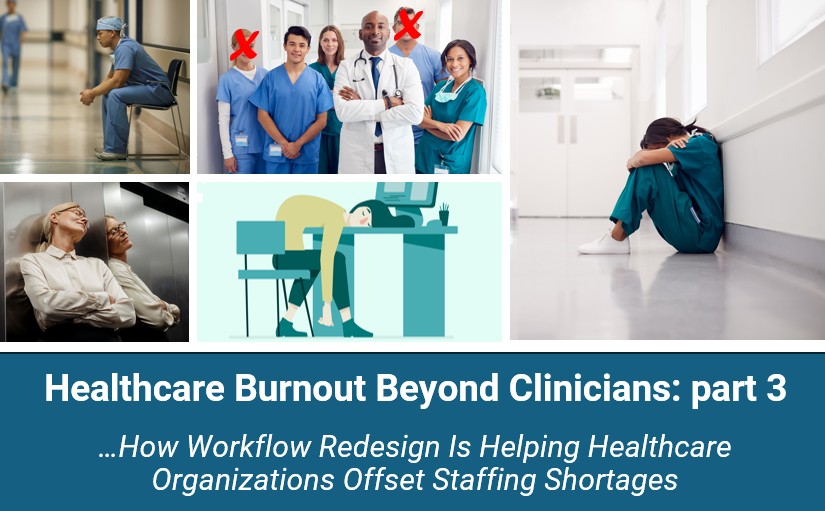
- The Healthcare Burnout Backlash (pt 3): How Workflow Redesign Is Helping Healthcare Organizations Offset Staffing Shortages
- BD Announced Application of CE Mark for the Liverty TIPS Stent Graft
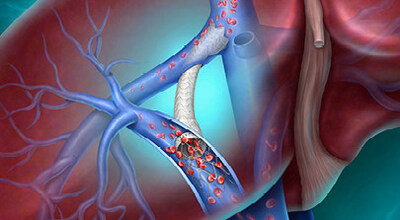
- BD Announced Application of CE Mark for the Liverty TIPS Stent Graft
- Blackstone and TPG Complete Acquisition of Hologic; Names New CEO
- Blackstone and TPG Complete Acquisition of Hologic; Names New CEO
- Endospan Receives FDA Approval for the NEXUS Aortic Arch Stent Graft System
- Endospan Receives FDA Approval for the NEXUS Aortic Arch Stent Graft System
- InVera Medical Receives FDA Clearance for Non-Thermal Chronic Venous Disease Device
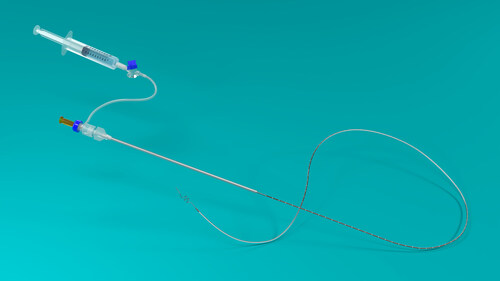
- InVera Medical Receives FDA Clearance for Non-Thermal Chronic Venous Disease Device
- Starting material sourcing bottlenecks increase US drug shortage risks: report
- Novartis cuts 114 more jobs at New Jersey HQ as restructuring rolls on
- Charles River flows into Boston to help AHA bridge cardiovascular health divide
- Your Brain Cares If Your Plant-Based Diet Is Unhealthy, Researchers Report
- Your Neighborhood Might Help Make You Old Before Your Time
- Heavy 'Forever Chemical' Exposure Before Birth Increases Childhood Asthma Risk, Study Finds
- High-Tech Magnets Offer New Hope for Veterans Battling Combat PTSD
- Early Diagnosis Key To ADHD Child's Academic Success, Study Finds
- Study Reveals Who Americans Think Should Pay for Elder Care
- Envision hires ConcertAI, IQVIA alum Nick Jones as its med comms president
- The top 10 pharma R&D budgets of 2025
- For Many Patients Leaving the ICU, the Struggle Has Only Just Begun

- Watch: As AI Makes More Health Coverage Decisions, the Risks to Patients Grow
- Bial launches ‘Dialogues with Parkinson’s’ campaign aimed at identifying early symptoms
- Novartis pumps up community health footprint to tackle heart disease and cancer
- Abbott survey finds ‘information overload, confusion and cost’ affecting health choices in US
- FDA accuses Amneal, BioCorRx of producing ‘false and misleading’ drug promos
- North Carolina provider launches mobile opioid treatment unit
- U of Pittsburgh debuts online infant mental health certificate
- Emerging DSO lands Ohio partnership
- Heartland Dental added 5 de novos in March
- Florida International U, medical school land $30M gift for medical center
- Stanford Health, Alameda Health System partner to support California hospital
- The states with the highest, lowest migration rate of dentists since 2019
- What the Health? From KFF Health News: Abortion Pills, the Budget, and RFK Jr.
- Specialty DSO eyes new growth levers after entering several states
- Hospital M&A roars back to life in Q1 2026; Operating performances fray in February
- Epic rolls out health alerts to flag rising rates of illness at the county level
- Fierce Pharma Asia—Takeda-Denali split-up; Merck, Zhifei's revised deal; Shionogi's made-in-US plan
- Brain Scans Reveal How Psychedelics Change Perception
- Benefits leaders report increased operational, financial costs amid 'digital health vendor sprawl': Solera survey
- Vanda initiates study of motion sickness drug Nereus in GLP-1 users
- Judge Allows Abortion Pill, Mifepristone, To Continue Being Mailed for Now
- Bangladesh Measles Outbreak Kills 100+ Kids, Emergency Shots Begin
- Regulatory burdens continue to mount for physician practices
- Medicare navigation company Chapter banks $100M series E funding round
- Hair Growth Product, Tuymec Minoxidil Hair Growth Kits, Recalled Over Child Poisoning Risk
- Garda snaps up Assertio and chemo infection treatment Rolvedon in $125M deal
- AbbVie challenges 'outdated' 340B drug discount program guidance in new lawsuit
- AbbVie challenges 'outdated' 340B drug discount program guidance in new lawsuit
- Eli Lilly launches oral GLP-1 drug across US through Lilly Direct, telehealth providers
- Humana, Noom and Welldoc team up with b.well to expand health data access as part of CMS push
- America's Sexual Health Report Card Contains Some Surprises
- Years of Excess Weight, Not One Bad Checkup, Drive Heart Disease Risk
- There Are No Good Ways To Avoid Childhood Eczema But Many Treatment Options
- More Children, Teens At Risk From E-Scooter Crashes, Study Finds
- This Treatment Can Improve Your Odds Of Surviving C. Diff Infection
- Alzheimer’s Tests May Mask Risks for Women
- RFK Jr. launching health podcast to expose ‘hypocrisy’ and ‘corruption’
- RFK Jr. launching health podcast to expose ‘hypocrisy’ and ‘corruption’
- Advocate Health improves to 4% operating margin, $4.6B bottom line across 2025
- States Face Another Challenge With Medicaid Work Rules: Staffing Shortages

- Farm Bureau Health Plans Beat the ACA on Prices With an Age-Old Tactic: Rejecting Sick People

- Avalyn plans IPO to fund phase 3 trials of inhaled versions of approved respiratory drugs
- Judge rules that HHS must face states' lawsuit over RFK Jr.'s agency overhaul, massive layoffs
- Judge rules that HHS must face states' lawsuit over RFK Jr.'s agency overhaul, massive layoffs
- Consumers' satisfaction with health plan apps improves with familiarity: JD Power
- Nurses' job satisfaction stumbles after post-pandemic gains: survey
- Amazon launches 2 new digital health partnerships for nutrition therapy, sleep care in health conditions program
- Former NFL Star Steve McMichael Diagnosed With CTE After His Death
- Steven Ubl set to depart after more than a decade as CEO of PhRMA
- Nixing prior auth, outlier hospital bills could lower health costs, Center for American Progress' policy plan says
- Shionogi nabs initial $119M award from BARDA to establish US antibiotic plant
- More Drugmakers Join TrumpRx
- Graco Recalls Infant Car Seats Over Structural Issue
- Orlando Health fleshes out Alabama footprint with another acquisition
- US adults still turn to providers for accurate health information even as AI chatbot use grows: Pew survey
- Pfizer walks away from 'underutilized' office space in South San Francisco, transitions employees to remote roles
- Biogen settles investor lawsuit over its messaging on failed Alzheimer's drug Aduhelm
- Digital health startups raked in $4B during Q1 with 12 megadeals driving investment: Rock Health
- New Cervix-On-A-Chip May Revolutionize STI Treatment
- Long COVID Linked to Heart Health Risks
- The Flu Vaccine Can Lower Your Risk Of Heart Attack And Stroke — Even If You Wind Up Infected
- Herbal Drug Kava Poses Increasing Health Threat In U.S., CDC Warns
- Preschoolers' Solitary Screen Time Could Mean Behavior Problems, Language Difficulties Later On
- Combo Heat Waves/Droughts Will Affect Billions A Year By 2100, Researchers Project
- Amgen CEO netted $24.7M pay package in ‘25 as company’s upward trajectory continued
- J&J's Tremfya retakes TV drug ad spending crown from AbbVie
- Trump’s Personnel Agency Is Asking for Federal Workers’ Medical Records
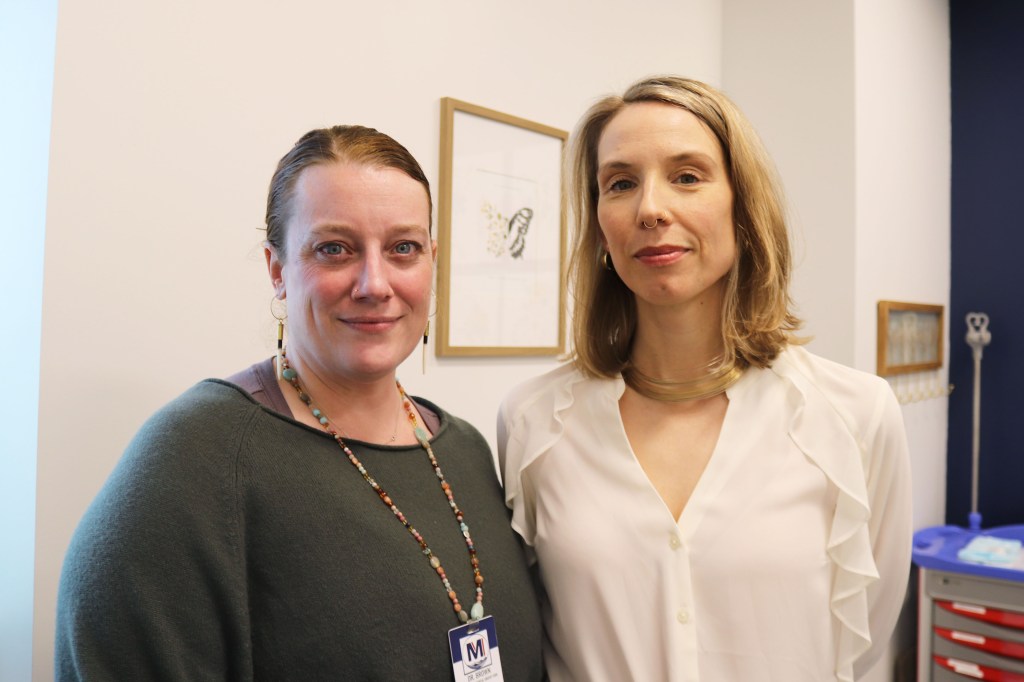
- Urgent Care Clinics Move To Fill Abortion Care Gaps in Rural Areas
- FDA Approves First Generic Farxiga (dapagliflozin) Tablets
- Reliance on EHR vendors' tech roadmap slows down AI progress, senior IT leaders say
- ¿Puedo decirle a mi médico que no quiero que use la inteligencia artificial para tomar notas?



Despite substantial federal subsidies, rural health care providers are pessimistic about the prospects for their institutions. Perhaps it is time to consider a medical transportation network moving rural patients to urban health care institutions for all but the most urgent care? It does not appear that medical professionals, except for nurses, much care for living in the sticks:
Can Michigan ‘make rural America healthy again?’ Hospitals doubt it
By Eli Newman - November 19, 2025
- Michigan’s rural hospital leaders are warning of the “devastating” cuts to Medicaid and other health care services under the One Big Beautiful Bill Act passed by Congress in July
- The Trump administration set aside $50 billion for its Rural Health Transformation Program, but hospital leaders say it’s not enough to undo the damage
- The Michigan health department is applying for the federal grants, proposing initiatives focused on regional health hubs, workforce development, technology upgrades and improved care access across its 75 rural counties
At the tip of Michigan’s Thumb in Huron County, Dr. Ross Ramsey fears the state’s rural hospital system is “reaching a brink of collapse.”
The reasons are varied, the hospital executive explained to Bridge Michigan, including a declining and aging population and increasing costs across the board.
But Ramsey, who leads Scheurer Health in Pigeon, said the major health care cuts outlined in the One Big Beautiful Bill Act signed by President Donald Trump this July will contribute greatly to the decline.
“We tend to have higher Medicare and Medicaid rates than our urban counterparts… over two-thirds of our revenue stems from government programs, ” said Ramsey. “When they’re cutting back their funding on those … you really take a hit.”
The state’s hospitals are projected to lose $6 billion over the next 10 years due to federal budget cuts outlined in the One Big Beautiful Bill Act, according to the Michigan Health & Hospital Association.
Congress carved out some relief in the legislation — a $50 billion grant opportunity to fund rural health improvements. The federal government is expected to award money for its Rural Health Transformation Program by the end of the year.
Michigan recently unveiled its pitch to the Trump administration to secure money from the program, as much as $200 million annually over five years. Under the plan, the state would administer its own grant program to allocate the federal funds to rural providers, creating advisory councils and other positions to oversee their use.
But Michigan hospital leaders are not convinced the state’s program will do enough to stop the financial squeeze.
“There is nothing here,” Michigan Health & Hospital Association executive vice president Laura Appel said. “There was an opportunity to direct as much as 10% of Michigan’s funding towards health care services delivered in hospitals and none of that happened.”
Devastating’ impact
The state’s rural hospital executives are doubtful the available federal funding will do enough to stabilize their systems.
Tonya Darner, CEO of UP Health System based in Marquette, said her hospital is bracing for increases in uncompensated care next year as more patients drop health insurance coverage due to the expiration of the enhanced premium tax credit for many Affordable Care Act plans and forthcoming Medicaid work requirements.
“Reducing the funding doesn’t erase the need,” Darner told Bridge, explaining that financial concerns are more acute among smaller providers in the Upper Peninsula. “I need all of those hospitals across the UP to stay open and be successful because I don’t have the capacity to care for all of the patients.”
JJ Hodshire led a taskforce of rural hospital executives to advise on the state’s grant application for the Rural Health Transformation Program. The president and CEO of Hillsdale Hospital said the fallout from the One Big Beautiful Bill Act will be “devastating.”
The law reduces the ability to use provider taxes to fund Medicaid, which is supported by both states and the federal government. Michigan has been able to claim a federal match on taxes it receives from providers like hospitals to finance its share of the program, in effect lowering the Medicaid cost burden on the state’s general fund.
The One Big Beautiful Bill Act’s capping of provider taxes has pushed hospitals to “clawback” at any available federal funds as systems brace for “significant losses,” Hodshire said. Michigan lawmakers made some efforts to reduce the tax blow during recent budget talks.
Even as the state seeks to alleviate some of those financial burdens by applying to the Trump administration’s rural health grant program, Hodshire said working with the Michigan Department of Health and Human Services on an application was a “frustrating process.”
Its final bid, he said, did little to allocate funding directly to the hospitals who need it the most, with officials settling for a “broad approach” with a lot of “bureaucracy.”
What’s in the application?
In a 60-page narrative filed with the federal government, state officials describe the stark chronic health challenges facing Michigan’s 75 rural counties, where 20% of the state’s population lives: high rates of diabetes, obesity and heart disease, as well as transportation problems, low educational attainment and high food insecurity.
“These counties typically lag in health infrastructure, provider availability, and socioeconomic resources, making them prime candidates for transformative interventions,” the application says of its target population.
Services have been “eroding,” the health department explains, with maternal care access being particularly affected and workforce shortages extending to mental health care. More than 1 in 4 rural hospitals are said to be operating in negative margins.
“Overall, 1.7 million of Michigan’s rural residents live in a primary care shortage county,” officials write.
The state landed on four main initiatives to channel the funds, which are expected to be allocated every fiscal year:
- Transforming Rural Health through Partnership — $26 million for developing regional hubs to foster interdisciplinary coordination
- Workforce for Wellness — $44.7 million for educational pipelines, stipends and scholarships to recruit and retain health care professionals
- Interoperability in Action — $53 million for technological upgrades and pilot programs
- Care Closer to Home — $73 million to address transportation and care delivery deficiencies
Michigan health officials want to allocate 12 full time employees to oversee the state’s Rural Health Transformation Program to administer grants, monitor outcomes and coordinate engagement opportunities.
MDHHS did not provide Bridge with its full application for rural health funds, aside from its project narrative document. The state was required to submit additional budget documents to the federal government and an endorsement letter from the governor as part of its application.
Federal officials describe the grant opportunity as an investment in “innovative system-wide change” to “make rural America healthy again.” Robert F. Kennedy Jr., secretary of the US Department of Health and Human Services, said the agency was seeking “bold, audacious proposal ideas” from governors to create a “structural shift.”
All states applied for the grant program, according to the US Centers for Medicare & Medicaid Services. Dr. Mehmet Oz, the head of the agency, called it an opportunity to “reimagine the future of rural health.” States approved for the funding are set to receive the money through 2030.
‘Trying to boil the ocean’
Hodshire was frank in his disappointment with the state’s final application, saying it lacks the designated hospital funding his taskforce advocated for.
“I’m not assured that the federal government’s even going to accept this application,” Hodshire told Bridge. “It is the furthest from our recommendations.”
For Darner, who also participated in the hospital advisory group, MDHHS is “throwing out a very large net” to solve a bevy of problems facing systems today.
“They’re trying to boil the ocean,” she said. “If everything’s important — nothing’s important.”
Rural hospital executives also point to the administrative burden of having to apply for state funding. Many providers say they do not have designated staff to draft grant applications.
MDHHS said the department is “exploring options to streamline the process for grants” once it receives approval from CMS.
“Despite the limited time MDHHS had to respond to this grant opportunity, the department took several opportunities to gather input from numerous partners across the state on how to prioritize the funding,” spokesperson Lynn Sutfin said in an email. “It was not feasible to hold a review of the application before it was submitted nor was it possible to incorporate every recommendation.”
The funding is meant to “transform the full spectrum of rural health care facilities,” Sutfin said, including rural health centers, federally qualified health centers, emergency medical services, community mental health providers, private practice providers and hospitals.
The Michigan Primary Care Association, which represents dozens of community health clinics across the state, also assisted in writing the state’s application. Phillip Bergquist, chief executive officer of the association, said he was “broadly” in alignment with the state health department’s goals, but stressed the importance to “not get lost in the structure of the funding” when providing the actual health care should be prioritized.
While hospitals sought more direct financial support from the program, Bergquist notes the federal funding was not presented as a “revenue replacement opportunity” but rather an “innovation approach” to improve the status quo.
“I think we have to take a more balanced perspective about what impacts people’s health day-to-day,” he said. “Hospitals play an incredibly important role in care delivery, but when we think about …. what is going to be a prevention opportunity, what’s going to reshape the nature of health in a rural community, other providers play really important roles.”
The "provider taxes to fund Medicaid" mentioned in this article are the deceitful financial devices used to transfer and expand medical charges beyond the intent of federal legislation. They were a major factor in the OBBBA and the recent federal government shutdown.
Get MHF Insights
News and tips for your healthcare freedom.
We never spam you. One-step unsubscribe.
Sponsors
Friends of MHF





Kirsten DeVries
Tom & Karen Nunheimer
Steve Ahonen
Ron & Faith Bosserman
Marlin & Kathy Klumpp
Sign Up for MHF Insights to keep up on the latest in Michigan Health Policy